What To Watch
11 Soccer Movies and Series to Inspire Every Kind of Fan
These titles are worth their weight in goals.
By Jessie Mooney and Caitlin Busch
June 9, 2026
If you’re reading this, you’re likely one of the many fans around the globe who love soccer, aka football, and will watch as many matches as possible. There’s something about the game’s perfect combination of fast-paced play, simple rules, and magnetic players that sparks palpable passion from the stands to the field. So whether you’re cheering on your home team and favorite athletes on an international stage or indulging in everyday soccer fever, watching the sport — or a movie about it — is always a thrill. From behind-the-scenes documentaries to heartwarming movies, there’s no shortage of options. Below, you’ll find 11 films and series about the beautiful game that will only intensify your fandom.
Hit play and go for the gooooooooooal! (Sorry, not sorry.)
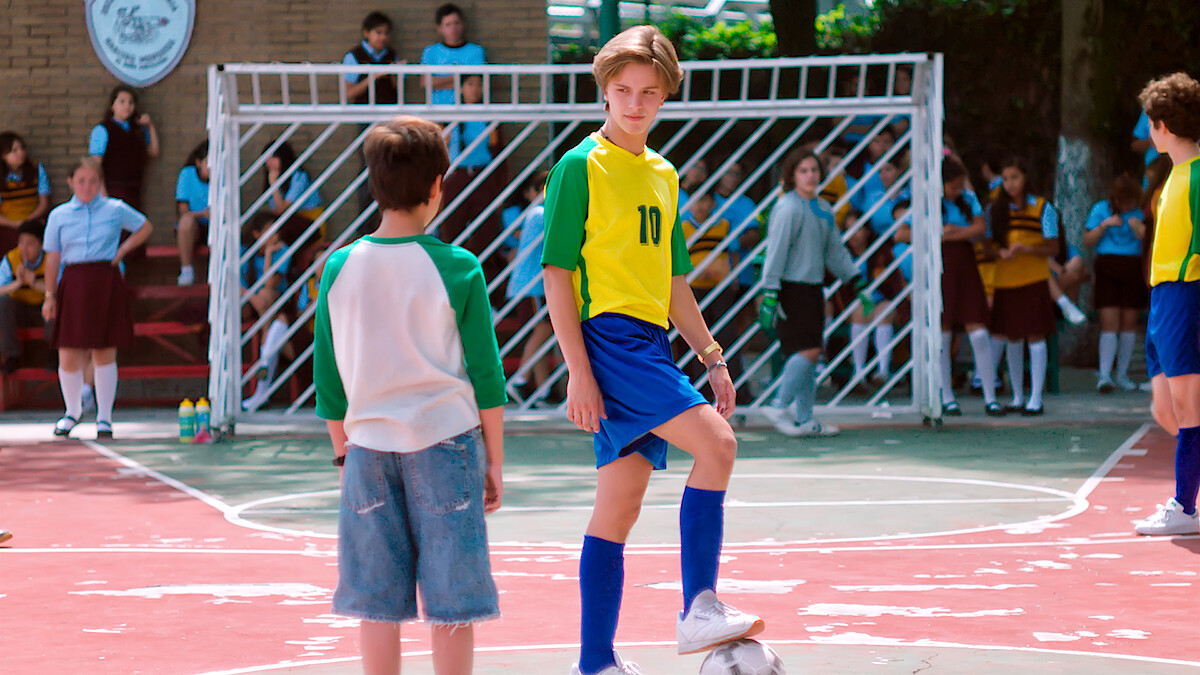
It’s 1994 and 13-year-old José Miguel (Hánssel Casillas) has just moved to a new school in Mexico City, where everyone is obsessed with the ongoing World Cup. José couldn’t care less about soccer, until he learns that his crush-at-first-sight, Cristina Palazuelos (Loreto Peralta), is really into it — so much so that, for years, she’s been dating the school’s best player, Kenji (Luis de la Rosa). To win Cristina’s heart, José convinces a group of social outsiders to form a team and sign up for their school’s own “World Cup” championship. This coming-of-age rom-com, directed by Yibrán Asuad (Have a Nice Day!), also stars Andrea Sutton (Stolen Vacation) and Daniel Haddad (The Search).
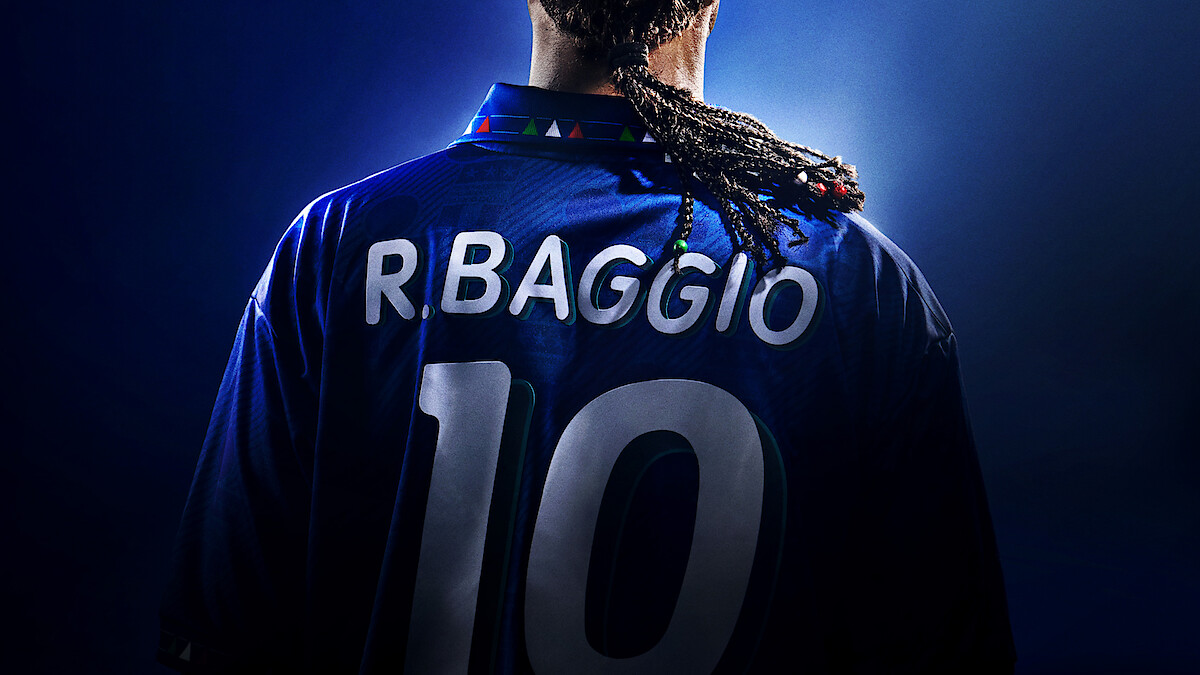
This biopic about one of the most beloved Italian soccer icons of all time, Roberto Baggio, is as much about the person as the player. Baggio, portrayed by Andrea Arcangeli (The Big Fake), grew up in a working-class family and had a complicated relationship with his father (played by Andrea Pennacchi). The film, directed by Letizia Lamartire (We’ll Be Young and Beautiful), shows the rise of a champion, including his struggles with his faith, conflicts with his coaches, and the unforeseen events that almost put a stop to his career. Baggio: The Divine Ponytail also stars Valentina Bellè (Public Disorder) and Antonio Zavatteri (Sense8).
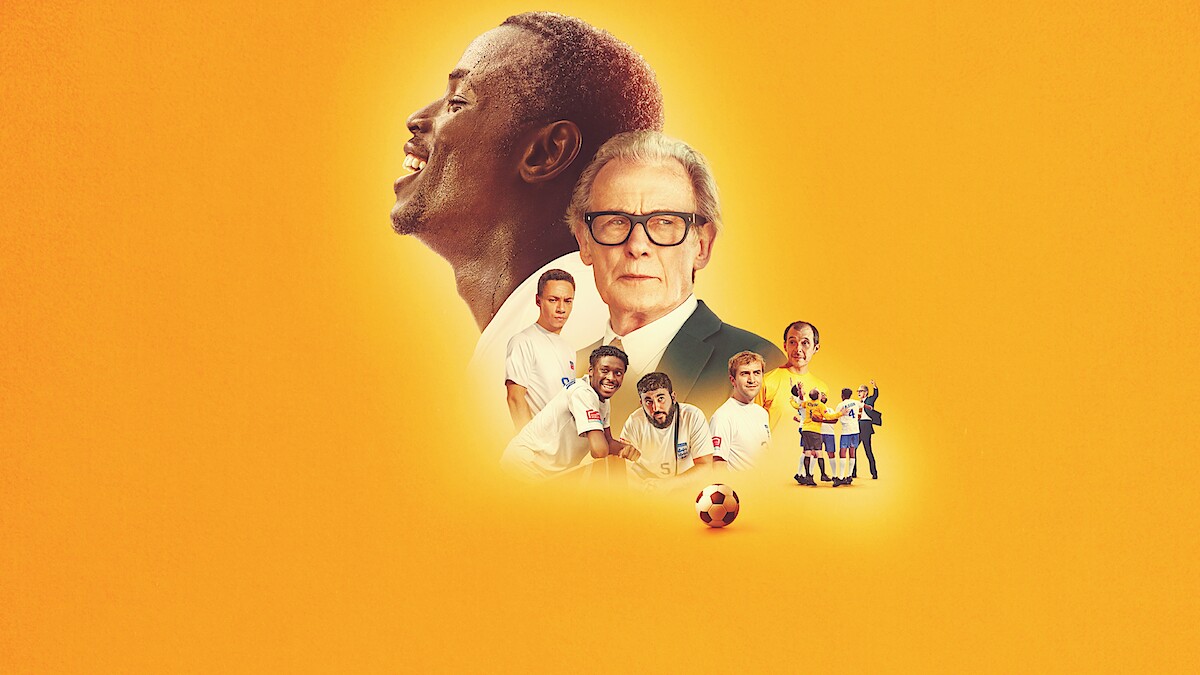
Directed by Thea Sharrock (Ladies First), The Beautiful Game is based on the real-life Homeless World Cup, a soccer tournament featuring unhoused athletes from around the world. The film follows the English team and their dedicated coach, Mal (Bill Nighy), as they prepare for the competition. In the lead-up to their journey to Rome, Mal takes a chance on a talented striker named Vinny (Micheal Ward), who could boost the team’s chances at winning — but only if he’s ready to let go of his past and become part of the team. “Every player has a story to tell,” Mal tells him in the film. “Heartbreaking, unexpected, thrilling stories. And they tell those stories in one great universal language. And that’s football.”
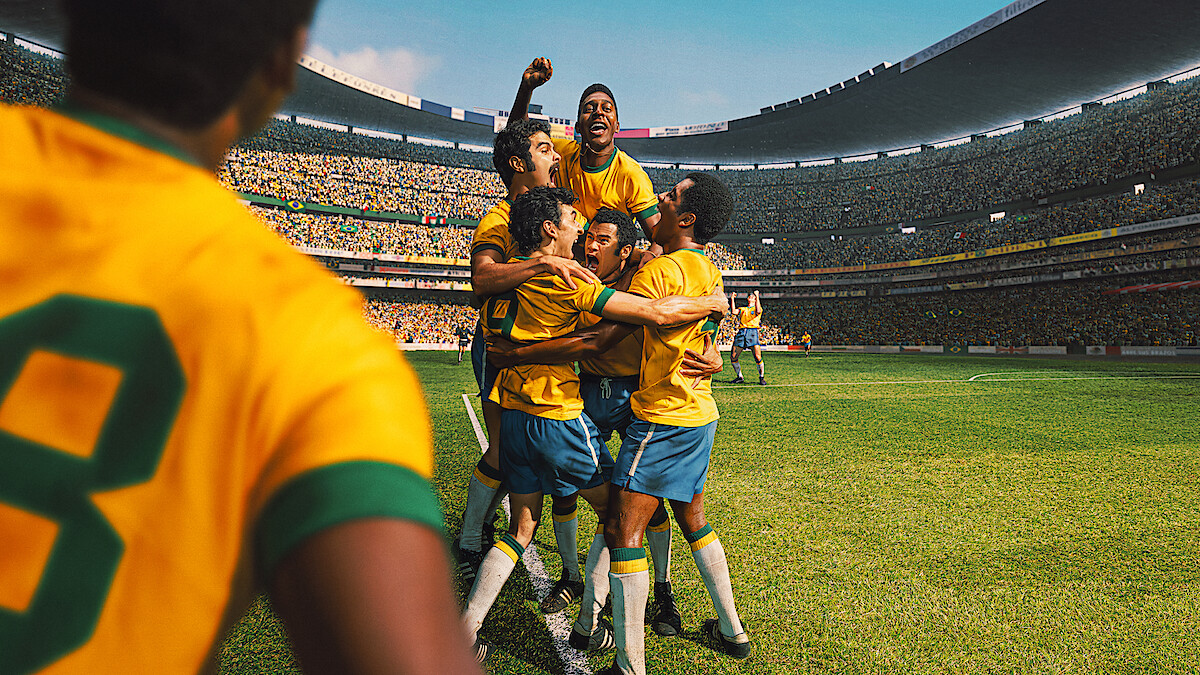
In 1970, the Brazilian national team took the pitch with big dreams and an even bigger challenge: to win the World Cup in Mexico and therefore become the first three-time World Cup champion. This scripted miniseries recreates that emblematic chapter in sports history, with the cast portraying legendary figures from Brazilian football: Lucas Agrícola stars as Pelé, while Rodrigo Santoro and Bruno Mazzeo portray coaches João Saldanha and Zagallo, respectively.
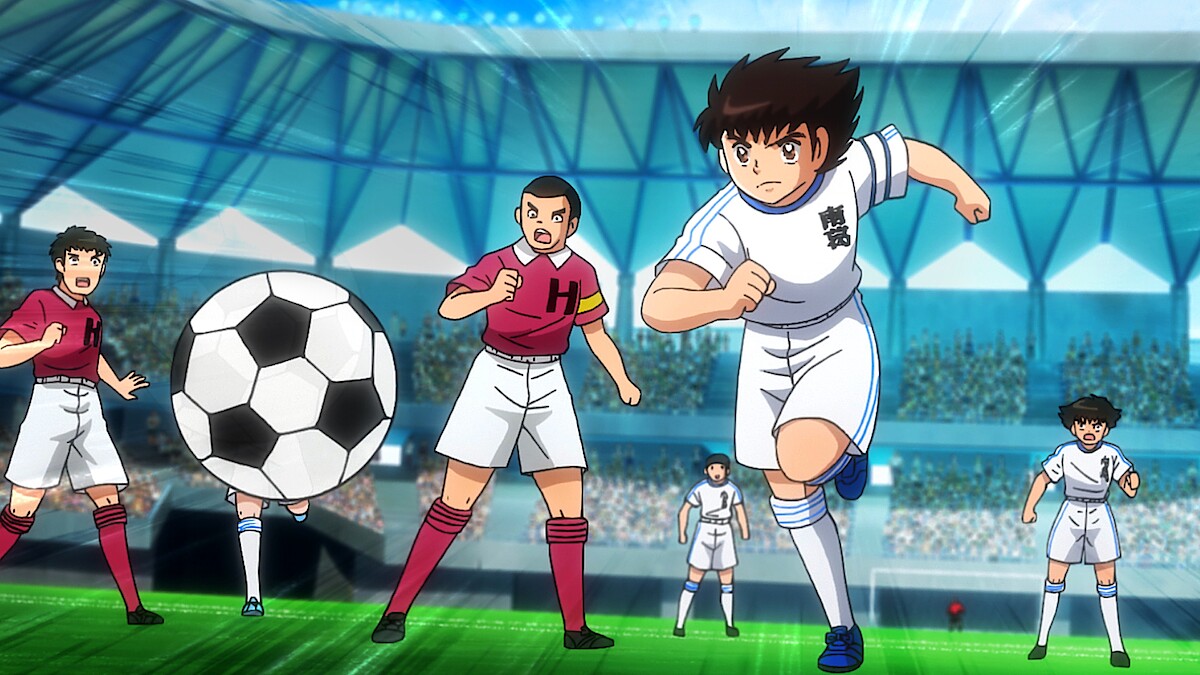
Tsubasa Ozora (Yuko Sanpei) has a dream of becoming the world’s greatest soccer player. To pursue that dream, he and his family move to the fictional Nankatsu, which is well-known for its top-notch elementary school soccer teams. Once there, Tsubasa realizes that being the best of the best requires more hard work than he imagined. The competition is tough, but with the help of his new friends — including bold captain Ishizaki (Mutsumi Tamura), cheerleader Sanae Nakazawa (Sayuri Hara), and goalkeeper Wakabayashi (Kenichi Suzumura) — as well as a potential mentor, former Brazilian national team player Roberto Hongo (Katsuyuki Konishi), he might have a chance to become a real soccer legend in this two-season anime based on the manga series by Yôichi Takahashi.
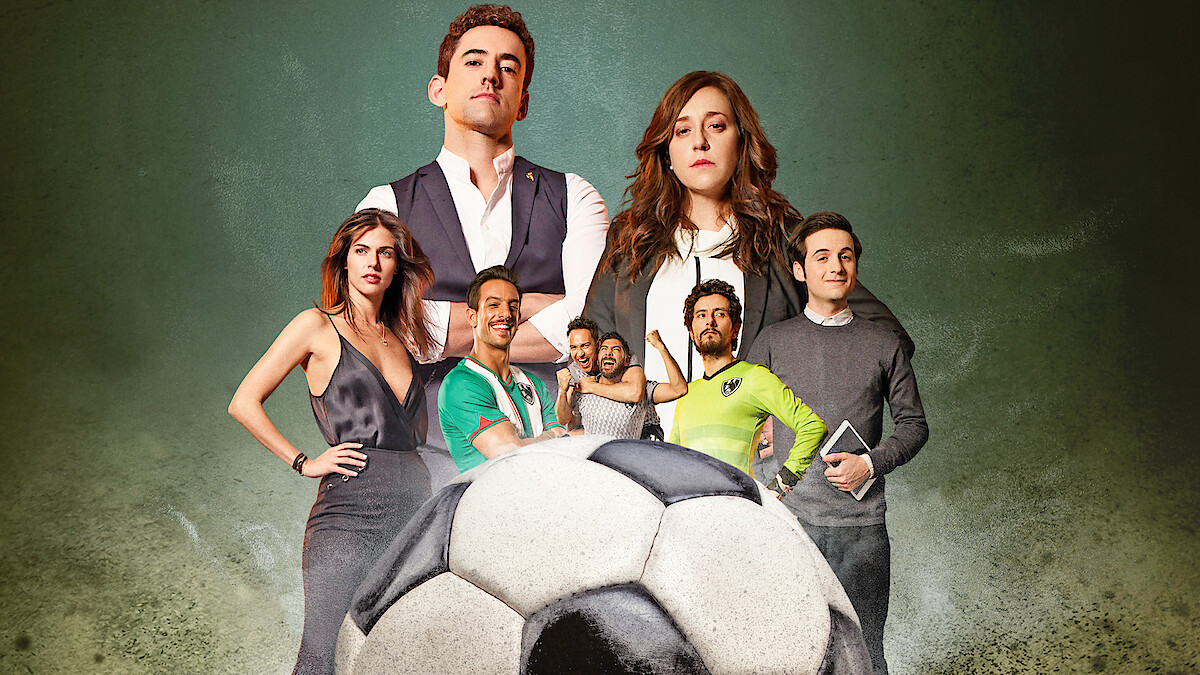
Club de Cuervos follows the fictional Mexican football team Cuervos FC, which is put under new management when its owner dies and leaves his son, Chava (Luis Gerardo Méndez), in charge. Chava has zero management experience and even less interest in sports, which is why his ultra-capable half-sister, Isabel (Mariana Treviño), feels that she should have been chosen for the job instead. As the siblings duke it out behind the scenes, the team’s players struggle with Chava’s increasingly irresponsible, short-sighted decisions. Can the group come together to achieve greatness on the pitch, or will they remain trapped on the sidelines? This four-season sports dramedy also stars Stephanie Cayo (Without Saying Goodbye), Jesús Zavala (Tell Me When), and Melissa Barrera (Keep Breathing).
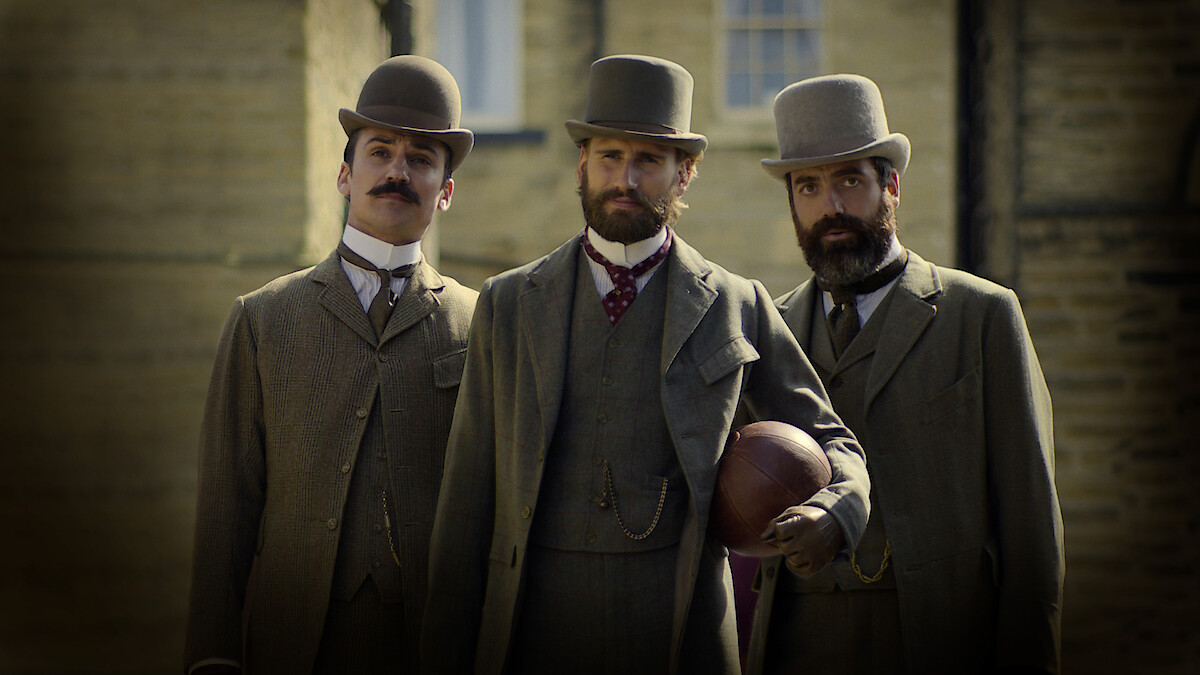
In 1879, modern football was in its infancy, a game created by — and for — the upper-class elite in the UK. But that year, Darwen FC, a working-class team made up primarily of factory workers, became the first club of its kind to make it to the quarterfinals of the Football Association cup. This six-episode historical drama follows two footballers on opposite sides of a class divide as they navigate professional and personal turmoil to change the game and their home country forever. Co-created by Julian Fellowes (Downton Abbey), the series stars Edward Holcroft (Alias Grace), Kevin Guthrie (Fantastic Beasts and Where to Find Them), and Charlotte Hope (Allied).
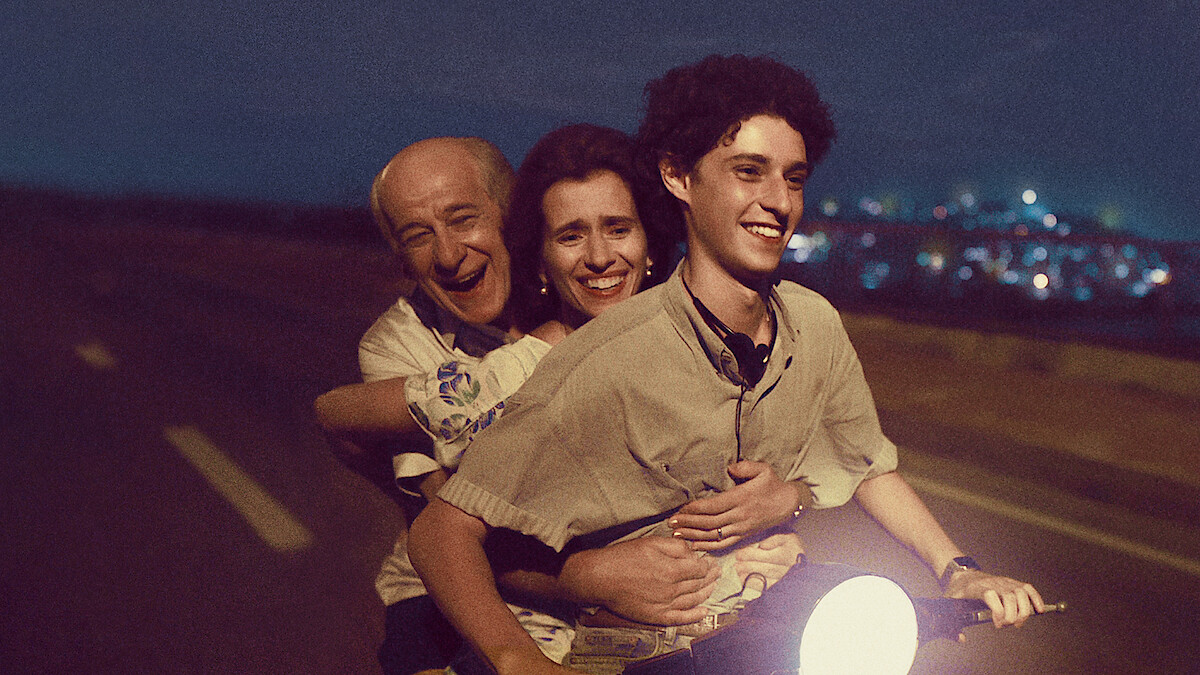
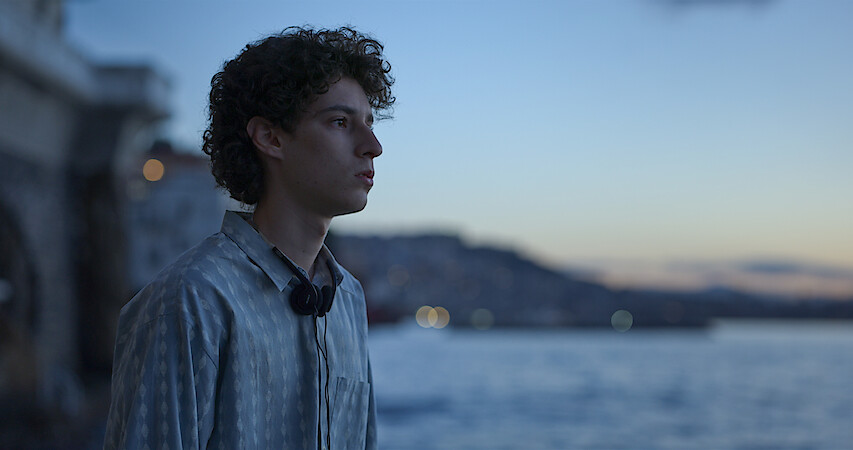
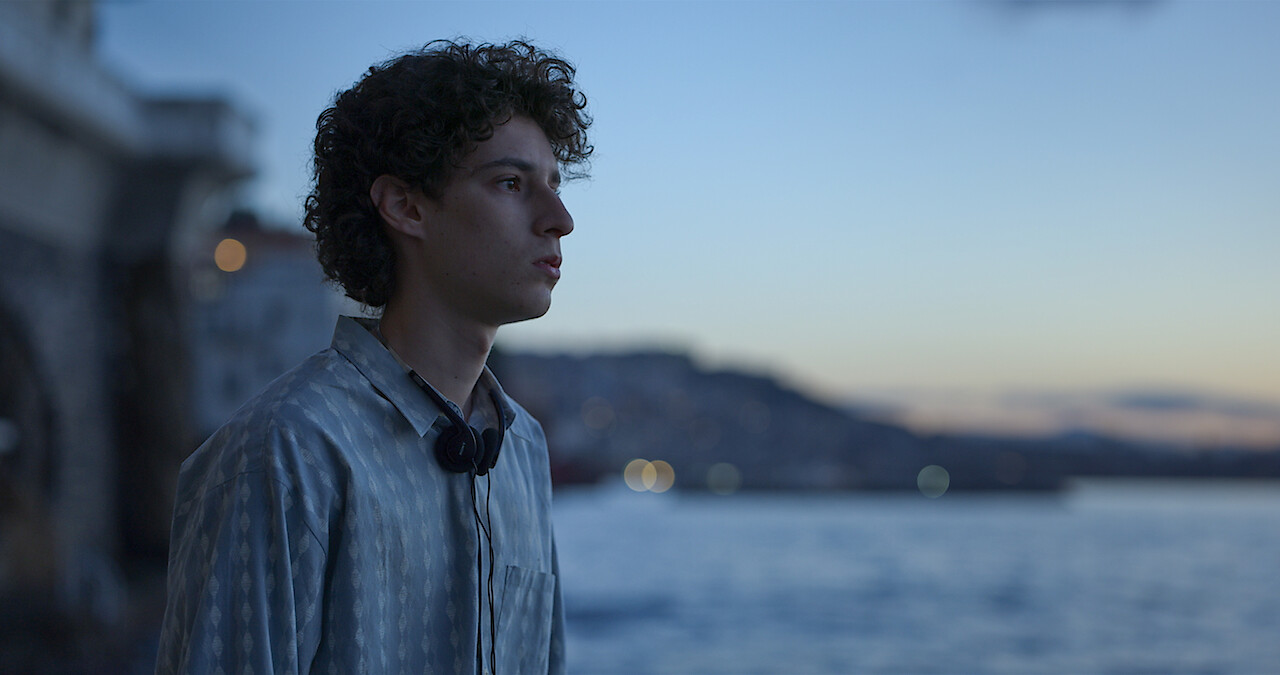
Academy Award–winning writer and director Paolo Sorrentino’s fictionalized self-portrait of his teenage life starts in 1980s Naples. After Napoli soccer legend Diego Maradona leads the Italian team to victory during the 1986 World Cup with a goal that was technically a handball, introverted 16-year-old Fabietto (Filippo Scotti) is overjoyed. A massive soccer fan, Fabietto wants to study philosophy at university, but for now he lives at home with his parents, Saverio and Maria (Toni Servillo and Teresa Saponangelo); aspiring actor brother, Marchino (Marlon Joubert); and self-obsessed sister, Daniela (Rossella Di Lucca). For all its comedy, this coming-of-age drama also deals with tragedy, and weaves together a story about fate, family, love, loss, and, of course, soccer.
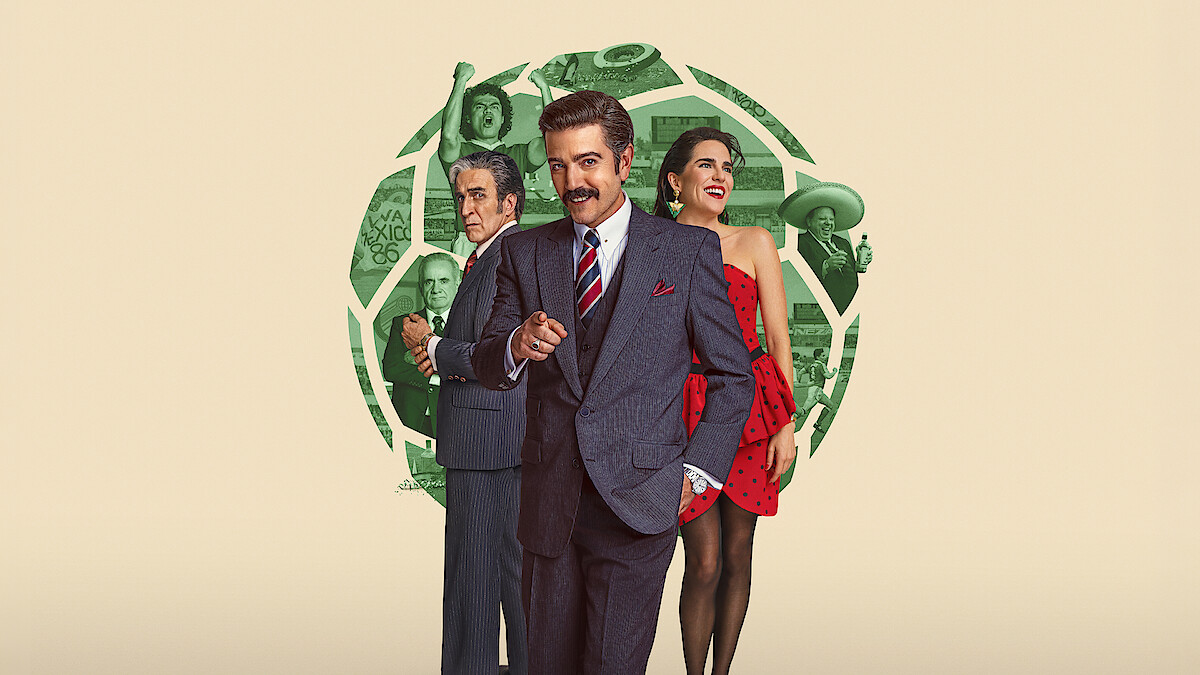
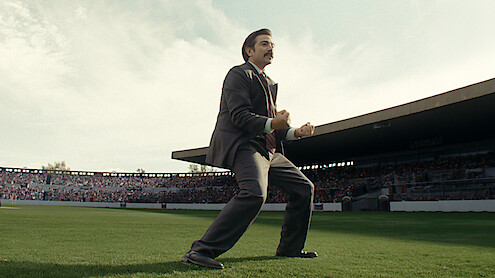
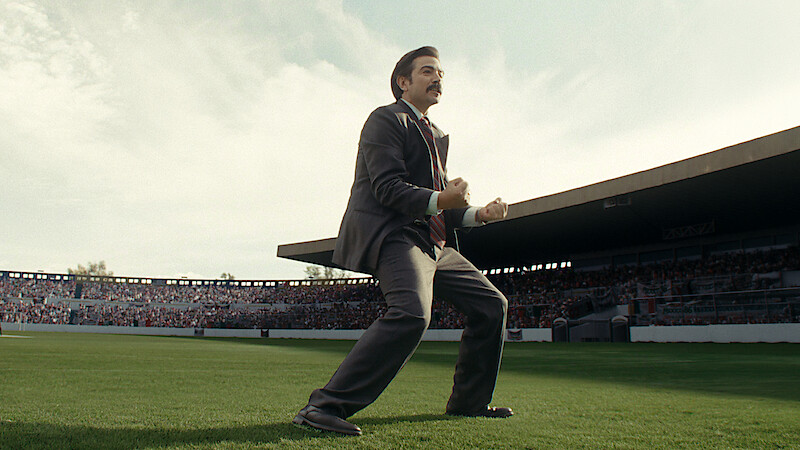
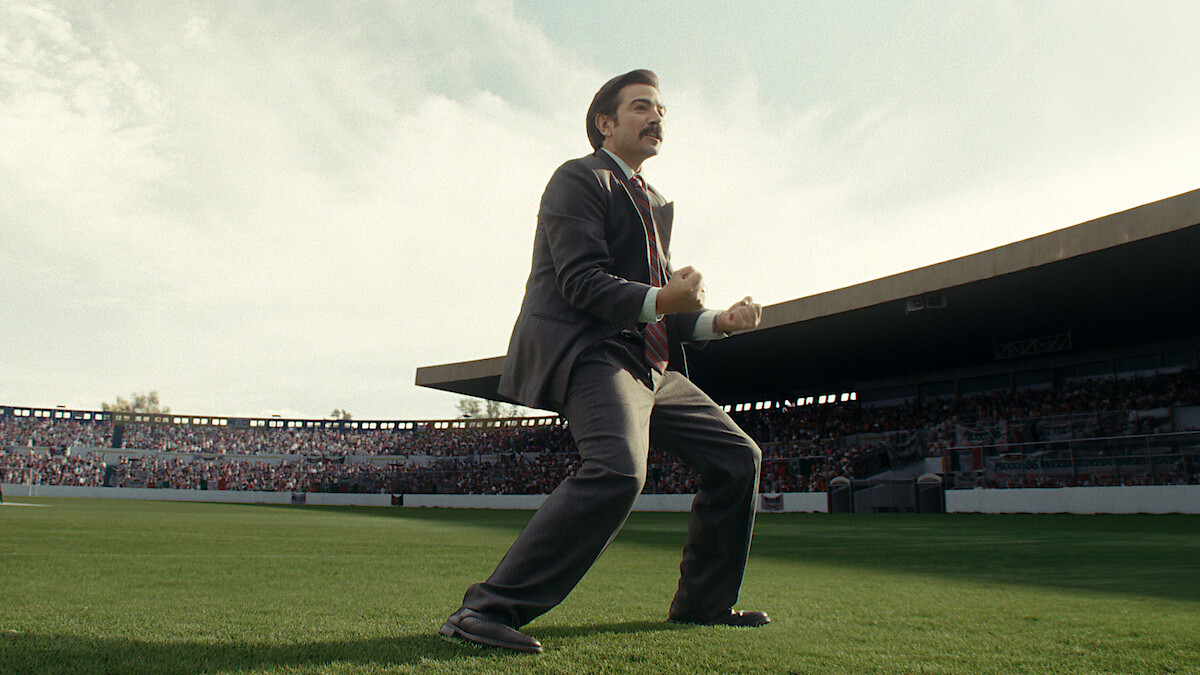
Mexico has never won a World Cup, but in 1986, it became the first country to host the event more than once — thanks to one man: Martín de la Torre. Mexico 86, written and directed by Gabriel Ripstein (We Are Golden), stars Diego Luna (Narcos: Mexico) as de la Torre, and follows his stranger-than-fiction journey to bring the 1986 World Cup to Mexico by any means necessary. Because if you can’t win on the pitch … there are always other ways to play. Daniel Giménez Cacho (Familia) and Karla Souza (Technoboys) also star.
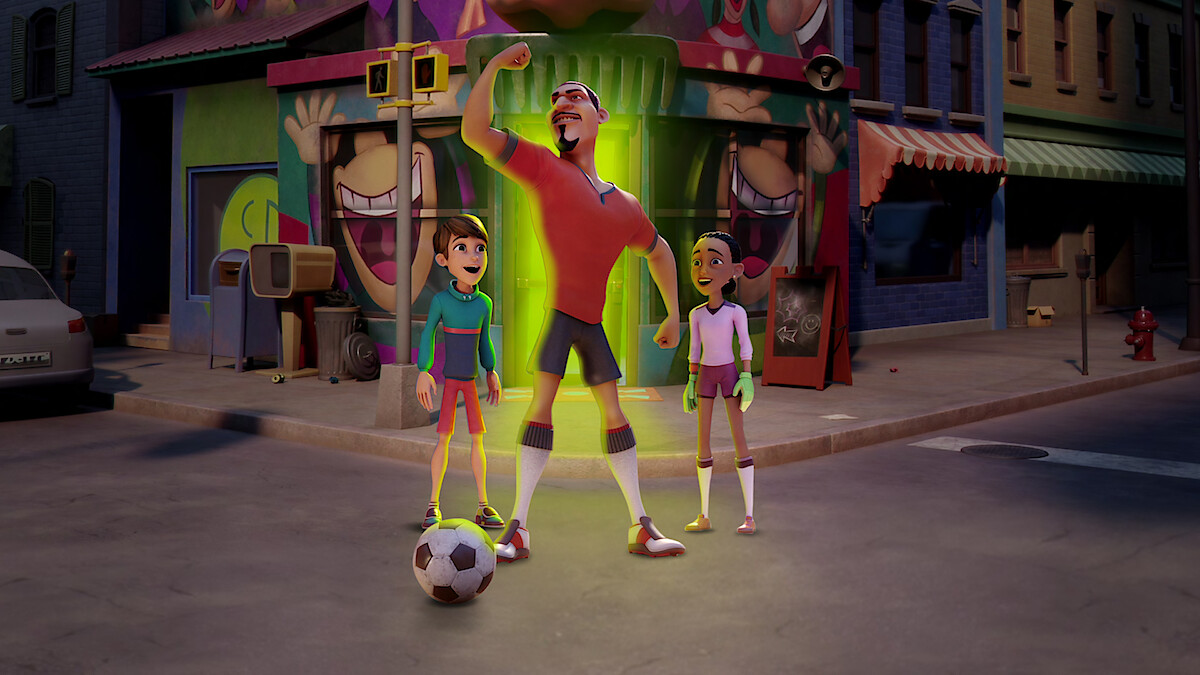
If you’re in need of a movie to get your kiddos excited about the World Cup, this animated adventure has you covered. An evil scientist has stolen the talent of soccer idols like Swedish striker legend Zlatan Ibrahimović and 2019 FIFA Women’s World Cup champion Megan Rapinoe, who are voiced by their real-life counterparts. Now it’s up to four young superfans to help the players regain their abilities and fight off monsters. “Weird Al” Yankovic also lends his voice. Everybody wins.
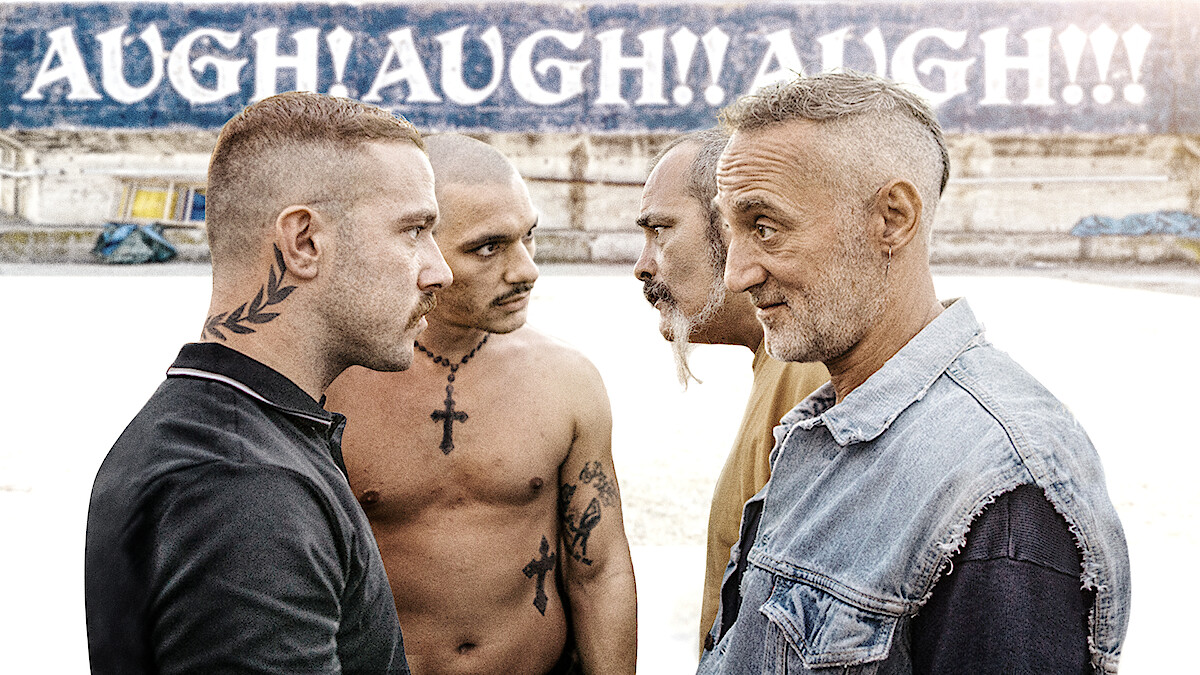
Sandro (Aniello Arena) is the aging leader of the Apaches, a gang of soccer fanatics in Naples, Italy, with a lust for violence that regularly gets them banned from the arena. Now pushing 50, Sandro is over it. When he becomes responsible for a teenage boy, Angelo (Ciro Nacca), in the wake of a tragedy, Sandro begins to wonder if there’s another way — both for his sake and the kid’s. But before he can go anywhere, he’ll have to deal with the potential coup brewing in the group’s darkest corners. This drama, with its gritty realism, feels so much like a documentary that it flashes a disclaimer at the start to assure viewers that the story is fictional. But that doesn’t make the film’s nuanced portrayal of soccer fanaticism, gang culture, power struggles, and changes of the heart feel any less real.