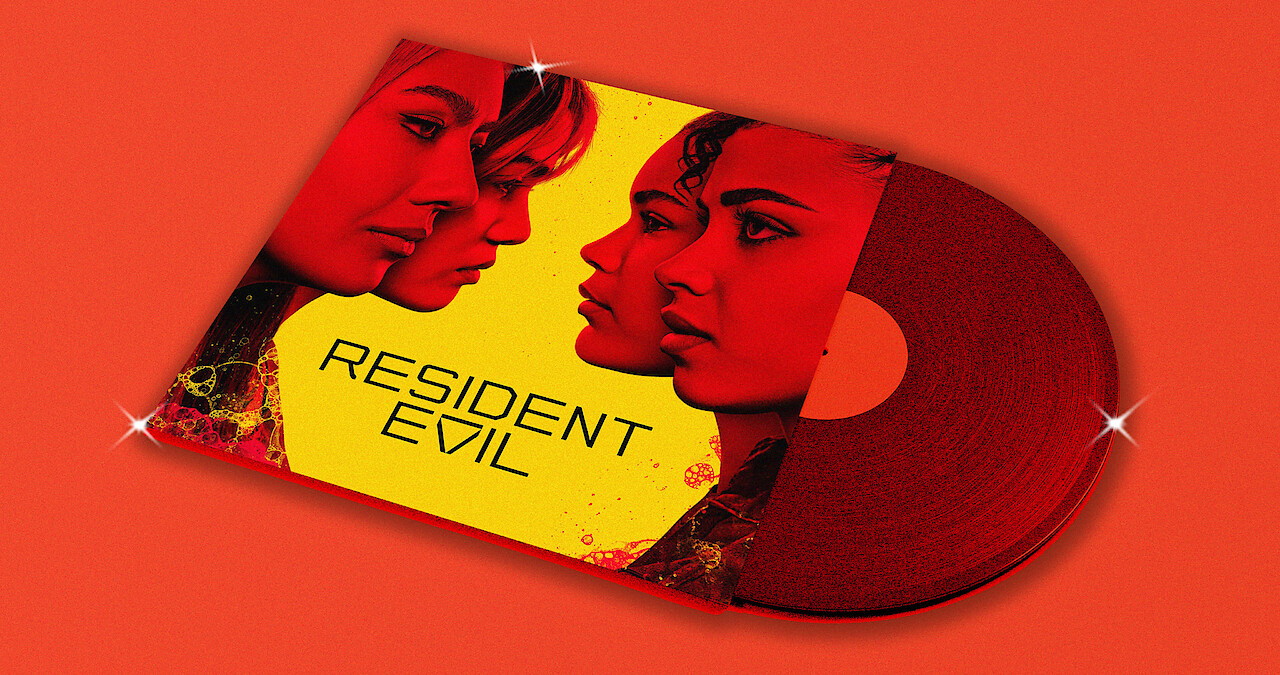
With a sprawling video game series, blockbuster film franchise, anime and more, the Resident Evil universe is vast. Thankfully, you don’t have to be familiar with any of it to enjoy Netflix’s new Resident Evil show.
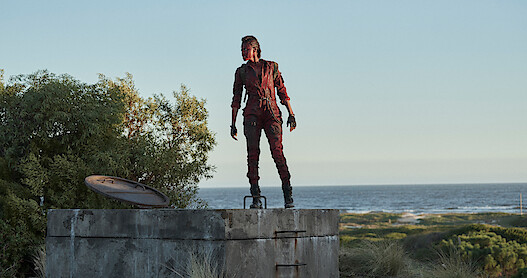
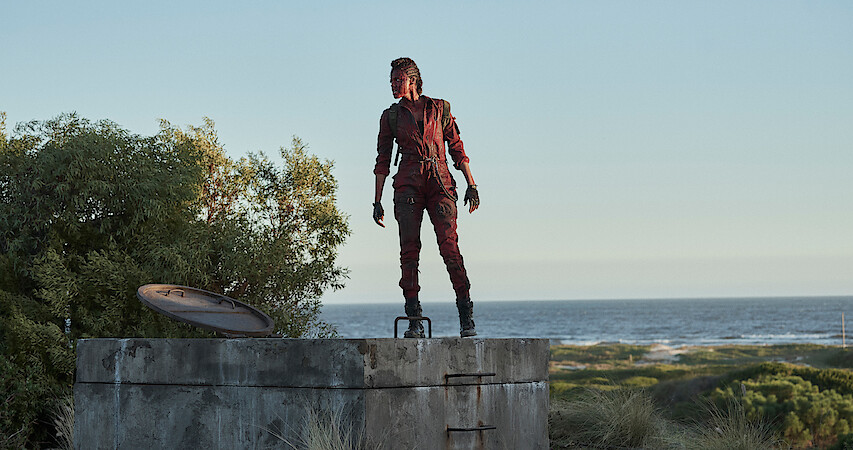
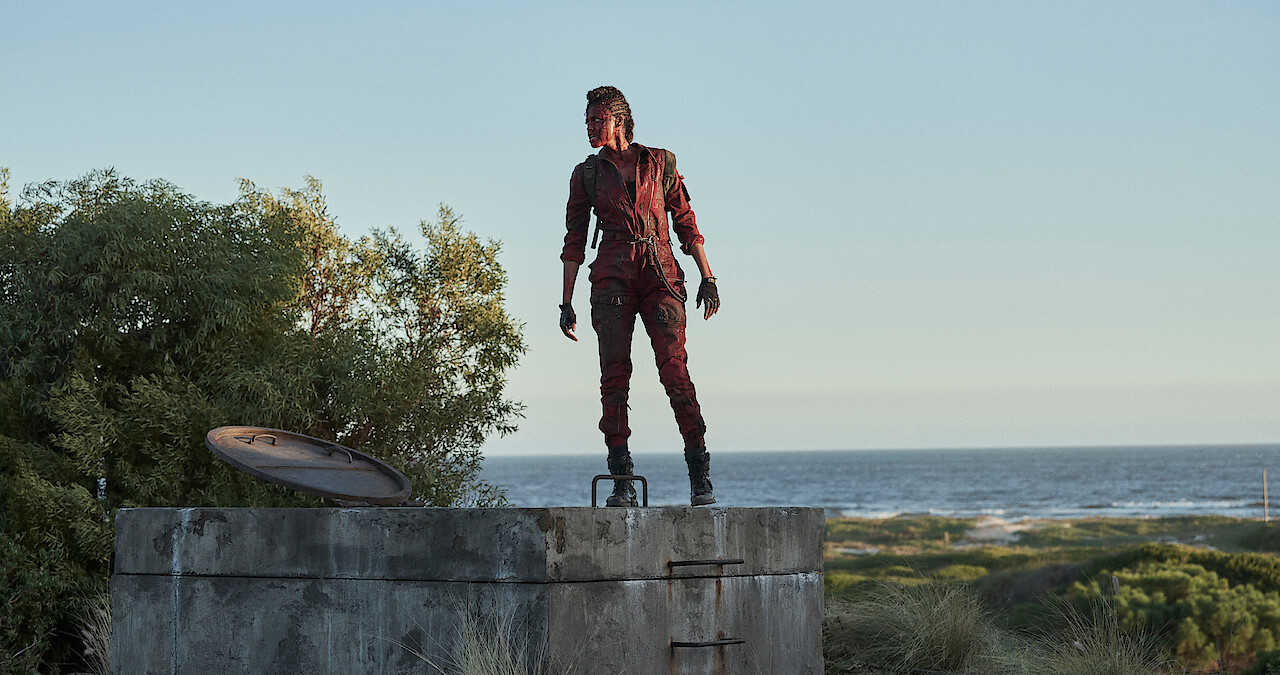
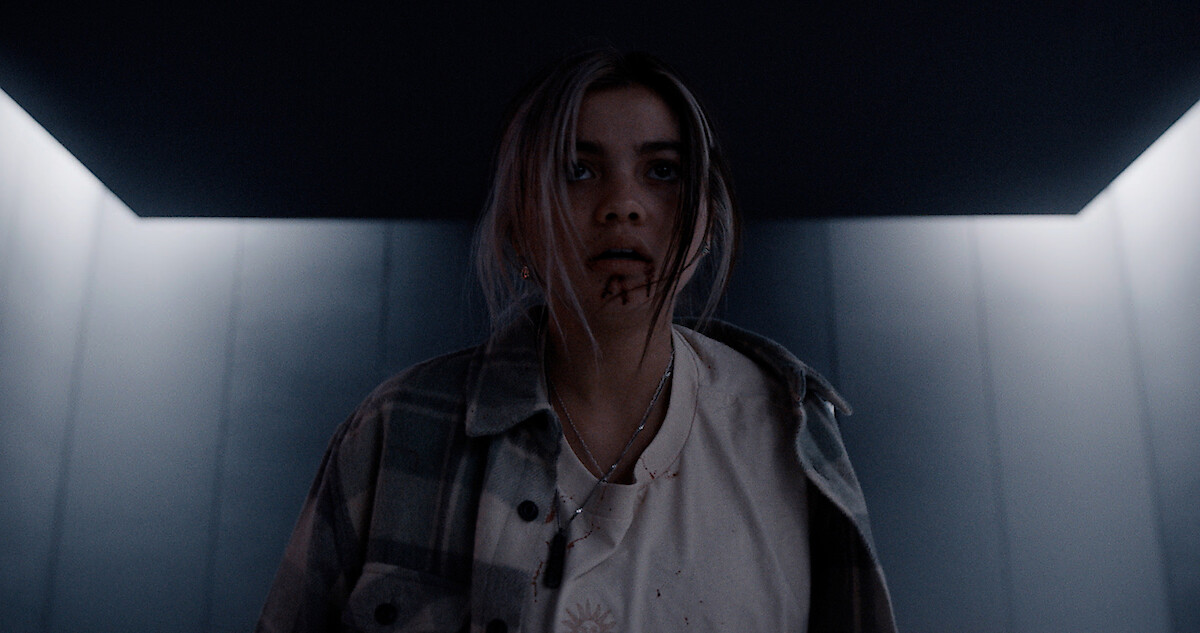
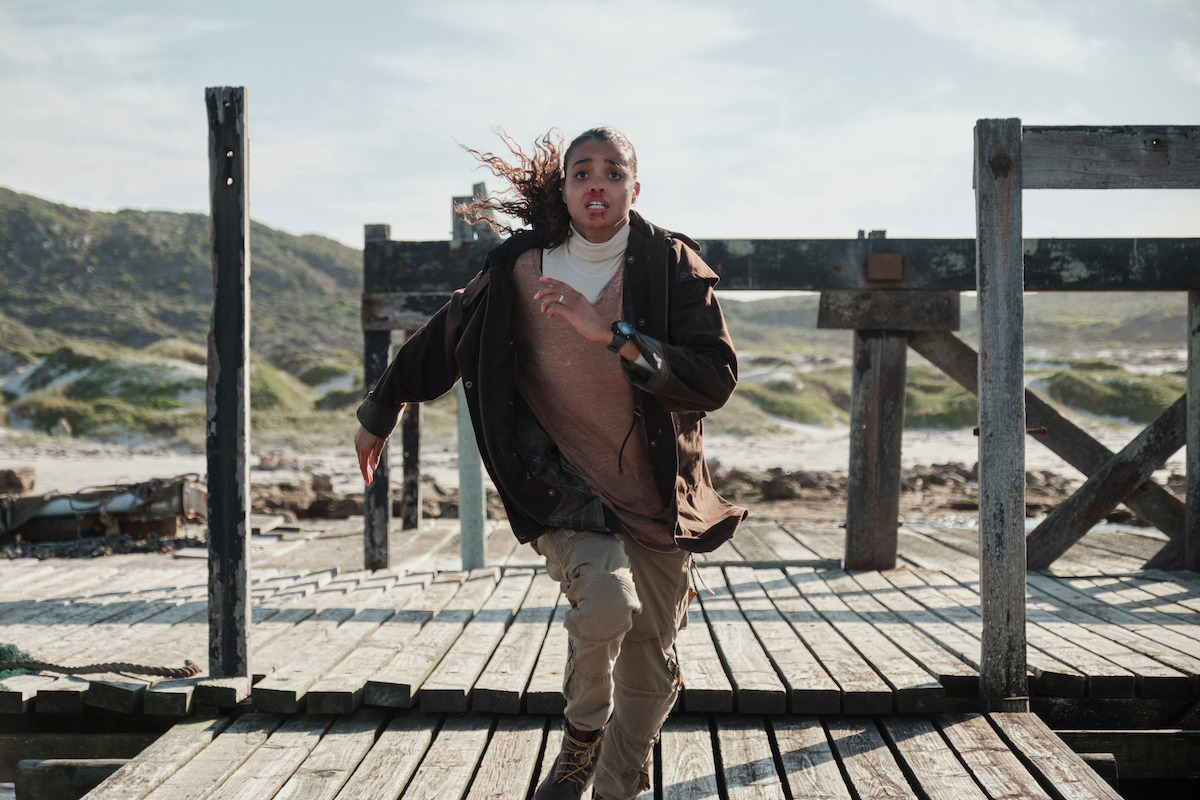
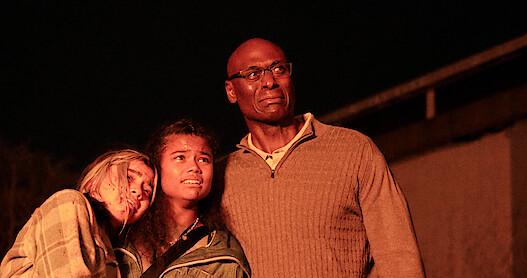
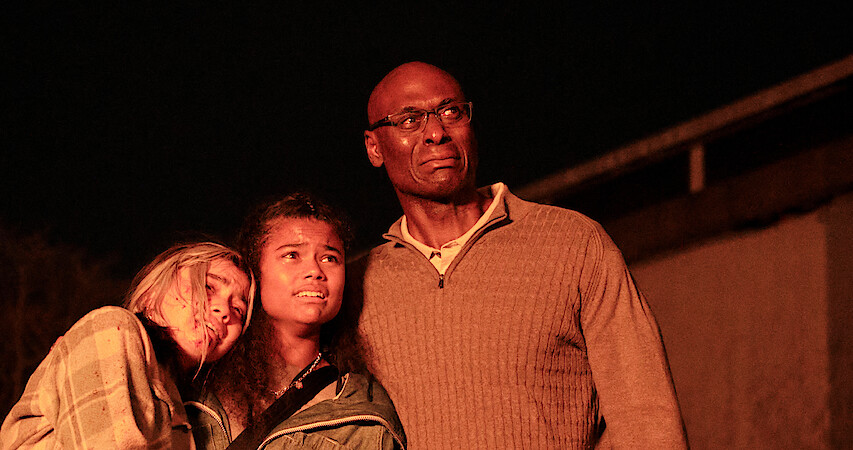
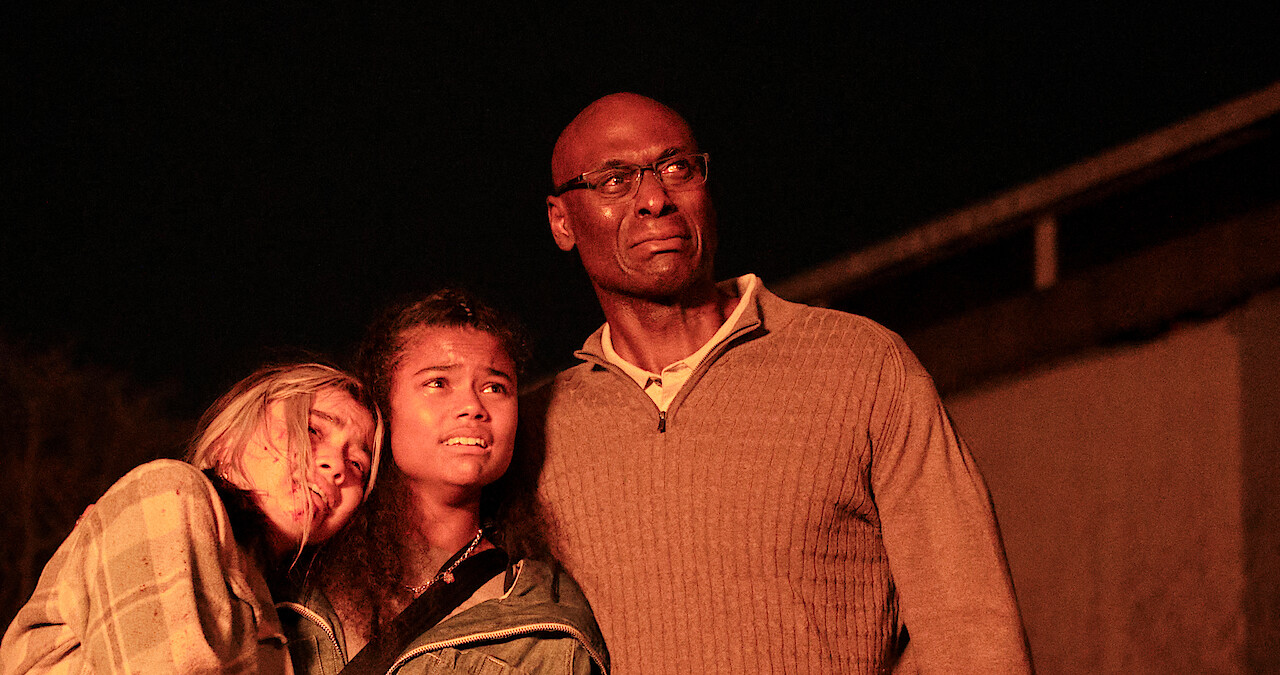
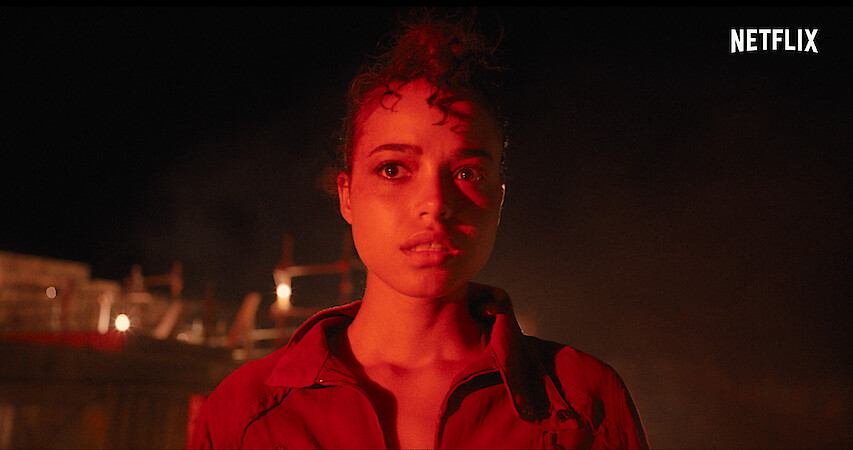
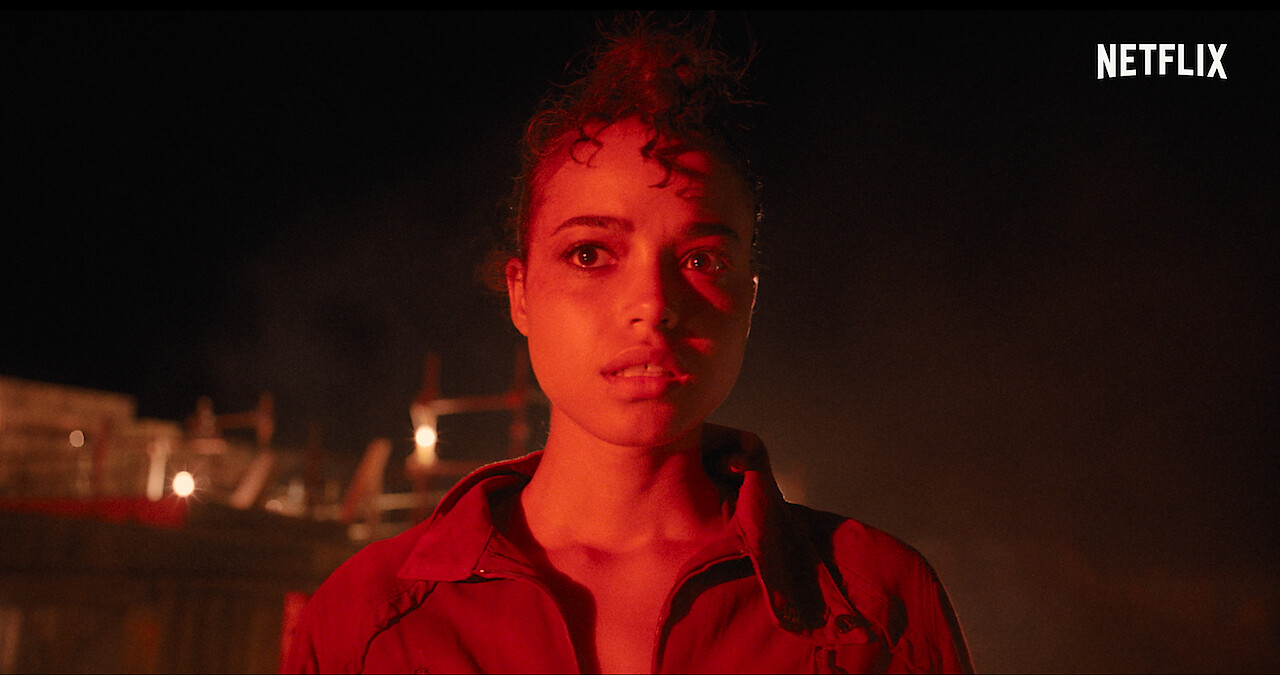
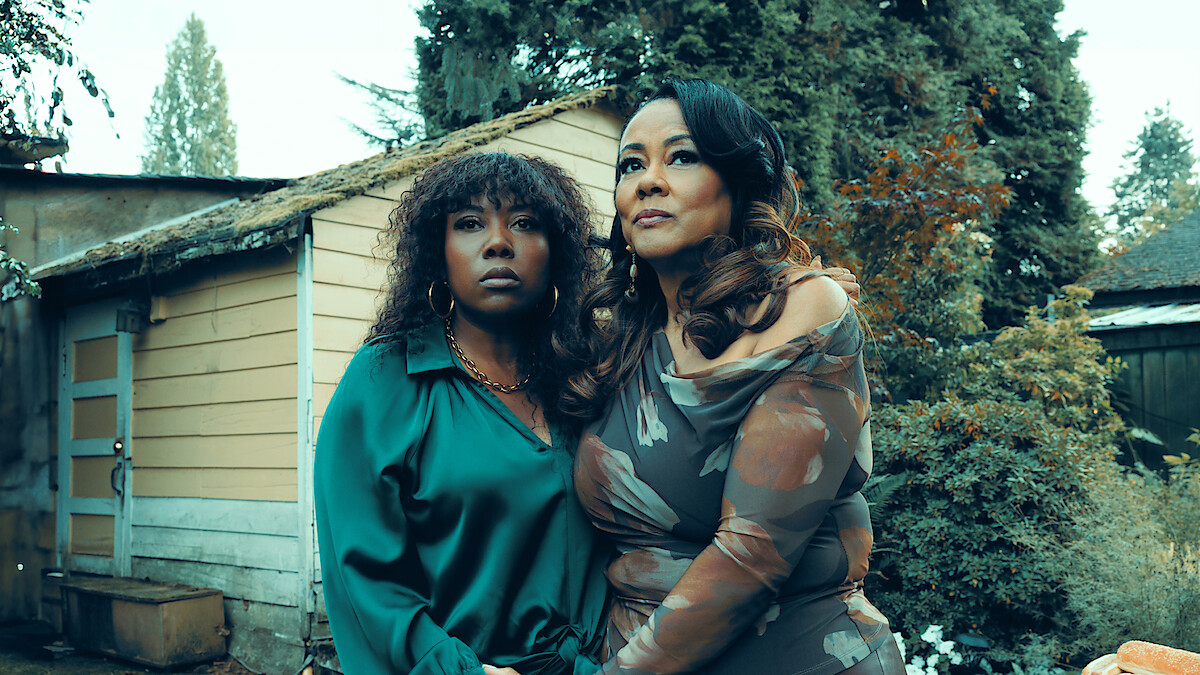
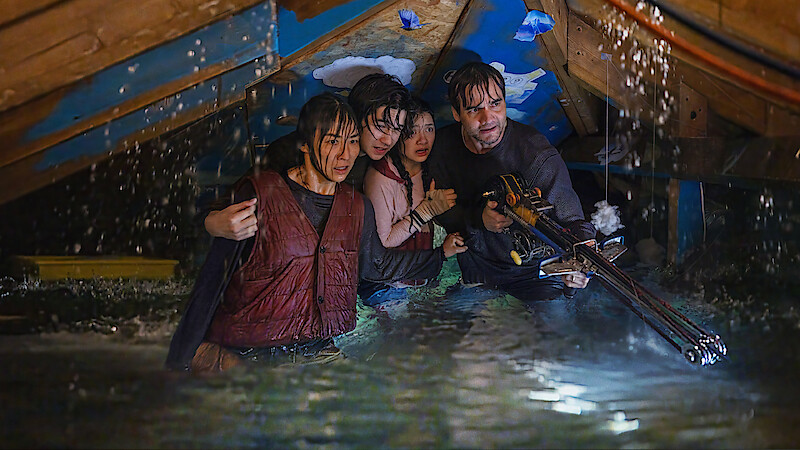
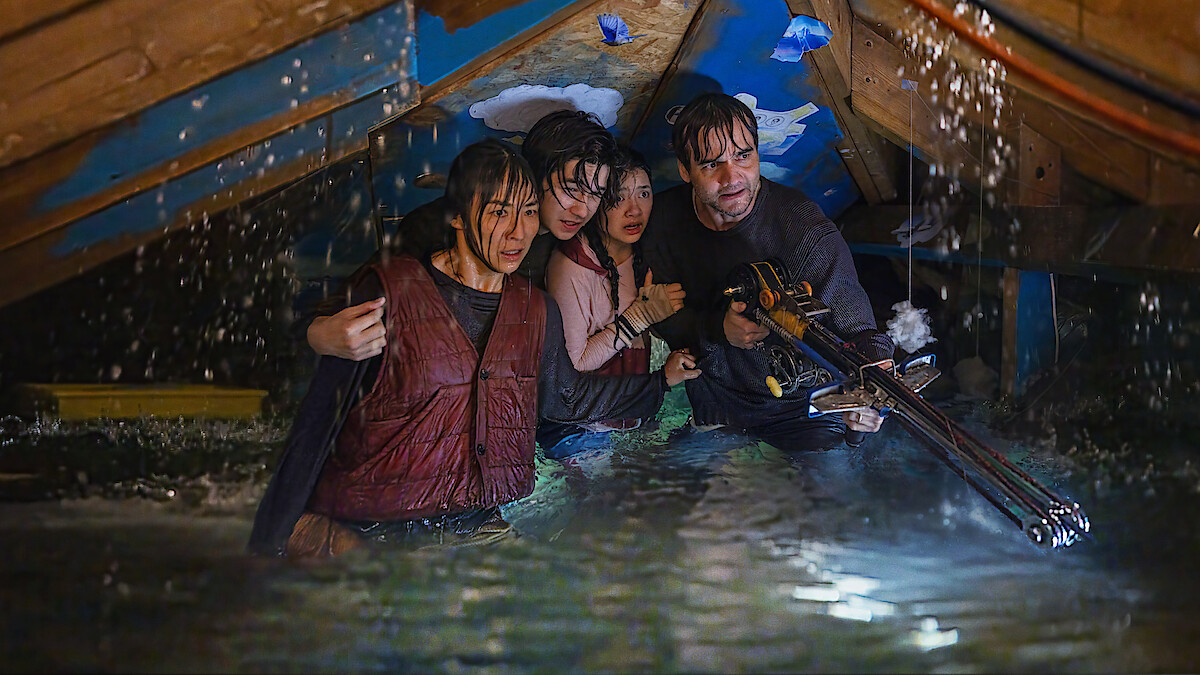
The Capcom franchise’s first live-action series, Resident Evil presents an action-packed and mystery-filled original story set across two timelines. In 2022, teenage twins Jade (Tamara Smart) and Billie Wesker (Siena Agudong) move to New Raccoon City with their enigmatic father, Albert (Lance Reddick), who’s developing a miracle drug for the Umbrella Corporation. Unfortunately, this medication ends the world instead of saving it, as revealed by the flash-forwards to the year 2036, when an adult Jade (Ella Balinska) fights for survival in a world overrun by blood-thirsty, gargantuan monsters. Despite Jade’s very existential crisis, she can’t escape her family’s dark and twisted history.
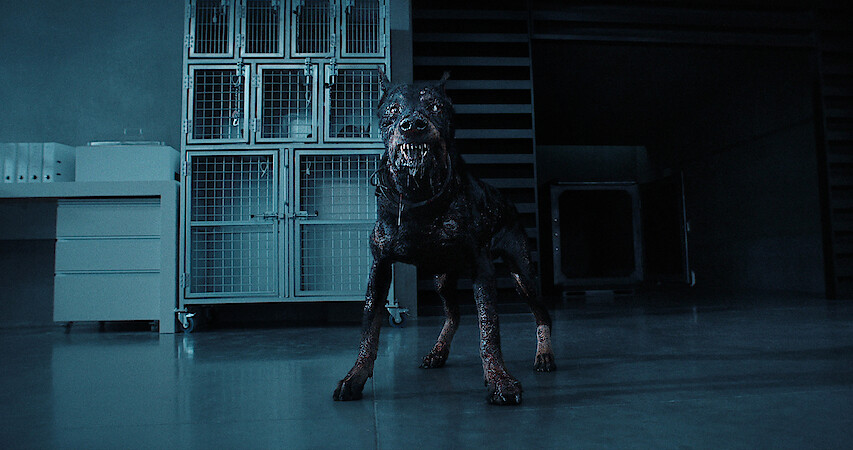
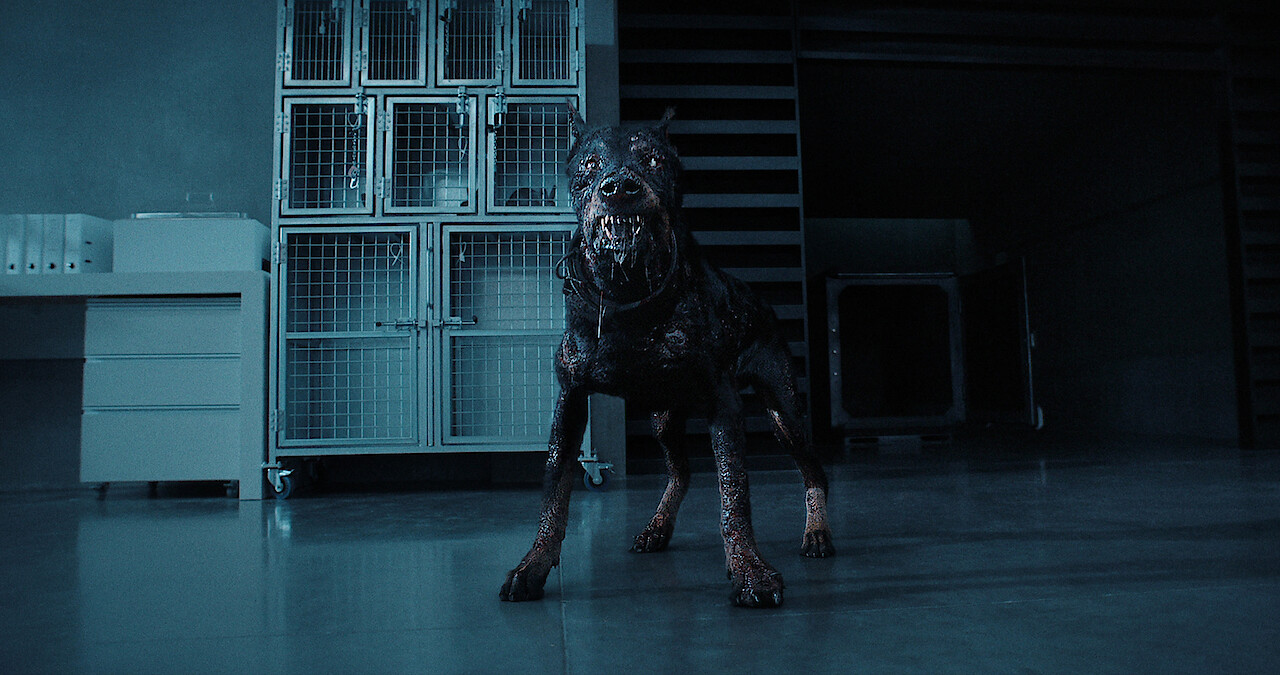
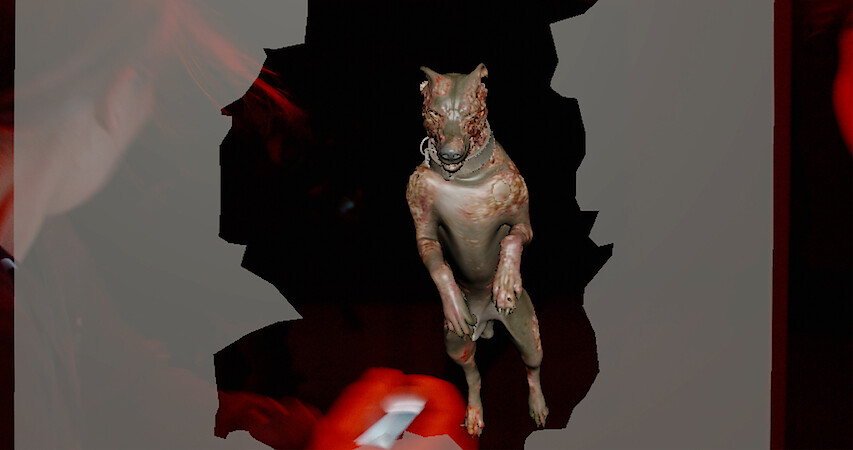
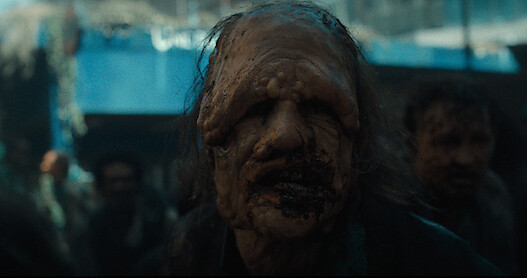
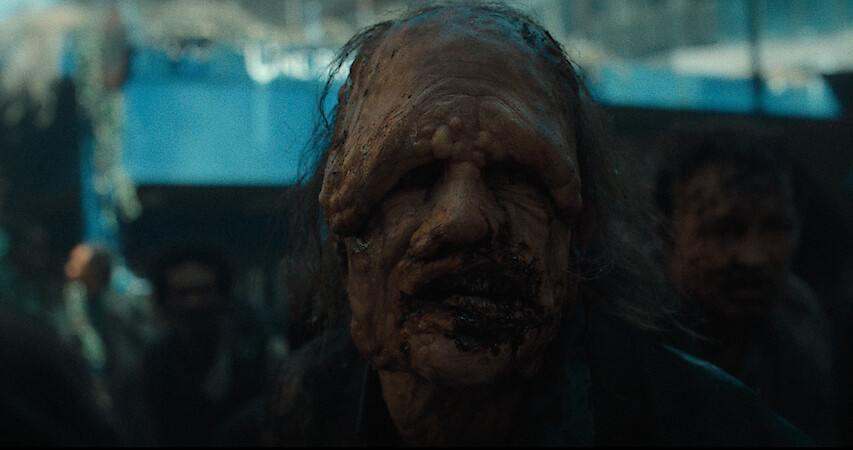
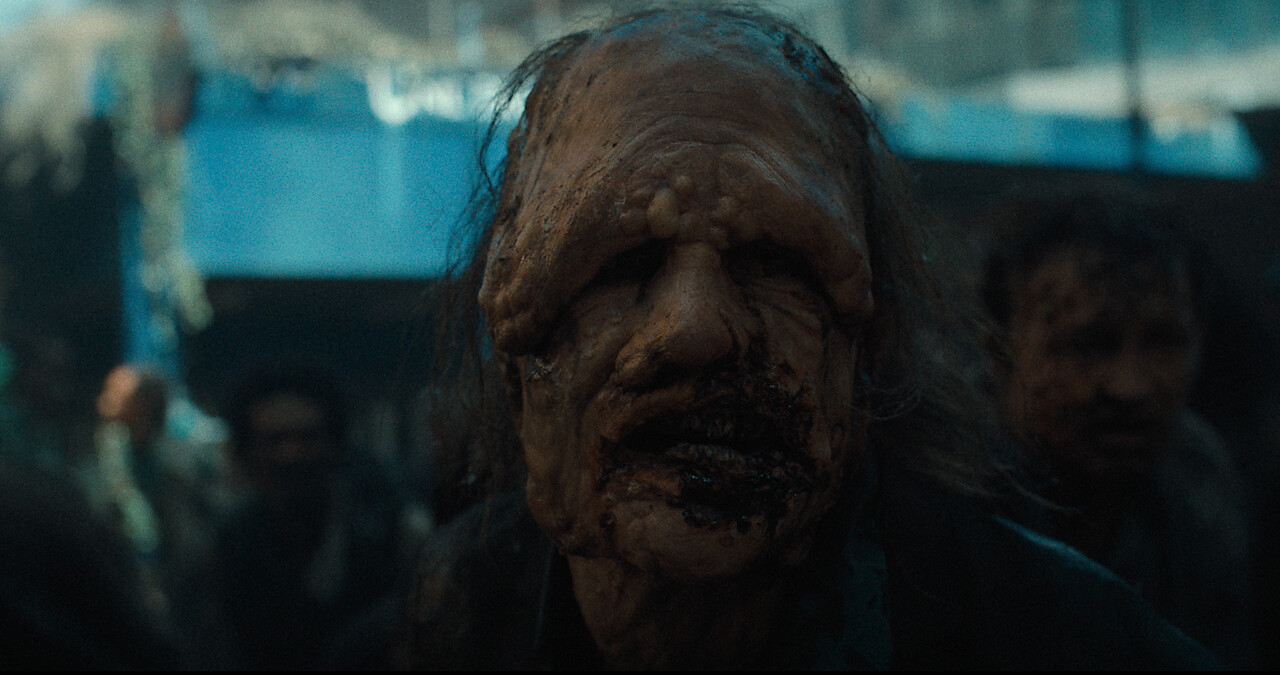
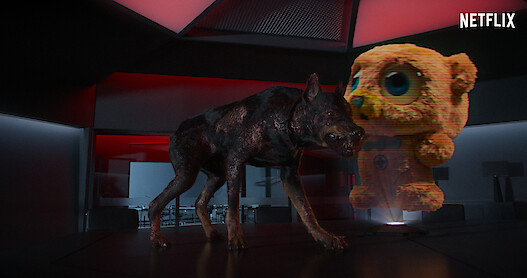
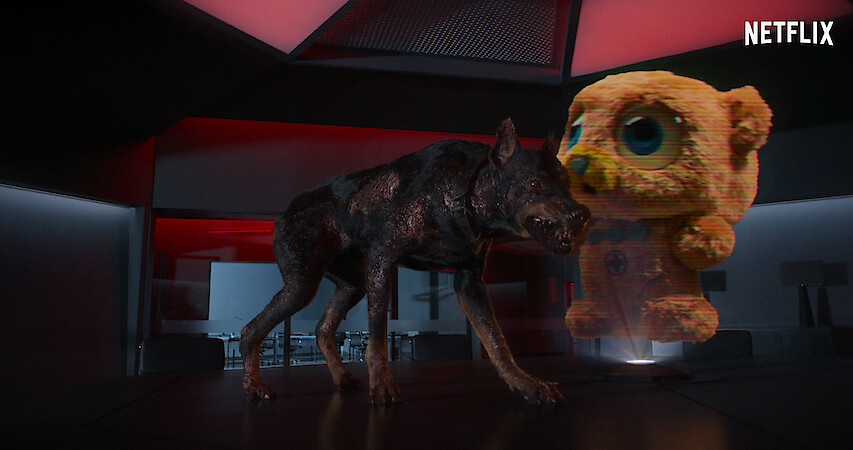
“It’s got [Infected] dogs and giant caterpillars and crazy stuff, but at its heart it’s a family story,” showrunner Andrew Dabb (Supernatural) tells Tudum. “Every good story is about family, so it’s not groundbreaking to say that. It’s a story about a family going through something extraordinary, which is the end of the world. What did that family look like before that happened, and how does that family change through that crucible and look on the other side?”
He continues, “The present-day story is, to a degree, a coming-of-age story, not just for the two younger girls but also for Albert. You’re seeing people change in a way and grow in a way that I hope is compelling. And then the future storyline, you’re kind of seeing where they ended up and how they look now.”
Below, Dabb explains everything you need to know going into the show, teases the mystery at its heart and more.
TV is rife with postapocalyptic futures. How does Resident Evil stand out?
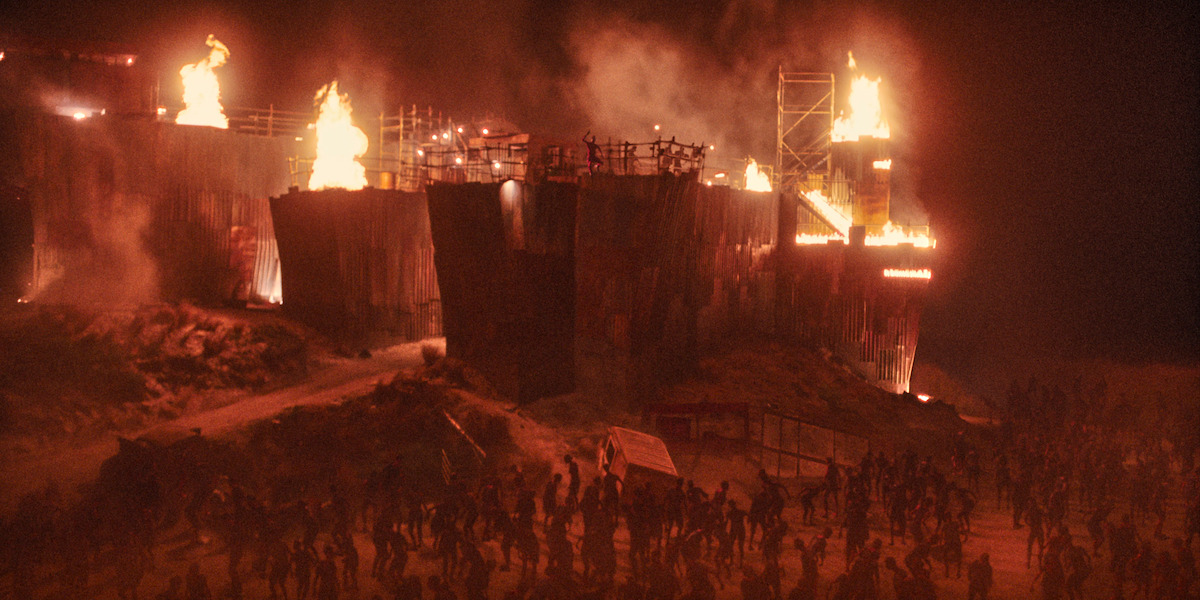
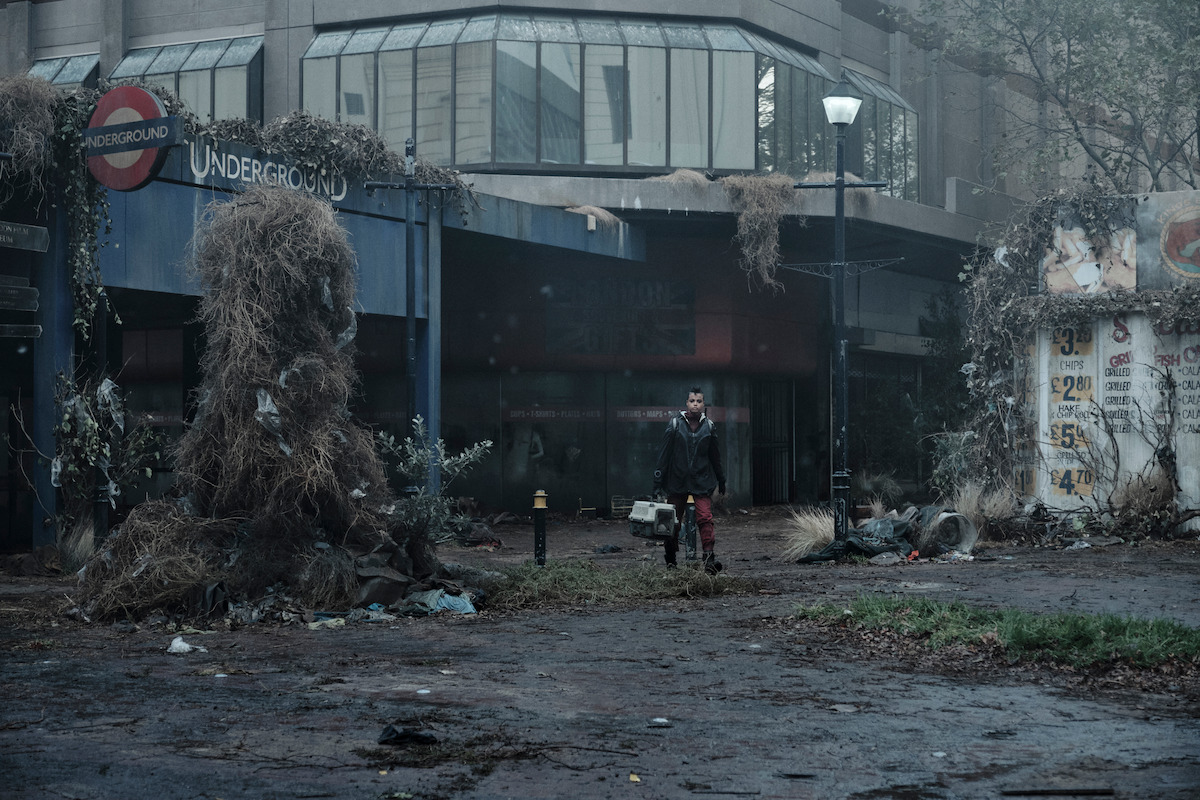
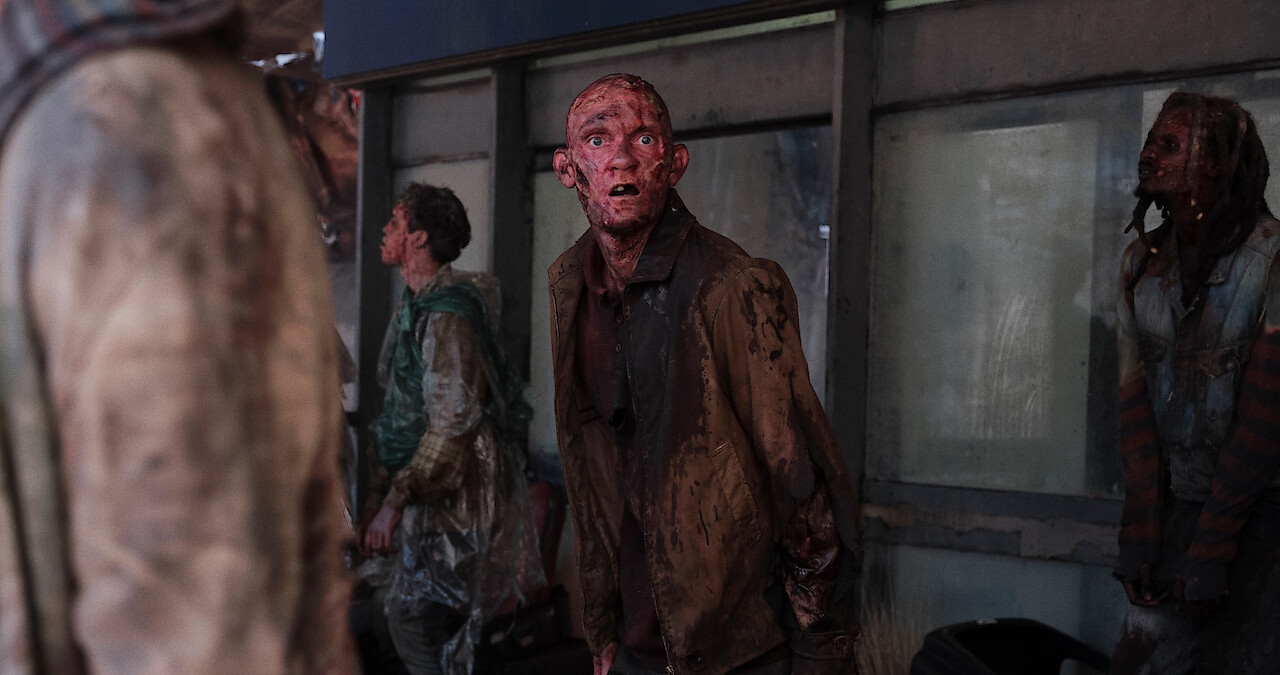
We’re always a horror-action hybrid, but we try to be horror first and action second. For us it was more again, you’ve seen a zombie postapocalypse before. Almost always, that is days, weeks or potentially months after the apocalypse happened [or] really is still happening. So we’re like, “OK, what if you go fast-forward 15 years?” Well, at that point, the outbreaks of Infected in major cities, that’s all over. So what does the world look like now? And humans are resilient. We will find a way to rebuild, we always have. So [these monsters] are a problem, but they’re a problem humanity can, to some degree, manage — doesn’t mean they want to manage it.
So [we thought], “What would that world look like if people were trying to build a life after this has happened?” So in Episode 2, for example, you see what a city looks like there. As we go forward, you see what different communities look like in this world.
Do you have to be familiar with the video game to watch the show?
You don’t have to be familiar at all. If you are, there are some Easter eggs in there and some things that I think you’ll be like, “Oh wow, that’s a cool thing to explore.” Or, “Oh, we kind of know what’s coming based on that.” But if you’re not, it doesn’t matter. I compare it to something like Game of Thrones, for example. If you’d read the books, the show was richer. If you hadn’t read the books, it was still a great show. If you played the games, I hope the show is richer. If you’ve never played the games, no problem, enjoy it, and I hope you will go play the games after you watch it because they’re great games.
What was it like adapting a video game for television or movies?
I didn’t have a lot of video games when I was growing up. I grew up in Utah. My dad was a farmer. My mom was a teacher, the world was not my oyster, but Resident Evil was one of the games that really affected me. So the chance to get to play in that world was really, really exciting for me. And I just wanted to bring a degree of reverence to it. I’m sure we’ve made mistakes, but we really try to keep the game’s canon but at the same time present a story that anyone could get into and enjoy, because I didn’t get into the first Resident Evil 1. I got into Resident Evil 3, and then I went back and played everything. So my hope is that the established fans will enjoy this show. Obviously, new fans will enjoy it too and explore this very rich world that is the Resident Evil universe.
Resident Evil is the most alive IP you’ll ever see. It’s movies and cartoons, anime and games and comic books in Japan. It’s all over the place. So the question was, “OK, well, we don’t want to do what everybody else is doing, but we love this world. So how can we approach it in a way and really lean into Resident Evil at its heart?”
It’s been all sorts of games over the course of its life. But at the heart of every one of those games is a mystery, and at the heart of our show is a mystery. Especially with the girls in the present day, that mystery is kind of a very fundamental mystery, which is, “Where did I come from? Who’s my father?” [The girls are wondering,] “We’re in this town that I thought was just kind of some shitty town, but something’s going on here and it doesn’t feel right. What’s going on in this lab?” And we kind of peel back the layers on that mystery, so they’re also uncovering some events from our past, which are the games.
Was the show’s story crafted to fit into the game chronology?
Yes. The timeline works. Basically, the year the game worked out, that’s when things happened. So for example, this show is set in 2022, which means the events of Resident Evil Village happened a year ago in our [timeline]... Now they haven’t bled into our story yet, but they may down the road. But Raccoon City was blown up in ’98. It fits that chronology. That was very important to us. I’m sure we made mistakes along the way, but it fits that chronology.
Is the show connected in any way to Netflix’s Resident Evil: Welcome to Raccoon City?
The movie I can’t say it’s part of this, because it uses some of the same characters that are different actors. But certainly it’s a great dramatization of our history. We’re very game focused. The games are really the backstory for us.
How would you describe Jade and Billie’s dynamic in the present-day storyline?
In the present-day storyline, they’re kind of all they’ve had their whole lives. They’re fraternal twins, they grew up together, their dad was probably not the most present guy in the world and they kind of have each other and that’s it — very Sam and Dean–esque [from Supernatural] in a way. I think that’s what we wanted to show here. These are not Pollyannaish characters. They have tempers, but what they will live and die for is each other. And then, obviously in the future, that relationship has changed quite a bit. And it’s gone from, “I will do anything for my sister” to “I want to kill my sister, and I want to get away as far from my sister as possible,” and the why of that is part of the mystery we’re exploring in the future storyline.
Lance Reddick is a staple of genre and prestige television with Fringe, Lost and The Wire. Was it hard landing him for the role?
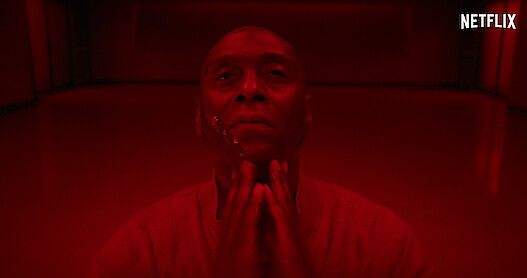
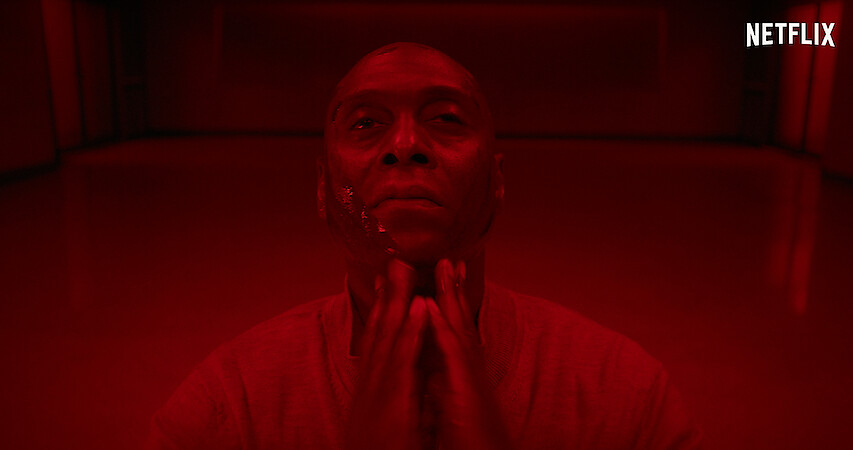
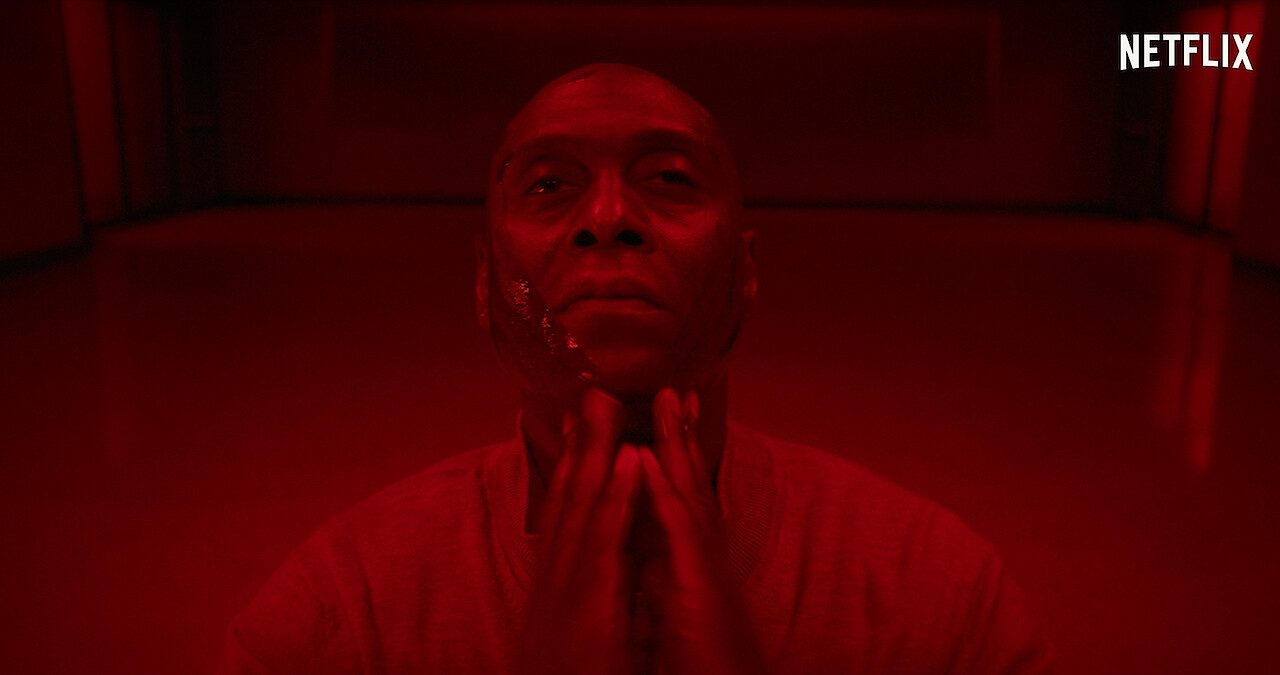
When you look at Albert Wesker from the games and as he is in the show, you need somebody that will scare the pants off you. And not because he could come in and do a bunch of crazy stuff obviously, but just look you in the eye and you feel like this big [sense of intimidation], and Lance can do that. He’s a very nice guy in real life, but when he goes into “Lance Reddick” mode, Wesker mode, Wire mode, you’re like, “Oh God, we’re in trouble here.” There was no one that could play it better. And we were incredibly lucky that he came on this journey for us because, believe me, he didn’t have to. I think he liked the character, and as you’ll see, as the show goes forward, he gets to play a lot of different shades of this character that I think are a lot of fun.
What moment stood out to you when you look back on his performance?
I don’t know how to say this without spoiling it... Let me just say this: I think early on, Lance plays both the caring but fun father and the guy you’re deeply afraid of really well, and that’s hard to do. Usually an actor can do one, but they can’t do both. And Lance is someone who did both really well.
Umbrella is a major part of the game series. How did you approach the company on the show?
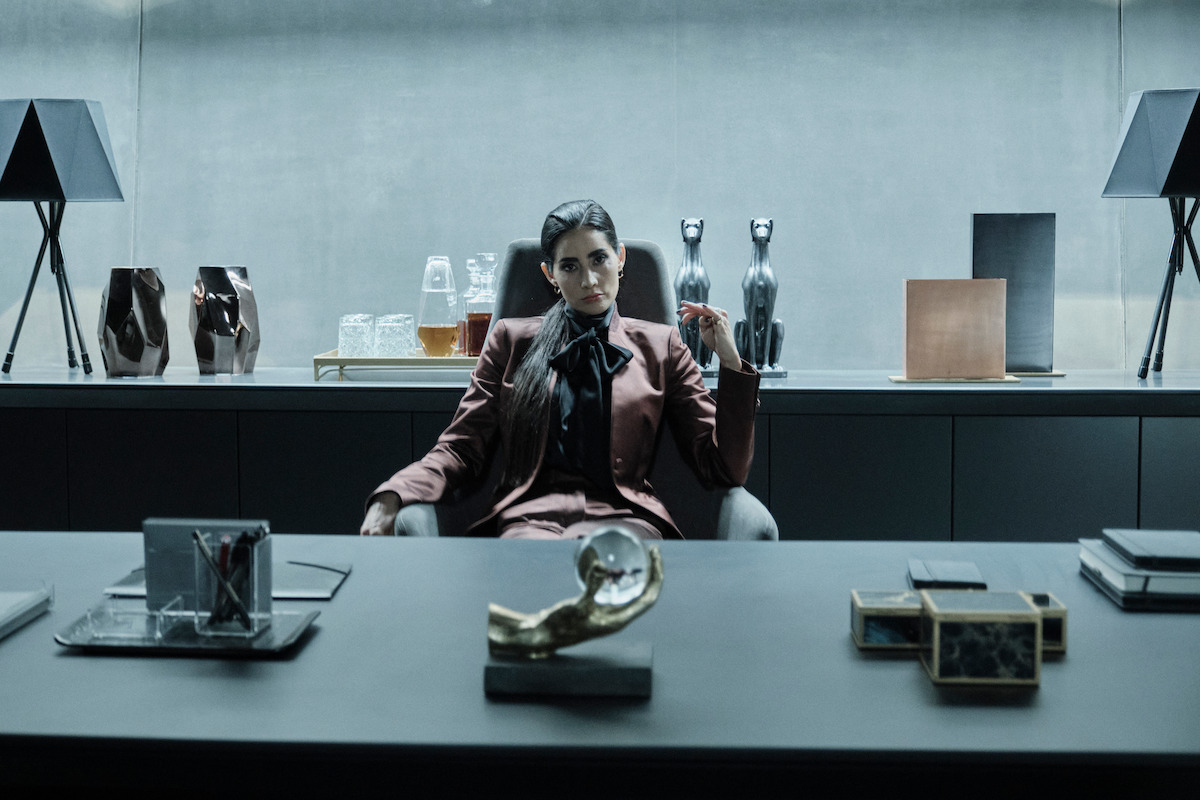
Umbrella’s interesting because in the games, Umbrella is essentially McDonald’s [or like Marvel’s] Rand Corporation. They’re a government contractor more or less. We wanted to see, “Well, what if they pivoted to direct-to-consumer?” [In our story,] the Umbrella in the game universe has kind of gone out of business, and Evelyn Marcus [Paola Nuñez] revived the company and took it in a different direction. [She thought,] “OK, we have all these resources, which are all these brilliant minds and the T-virus. How can we make that something that’s marketable and we can make some money off of?” She kind of Sacklers it up and makes this drug that may have some unintended side effects.
She kind of positions herself as someone who, yes, she wants profit and all that kind of stuff and is a good capitalist, but this is also her family business. Her father, James Marcus, if you know the deep backstory, was one of the founders of Umbrella. So it’s personal for her. We wanted to give you an antagonist who has a lot of secrets, but also someone that you really understand why they care versus they just care because they care or they care because they’re looking at the stock price.
What was the most challenging aspect of the two timelines?
The hardest thing to untangle was how do you mirror these things in a way that’s not predictable? There’s a version of this where you’re seeing present-day Cape Town and the future is set in future Cape Town. That is not this show. This show is worldwide, they’re running all around the world. It becomes very complicated because doing it the way where [you have the] same location in different time periods, there’s a lot of shorthand you can do there. “Oh, this building was this, and now it looks like this. What happened? Or here’s what happened.” When you’re running around, all the connections have to be more character based.
How did you make the Infected stand out from similar monsters we’ve seen elsewhere in pop culture?
We wanted to make it feel realistic. When it comes to Jade and Billie, both present and future, these are not characters that can John Wick their way through 100 [monsters] and not take a scratch. When they’re fighting, they’re fighting desperately. They’ve done it before, they’re not bad at it. But they needed to take their bumps and bruises. They needed to be Indiana Jones and put some mileage on their odometer. Most horror movies are like that, whereas most action movies, frankly, are not. The number of action movies where the main character really gets legitimately beat up, legitimately injured tends to be low.
This interview has been edited and condensed for clarity.