When Pornhub launched in 2007, it was the first website to make porn widely available to watch online. Many adult performers lauded the website for allowing them to earn money on their own terms, without having to negotiate with studios.
But with great porn comes great responsibility, and in the 16 years since the site was founded, Pornhub has become criticized for carelessness, including allegations that the site hosted nonconsensual uploads documenting real acts of violence and child sexual abuse. Those claims are detailed in the documentary Money Shot: The Pornhub Story, and have attracted the ire of sex work abolitionist organizations, some of which are disguised as groups opposing sexual exploitation and sex trafficking. Pressure from these groups has led to a wave of censorship of sex workers on the internet, which takes away their ability to earn money on a safe and secure platform.
Money Shot follows performers, free-speech advocates and the anti–sexual exploitation organizations at the heart of the Pornhub story, many of whom argue that groups linking child trafficking with Pornhub aren’t doing so in good faith. The groups targeting Pornhub “neglect to see that sex work and sex trafficking are two completely different things,” Pornhub ambassador Asa Akira says in the documentary.
The war against porn is as old as porn itself, but Money Shot tracks the events that began with the birth of Pornhub in 2007. Read on for a full breakdown of the events that unfold in Money Shot: The Pornhub Story.
Pornhub takes over the internet.
May 25, 2007
Pornhub launched in May 2007 with web developer Matt Keezer at the helm. The site reached 1 million daily visits in its first seven months, mostly relying on pirated videos that users could easily watch and download. Within a year, Pornhub became the major source for porn on the internet, and many adult performers criticized the platform for posting pirated content. In 2010, businessman Fabian Thylmann bought Pornhub, YouPorn and other tube sites, building the largest porn operation in the world under the parent company Manwin. Thylmann used search engine optimization to his advantage, ensuring the top internet search results for adult content led users to his websites.
Porn studios and content creators begin working with Pornhub.
2011
Pornhub began working directly with studios and creators, allowing individual entities to monetize their own content while taking advantage of Pornhub’s vast stream of online traffic. By 2012, about 80% of online porn viewers visited Fabian Thylmann’s sites.
Fabian Thylmann sells his stake in Manwin.
2013
Fabian Thylmann stepped down from Manwin, selling shares worth a reported €73 million, or close to $100 million at the time. Manwin is renamed MindGeek.
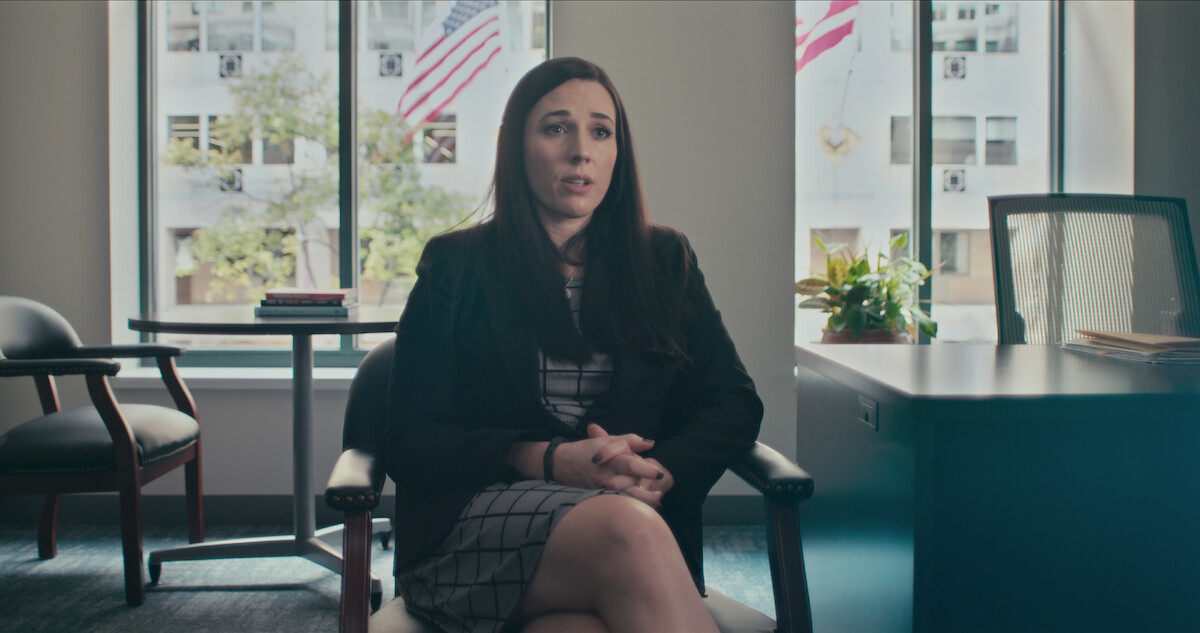
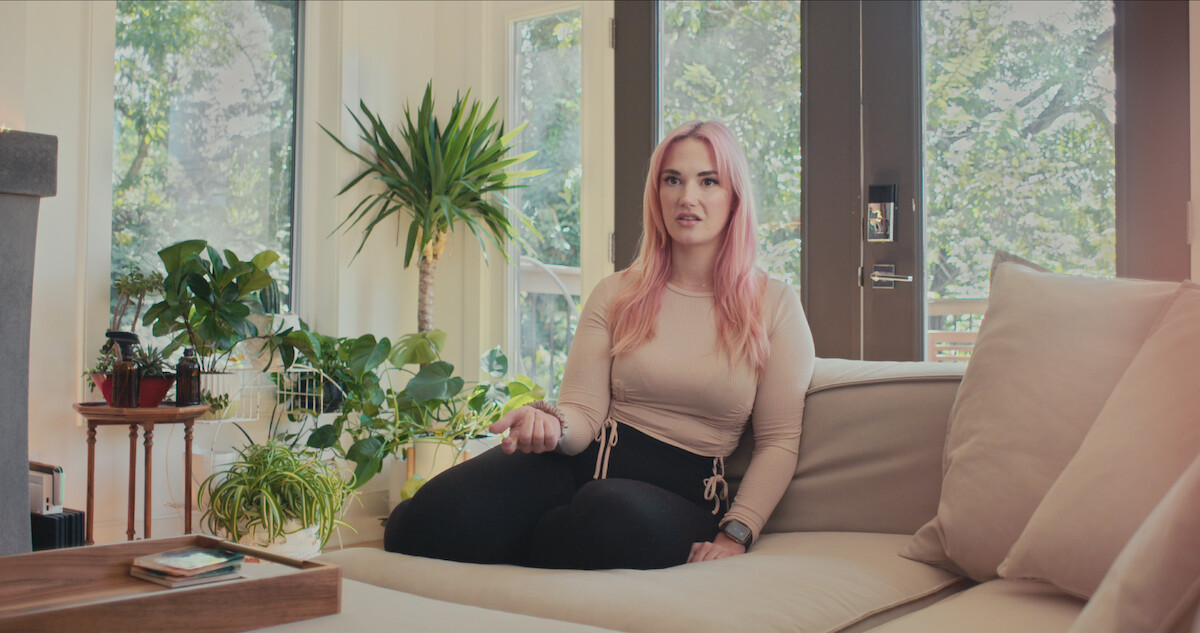
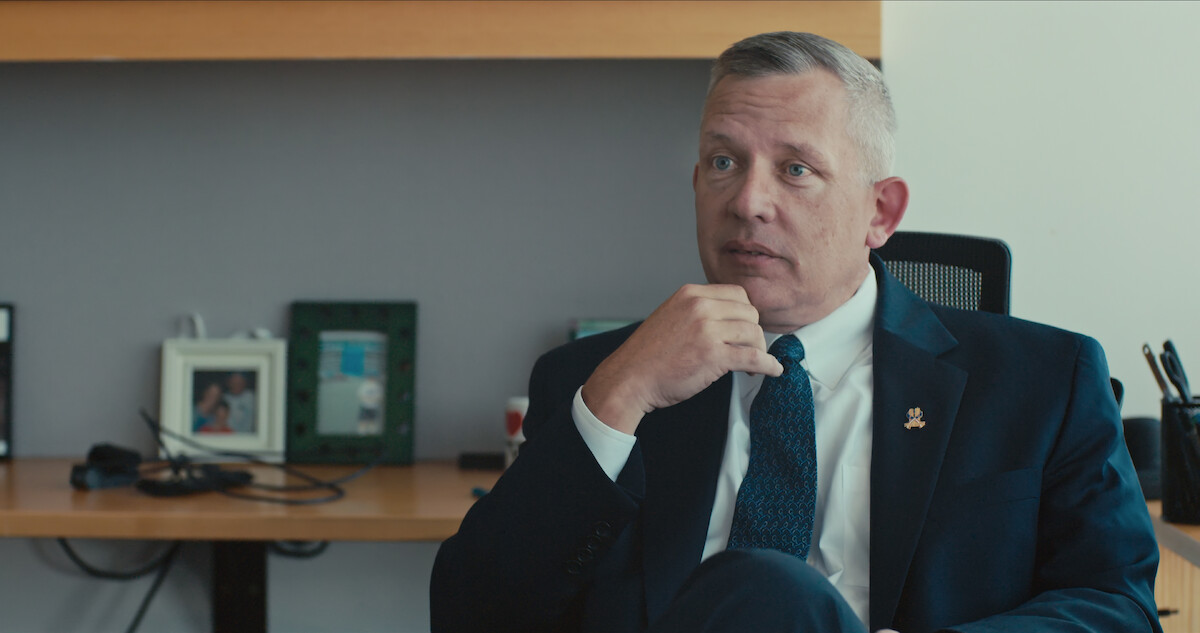
Dani Pinter, senior legal counsel of NCOSE
Morality in Media becomes NCOSE.
2015
First founded in 1962 by interfaith groups advocating for the implementation of obscenity laws that’d crack down on pornography, Morality in Media was rebranded as the National Center on Sexual Exploitation (NCOSE). In Money Shot, the organization argues that it’s fighting to end sex trafficking and sexual exploitation, but critics say that the faith-based organization has a much broader conservative agenda, and isn’t only anti-porn and anti–sex work, but also opposed to same-sex marriage and sex education.
President Donald Trump signs FOSTA-SESTA into law.
April 11, 2018
President Donald Trump signed the FOSTA-SESTA package — known as the Allow States and Victims to Fight Online Sex Trafficking Act in the House and the Stop Enabling Sex Traffickers Act in the Senate — in April. The law weakened Section 230 of the Communications Decency Act, holding websites responsible for anyone who posts ads for prostitution (including sex work), and increased online censorship of sex workers, making them less safe and jeopardizing their income. Incidentally, it also made sex traffickers harder to find.
Anti–sex crime activists launch #Traffickinghub campaign.
2020
In 2020, Laila Mickelwait, founder of the Justice Defense Fund, a nonprofit that advocates for survivors of sex trafficking, launched the #Traffickinghub campaign. Mickelwait says the goal is to “shut down Pornhub and to hold its executives accountable for complicity in the sex trafficking, the rape, the abuse and the assault of men, women and children.” Meanwhile, in Money Shot, performer Siri Dahl says there are “far more instances of child sexual abuse material being reported on [sites like] Facebook” and across the internet. Many experts argue that sex trafficking content is an internet-wide issue, and not specific to Pornhub.
Pornhub revamps its content moderation.
March 2020
One anonymous moderator in Money Shot says when they worked there, MindGeek employed a little over 30 moderators who had to review around 700 videos each per day, which led to mistakes. The anonymous moderator added that they received thousands of take-down requests and didn’t have time to go through them. Many of those videos remained on the site for months. In March 2020, some MindGeek employees who weren’t previously on the content moderation team began to review content.
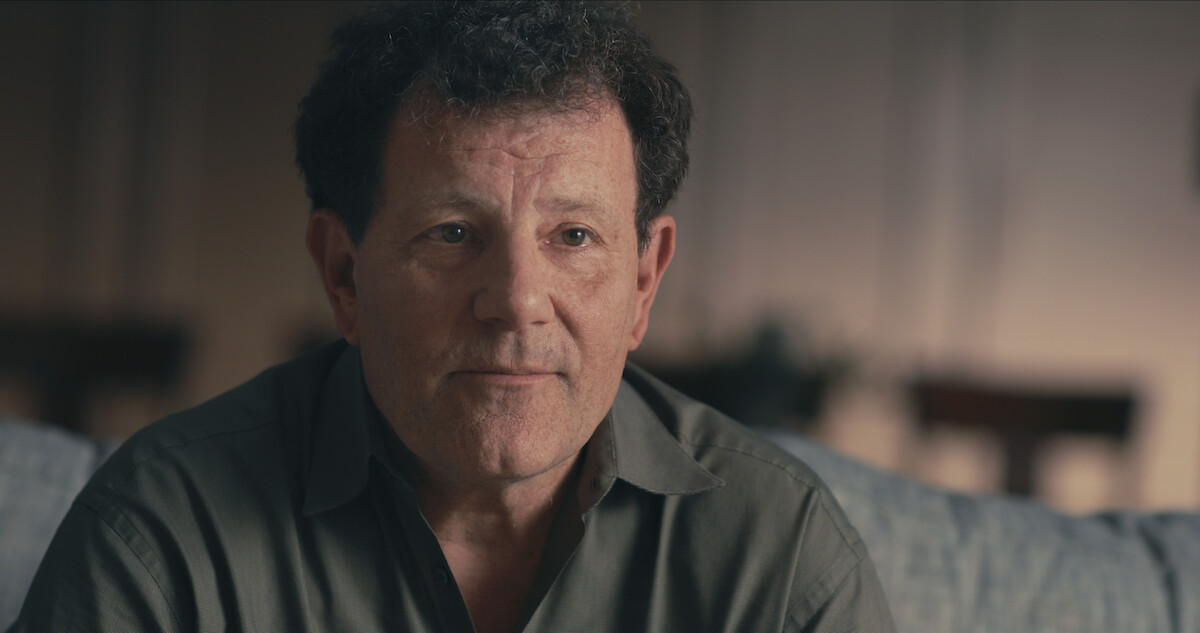
Columnist Nicholas Kristof
New York Times columnist mentions #Traffickinghub.
Dec. 4, 2020
Columnist Nicholas Kristof says he found many cases of underage content and sexual assault on Pornhub in a widely read opinion article for The New York Times, which featured a harrowing story about student Serena Fleites who was 14 years old when a boyfriend uploaded naked videos of her to Pornhub that she had sent to him in confidence. Money Shot notes that, until this point, verification for content creators was only mandatory on the site for users who wanted to make money on their own content and had to submit IDs for approval. But verification wasn’t mandatory for anonymous users who could upload pirated and illegal content; worse, this content couldn’t be traced back to a real person, including content uploaded without consent. In the documentary, former MindGeek employee Noelle Perdue recalled that Pornhub employees and performers requested mandatory verification but it never came to fruition.
Pornhub removes unverified content.
Dec. 14, 2020
MindGeek CEO Feras Antoon eventually confirmed that a “large portion of unverified user-uploaded content was removed” from Pornhub.
Pornhub attends a meeting with the Canadian Parliament.
Feb. 2021
MindGeek CEO Feras Antoon, COO David Tassillo and VP Corey Urman represented the company at a meeting held by the Canadian Parliament regarding Pornhub’s privacy standards. Antoon said that the remaining content on the site was from verified uploaders. Fleites testified that her video repeatedly reappeared on the website even after having it removed multiple times.
MindGeek executive’s mansion is burned down.
April 2021
A Montreal mansion owned by MindGeek executive Feras Antoon was burned down. In an interview with Vanity Fair, Antoon said that he suspected Pornhub critics were behind it and called the arson incident an “attack.”
Mastercard enacts new regulations for adult content-hosting sites.
April 15, 2021
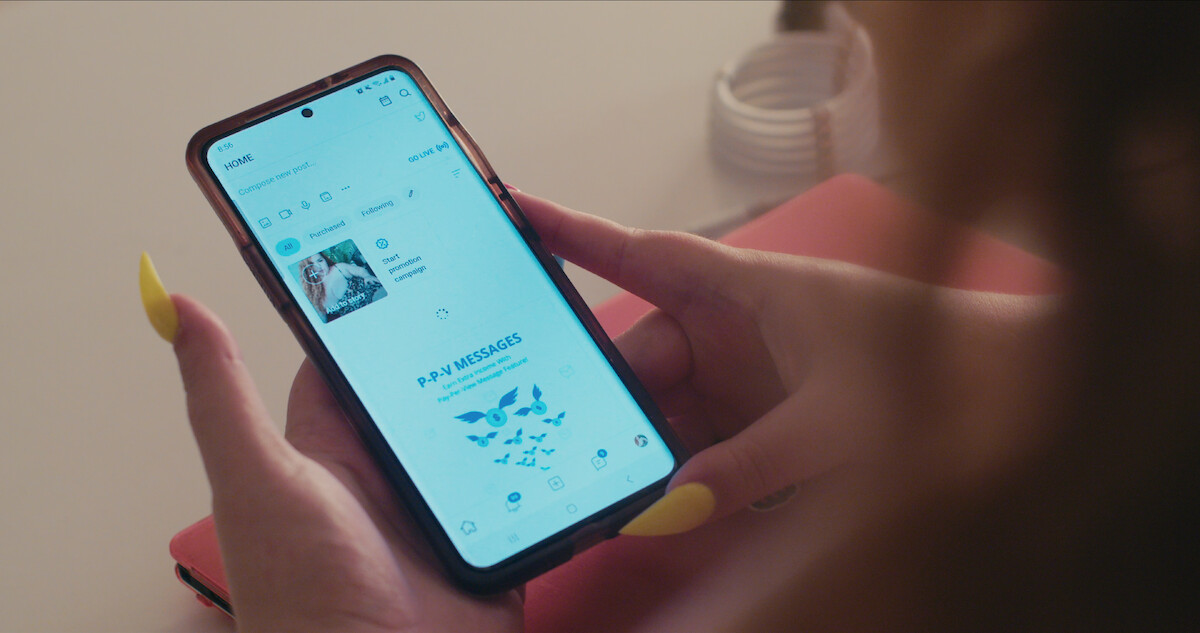
Mastercard’s new policy required sellers to document consent, age and identify verification of content creation before processing payments. Mastercard forbade certain search terms. The ACLU said that Mastercard’s policy was financial discrimination against sex workers. As payment processes were removed, many adult performers went to the streaming platform OnlyFans to rebuild their audience.
A lawsuit is filed against MindGeek.
June 2021
The lawsuit, filed by Brown Rudnick LLP on behalf of plaintiffs Serena Fleites and 33 Jane Does, argued that MindGeek, the parent company of Pornhub, was in violation of federal racketeering charges and alleged that MindGeek was a criminal enterprise through its exploitation of nonconsensual content. Attorney Michael Bowe says in Money Shot that he’s using the racketeering charge to prove that everybody in the enterprise is equally culpable, including performers. However, in February 2022, a judge ruled that the claims of Bowe’s 34 clients could not be tried collectively. Fleites was now the only plaintiff. Dani Pinter, senior legal counsel of NCOSE, continued to pursue MindGeek in court. In response to attacks on Pornhub, performer Gwen Adora says in the documentary, “Those people don’t care about the victims. They just care about getting the porn industry to be as small as possible.”
OnlyFans says it will ban sexually explicit content.
Aug. 19, 2021
Credit card companies like Mastercard implemented a vague policy that made it legally risky for platforms like OnlyFans to host payment processes for content creators. The streaming company announced that, in response, it would ban sexually explicit material. Sex workers and adult performers launched an online campaign and within a week, OnlyFans walked that policy back after reaching an agreement with its payment processors: “The proposed October 1, 2021 changes are no longer required due to banking partners’ assurances that OnlyFans can support all genres of creators,” an OnlyFans spokesperson told The New York Times.
Feras Antoon and David Tassillo resign from MindGeek.
June 2022
MindGeek CEO Feras Antoon and COO David Tassillo resigned from the company, but remain co-owners. Both Visa and Mastercard suspended ties with the advertising arm of MindGeek.
Pornhub’s Instagram account is permanently banned.
Sept. 2022
Instagram permanently banned Pornhub for allegedly violating Facebook’s terms of service.
YouTube bans Pornhub.
Dec. 2022
YouTube banned Pornhub’s channel for violating community guidelines.
US state’s law requiring age verification goes into effect.
January 2023
Louisiana’s law (passed in June 2022), requiring content viewers to verify their driver’s license to watch Pornhub and other pornographic sites, took effect. Similar legislation has popped up in more than a dozen other states, according to the Free Speech Coalition. Says sex industry journalist Mike Stabile in Money Shot, “Porn is traditionally the canary in the coal mine of free speech. It shouldn’t be that we need to shut down all communication to prevent any crime from ever happening, because that ends a free society.”