Deep Dive
Let Manuel García-Rulfo Be Your Guide to the Ghost Town of Pedro Páramo
Rodrigo Prieto’s directorial debut takes on the legendary novel by Juan Rulfo.
Nov. 6, 2024
You’re invited to enter the ghost town of Comala.
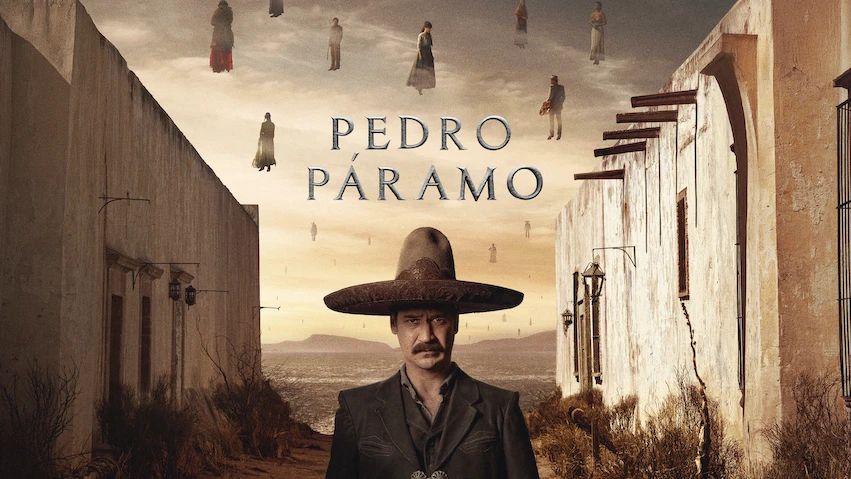
Nearly 70 years after its original publication, Juan Rulfo’s acclaimed novel Pedro Páramo is coming to the screen in a new film. Directed by celebrated cinematographer Rodrigo Prieto (The Irishman) in his directorial debut, Pedro Páramo adapts a defining work of magical realism that paved the way for the future of Latin American literature. Legendary novelist Gabriel García Márquez cited Pedro Páramo as a central influence; he even claimed he could “recite the whole book, forwards and backwards.” After seeing the movie, maybe you can get started on doing the same.
Check out the trailer above, and read on to learn more about Pedro Páramo, now streaming on Netflix.
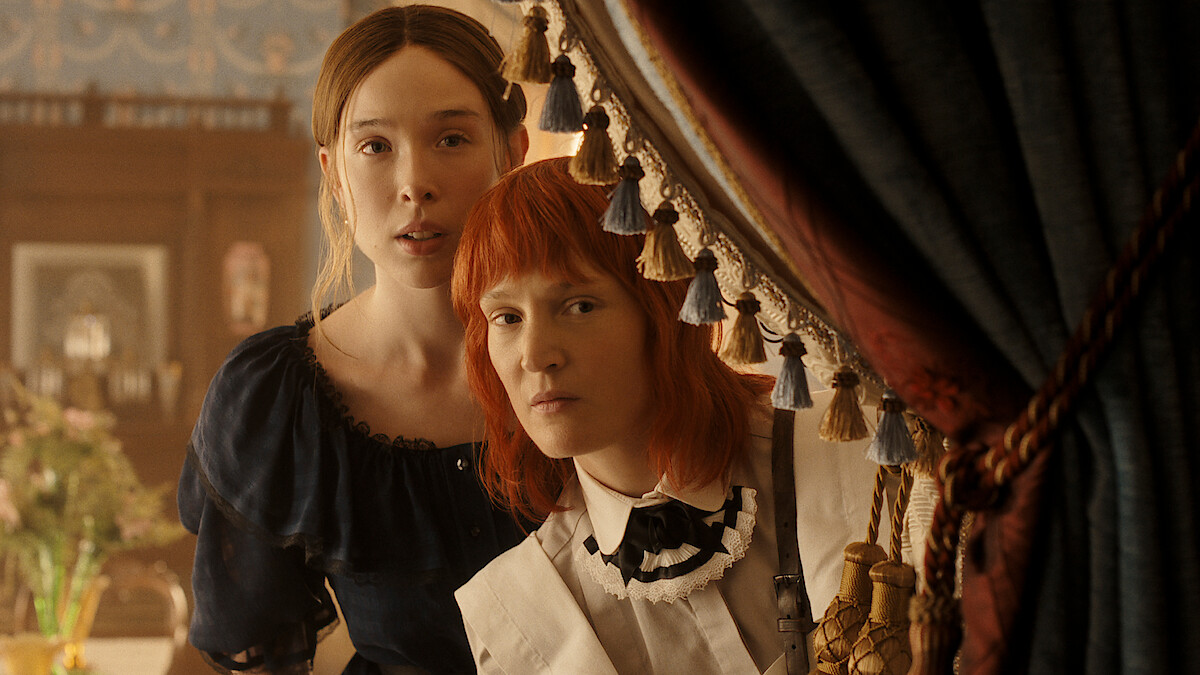
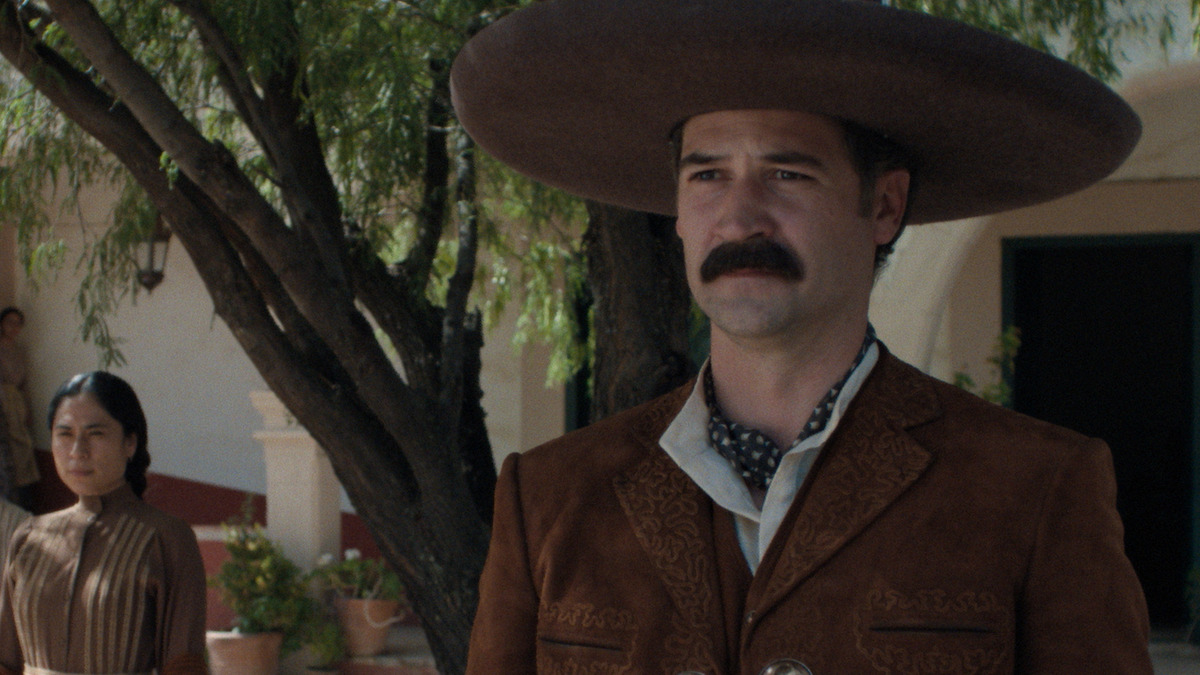
Unfolding in a seemingly abandoned Mexican town where past and present beguilingly coexist, the feature directorial debut of legendary cinematographer Rodrigo Prieto is a mesmerizing story of desire, corruption, and inheritance based on Juan Rulfo’s masterpiece novel, considered one of the most important books in the history of Mexico and Latin America.
Pedro Páramo is now streaming on Netflix.
The cast of Pedro Páramo includes:
“Like many Mexicans, I first read Juan Rulfo’s novel, Pedro Páramo in high school. It drew me in with its portrayal of a blurred line between the living and the dead, as well as the nonchalance with which people accept the supernatural in rural Mexico. I also fixated on the descriptions of the Mexican Revolution, as my grandfather fought alongside the revolutionary forces of Emiliano Zapata and he told us many a story from those turbulent times at family gatherings, causing me to become enthralled by that era.
Almost 70 years after its publication, the impact of the novel continues to resonate, marking it as one of the most significant pieces of Mexican literature. Directing this film adaptation has been a deeply personal journey that has led me to explore my own connections to the ghosts of previous generations from my family, just as Juan Preciado did when arriving to Comala looking for his father, a man named Pedro Páramo.
One of the central themes of Pedro Páramo — how the actions of previous generations affect us — is particularly compelling to me. Echoes of the past haunt Juan Preciado, just as his father’s own lineage shaped his conduct. I have always felt that my blood must somehow carry the traumas and joys of my ancestors. Will that inadvertently be passed on to my daughters, and even subsequent generations?
Pedro Páramo reflects a series of historical injustices and pains that have plagued the Mexican people. The Spanish conquest brought with it systems of oppression that continue to our day, including the harsh dogmas imposed by religion. My intention with this film is for audiences worldwide to connect with these themes on a personal level, to be moved by them — not just as distant historical events in Mexico’s past. Are we able to forgive the sins of our ancestors, or do we carry the resentment in our blood onto the next generations? Indeed, are we even able to forgive ourselves?
In the novel, the protagonist goes to extreme lengths to reconnect with a feeling he experienced as a teenager with Susana San Juan. Obsessed with reclaiming that ephemeral love, he finds himself capable of anything, even murder. Desperate hope and yearning shape the actions of every character, frustrated by the harsh and violent circumstances of their times.
Juan Rulfo was also an excellent photographer. With his camera, he captured images of Mexico that wordlessly express universal emotional states. Perhaps that’s one reason the novel lends itself to a visual interpretation. I delighted in crafting images from his words, but I especially enjoyed working intimately with the actors to bring Rulfo’s characters to life.
I’m grateful to the amazing producers, and to the extraordinary cast and crew who trusted in me and made this film possible.
I hope this film will not only be seen as a reflection of the richness of Mexican culture but also as a universal story of the shared human experience of searching for our identity. After all, we all have our own personal Comala.”