Up Close
Patti Yasutake Was ‘Elated’ to Land the Role of Fumi in ‘BEEF’
“It was like the clouds parted and the sun came through.”
By Mary Sollosi
April 26, 2023
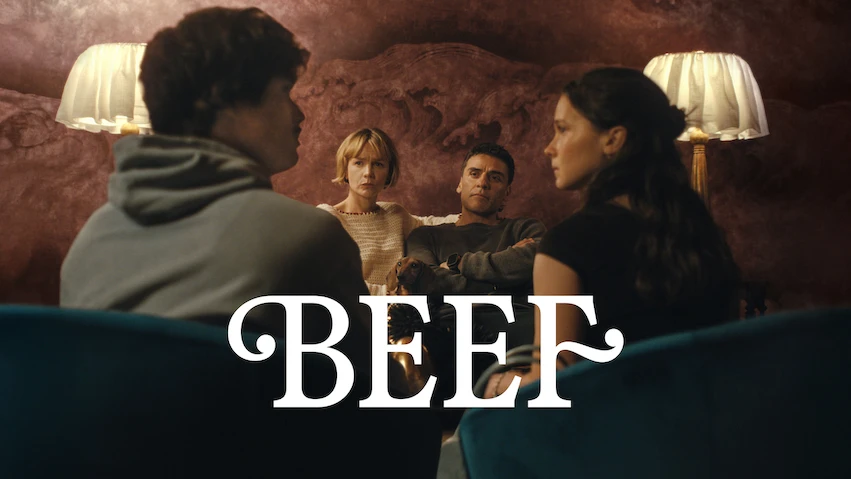
When Patti Yasutake first read the script for Lee Sung Jin’s BEEF, “it was like the clouds parted and the sun came through,” the actor tells Tudum. “I didn’t believe this gem of a series would suddenly land there in my lap.”
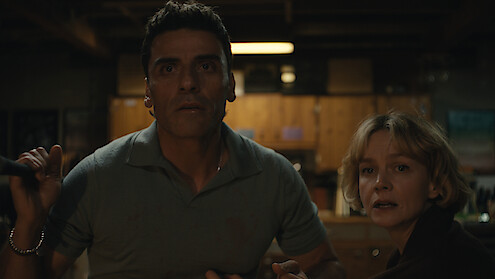
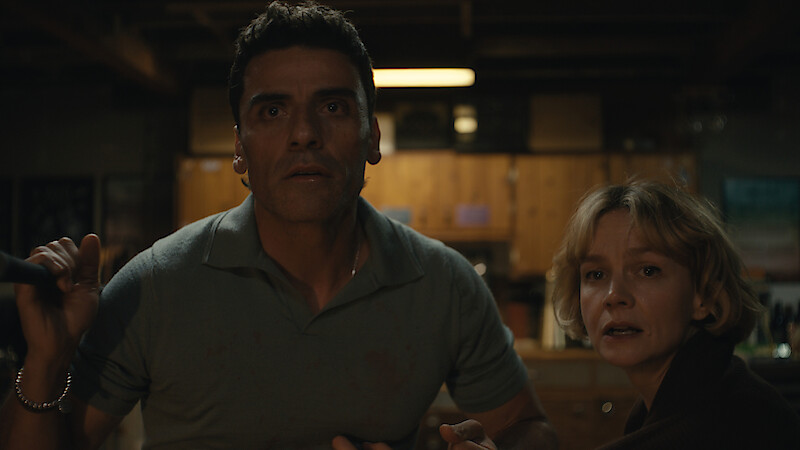
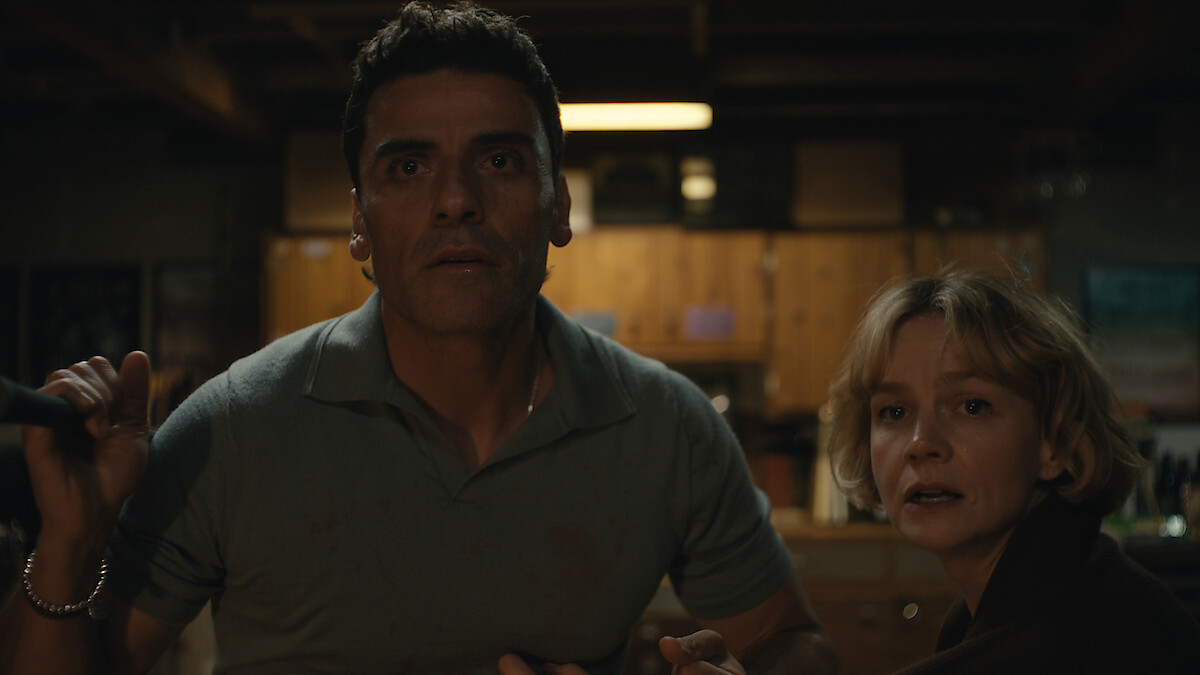
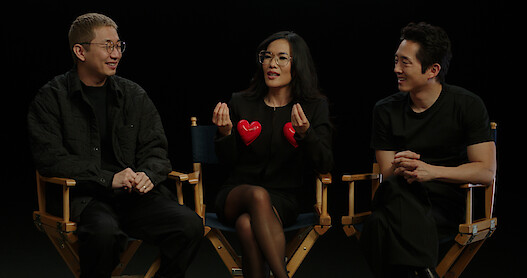
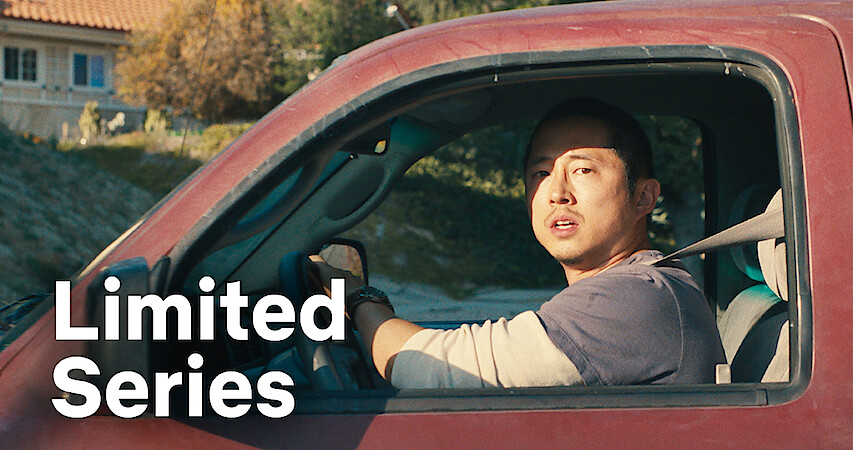
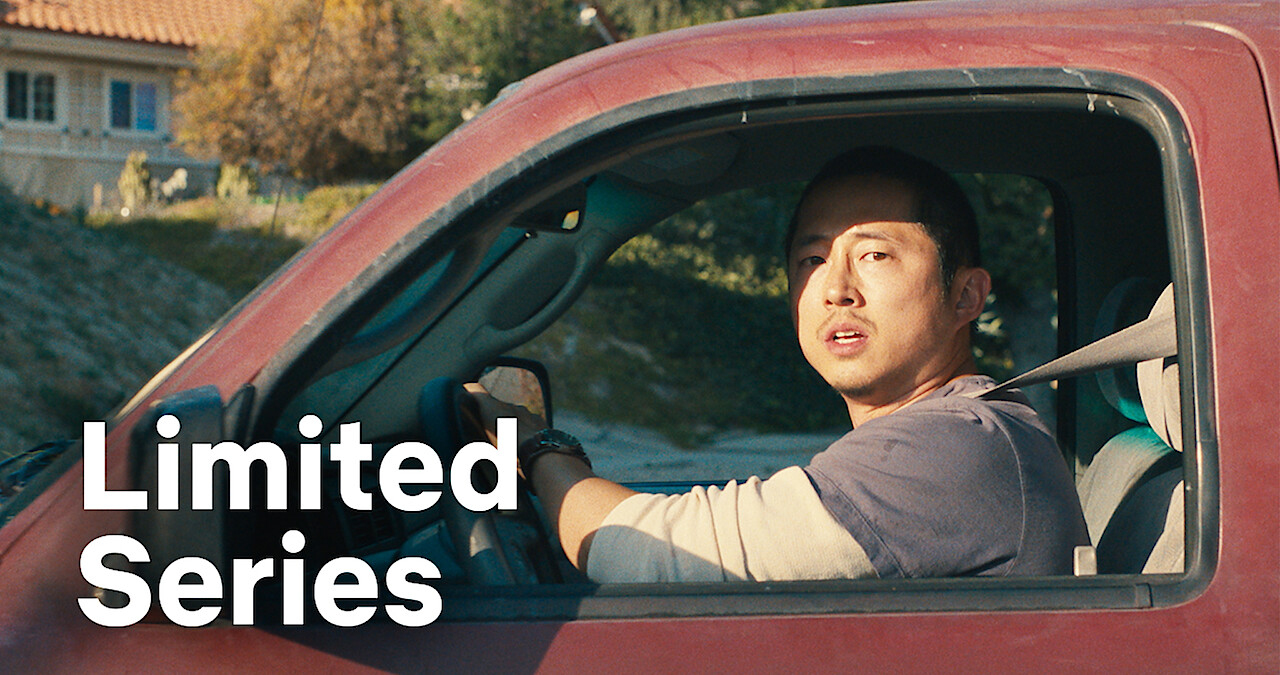
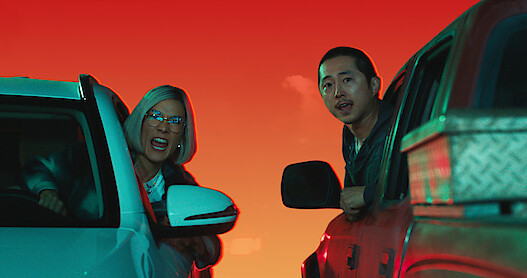
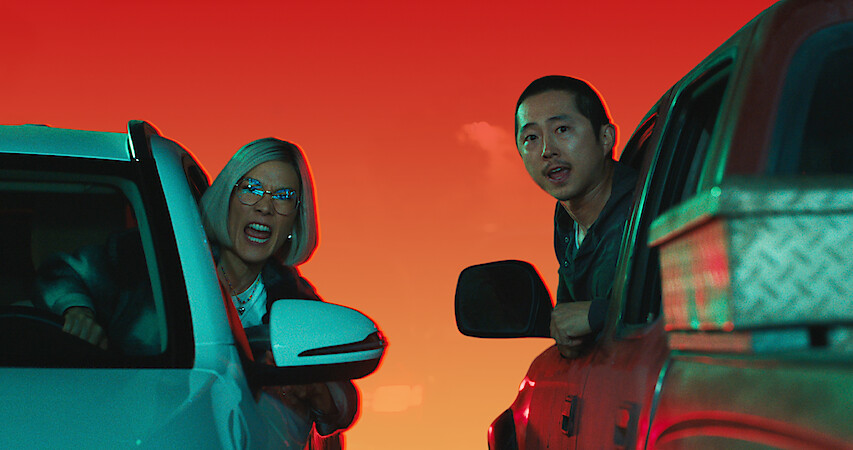
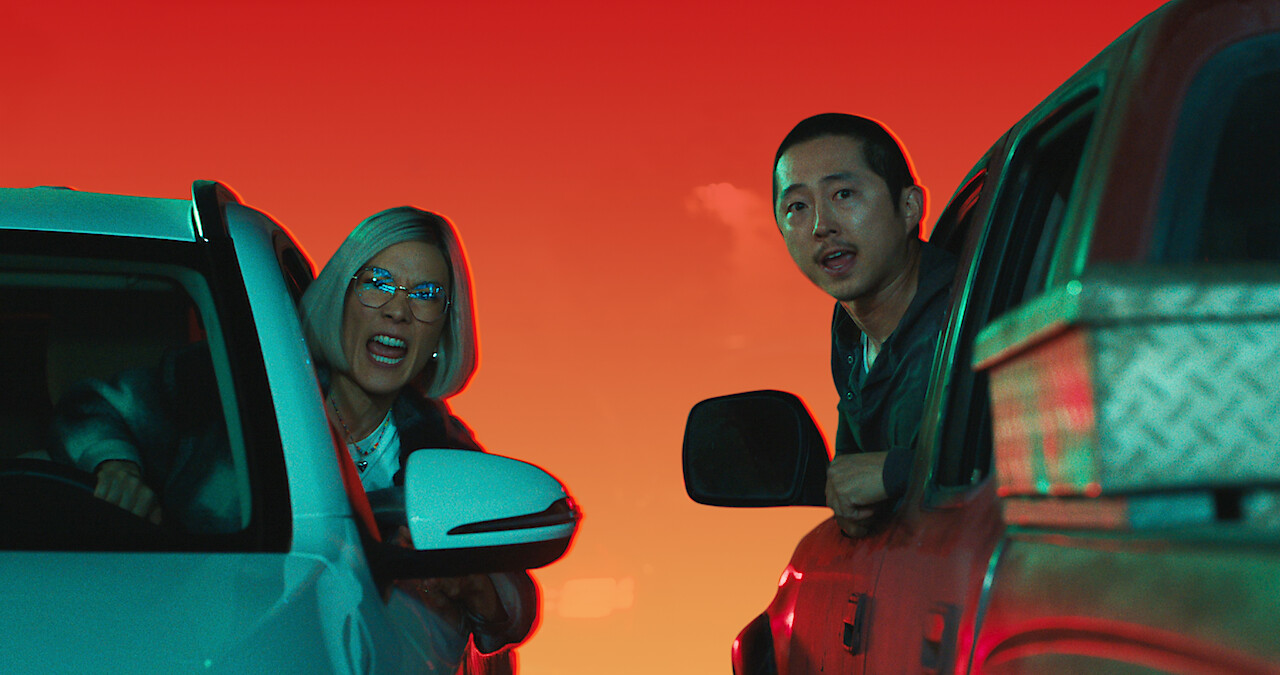
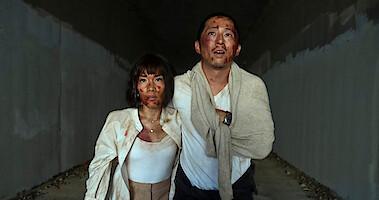
But it did, and now Yasutake counts the A24-produced series, which is currently streaming, among the many credits of her long career. BEEF stars Ali Wong as Amy, a creative entrepreneur, and Steven Yeun as Danny, a struggling contractor — total strangers who let out their respective frustrations in an episode of road rage. Following the incident, Amy and Danny become embroiled in an ever-escalating feud, each relying on increasingly dirty tactics in their quest to triumph over the other.
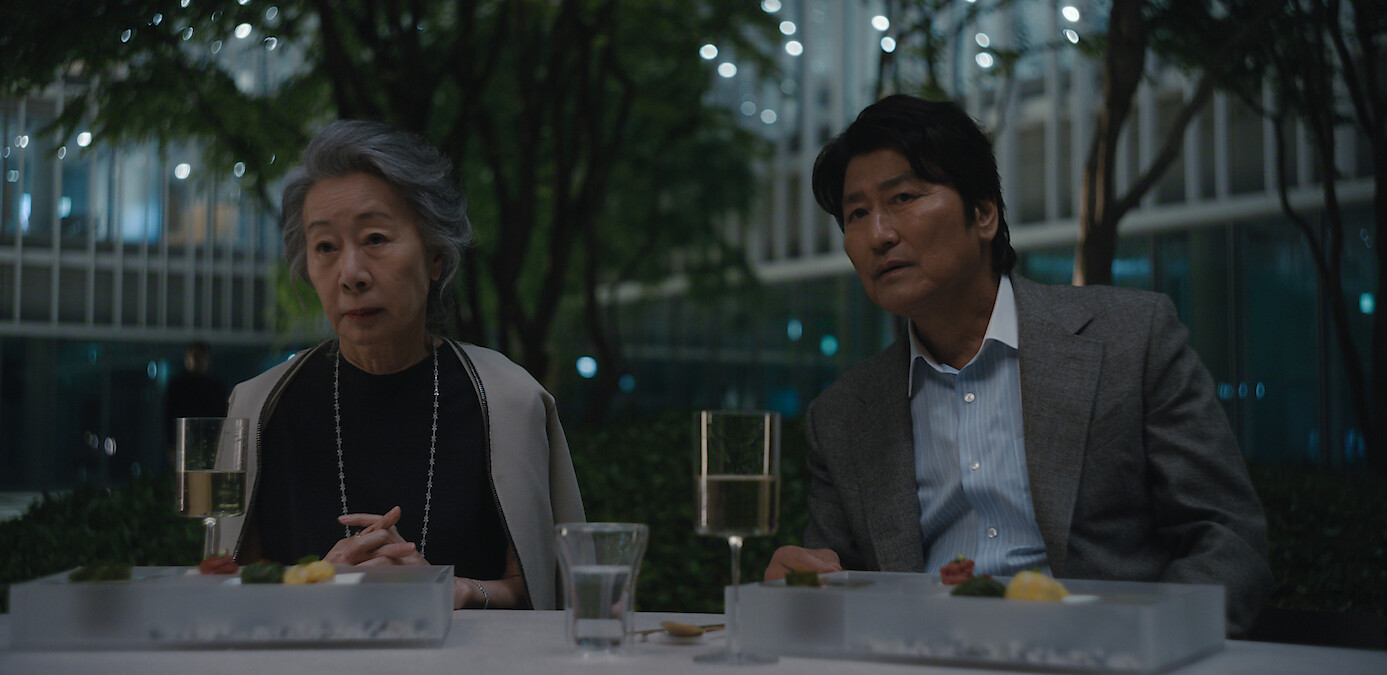
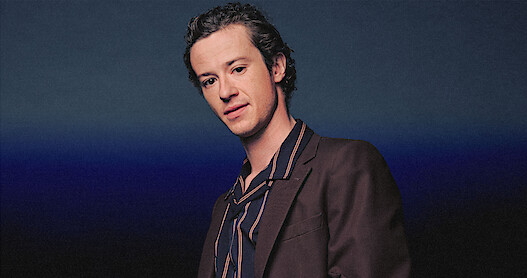
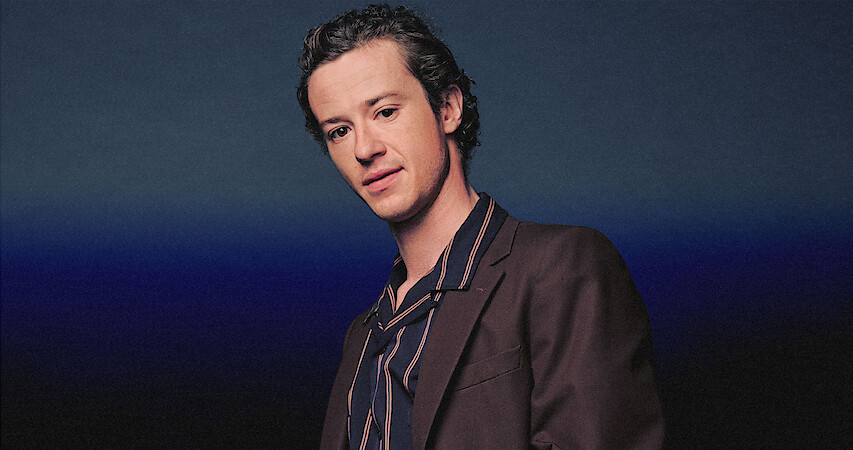
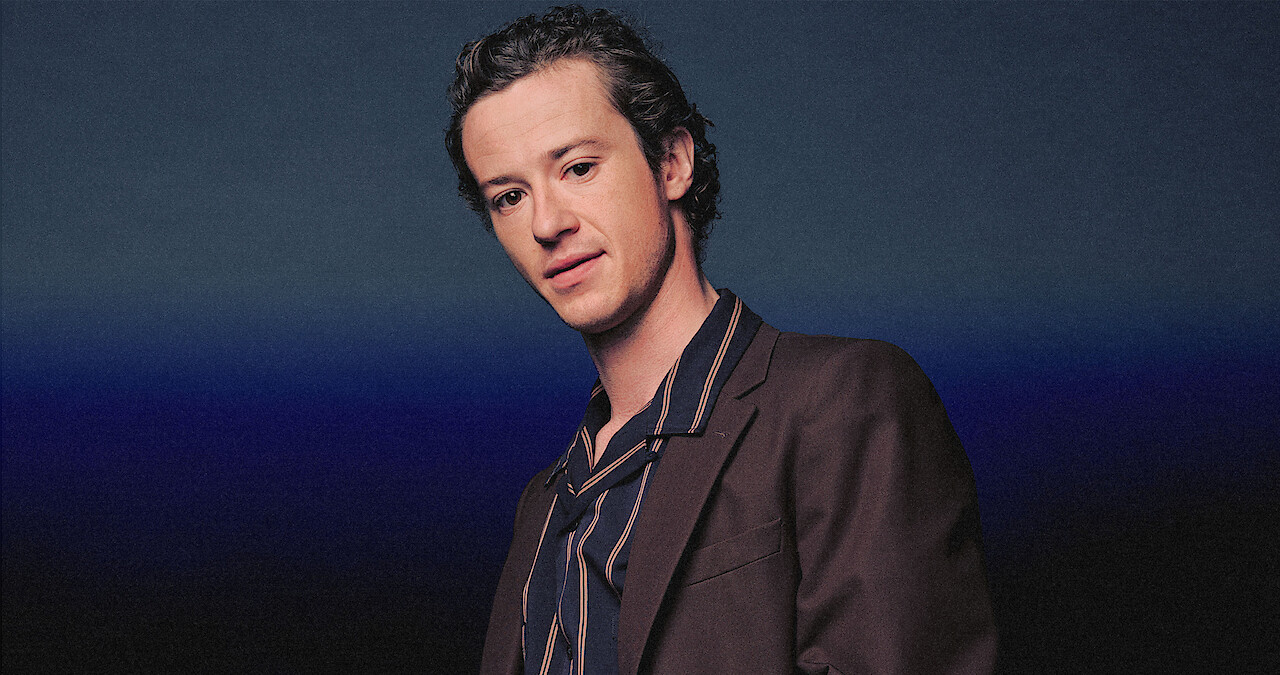
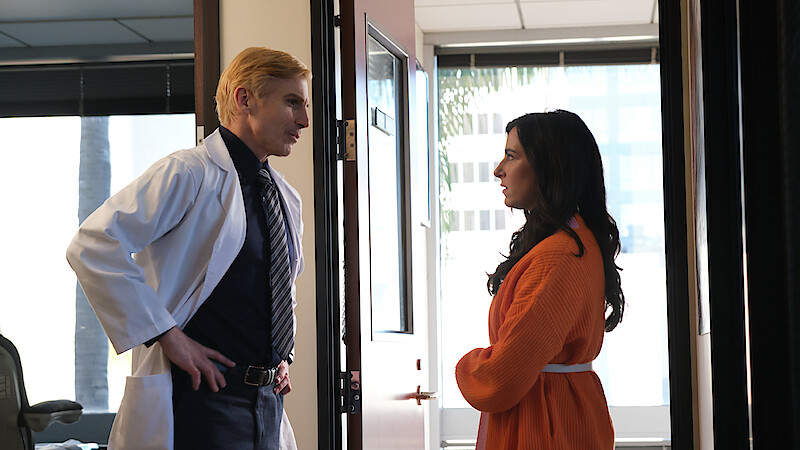
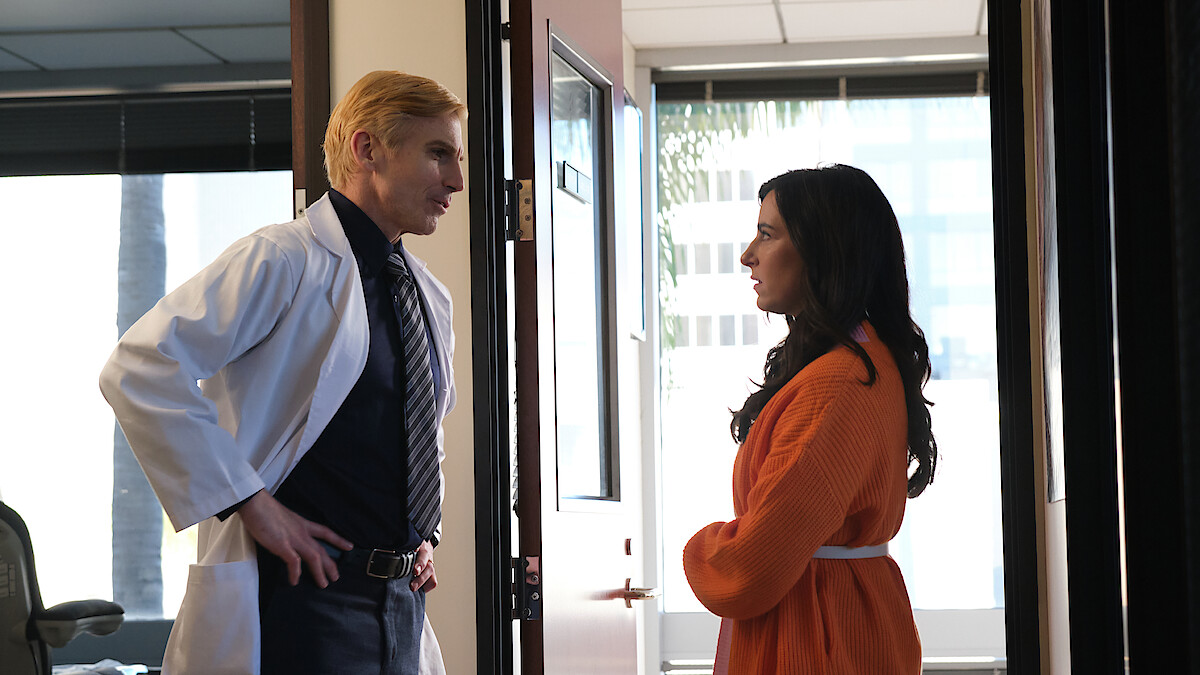
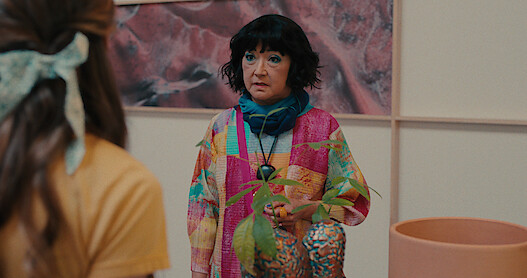
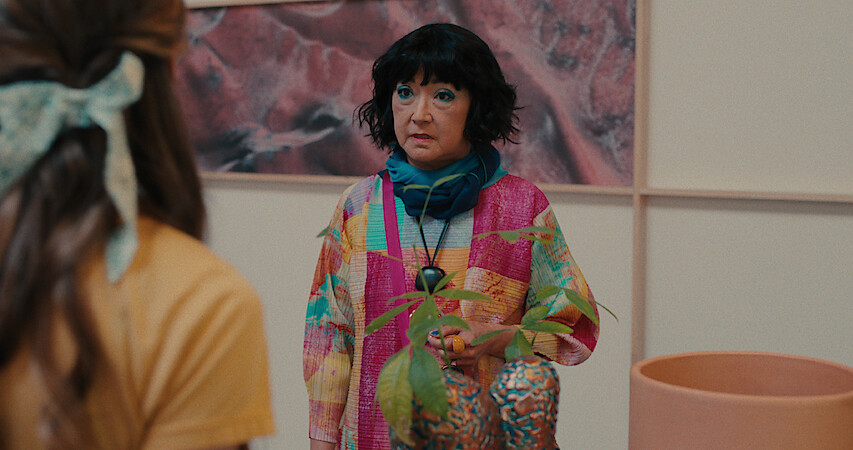
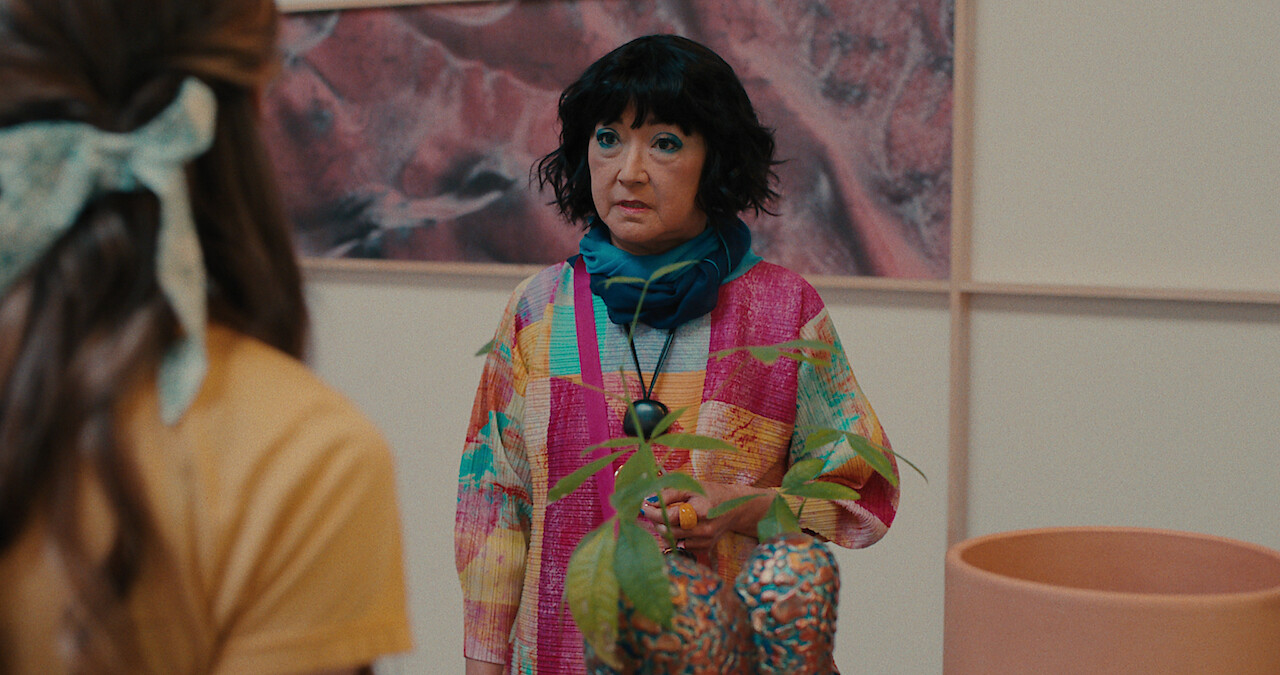
Yasutake plays Fumi, the mother of Amy’s husband George (Joseph Lee), whose involvement in her daughter-in-law’s ongoing drama takes several unexpected turns. “I was just elated, this many decades into my career, that a role like this would come along,” she says.
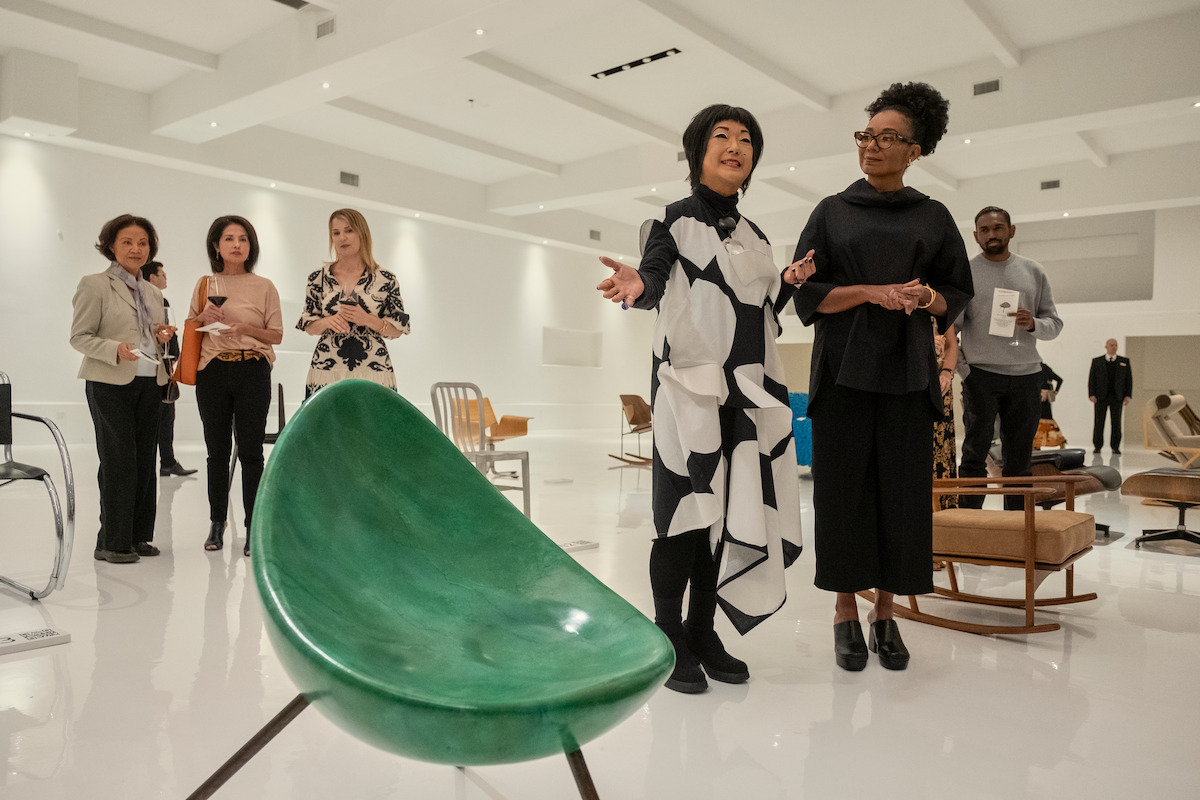
The script resonated with her in part because of how much it “really, really, really spoke to the Asian American experience, and yet it wasn’t necessarily about that. Because he writes from such a humanistic standpoint, and he writes from such humanity,” she says of creator Lee, aka Sunny. “Then all the details come from the specifics of their lives. There were so many [moments where] I thought, ‘Are people going to get some of this?’ Because there’s so many inside jokes in terms of our cultural communities — and he included so many of them, from Southeast Asian to Chinese to Korean to Japanese.”
Yasutake had been looking for stories like that for her entire career, which began in the ’70s after she graduated from UCLA with a degree in Theater Arts. “There [were] really no opportunities to have a career as an Asian American actress; I didn’t do martial arts, I didn’t speak a second language,” she says. “Especially back then, that’s all they saw you as.”
She got her union cards working in theater and picking up TV guest roles and commercial work (the latter of which “paid for my theater”). But she got something of a break when she landed what she remembers as “a wonderful role” in Michael Toshiyuki Uno’s The Wash, a 1988 independent film about a second-generation Japanese American couple and the fallout of their separation.
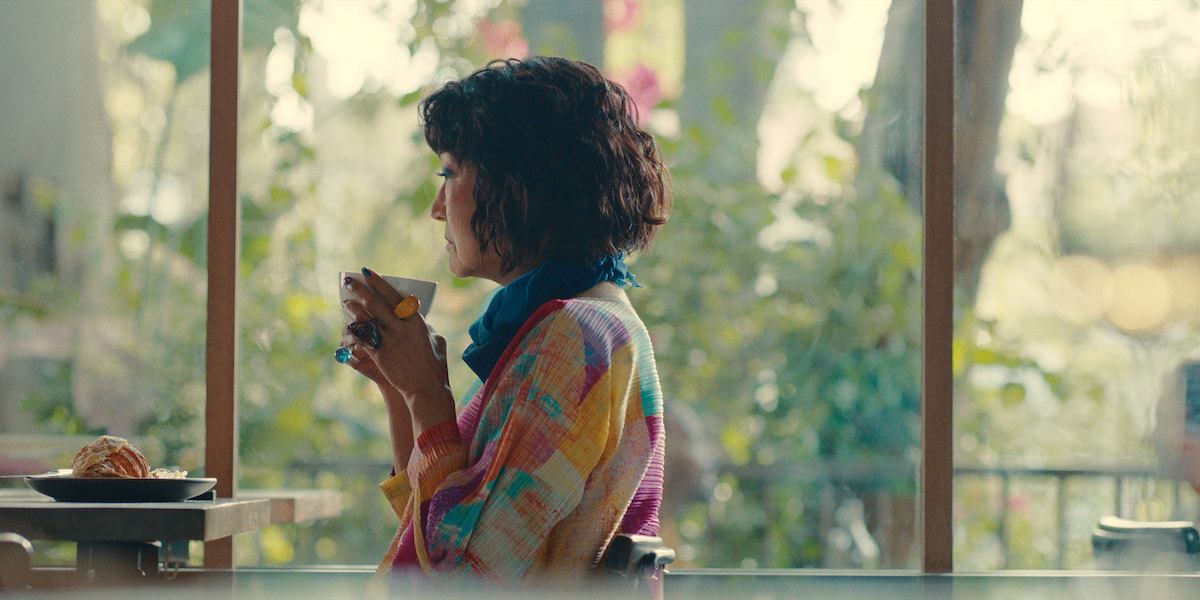
“It was just so comfortable to be able to put on a character that I really related to so closely, just because of background — the American experience as a Japanese American,” says Yasutake, who was nominated for an Independent Spirit Award for her performance. The film explored “disturbed relationships, dysfunctional family relationships — so it was the humanity part, with the details of a Japanese American family.”
With BEEF, Yasutake found not just another piece that spoke to the Asian American experience with humanity and specificity, but another role that inspired her. “She’s fierce and she’s unapologetic,” the actor says of Fumi. “So I just adore her. Because she’s also very wicked, in some ways, but she also has a great heart.” Yasutake looked to Fumi’s relationship with her granddaughter June (Remy Holt) as an “anchor” for her performance as the wily matriarch, whom the actor grew to understand in the context of her family: She’s consumed with loneliness since the loss of her husband, and while she may seem “controlling of her son,” Yasutake admits, “she really does know him. He does need some guidance.”
She was able to identify with Fumi, too, as a fellow artist. “She’s a creative spirit. I could understand that creative spirit,” Yasutake says. “A woman in the ’70s, if you were an artist, you had no opportunity. Especially in the art world, they would pretty much dismiss you. So I think, in Fumi’s case, she had to live in the shadow of her artist husband. But they were, on the practical [side], real collaborators.” As she saw it, Fumi makes her own canvas with her clothes and makeup, which she uses “as a way to channel her artistic expression.”
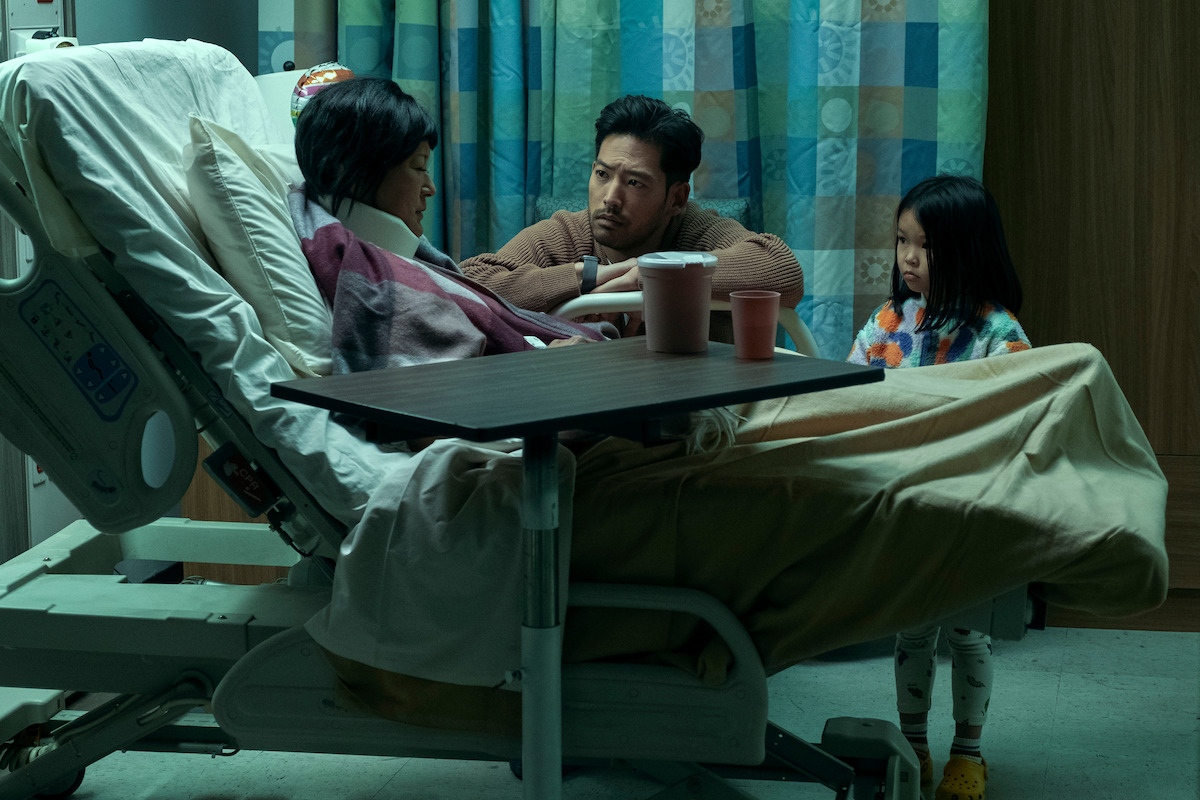
It’s a supporting role, but Yasutake found Lee’s writing to be rich and complex. “I love the surprises that he puts in there,” she says. She found the whole series to be “like an onion; the layers start to come back, and then you see, ‘oh, there’s that.’ It’s unpredictable, but it makes total sense — I think that’s the genius of his writing.”
Unpredictable, yes, but if she were to try to predict a future for Fumi? Yasutake would like to see her character enter a new stage in her life, “especially as she’s letting go of her son more and more,” and also wants to know what’s next for her relationship with her daughter-in-law, with whom she has more in common than perhaps she originally thought. Ultimately, however, “I have no idea what [Lee] foresees for some of these characters,” she admits. “Sunny always surprises us.”
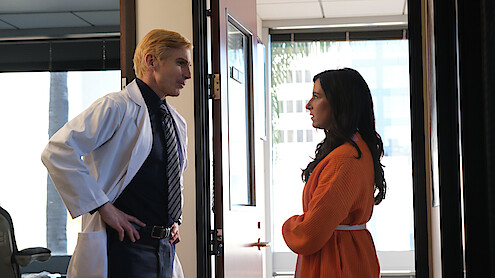
Though we don’t know if we’ll see more from Fumi, Yasutake isn’t unfamiliar with playing a character over a prolonged period. In 1990, she was cast on Star Trek: The Next Generation as Nurse Alyssa Ogawa, and reprised the role in 1994’s Star Trek: Generations and 1996’s Star Trek: First Contact. Joining the iconic franchise was “so exciting,” she recalls; she was already a fan, having been thrilled to see George Takei on the original series. As much as she had already liked the show, however, nothing could have prepared her for the madness of conventions. “But it was great fun,” she recalls. “The fans are really, really supportive, and they stayed supportive over… we’re talking decades now.”
Though BEEF might not be quite at Star Trek levels of fandom (is anything?), the show’s critical reception has been largely positive, which the actor has found “so gratifying” — especially because audiences are appreciating its culturally specific humor. “As I was reading the script originally, I said, ‘I don’t know if people will get some of the inside stuff, but it’s just hysterical to me.’ There’s jokes in there that caught me so off guard that I practically fell off my feet laughing so hard.”
“I love that there’s that, and I also love that there’s a lot of pain in all this. It’s really poignant to me,” she continues. “I didn’t think, like I said, after this many decades in the business, that some project like this and a role like this would come along. It feels deeply gratifying that not only did I have the opportunity to participate in it, and we had such fun [making it], but that the audiences are having such fun — I can’t even describe it. It’s just a thrill.”
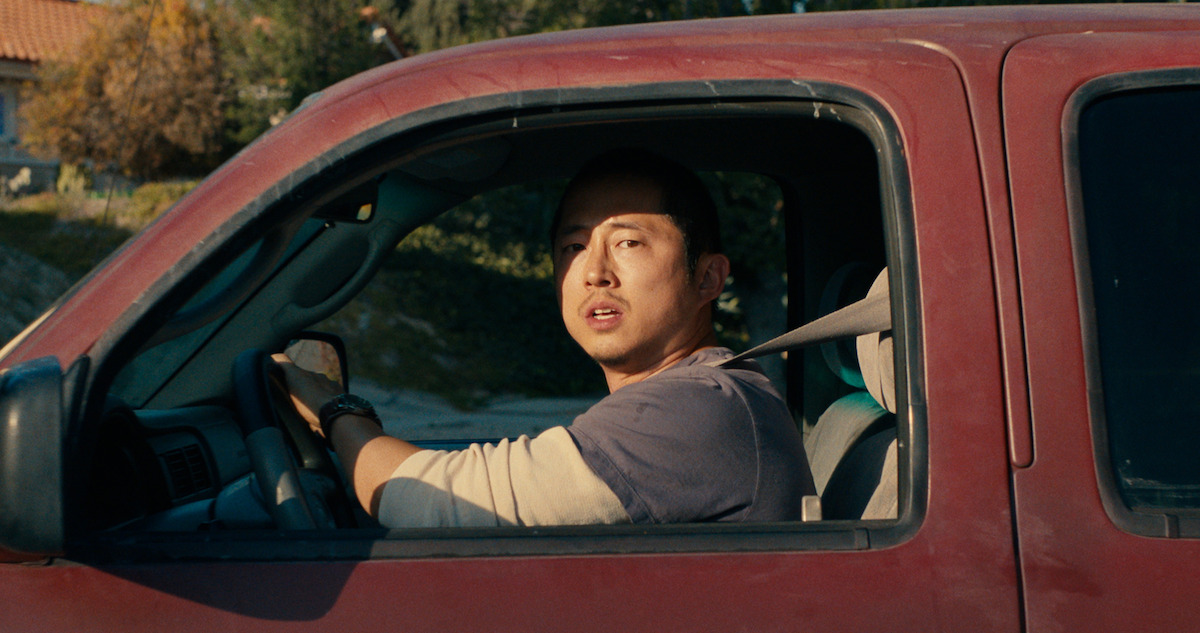
BEEF is streaming now.