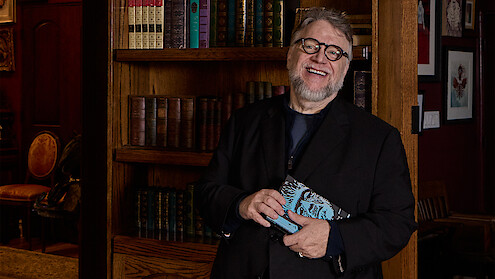
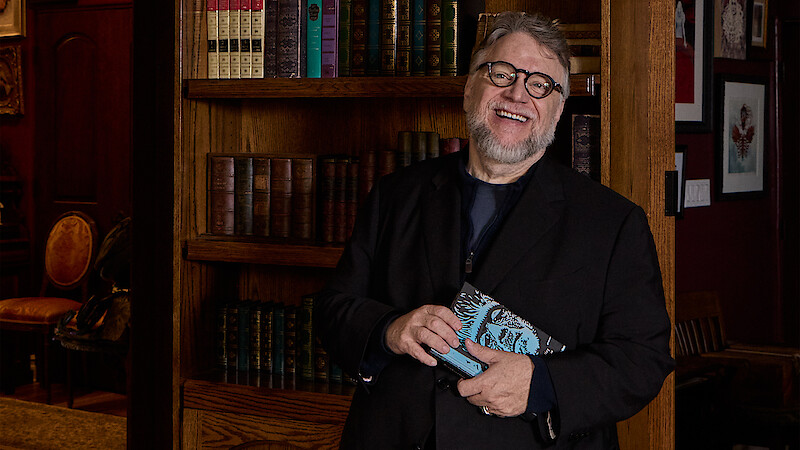
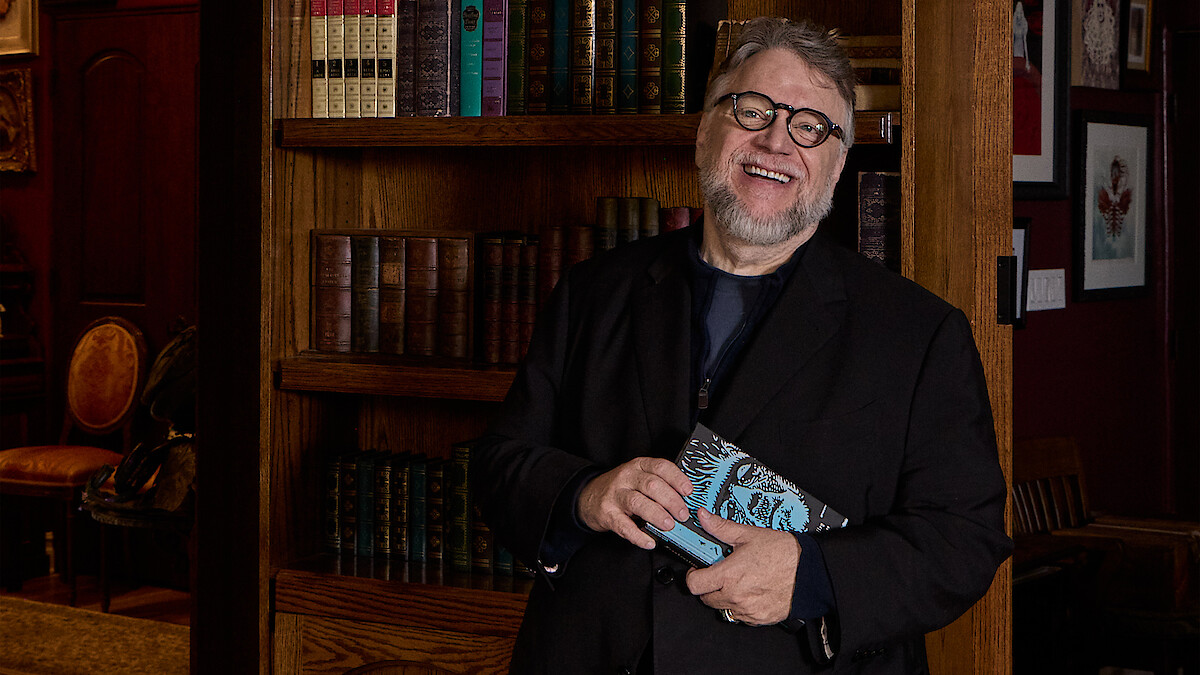
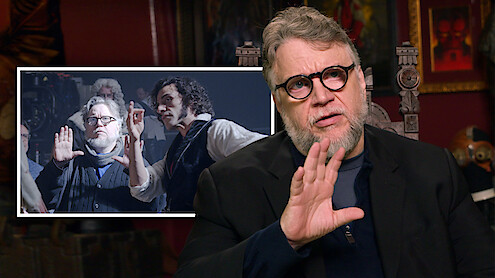
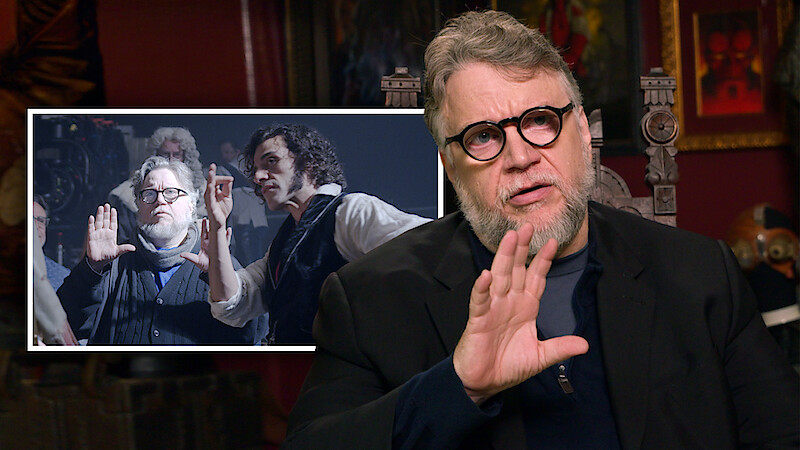
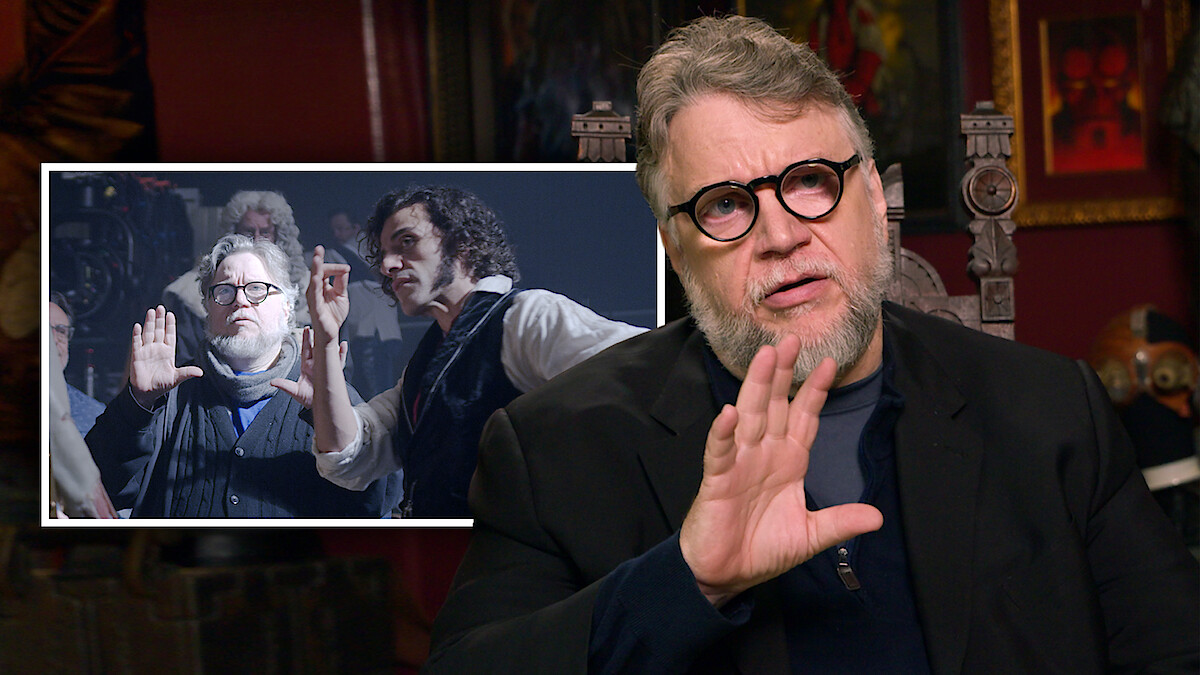
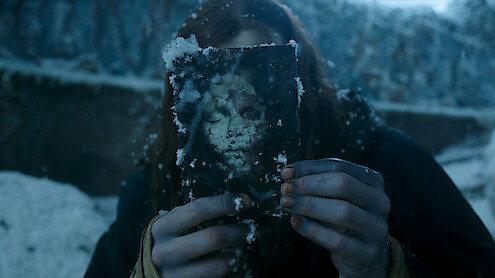
Frankenstein is a dream fulfilled for director and writer Guillermo del Toro, and collaborating with the auteur is also a meaningful milestone for the film’s star, Oscar Isaac. The Golden Globe–winning actor had longed to work with del Toro before he asked him to inhabit the role of Dr. Victor Frankenstein, a scientist driven by both brilliance and madness. In honor of the release of the filmmaker’s adaptation, Insight Editions chronicles the making of Frankenstein with a special edition tome, featuring this foreword from Isaac in which he reflects on stepping into del Toro’s world.
In 2009 I was at the Toronto International Film Festival for the first time — a young actor just beginning his journey in the profession. I found myself wandering around an after-party, deeply insecure, uncertain of what I was even doing there. When suddenly I felt someone punch me on the shoulder. Hard. I turned, surprised to find Guillermo del Toro’s big smiling eyes looking back at me. “Hola cabrón! You’re in it now!” This was the first step in what would be our joyful, at times painful, journey towards bringing Frankenstein to defiant life.
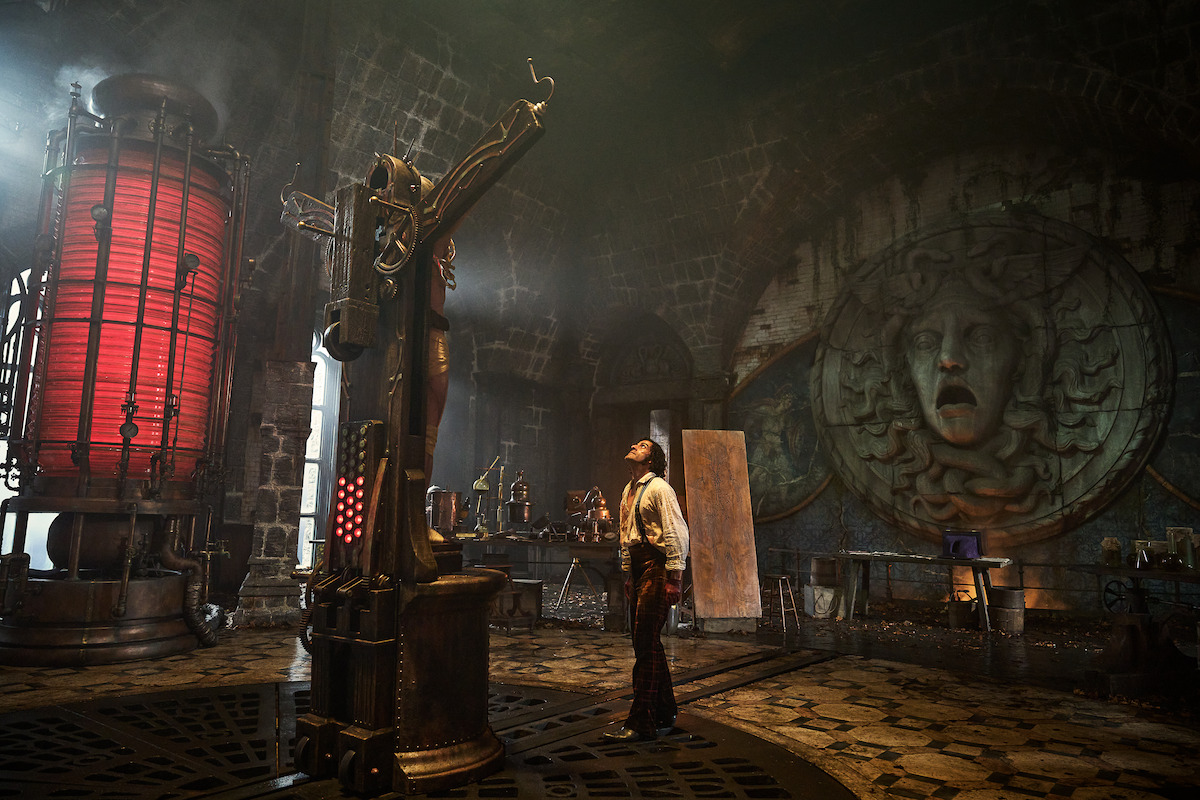
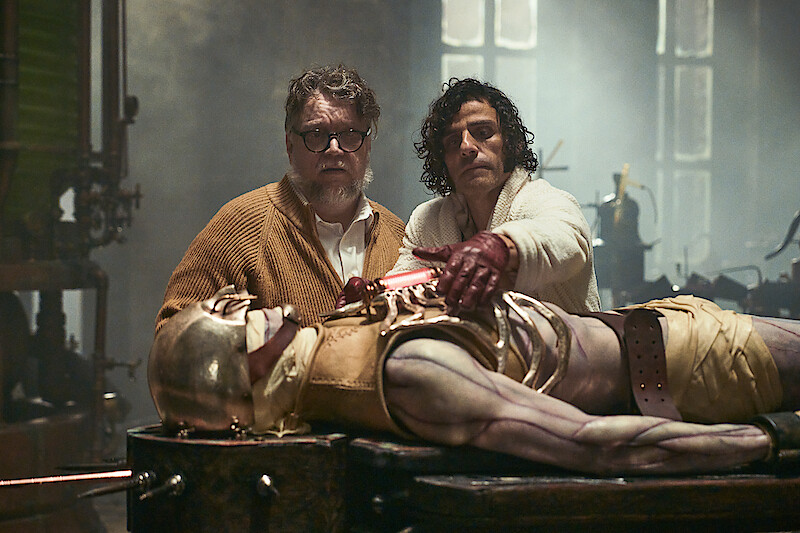
Jacob Elordi as the Creature and Oscar Isaac as Victor Frankenstein
When Guillermo first approached me about playing Victor, again it was in the form of an unexpected shock. He asked me to come to his house — a place pulsing with mystery and a dizzying myriad of bizarre objects, books, and artworks. It was just a general meeting about nothing in particular, I was told. I sat with him at his kitchen table eating takeout Cuban food and for roughly two hours we talked in Spanish about our fathers and about being fathers. With tears in our eyes and laughter in our throats, we told each other our stories of pain, love, forgiveness, and hope. At one point, after a silence, he looked up at me and said, “I think you need to be my Victor Frankenstein.”
A year later, I was sitting on the floor of a hotel room, reading aloud the first 30 pages of Guillermo’s script for Frankenstein while he sat on the couch watching and listening. Tears streamed down my face. I couldn’t believe how he had captured the very essence of Mary Shelley’s masterwork Frankenstein; or, The Modern Prometheus without even using a single line of the original text. Already the film, in half-written form, was weaving Guillermo’s deeply personal and specific point of view with that of Mary’s and the result was heart-shattering and beautiful.
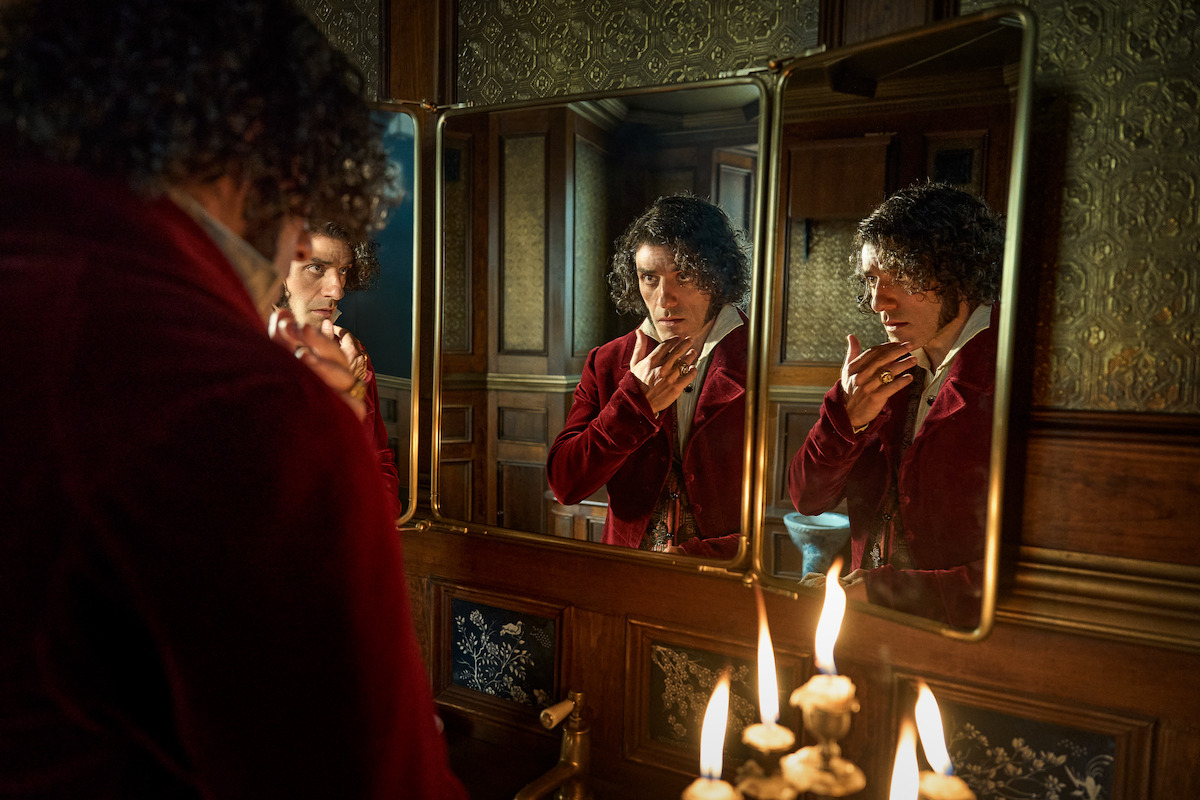
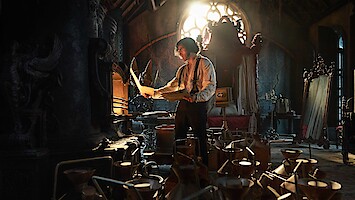
Oscar Isaac as Victor Frankenstein
Mary Shelley’s father was the grand political philosopher and novelist William Godwin. He was left to care for Mary after her mother, another titan, the writer and early feminist Mary Wollstonecraft died in childbirth. One can only imagine, reading Mary Shelley’s journals, the ache of loneliness and alienation she must’ve felt living in the shadow of her powerful, elusive father and the mystery of her absent mother. She wrote at one point “Now I am alone— oh, how alone! … I am left to fulfil my task. So be it.” This piercing feeling of alienation she would explore in Frankenstein — what it means to be a motherless creation.
In our telling, Victor too is a motherless wanderer, an outcast living in the shadow of a towering father. His creation is a defiant act of vengeance against the death that took his mother, the death his father in all his doctorly presumptuousness could not prevent. Victor would suffocate all other hopes and desires in service to this one glorious act that would make sense of all the pain. What Victor could not know is that the creature he would bring to life was his very self — the inner, abandoned child come back to relentlessly pursue and ultimately forgive him. Victor and the Creature are one and the same.
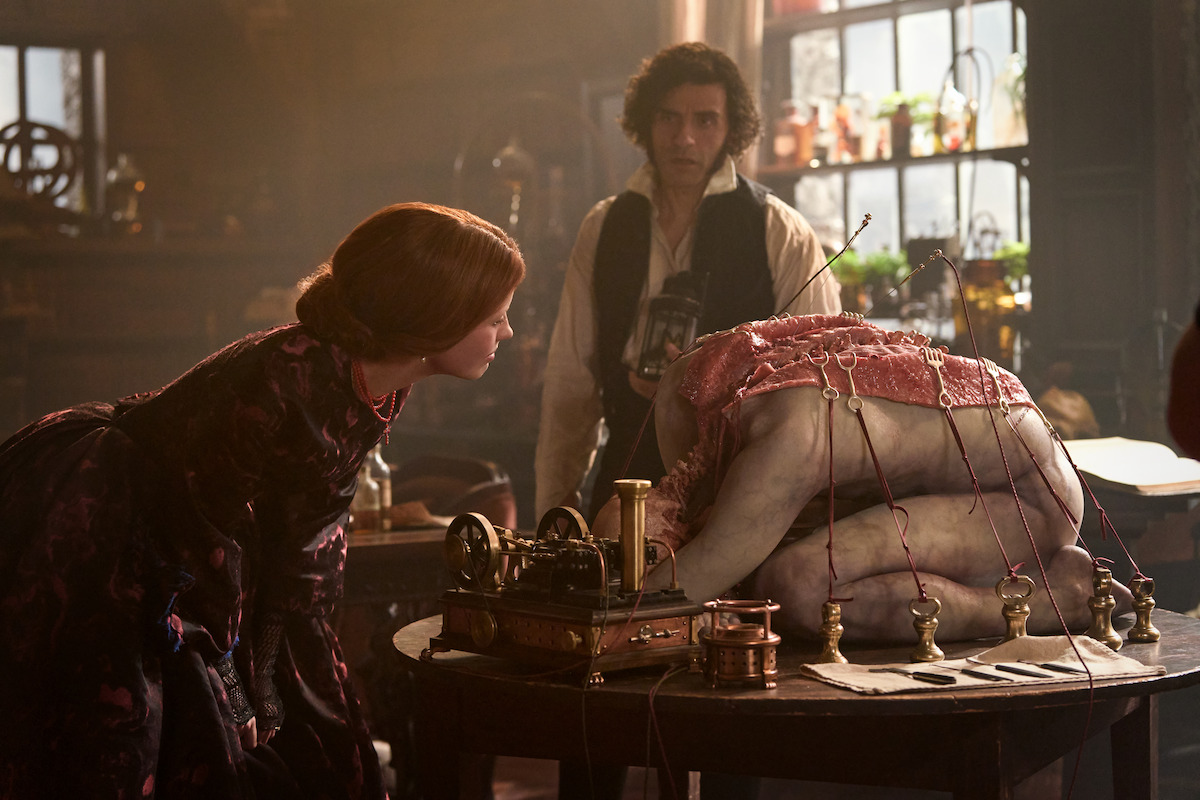
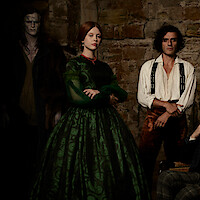
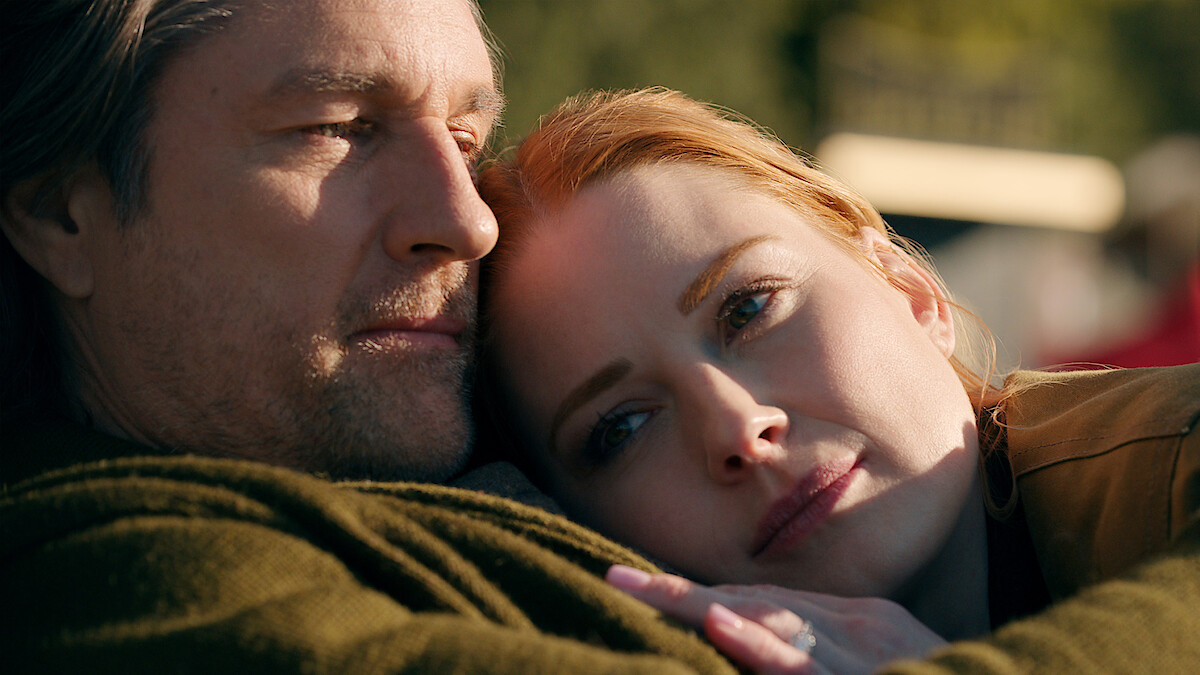
Mia Goth as Elizabeth and Oscar Isaac as Victor Frankenstein
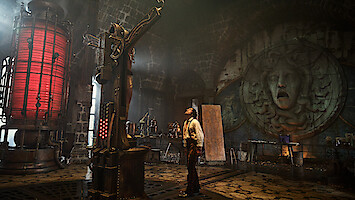
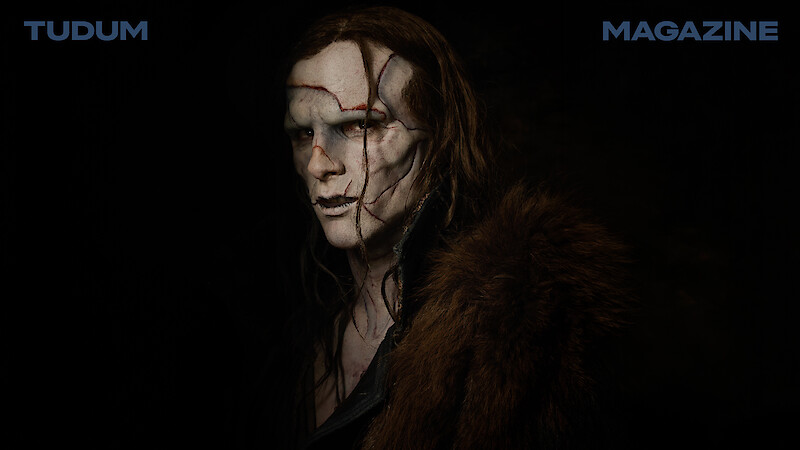
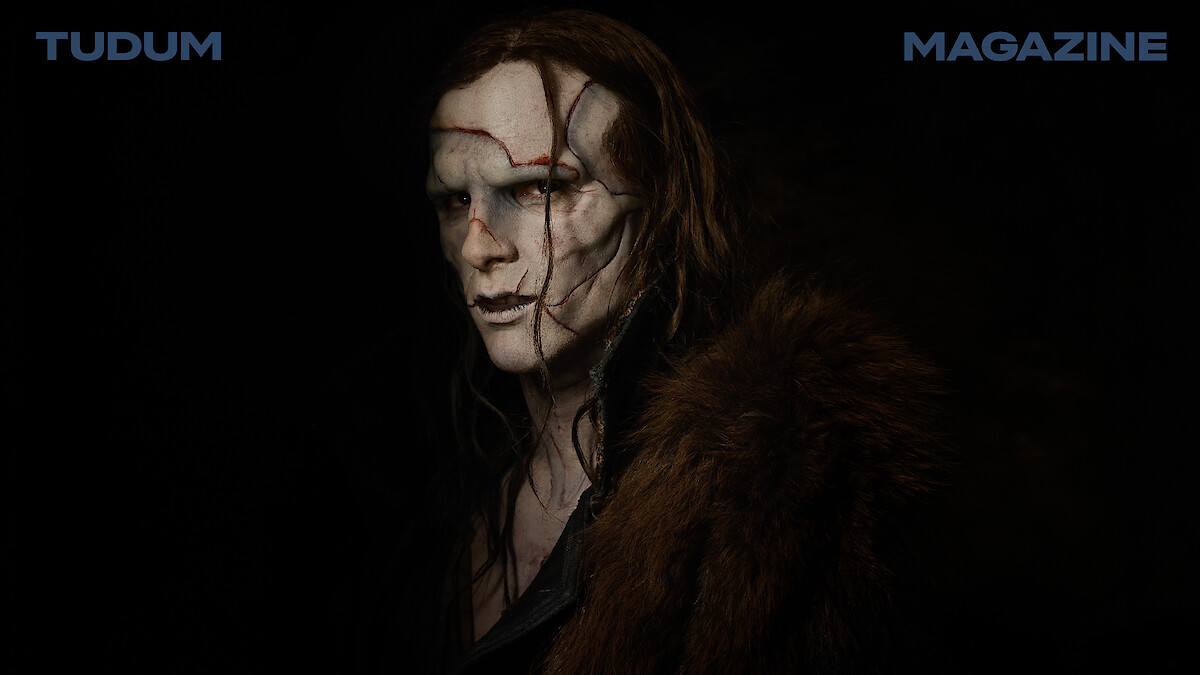
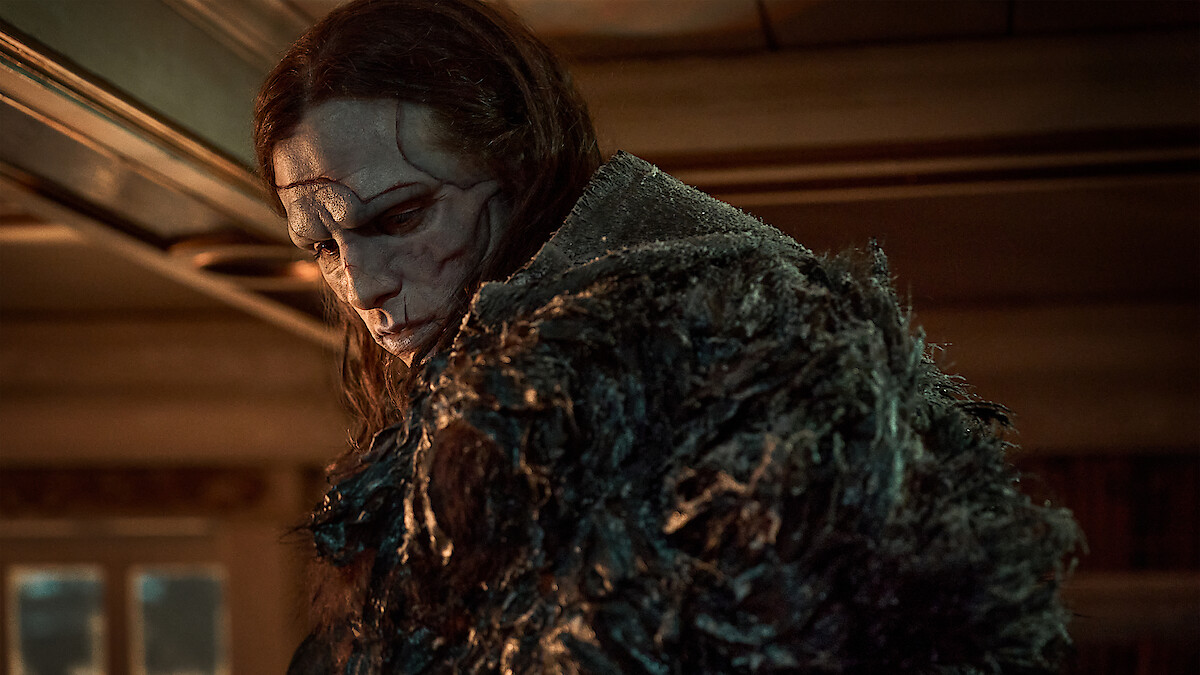
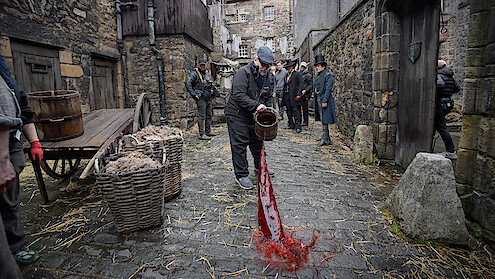
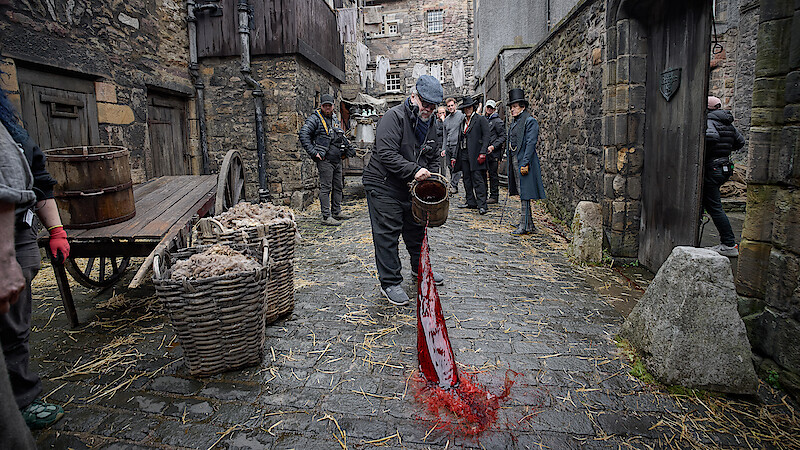
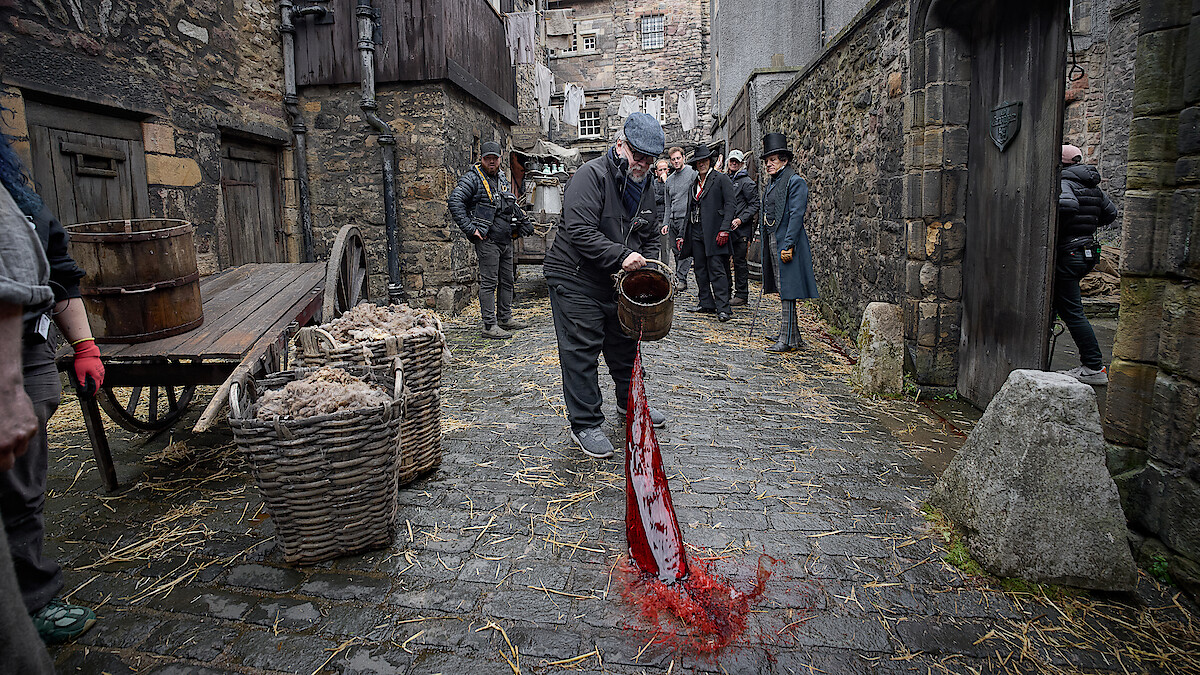
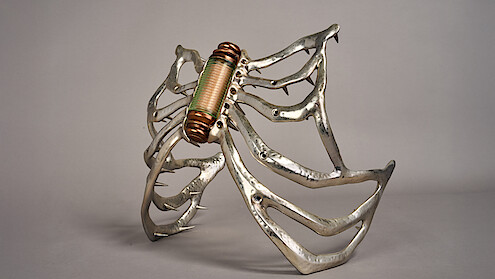
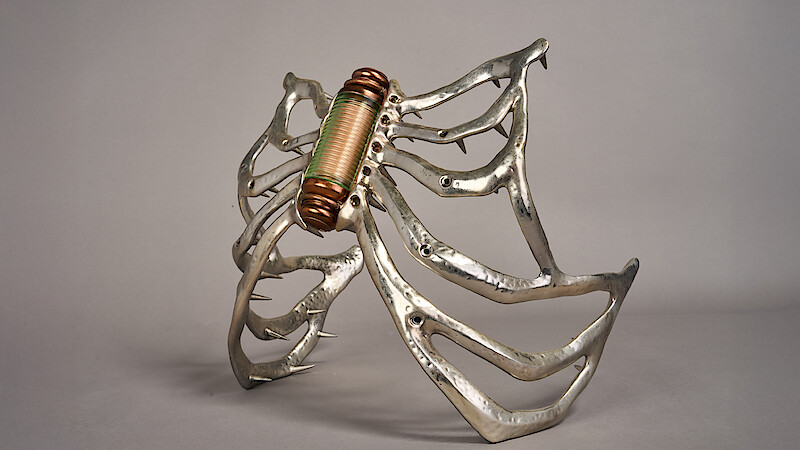
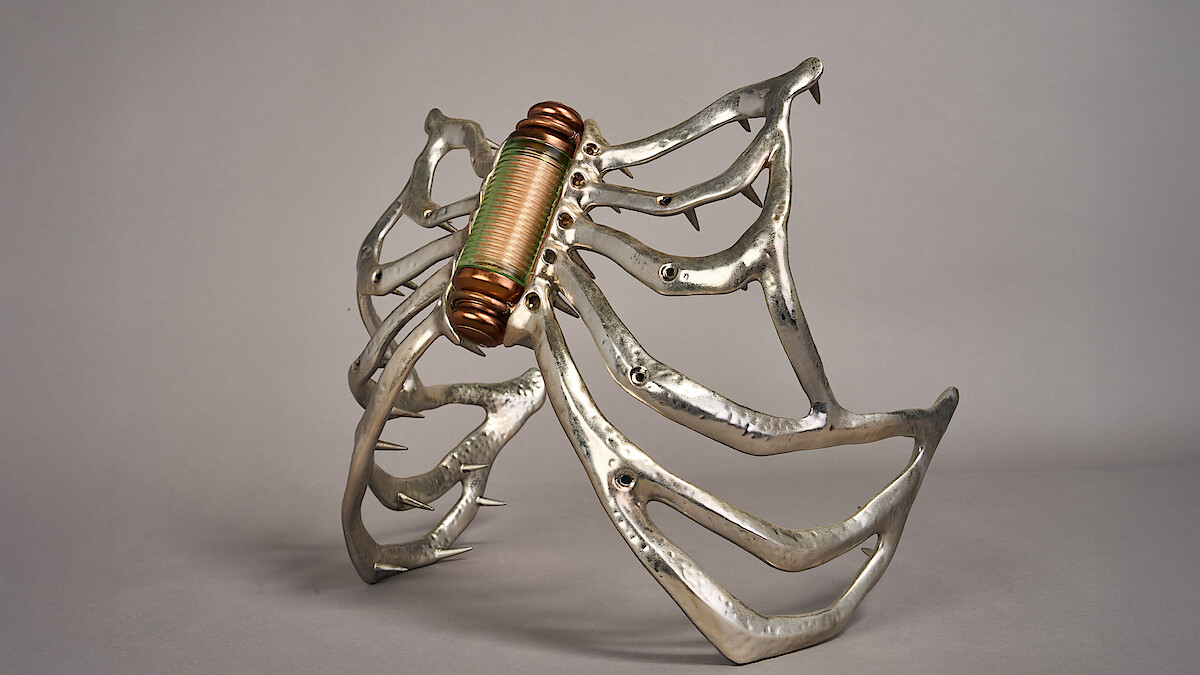
At times during the shoot, the size of what we were doing was simply staggering. The sumptuous costumes by the extraordinary Kate Hawley; Tamara Deverell’s operatic, modular sets almost Jungian in their archetypal size; the exquisite props; the ceaselessly moving camera; cinematographer Dan Laustsen’s dreamlike light and shadow; the spellbinding design of the Creature itself so hauntingly and vulnerably inhabited by Jacob Elordi, and the emotions of the scenes and their unrestrained expression all orchestrated and interpreted through the prism of a very Latin American sensibility. A European story told in a decidedly un-European way. “Is it too much?” I asked, sitting in a 17th-century castle outside of Edinburgh. Guillermo answered, with those mischievous smiling eyes I saw for the first time so many years ago in Toronto, “It’s no accident the guy playing Victor’s actual last name is Hernandez.”
Cabrón. You’re in it now.
Guillermo has dared to put his pure, bleeding heart on the slab. It is what he dared all of us, fortunate enough to have been invited on the journey, to do.
He has made his Frankenstein, his beloved Creature, of love and pain and grace and has offered it up to the world in the most sublime, skillful, and mischievous fashion. May it illuminate your heart as it has mine.