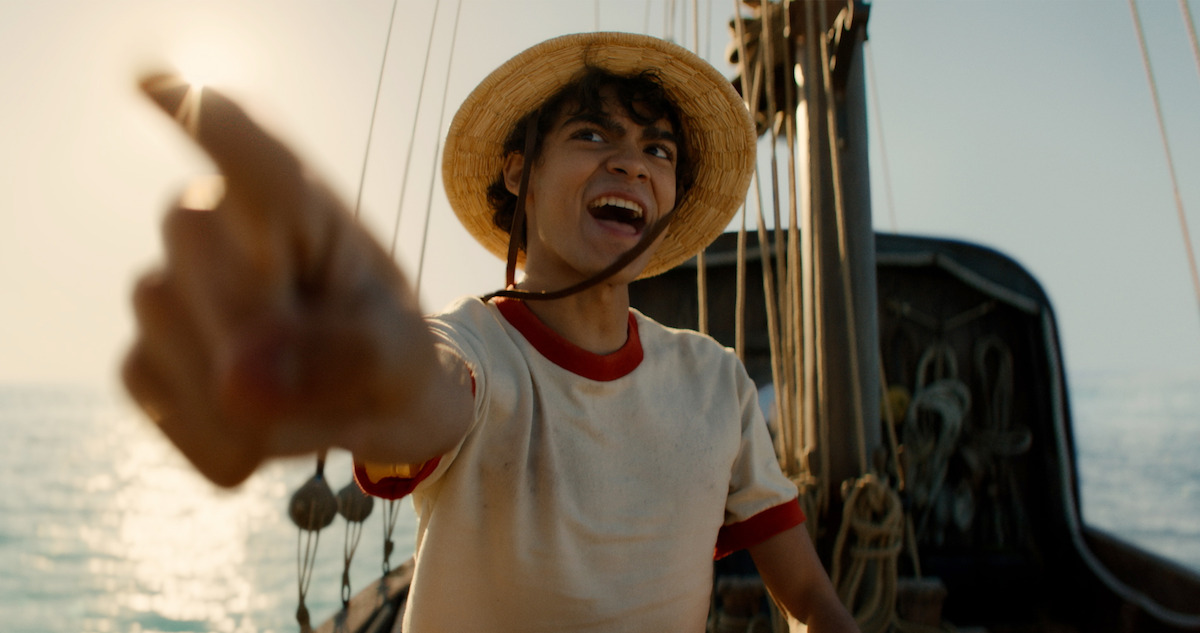
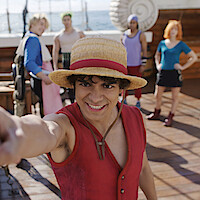
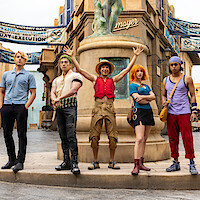
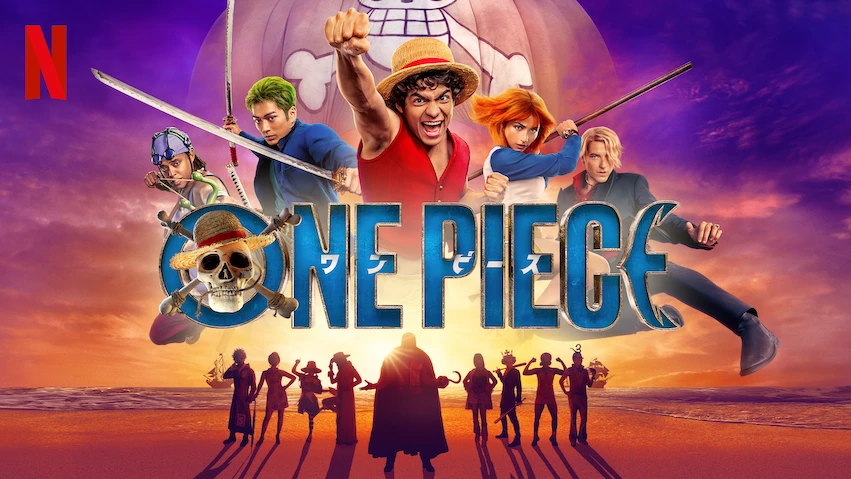
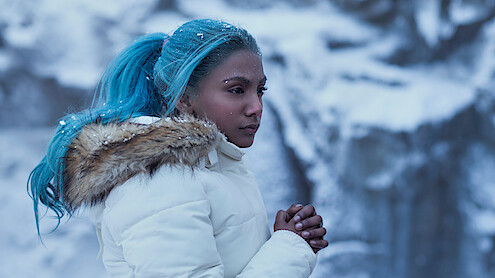
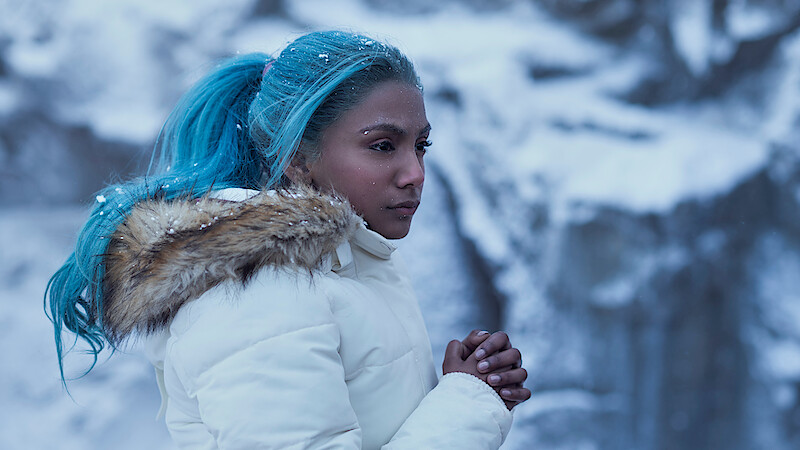
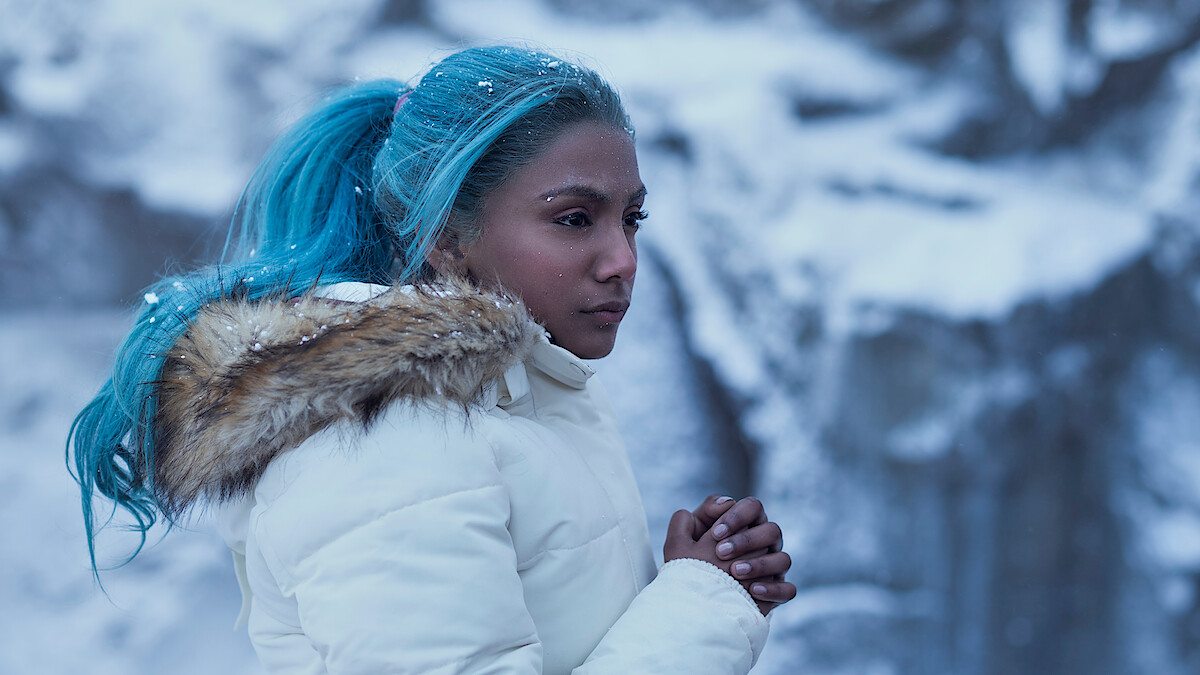
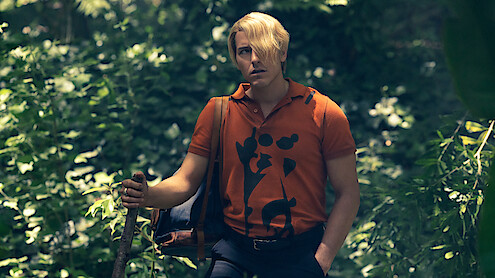
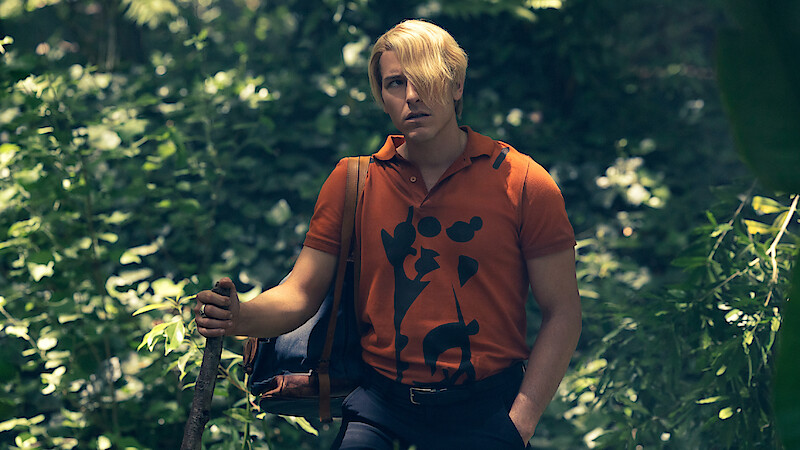
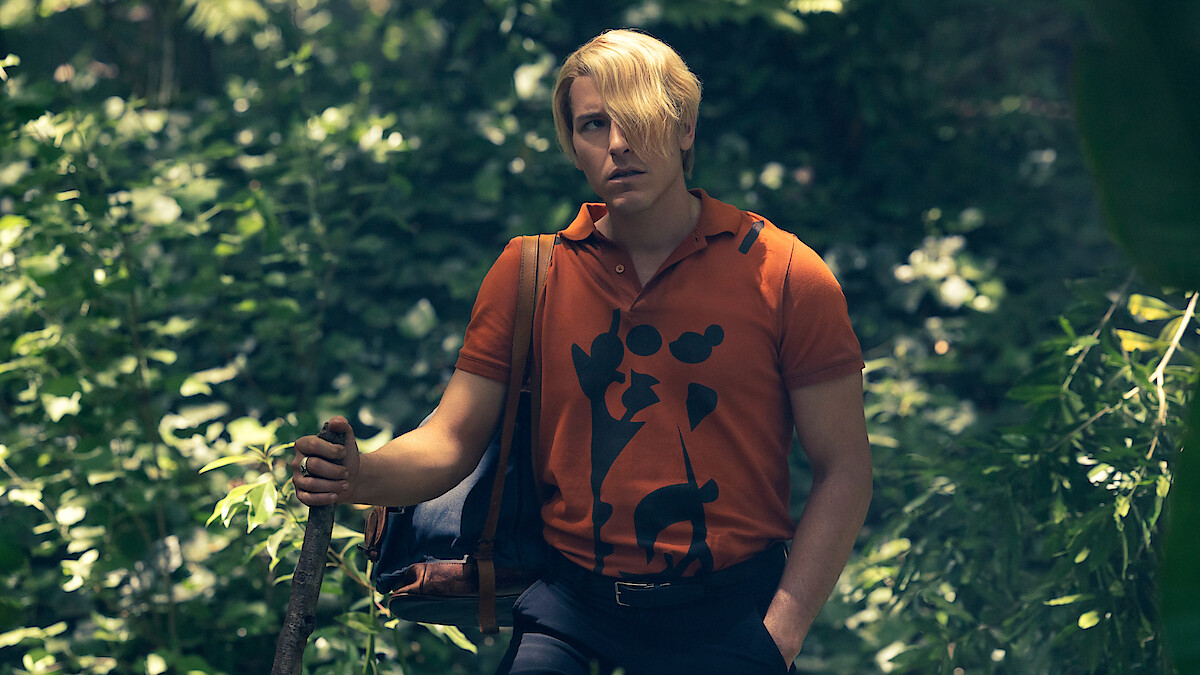
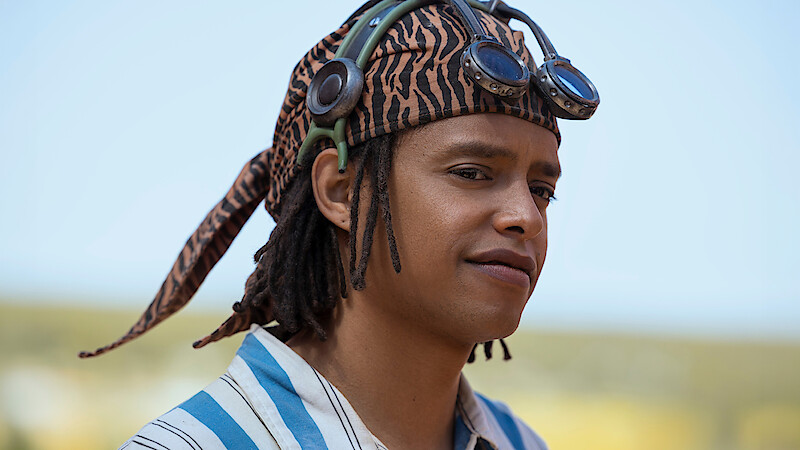
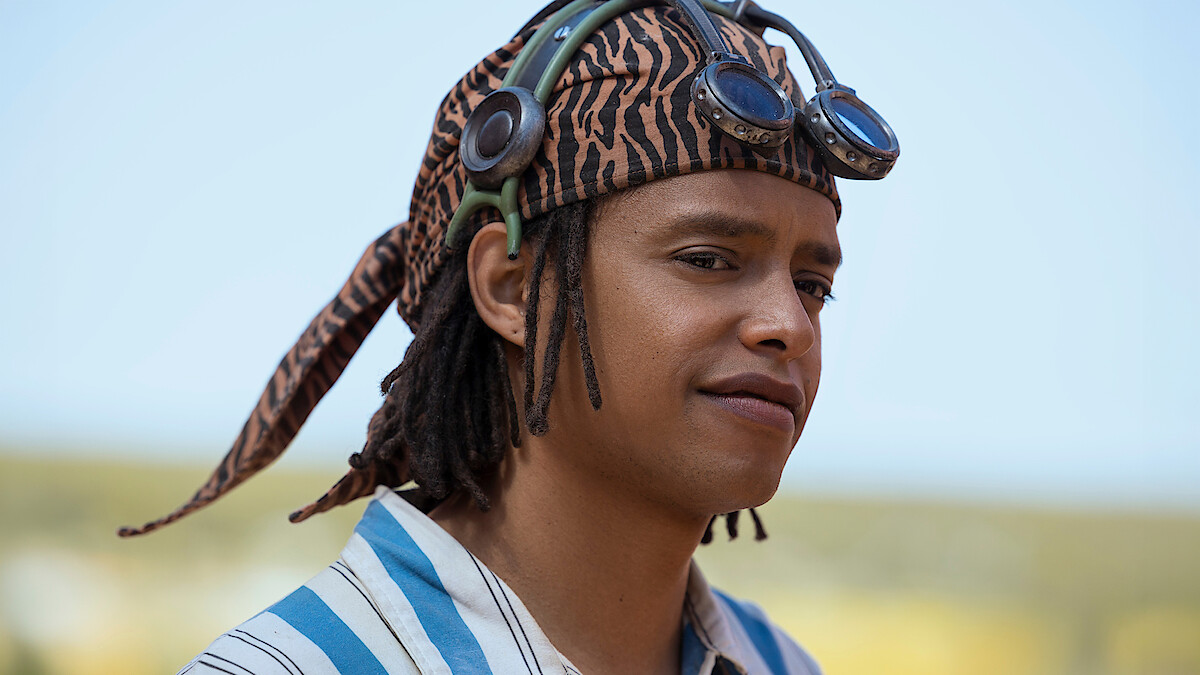
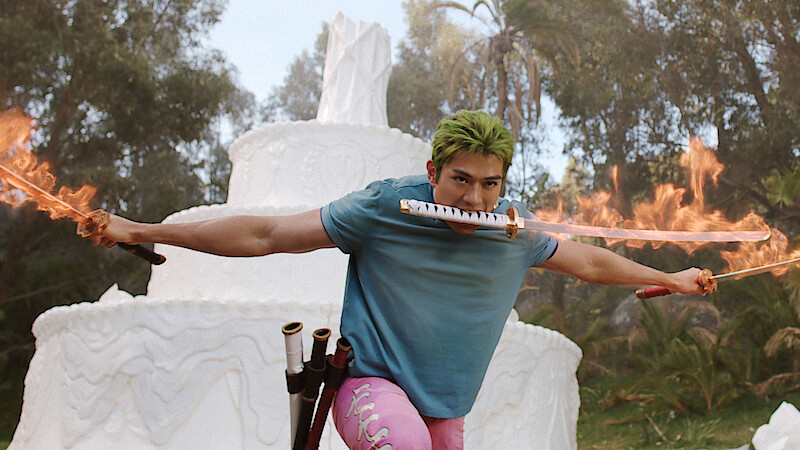
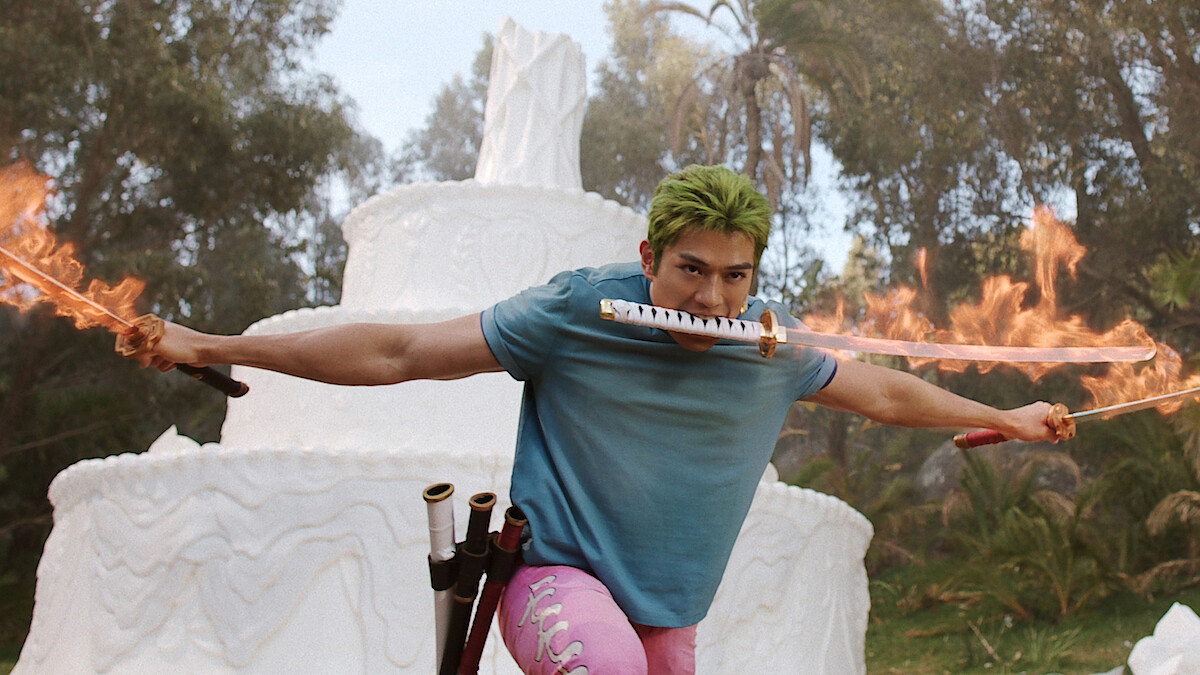
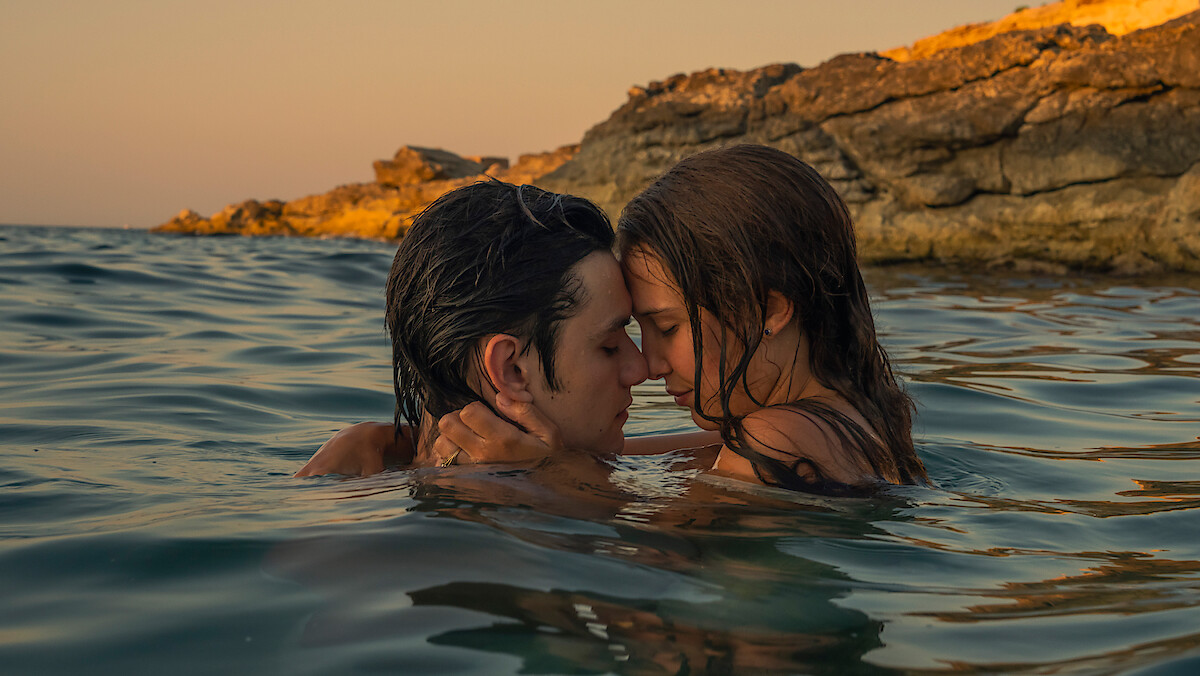
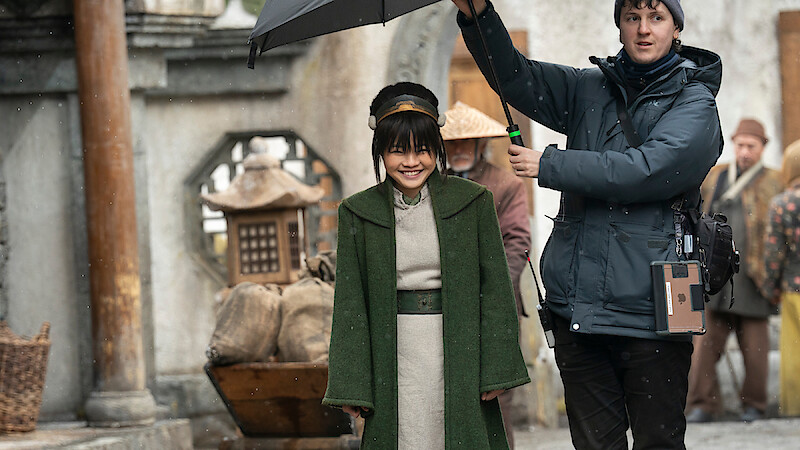
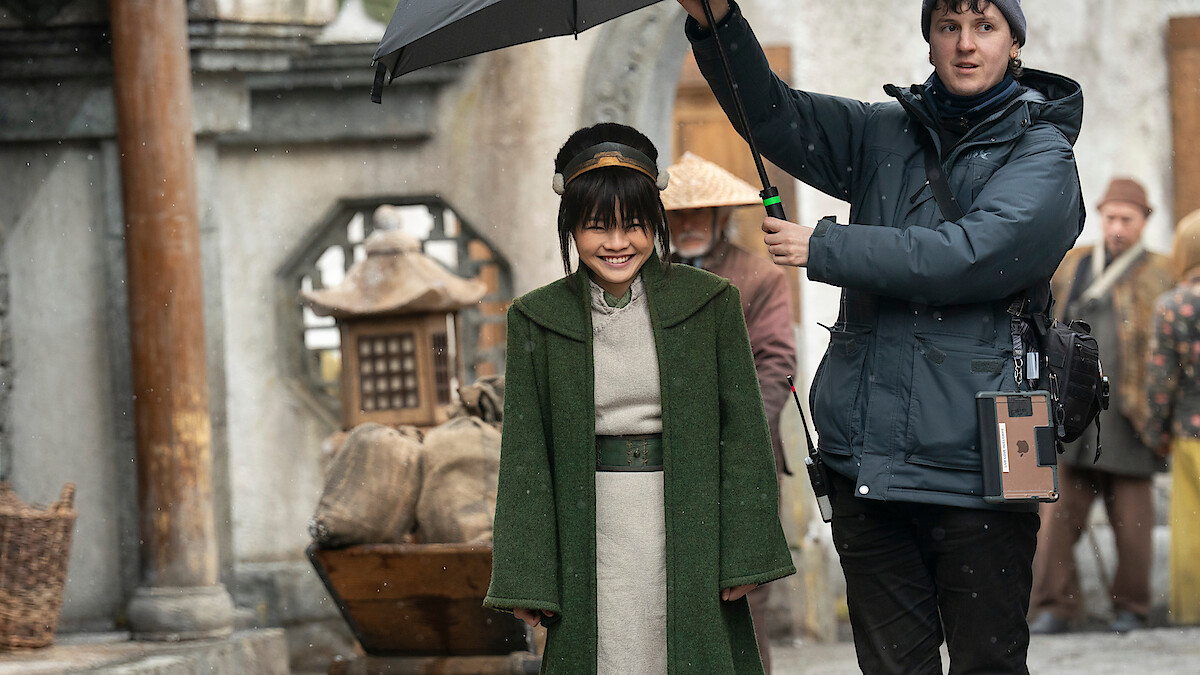
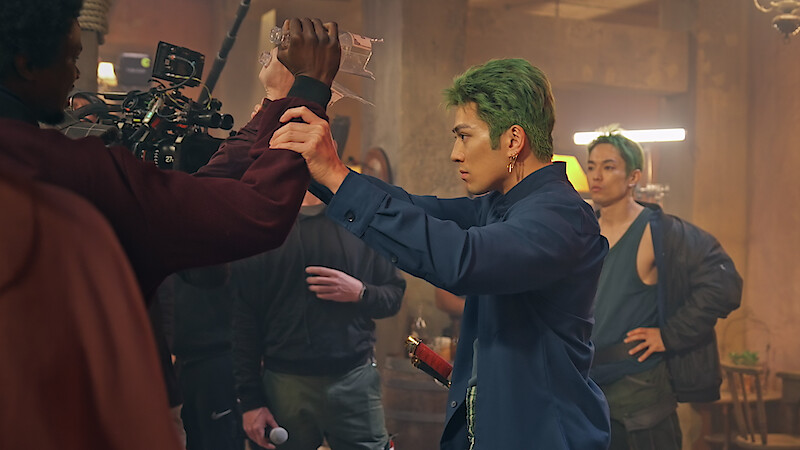
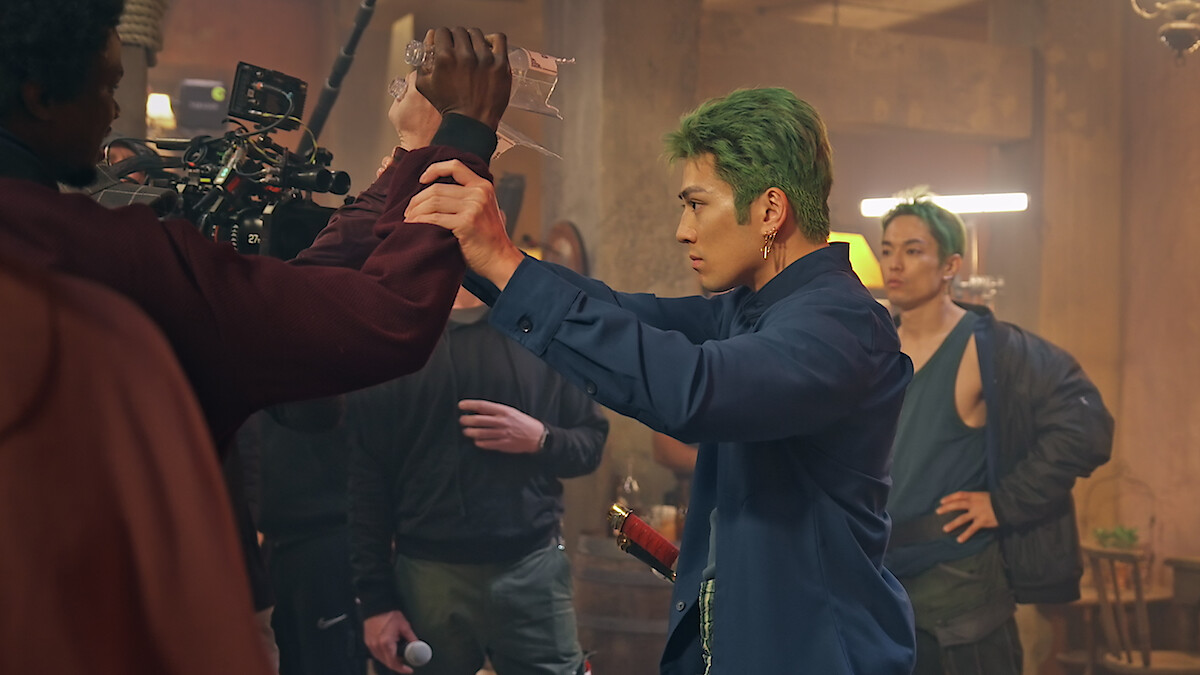
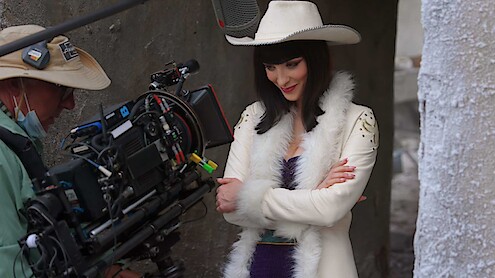
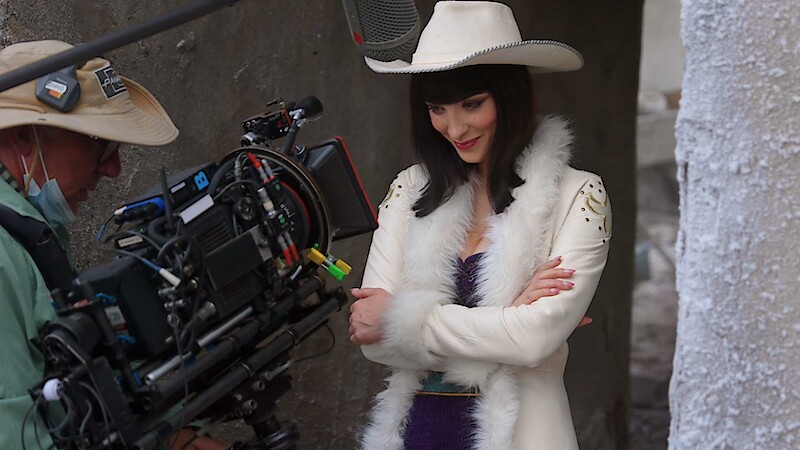
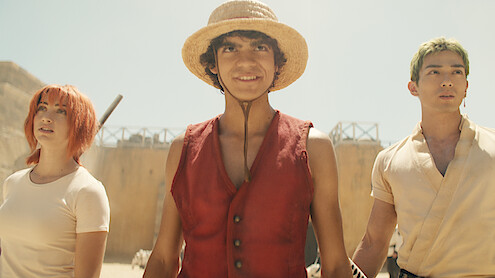
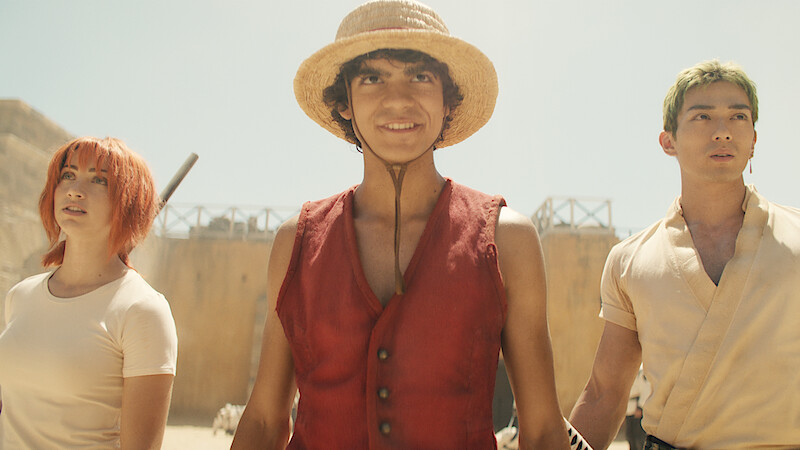
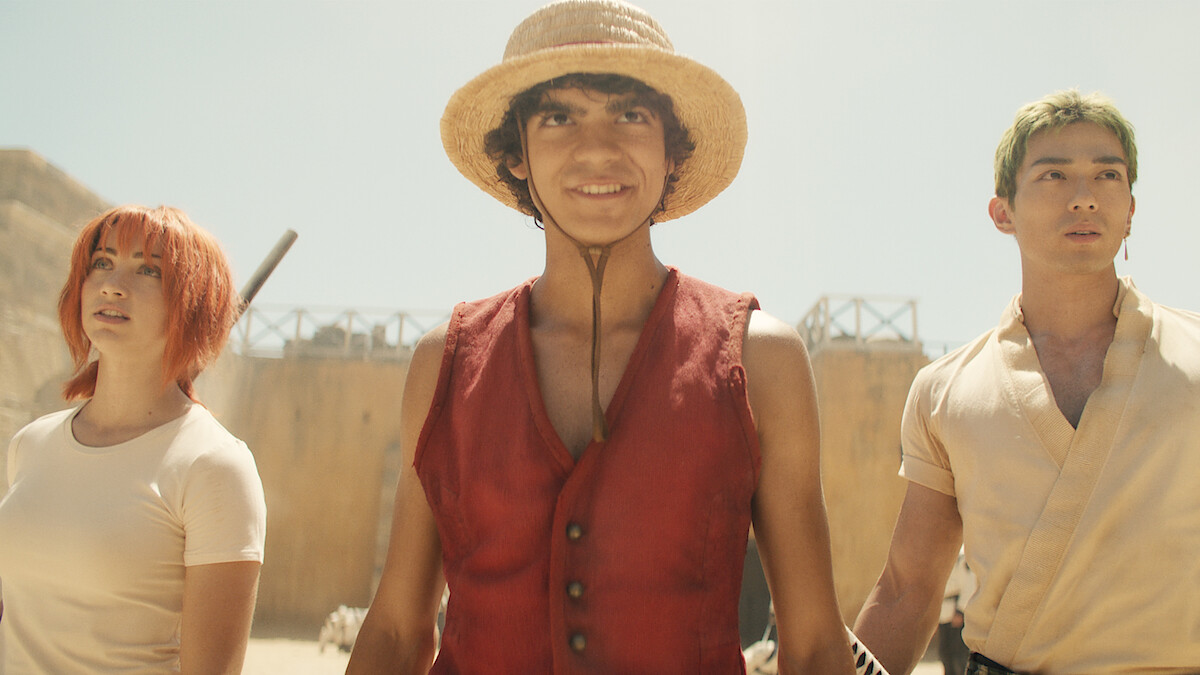
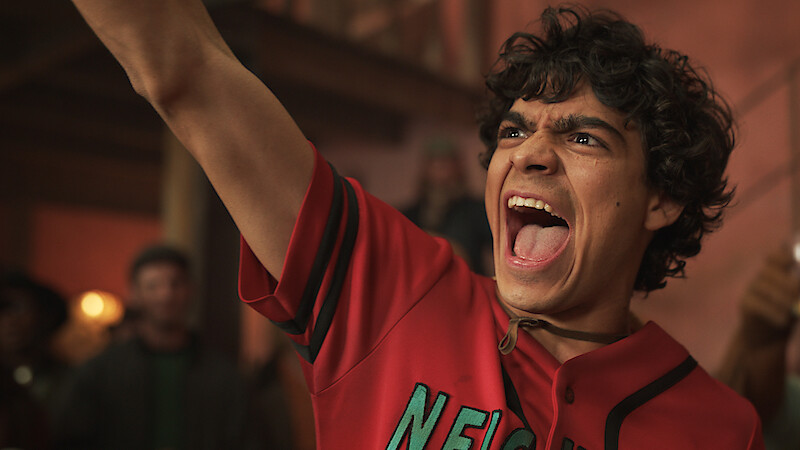
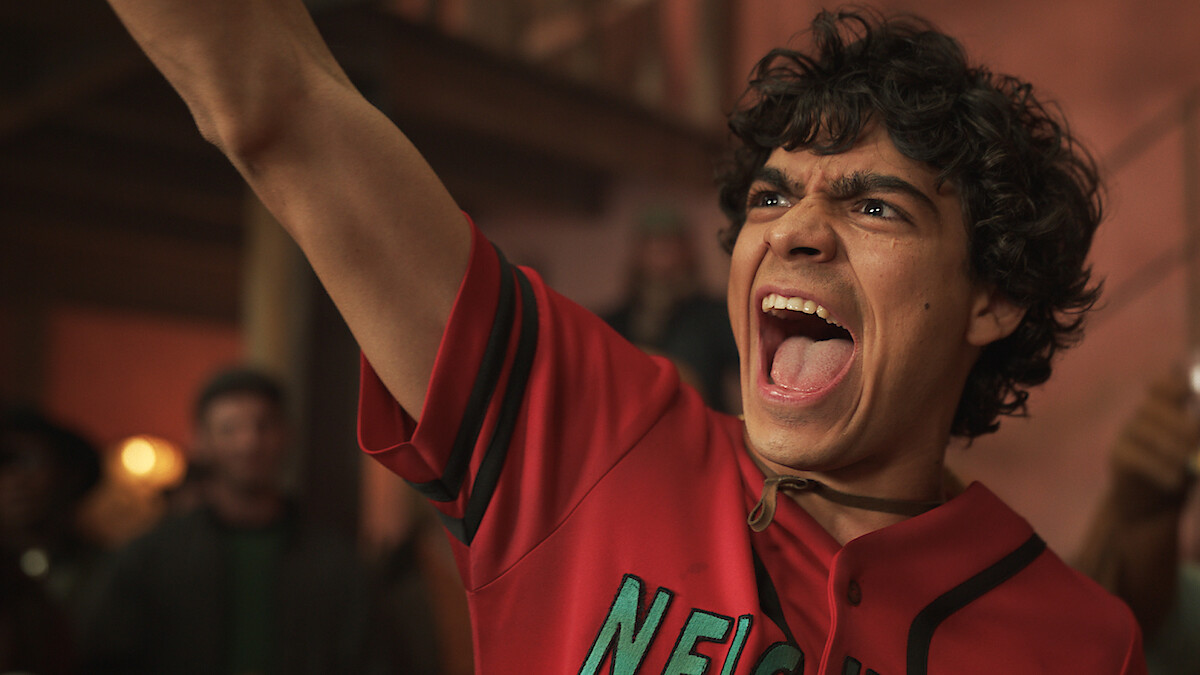
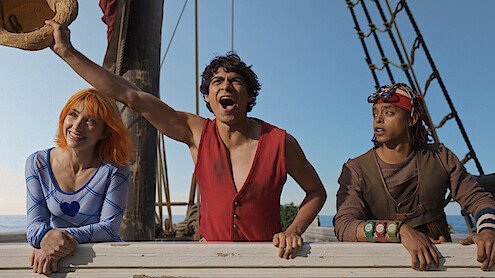
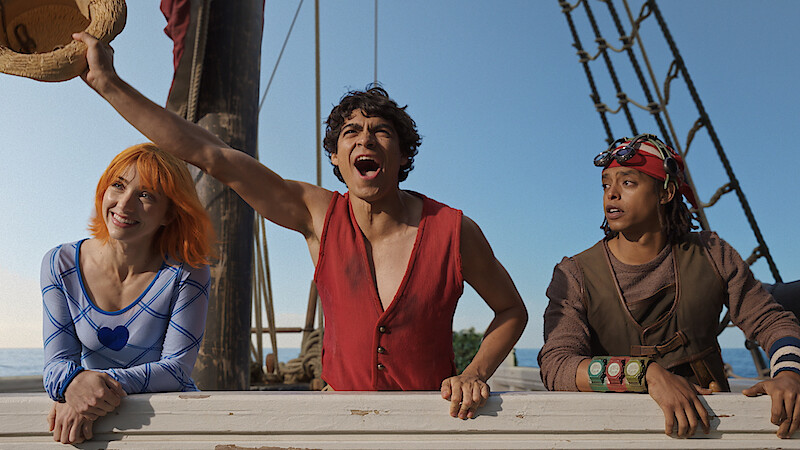
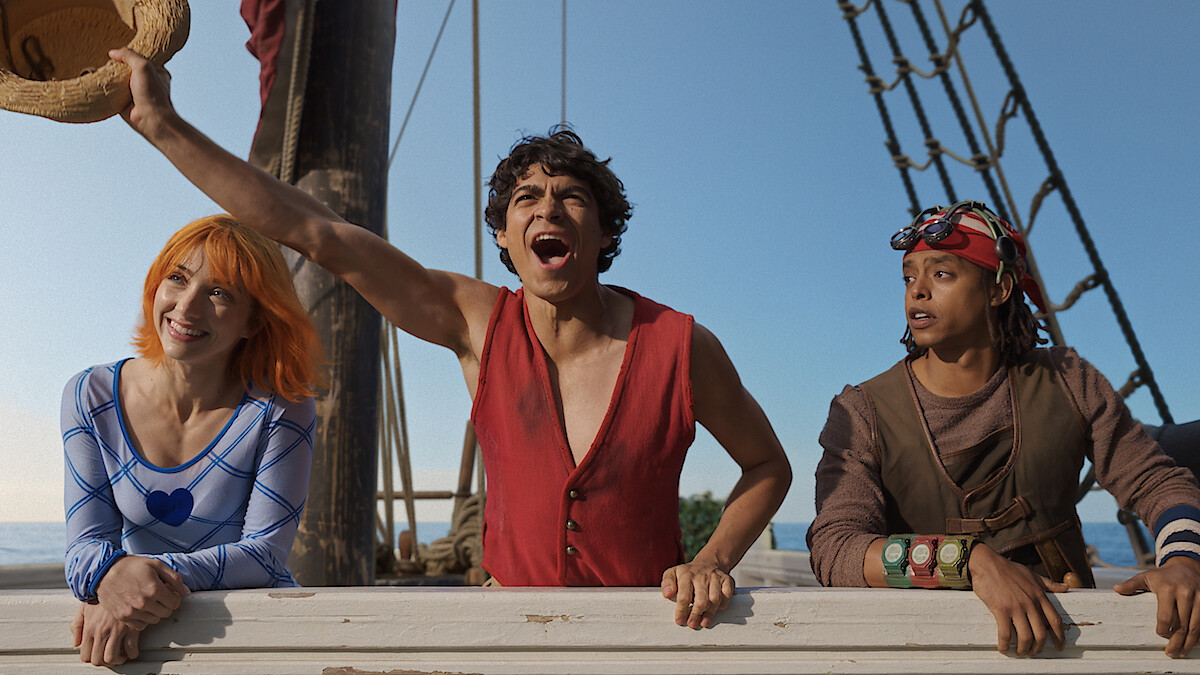
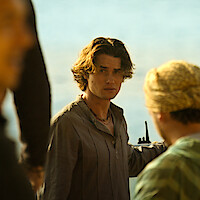
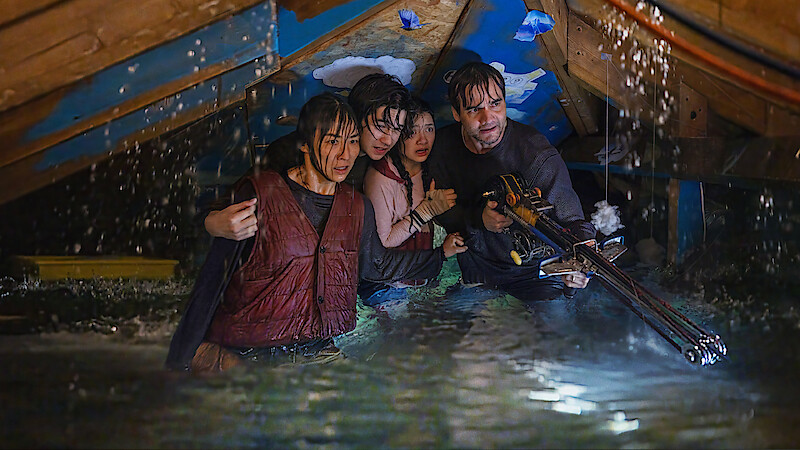
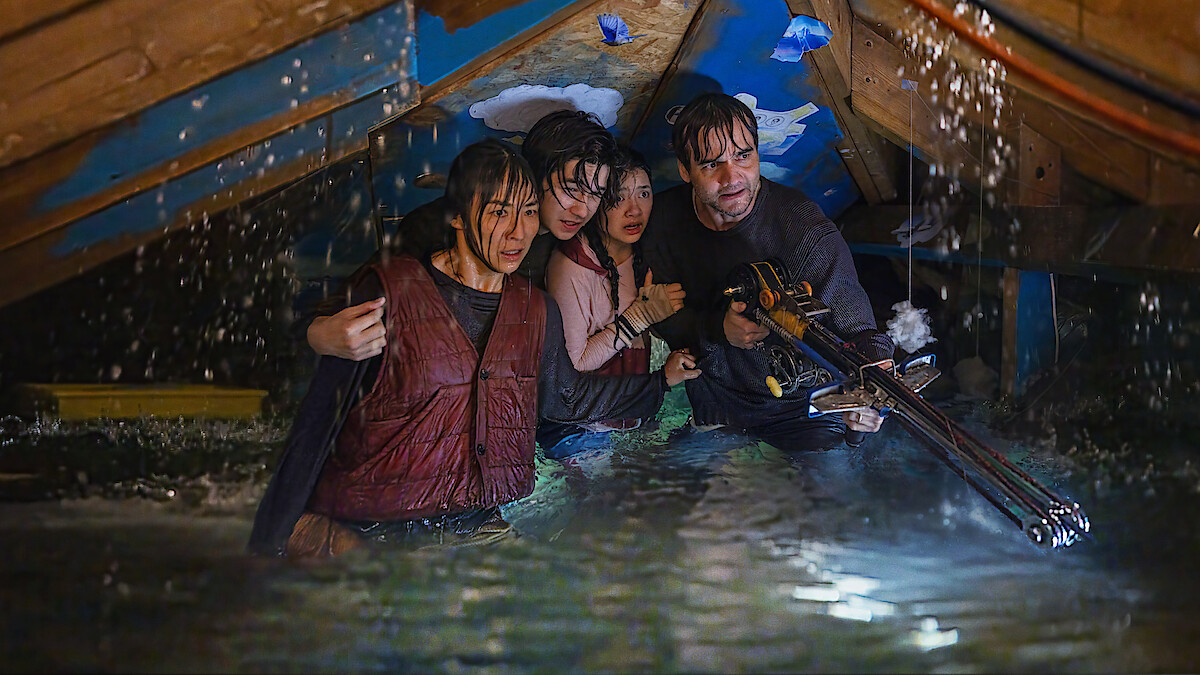
Eiichiro Oda’s bestselling manga series of all time, ONE PIECE, has been beloved by fans around the world since 1997. The series follows a boy with a dream, Monkey D. Luffy (Iñaki Godoy), as he strives to become King of the Pirates and find pirate Gold Roger’s treasure, the One Piece. Along the way, he forms a crew of nakama and shipmates — swordsman Roronoa Zoro (Mackenyu), thief Nami (Emily Rudd), marskman Usopp (Jacob Romero), and Sanji (Taz Skylar) — who have sailed through the pages of the 105 (and counting) volumes of Oda-Sensei’s manga for 26 years.
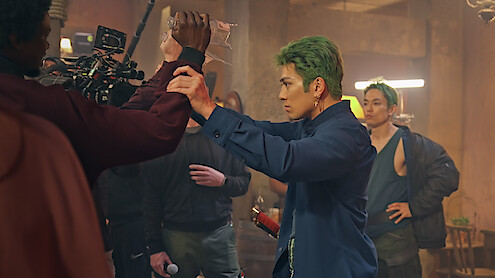
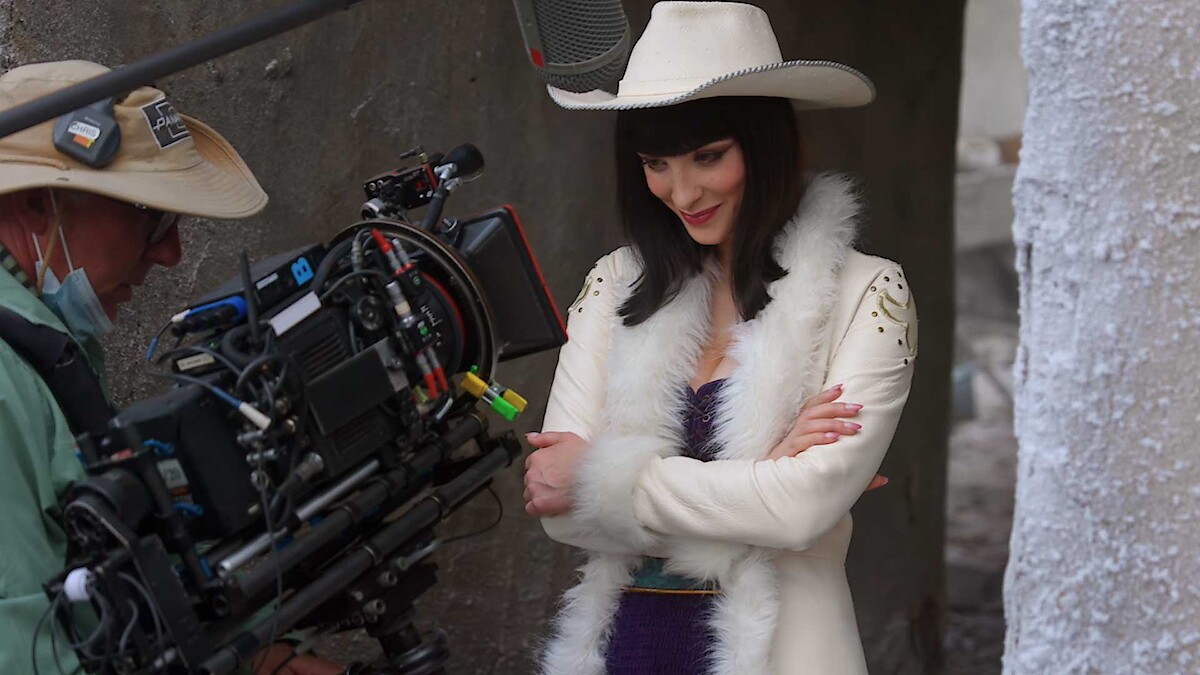
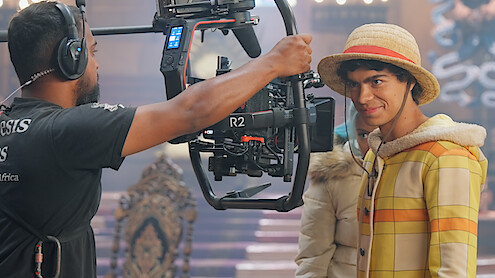
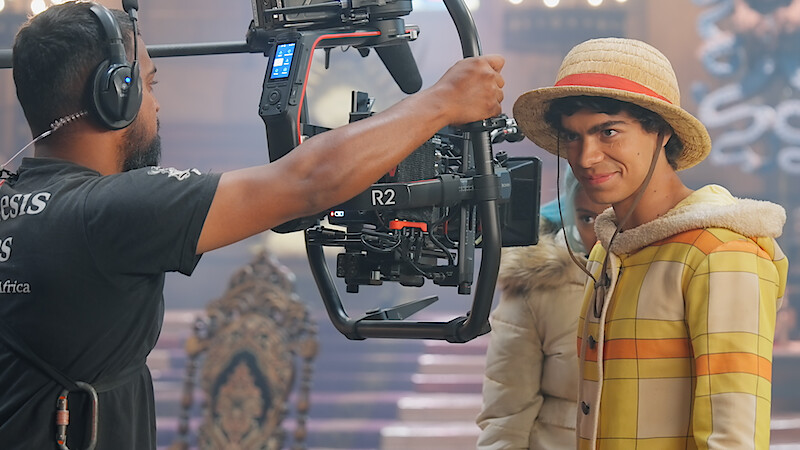
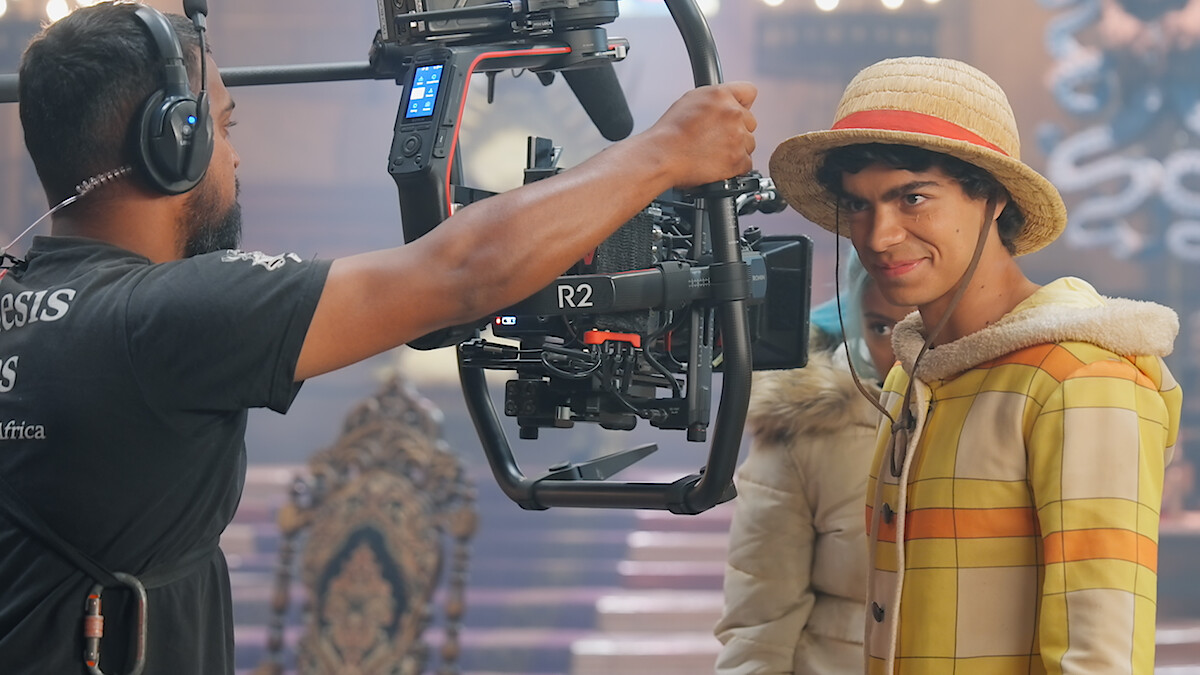
So when the ONE PIECE showrunners and executive producers Matt Owens and Steven Maeda decided to adapt the adventures of Luffy and his Straw Hats into a live-action television series, they knew that a scrupulous attention to detail of the world Oda created was the only way forward. “Matt, our showrunner, he’s a superfan. Who better to make an adaptation than a superfan?” said Skylar during production. Behold the wonders of the East Blue for yourself in the video above, where the cast and crew take you behind-the-scenes of how ONE PIECE came to life on-screen.
This article contains major character or plot details.
How involved was Oda in the making of ONE PIECE?
“Oda and his source material, his designs, that’s always our north star,” said Owens. Using Oda’s manga as the series’ foundation left plenty of opportunity for the ONE PIECE team to throw in Easter eggs for fans while bringing the story to a new medium. But the tricky part was figuring out what plot lines they wanted to parcel out for Season 1 and how to weave in the Straw Hats’ backstories. That’s where Oda’s SBS Question Corners (a section where he answers fan queries at the end of chapters in the manga) came in. “It’s full of character backstories and birth dates and heights, [and] their favorite foods,” said Maeda. “We scoured those and thought that brought a lot of wonderful emotional grounding with the characters.”
While the manga volumes are in black-and-white, Oda’s Color Walks (his books of illustrations, concept art, and covers of the manga) proved invaluable for the production team. Amanda Ross-McDonald, the series’ hair and makeup designer, said that because Oda’s Color Walks feature all of the characters in full color, they became the “bible” they used to determine the shades of all the characters’ hair. She cited the most challenging part of her work as bringing color and life to the characters without it looking like a cosplay. Her team achieved that authenticity by using real human hair in the wigs — Nami, Shanks (Peter Gadiot), and Zoro, for example, all wore wigs and had at least two each. To add dimension, they also colored the hair in multiple different shades. Take Nami’s look — she has brown, red, orange, yellow, and golden highlights in her hair.
Ross-McDonald wasn’t the only one beholden to Oda’s supplementary materials. “I used the Color Walk as an absolute master book, which I consulted constantly,” costume designer Diana Cilliers said. “It’s an absolutely amazing experience reading [it] and I was quite overwhelmed by the genius of Oda’s work.” Cilliers wanted to ensure she and her team stuck to the “wonderful characters” Oda created in her interpretation. Designing Luffy’s straw hat itself was quite the challenge, as they hand-stitched around 45 hats for the production. Anime megafan Rudd also teased that “we have a lot of nods to things ultimate fans would know” in the costumes, so keep your eyes peeled as you watch.
Then there’s the very realistic rubber heads and glued-on prosthetics which were all intentionally designed to look lifelike to make the series feel more tangible, and to immerse viewers in Oda’s world. “This is his sandbox and we’re just playing in it,” Maeda said. Prosthetic designer Jaco Snyman and his team created the prosthetics for Buggy the Clown’s (Jeff Ward) nose and all of Arlong’s (McKinley Belcher III) crew of fishmen. He especially enjoyed creating the “powerful” Arlong, and Snyman is here to remind you that even though Arlong and his fishmen “have crazy skin colors and big mouthes and gills, they are, at the end of the day, just normal guys.” By the way, the prosthetics department also made the show’s snail phones. “I just love playing with them,” said Snyman. “I’ve got one in my office.”
Where was ONE PIECE filmed?
ONE PIECE was filmed in South Africa. Godoy’s first day on set was at Cape Town Film Studios in Cape Town, South Africa. “There’s a lot of very talented people [who worked on ONE PIECE], but they also did some pirate shows before, so they already had ships and a lot of people that knew how to work in pirate-themed projects,” Godoy told Tudum in June 2023. “So that’s why we were there. It was a very beautiful place. The weather is pretty nice. It gets a little bit windy, so with [Luffy’s] vest, it can get a bit chilly.”
Extreme sports enthusiast Skylar actually completed an ultramarathon in Cape Town on New Year’s Day 2022, two days before filming on ONE PIECE resumed after a holiday break.
Did the ONE PIECE cast do their own stunts?
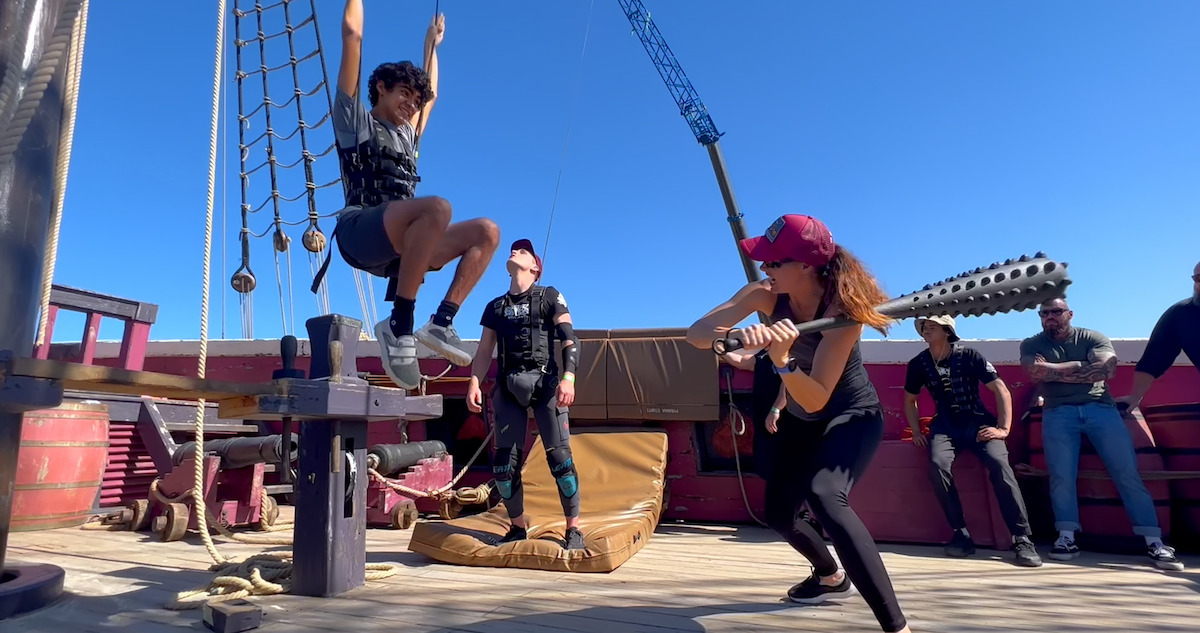
They sure did — along with their highly-skilled stunt doubles. Stunt coordinator Franz Spilhaus said that Luffy’s fighting style as a “rubber man” is one of necessity, to protect himself and his friends. “So we kept the fun element, him moving around a lot and stretching and curving his body,” he said of choreographing Luffy’s moves. “[Godoy] took to it like a duck to water and now this kid can fly.” Godoy even considers himself the “god of stunts” now.
Mackenyu, a lifelong ONE PIECE fan who idolized Zoro growing up, really wanted to prove himself. “I wanna do my best to show what Zoro and I can do,” he said on set. Maeda promised that Mackenyu’s swordsmanship doesn’t disappoint, noting that Mackenyu “brought a lot of his own style and his experience to those fights.”
Rudd, whose character Nami is a pro at the Bo Staff, actually grew up doing karate and kept telling Spilhaus and his team to throw more stunts at her. The stunt coordinator and Rudd’s stunt double were more than impressed.
And she wasn’t the only one who nailed the physical aspects of the role. Romero learned how to use a slingshot to portray Usopp’s expertise in the show, while Skylar had no tangible weapons to work with whatsoever, since Sanji only fights with his feet in order to preserve his hands for cooking. “We did a mixture of kicking styles with Sanji because, surprisingly enough, fighting with your feet is a tough one to keep interesting,” said Spilhaus.
And their hard work paid off. For Owens, “seeing them doing their own stunts and fighting — it’s one of the most exciting parts of the show.”
Are the ships in ‘ONE PIECE’ real?
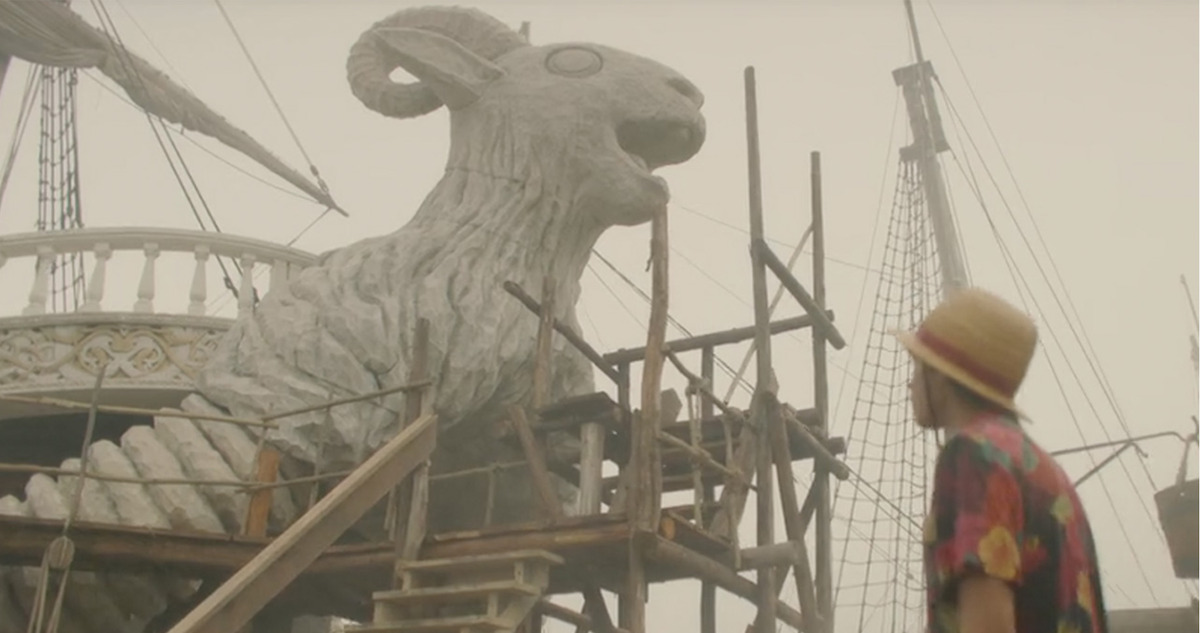
Yes! And each vessel had to be specific to the captains of the ships, explained production designer Richard Bridgland. Godoy’s favorite set, unsurprisingly, is his crew’s ship, the Going Merry. “It’s the Straw Hats’ home, and I am the captain. So it’s the best ship ever,” he said. Bridgland adapted the lamb figurehead of the Going Merry from the manga by sculpting it with the spirit of Luffy’s character in mind, who he described as bold, funny, and mischievous. “So the idea of creating the ‘laughing’ figurehead [for the lamb] seemed perfect,” he said. As a superfan himself, Owens found it a truly emotional experience stepping onto the ship for the first time. “I cried,” he said. “Just the fact that we had actually built the Going Merry and that I was standing on it. That’s when things really felt real.”
Bridgland wanted every set grounded in the logic of Oda’s ONE PIECE story, and that meant that the foundation of the “wacky, unhinged world” (as Rudd calls it) of Buggy’s circus lair was ship-based. “I figured that Buggy’s tent was made from old sails from his ship, the Big Top,” said Bridgland. The two posts inside the tent are old masts, and the acrobat platforms are actually crow’s nests.
Are there any Easter eggs hidden in the ONE PIECE sets?
You bet. Bridgland and his team dutifully wanted to honor what was true to Oda’s story, to the characters, and to Oda’s vision of the world. But that wasn’t always just literally translating what’s on the page. “It actually meant taking the spirit of things and translating those across into the real world, diverting on things, or actually using our imagination in a ONE PIECE way to create sets that don’t appear in the manga at all,” he said. Take the mansion of Usopp’s childhood friend Kaya (Celeste Loots) for example. Only the exterior appears in the manga, so the production design crew conjured up ideas about how things could have evolved in Kaya’s family home, which was built off the success of their shipbuilding business.
“For instance, the dining room in Kaya’s [home] is based on the idea that the people who were coming to buy ships from Kaya’s family might not have had cash every time to pay for the ships,” he said. “But they would’ve had stuff in their holds (like booty from raids), so they would pay with that. So somebody obviously came along [that] had a whole bunch of fine porcelain in the hold of their ship and they paid for their new ship with all this porcelain, which, when they built the mansion, they decorated the dining room in. Hence, in the dining room there’s these thousands of plates all over the walls, the ceiling, everywhere.”
You can extend that through line to the grand foyer, too, which Bridgland figured was used as a sales room for Kaya’s parents. “The foyer is full of trompe l’œil paintings of all of these different ships,” he said. “It’s the first place that people would come into when they’re coming to buy a ship. And they could look around and see all the other ships that this family had built and different models of ships and go, ‘Oh, I’d like something a bit like that.’ So it’s a brochure that was painted on the walls.”
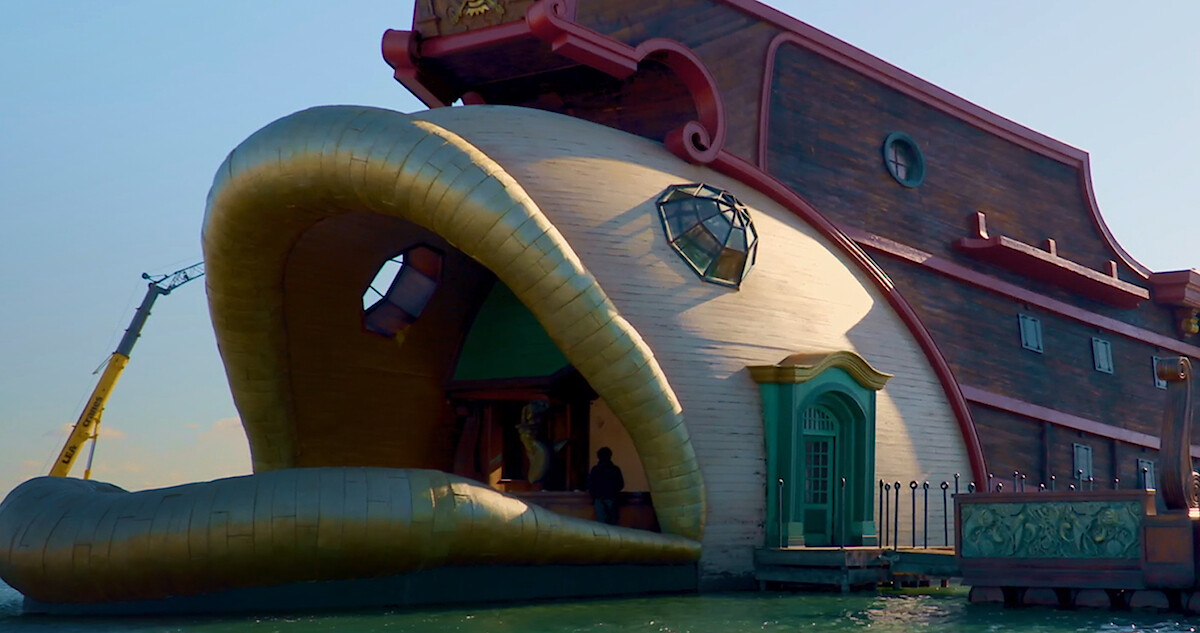
Bridgland considered Chef Zeff’s (Craig Fairbrass) glamorous restaurant the Baratie the most fun to design, as he came up with the notion that Zeff would have scrounged materials from his pirating career to create the restaurant, making it an eclectic pirates’ haven from top to bottom. As a retired pirate, Zeff “already had a pirate ship — that could be the restaurant and the kitchen. But he needed living quarters, so I figured he either went to the pirate reclamation yard, or he went pirating and captured two smaller vessels, stacked them on top, [and] found a lighthouse to put on top that he stole,” said Bridgland. As for the huge fish head sculpture? “Maybe it was on the way out of the pirate reclamation yard, so he took that as well.”
The inside needed to match the grandeur of the outside while also staying very down-to-earth, since everything was taken from ships. “If you look at all the columns, they’re all different from different ships that he’s stolen or taken,” said Bridgland. “Right down to the table dressings –– the plates, the knives and forks — they’re all different because they all came from different places.”
Bridgland’s team also turned to Oda’s Color Walk and Rurubu (Oda’s travel guide about the ONE PIECE locations and their real world inspirations) for ideas at every step. “So many of the places that he uses in the manga are inspired by real world places,” said Bridgland. “Like Kaya’s mansion being this place Belton Hall in the UK. The pagoda at Arlong Park is based on a pagoda in China. There’s a lot of ONE PIECE fans that actually use this book to plan their holidays.”
While he made a color scheme for the Baratie that isn’t a direct copy from the Color Walk but still feels authentic, Bridgland was painstaking about making the Baratie a mecca for ONE PIECE lore and Easter eggs. “It’s so hard to remember all the Easter eggs we put in,” he said. All the framed pictures in the dining room are of places in Oda’s ONE PIECE world that Zeff knew about, or had been to himself. The menus have dishes and wine (like the one Zeff drinks with Vincent Regan’s Vice Admiral Garp) that are mentioned in the manga, too. And the drinks at the Dorsel Bar? There isn’t a single generic label to be found, and all the cocktails are specific to the manga. “So much of this doesn’t even appear on camera, but it was really important that that got put in there, because if it did appear, it was real,” said Bridgland. “It was specific to that world.”
Do you feel ready to join in on the adventure yet?
Climb aboard the Going Merry with the Straw Hats of ONE PIECE, streaming now on Netflix.
ONE PIECE is a live action pirate adventure created in partnership with Shueisha and produced by Tomorrow Studios and Netflix. Matt Owens and Steven Maeda are writers, executive producers, and showrunners. Eiichiro Oda, Marty Adelstein, and Becky Clements also executive produce.