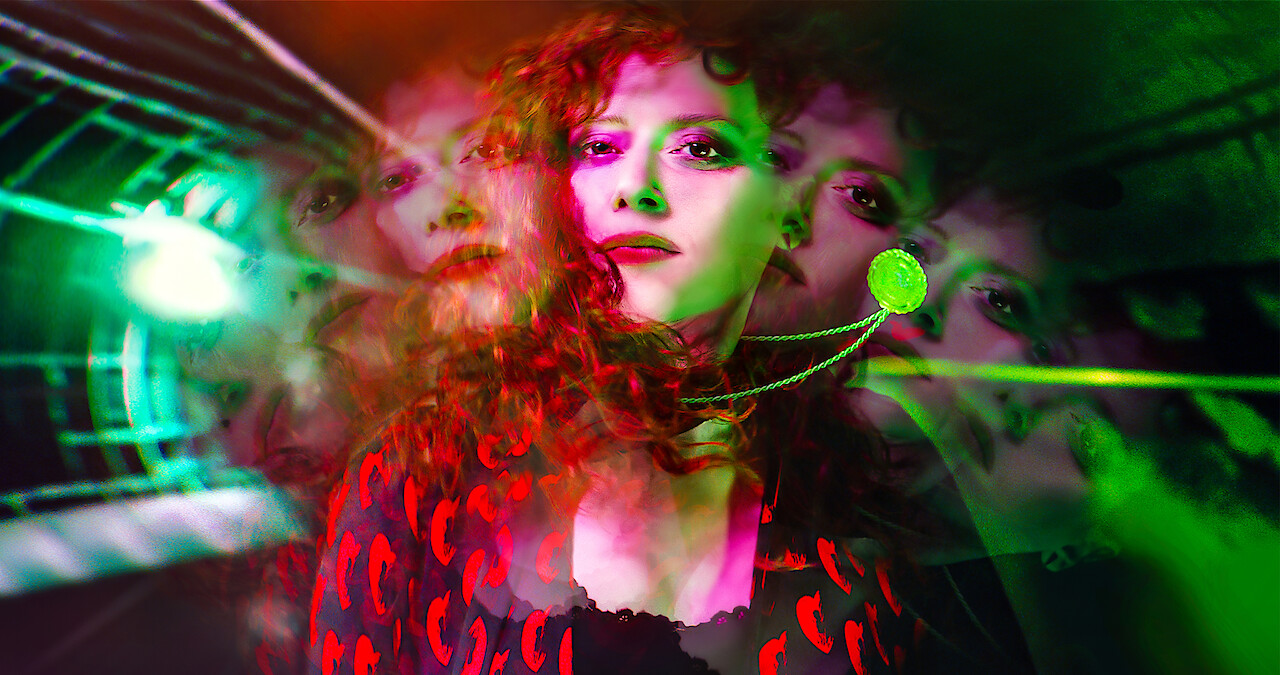
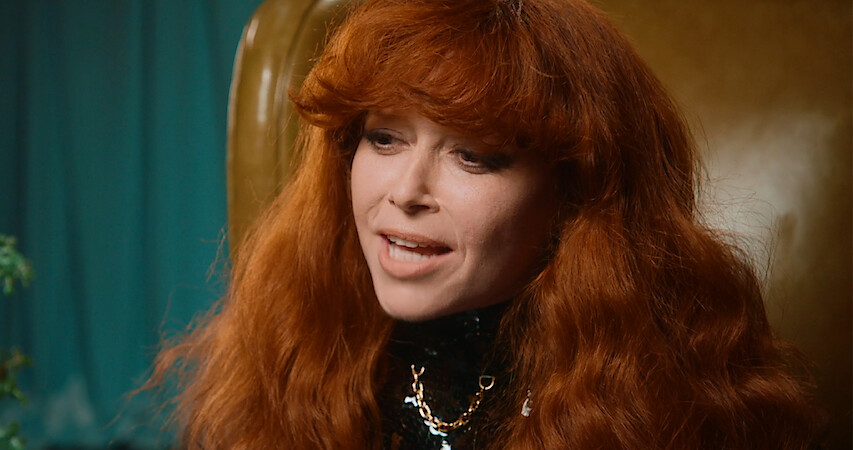
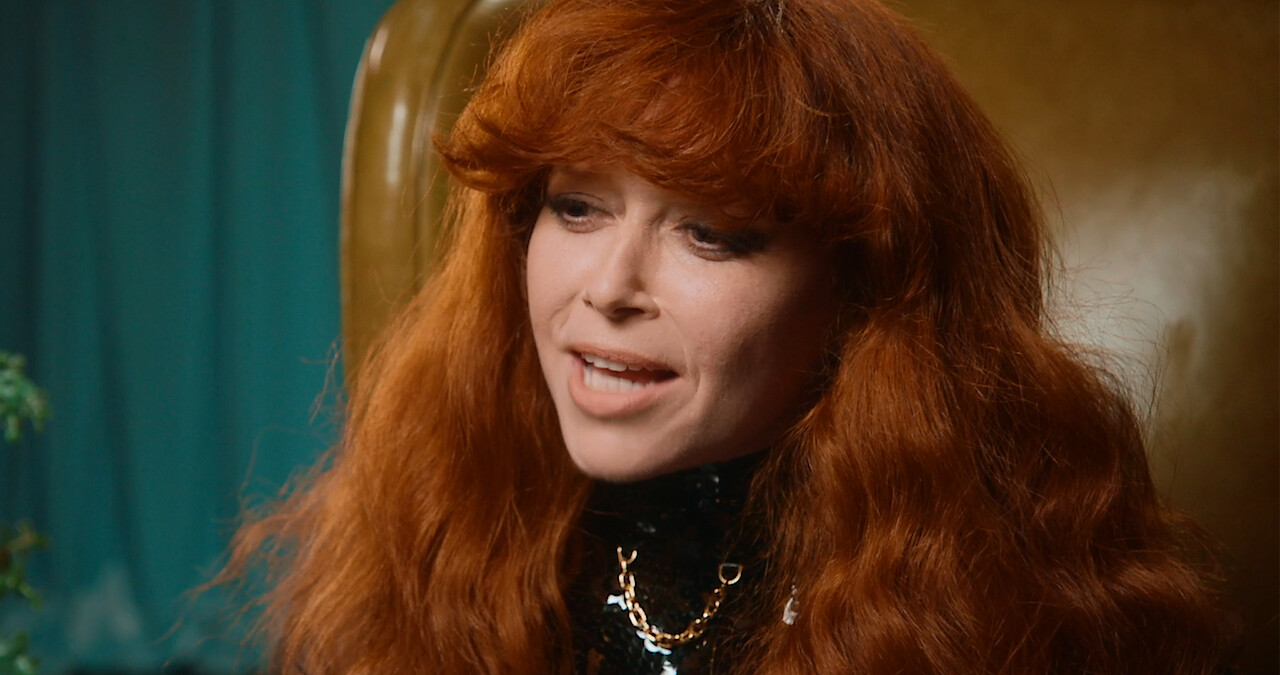
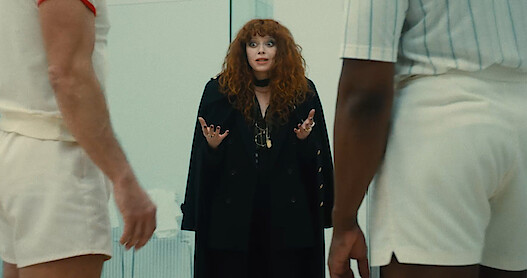
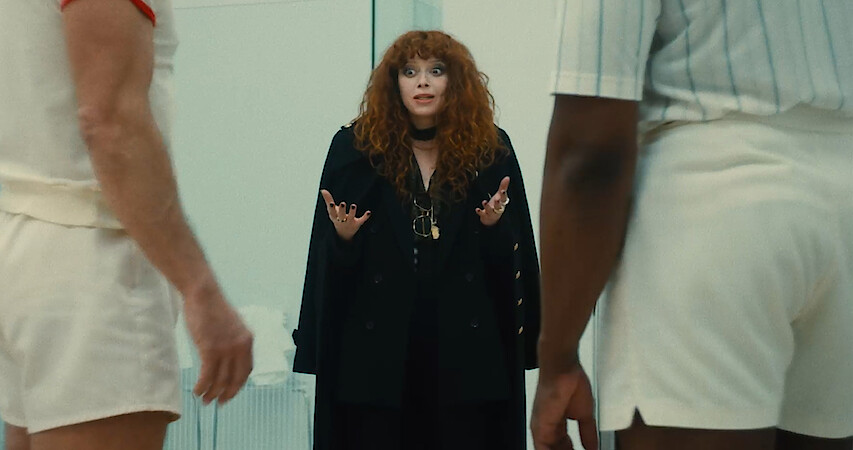
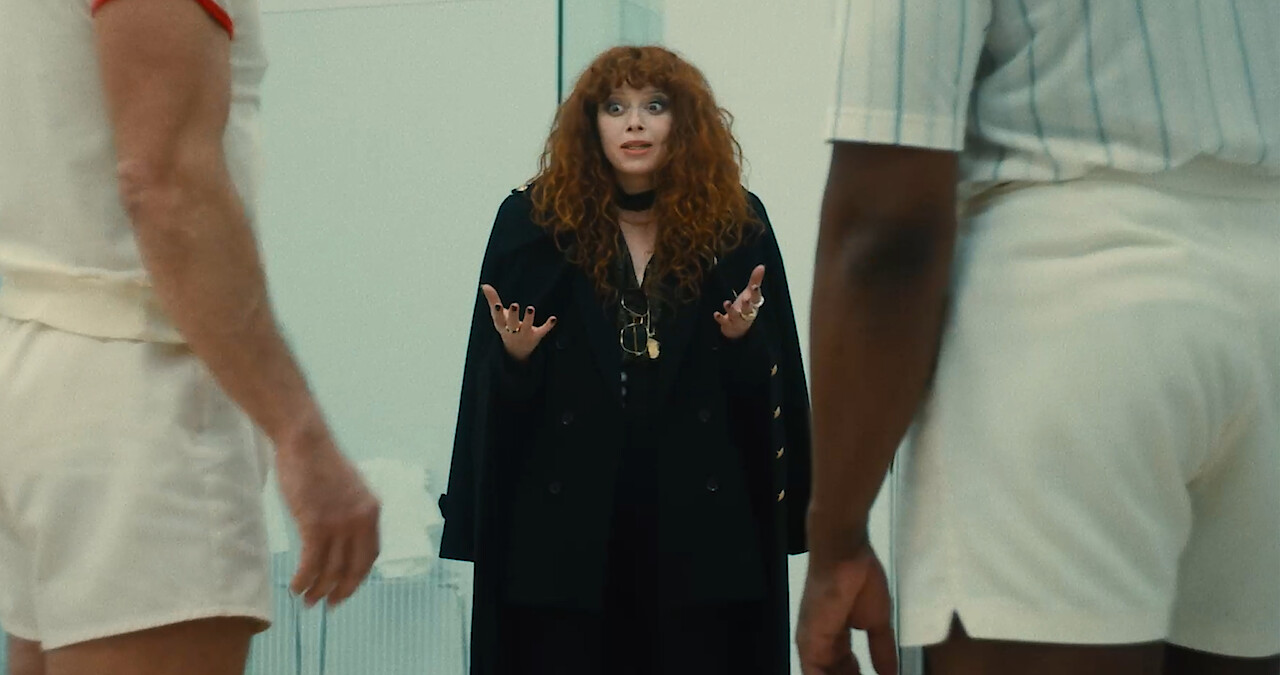
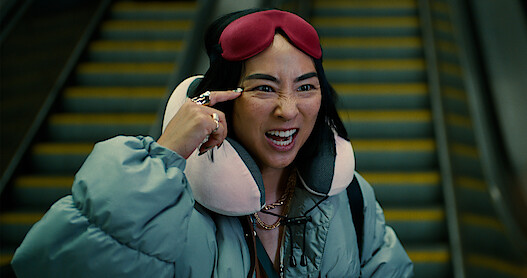
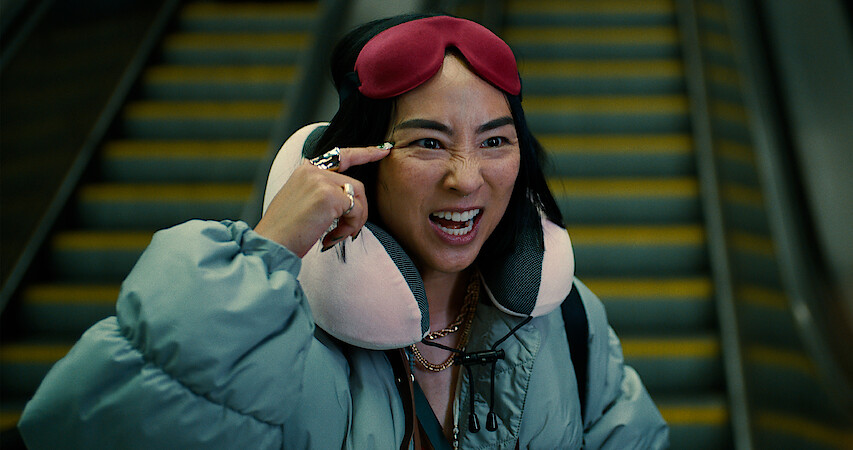
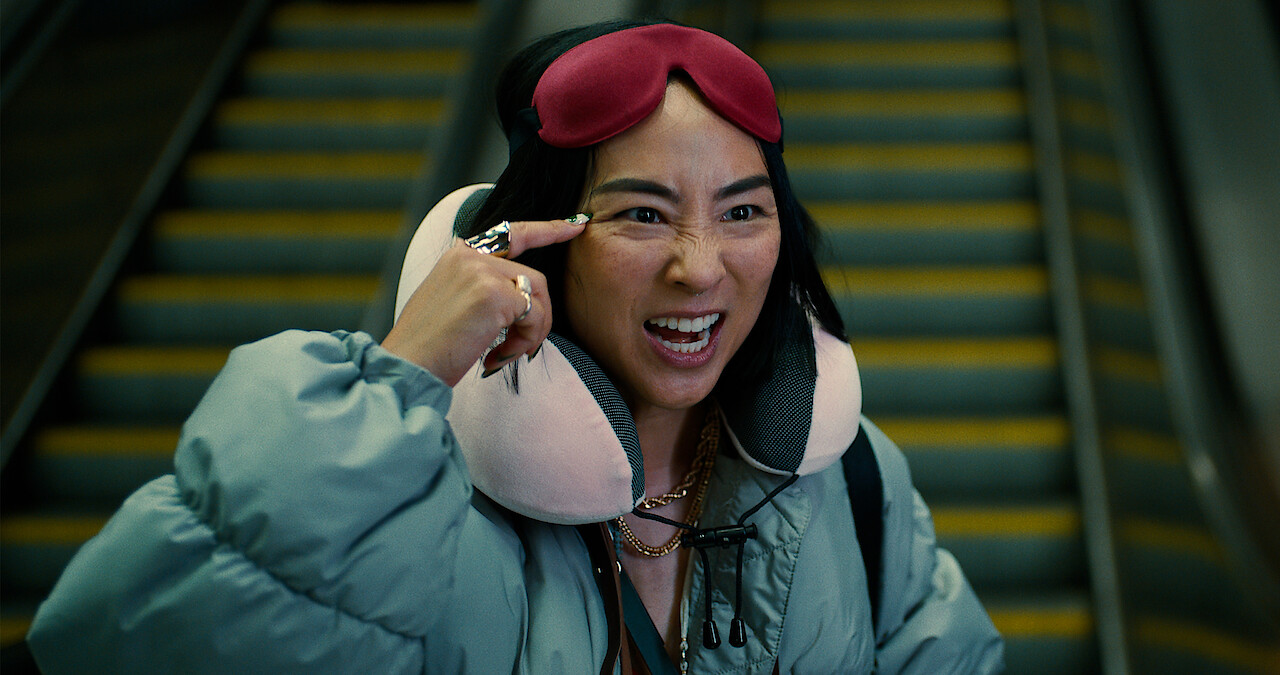
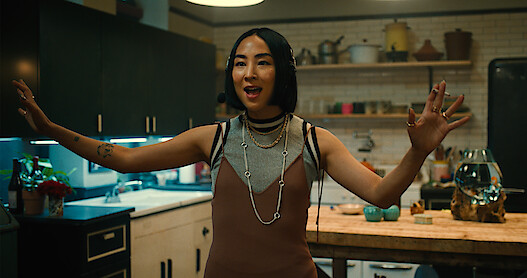
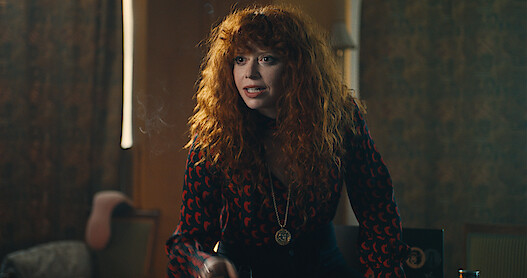
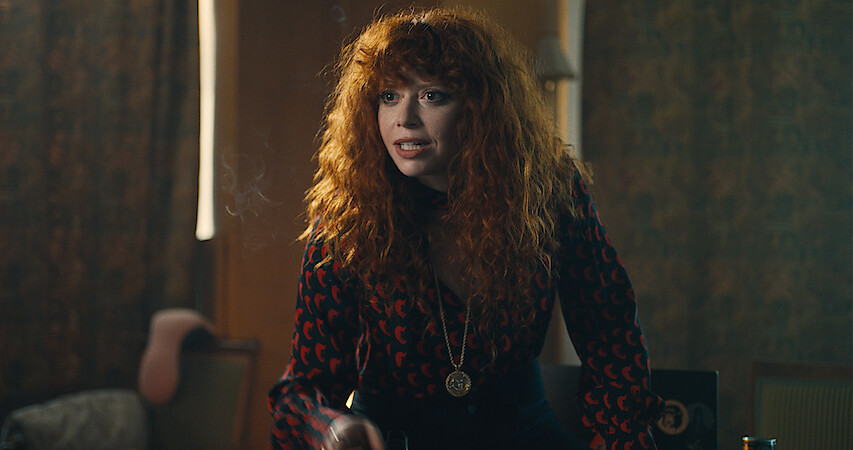
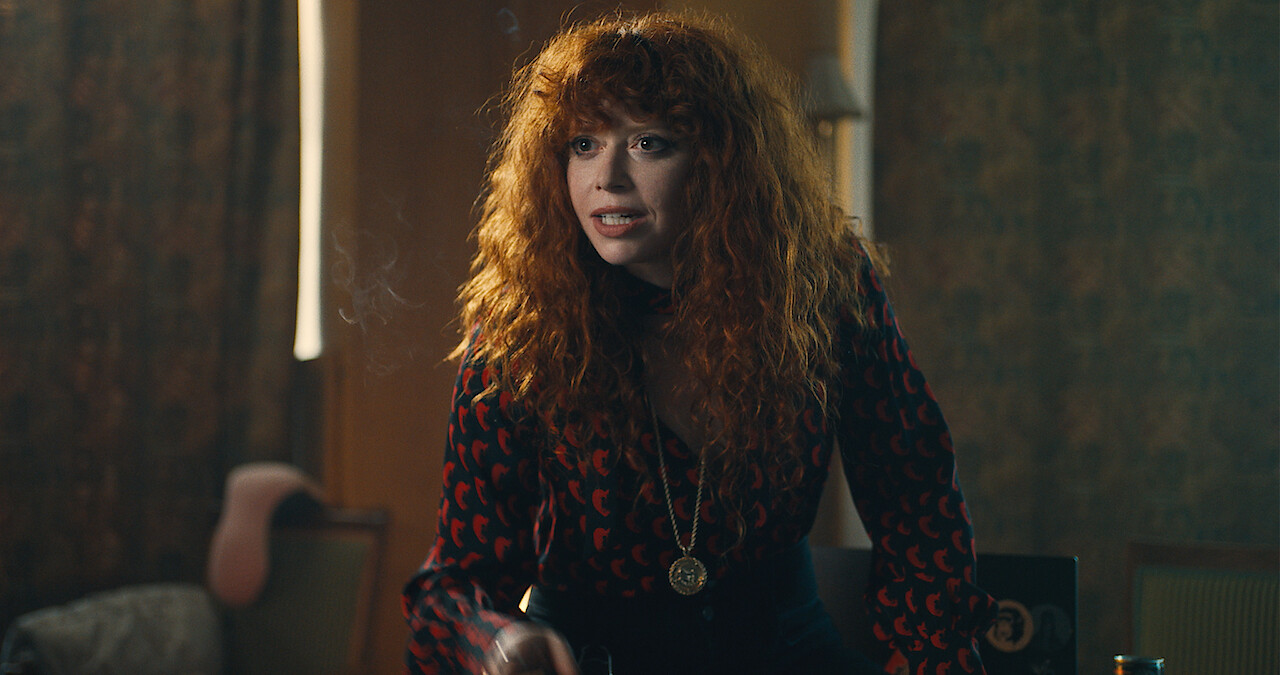
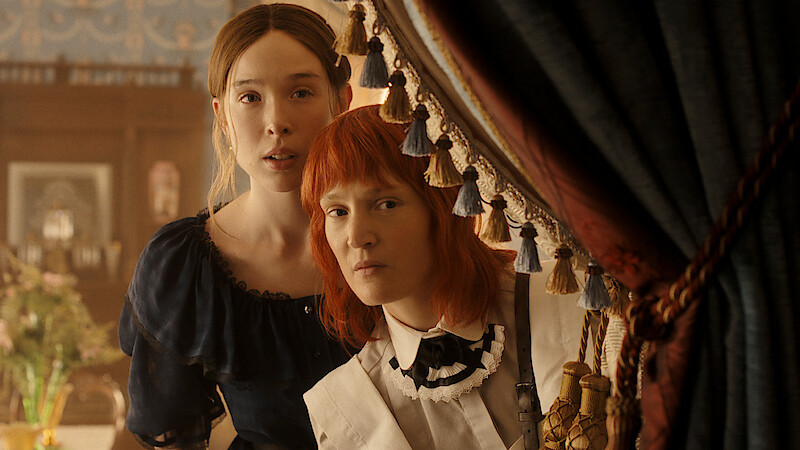
It’s 1944, and Nadia (Natasha Lyonne) is in an underground Nazi warehouse in Budapest, surrounded by thousands of sealed boxes. The boxes are filled with stolen valuables — antiques, jewelry, heirlooms — all once belonging to Jewish residents. Inside one are her own family’s plundered possessions. Nadia grows increasingly frantic as she rummages through the rows of boxes, trying to identify the one containing her grandmother’s lost valuables. Finding them, she believes, would assuredly change the future. It ends up not being quite that simple, but when is time travel or inhabiting your dead relatives’ bodies ever straightforward?
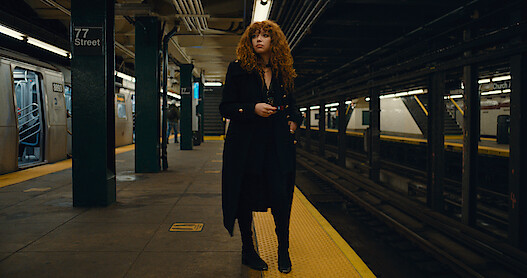
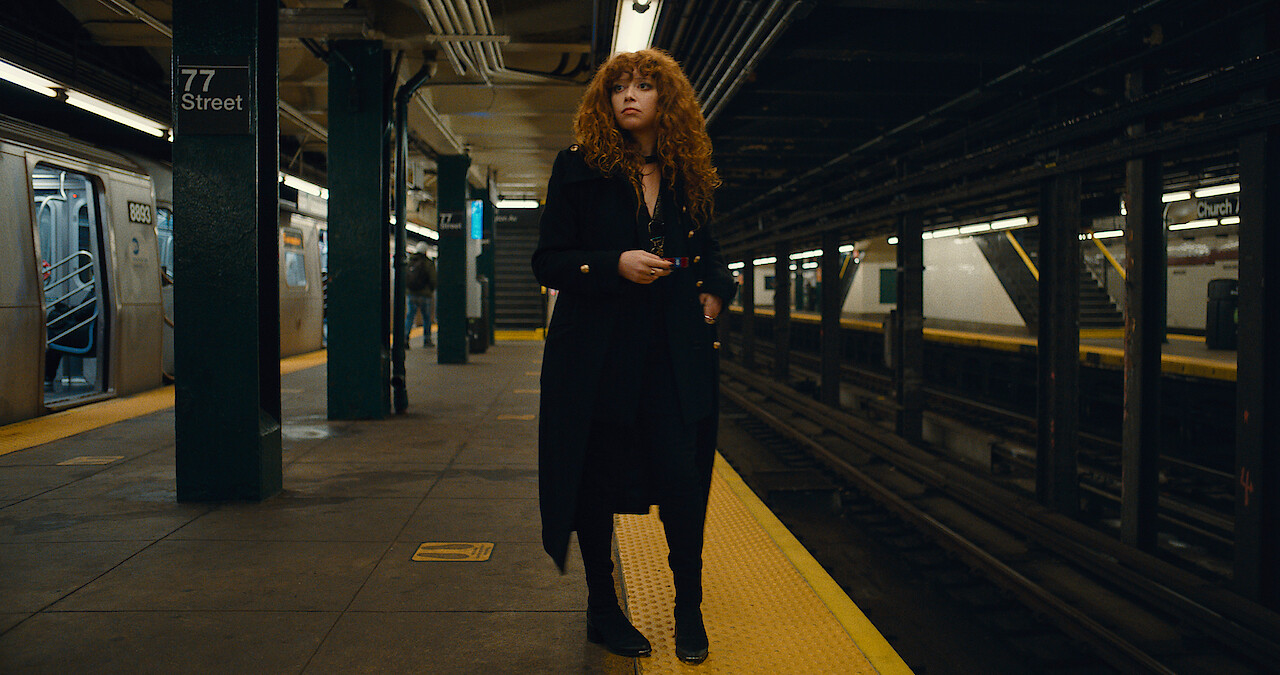
In the second season of Russian Doll, Nadia is stuck in a new time warp. Up to this point, she’s been journeying to the past, over and over again, via a mysterious New York City subway train all while occupying her late mother Nora’s (Chloë Sevigny) body. Nadia believes she was sent back in time to prevent the event she pinpoints as the one that fractured her family: the loss of her grandmother Vera’s (Ilona McCrea/Irén Bordán) Krugerrands. Vera secured the coins as her family’s financial safety net, but they were stolen by Nora, who soon after began presenting signs of schizophrenia, irreparably damaging their relationship. Nadia’s quest to stop this all from happening leads her to the warehouse, where she fills a bag with her family’s effects — prized items that would hopefully prevent the need for the coins at all, saving her family from generations of hurt. But when she can’t fit a framed painting into the bag, Nadia cries, overwhelmed by the insurmountable loss she’s just witnessed, and we see our once-unfazed, goofball protagonist hit a breaking point.
It’s a heavy moment in a frenetically paced series that often treats difficult themes with levity and macabre humor. This scene in particular weighed on Lyonne. “Obviously, having written it with the team, I knew it was coming,” the series’ co-creator and star tells Tudum. “But I do remember, particularly in that warehouse scene, I was struck by the idea of loss.” That idea ultimately serves as a central theme that punctuates the off-the-wall action in the dark comedy’s second season.
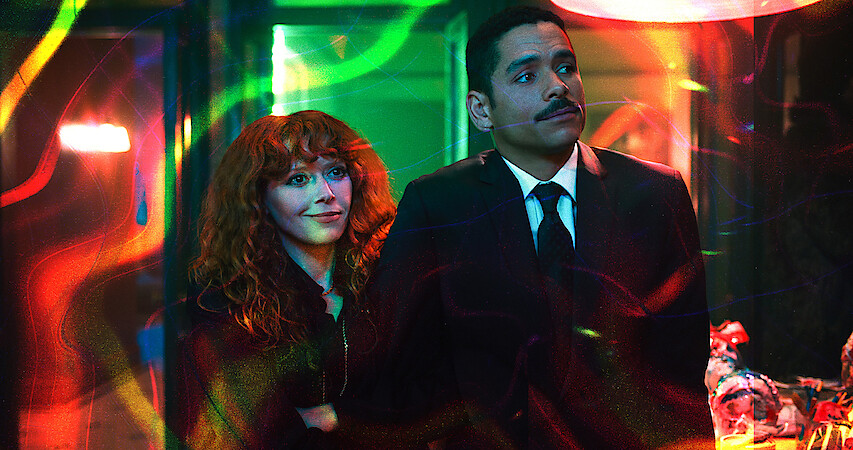
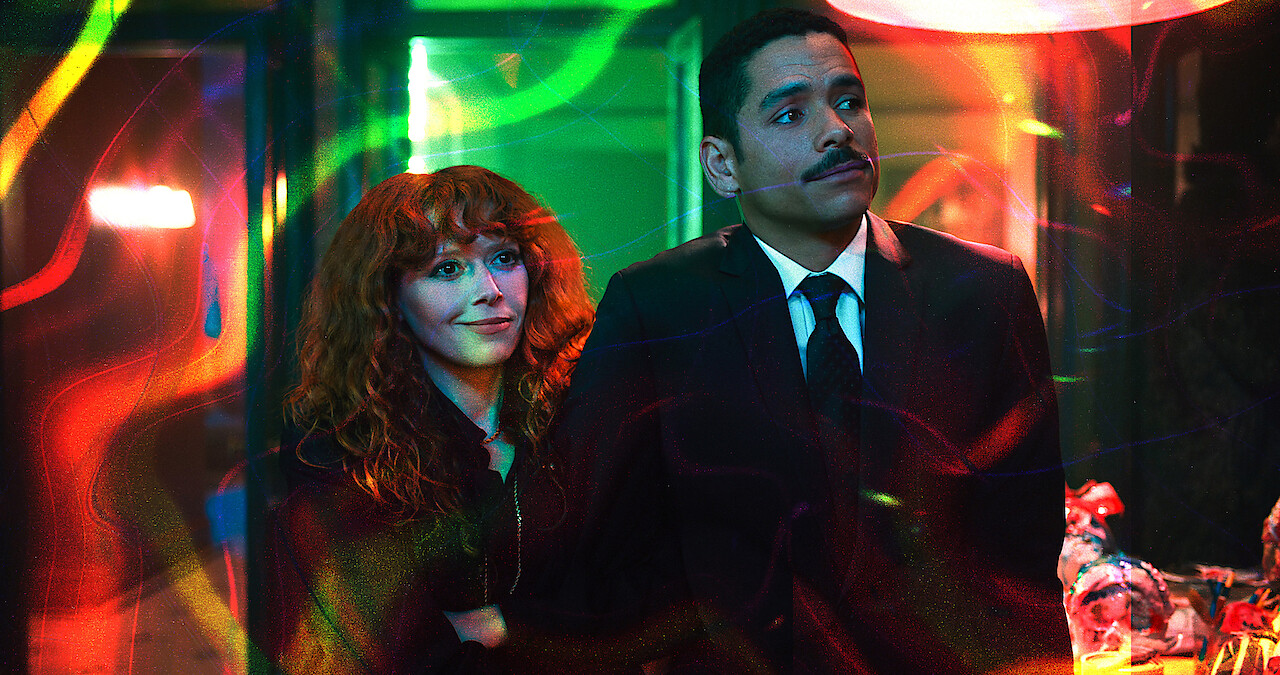
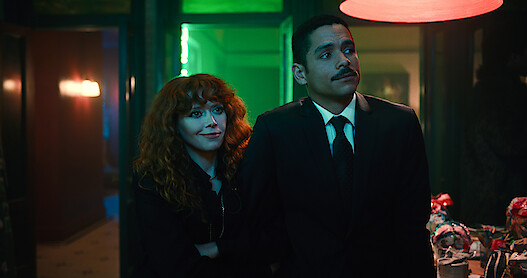
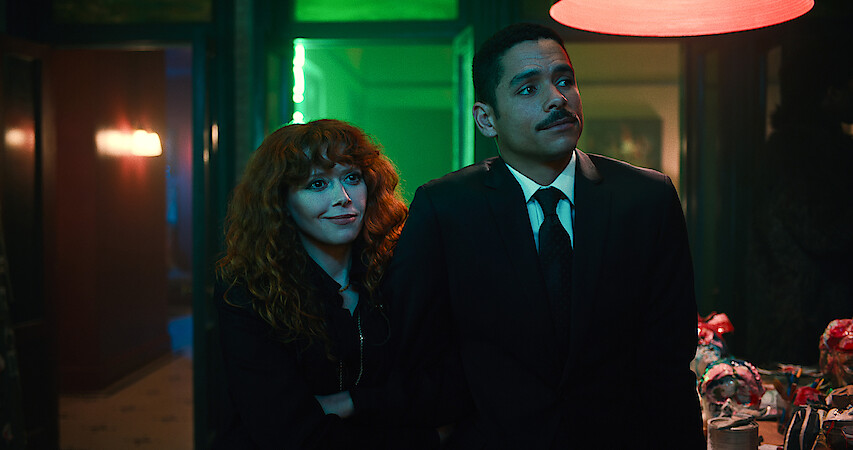
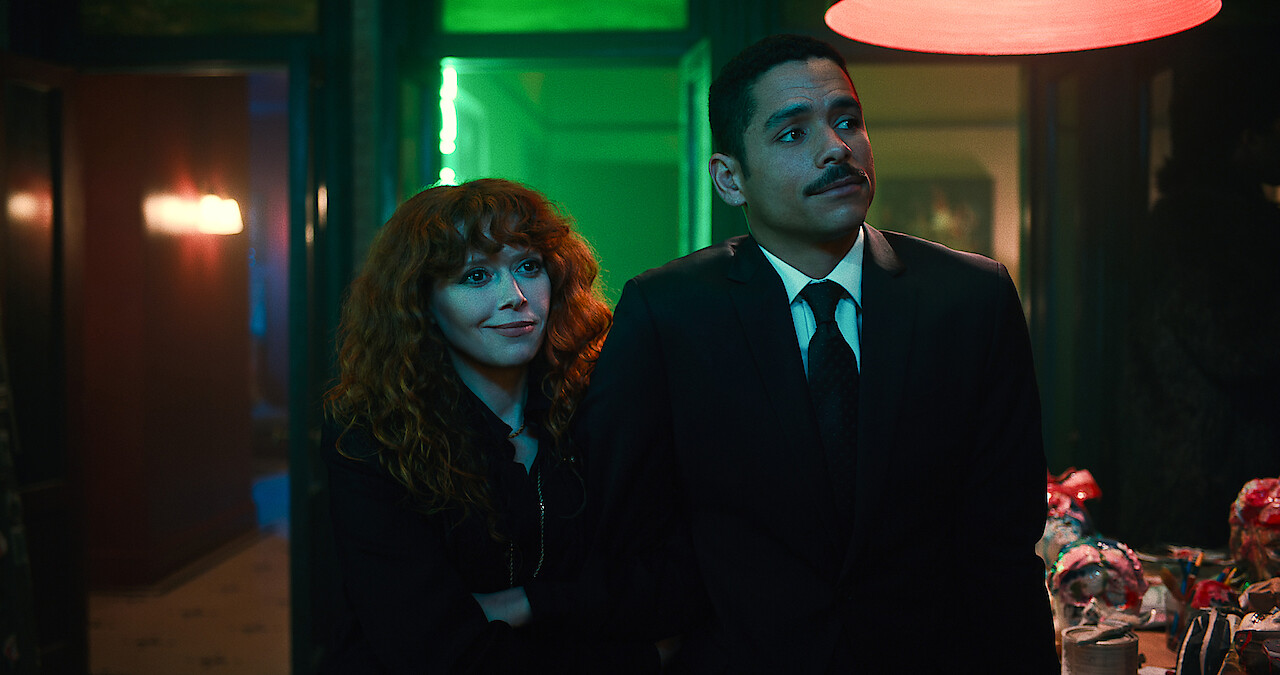
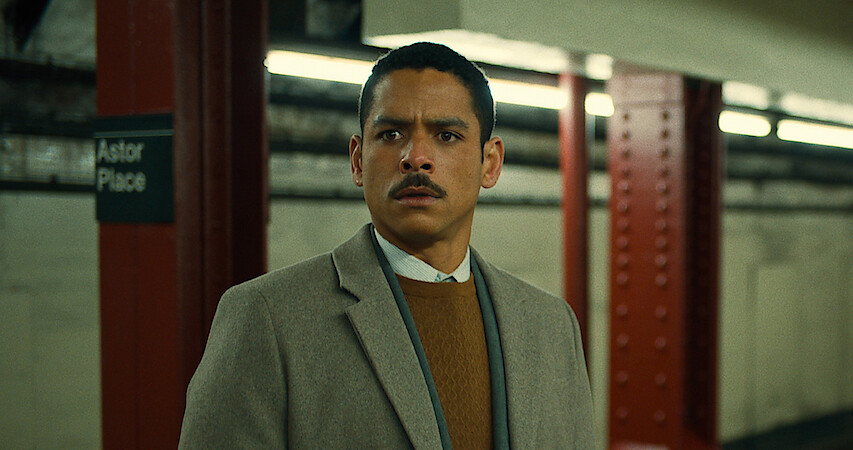
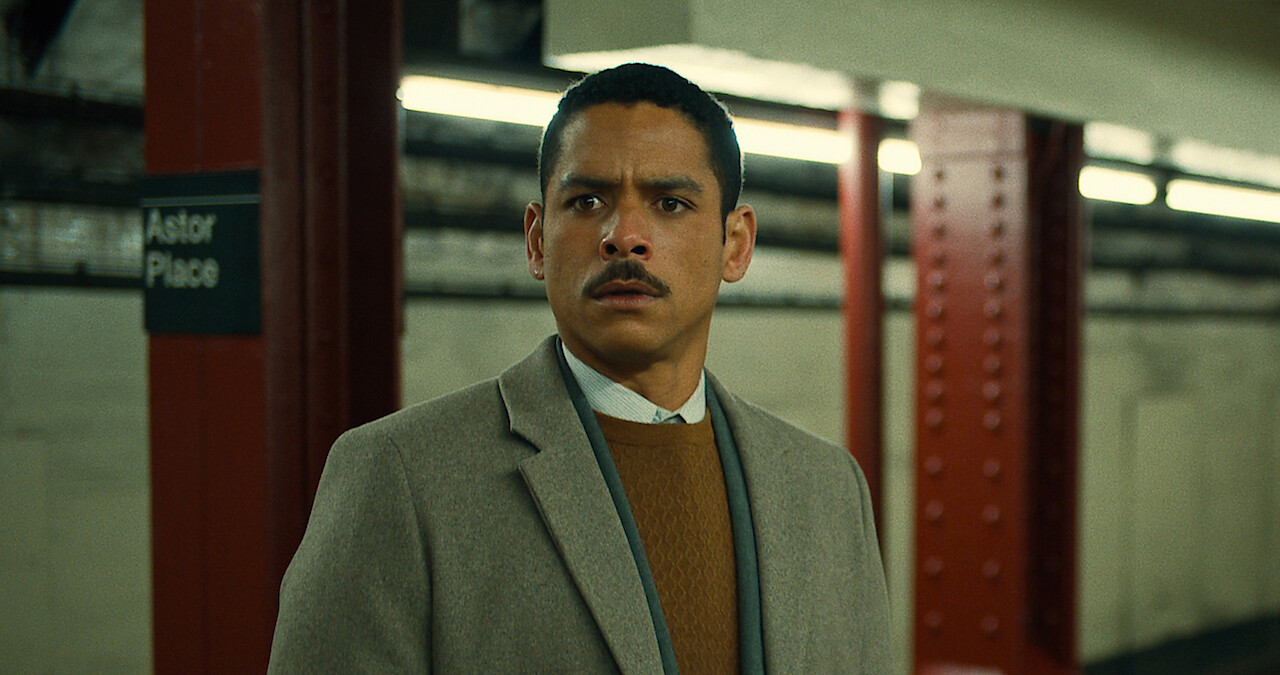
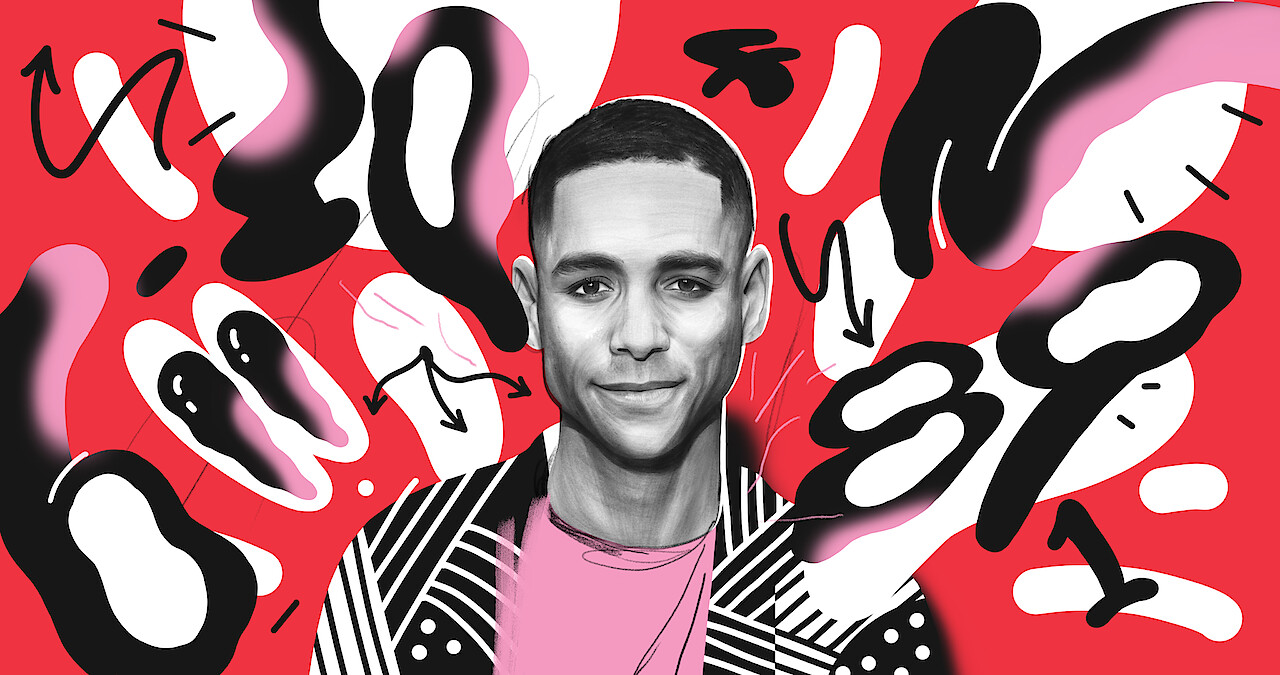
In Season 1, Nadia, a brash software engineer, is doomed to relive her 36th birthday and her own death on repeat — that is, until she meets the recently dumped, depressed Alan (Charlie Barnett), who is also stuck in a time loop. Together, they work to uncover why their fates are linked and attempt to stop their respective deaths. In the end, Nadia’s and Alan’s timelines collide, and they save each other from living — and dying on — the same day again and again.
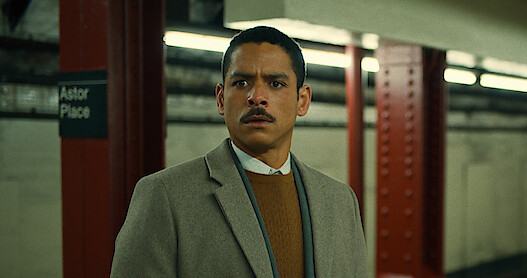
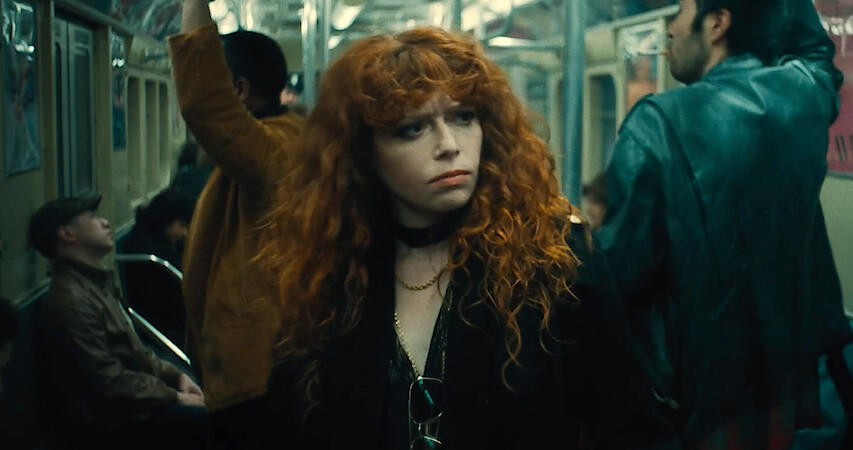
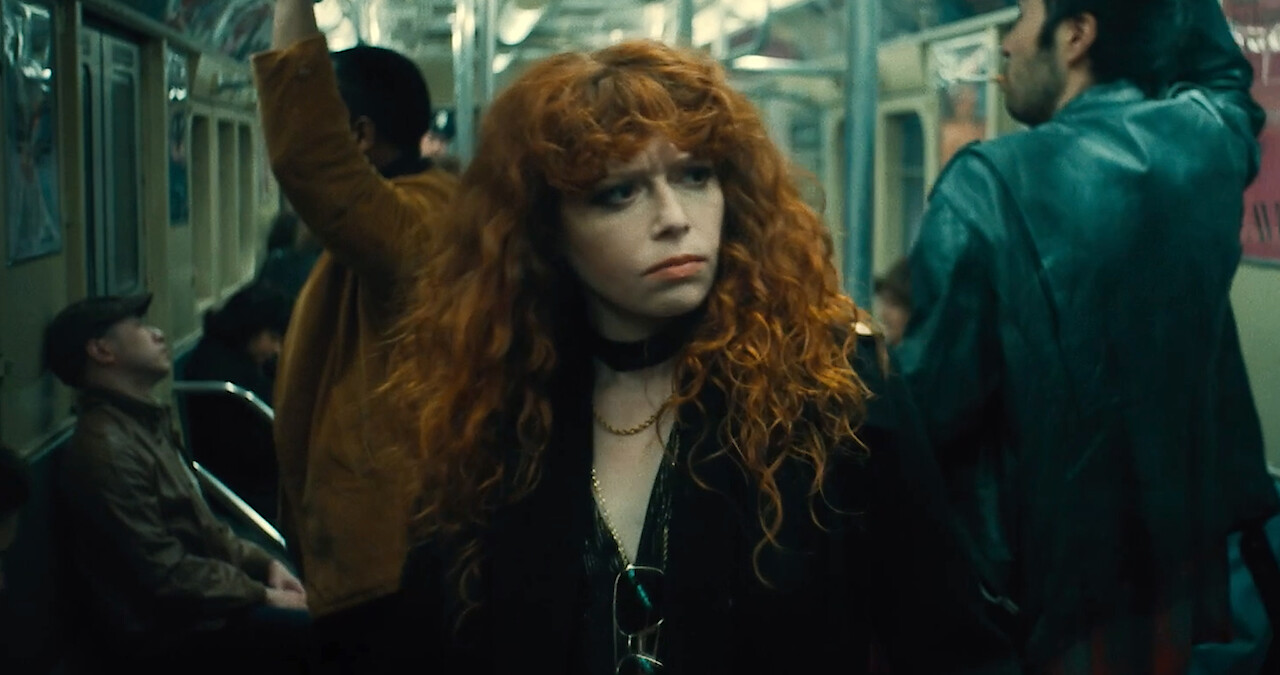
When we re-meet them, three years have passed, and life has been without temporal anomalies for both Nadia and Alan. Unfortunately for them, that relative peace doesn’t last. After helping her godmother Ruth (Elizabeth Ashley) following a car accident, Nadia boards a 6 train and is inexplicably transported back to 1982, where she inhabits her pregnant mother’s body. Yes, she is pregnant with herself (as if things couldn’t get any weirder). She tells Alan about this phenomenon, and he too is eventually transported via the 6 train — into his grandmother’s body in 1962 East Berlin. But just as we learned in Season 1, strange things don’t happen for the reason one might think. Rather, Nadia and Alan confront the generational family traumas that led them to their present lives — an exercise that Lyonne is intimately familiar with.
Lyonne’s maternal grandmother was a survivor of Auschwitz, while her maternal grandfather’s first wife died in the camps. In a recent interview with The New Yorker, Lyonne shared that her grandparents were Holocaust survivors, which led them to cope with trauma “with a brusque stoicism.” “It was, like, life as an endurance test of how much one can withstand,” she said, and her mother’s mental health suffered as a result. “We’re in this new era around an openness around mental health issues, and in my mother’s case, they’re very much untreated mental health problems,” Lyonne says. “I think I’ve carried a lot of shame in my life historically around that, both from having the chaos that comes with that in childhood and also the inability as an adult to just fix it.”
When reflecting on Nadia’s mission to change the past, Lyonne says that, in many ways, the show is a “love letter” to her mom, who has since passed. “Nadia is out there trying to be some hero and fix [the past] for somebody else,” she says, expounding on how Nadia attempts to heal her mother’s mental illness over the course of the season. Despite how much Nadia wants to reconstruct the future, Lyonne says she must contend with and accept an “inability to really be able to actually ease suffering for her mother.”
“I think what I’m really after is this idea of, maybe nobody is broken,” says Lyonne.
She has always wanted to tell this story, as she explained in The New Yorker. When it finally came time to do so, she did it authentically: with dark comedy. “There’s this very basic spiritual principle,” Lyonne says. “This idea that nothing is wasted in a way or, just that through our difficult times, we gain strength.” Though this show contends with trauma as a main subject, she sees it not as an attempt to work through her past, but rather as a final product and fictionalized presentation of the work she’s already done to heal. “I’m for sure a deeply personal artist,” she says. “And I guess in many ways, a lot of the experiences that I’m writing about are oftentimes ones that, on a therapeutic basis, I made peace with.” By the time she enters a writers’ room, she’s “ready to unpack it with transparency and create a world of fiction around some tent pole specifics.” Such a raw and personal approach to storytelling doesn’t come without fears or anxieties.
While editing the season, Lyonne faced moments of doubt that ultimately resolved in positive emotions for her. “Ah, man, it’s never going to work,” Lyonne recalls thinking. “And then all of a sudden, you chisel and chisel and you work and you work, and it finally starts to come together. And then you lay the score or some crazy song you love on top of it, and then it really settles for me — the meta nature of the work. That’s usually when I become more emotional about it.”
Nadia’s eventual acceptance of the events in her family’s past demonstrates Lyonne’s desire to impart a truth she’s learned by working through these issues in her own life. “I want that for these characters — that peace and self-acceptance around their own experience,” she says.
Taking on such heavy topics honestly and with humor can be tricky, but for Lyonne, laughter is intrinsically part of pain — a necessary balm in a world filled with awfulness. “I personally find comedy to be a very powerful form of storytelling,” she says. “Essentially, it’s the antidote to melodrama. Just really, what would life be [without humor]? The horror show that life would be without jokes.”
She brings this perspective to her work. Comedy, for Lyonne, becomes a way to share in an experience — to look to the person next to you as everything is burning and, as she puts it, say, “Can you believe this crazy shit is happening?” “That’s the underlying statement behind almost all jokes,” she adds. That baseline view underlies much of her process: death, despair, grief, even historical atrocities — they’re all up for grabs. Asking “Can you believe this crazy shit?” becomes a guiding principle.
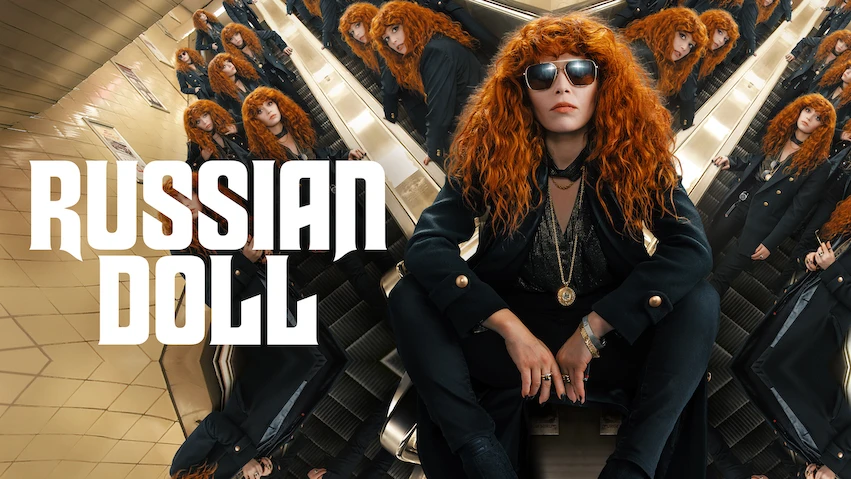
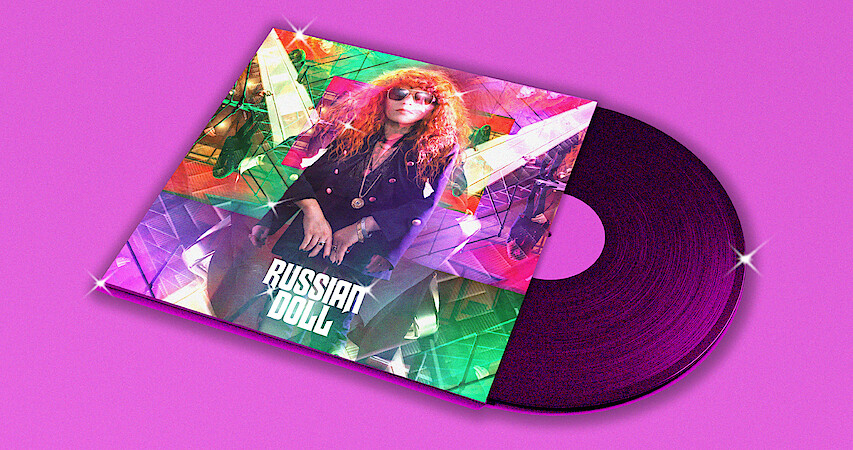
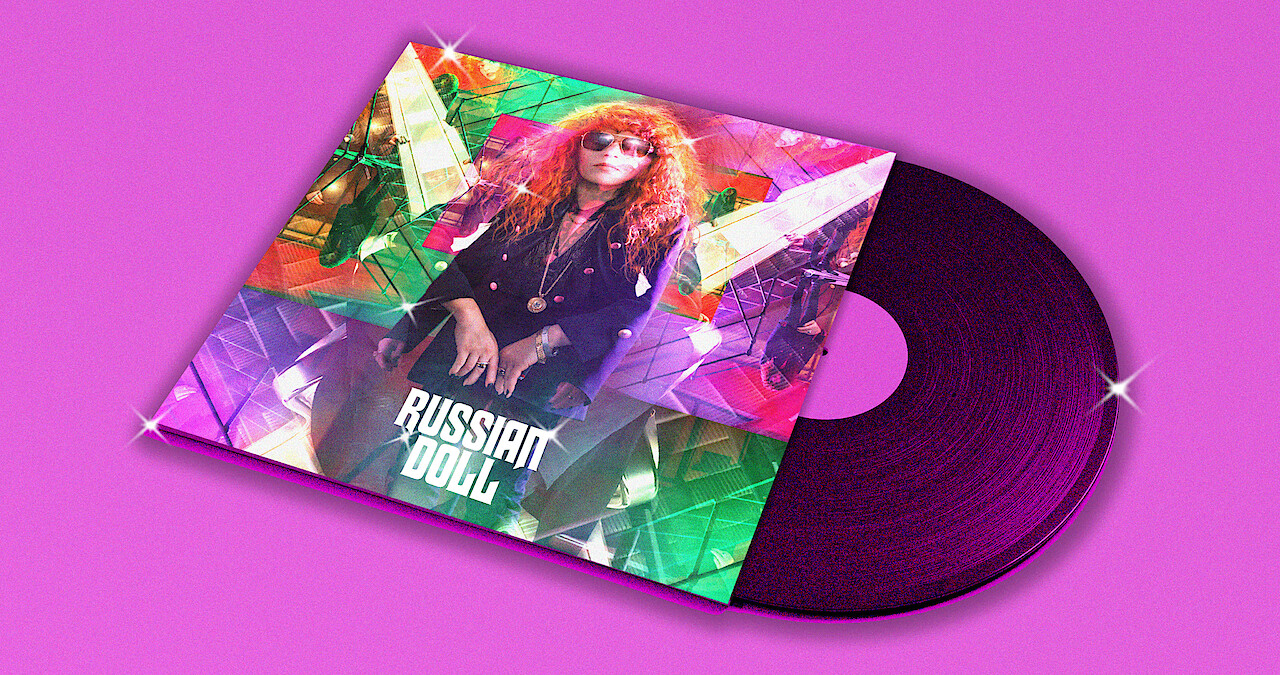
Lyonne hopes the themes and stories explored in Season 2 resonate with viewers and help them feel “a little bit less ashamed of their personal journey.” While Russian Doll draws from her life, Lyonne finds purpose in others’ experiences being reflected in the series. “When it’s just about me, somehow it doesn’t mean as much,” she says. “But the idea that other people are experiencing similar things and seeing it reflected, and it’s on this cool Netflix show with some chick in sunglasses — I want them to know that we’re all in this thing together.”