Explainer
Examining the True Story of World War II Drama ‘Narvik’
The Norwegian port city was the location of Hitler’s first defeat.
Jan. 25, 2023
🤐 SPOILER ALERT 🤐
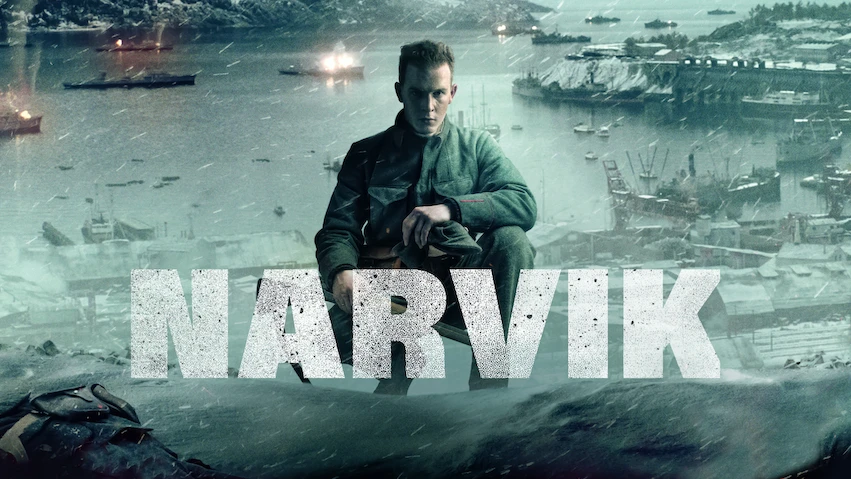
Just when you think every battle in World War II has already had a movie, along comes Narvik, a Norwegian drama set in the spring of 1940 as Hitler’s forces advanced across Europe. It follows the young Tofte family through a conflict over Narvik, a port that served as an important strategic hub at the start of the war — and was the site of Nazi Germany’s first military defeat. But is the film a true story? Read on to find out more about the real-life Battle of Narvik and its on-screen portrayal.
Narvik is found in the far north of Norway, located on the shores of Ofotfjord, some 120 miles north of the Arctic Circle and close to the Swedish border. Norway, like Sweden, had maintained its neutrality as World War II began, but the small town quickly became the subject of intense attention from both Germany and the Allied powers: As the nearest ice-free port to Sweden’s iron ore mines, just a short rail line away, Narvik served as the primary year-round shipping port for the Swedish iron ore required to manufacture arms. In April 1940, German troops captured the city, easily overwhelming the much smaller Norwegian military. The Allies waged a two-month battle to recapture the city, ultimately doing so on May 28, 1940, in the Allies’ first significant land victory of WWII.
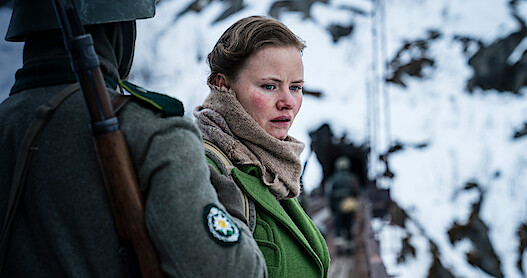
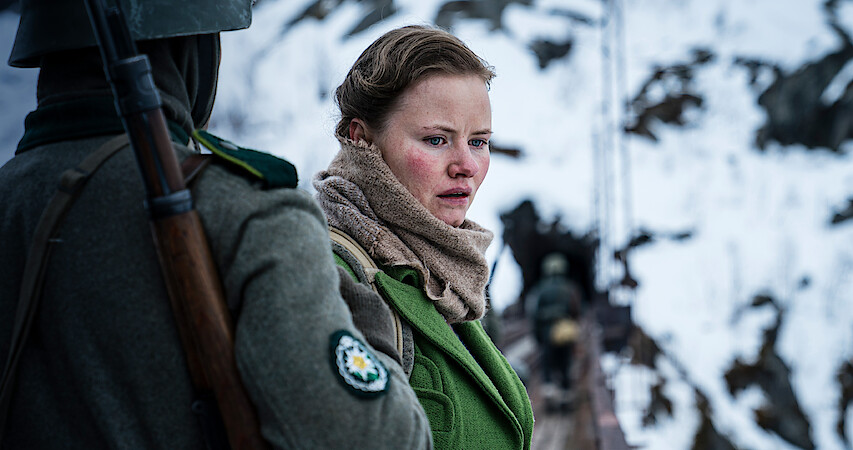
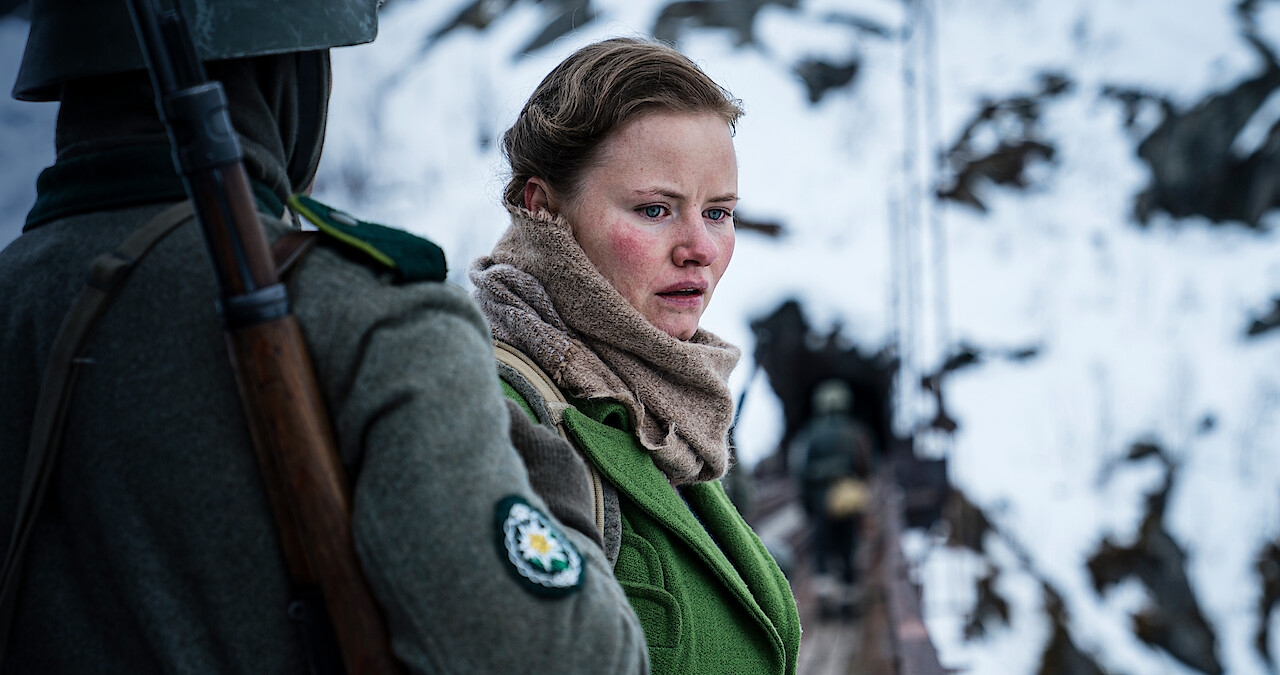
Narvik follows soldier father Gunnar (Carl Martin Eggesbø), mother Ingrid (Kristine Hartgen) — who, fluent in German, translates for Narvik’s occupiers — and their young son Ole (Christoph Gelfert Mathiesen), showing both the military and civilian perspectives of the battle and how far each side would go to protect their families and hometown. Under German occupation from 1940 to 1945, many Norwegians faced agonizing choices over whether to collaborate or resist, and while the Toftes are not real people, they represent the many Norwegian families caught up both in the Battle of Narvik and the years of war that followed.

The official account from the city of Narvik: “In 62 days, 64 ships were sunk and 86 aircrafts shot down. 8,500 soldiers were killed and the relentless climate north of the Arctic Circle placed inhuman demands on both soldiers and civilians. The infantry wars in the mountains around Narvik were characterized by blizzards, cold and lack of equipment and supplies. From the sea, warships and submarines with torpedoes, artillery and bombs ravaged. And in the middle of these two fronts, Narvik’s civilian population was trapped, with no opportunity to escape.” Narvik depicts a number of events from the two-month conflict, including bombardments targeting German targets in town by British warships offshore and the advance on Narvik by Norwegian, French, British and Polish infantry stationed in the snowy mountains surrounding the fjord. The head of the German forces in Narvik, the real-life Nazi general Eduard Dietl, is portrayed in the film by the experienced German actor Holger Handtke.
The Battle of Narvik is considered Hitler’s first defeat, but the victory was short-lived. Prompted by the German invasion of France and the Low Countries, Great Britain and France had planned to withdraw from Norway even before retaking Narvik, and they did so shortly after the Narvik victory, forcing the Norwegians to quit fighting on June 8, 1940. As depicted in the film’s postscript, local fishing boats evacuated the remaining civilians before German bombers left the city in ruins. (Fun fact: Patrick Dalzel-Job, the British sublieutenant who ignored his orders by organizing the evacuation, served with Ian Fleming later in the war and is often cited as the inspiration for James Bond.) The Battle of Narvik is the largest battle ever fought on Norwegian soil, though for many inhabitants of the city, the war was just beginning.