Deep Dive
10 Bubbling Questions About ‘MerPeople,’ Answered by Mermaids
From how to get your very own tail to how they see underwater. Spoiler alert: They don’t.
May 23, 2023
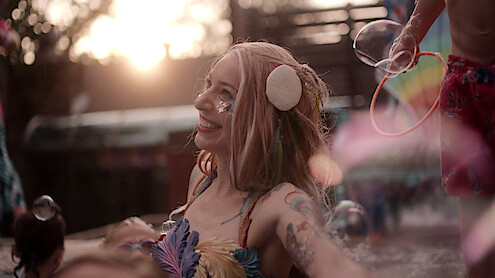
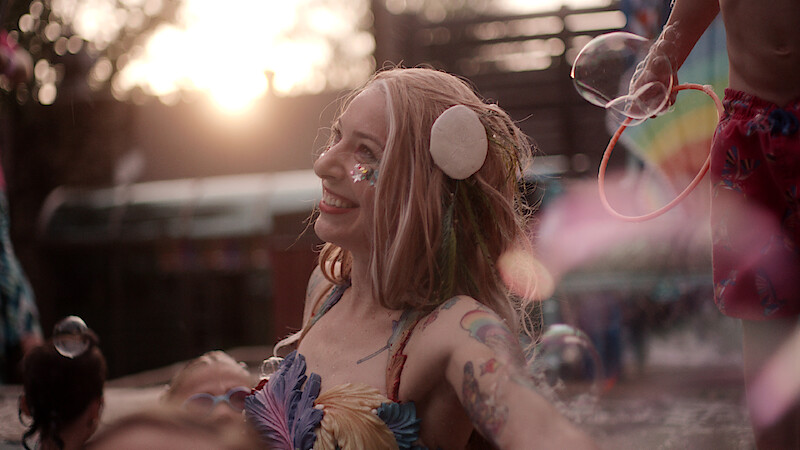
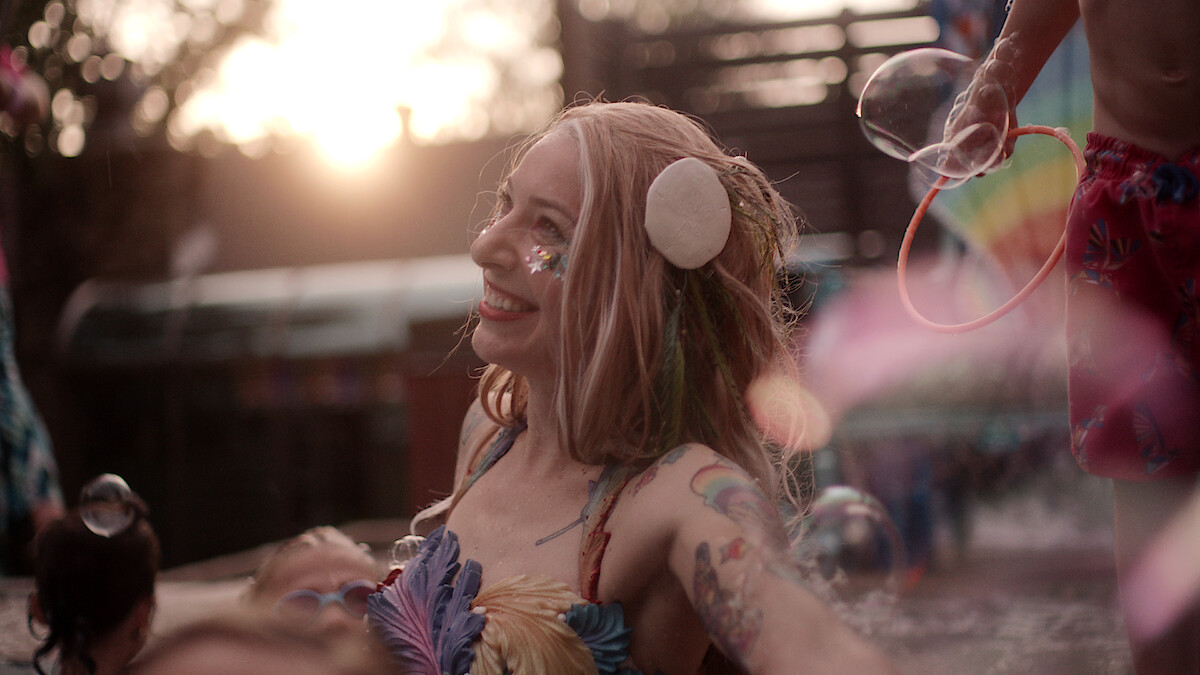
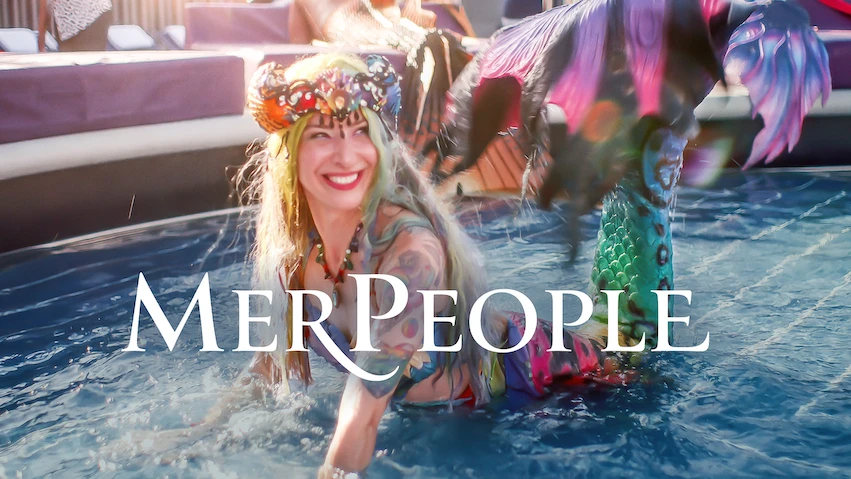
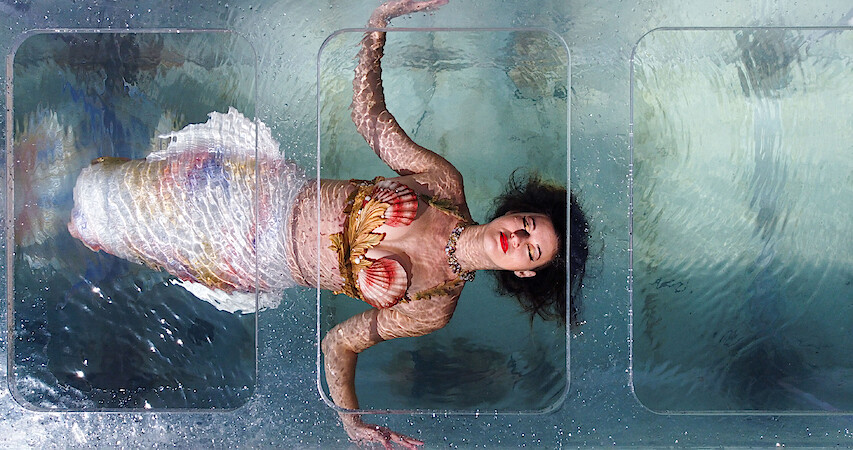
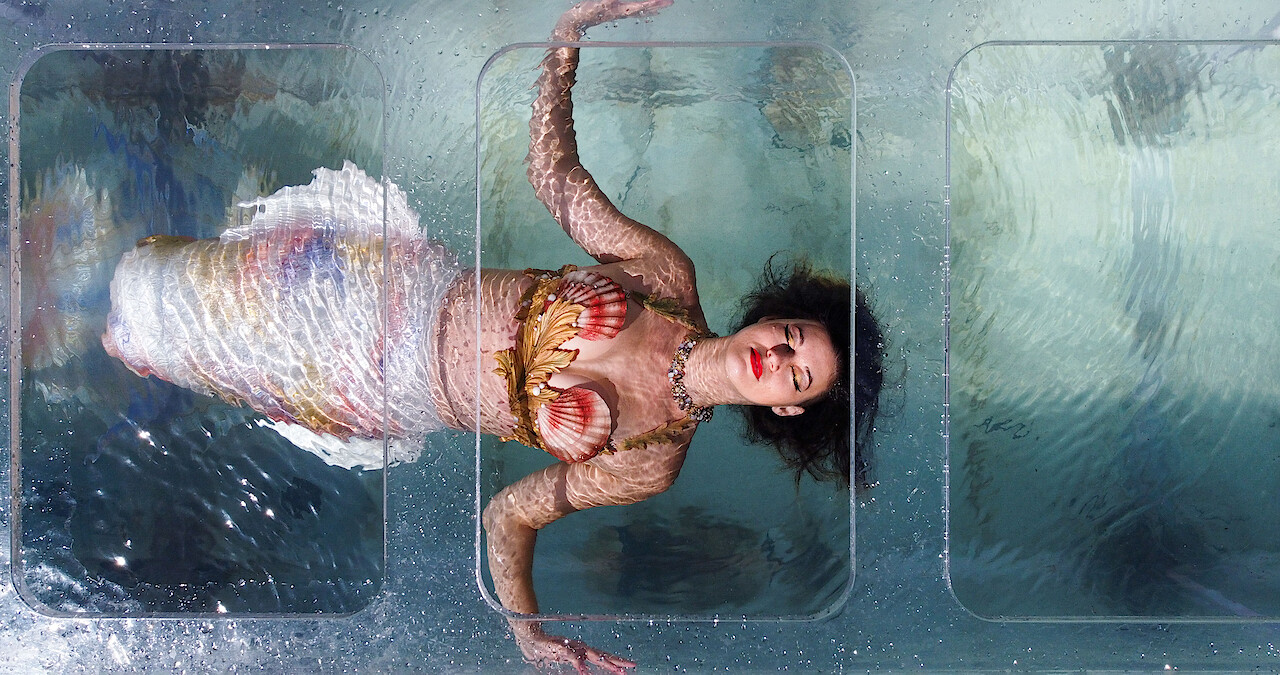
The very first scene of MerPeople begins like any childhood aquatic fantasy might: Bejeweled merfolk with flowing hair dive into the water and glide into graceful barrel rolls, blowing bubble kisses to a captive audience with each spin. Quickly though, the fantasy falls apart, and what remains is a group of hardworking professional mermaids in Fort Lauderdale, moaning backstage as they stand over an emergency eyewash station and curse the pool guy for putting too much chlorine in their workspace.
That juxtaposition — a magical, enthralling underwater fantasy created by ambitious performers grinding until their fins fall off — is the core of MerPeople. Pulling back the curtain on the half-billion dollar mermaiding industry, the four-part docuseries is both impossibly charming and nail-bitingly intense. Directed by Cynthia Wade (Freeheld, The Flagmakers), MerPeople follows a group of mermaiding hopefuls at different points in their career as they spend countless hours and sea dollars to make a name for themselves.
“I was immediately blown away by the breadth and the depth of the mermaid community,” Wade tells Tudum. “The fact that thousands of people around the world of all shapes, sizes, gender expressions, ages and levels of ability in the water are finding this as a calling is really remarkable.”
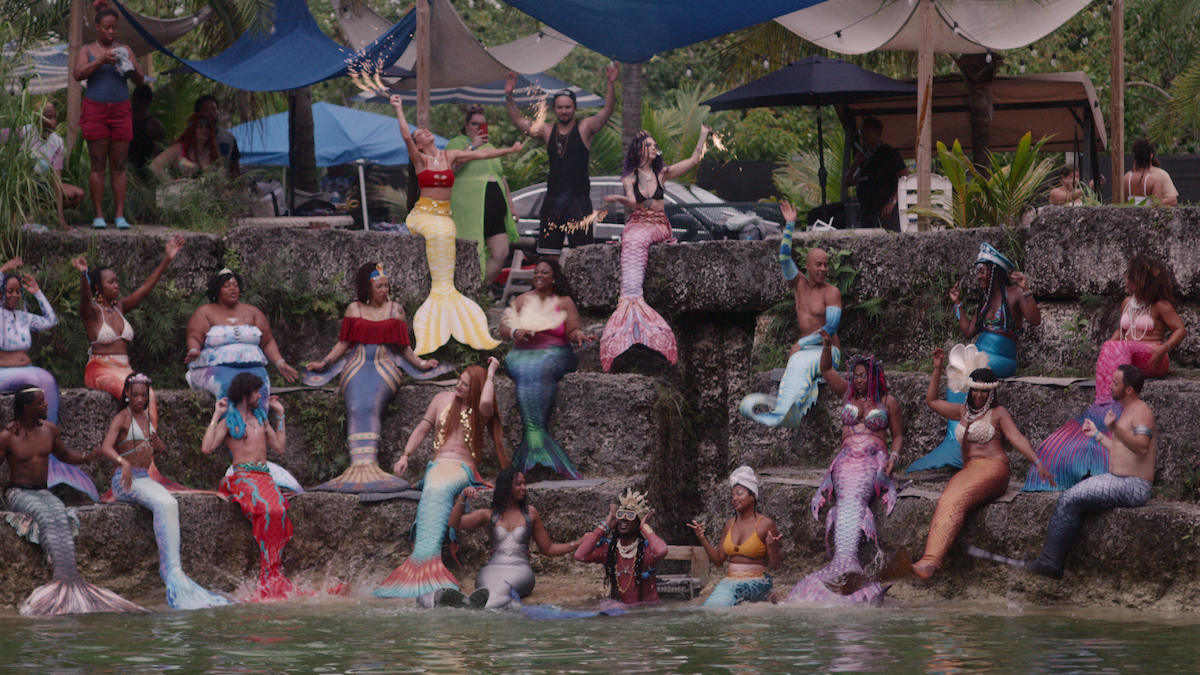
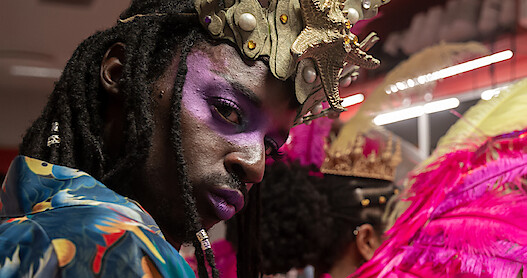
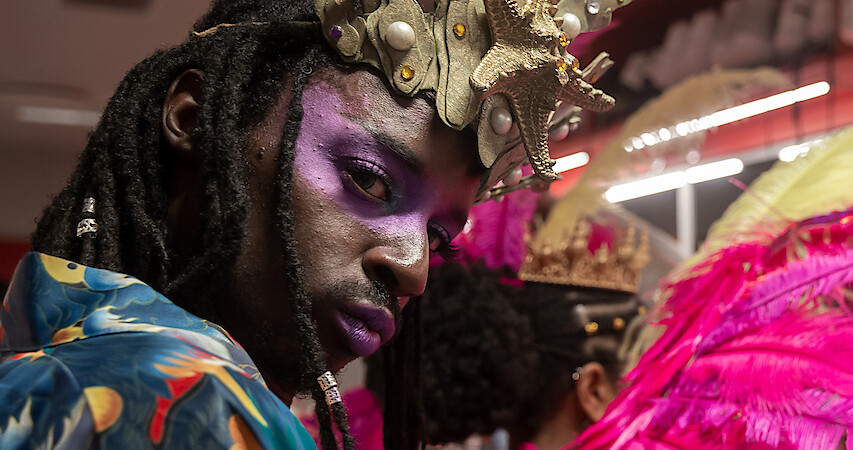
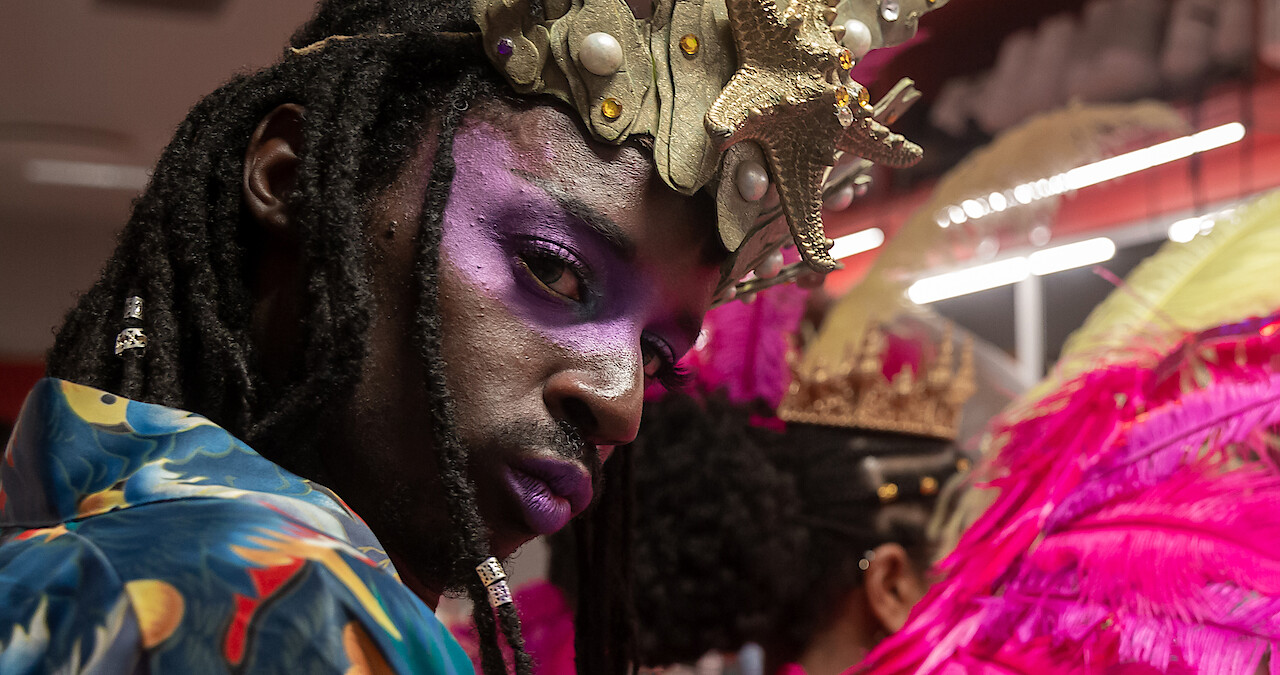
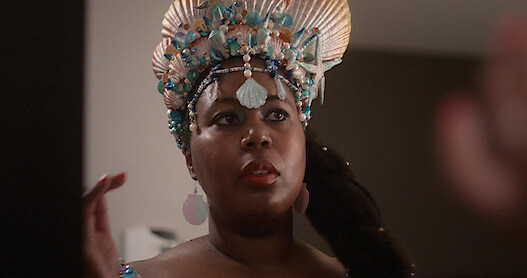
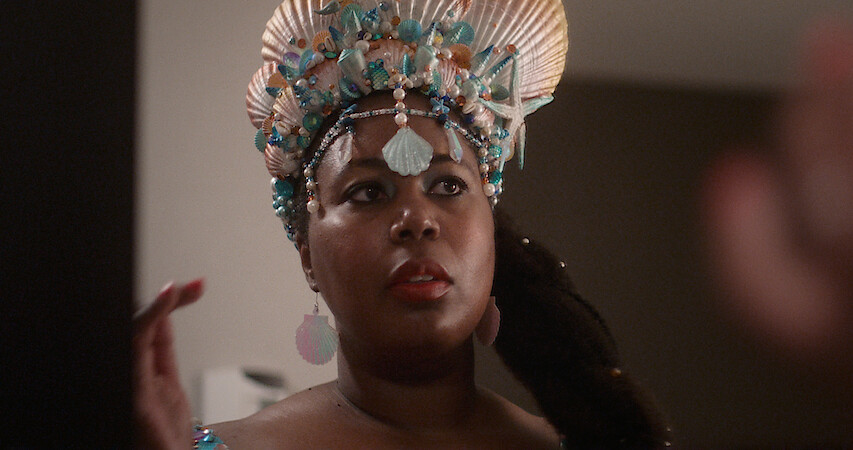
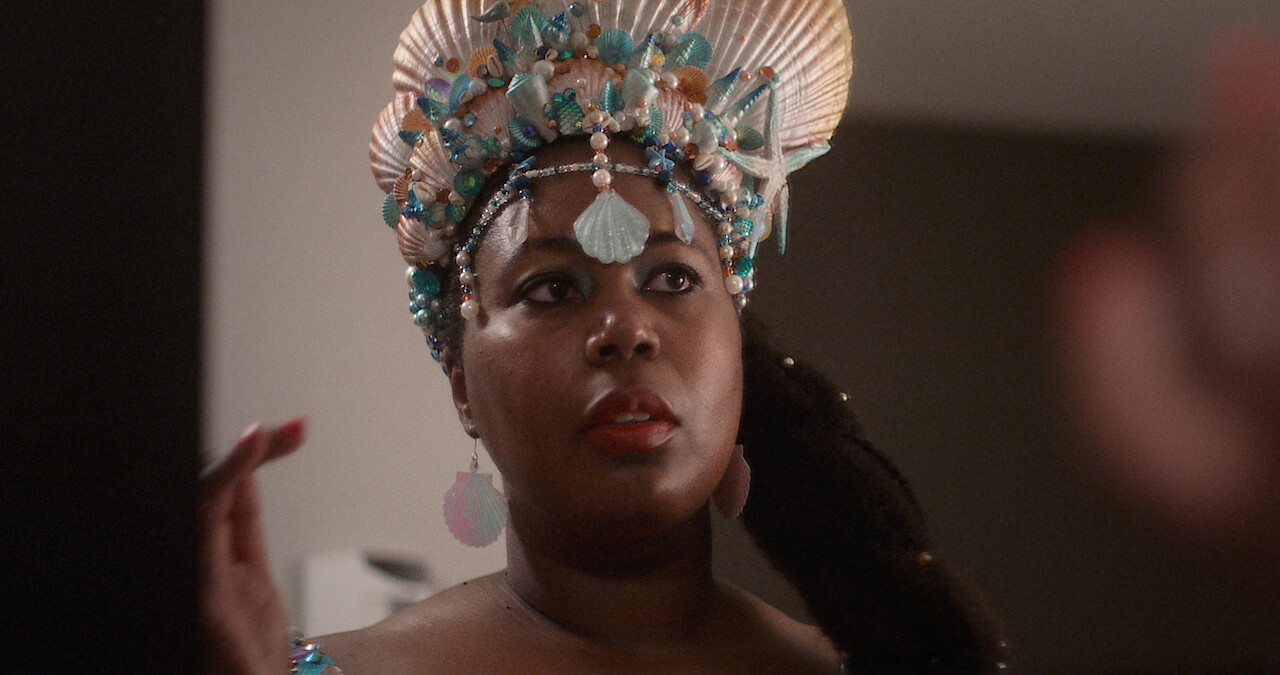
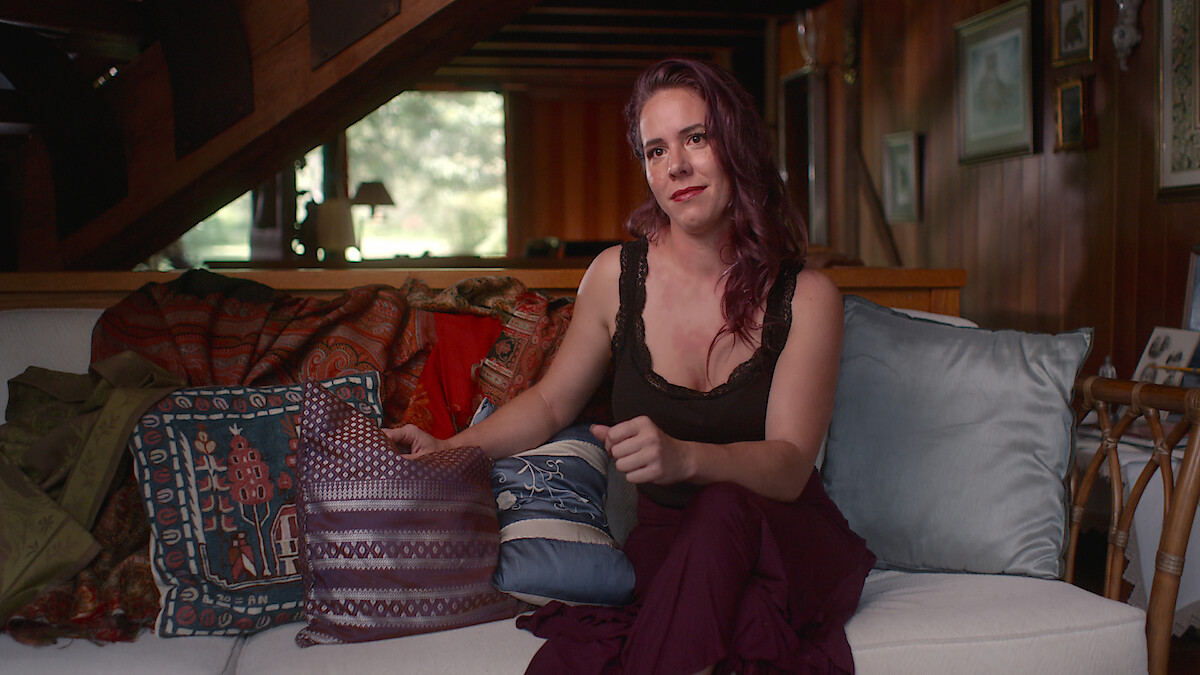
The cast of MerPeople features mermaids across generations and geographic locations, including Arkansas, Virginia and Florida. Some of the key players in the cast are Mermaid Morgana Alba, Mermaid Sparkles, Mermaid Chè Monique and Mermaid Blixunami.
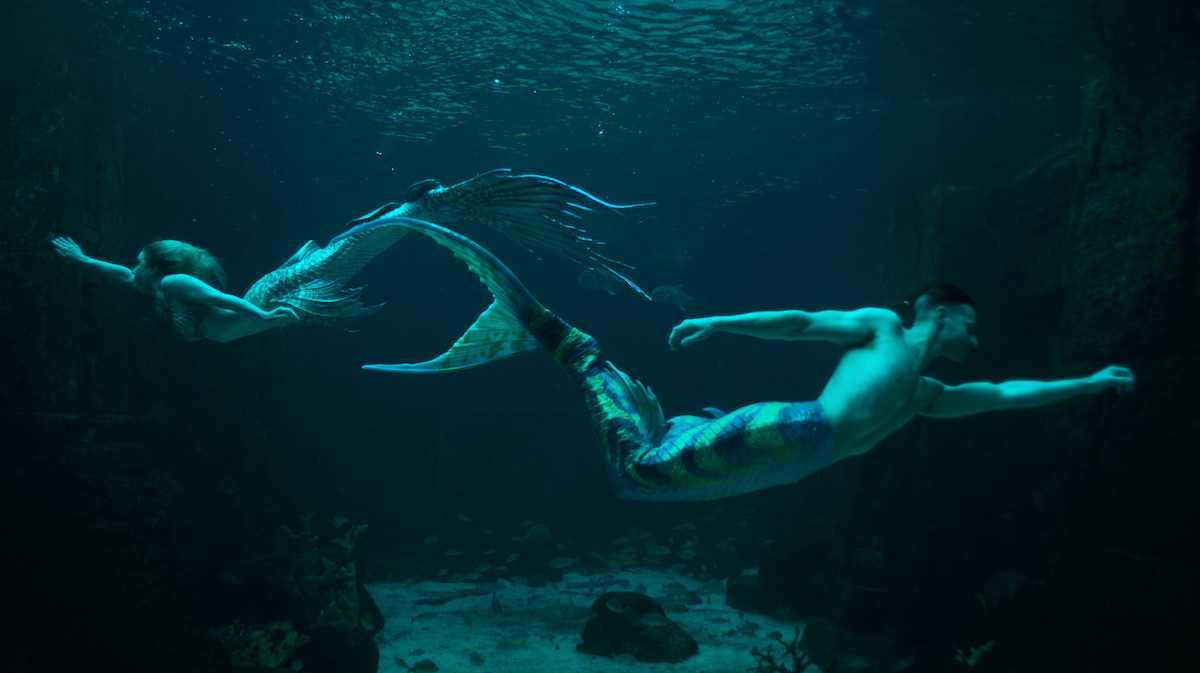
MerPeople was shot over the course of a year across the country. Wade worked with cinematographers Boaz Freund and Jenny Baumert to capture the series’ many subaquatic scenes, using cameras adapted with HydroFlex housing to protect them under the water, as well as a high-speed camera called a Phantom.
“With a Phantom, you can literally shoot 1,000 frames per second,” Wade explains. “Every bubble coming out of somebody’s nose is a beautiful metallic silver balloon that’s in slow motion, rising to the surface.”
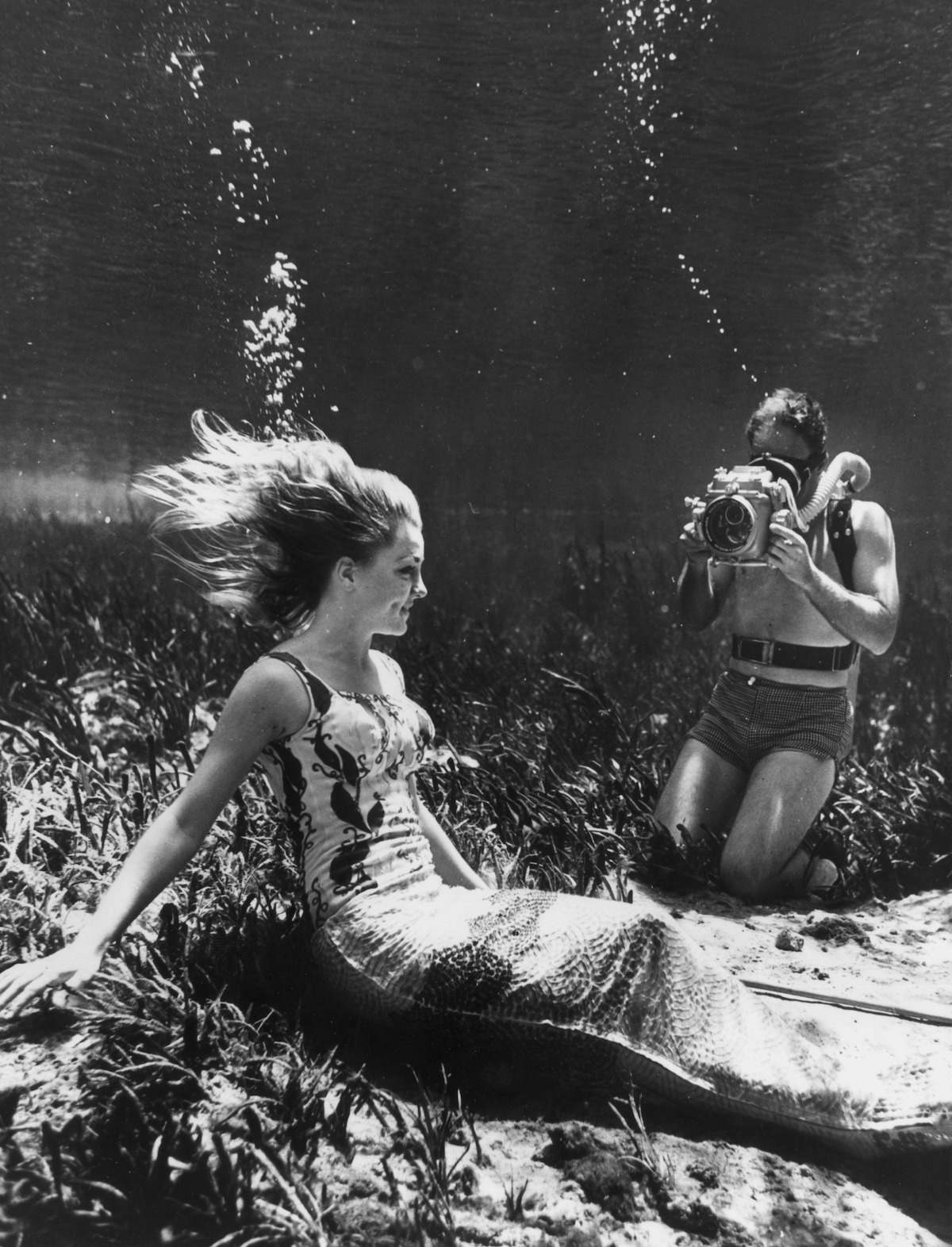
Professional diver Verna Benson poses underwater in a mermaid costume for photographer George Robertson at Weeki Wachee Springs, Florida, on Nov. 21, 1966.
A natural tourist attraction in Florida, Weeki Wachee Springs first rose to popularity in 1947 when former US Navy officer and stunt swimmer Newton Perry created a mermaid show using an air hose breathing technique. What began as a basic 18-seat limestone theater grew into the ultimate mermaid headquarters by 1959, with 500 seats and a state-of-the-art speaker system. Eventually, the state of Florida took over the park and the original mermaid show was shut down, but the attraction was wildly popular for years, and many of Weeki Wachee’s original mermaids are interviewed in MerPeople.
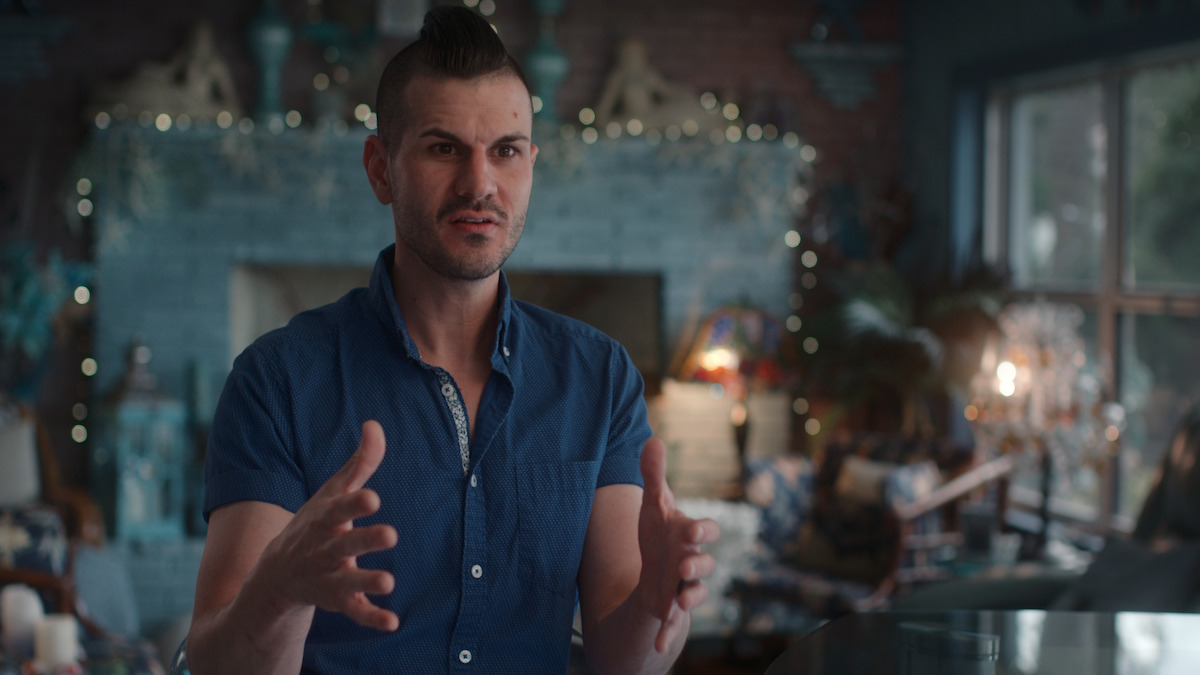
Eric Ducharme
One of the mermaids first inspired by the live shows at tourist attraction Weeki Wachee Springs, Eric Ducharme is known in the community as the Mertailor. Ducharme designs and produces high-quality and custom mermaid tails.
“I fell in love with mermaids at a really young age, when my grandparents brought me to Weeki Wachee,” Ducharme tells Tudum. “I’ll never forget seeing the mermaids swim by the windows and blow a kiss. And I knew at that very moment that I was meant to do something in the realm of mermaids. I started making tails for myself… [I realized] I was really good at it and enjoyed it, so why not start a business creating tails for other people to live out their dreams?”
MerPeople follows Ducharme as he grows his business and attempts to open a mermaid show and aquarium.
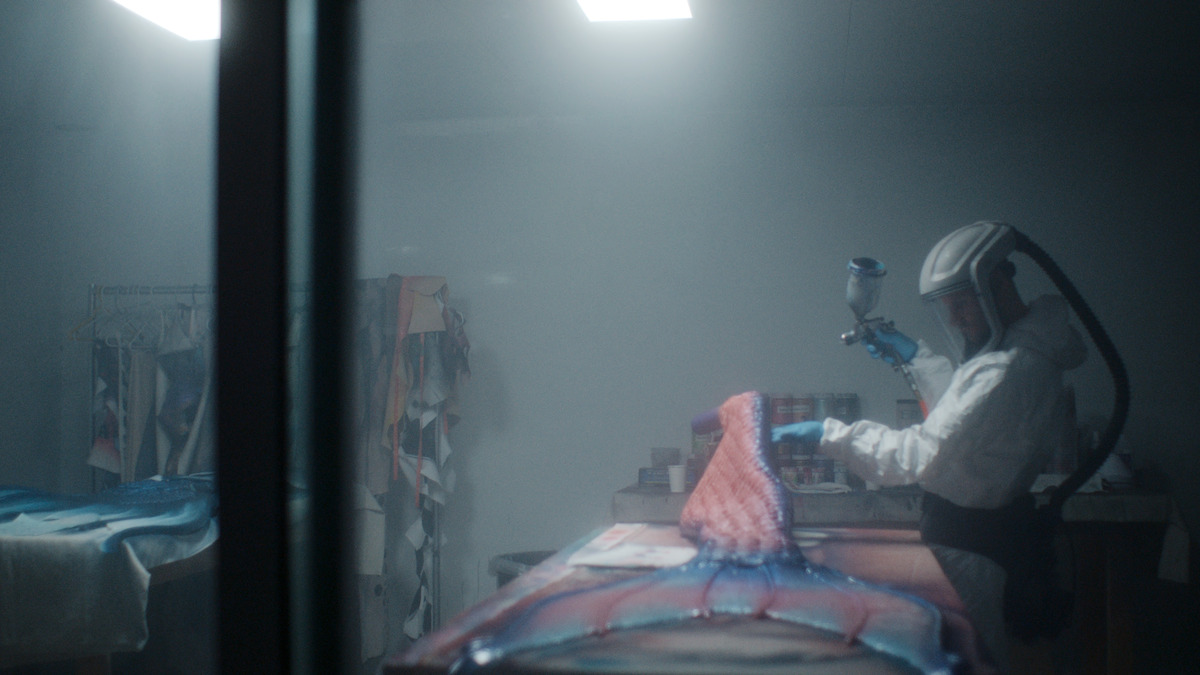
Eric Ducharme painting a tail in ‘MerPeople.’
Ducharme’s Mertailor is one of a handful of businesses providing high-quality and custom tails to the mermaid community. He explains that in the earlier days of mermaiding, tails were mostly made with sparkly, stretchy fabric pulled over fins. Ducharme says it was a fine solution, but with today’s advances in material technology, it was possible to develop a far more lifelike, longer-lasting tail that helps you swim and stay balanced in the water. Ducharme’s business offers a variety of designs — of course, none of them come cheap.
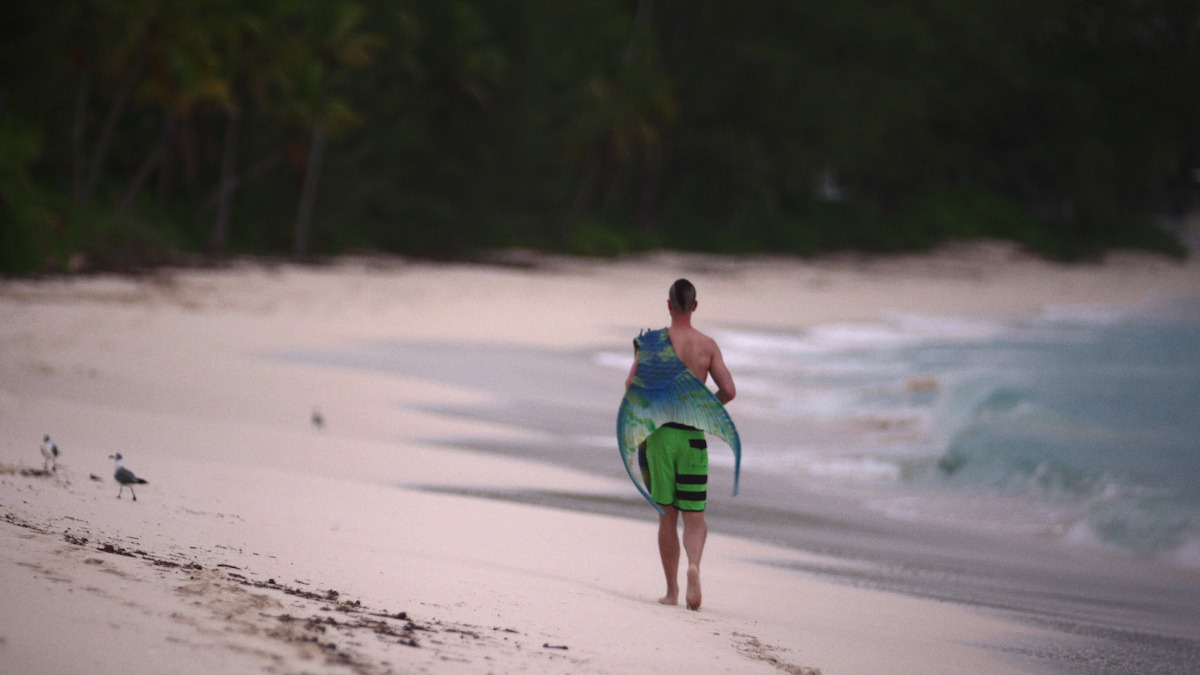
Ducharme says that the cost of a mermaid tail depends on a variety of factors and that “knowing your fish is the best way of looking at it.” In other words, the sky’s the limit when it comes to materials and customization, but there are also options out there for new mermaids looking to dip a fin in the water for the first time.
“Tails average between two to $3,000,” Ducharme says. “They go all the way up to $5,000, depending on the complexity of the designs. An extravagant lionfish would be a $5,000 tail as opposed to a freshwater bass — that would be a $3,000 tail.”
Mertailor produces a variety of options, including the Fantasea Fin, a monofin made out of silicone rubber that is designed to slide into the Fantasea Tail skin. Mertailor also offers a customizable silicone Spellbound Tail, Walking Tails designed for use on land and even Guppy Tails for young mermaids.
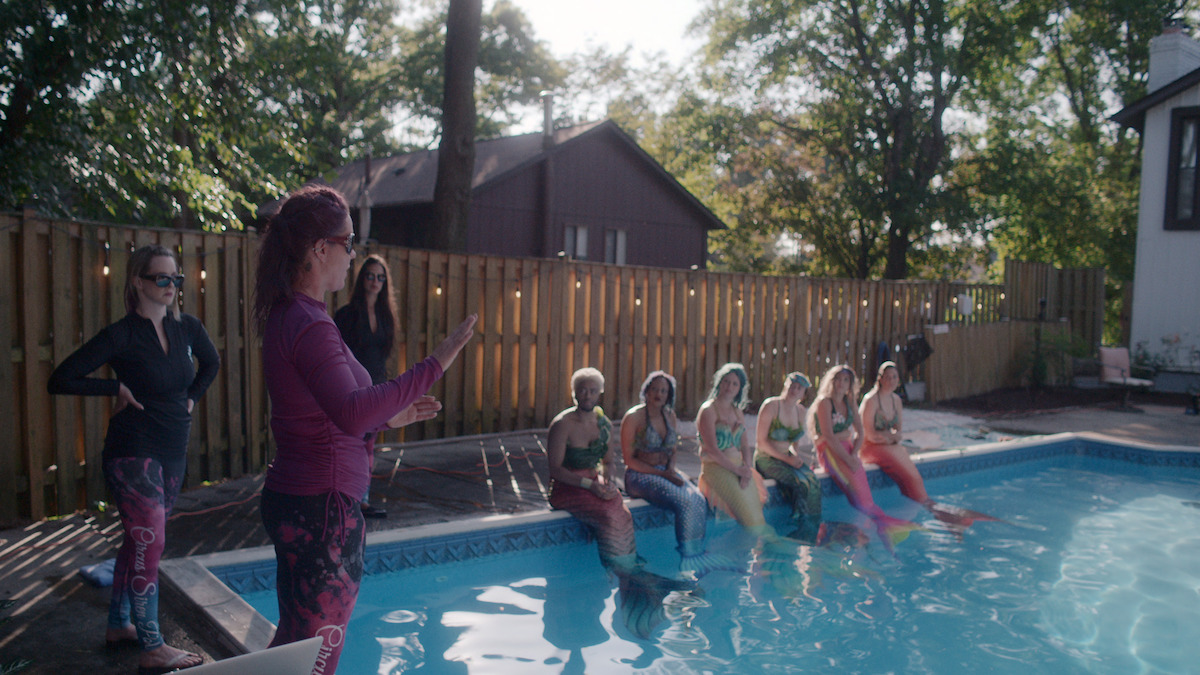
Safety is something that all of the fish featured in MerPeople say is a top priority, including Mermaid Morgana Alba. She founded the Circus Siren Pod, an elite performance troupe of professional mermaids that’s been at the forefront of safety standards and protocols for professional mermaids.
“The people who do this professionally are professional athletes,” Alba tells Tudum. “This is an incredibly unique specialty that takes years of training. No matter how well-trained you are, it remains a danger art.”
Today, there are a growing number of organizations mermaids can tap to learn underwater safety skills, including the Professional Association of Dive Instructors (PADI), the National Association of Underwater Instructors (NAUI) and Scuba Skills International (SSI).
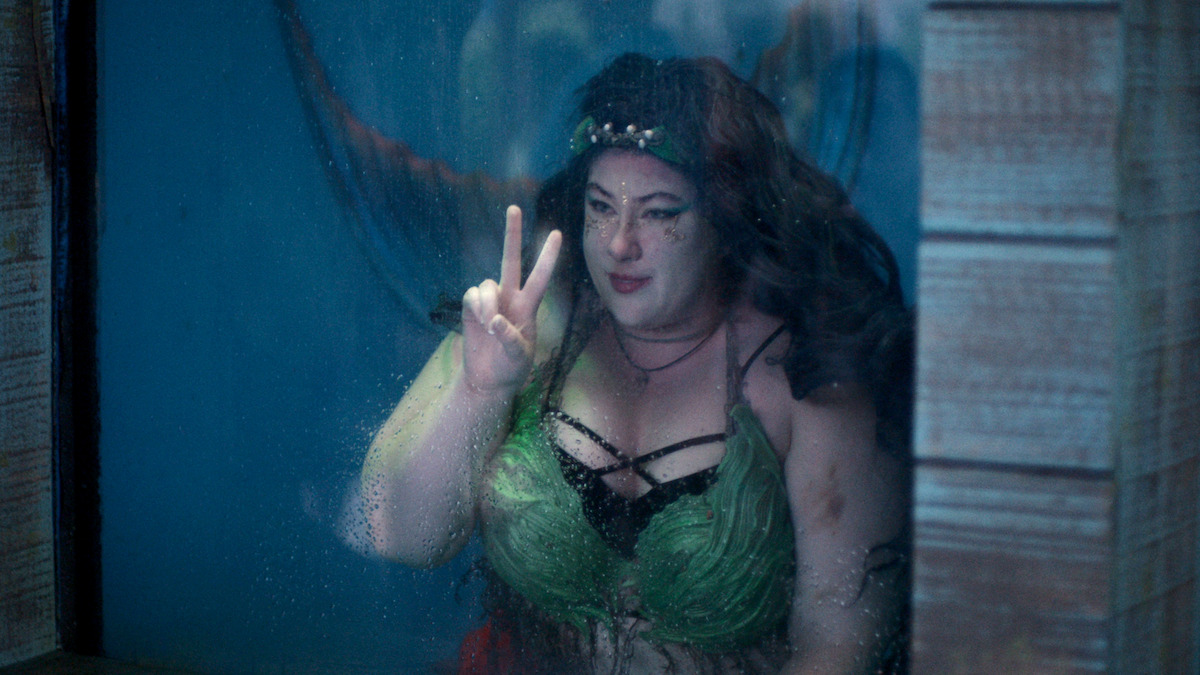
Though it’s not addressed directly in MerPeople, that opening scene with the chlorine and the eyewash station is certainly harrowing enough to raise some important questions — and Alba has the even more shocking answer.
“We prepack our eyes with super thick, overnight severe dry-eye ointment,” Alba explains. “We have a technique to pack the ointment into the tear duct itself. It blinds you — but we’re already working blind.”
Alba went on to explain that much of the underwater work of a mermaid is already limited in terms of vision — it’s a lot darker than you might expect in many corners of the aquarium, and mermaids often have to use their prior knowledge of the space and muscle memory to move around safely. While it may further limit their vision, the product offers a lot of relief from the harsh effects of chlorine, salt and unbalanced pH.
“Giving up more sight for the sake of protection is a really easy trade to make,” she says.
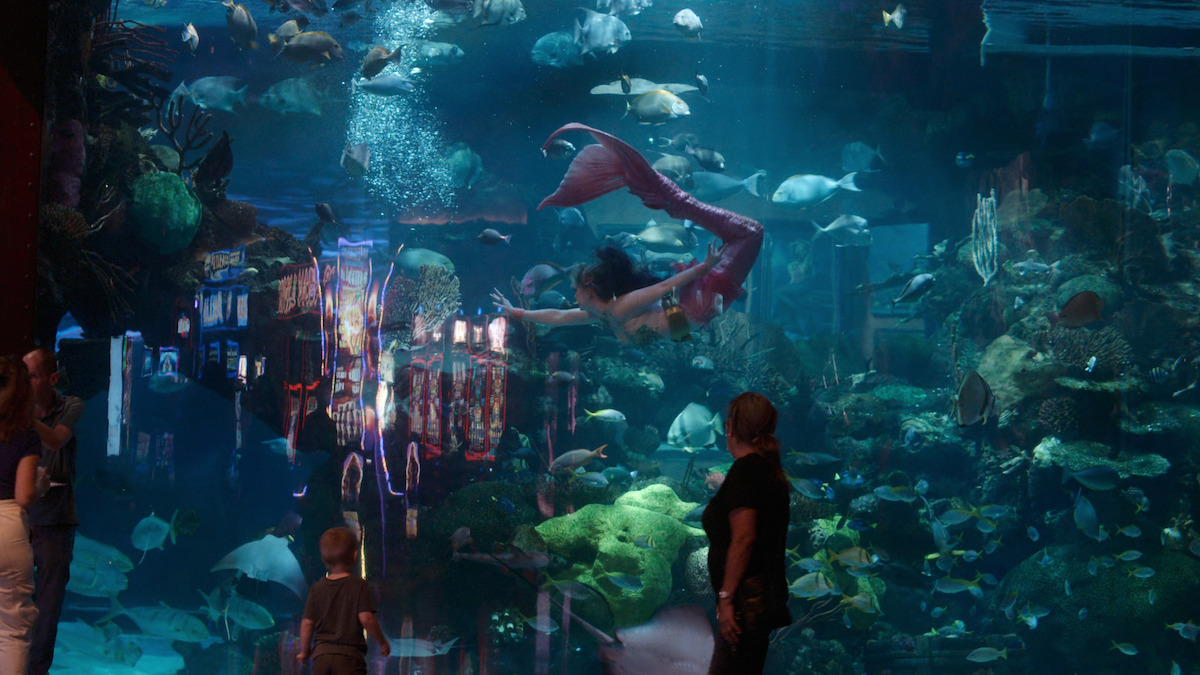
In one MerPeople scene, the audience sees Mermaid Sparkles rushed out of the water and into a warm shower after becoming hypothermic, despite the fact that the water in mermaid aquariums is usually kept somewhere around 78 to 80 degrees.
“Water absorbs heat at a massive rate, so when you’re in the water, you lose heat at an exponential rate,” Alba explains. The reason aquariums can’t simply turn up the heat in the water are numerous, including a concern for any wildlife that might be present, as well as a risk of bacteria.
“When we’re in an aquarium, or the springs, we’re a guest in that environment,” Alba says. “That environment is for those animals, and the health of that exhibit comes first.”
If it all sounds like a deep-sea daydream… well, it is. However, MerPeople is also a story about community, identity and the desire to find meaning far below the surface — it all just depends on how deep you’re willing to go. To explore what’s beneath the surface, watch MerPeople on Netflix now.