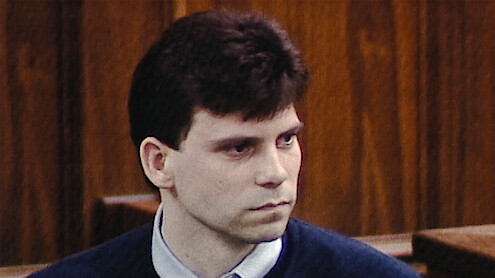
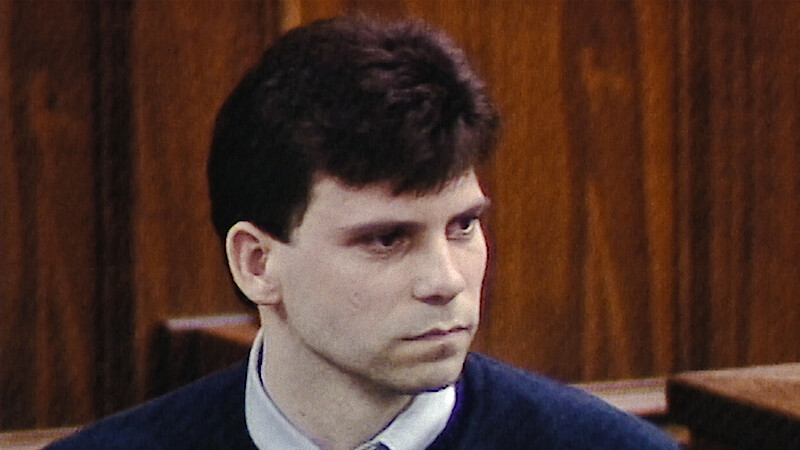
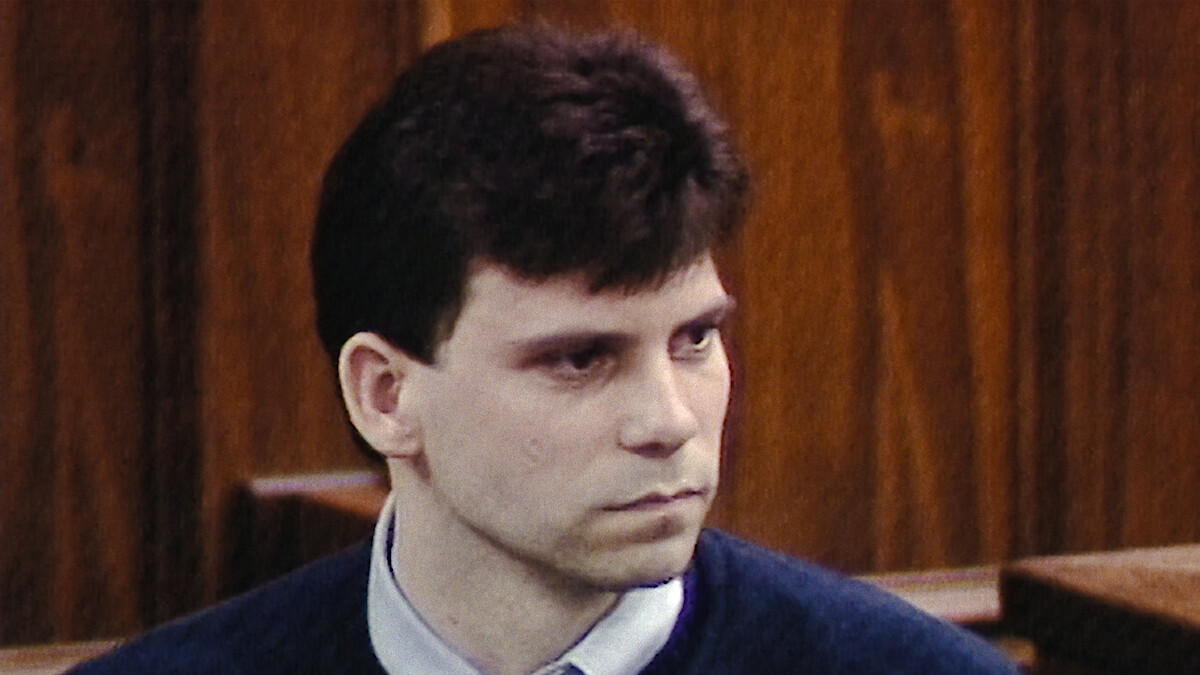
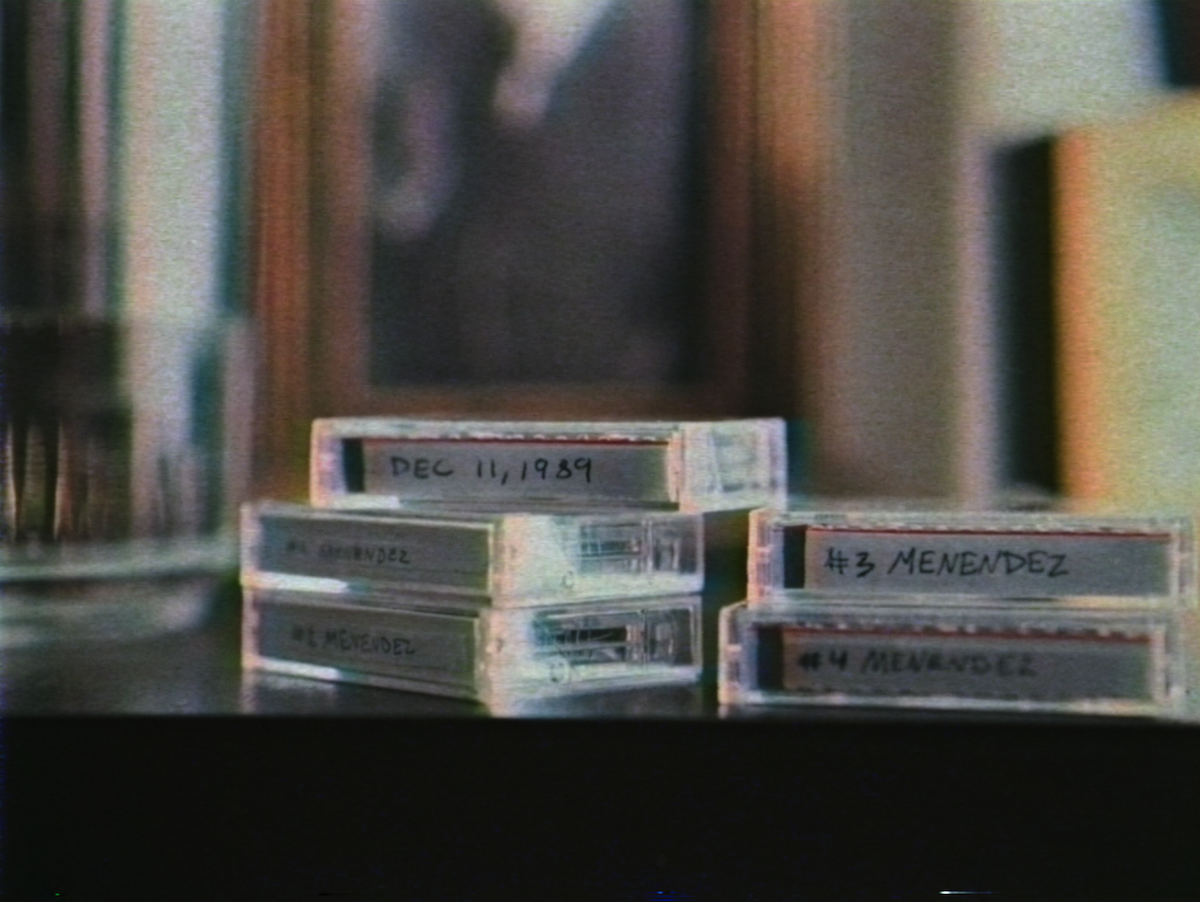
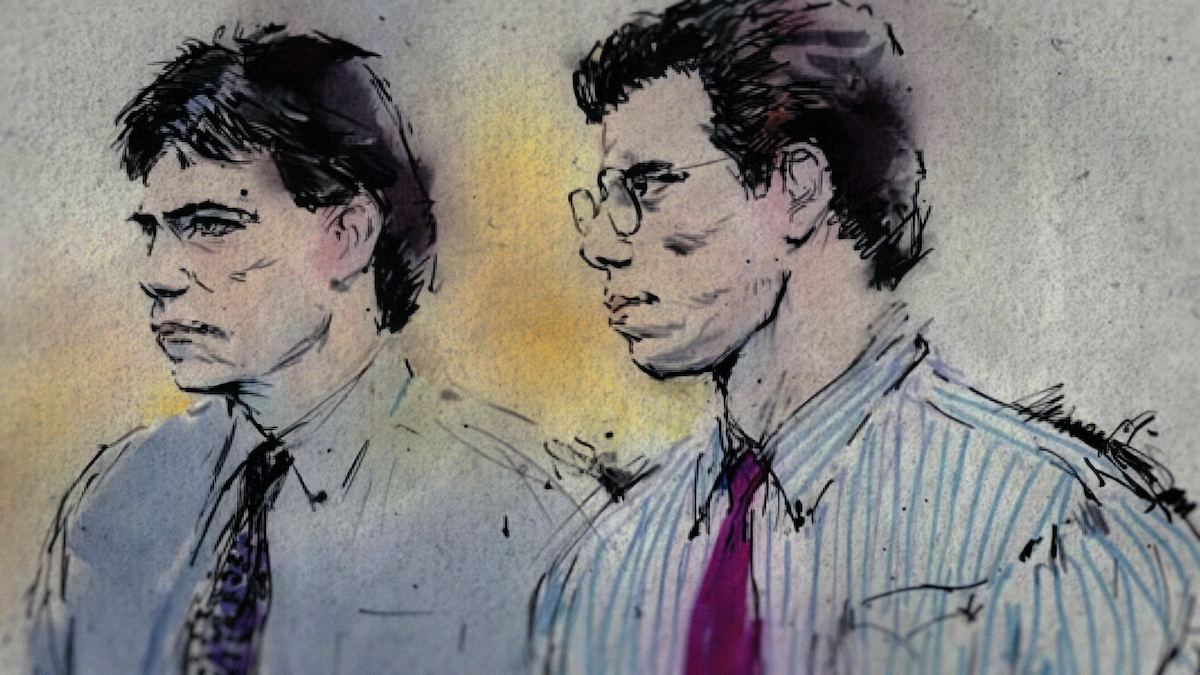
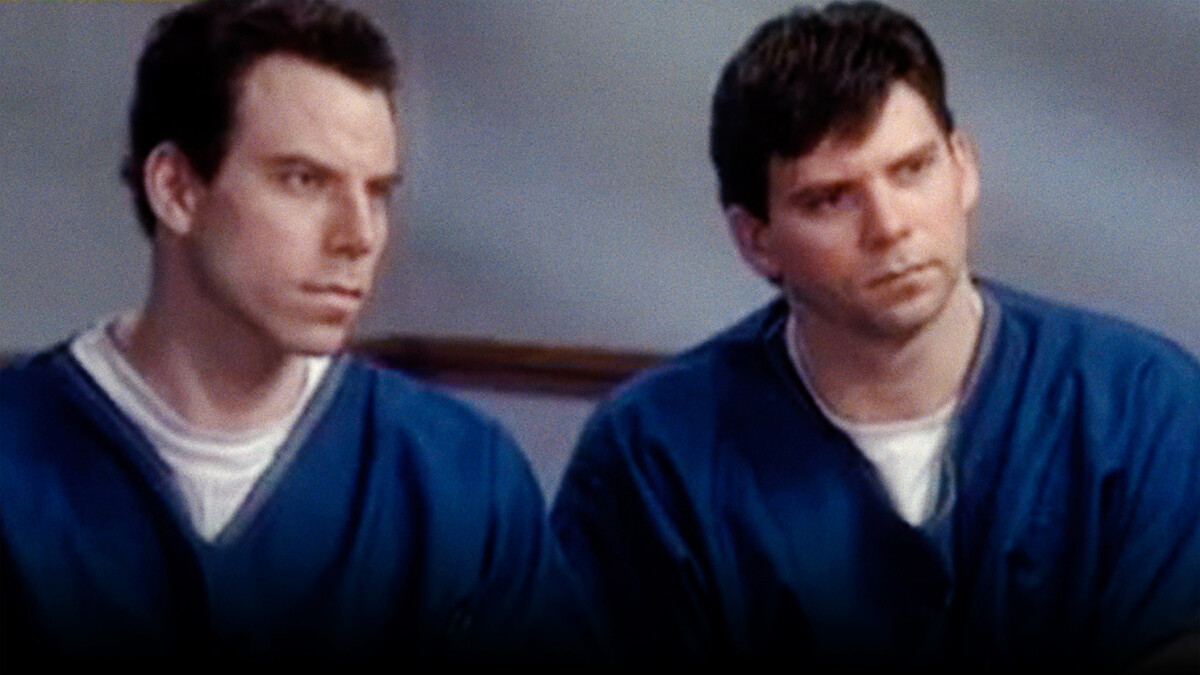
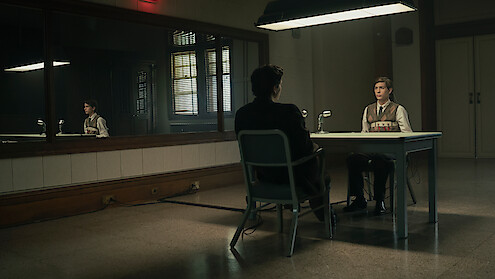
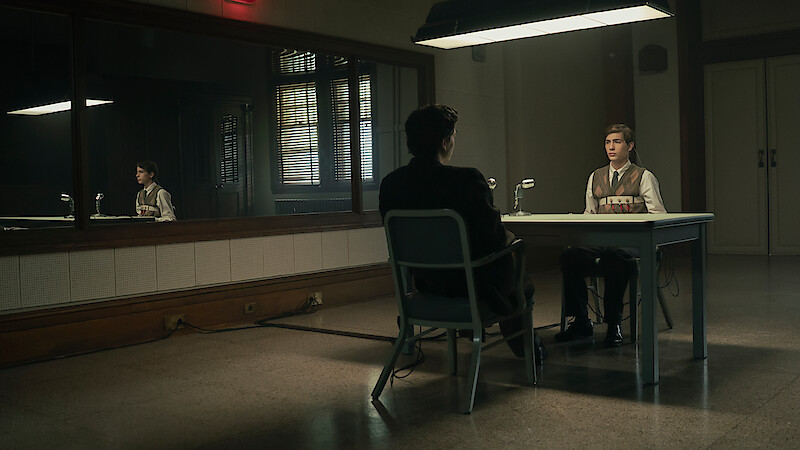
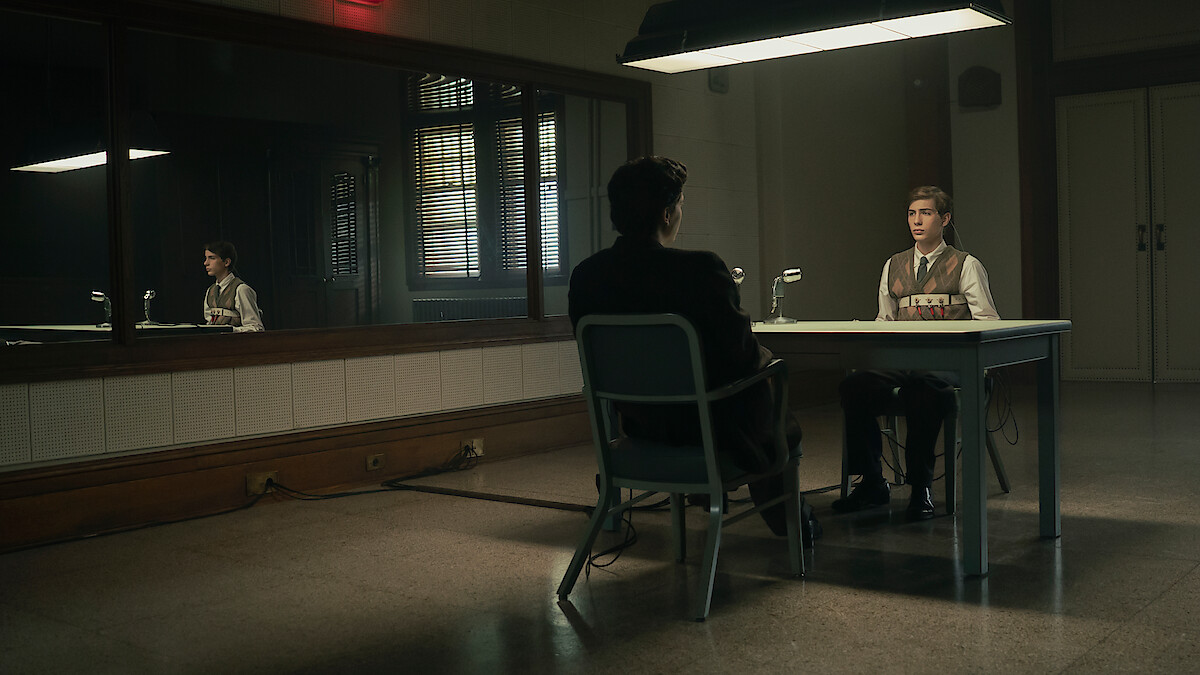
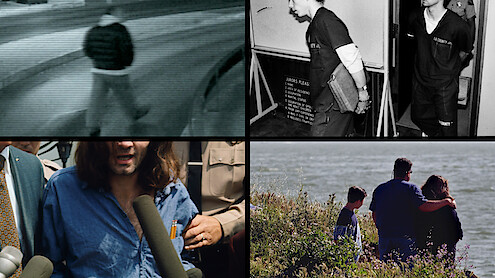
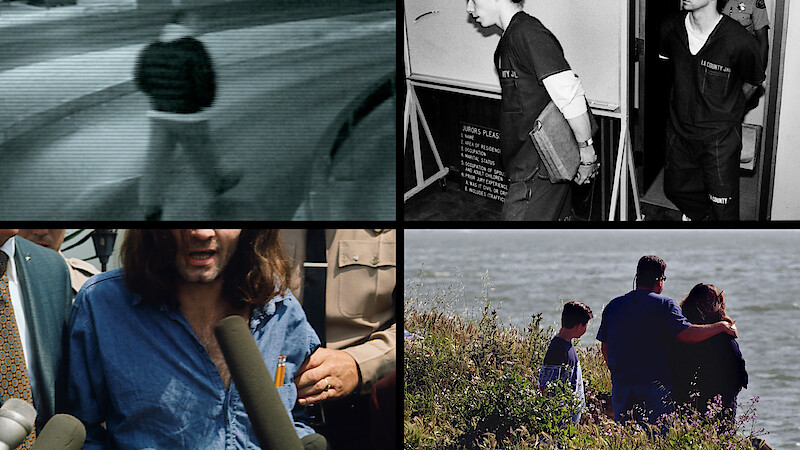
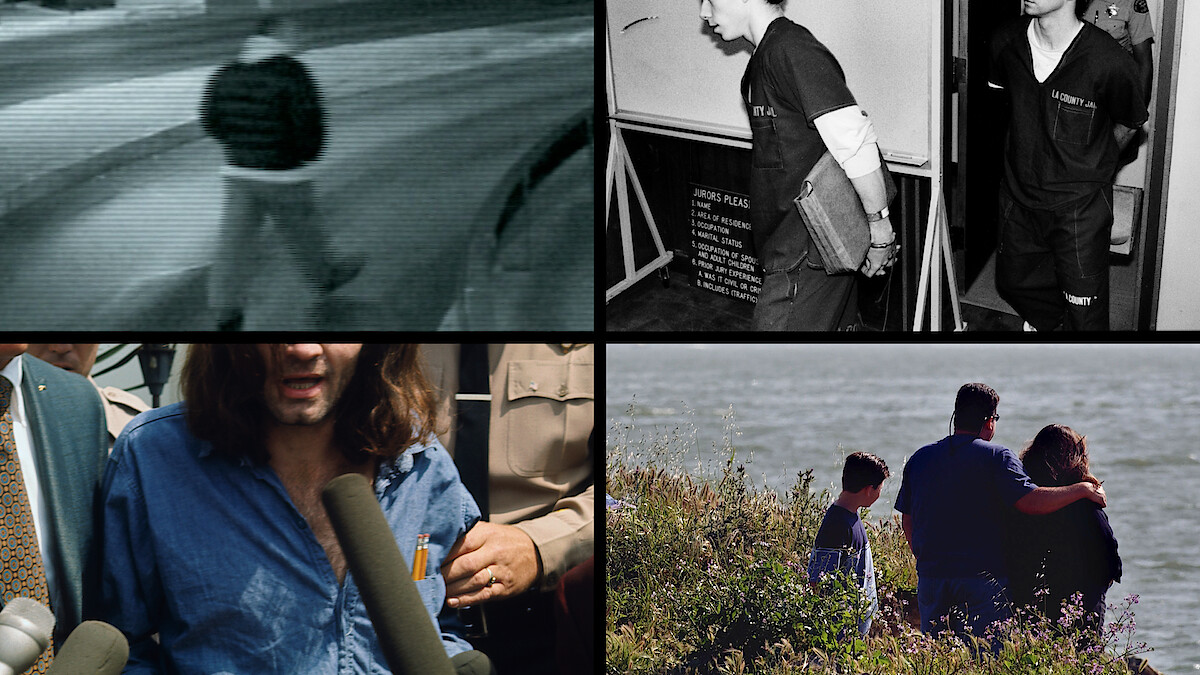
In the United States of America, one of the biggest news stories of the 1990s was the Menendez brothers’ trial and conviction for the murder of their parents. But in Argentina, where documentary filmmaker Alejandro Hartmann grew up, it was a blip on the cultural radar — he has only a vague memory of hearing about the case on a trip to the US.
“In 1991, I lived for almost a year in the US, and somebody talked to me about the case,” Hartmann tells Tudum. “I didn’t really pay attention because I came back to Argentina at the end of that year. And then in Argentina, it wasn’t big. It had small coverage by the media.”
That lack of familiarity with the original reporting of the case made Hartmann the perfect choice to direct The Menendez Brothers, a new documentary that takes a fresh look at the trial that divided America. Thanks to new interviews with Erik and Lyle Menendez, the prosecutors, and more, Hartmann was able to revisit the events of the murder and the trial from a unique angle. He viewed his initially limited perspective on the case as an asset, not a liability. “I was new, like a white sheet of paper,” Hartmann says. “I think that was an advantage in some ways. I didn’t have a biased view of the case.”
Read on for more from Hartmann, including how he won the trust of the Menendez brothers themselves. (It involves soccer.)
When did you first start following this case? Were you aware of it at the time?
Alejandro Hartmann: Not really. I live in Argentina, but in 1991, I lived for almost a year in the US, and somebody talked to me about the case. I remember something about “these two boys that killed their parents.” The trial hadn’t started yet, but they were for sure in county jail. I didn’t really pay attention because I came back to Argentina at the end of that year. And then in Argentina, it wasn’t big.
So really, until the moment Campfire Studios called me and offered me this project, I never remembered the story. And then I began digging into the internet about the case, and I said, “OK, I know this. Yeah, I remember this.” And I realized how big this was in America. I was new, like a white sheet of paper. I think that was an advantage in some ways. I didn’t have a biased view of the case.
What was the research process like?
Being such a famous case, there was a lot of material. And while I was waiting to get in touch with the brothers, I began searching everywhere. One of the big challenges of the project had to do with the fact that there was so much material, so many other documentaries [had been made] over the last 20 or 30 years. So I began watching all of what was done about the case. Then, of course, I got immersed in the trial.
Robert Rand’s book [The Menendez Murders] was very important, and Dominick Dunne’s articles. And then I discovered Alan Abrahamson, who wrote a lot for the LA Times. Eventually, it came time to talk with Lyle.
Can you talk about the process of getting in touch with the brothers?
So I said, “OK, how will I approach this case, and what could I offer as a new approach to the case?” because there are at least a dozen other documentaries. Most of those documentaries didn’t have the brothers. There was one series that had Erik, but Lyle had never talked since the ’90s, since the Barbara Walters interview, I think.
So I said, “OK, we should have the brothers. It sounds simple, but it’s new. We should have both brothers. But not only that, we should also have the prosecution. We should have the other point of view, and that will be different.” I insisted on that. So at the same time, Rebecca Evans from Campfire, she was getting in touch with Lyle’s wife, and he accepted to meet me. I think he liked that I wasn’t American, and I wasn’t living in America. Maybe I didn’t have a view biased by the American media.
I was here in Argentina, and they can’t do international calls, so we had to invent some kind of system, like a virtual number through Skype, and it was difficult. But eventually we managed to do that. And I had this first conversation with him, and from the very beginning I noticed that Lyle was not shy, but in some way he was closed [off] to me. So from the very, very beginning I said, “OK, this shouldn’t be an interview. This should be a chat.” So I began talking about soccer. The World Cup was about to happen, Messi and Argentina, he’s a very huge soccer fan. So we began talking about those things, and eventually over the days, we began to get involved in the case.
It lasted for five months with Lyle, but it was never an interview. It was never like, “I’m asking you a question and you’re answering me.” It was more like a chat. We got along very well, and we began speaking about harder things, more difficult issues. And then, Erik didn’t want to be a part of it at the beginning, but eventually, at some point, Lyle talked to Erik and told him, “Maybe you should talk to this guy. He’s asking me different questions.” And Erik accepted to be part of the documentary. And that was completely different because it’s like I came recommended by Lyle, so Erik was more open from the very beginning. From the very beginning, we could talk very openly about difficult things.
Can you say a little more about that? What was it like asking them to revisit these traumatic events?
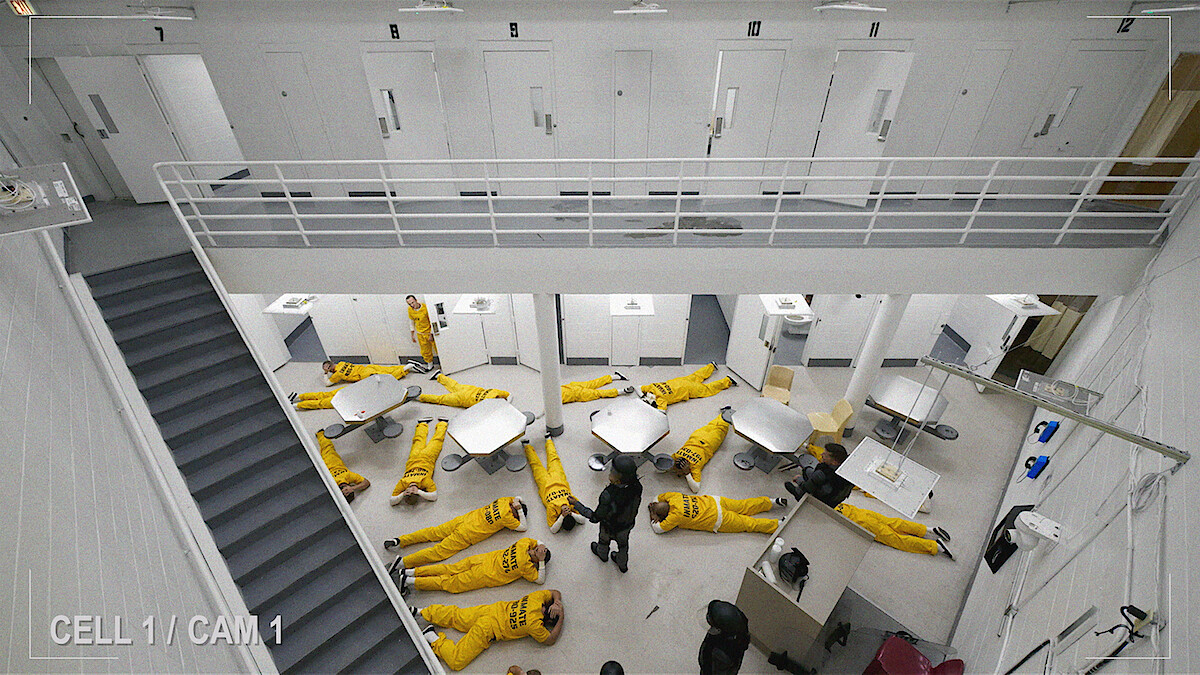
It’s a huge bunch of things. It’s difficult to talk about how it is to live incarcerated for 30 years. That’s tough. It’s not easy. It’s a process. It’s tough to talk about the crime itself, how they killed their parents, which is something that they accepted. They denied it at the beginning [when they were arrested], but then they accepted and testified about that. So it wasn’t a taboo, it wasn’t something we couldn’t talk about, but it’s always hard to begin talking about that. And then, probably the most difficult part was talking about the abuse. But also talking about their life, their childhood, growing up in that house, the contradictions they have between having killed their parents and at the same time saying that they love their parents. They still say that. So all of that was difficult.
What were some of the things you learned that you didn’t see in previous reporting?
This is not my first documentary, and this is not my first true-crime story. So I have an approach, which is being very open-minded with everyone. I try not to be a fan of any of my subjects, but I also try not to judge them. That applies both to the prosecutor and to the criminal or incarcerated person, in this case, the brothers. So I always think that all of the people involved, it doesn’t matter which side they are, they have part of the truth.
The truth is very complex to understand, and in a case like this, it’s not black or white. You probably will never understand what really happened. It’s a paradox in some way. You try to dig into something to finally understand that you probably will never understand why it happened.
What was it like for the prosecution revisiting the case?
Interviewing Pam Bozanich, for me, was a real privilege because she participated in other documentaries, but I think we did a great interview. We talked about how she thinks about the case and about her life also. I understood her motives, what moved her to try to incarcerate the brothers. Sometimes [people] say, if they like the brothers and believe in the abuse, [they] say, “OK, how could you be so hard, so tough?” And I understood her toughness. I understood her motives. She talked a lot about Kitty, about the mother. That was something that really moved her to prosecute the brothers. And that was very interesting because that was a perspective I didn’t have.
The same with other journalists: for example, Alan Abrahamson, who really believed the brothers should spend the rest of their lives in prison. For me, it was a learning, interviewing them, but also interviewing Robert Rand, who is a strong supporter of the brothers, or some of the jurors. It was very interesting to meet the different points of view and try to understand why everyone stands in that position and what part of that big truth they have to tell. The story is made out of all these small views.
How do you think the perception of the trial has changed over the years?
We should remember that the first trial was a hung jury. It was tied, completely tied. And this was a trial about murder, but also about abuse. So the subject was there. At the same time, over the years, things happened in society. The #MeToo movement was very important, and the perception of abuse and the way we talk about abuse changed. It was more normal to talk about those issues, and a lot of people came out telling their stories during these 30 years. So I think the perception of the case for sure changed.
[I think] it has to do with what happened during the pandemic, where Court TV put all the trial on YouTube and young people who didn’t really know about the case had the opportunity to watch the trial with no cuts. So they watched the trial, and then they said, “OK, maybe this is not as we thought it was.” But this was a case about abuse in the ’90s. It was already a case about that.
How did your perception change?
My perception changed many times. Some days I was like, “OK, I believe this,” and the other day, “I believe that.”
But in the end, after more than two years, and especially after knowing the brothers, but also knowing Pam and other interviews, I arrived to the same conclusion I had at the beginning — which was this is such a complex story, at some point it doesn’t matter who is right or who is wrong. It was a tragedy, it was a real tragedy, and we have to learn something about this tragedy. We have to learn something about society, about raising children, about justice, in order to avoid these kinds of things happening again. Of course, there are still stories like this, and there will be stories like this in the future, but you have to learn something. So it doesn’t matter who is right or who is wrong at the very end in some way. For me, that’s very personal.
What do you hope audiences take away from the documentary?
I tried to show an open view and the different views of the case. Of course, I wanted to let the brothers talk. It was an opportunity to let the brothers communicate in some way with the audience, with people. But I didn’t want to deny the other voices. I wanted to know how the prosecution thought and still thinks, and I wanted to give audiences material to take their own conclusions, but especially to get them thinking about this story as a tragedy. This is a tragedy for everyone. It was a tragedy for everyone, of course, for the parents that are dead, but also for the brothers.
It was also not easy for the prosecution and for everyone involved in the story. Everyone involved in a violent story like this will be hurt in some way. Reality is more complex than black or white. That’s my main goal.
The Menendez Brothers is now streaming on Netflix. Listen to an exclusive conversation between Lyle and Erik Menendez and Alejandro Hartmann below.
This interview has been edited for length and clarity.