What, exactly, is ethical pornography? Some people don’t believe that nonexploitative pornography exists. Others view it as the future, the only honest way to produce adult content in the #MeToo era, where consent is at the forefront of every conversation about sex, bodily autonomy and how we maintain control of our image in a digital world. For The Most Hated Man on the Internetdirector Rob Miller and assistant producer Alice Duffy, ethical pornography was simply the only way they could tell this story.
“We knew we couldn’t get it wrong,” Duffy tells Tudum. “We had to figure out the best way to [tell this story] without retraumatizing the victims.”
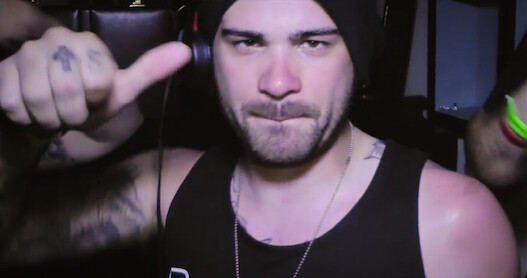
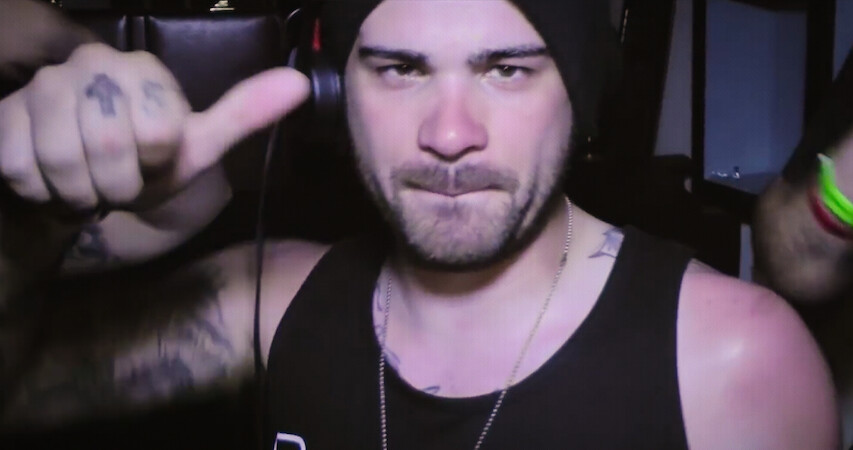
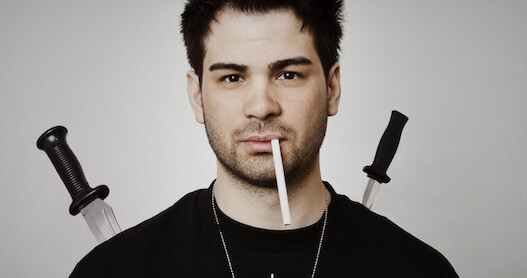
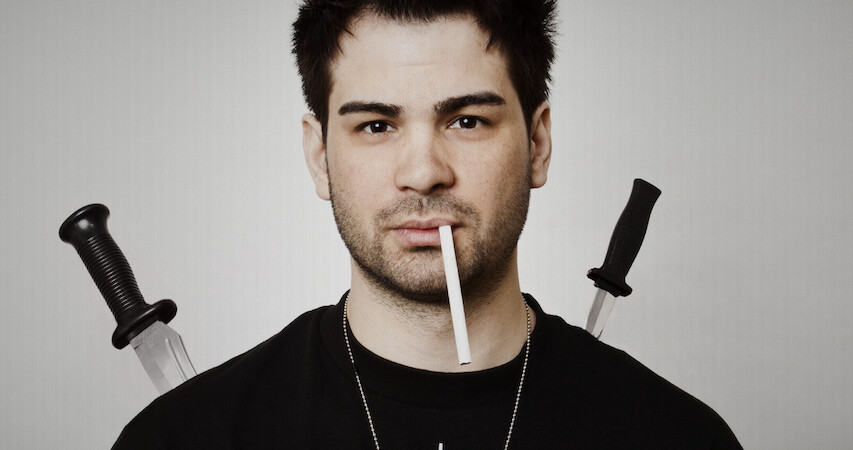
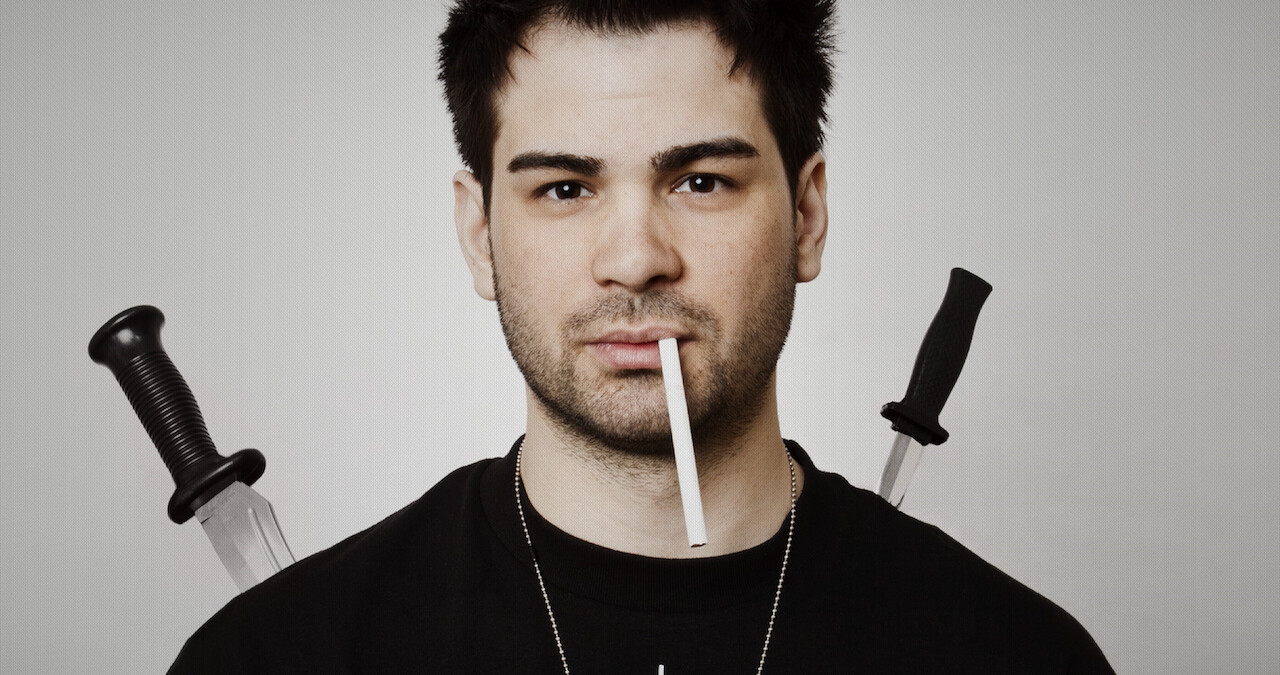
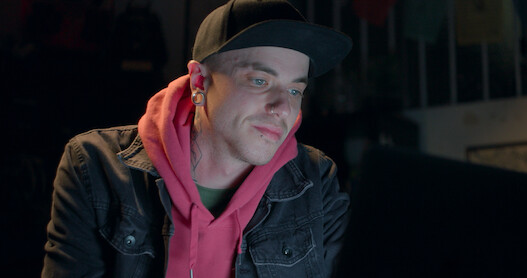
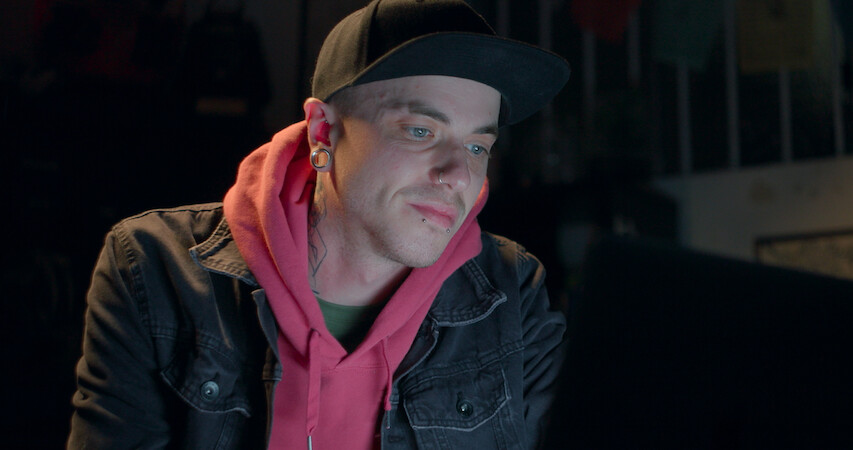
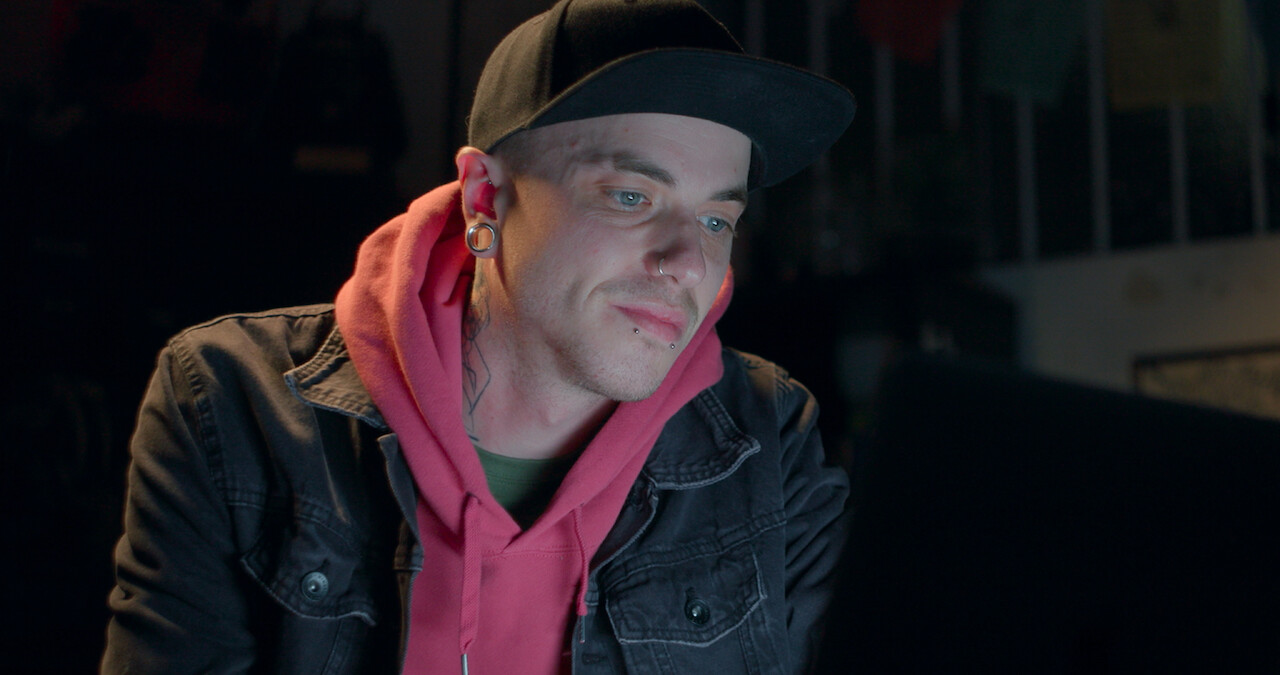
The victims Duffy is referring to are at the center of The Most Hated Man on the Internet,the three-part docuseries about the rise and fall of Hunter Moore. Back in 2010, Moore founded IsAnyoneUp, an X-rated repository of submitted nudes, graphic videos and other adult content. What began as a feed for hard-partying indie bros with a penchant for casual misogyny quickly devolved into revenge porn. Throughout its two years in existence, IsAnyoneUp collected hundreds of nonconsensual nude photographs and videos, some submitted by malicious third parties, and some hacked from victims’ own computers.
Moore was unapologetic: Though a number of people begged him to remove the nonconsensual imagery from his site, he always refused, oftentimes with glee. In fact, he was known to respond to these desperate messages by posting subjects’ Facebook pages or emails, directing trolls to harass and verbally abuse the person in the photo. What resulted was a toxic amalgamation of anonymous vitriol, traumatized victims and illegal activity, all in the name of public humiliation. A decade later, The Most Hated Man on the Internet puts Moore’s silenced victims front and center.
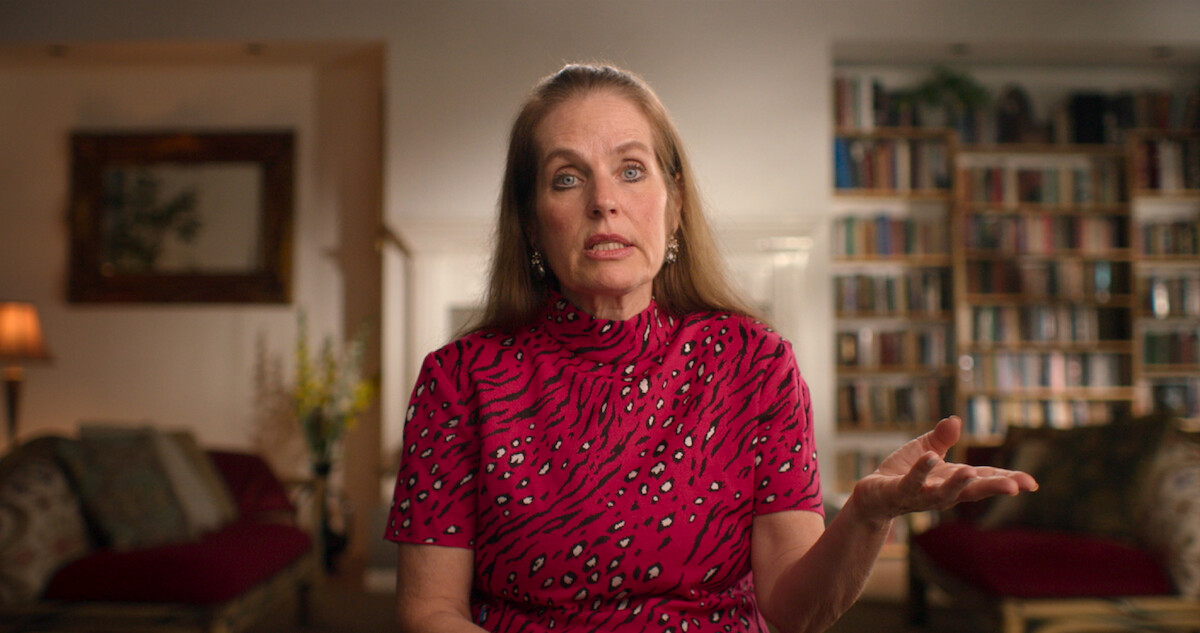
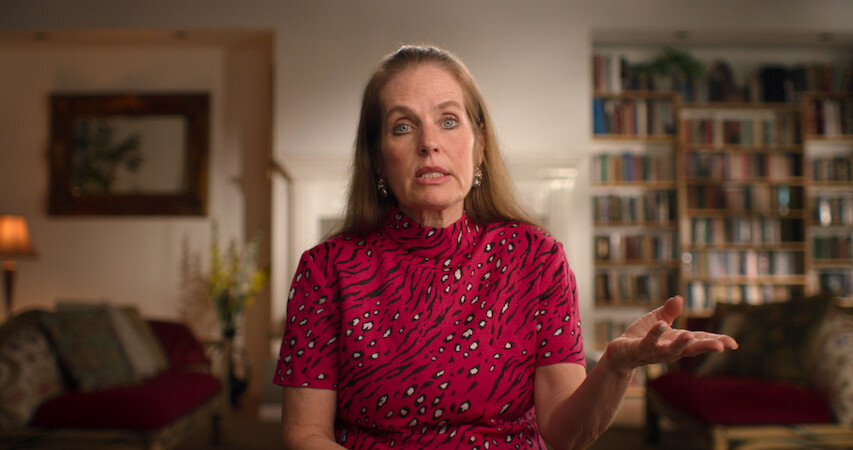
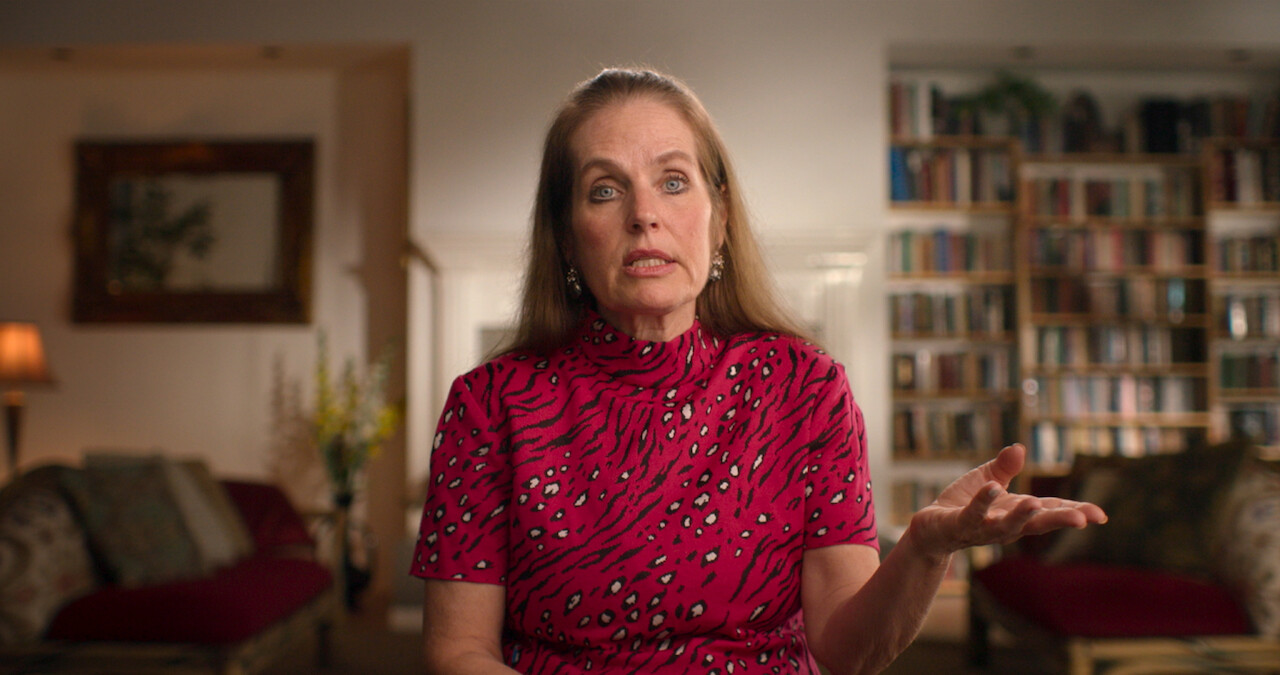
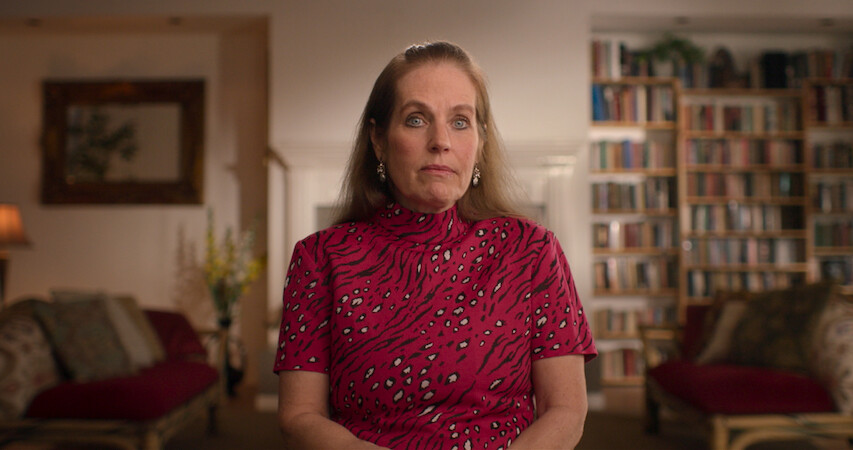
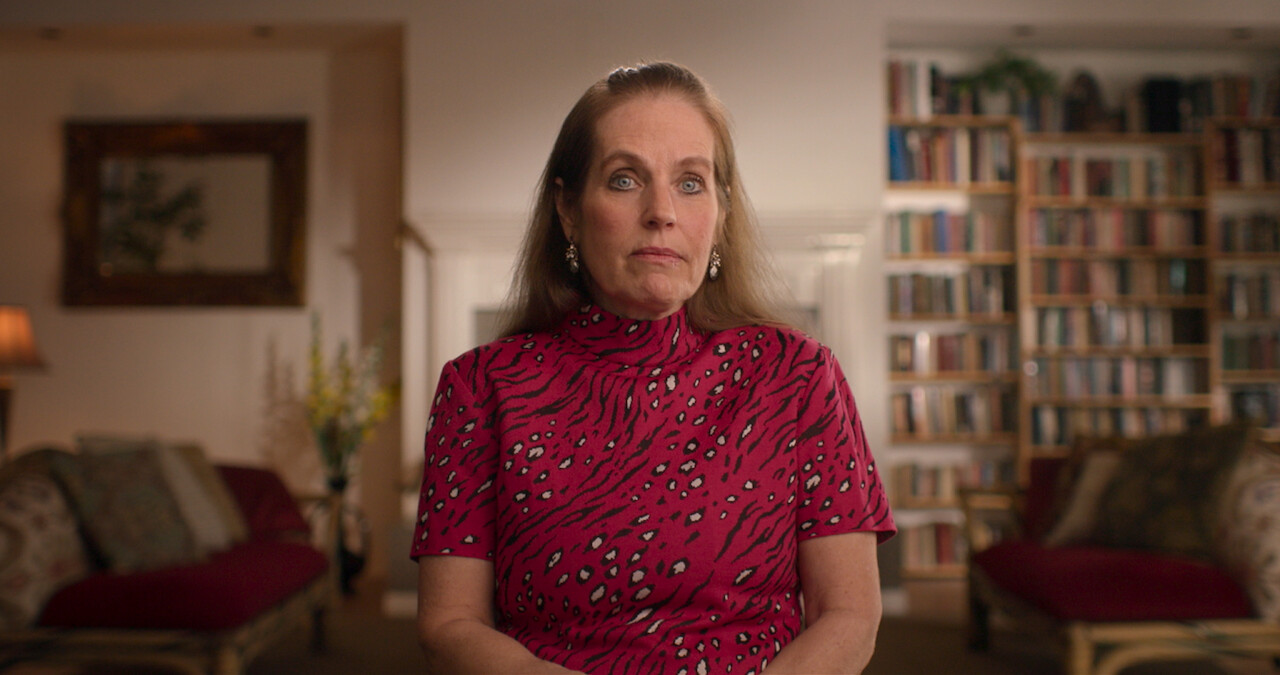
“At the time, they didn’t have a voice. The spotlight was very much on Hunter Moore,” Miller says. “The victims were just a footnote, shamed into silence. Anyone who has been violated by putting a nude picture on the internet, through revenge or hacking, has gone through a very traumatic experience. In making this series, one of our principal motivations was to give those victims a voice.”
Devastated Victim | The Most Hated Man on the InternetThere were a lot of stories just like this.
When it came time to interview the victims who wanted to tell their stories, Miller and Duffy made sure to have guardrails in place to protect them. Duffy and producer Vikki Miller spent weeks in trust-building conversation with the subjects ahead of filming and hired an independent psychologist to assess whether the contributors were mentally and emotionally prepared to participate. They made sure that during the particularly sensitive interviews, only a few key crew members were on set.
However, illustrating the story of the website was a more complicated process. Duffy spent hours poking around the remaining IsAnyoneUp archives (the site was sold in 2012 to James McGibney, who immediately removed it and redirected visitors to an anti-bullying resource). Duffy did her part to ensure that the entirety of the archive was taken down, and she knew there was no way the filmmakers could use any of the imagery, even if they blurred out faces or other defining features.
“In no world would it ever be appropriate to do that,” says Duffy. She explains that using nonconsensually collected imagery, even to tell a story admonishing that very act, would be antithetical to the values of the series. Trickier still was the fact that Duffy couldn’t just hire conventional porn actors to recreate the photos, either.
“I was looking for two main things,” Duffy says. “The first was that it needed to be ethically produced and socially responsible. The second was that it was the right kind of image. What made IsAnyoneUp so popular, and so horrible, was that these were normal people. I needed to find images to reflect that.”
After a tremendous amount of research and back-and-forth discussion on how the original site should be represented, Duffy came across I Shot Myself, a porn website with a massive archive of imagery not unlike what you could once find on IsAnyoneUp — only the I Shot Myself content was procured ethically by willing participants.
“It’s a sex-positive platform that represents self-expression through nudity,” Duffy says. “It’s a paid service. There’s no middle person involved, so everyone is paid directly [for what they post]. It’s incredibly diverse and really representative — there are people of all ages, races and sizes on this site, and they have full control of their image.”
We knew we couldn’t get it wrong. We had to figure out the best way to [tell this story] without retraumatizing the victims.
Alice Duffy
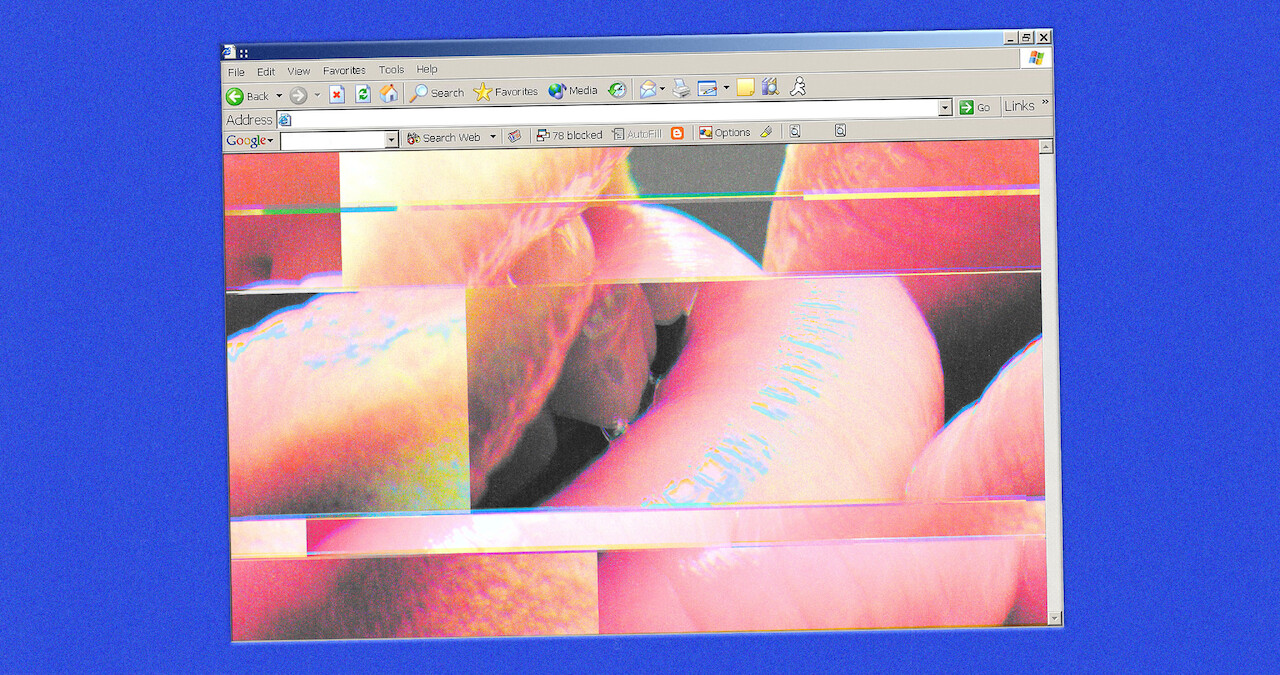
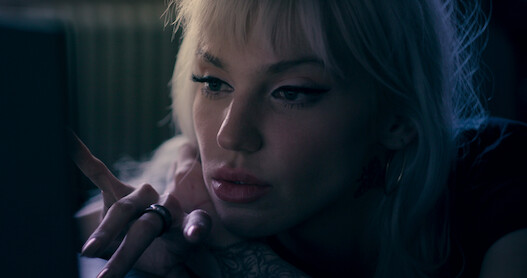
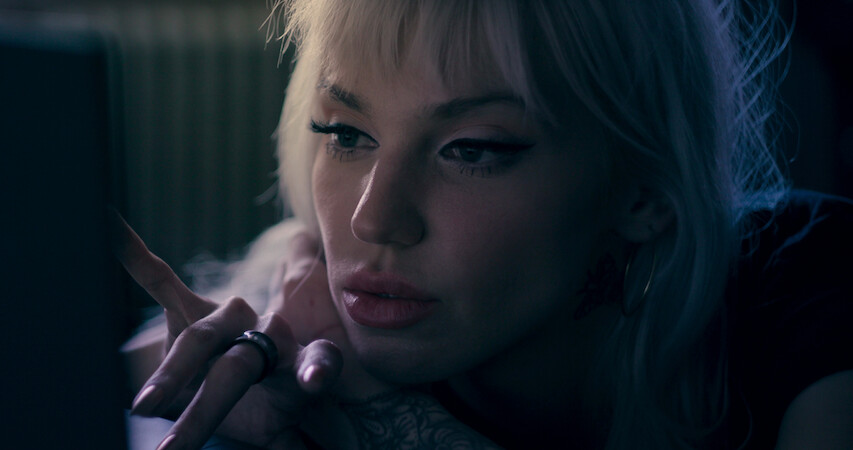
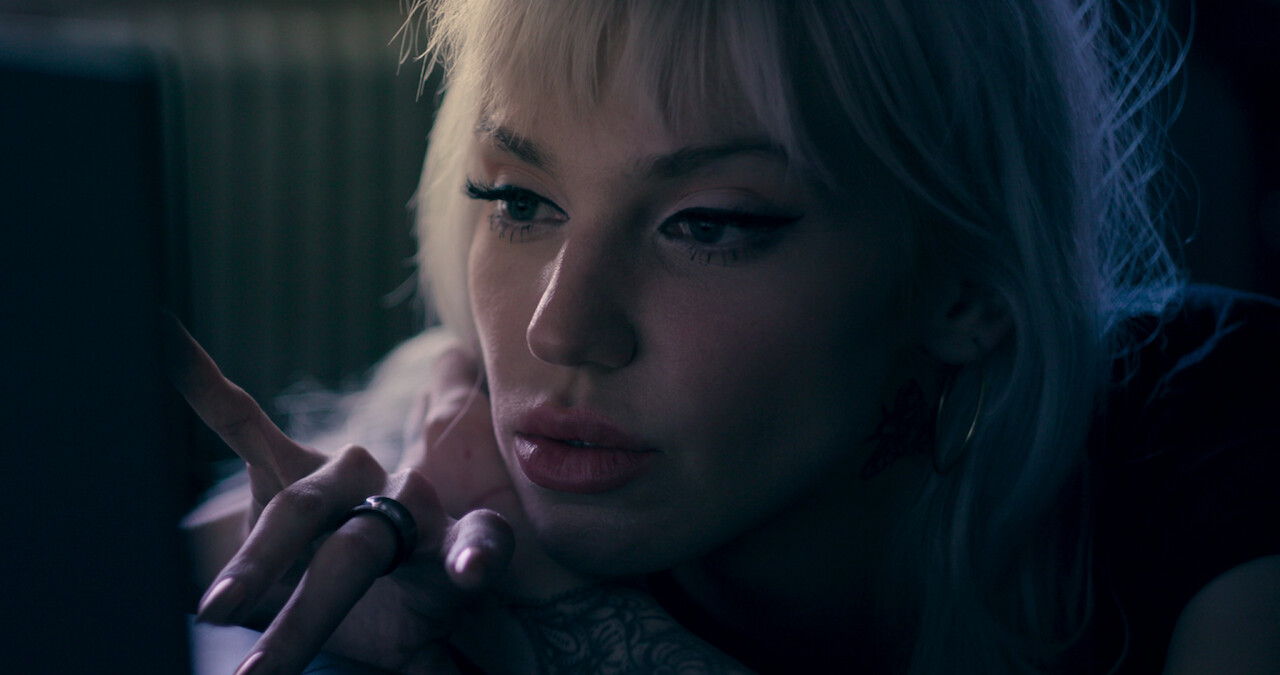
Duffy began the process of sourcing imagery that looked like it could have been from the early 2010s, sifting through photos and videos on I Shot Myself and reaching out to the people who posted them. She eventually selected about 25 men and women to participate. All participants were told how their images would be used in the series before they gave informed consent to license and be compensated for those images. In doing so, The Most Hated Man on the Internet team was able to piece together an authentic visual story about Moore’s original website without replicating the harm it caused.
Duffy says that for some of the participants, the story they were trying to tell resonated more than they’d anticipated.
“Some of them remembered [Moore’s] story,” she explains. “Others had suffered from intimate imagery abuses themselves, been blackmailed over their images, etc. I think within this community, it’s a very present issue.”
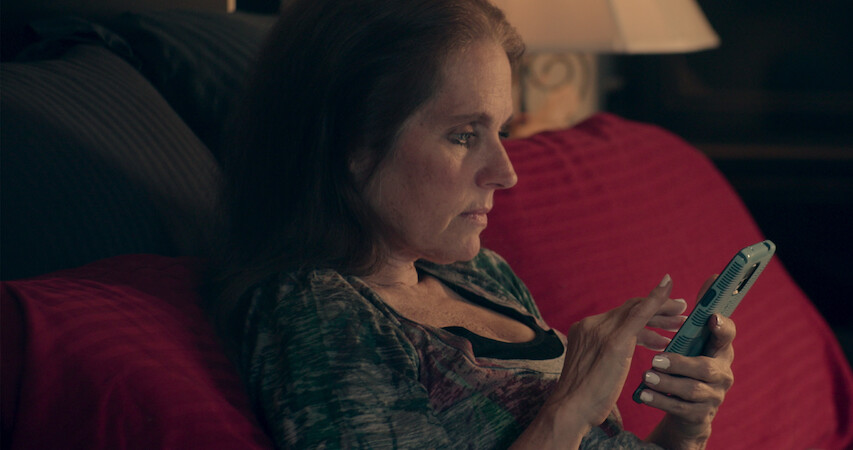
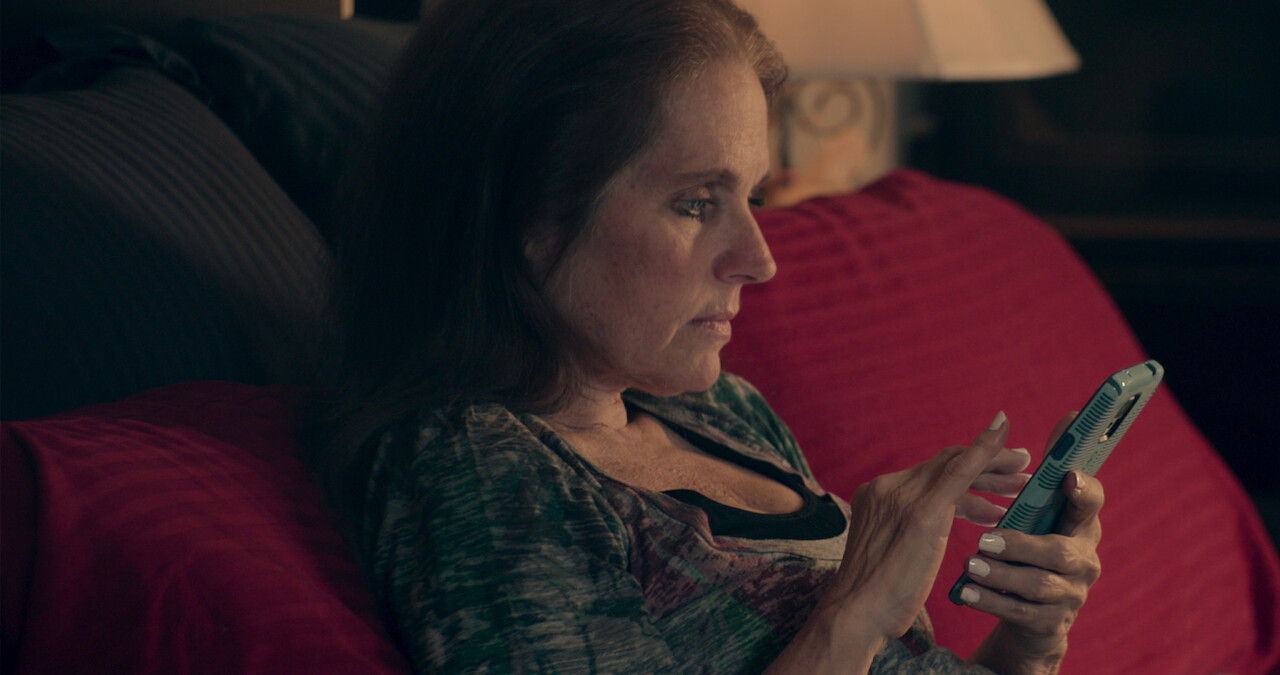
Reimagining the horrors of IsAnyoneUp wasn’t just about the photos — it was also about depicting an endless stream of abusive commentary and targeted social posts, all of which appear in the series exactly as they did on the site and Moore’s Twitter account over a decade ago.
“We felt that [the comments] needed to be reflected in the series,” Miller explains. “It was about how humiliating they were... and Hunter was ever present [in them]. He was leaving comments himself. He was on Twitter and Tumblr. The misogyny on display [was] shocking and uncomfortable.”
All things considered, the resulting docuseries is a visually disturbing time capsule of IsAnyoneUp’s time on the internet — the images are hard to look at, the comments are shocking to read and the interviews are emotional to hear. However, for Rob Miller, Duffy, Vikki Miller and the rest of the production team, re-creating IsAnyoneUp as authentically and responsibly as possible was an effort to do right by the site’s victims, to tell the story from a place of safety, respect and consent — the same safety, respect and consent that Moore’s site stripped from them in the first place.
“The easy thing to do would have been to just blur the photos [from the original] website,” Miller says. “What Alice did, and what Vikki did, really set a new standard in terms of how to tell these important stories in a really responsible way.”