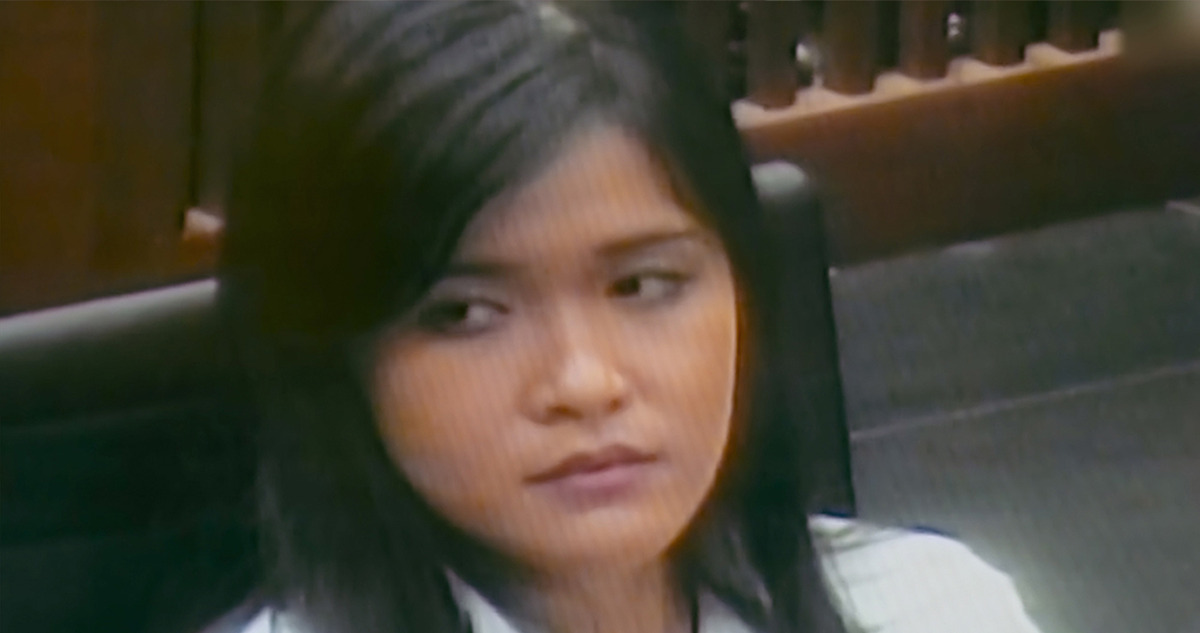
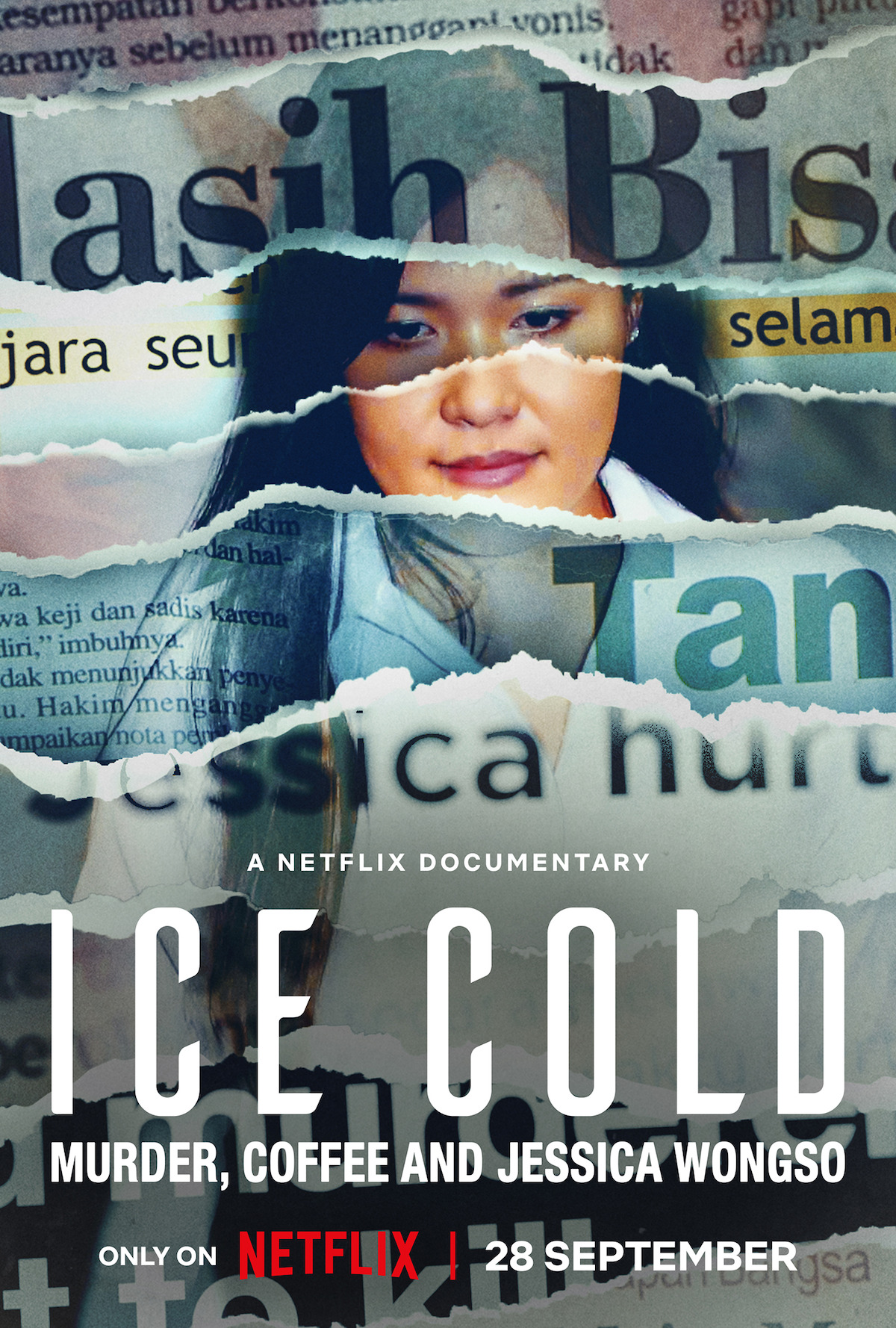
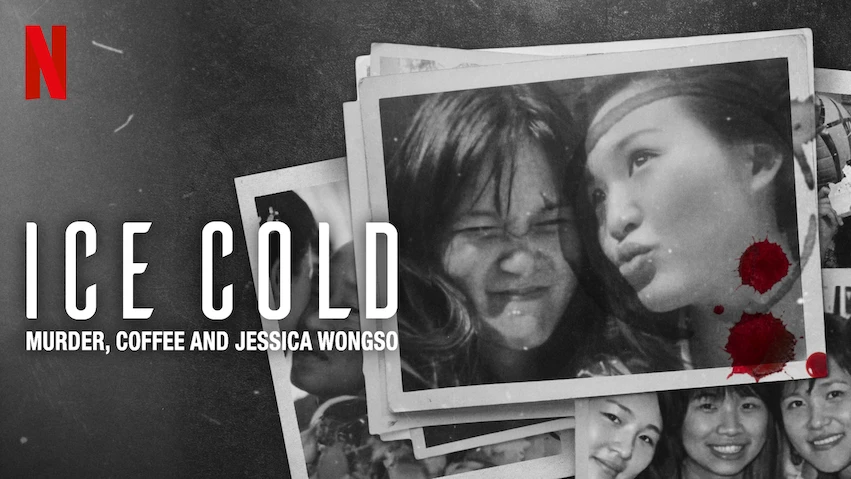
What begins as a simple café date among friends ends up with one dead and another behind bars. Now a new documentary, Ice Cold: Murder, Coffee and Jessica Wongso, looks back at the alleged fatal poisoning of 27-year-old Mirna Salihin and the murder trial of her friend Jessica Wongso. Dubbed the “cyanide coffee case” by the Indonesian media circus that seized on the story, it was as sensational as the O.J. Simpson trial in the US, and as controversial. But, the film asks, should Jessica Wongso have been found guilty after all?
From director Rob Sixsmith (The Raincoat Killer: Chasing a Predator in Korea), Ice Cold: Murder, Coffee and Jessica Wongso reconsiders the shocking story through original interviews with Mirna’s family, the defense and prosecutorial teams, and others close to the case, including a prison interview with Jessica herself. As the documentary unfolds, strange events and potential loopholes emerge in the courtroom proceedings, raising the question: Was justice really served? And if not, then what did happen to Mirna Salihin?
When will Ice Cold: Murder, Coffee and Jessica Wongso be released?
Stream it here.
Where can I find the trailer for Ice Cold: Murder, Coffee and Jessica Wongso?
Check it out at the top of the article.
Who’s featured in Ice Cold: Murder, Coffee and Jessica Wongso?
• Mirna Salihin, a 27-year-old newlywed, whose death is the subject of the documentary
• Jessica Wongso, an Indonesian-born permanent resident of Australia, charged in the suspected murder of her friend
• Otto Hasibuan, a prominent lawyer in Jakarta who serves as the lead counsel on Jessica’s defense team
• Edi Darmawan Salihin, Mirna’s father, who strongly asserts Jessica’s guilt
• Sandy, Mirna’s twin sister, who relocates to Germany to escape the stress of media attention
What happens in Ice Cold: Murder, Coffee and Jessica Wongso?
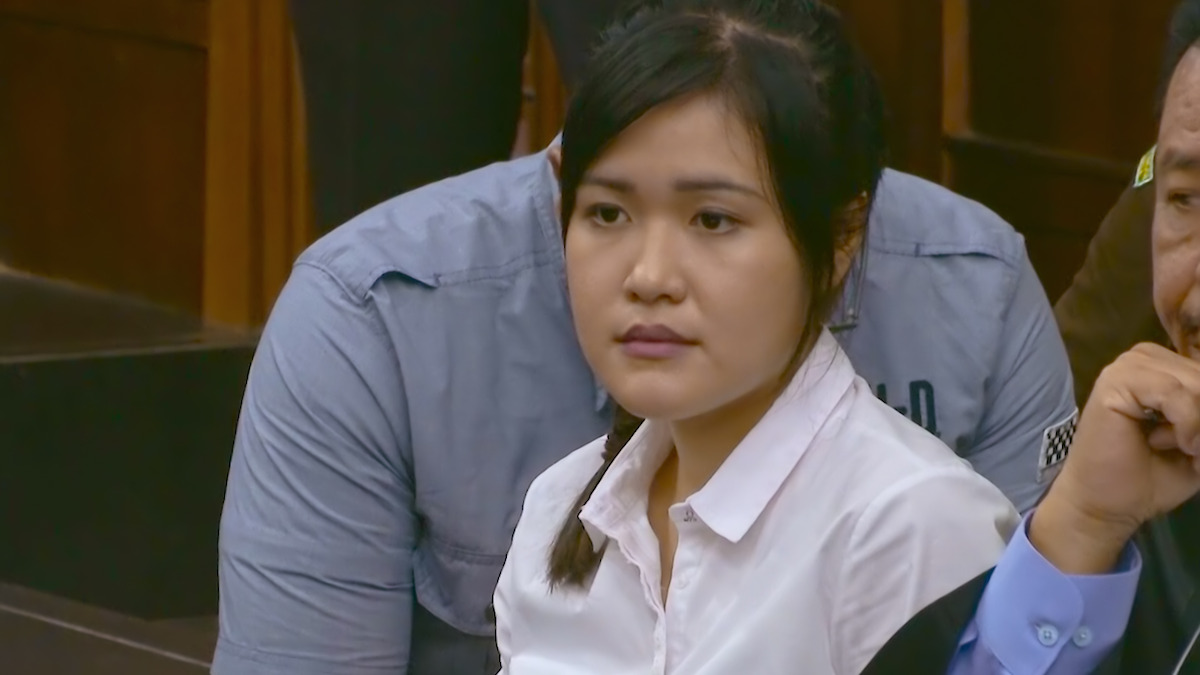
On Jan. 6, 2016, Jessica Wongso and Mirna Salihin had planned to meet for coffee at Olivier, a popular café in Jakarta. The two had been close friends when they were both students at Billy Blue College of Design in Sydney, and now Jessica, a permanent resident of Australia, was back in town for a visit. According to the film, Jessica arrived ahead of Mirna and another friend and ordered for them — but almost immediately after Mirna began drinking her Vietnamese iced coffee, CCTV footage shows her convulsing and collapsing. Rushed to a nearby hospital, she was pronounced dead.
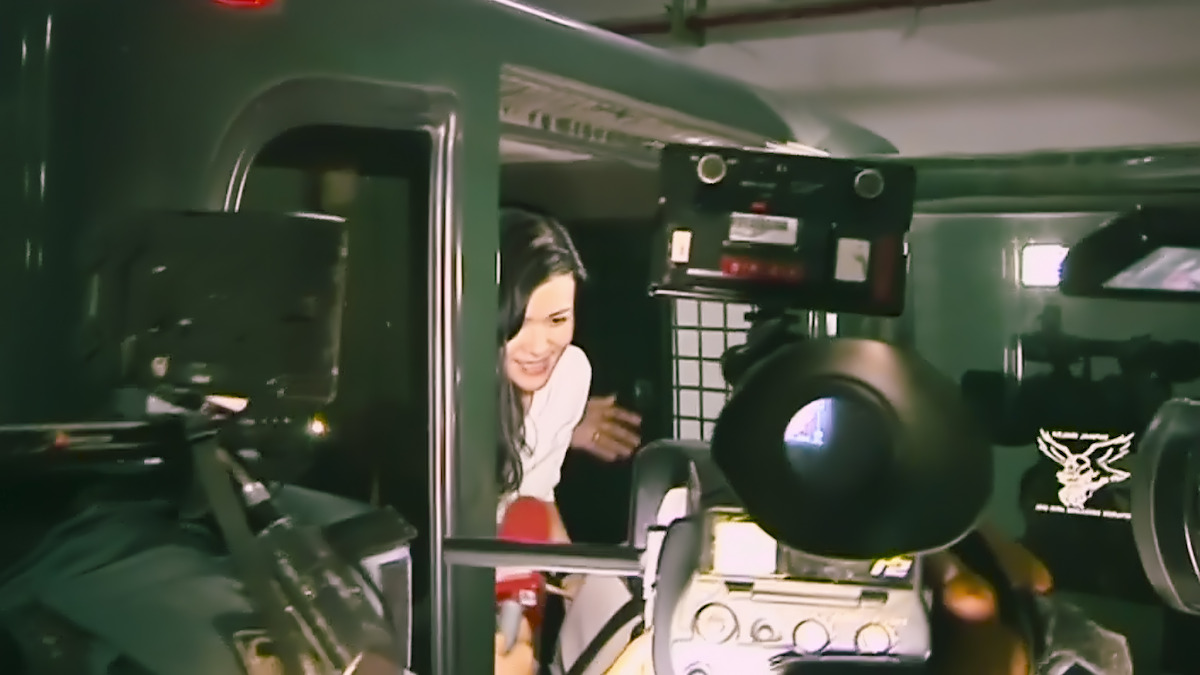
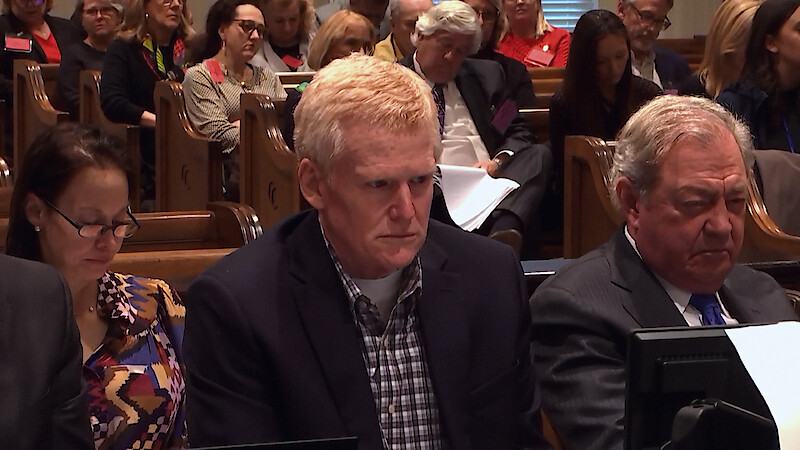
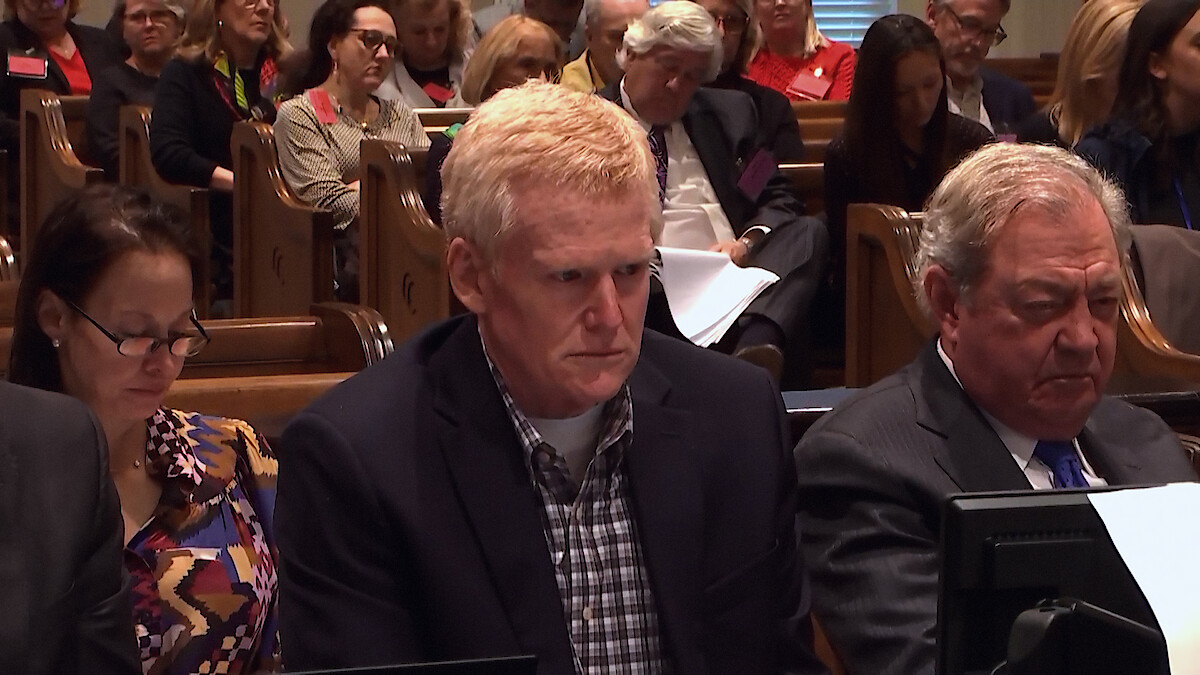
Through original interviews with everyone from the baristas to the celebrity lawyer who defended Jessica, Ice Cold: Murder, Coffee and Jessica Wongso attempts to reconstruct what happened that day — and in the hours afterward. Mirna’s father, Edi, offers his own numerous theories as to Jessica’s guilt while recounting his version of events in the film. As the documentary shows, the trial dragged on for months, with courtroom days stretching well into the night and televised broadcasts temporarily topping popular Indonesian daytime dramas in ratings: The “cyanide coffee case” essentially became its own soap opera. Jessica’s attorney, legal experts, and some of the “case enthusiasts” (who hotly debate the proceedings on social media) cite gaps in the testimony and a lack of hard evidence.
The subjects interviewed in the film raise numerous questions of their own: Was Jessica unstable and seeking revenge on Mirna, or was she simply the easiest suspect to charge? Was cyanide even involved? In Indonesia, as the film shows, there’s no trial by jury. Instead, an assembly of judges decides the verdict — and in Ice Cold: Murder, Coffee and Jessica Wongso, Jessica’s fate rests with these three men.
What happened to Jessica Wongso?
Jessica Wongso was eventually found guilty of premeditated murder in the death of Mirna and has served 7 years of her 20-year sentence. As the film states, she has currently exhausted all options for appeal. A permanent resident of Australia, she wasn’t given the death penalty.
Is Ice Cold: Murder, Coffee and Jessica Wongso based on a book?
No, it’s not based on a book.
Is Ice Cold: Murder, Coffee and Jessica Wongso based on a true story?
Yes, it’s based on a true story.
Where does Ice Cold: Murder, Coffee and Jessica Wongso take place?
The documentary takes place in Jakarta, Indonesia.
Where can I learn more about Ice Cold: Murder, Coffee and Jessica Wongso?
You can read past coverage of the case and the trial here and here.