Culture
In ‘Russian Doll,’ Natasha Lyonne Uses a Vintage Flourish to Speak Volumes
Nadia’s wisecracking recalls sitcoms and Golden Age comedies.
By Max Cea
April 20, 2022
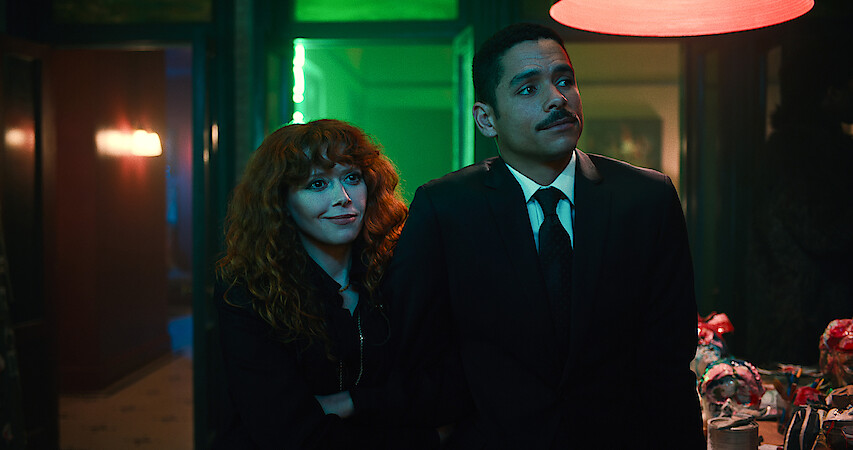
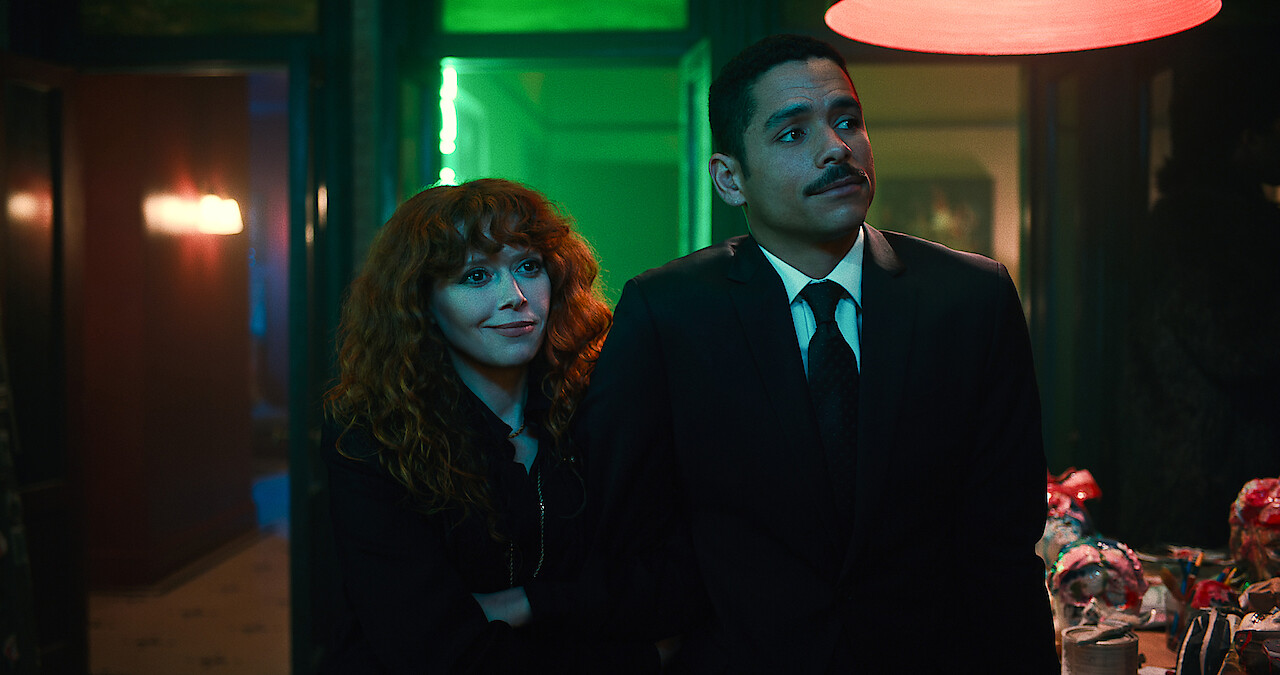
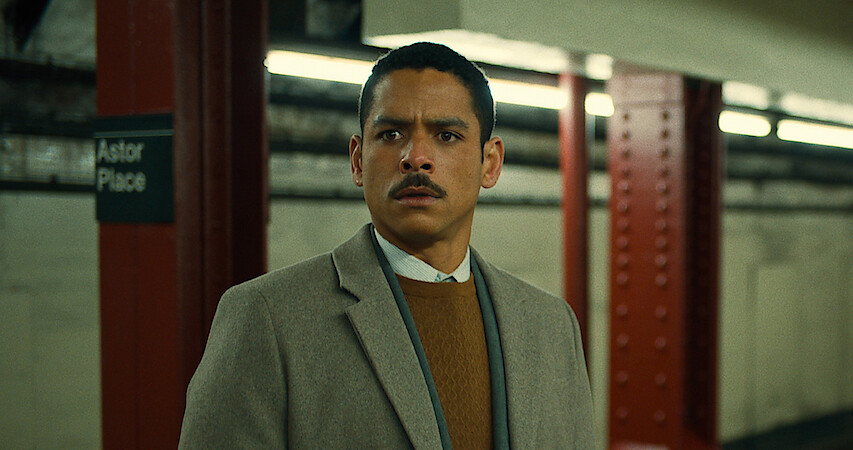
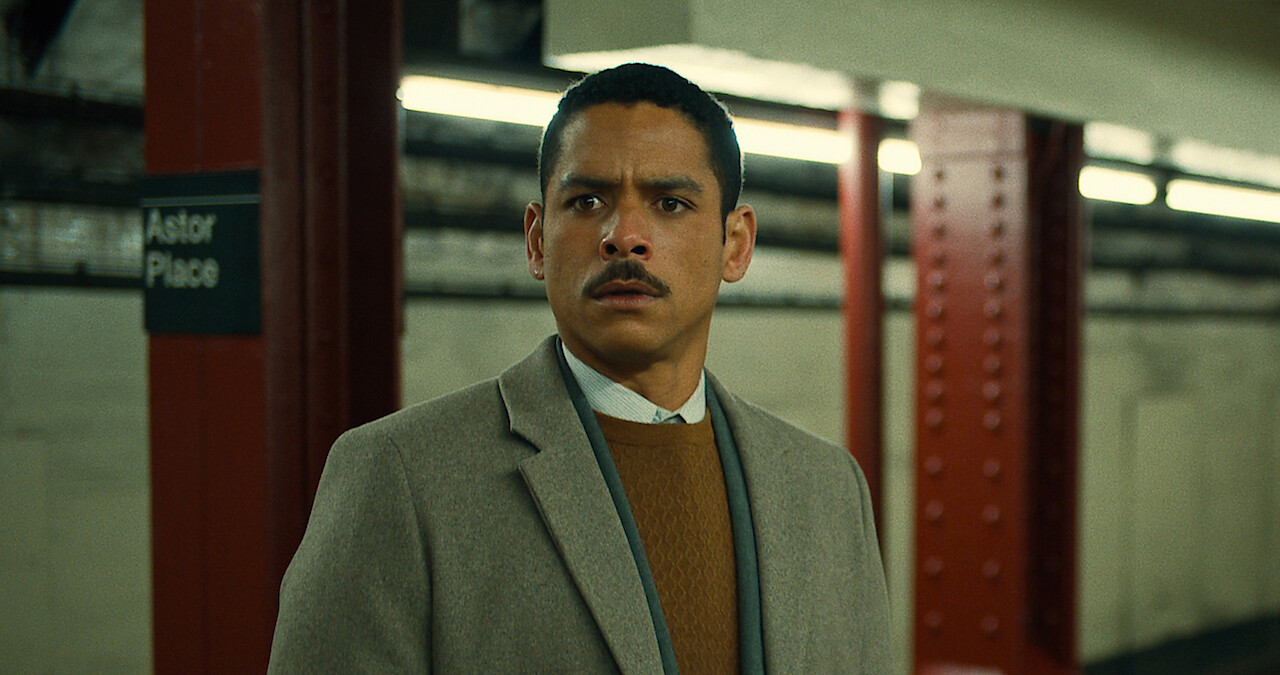
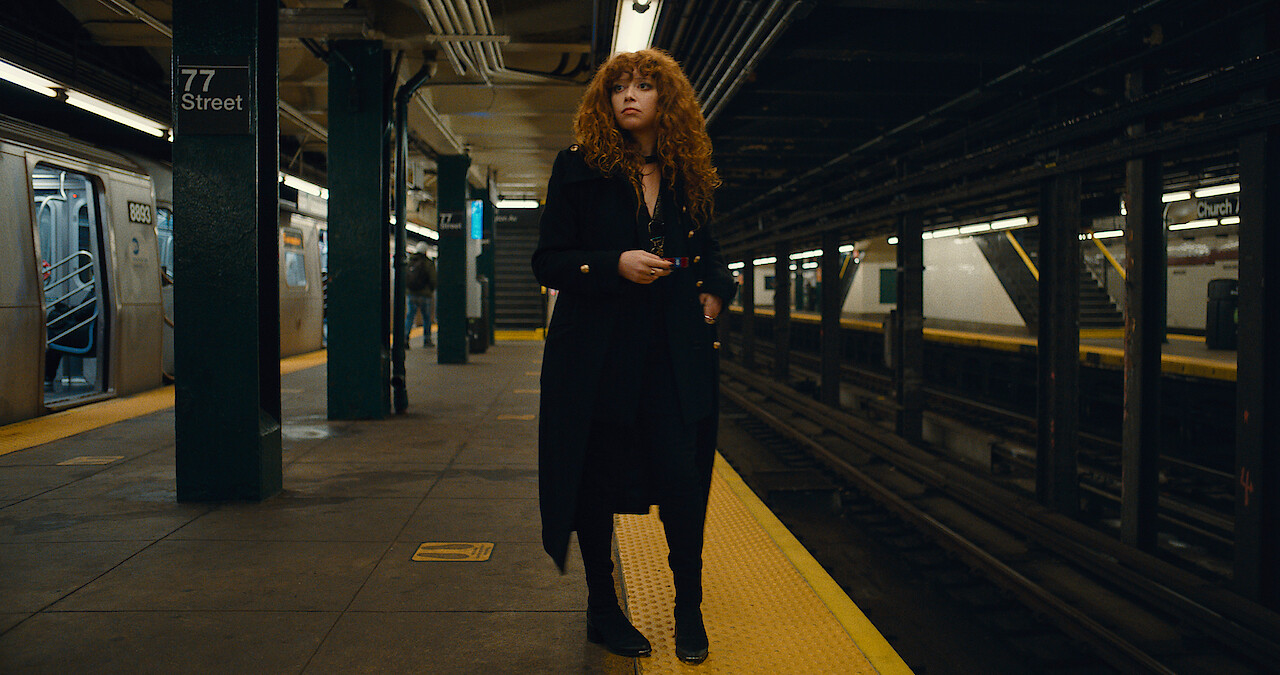
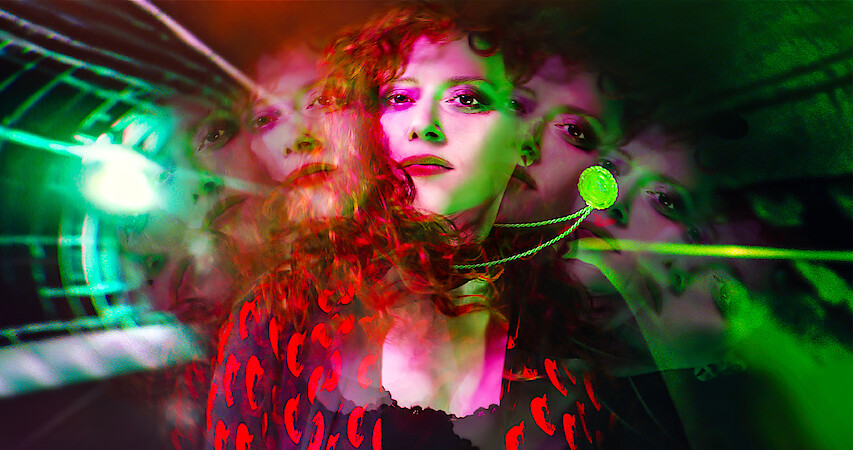
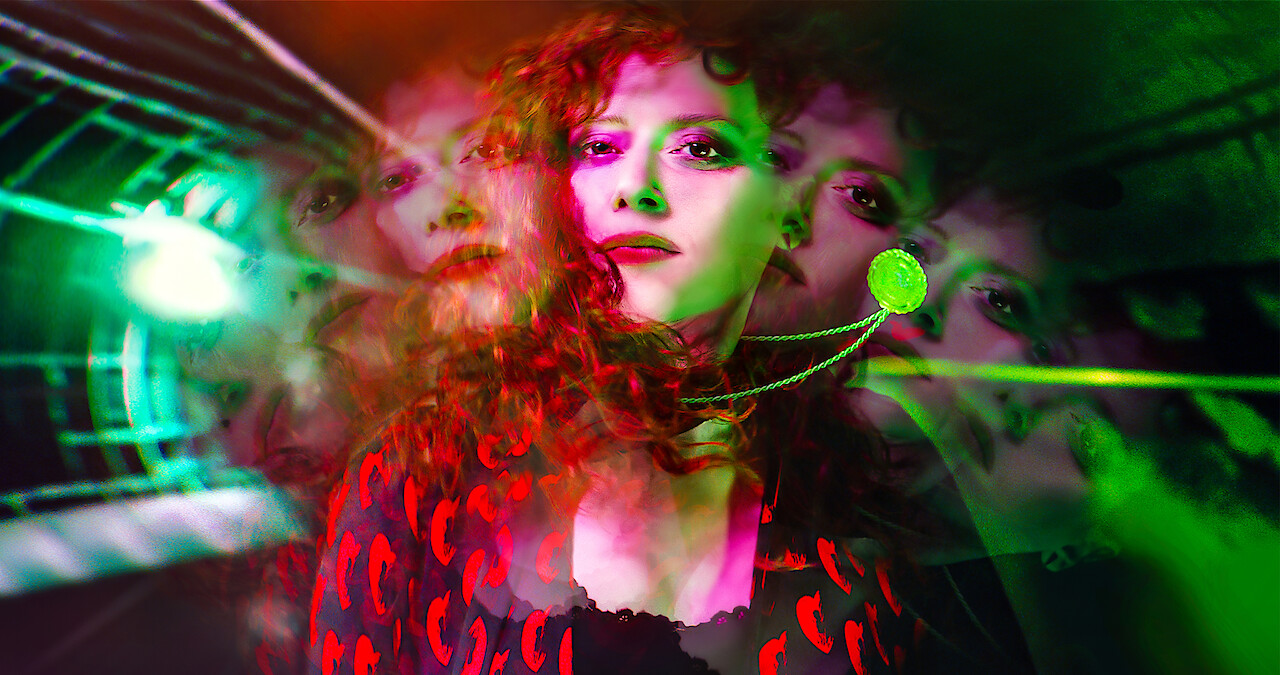
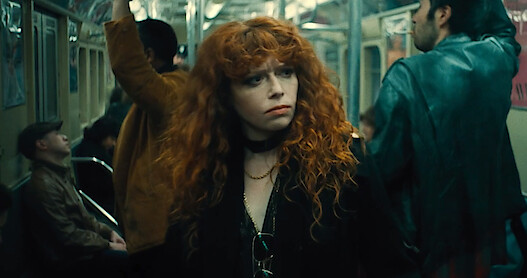
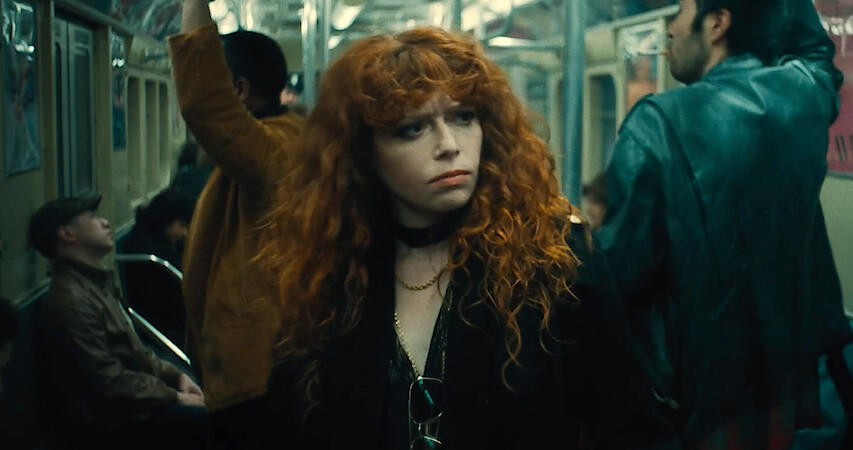
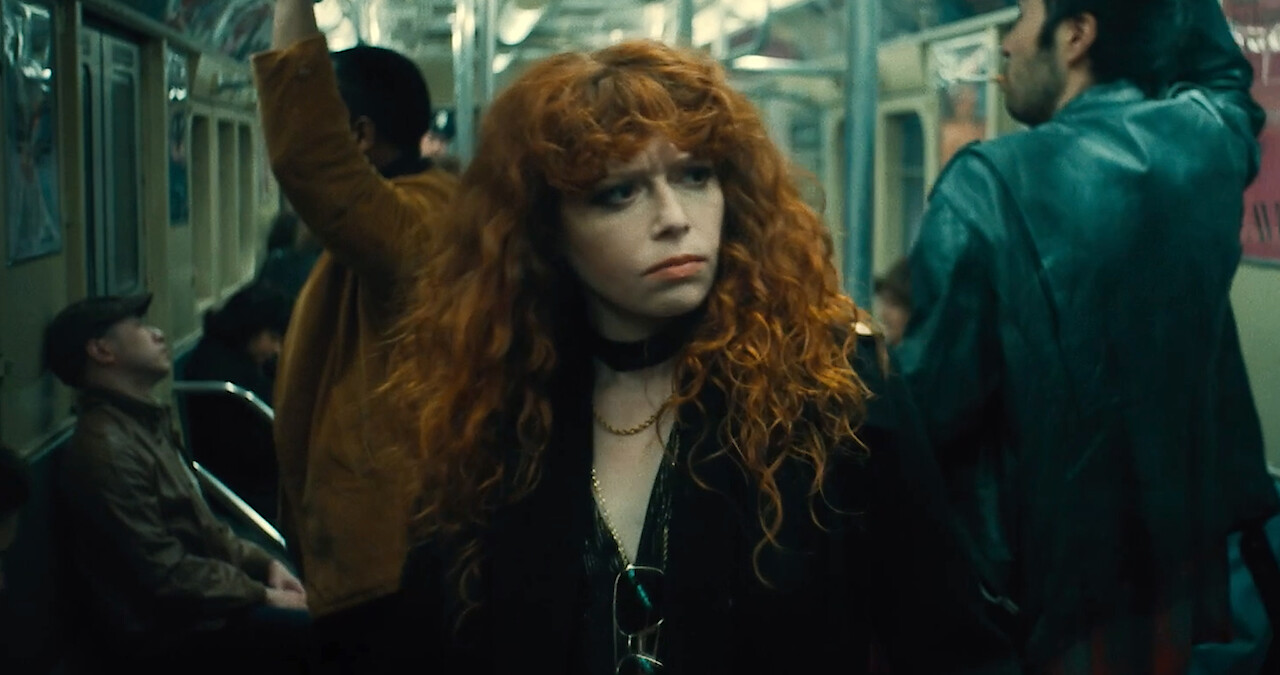
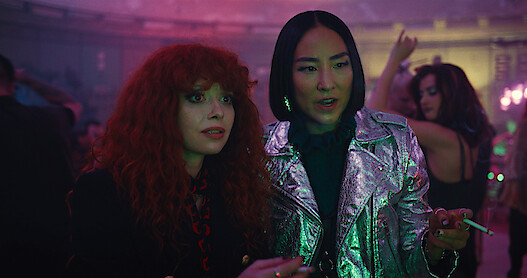
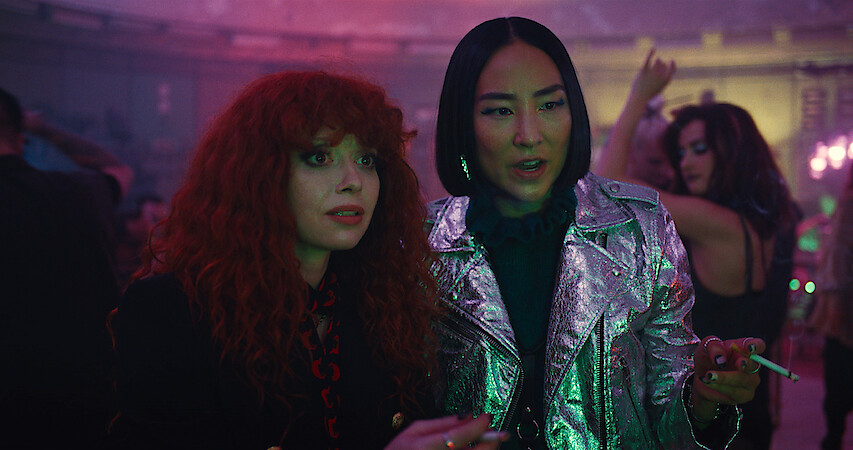
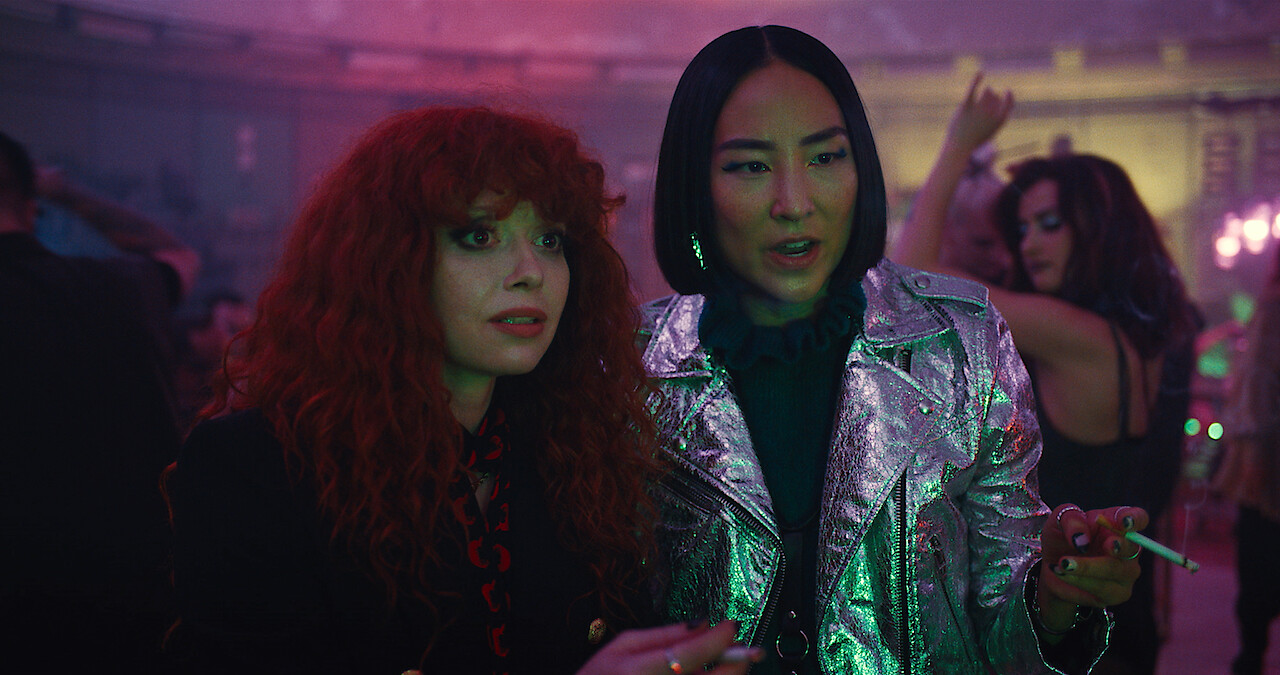
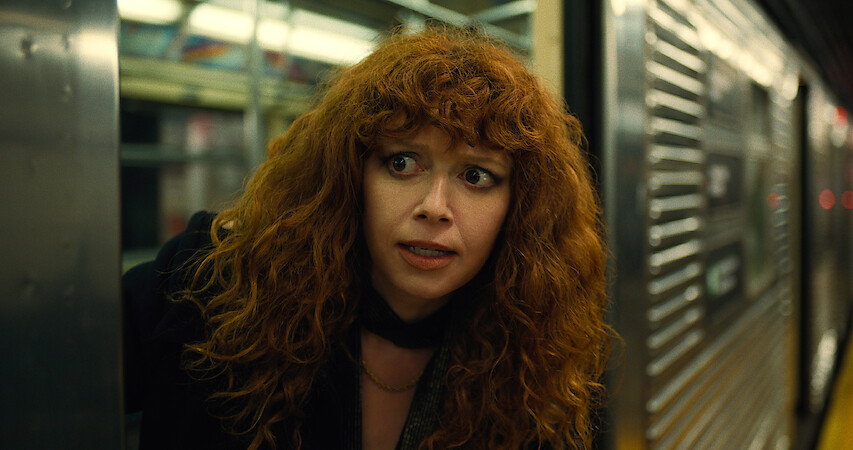
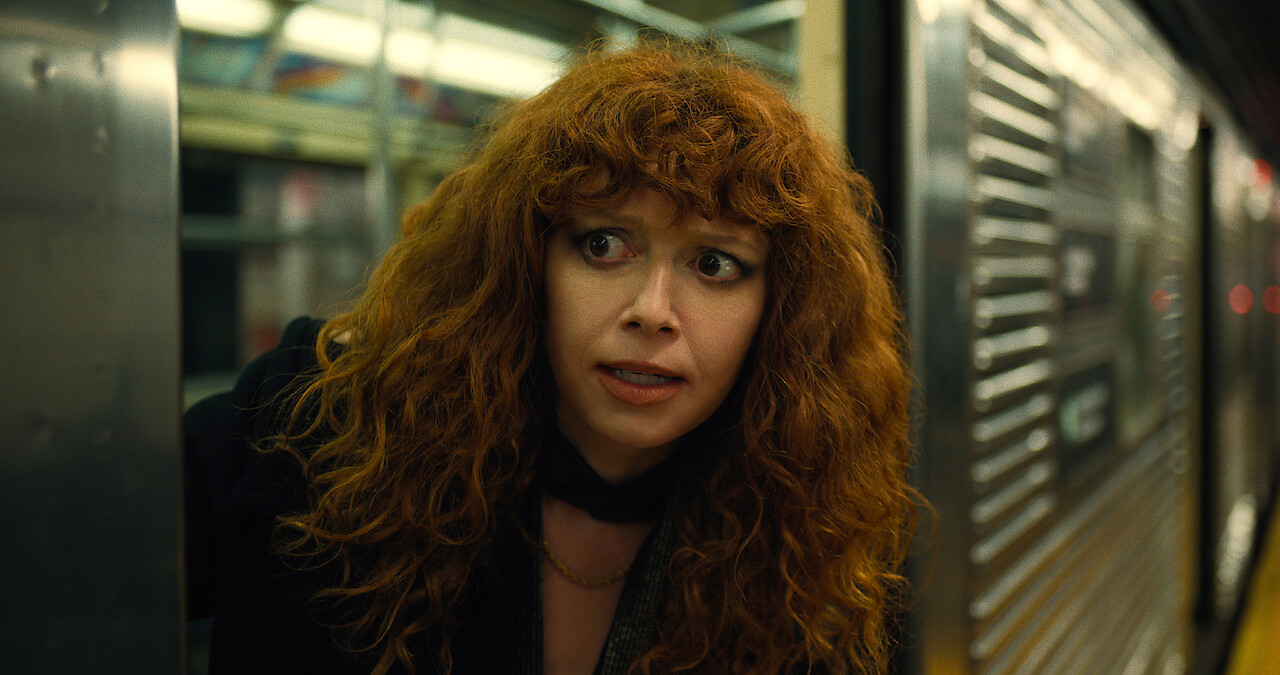
New Yorkers are no strangers to time travelers. In the Big Apple — and particularly downtown in the ’80s — there’s never a shortage of people claiming to possess supernatural powers. Perhaps that’s why, when the 6 train unexpectedly delivers Nadia (Natasha Lyonne) back to 1982 in Season 2 of Russian Doll and she proceeds to rant about it, she’s universally met with nonplussed reactions. People on the subway avert their eyes. A stranger at a bar quietly indulges her. And when she runs into her mother’s then-boyfriend — did I mention she’s in her mother’s body? — he completely disregards her assertions that she doesn’t know him.
But New Yorkers’ desensitization to wild pronouncements isn’t all what’s going on here: When the show plops Nadia in an unfamiliar time, her disoriented musings and referential quips are pitched more to the audience watching at home than the characters within the world of the show.
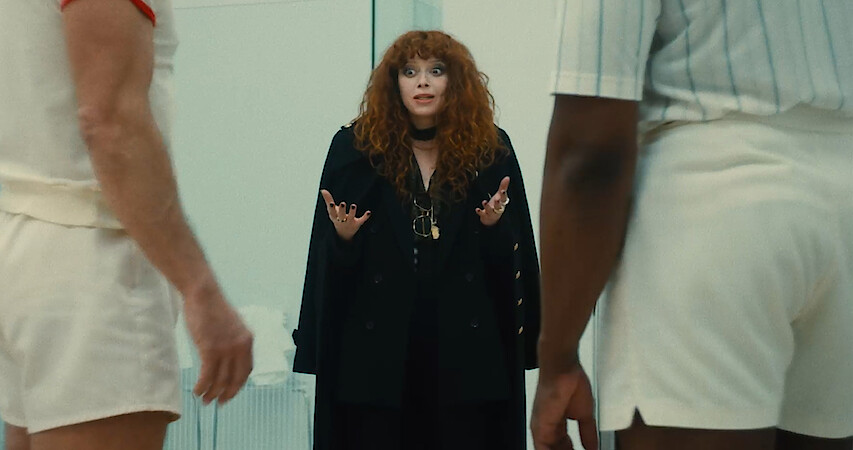
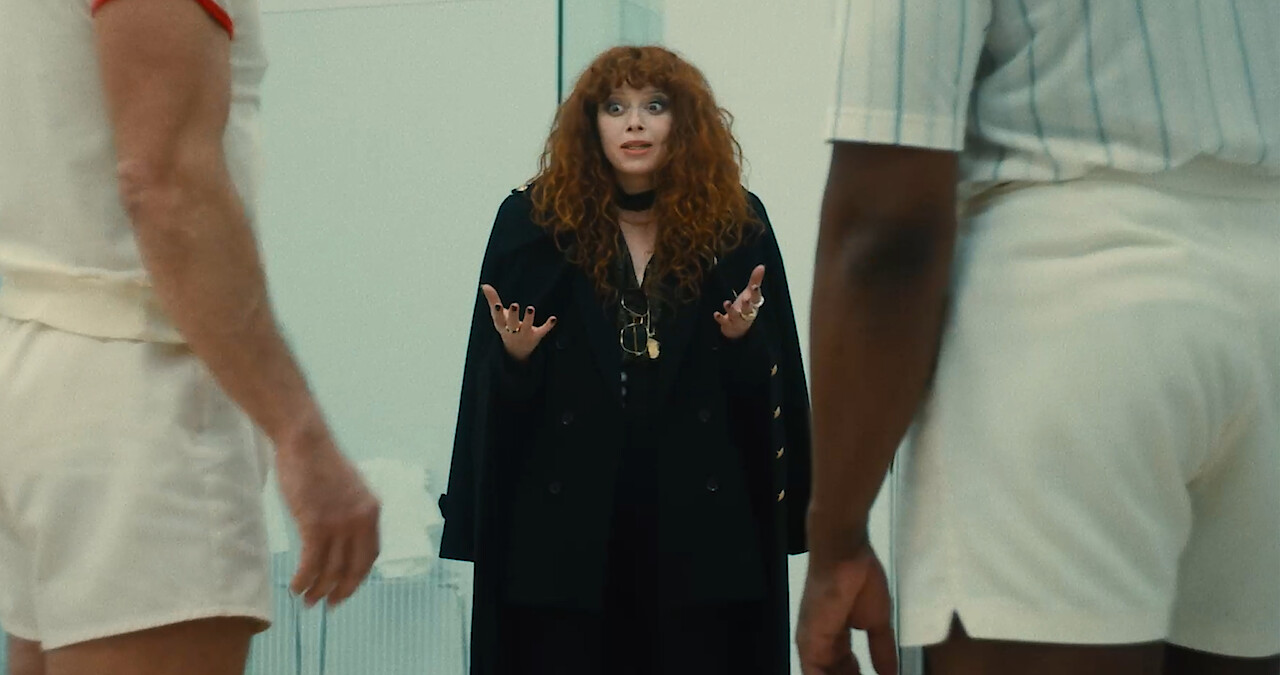
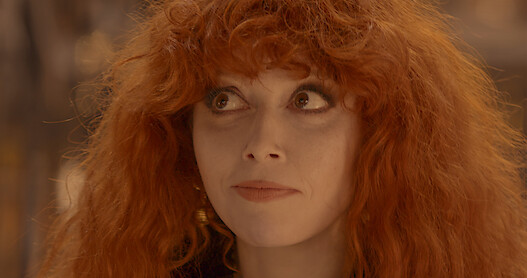
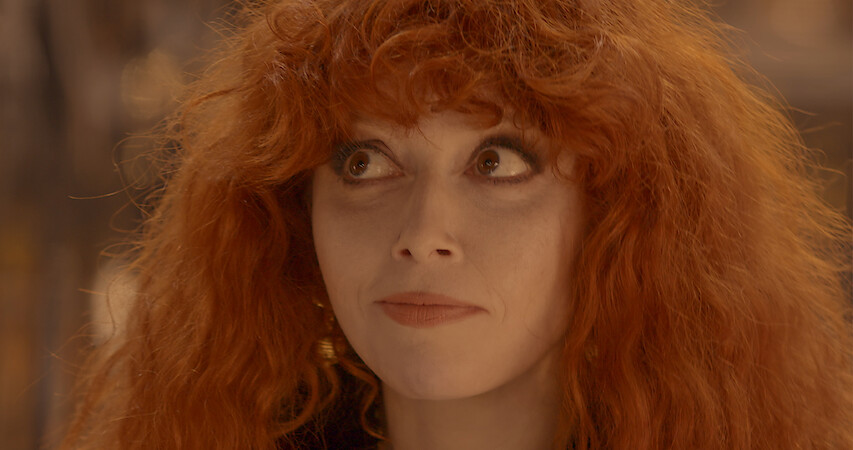
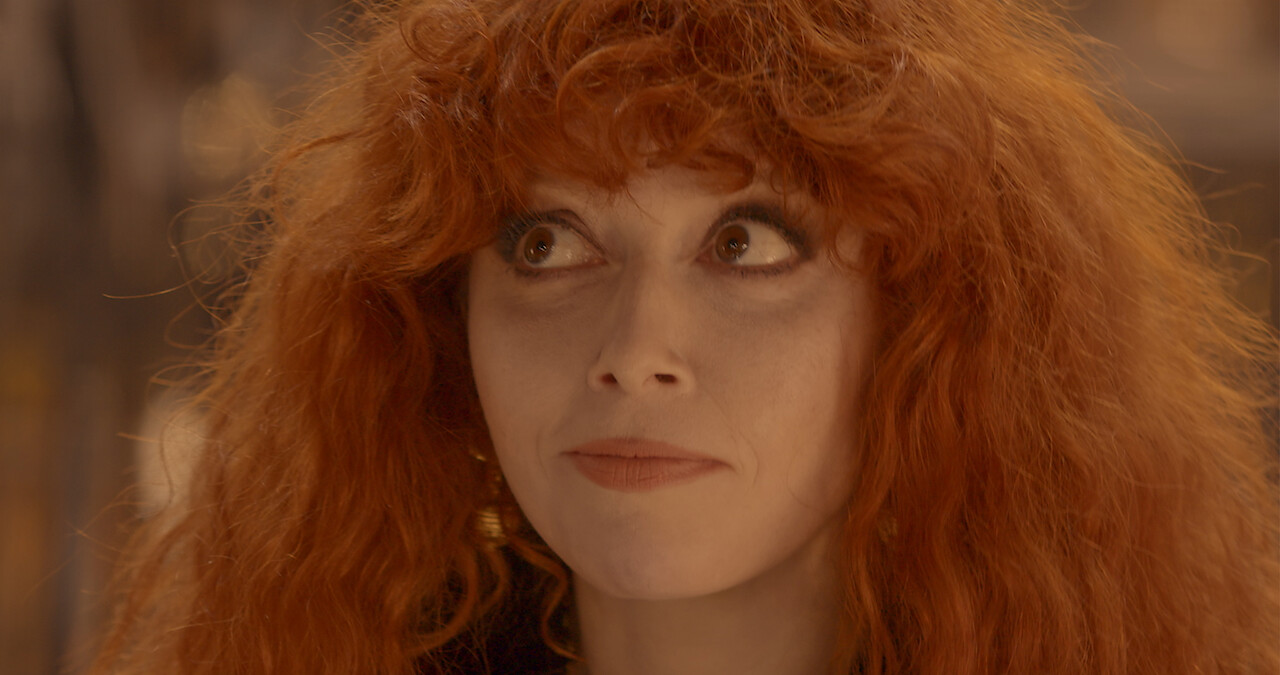
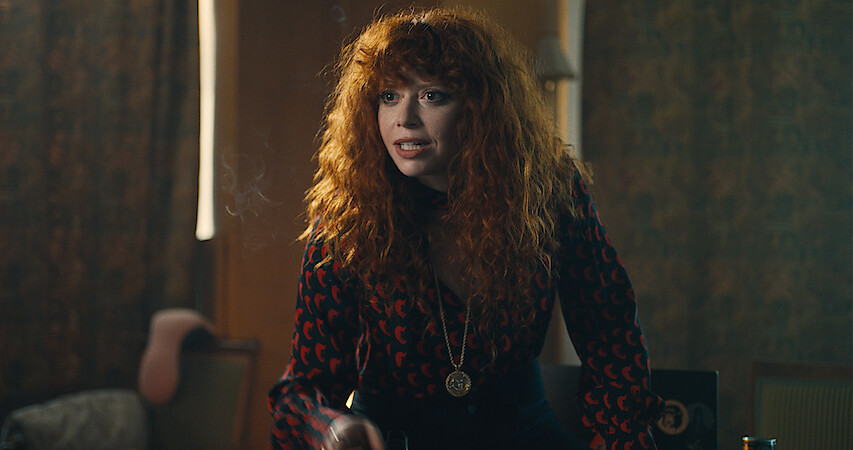
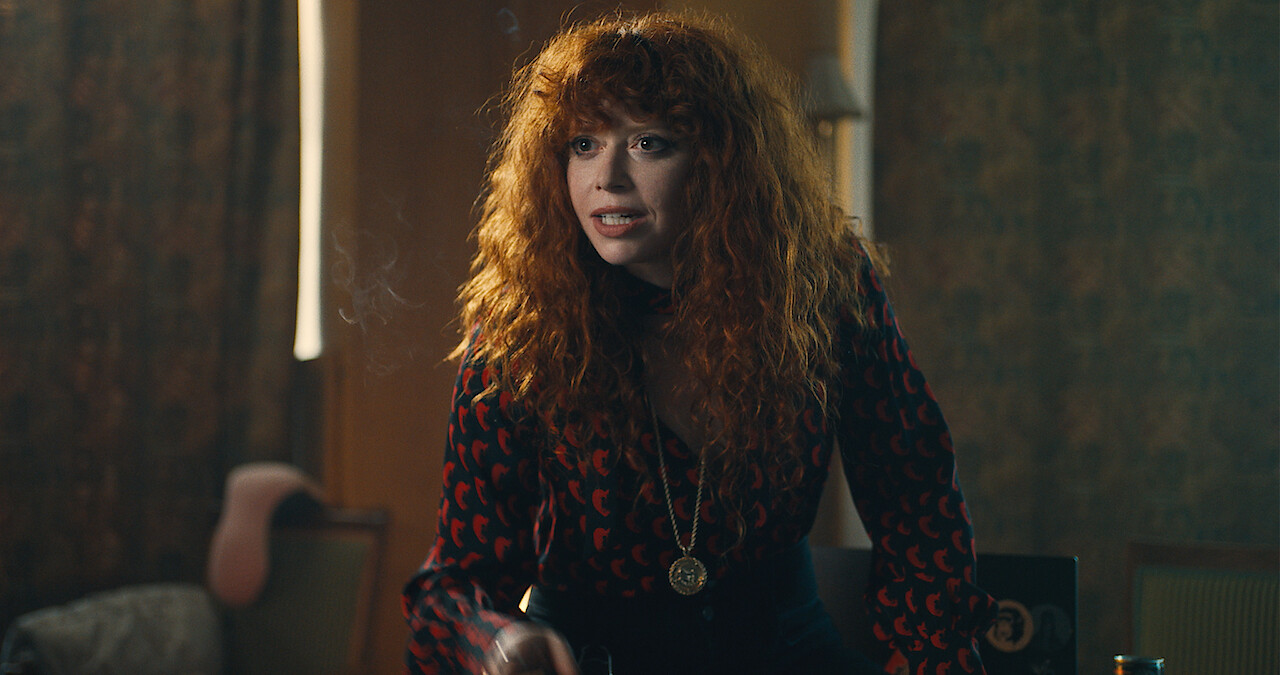
As Nadia, Lyonne never breaks the fourth wall, but she bumps up against it. She’s in a perpetual state of wisecracking, always playing to a room bigger than the one she’s in. “What is this? Some kind of ’80s flashmob?” she says, noticing the ads and outfits on the train. And then to a mohawked man with aviators: “Hey, Travis Bickle, what year do you think it is, man?”
Performative characters and blatantly written jokes have long been the lifeblood of scripted half-hour comedies, but Russian Doll isn’t your scripted half-hour of yore. The show is narratively audacious, visually ambitious and, ultimately, as much a drama (and a weighty one at that!) as it is a comedy. It’s among a post-prestige cohort of dramedies (think Louie, Atlanta or Barry) that flaunt old rules and function more like auteurist films than traditional sitcoms. On these shows, humor more often comes from the absurdity of a situation than a well-crafted zinger. And there are definitely no laugh tracks nor the sort of setup-punchline jokes that would precede them.
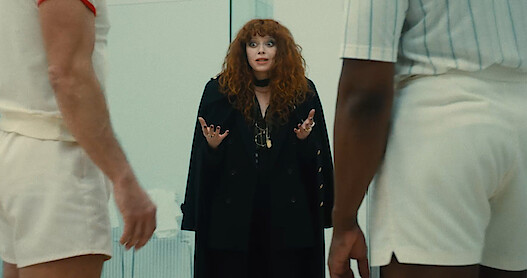
That’s why Nadia’s repartee stands out within the world of the show. Though there could be a laugh track on Russian Doll, there is a conspicuous lack of one. Take, for instance, the moment in Episode 1 when Nadia visits her godmother Ruth in the hospital. After hearing about Ruth’s fender-bender, Nadia replies, “That’s what you get for going to Jersey. It’s free to get in, but you have to pay to get out.” If not a chorus of canned laughs, the line at least warrants a rim shot. Instead, the show leaves small beats for the audience to react.
Lyonne’s speaking rhythms have been compared to those of a “borscht belt comedian.” And her gruff, wiseguy schtick sometimes brings to mind the likes of Jackie Mason or Rodney Dangerfield. (Lyonne often likens herself to voluble wiseguys Joe Pesci and Peter Falk.) But what jumped out watching this season of Russian Doll was how closely Lyonne’s sardonic soliloquies recalled those of Golden Age icons like Katharine Hepburn or, most of all, Mae West. (F. Scott Fitzgerald once said of West, "[She’s] the only Hollywood actress with both an ironic edge and a comic spark” — and the same could be said of Lyonne today.)
As in those Golden Age comedies, Lyonne is always ready with a witty retort, and when she rattles one off, it’s often as if it dissipates into thin air. Other characters don’t laugh or respond to the joke; instead, things just keep chugging forward. At one point, while asking a priest in 1944 Budapest for help, she references Schindler’s List and then digresses — “Then again, is it Spielberg’s best film? No. That’s the first episode of Columbo.” — the priest barely bats an eye. On a show as surreal and subjective as Russian Doll, it’s sometimes unclear whether Nadia is actually speaking everything we hear her say, or if some of it is just an internal monologue. “1944. I’ve been looking for you, you little cock tease,” she says when she first gets off the train in Budapest.
Regardless, the nonstop wisecracking can be interpreted as a shield. Back in 1997, when Lyonne was up for the role (she eventually landed) in Tamara Jenkins’ Slums of Beverly Hills, Jenkins was unsure whether Lyonne was right for the part because, “I was, like, she’s really interesting, but I don’t know. She talks like she’s walking out of ‘Mean Streets’ or something,” Jenkins told The New Yorker, adding that she “kept saying [to Lyonne], ‘We have to peel back your De Niro thing, because I want to know who you are, and I want to be able to have your vulnerability present.’”
Russian Doll is, above all, a show about navigating past trauma, and the series asks Nadia to do exactly what Jenkins described: Peel back her “De Niro thing” and become more vulnerable. This season’s cosmic anomaly — or is it an MTA issue? — forces Nadia to confront not just the trauma of her youth, but the trauma inherited by Jewish ancestors who fled Europe during the Holocaust. By literally walking in her ancestors’ shoes and having to excavate the depths of their struggle, Nadia does, by the end of the season, stop performing, drop her ironic detachment and feel. It’s in these moments of pure feeling that all of Nadia’s snarky jokes really pay off. Ultimately, you learn that they were a set-up — not to a punchline but to pathos.