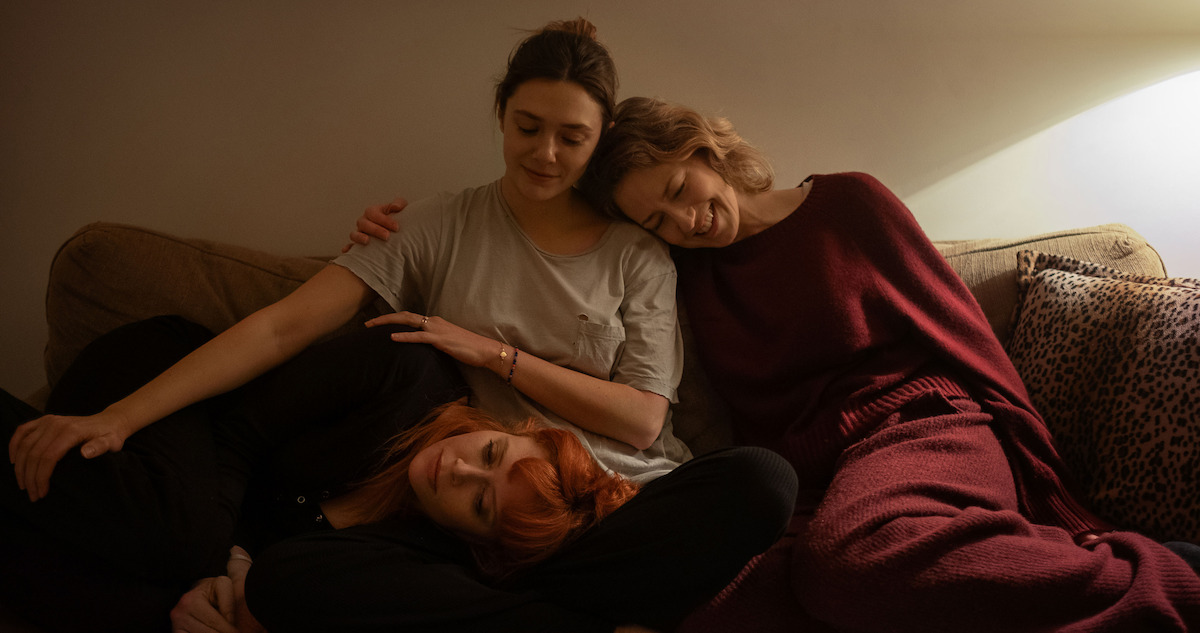
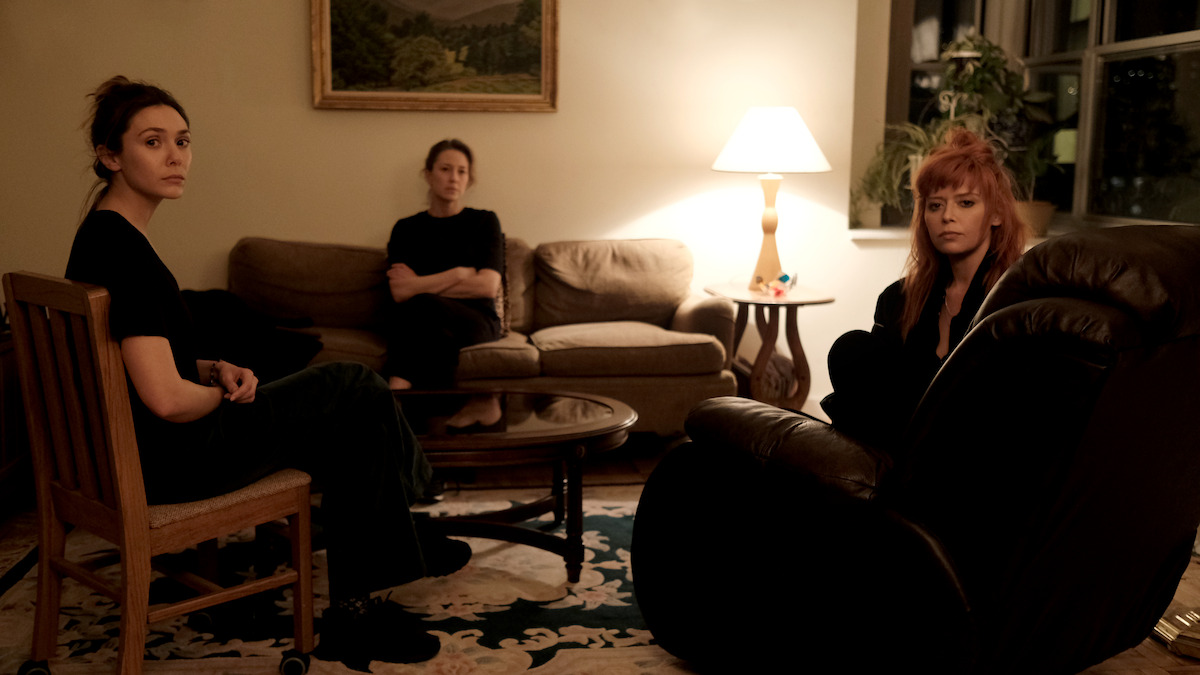
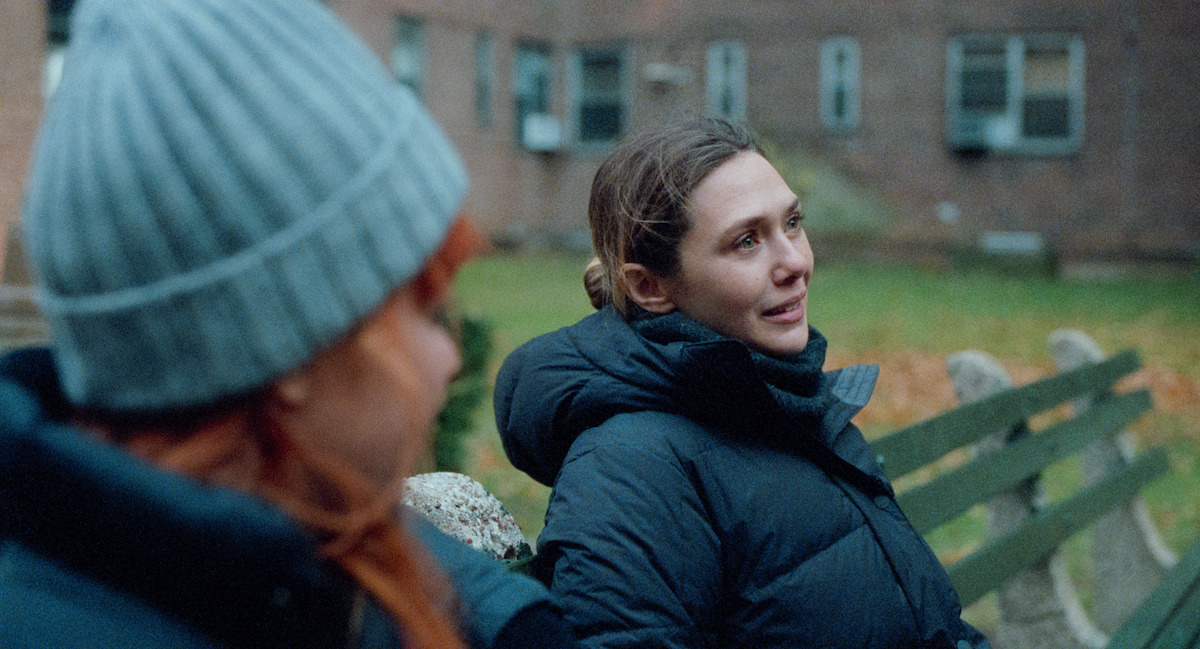
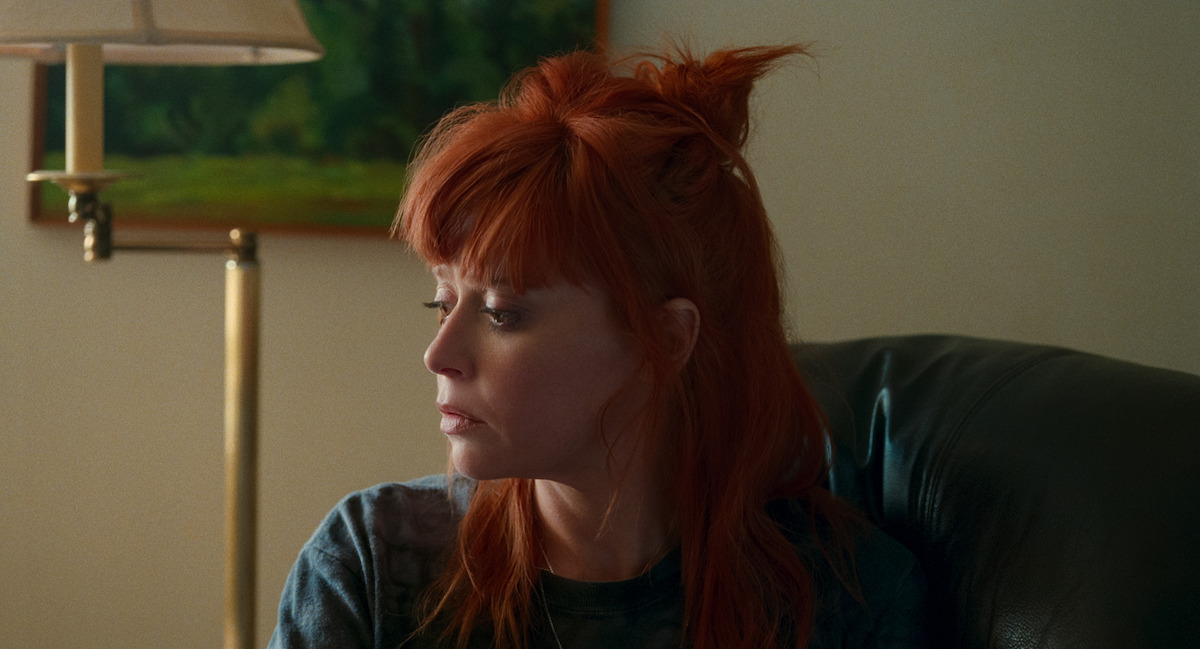
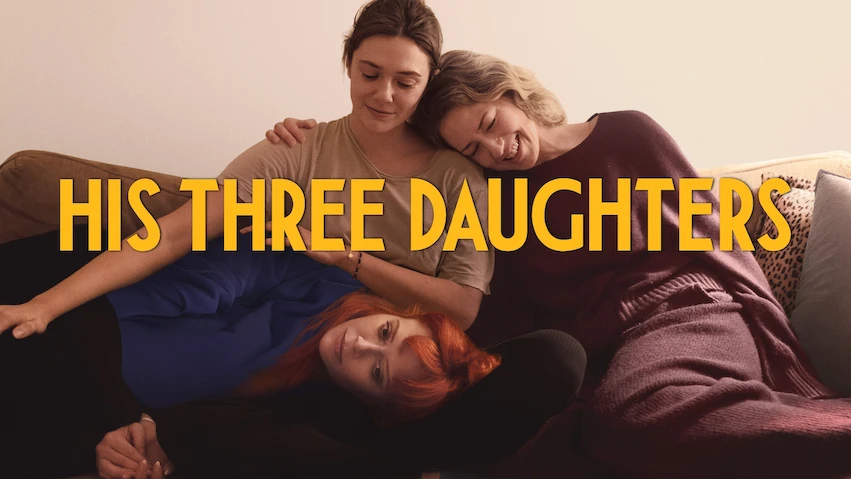
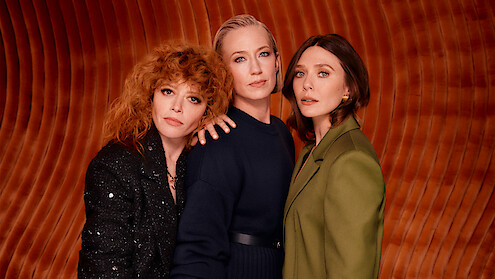
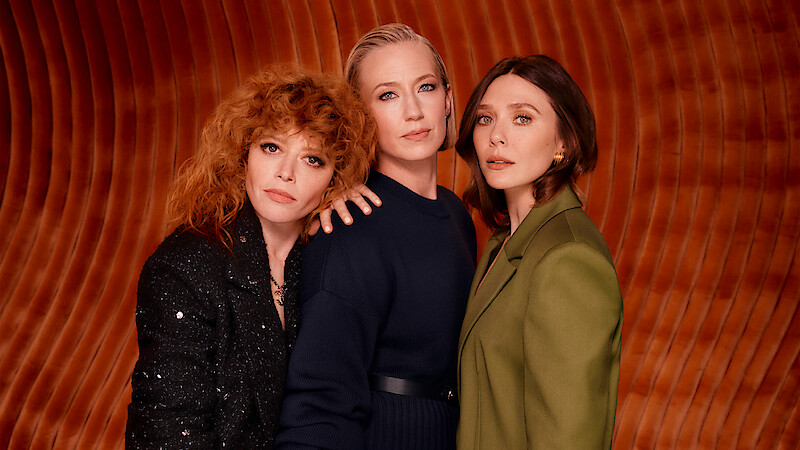
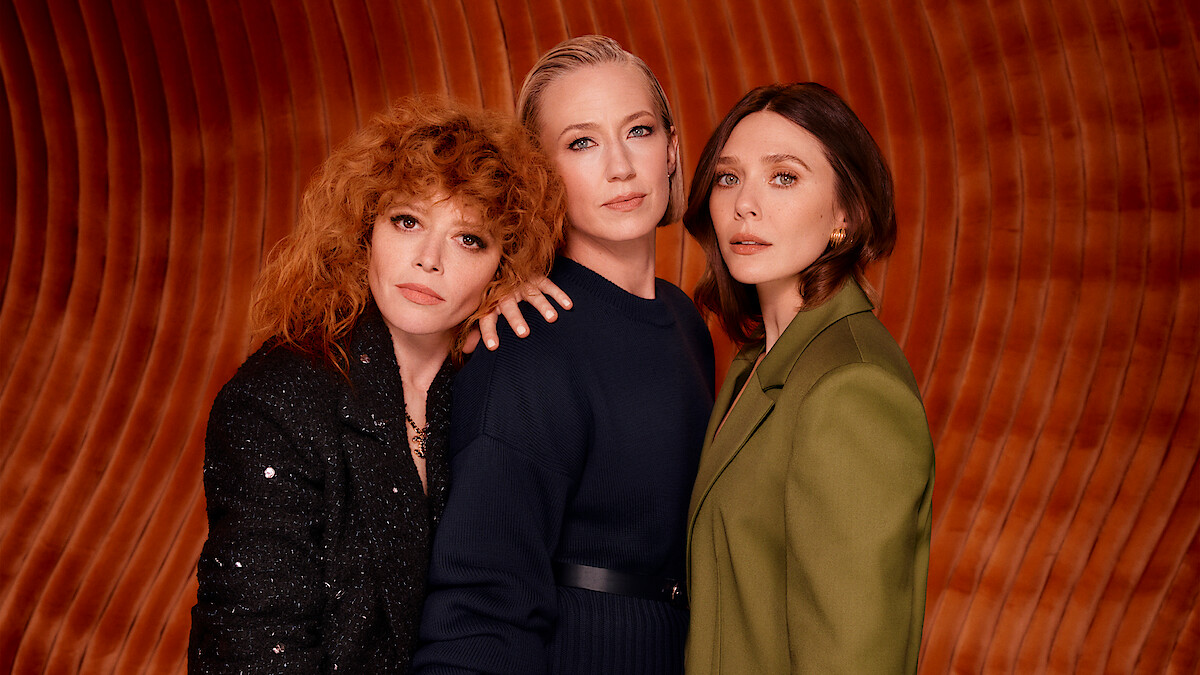
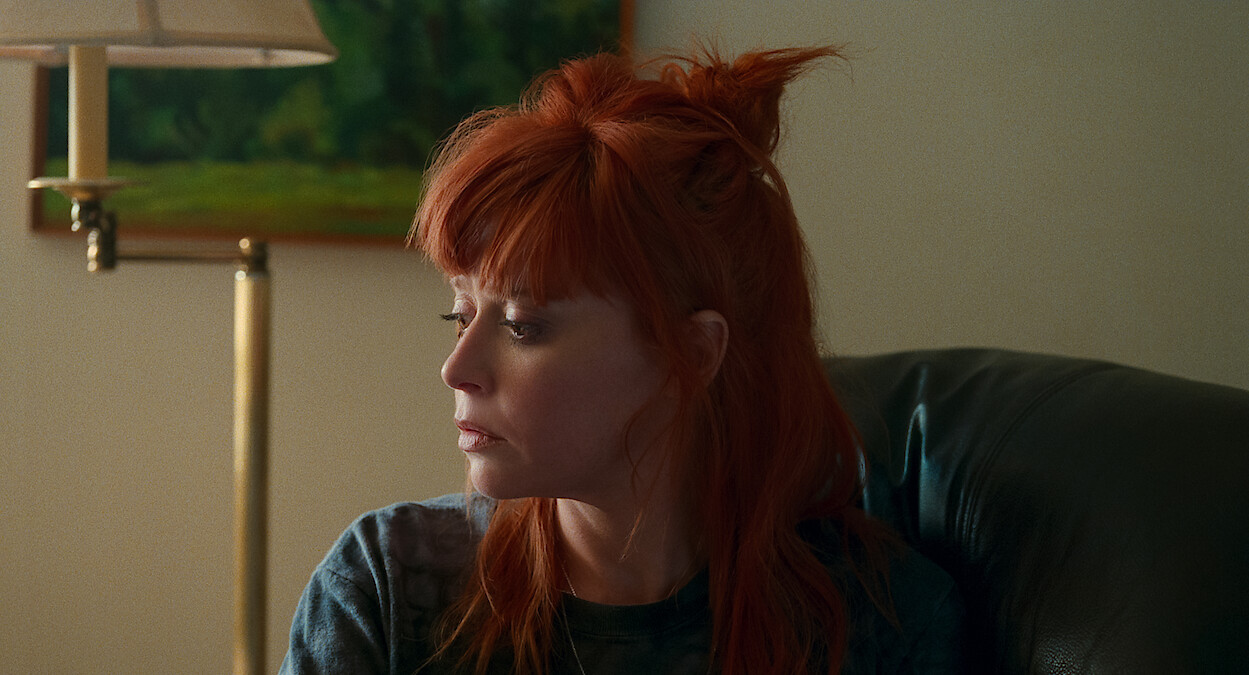
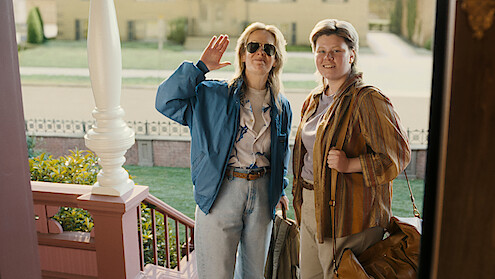
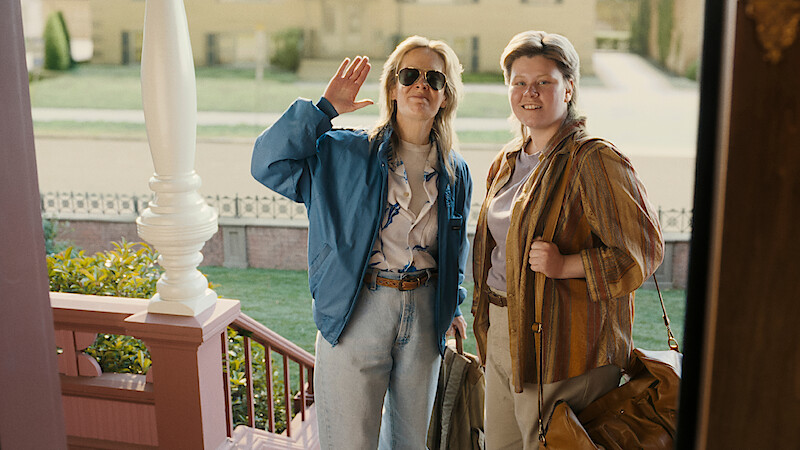
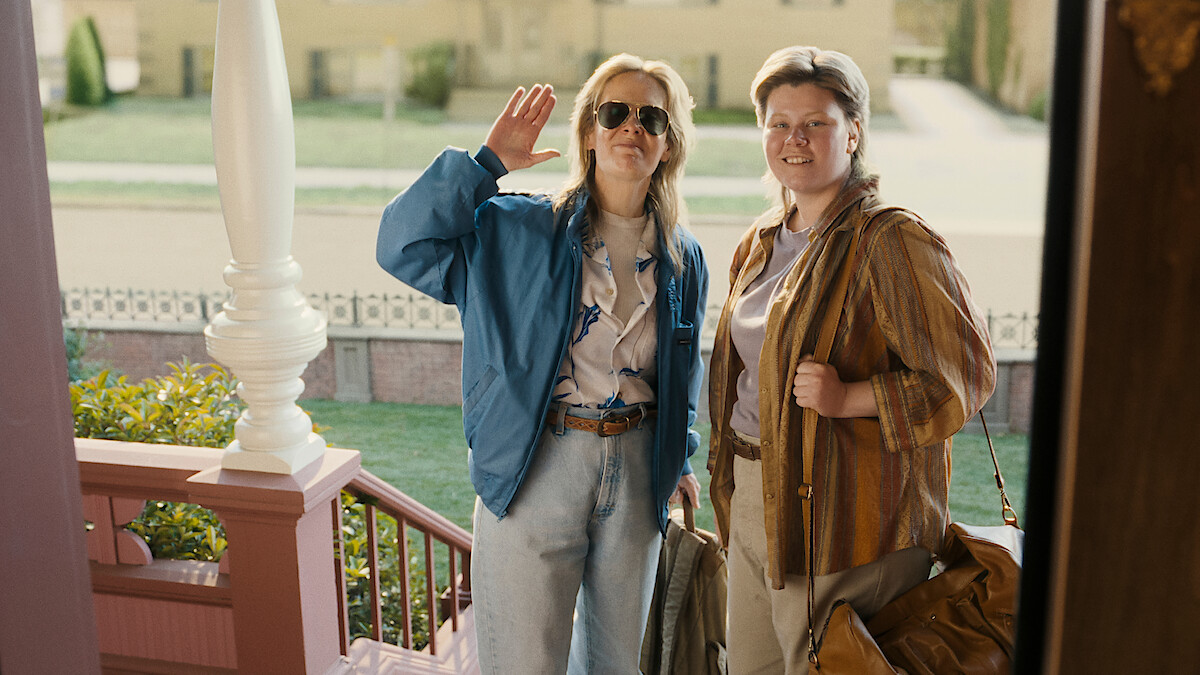
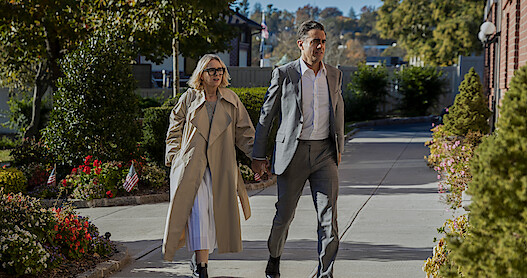
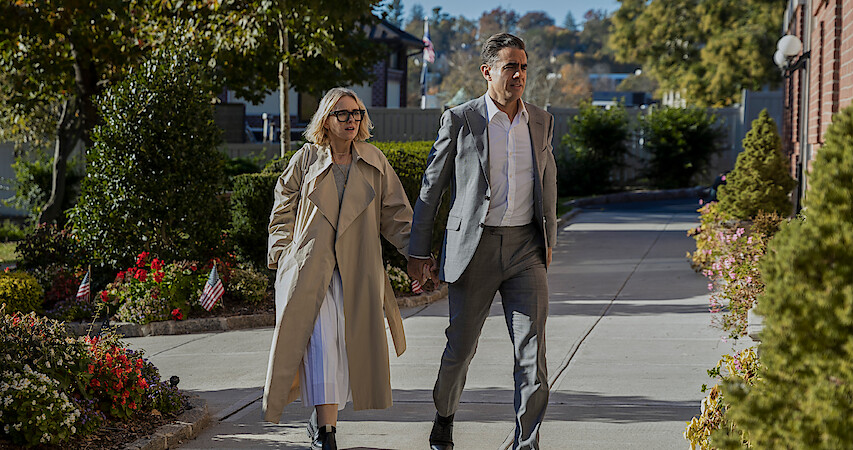
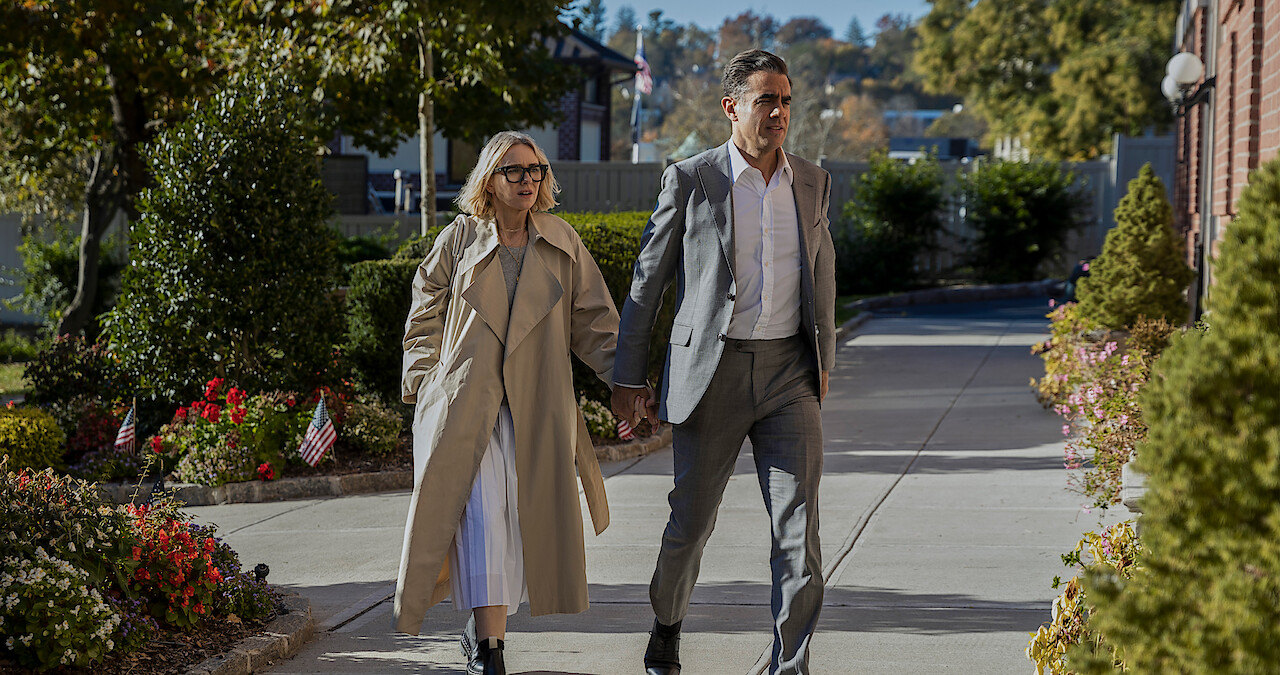
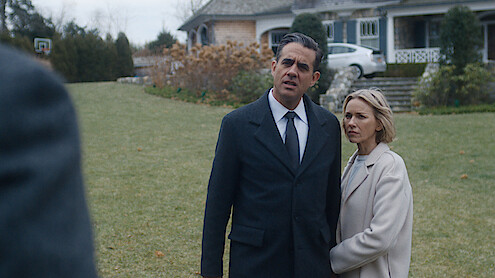
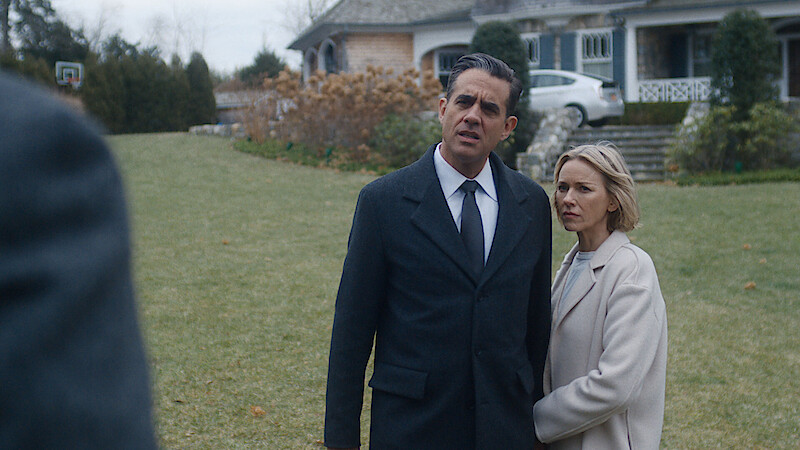
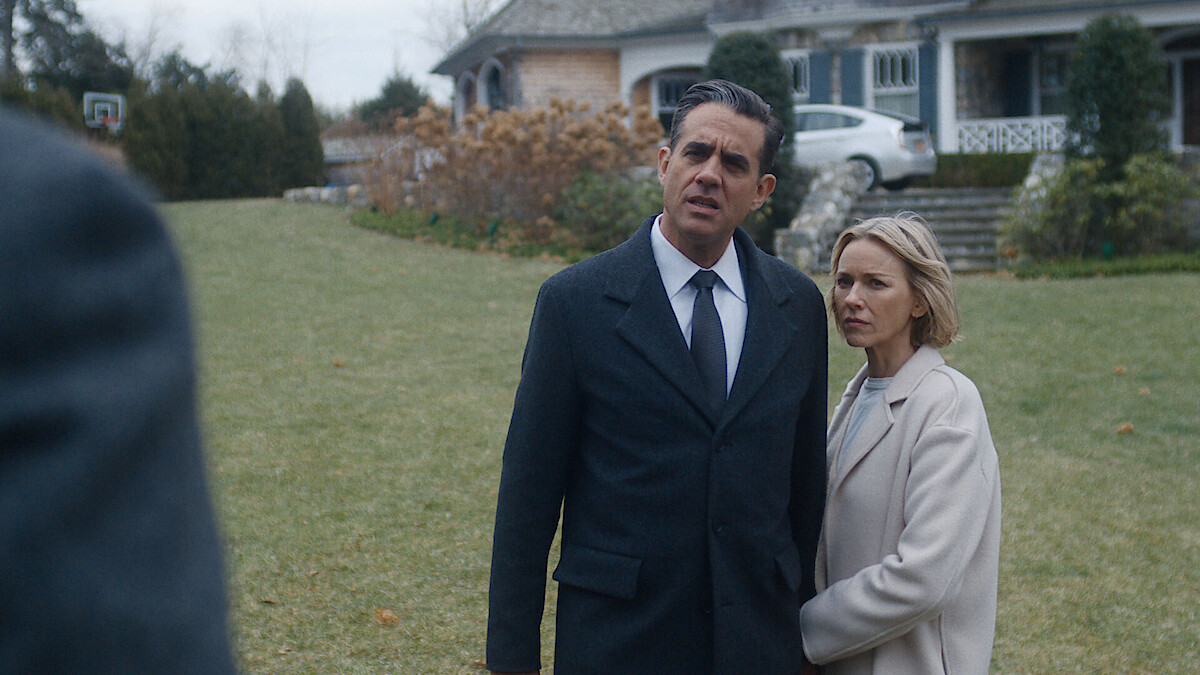
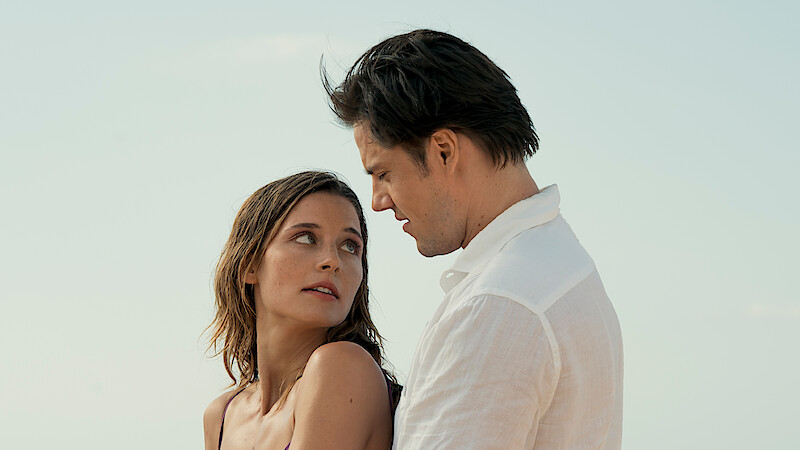
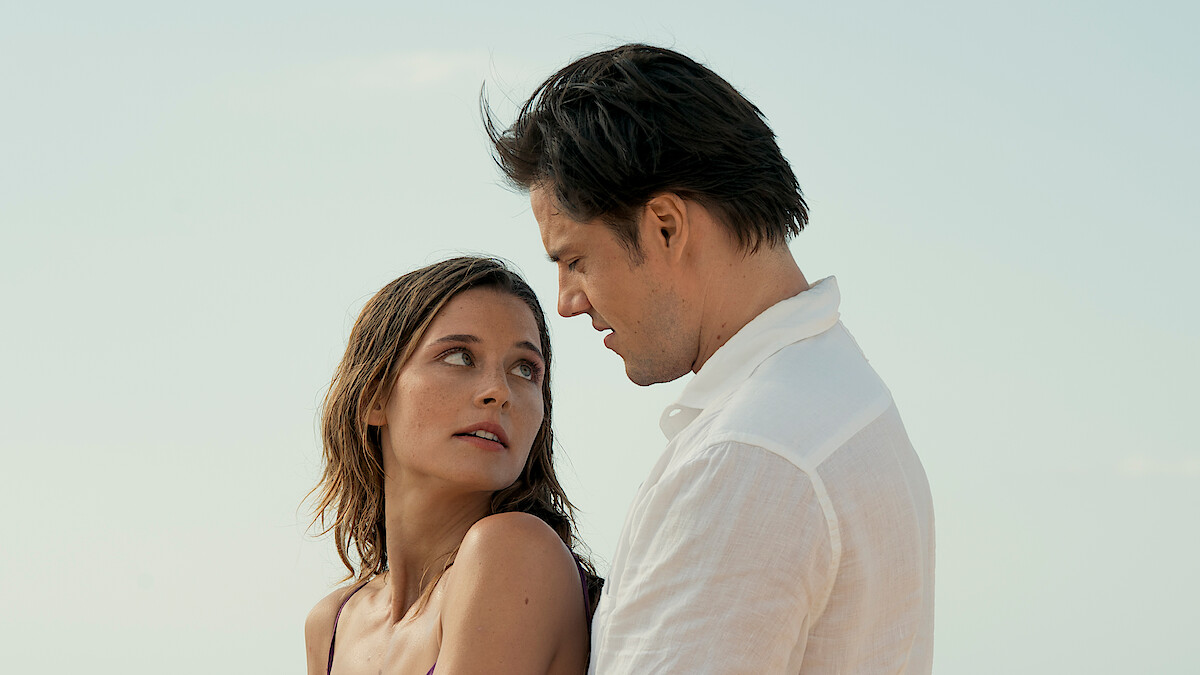
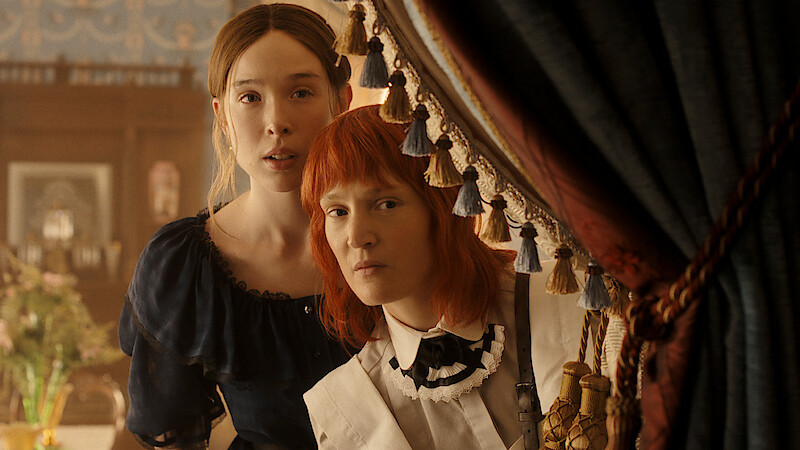
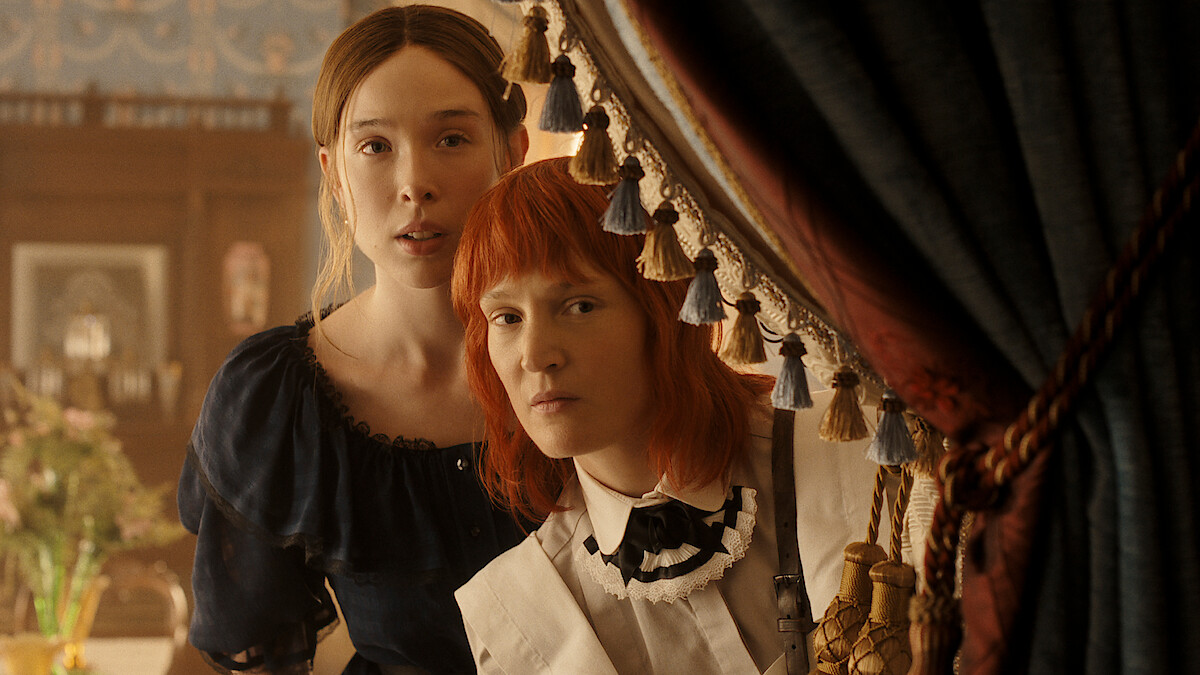
His Three Daughters is a story of pre-mourning. In the new film from writer-director Azazel Jacobs (French Exit), three sisters return to their father’s home to prepare for the worst; his health is failing and time is running out. As they wait at his bedside, old resentments rise to the surface, and the sisters’ relationships face new strains. Will their father’s imminent death bring them closer together — or push them apart for good?
Read on for more information about His Three Daughters.
What is His Three Daughters about?
His Three Daughters is a tense, captivating, and touching portrait of family dynamics starring Carrie Coon, Elizabeth Olsen, and Natasha Lyonne as sisters who converge after their father’s health declines.
When will His Three Daughters be on Netflix?
His Three Daughters is now streaming on Netflix.
Who’s in the cast of His Three Daughters?
The cast of His Three Daughters includes:
- Natasha Lyonne (Russian Doll, Poker Face)
- Elizabeth Olsen (Martha Marcy May Marlene, Kodachrome)
- Carrie Coon (The Leftovers, The Nest)
Ahead, Lyonne, Olsen, and Coon discuss the delicate process of building such intimate chemistry with each other, working with Jacobs to hone their characters, and their obsession with playing Spelling Bee.
Director Azazel Jacobs wrote this script with each of you in mind for your characters. How did you feel about that?
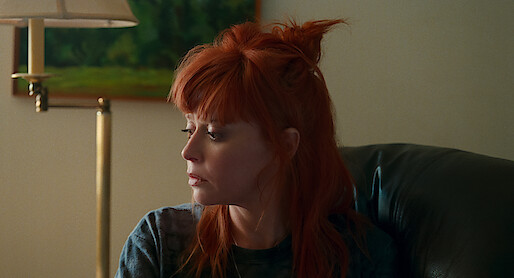
Natasha Lyonne: When I realized Aza thought of me to play Rachel, I was like, ‘Oh, cool. So I’m the stoner?’ There were so many challenges for me about that. I did genuinely consider if the role was going to be much of a stretch for me. Aza and I talked about it a little. But then I decided to really lean into that aspect of the character. I started to think about the reason a person smokes that much and what that meant to Rachel.
Carrie Coon: I was so flattered to have anyone write a character with me in mind, let alone Aza. My husband [actor-playwright Tracy Letts] had worked with Aza on The Lovers. We had been friends for a long time, and I didn’t know if he thought of me that way. The charming thing about it too was that Aza delivered the script by hand. He refused to send anything digitally, and that reflected the whole process, the way that the film was shepherded from start to finish. Really, that kind of intention behind it was so thrilling and I loved it.
Elizabeth Olsen: Aza and I worked with each other for the first time about six years ago and have stayed friends and have many things we want to make together. So he knows me pretty well. When I read the script, I was really surprised he was thinking of me as Christina, because I really thought I was a Katie. He and I actually had to have a lot of conversations about that, not because I believe that I should play parts that are close to myself, but because I was curious why he felt like I would be right for Christina. She’s a lot like me, but oddly it’s not the way I look at myself, as being a people pleaser and a mediator. But Azazel sort of sees me as that, which I found very interesting.
What do you admire about one another’s performance?
Lyonne: I’m a massive fan of both Carrie and Lizzie. Carrie is fully the real deal in person and is all about what she’s transmitting. It’s like every experience she’s having, you know she’s not lying. As a ridiculous person, which I often am, you know if you’re getting a laugh from Carrie, it means she really thinks it’s funny. And the same is true of Lizzie. She is also a no-fuck-around show. She’s a real heavyweight, another one who is not leaving the house for anything other than to show up and do the work. When the three of us start crying in a scene in this movie, it’s fucking real. There was a real bond that happened between us to create a trust system, which was crucial to a story like this.
Coon: I can say very honestly that I felt like the weakest link, because I watched Natasha’s relentless pursuit of her character’s truth, just stripping it away and going at it again, which I really admired. I feel like I’m working with Natasha at the apex of her career where she’s built this extraordinary body of work and she’s delivering on every level. Lizzie arguably had the hardest job. I think her character was the most contradictory, and I would’ve found her character very hard to grasp. But it was like Lizzie sits down and she just spins light out of air. She’s just extraordinary to watch. And both of them are just so grounded. I felt really like I wasn’t maybe delivering in the same way that they were, which is how you want to feel, frankly. You want to feel like you’re trying to keep up, like you’re a little bit scared. That’s a great position to be in.
Olsen: Natasha really softened her character’s hard exterior in a way that I found so lovely to watch. She picked moments that you didn’t realize were emotional and really made you understand why they’re emotional. She was always exploring how Rachel was hurt and holding back and why she felt that way. I was surprised by that and really enjoyed watching her play with those levels of softness with this hardened exterior. And Carrie has such a command of language and rhythm, and I love watching her move her body through space. Sometimes you forget to do that on a film because you are focusing on techniques that help tell a story within a frame. Carrie is constantly and fully in her body and in her character’s body. I admire that so much, and it’s something that I’m constantly trying to work toward.
How did the three of you build rapport and chemistry during production?
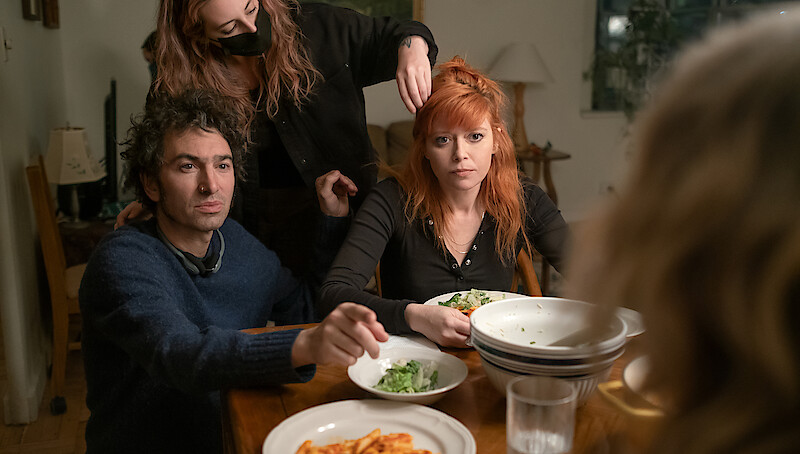
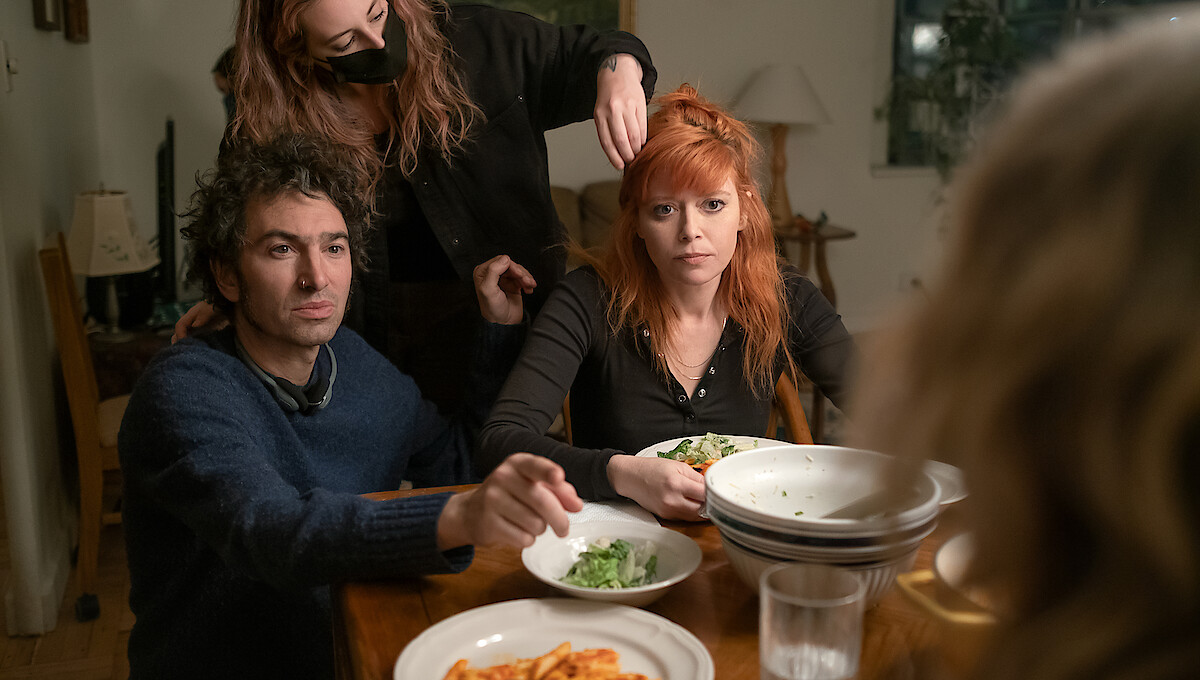
Olsen: We’re all three very up-front women about who we are. We had a week of rehearsal, which allowed us to get to know each other in a different way. This was a low-budget film, so we ended up, instead of having trailers, we had apartments in this building where we were filming. We were only able to get one two-bedroom apartment and one-bedroom apartment. Natasha took the one-bedroom one, which made sense for our sisters’ relationship and how Natasha’s character spends so much time alone in her room. So the chemistry just happened on its own, but I think it was also because all three of us were willing to have an intimate relationship on set. That’s a choice. That doesn’t always happen with different personality types.
Coon: We got to rehearse and spend some time in a room with Aza, just the three of us, even though the shoot was very short. Nobody gets to do that anymore. Lizzie and I also shared a one-bedroom apartment in the building where we shot as sort of a green room, so we would have our little routines, making our teas and eating our snacks and taking a rest on the floor. Sometimes Natasha would come down and we would talk about the work.
Lyonne: Did anyone mention our obsession with Spelling Bee?
Coon: So we would do Spelling Bee, the word game in The New York Times. Most of our energy during the day was focused on becoming Queen Bees on Spelling Bee. And we all have strengths. Lizzie was able to come through in a clutch play. She’d deliver no words, and then she would come through with the word. And Natasha is just a crossword fanatic. She knows all the tricks and she’s obsessive, and her fingers were flying all the time, trying new words.
My husband and I come up with all the really obscure, strange words no one’s ever heard of. So the three of us were an unstoppable force when it came to Spelling Bee. And sometimes we couldn’t focus on a scene until we got those last two words to get us the ranking. Aza would just be like, “You guys, we are actually trying to make a movie. It’s not really about becoming Queen Bees.” But that was a real bonding experience for us. I can’t describe how important it was — a shared goal that mirrored the shared goal of making a movie.
What was unique about Aza’s vision as a director?
Lyonne: Aza is a great lover of film and a very humble dude — with great hair! He is present in every exchange, looking you in the eye in a way that makes you listen. When he tells you something, it genuinely feels like there’s no ego in it. He’s on your side or just trying to article something as he sees it. For me, that created such a drop in blood pressure because, by nature, I’m a New Yorker. I’m always in a rush, but to nowhere. Lizzie and Carrie are also extraordinary in that way. They made me realize, “OK, I guess we’re not rushing this.” And that really created a space where you’re listening and responding and taking in the thought. It was pretty extraordinary. I wish that there was more of that in my life.
Coon: If you don’t know Aza, you will still recognize an Aza movie. They’re always very specific and very singular in his voice. This film, in particular, was kind of meeting him where he’s living right now in such a specific way. That was very palpable. It’s written the way he wanted it to look and the way he wanted it to unfold. It was already specific on the page. There was nothing arbitrary about it. And he had a very particular idea about the way he wanted to shoot it. He and Sam Levy, the director of photography, worked that out. And Aza never over-directs. You never feel that he doubts that you’re going to get to the place where he wants you to be. There’s no nervous energy on set. He’s really calm and in control and in his element on set.
Olsen: Azazel is such an open and sensitive person, but he is not wishy-washy. He knows what he needs and what he wants, even if it’s something he’s figuring out in the moment. He knows when he has what he needs. Carrie is game for whatever, but Natasha and I are maybe a little more argumentative if we don’t see something the same way. Aza knew how to pivot us in a gentle way, but still get what he needed. To have that intense sensitivity and kindness — and to have such a clear understanding of how to communicate it — is a rare quality in a person and exactly what you want in a director.