In 2004, NBC premiered The Biggest Loser, a reality show unlike anything America had ever seen. The premise: a group of people deemed overweight would compete in a 30-week competition with the goal of losing as many pounds as possible. The person who shed the most was crowned “the biggest loser.” The show quickly became a cultural phenomenon, with millions of viewers tuning in for the Season 1 finale.
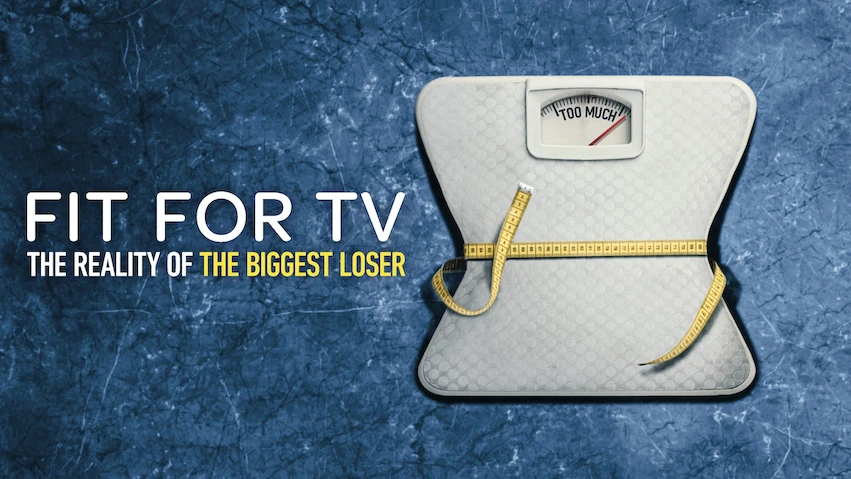
The show ran for 18 seasons until 2020. The three-part docuseries Fit for TV: The Reality of the Biggest Loser chronicles the making of the hit’s rapid-fire success from the perspective of those who lived it. Featuring interviews with former contestants, a trainer, producers, and health professionals, it examines the balance between entertainment and well-being, and what it truly means to pursue lasting change.
One of The Biggest Loser’s executive producers, JD Roth, says in the documentary that it wasn’t just a TV show — it was a “movement.” Fit for TV: The Reality of the Biggest Loser takes a look behind-the-scenes, exploring its cultural relevance and complicated legacy.
When is the Fit for TV: The Reality of the Biggest Loser release date?
Fit for TV: The Reality of the Biggest Loser premiered on Aug. 15.
Where can I find the trailer for Fit for TV: The Reality of the Biggest Loser?
Take a look at the good, the bad, and the complicated that made up The Biggest Loser in the trailer at the top of the page.
What was The Biggest Loser?
The Biggest Loser was a NBC reality TV show that began in 2004. The series followed a group of people as they competed to lose weight for a cash prize. The winner was determined by whoever lost the highest percentage relative to their starting weight.
On their weight-loss journeys, contestants were separated into teams and created workout and nutrition plans with trainers. The teams would compete in various challenges for prizes — like physical competitions or willpower tests — such as “temptations,” in which contestants were tempted by high calorie food or drinks.
Each episode had weigh-ins to determine how much everyone had lost. The team weighing the most would be up for elimination, with one member being voted off the show by the others. The contestant who shed the most pounds by the end of the season was given the final cash prize of $250,000 and the title of “biggest loser.”
What happens in Fit for TV: The Reality of the Biggest Loser?
The three-episode series documents the popular NBC reality show The Biggest Loser and its cultural impact. Fit for TV talks to former contestants, a longtime host, and producers about what went on behind the scenes throughout the 18 seasons, reflecting on the success of the show and its lasting impact. Those who participated on The Biggest Loser also divulge the extremes they were guided to take in order to lose weight and the effects they’ve lived with since then — from disordered eating to mental health issues.
Who is interviewed in Fit for TV: The Reality of the Biggest Loser?
- Ryan Benson, Season 1 winner
- David Broome, The Biggest Loser co-creator and executive producer
- Danny Cahill, Season 8 winner
- Aubrey Gordon, author of You Just Need to Lose Weight — And 19 Other Myths About Fat People
- Joelle Gwynn, Season 7 contestant
- Bob Harper, a trainer who appeared on The Biggest Loser
- Dr. Robert Huizenga, the show’s medical expert
- Dr. Jen Kerns, Season 3 contestant and medical advisor
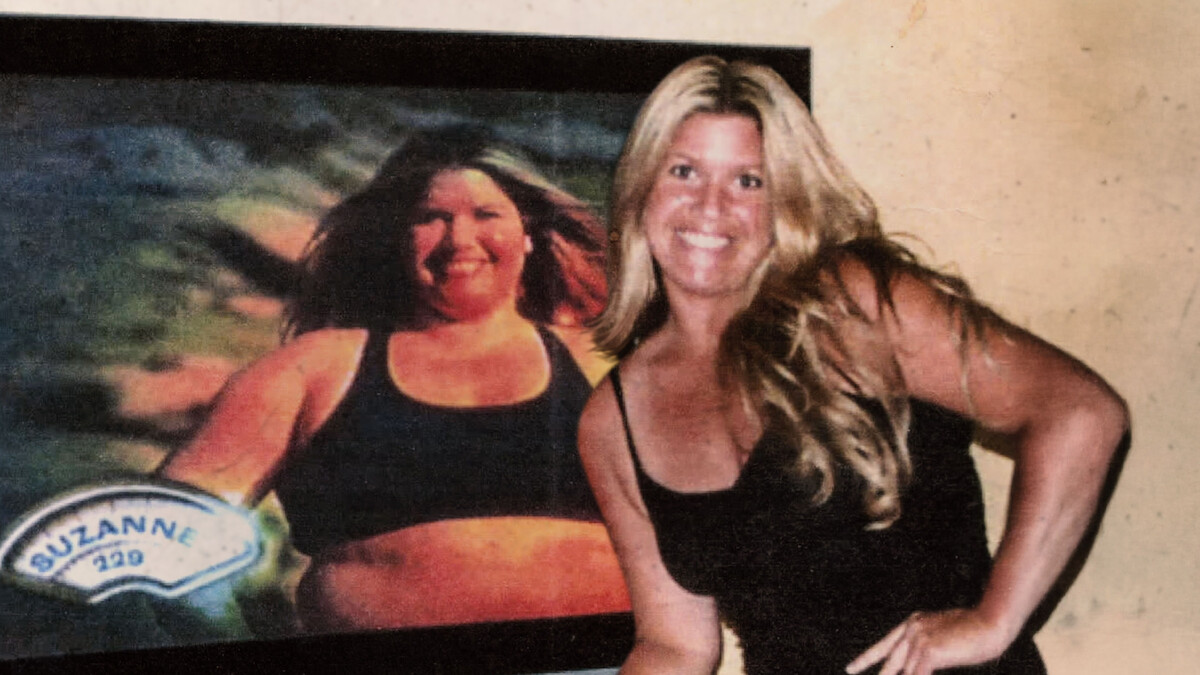
- Suzanne Mendonca, Season 2 contestant
- JD Roth, The Biggest Loser executive producer
- Alison Sweeney, host of The Biggest Loser for Seasons 4 through 16
- Olivia Ward, Season 11 winner
- Tracey Yukich, Season 8 contestant
- Hannah Young, Season 11 runner-up
Is The Biggest Loser still on TV?
No. The Biggest Loser initially ran on NBC for 17 seasons, from 2004 to 2016. A 2020 reboot of the series that ran on USA Network ended after one season.
What made people think The Biggest Loser had gone too far?
Season 15 winner Rachel Frederickson, who weighed in at just 105 pounds at the finale, was at the center of controversy that the show had gone too far in its pursuit of extreme weight loss. After season 17, amid mounting criticism and backlash, NBC canceled the series.
What was the backlash against The Biggest Loser?
The docuseries reveals how some criticisms of The Biggest Loser were directed toward the trainers, including how they implemented their workout and nutrition routines. There were also stories about various substance use, like caffeine supplements provided to trainees in order to maximize their workouts. In 2016, the Los Angeles County Sheriff’s Department launched an inquiry into allegations from former contestants who claimed they were pressured to take drugs to lose weight. And, in 2009, The New York Times went long on the potential health dangers of the show.
Was anyone hurt on The Biggest Loser?
Season 8 contestant Tracey Yukich reveals in Fit for TV that, during a challenge in which people ran a race on the beach in order to be considered for the show, she collapsed. After being rushed to the hospital, Yukich was diagnosed with rhabdomyolysis, a life-threatening condition where damaged muscle tissue breaks down into the bloodstream. Once she left the hospital, Tracey returned to the show but was temporarily restricted from workouts by Huizenga.
To hear from Fit for TV director Skye Borgman and executive producer Mike Gasparro on the challenge that sent Yukich to the hospital and The Biggest Loser’s legacy, head over to the You Can’t Make This Up podcast. “There are these times where TV overtakes common sense,” Borgman told host Rebecca Lavoie. “There’s just a lot of tunnel vision when you have a TV show and you're not really thinking about these people’s health and well-being — you're thinking more about how this is going to play on TV.”
Was anyone sued over The Biggest Loser?
Yes, season 7 contestant Joelle Gwynn was sued for defamation by show doctor Robert Huizenga after alleging in the New York Post that he went along with the use of illicit weight-loss drugs, but in 2019, a US district court found she had not defamed him. (In the doc, Huizenga, Harper and Broome vigorously deny doing so.)
Were caffeine pills used on The Biggest Loser?
As seen in the doc, in the show’s 15th season, trainer Jillian Michaels was caught giving her team caffeine supplements.
The show publicly acknowledged that caffeine pills were used in violation of its own rules. No one involved with the show has faced criminal charges for distributing the substances alleged in the New York Post.
Did trainer Bob Harper really have a heart attack?
Yes, in 2017, Harper suffered a heart attack while at the gym. In the documentary, he shares how the experience inspired him to make significant healthy changes in his own life, drawing a parallel to the journeys of Biggest Loser contestants.
Fit for TV: The Reality of The Biggest Loser is now streaming on Netflix.