Culture
Let’s Have a Jane Campion Film Festival
From The Piano to The Power of the Dog, this New Zealand director is one of the best filmmakers alive.
By Josh Terry
Jan. 4, 2022
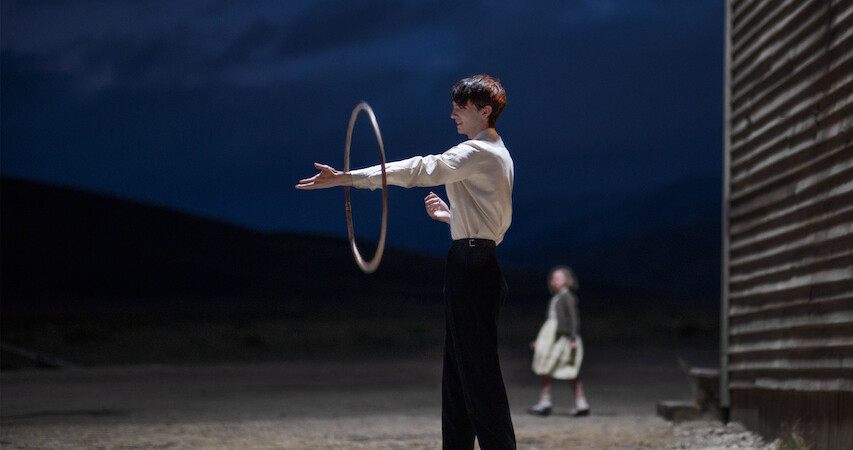
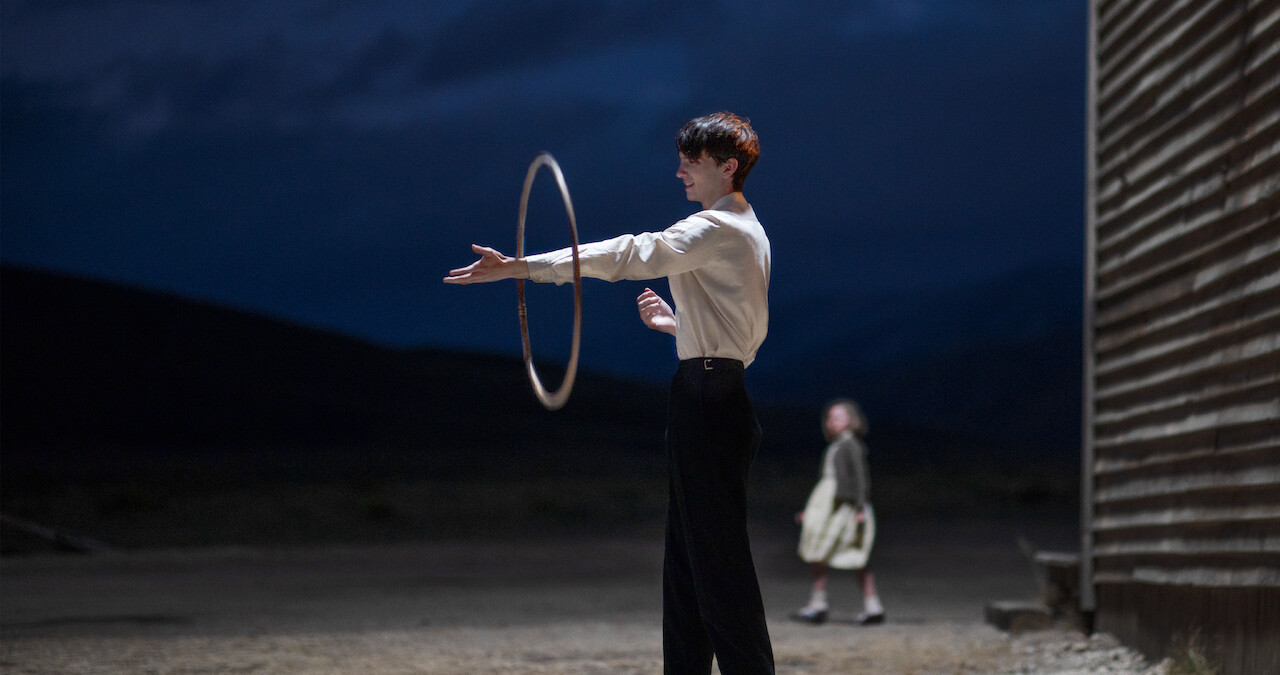
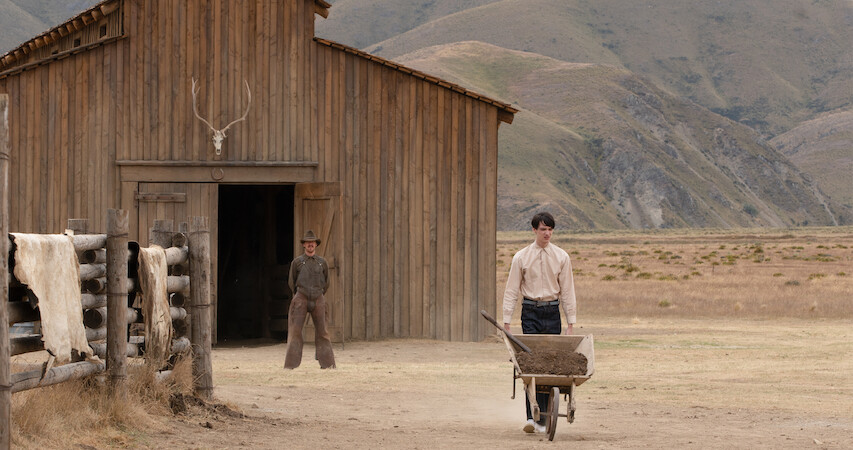
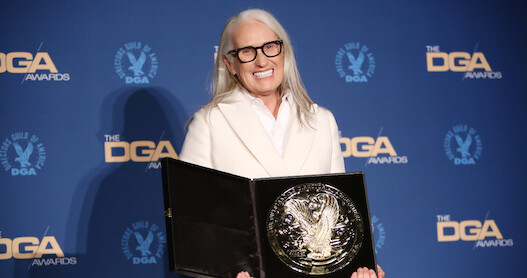
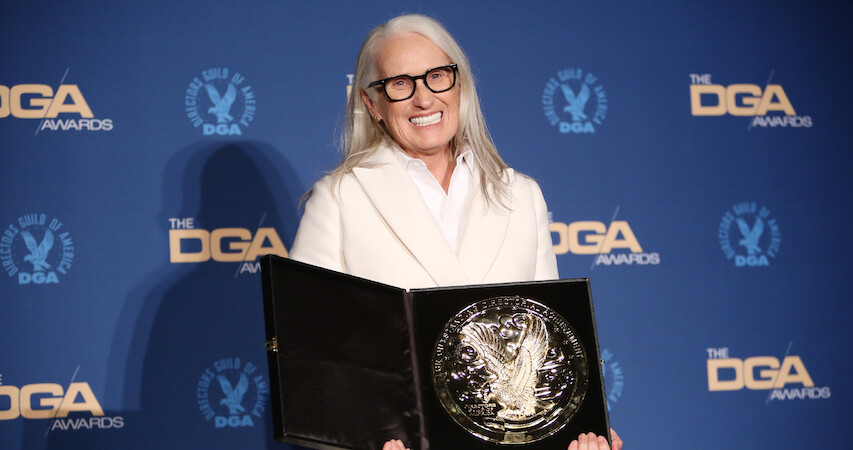
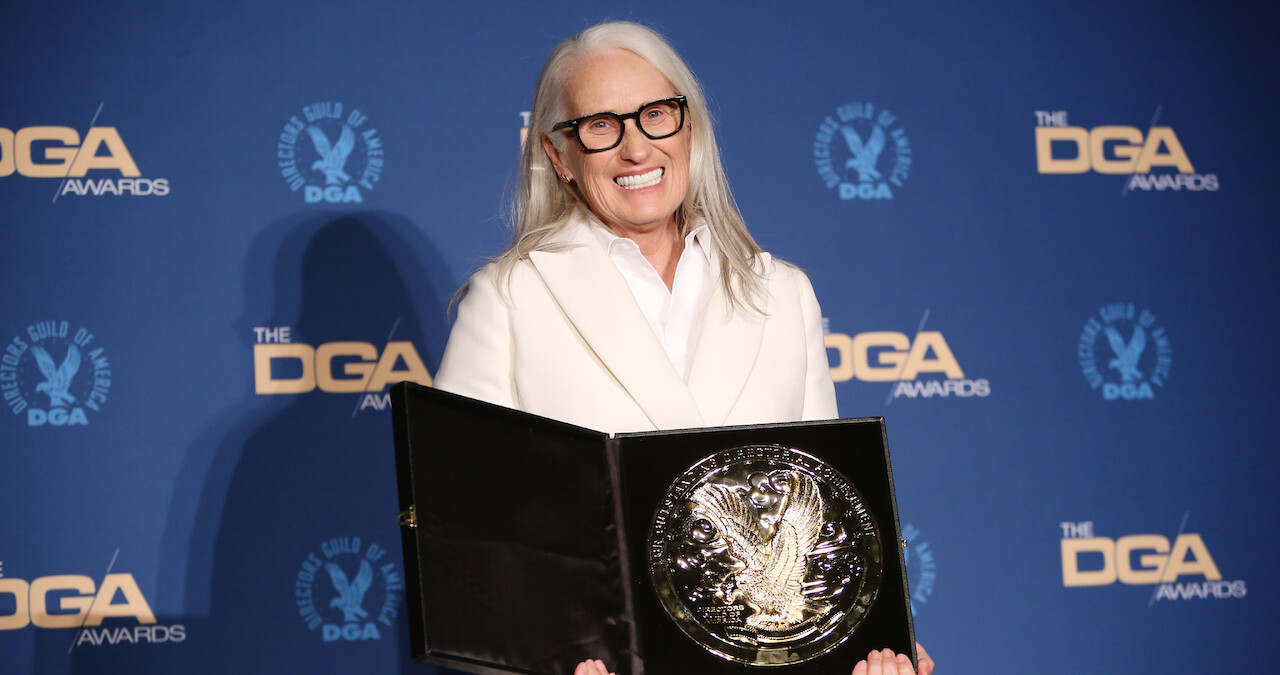
There are few films that made a bigger splash in 2021 than Jane Campion’s masterful and suspenseful Western The Power of the Dog. It’s Certified 95% Fresh on the Tomatometer, leading the Golden Globes with seven nominations and a clear winner of IndieWire’s Critics Poll. These types of astounding accolades aren’t new for Campion, the only woman to ever win the Palme d’Or at Cannes and the second woman to be nominated for a Best Director Oscar (both for 1993’s The Piano).
In his review of The Piano, late critic Roger Ebert wrote, “Campion has never made an uninteresting or unchallenging film.” While that was true when she was three films into her theatrical career, it’s even truer now, as the 67-year-old is deservedly celebrated as one of the best filmmakers alive. Whether it’s because of her gorgeously constructed and unorthodox cinematography, resilient protagonists, or patient storytelling, each viewing of her films reveals another complex layer.
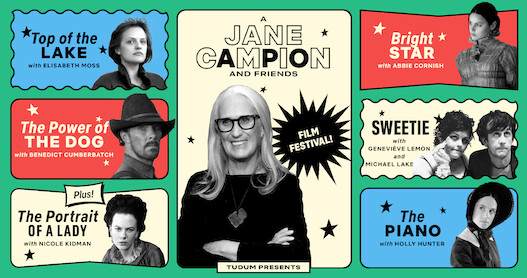
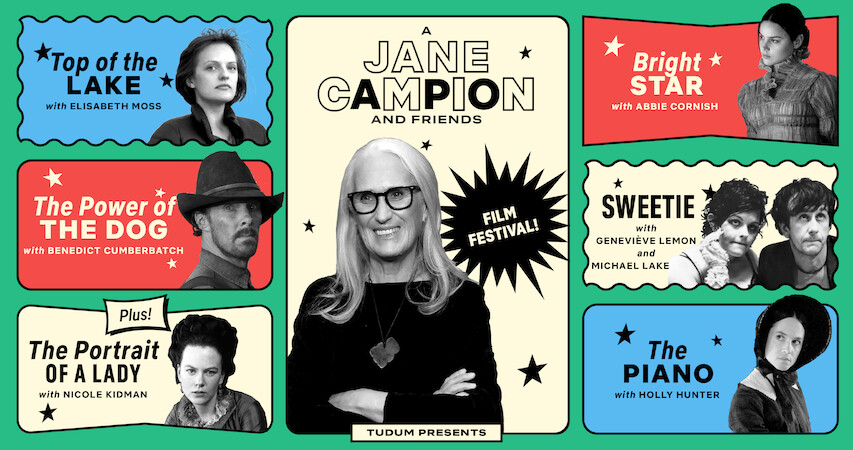
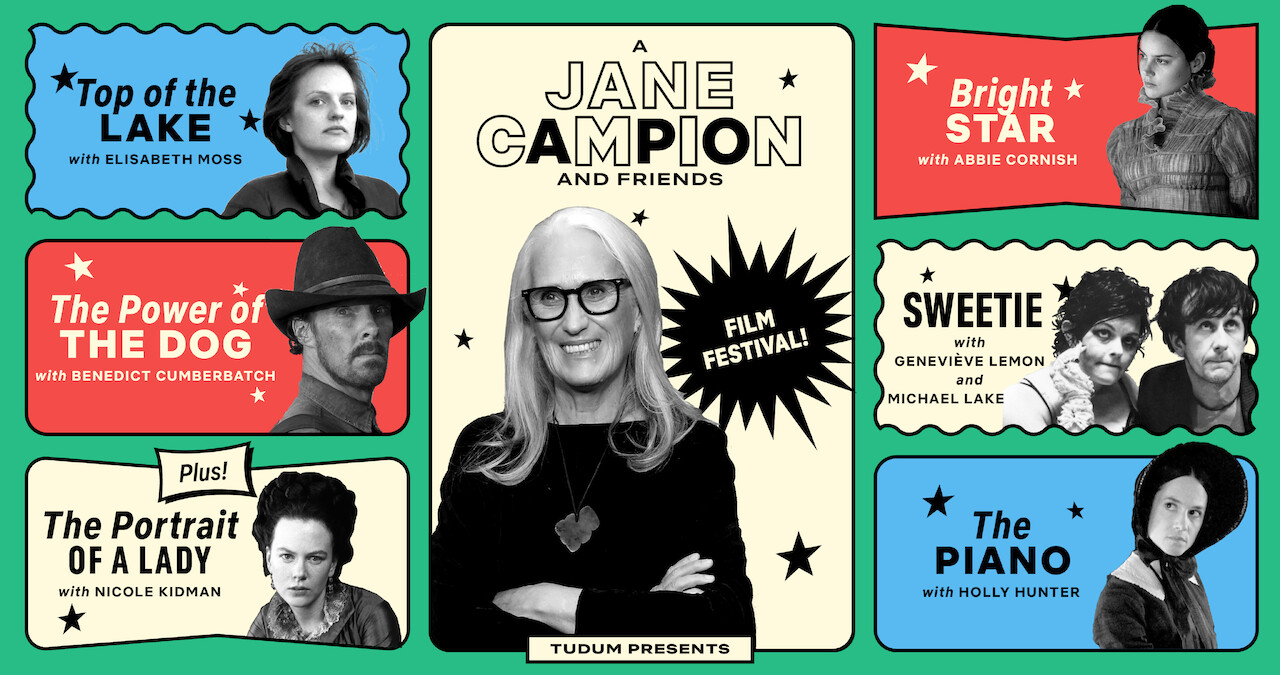
Campion’s also extremely versatile: She’s able to tackle Westerns (The Power of the Dog), period pieces (Bright Star, The Portrait of a Lady), zany dark comedies (Sweetie, Holy Smoke!) and stylish crime stories (In the Cut, Top of the Lake). IfThe Power of the Dog is your first foray into Campion’s relentlessly fascinating catalog, you’re definitely missing out on some wonderful films. But don’t worry: Tudum has you covered with this guide to everything Campion has released so far.
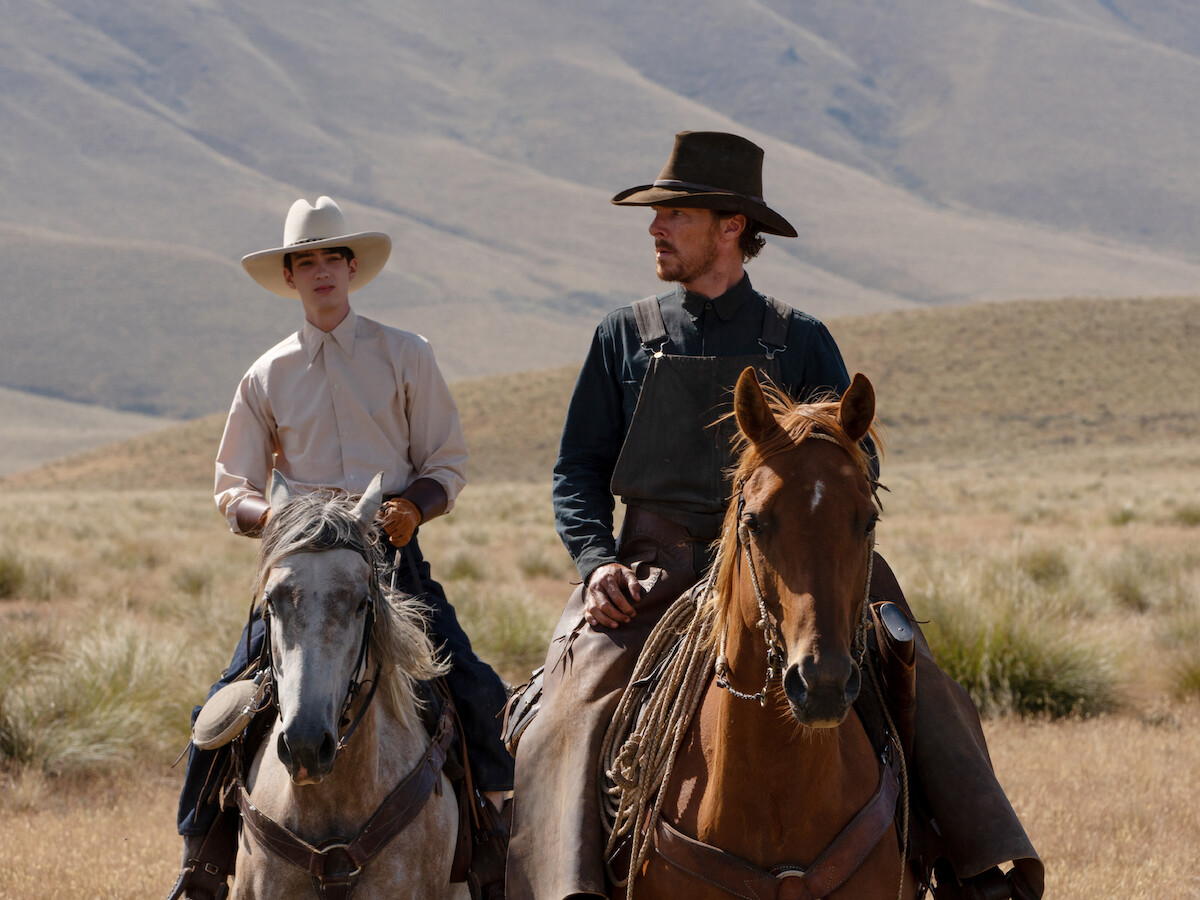
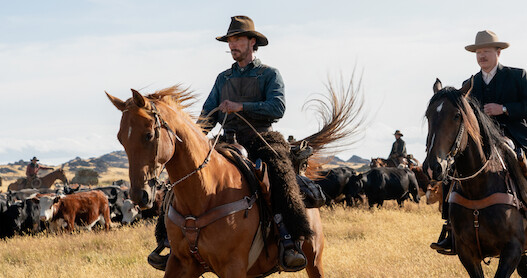
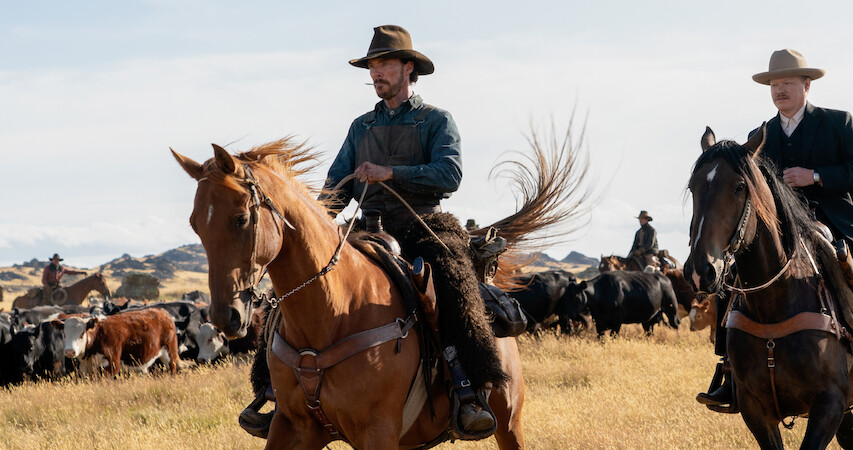
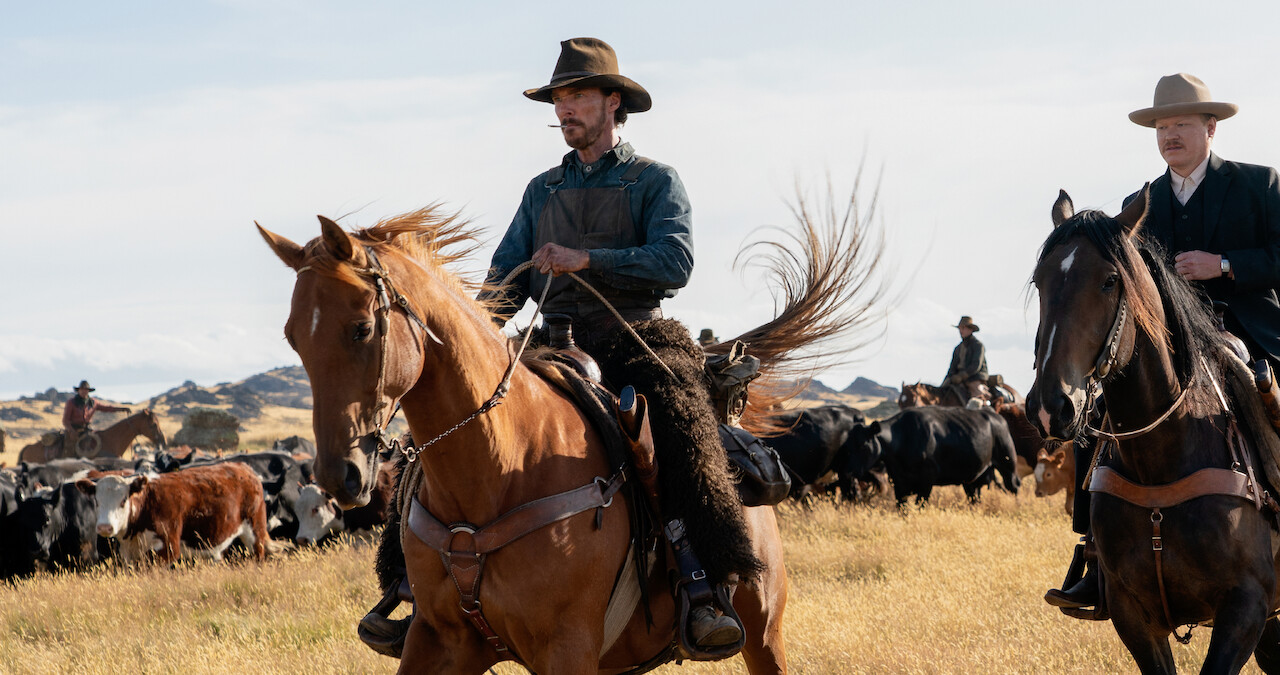
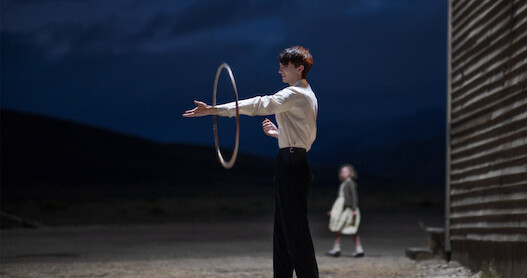
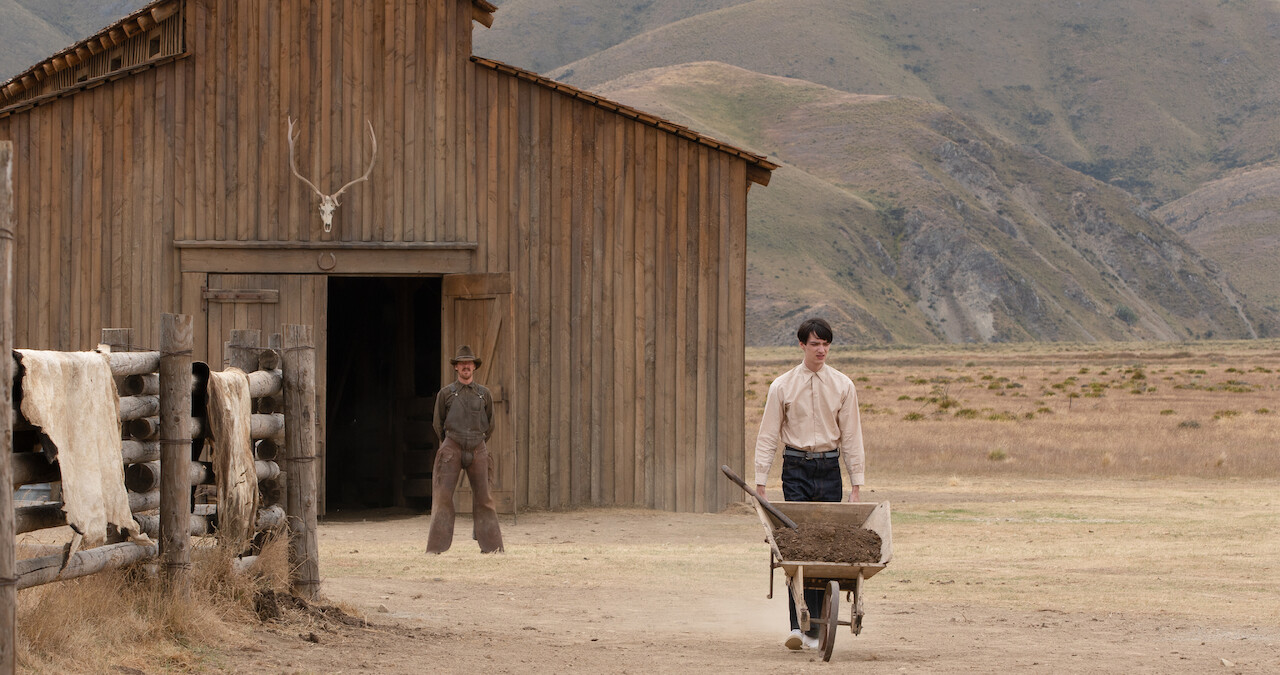
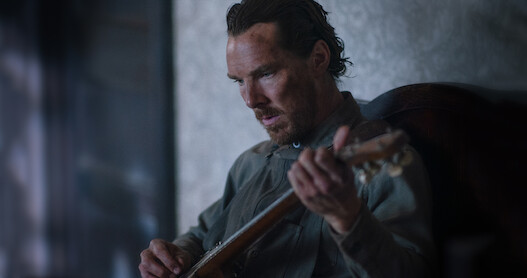
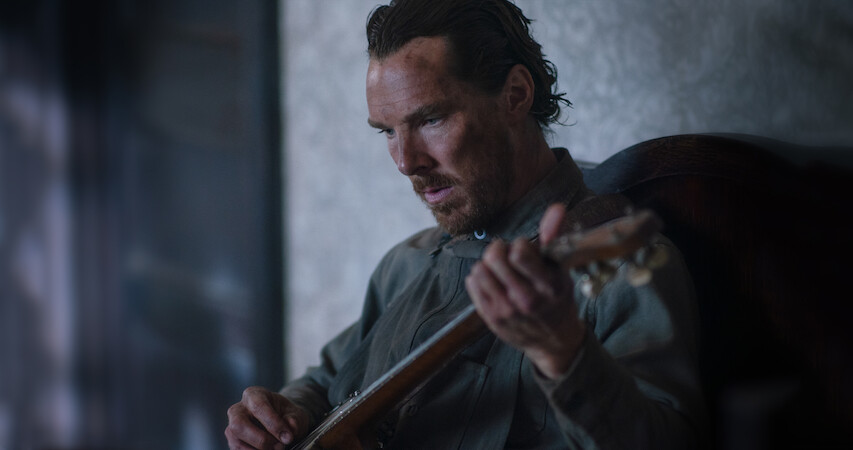
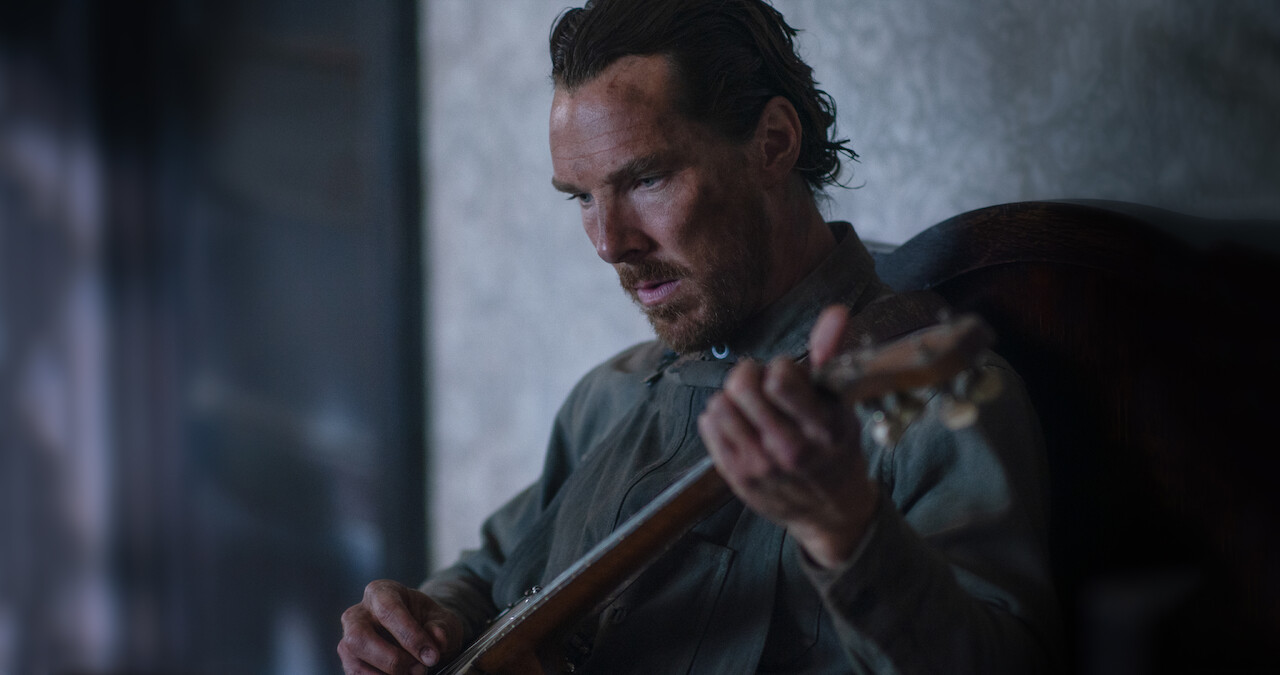
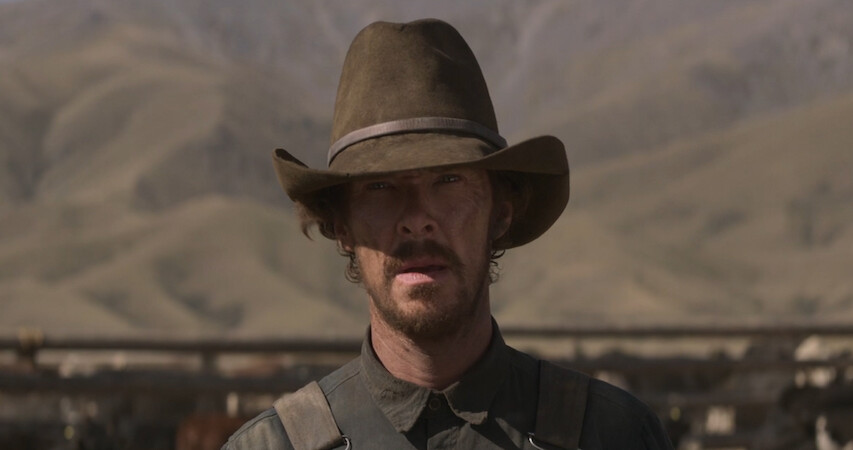
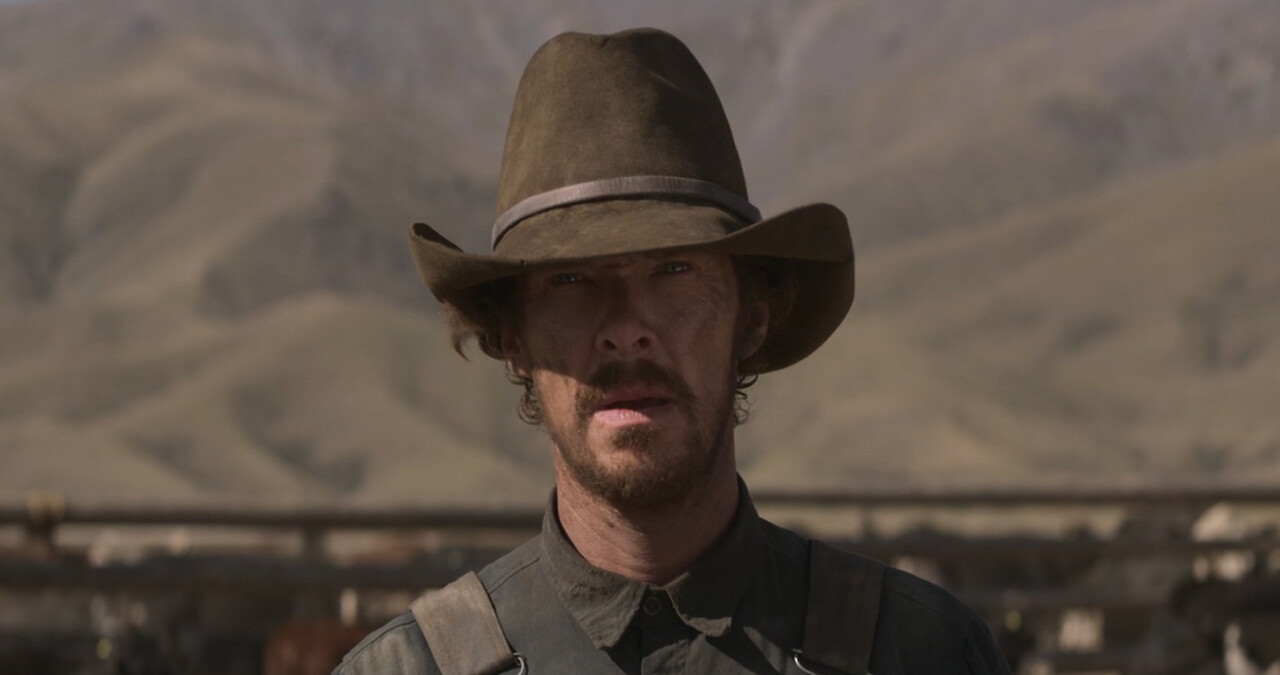
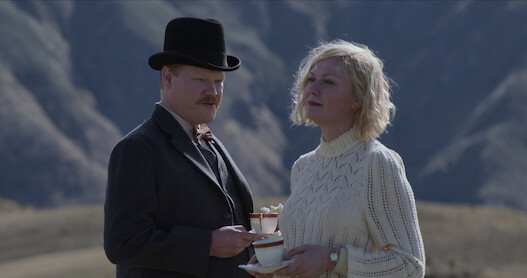
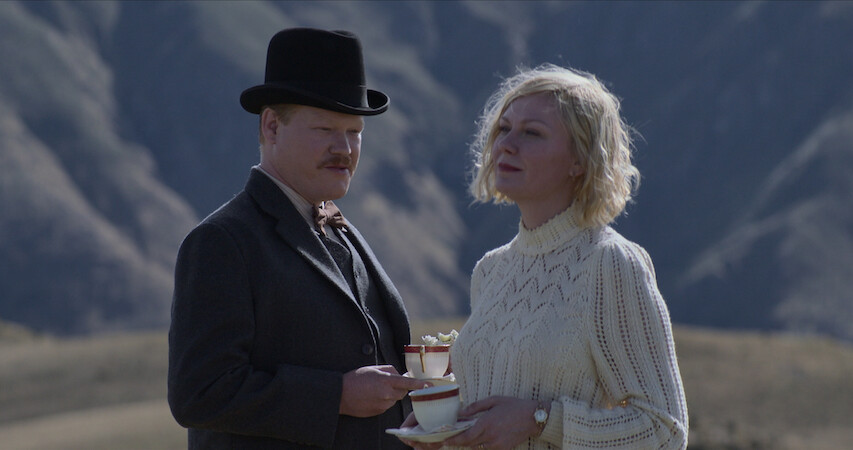
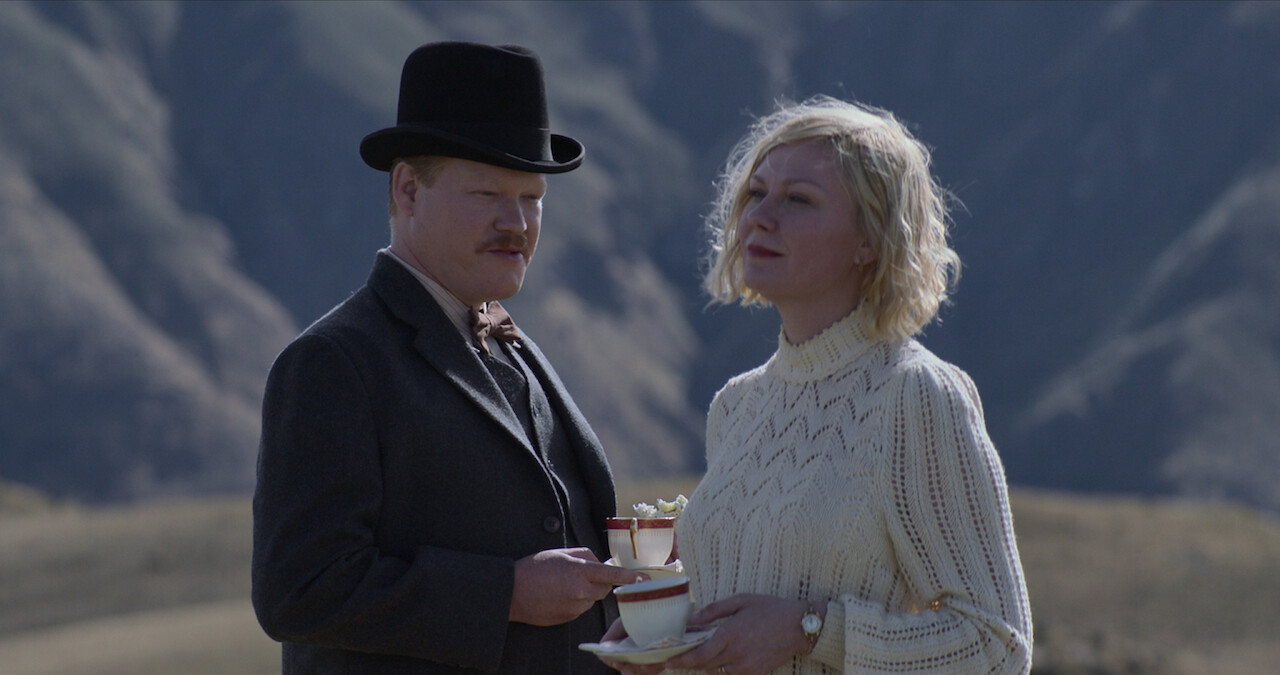
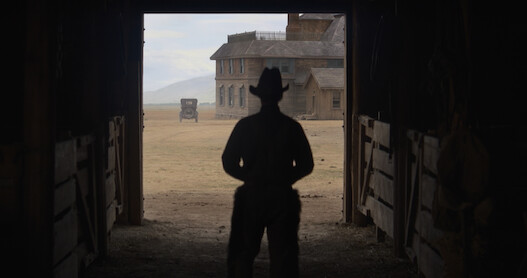
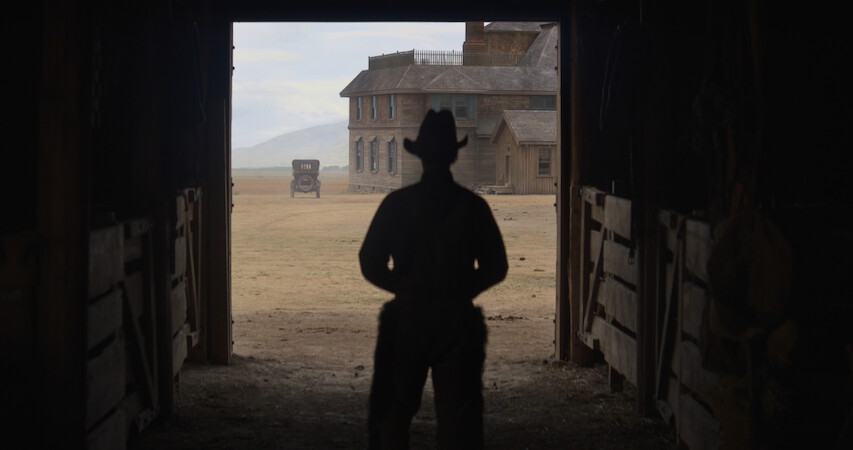
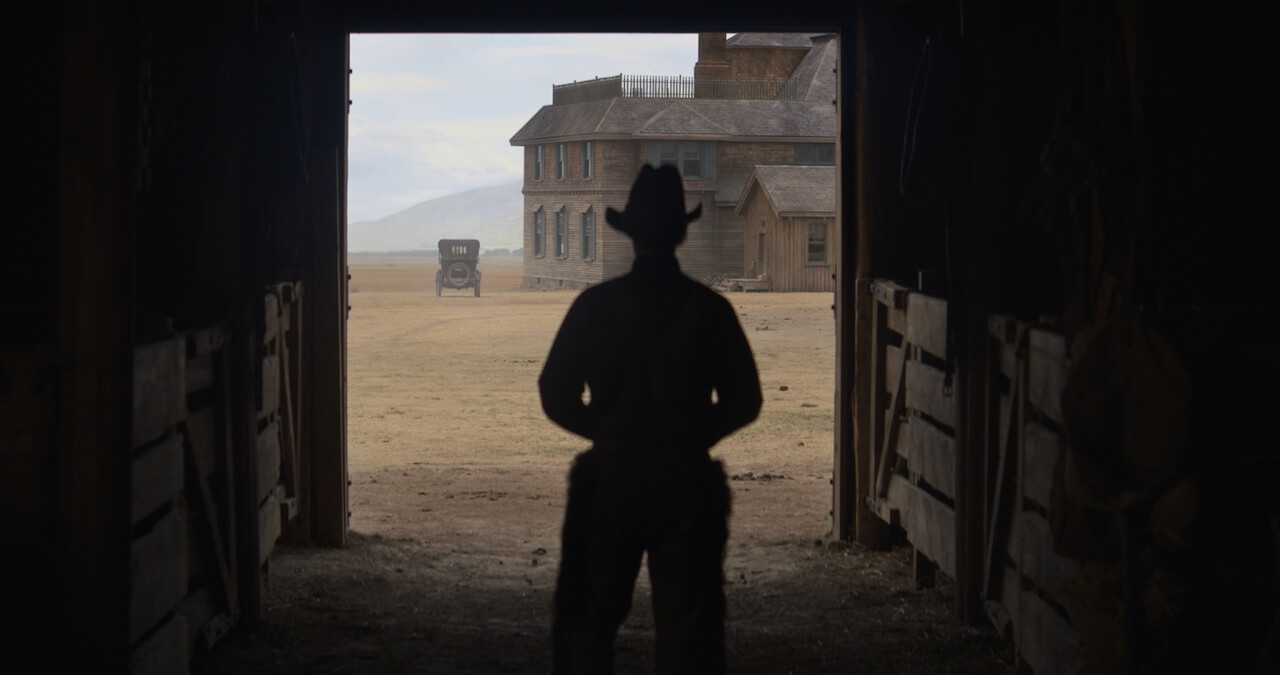
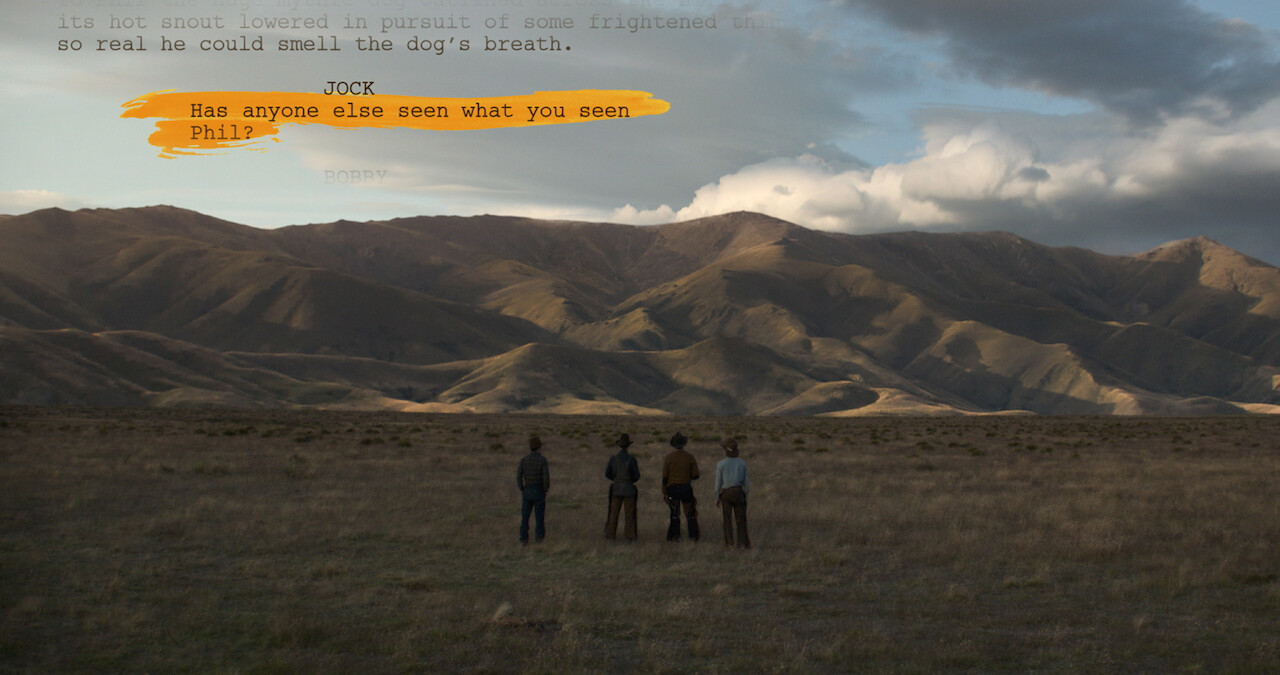
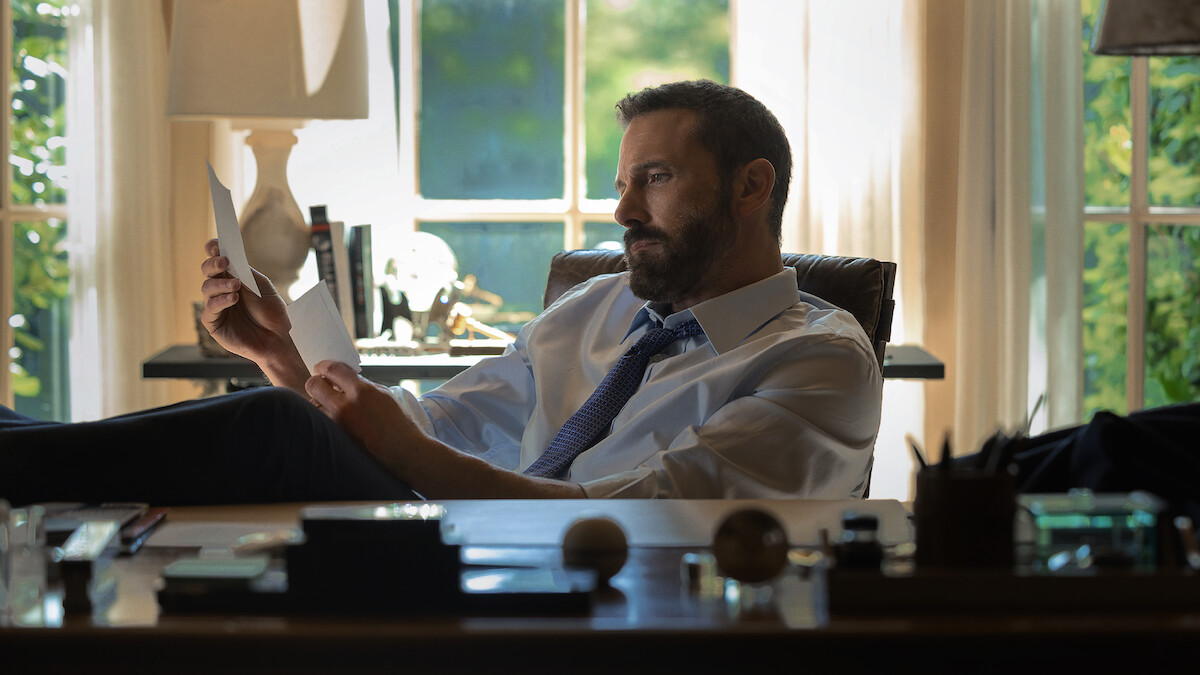
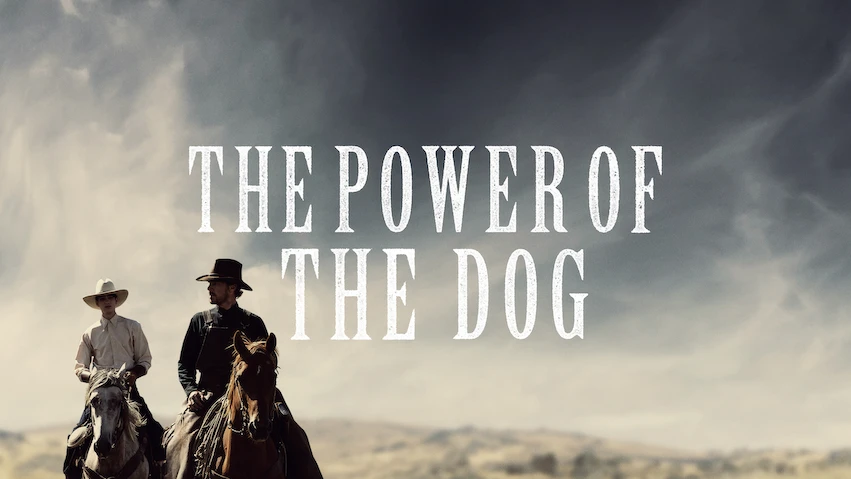
Before filming Netflix’s The Power of the Dog, Campion adapted Thomas Savage’s 1967 novel of the same name. According to The New York Times, she had her actors stay in character off camera, taking hikes, eating meals together and creating backstories that would only be implied in shooting. She sent Benedict Cumberbatch, who plays the menacing Phil, to de facto cowboy boot camp where he learned how to ride a horse, play the banjo and even castrate a bull. This is partly the reason this movie feels so lived in, organic and totally immersive. With Cumberbatch’s incredible turn as the repressed antagonist, the rest of the cast, including Kirsten Dunst, Jesse Plemons and Kodi Smit-McPhee, make for one of the most affecting and stunning ensembles in recent memory. While we could explain the plot, this movie is best experienced without knowing what’s going to happen.
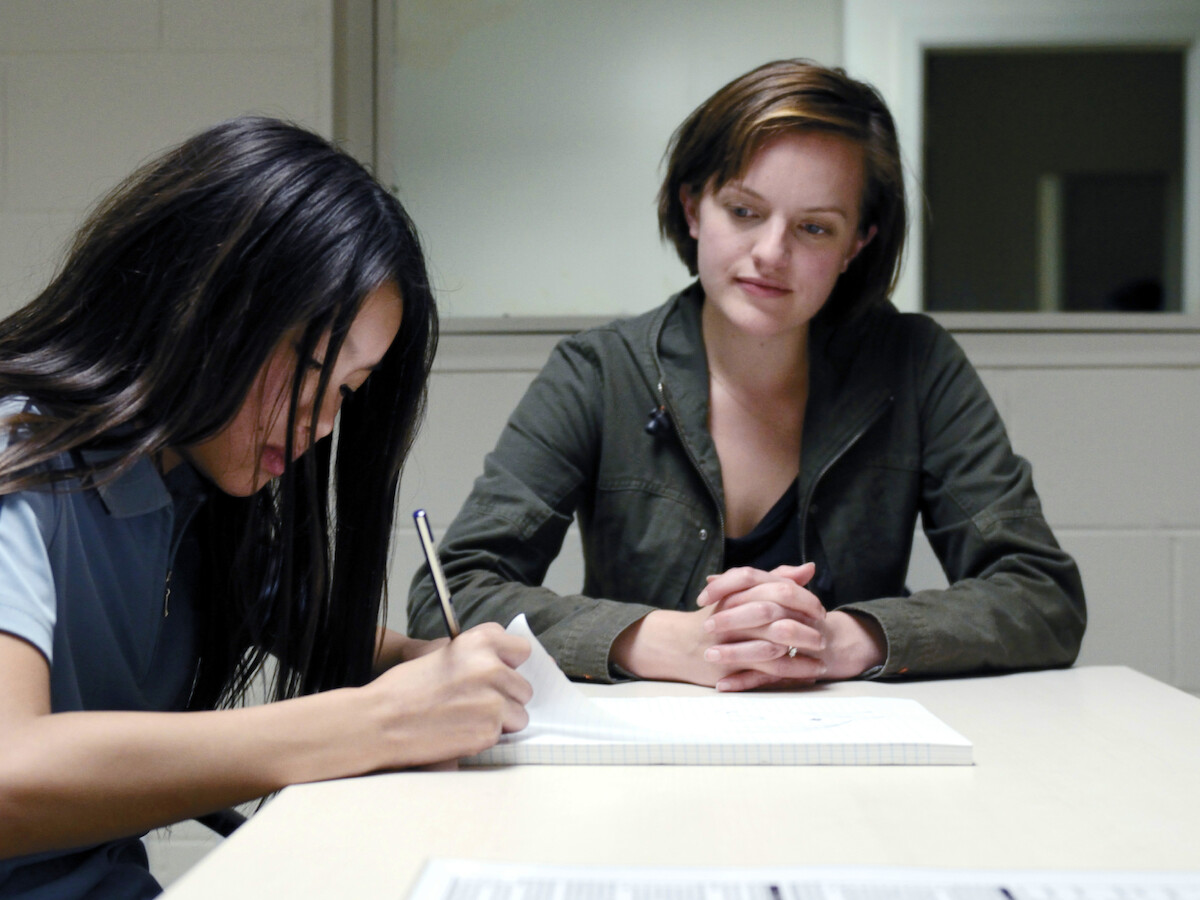
If you loved David Lynch’s Twin Peaks, Top of the Lake should be at the top of your watchlist. It’s Campion’s first foray into television, but it proves that her patient sensibilities translate expertly to longer-form storytelling. The show follows Robin Griffin (an excellent Elisabeth Moss), a Sydney police detective tasked with finding a missing pregnant girl in New Zealand. It’s a standard crime mystery made exceptional by Campion’s use of ethereal cinematography to take an unflinching look into trauma and gritty subcultures. While the first season is arguably the best, the second season has Game of Thrones fan favorite Gwendoline Christie as Robin’s new partner Miranda Hilmarson. Fans of whodunits and cop dramas that transcend the genre’s boilerplate tropes would love to see Campion return to television.
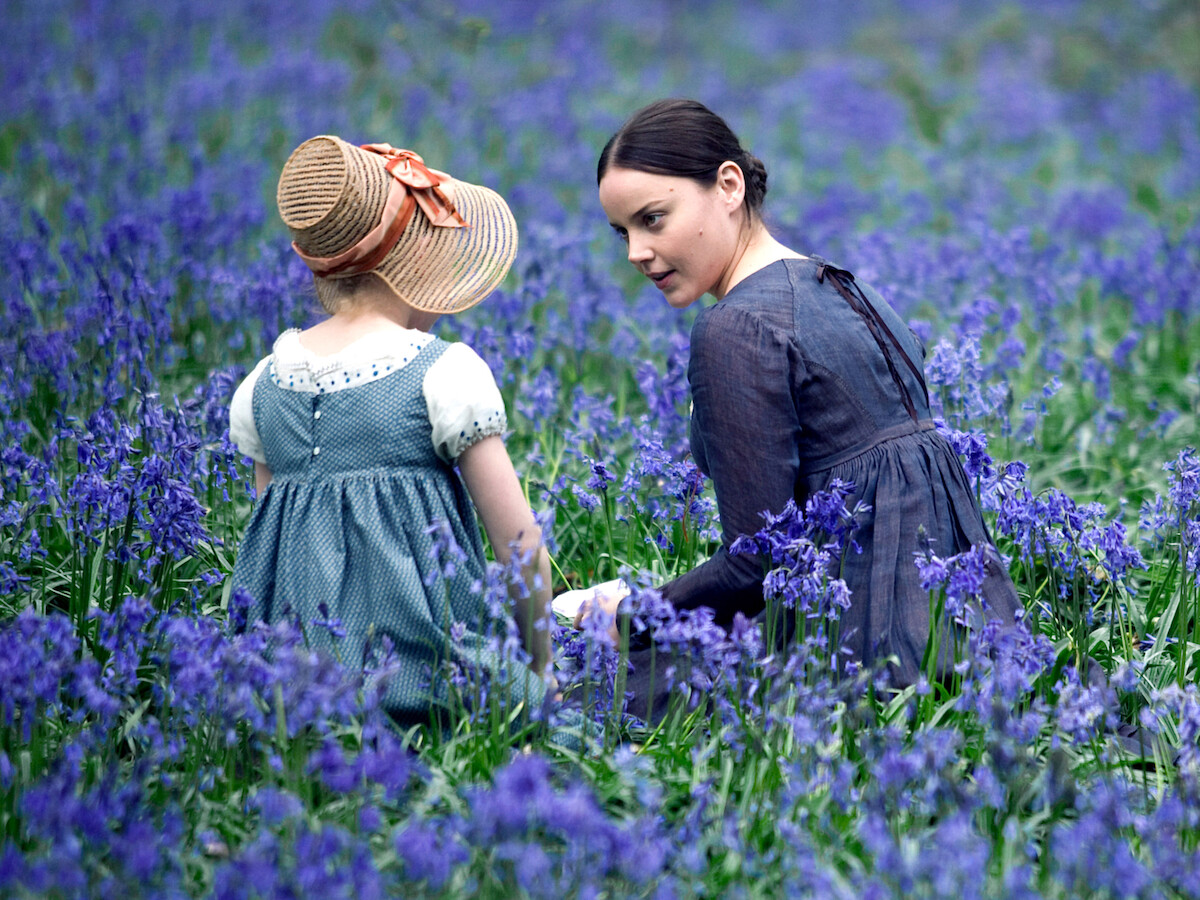
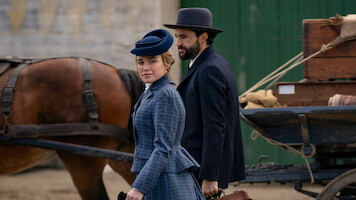
Campion’s 2009 feature Bright Star is a reverent and heartstring-tugging depiction of the romance between poet John Keats and Fanny Brawne. It’s one of the few films to evoke the intangible beauty of written poetry on-screen, and certain shots are so immaculately composed that it can be overwhelming. Ben Whishaw and Abbie Cornish exude chemistry and convincingly deliver one of the most tragic love stories. Keats died at 25 of tuberculosis, never getting his happily ever after or to see his poems become so beloved. Bright Star is a story of doomed love, missed chances and unfortunate illness that you’ll need to be emotionally prepared for.
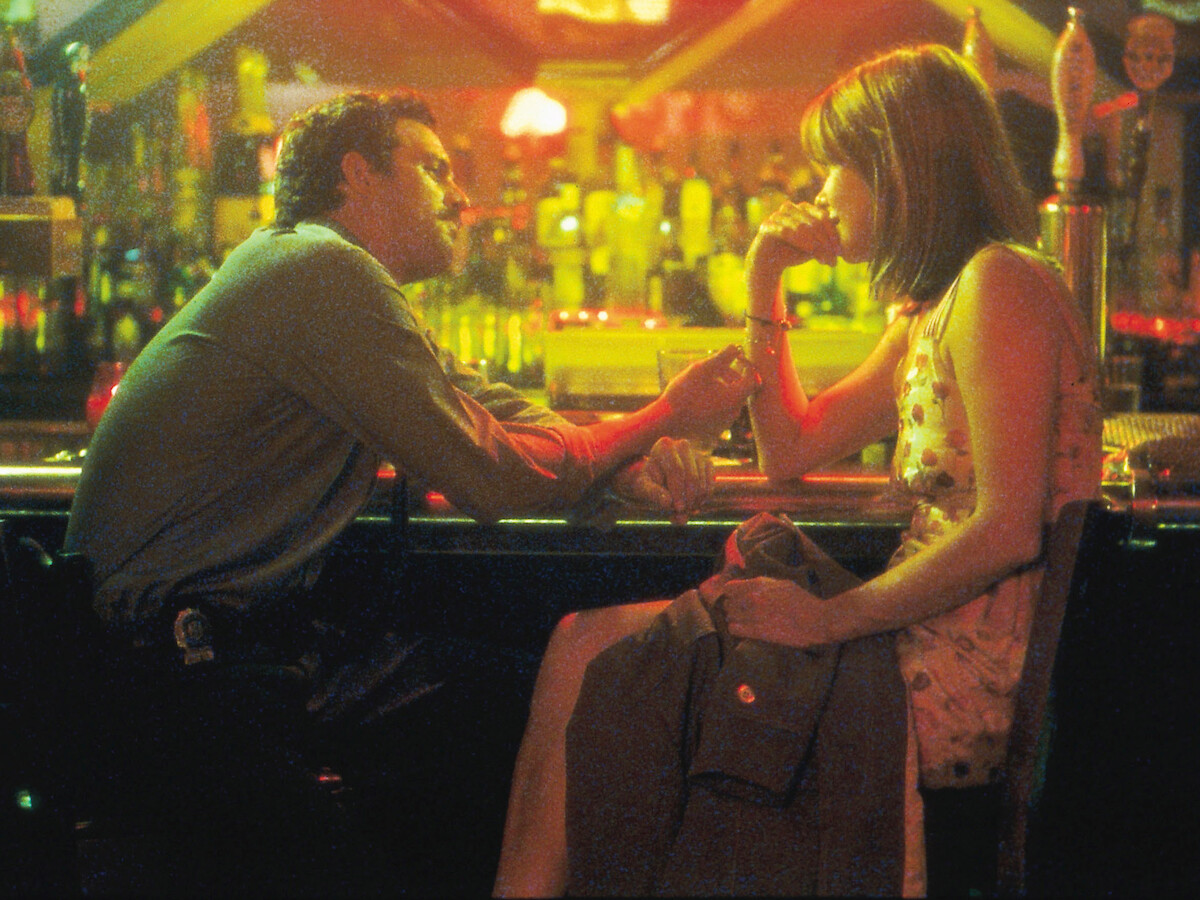
The sexually charged thriller In the Cut, currently streaming on Netflix, is another left turn for Campion in both style and substance. Like Campion’s previous film Holy Smoke!, it’s one of the most divisive films of her oeuvre. But don’t let the mixed Rotten Tomatoes reviews fool you: This film will challenge you, shock you and stick with you. One of Campion’s strengths is to put actors in unexpected roles and get career-topping performances out of them. She does this with Meg Ryan as an English teacher who witnesses a murder and dives deep into the seedy underworld of New York City. Mark Ruffalo co-stars as the mysterious, blunt and somewhat creepy Detective Malloy. Some viewers expected a more straightforward film considering Ryan’s and Ruffalo’s work in romantic comedies, but what they got was something much darker and more interesting.
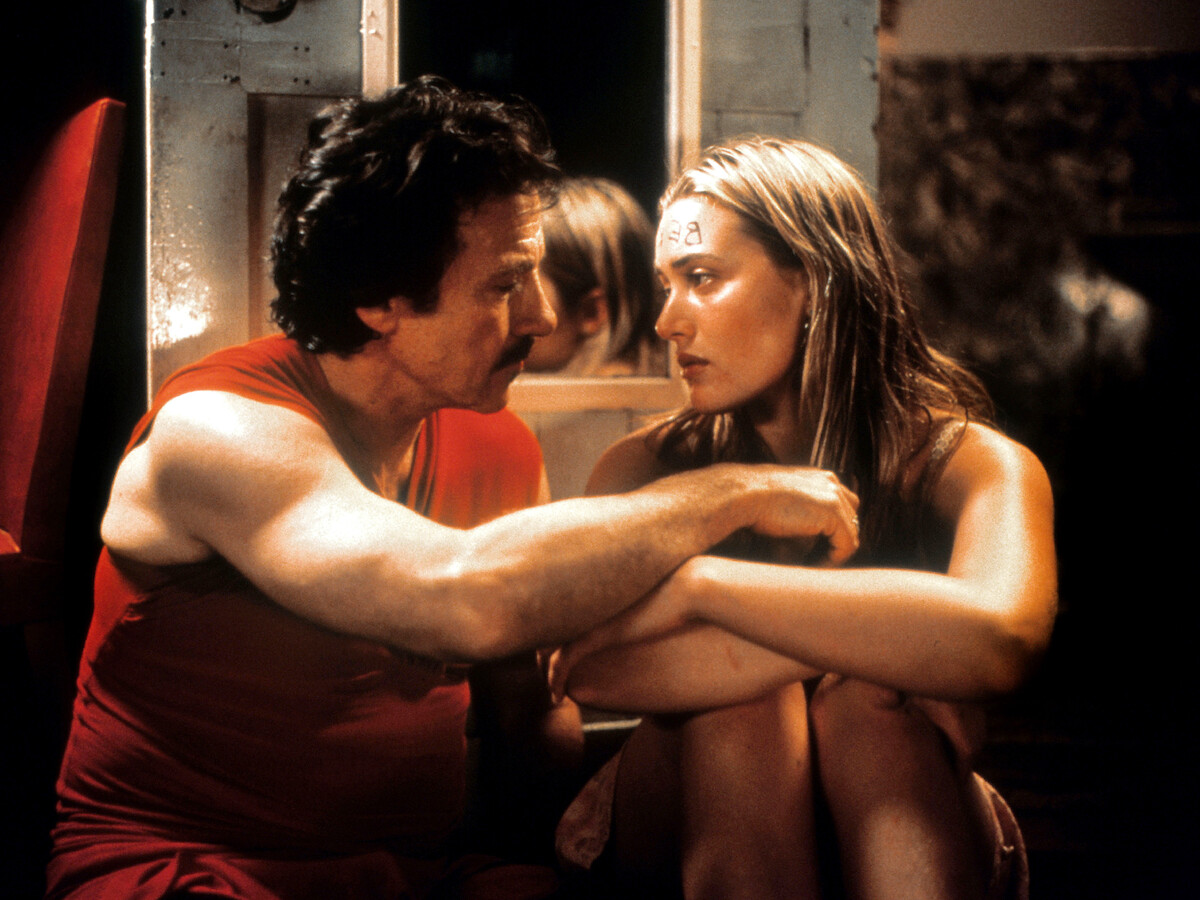
Campion and her sister Anna wrote the eccentric, dark and unexpectedly funny Holy Smoke! screenplay. Kate Winslet plays Ruth, a rebellious Australian twentysomething who becomes enthralled with the teachings of an Indian guru named Baba. Her family, believing her to be in a cult, fakes an emergency to get her to leave the country and stages an intervention. They hire the alpha male cult deprogrammer P.J. (Harvey Keitel), but his machismo is no match for Ruth. It’s a sex-filled battle of wills in some consider to be one of Campion’s more out-there films. However, it’s worth the price of admission for Winslet’s charismatic performance alone — especially notable since she took this role at the peak of her Titanic fame.
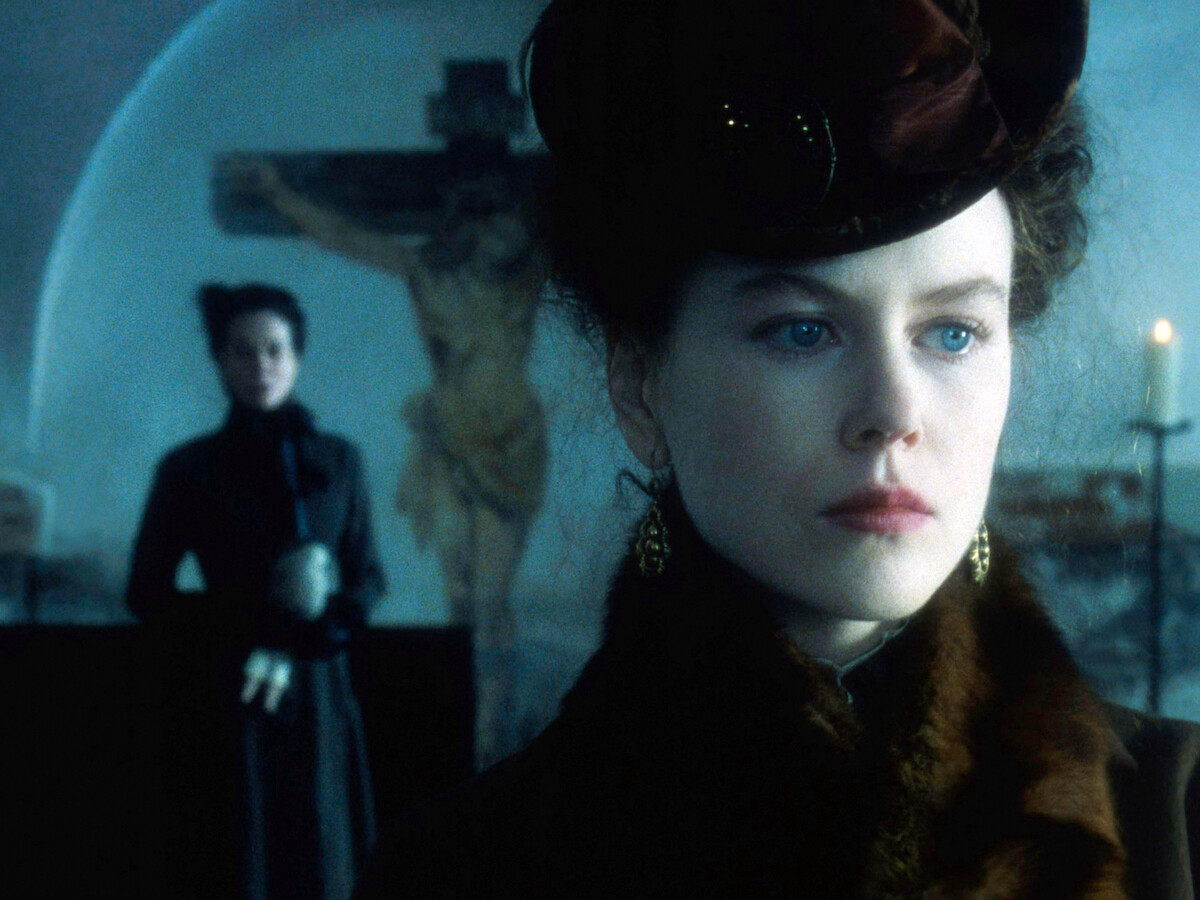
A period-piece retelling of Henry James’ titular novel starring Nicole Kidman, John Malkovich, Christian Bale, Mary-Louise Parker, Shelley Duvall and Viggo Mortensen is enough to get most movie lovers on board. While Tudum recommends reading the classic book before watching the movie, the film is engrossing, with gorgeous costume design and an incredible performance from Kidman. Campion excels at stories where her lead character is a misunderstood and underestimated fish out of water (The Piano, An Angel at My Table). For this reason, it’s obvious why she gravitated toward the story: an American abroad with newfound wealth whose many aristocratic suitors often don’t have her best interests at heart. The film was nominated for two Academy Awards: Best Costume Design and Best Supporting Actress for Barbara Hershey.
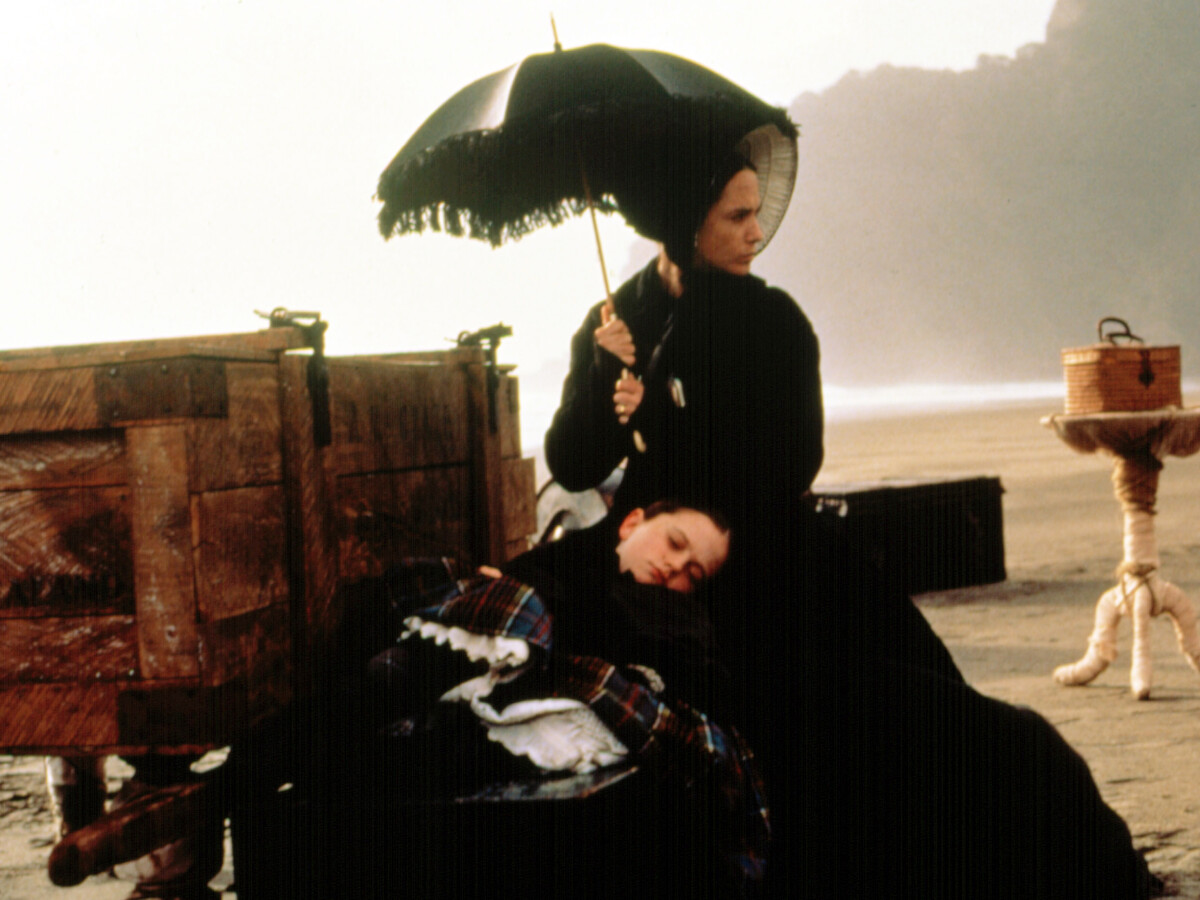
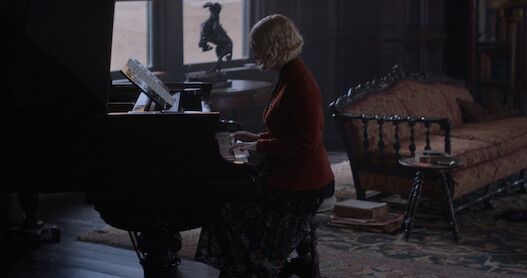
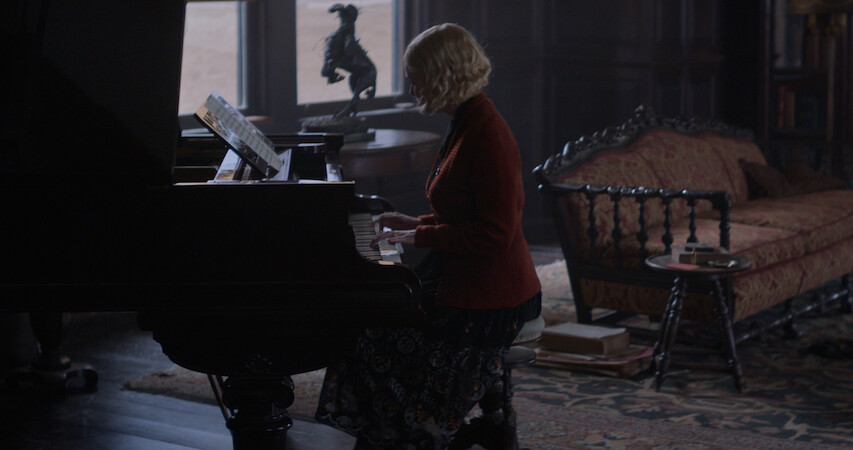
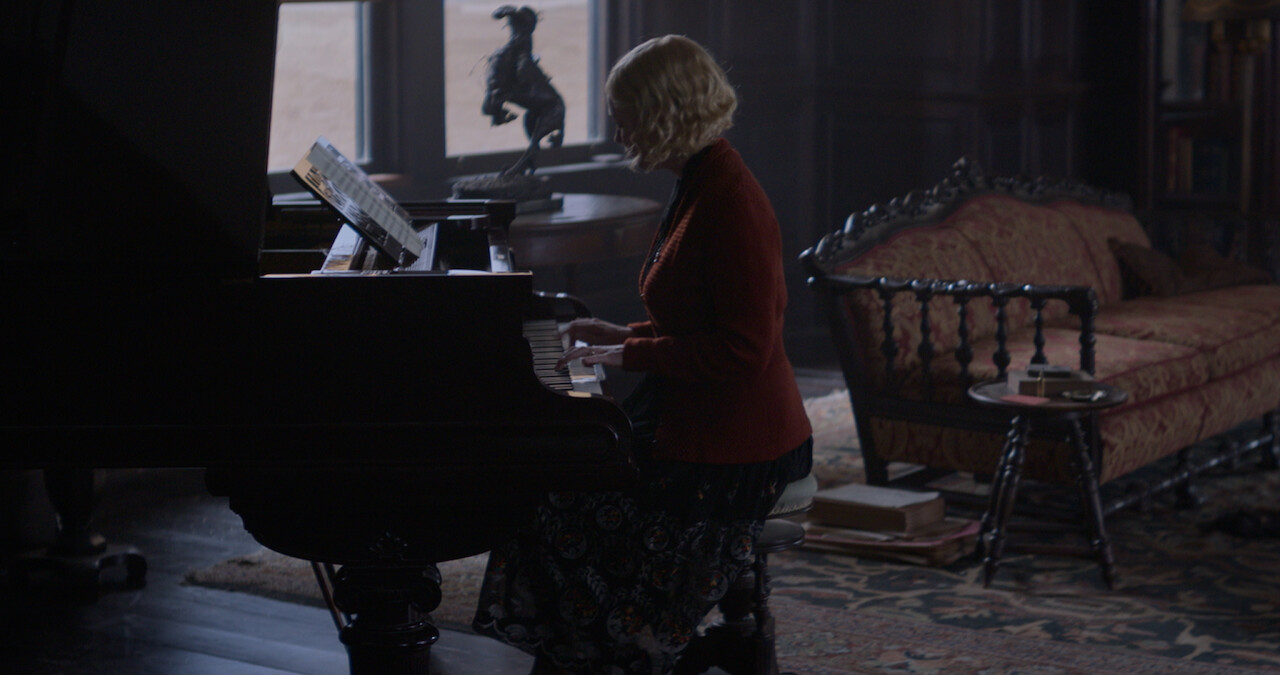
Describing the plot of The Piano doesn’t do this nuanced, spectacular film justice. Holly Hunter plays Ada, a mute Scottish woman who is sold into marriage to a rich New Zealand colonizer. Ada only communicates with her daughter (Anna Paquin) via handwritten notes, sign language and music on her piano. Her cruel and insecure new husband (Sam Neill) initially refuses to bring her piano to his estate, but his neighbor Baines (Harvey Keitel) purchases it in order to get closer to Ada. Campion wrote the script, and the love story that unfolds feels timeless and organic. Audiences and critics thought so too. The Piano won the Palme d’Or at Cannes, making Campion the first female director to win the honor. It also received three Academy Awards: Best Supporting Actress for Paquin, Best Screenplay for Campion and Best Actress for Hunter.
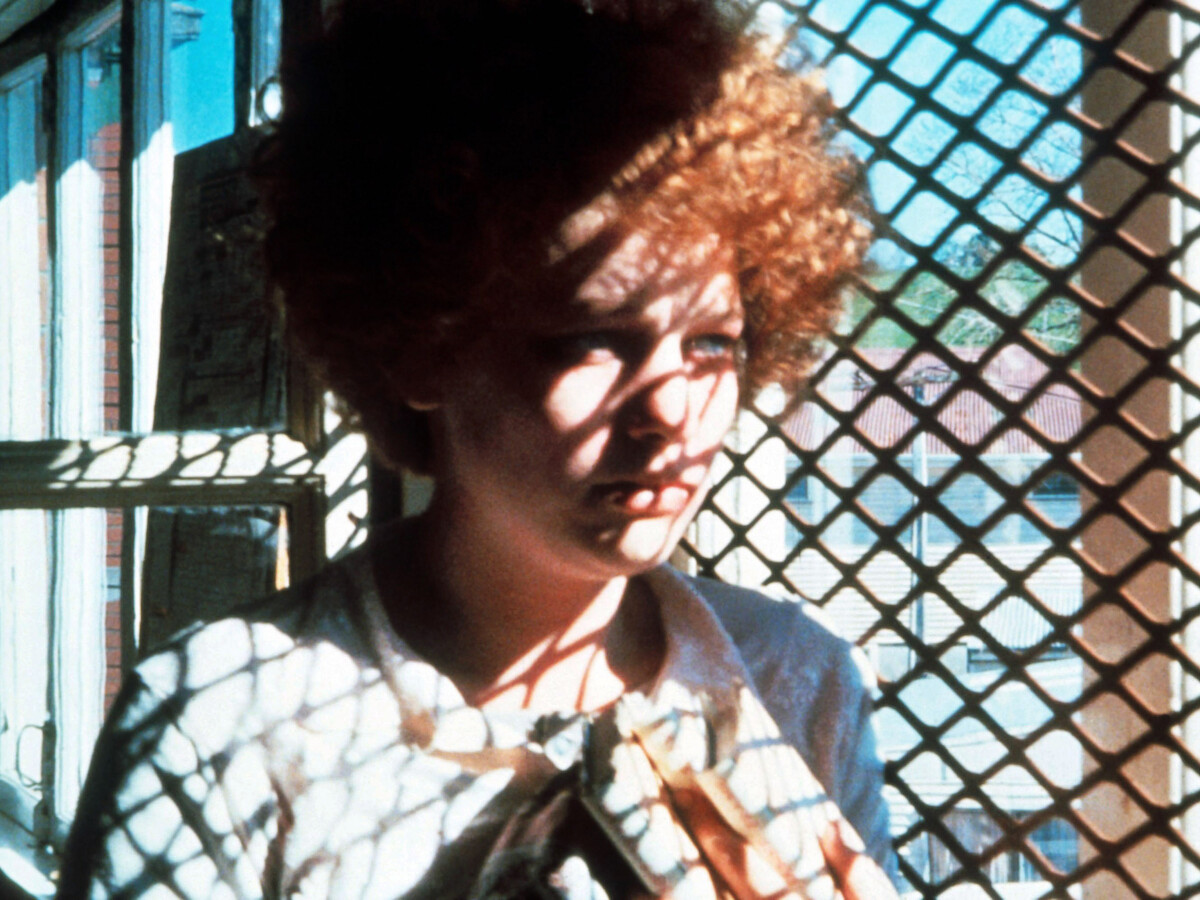
Janet Frame lived an incredible life. She became one of New Zealand’s most celebrated writers, but her upbringing was traumatic. Her life had many tragedies, including the loss of two of her young sisters to different drowning accidents. Frame was misdiagnosed as schizophrenic and spent eight years institutionalized. Throughout her life, writing was Frame’s salvation and escape. She wrote two books while in the hospital and won one of New Zealand’s most prestigious literary prizes, securing her release from psychiatric care right before a scheduled lobotomy. In Campion’s stunning adaptation of Frame’s autobiographies, Frame is played by three different actresses as she grows up. All three performances are excellent and eerily similar in their portrayal of the writer. Compared to most biographical films, Campion’s feels incredibly intimate: She anchors every action to Frame’s perspective and feelings. It’s a beautiful film about resilience.
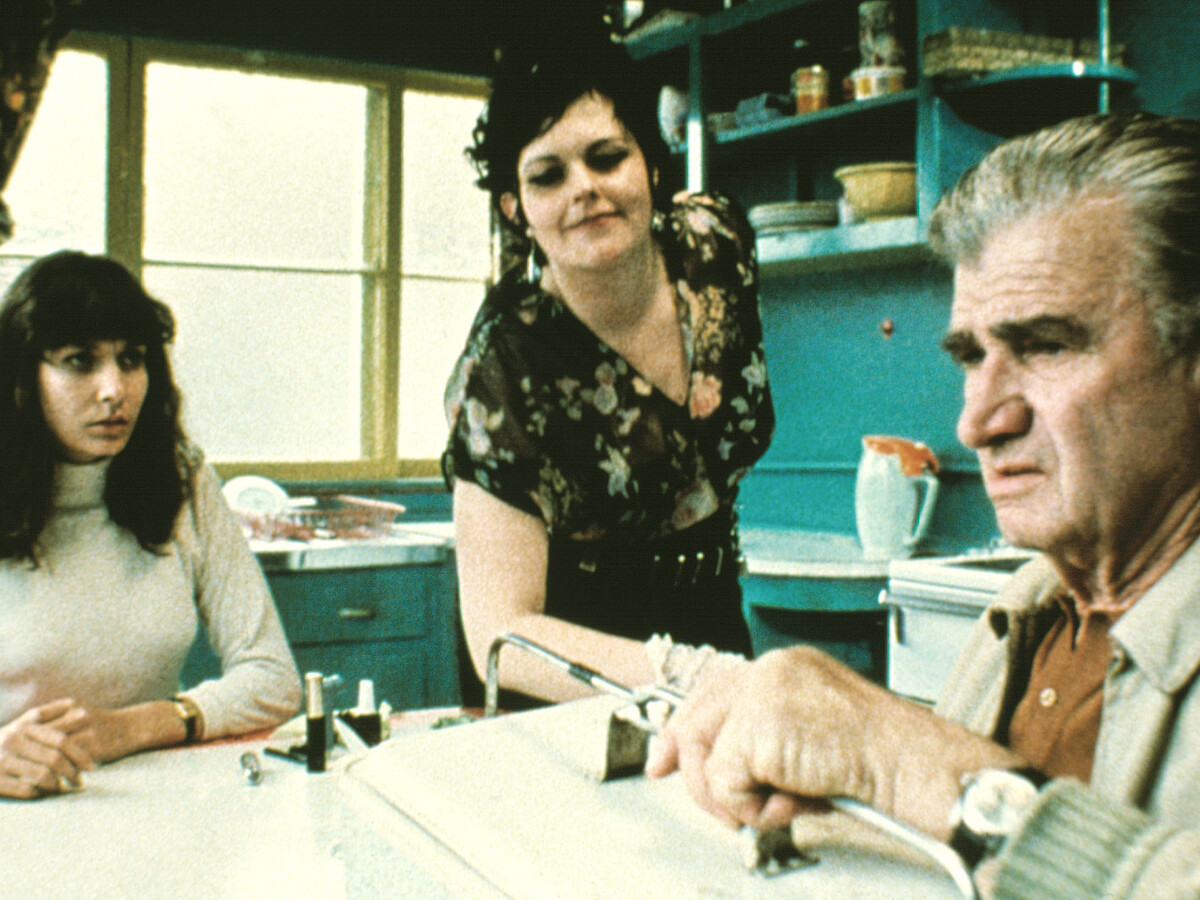
Campion’s theatrical debut isn’t the best gateway to her oeuvre, but it’s an electric and compelling film about a supremely dysfunctional family. Karen Colston plays Kay, a repressed, quiet and superstitious woman who couldn’t be more different than her sister Dawn, aka Sweetie (Geneviève Lemon), who’s spoiled, impulsive and reckless. Their relationship is chaotic and toxic, and Campion is able to dive deep into their dysfunction, hinting at unspoken family traumas. While it’s not her best film, Sweetie is recommended viewing. It shows an auteur’s early voice and foreshadows her genius career.