News
Benedict Cumberbatch on Repressed Sexuality in ‘The Power of the Dog’
The new film’s depiction of toxic masculinity took a lot of thought.
Nov. 23, 2021
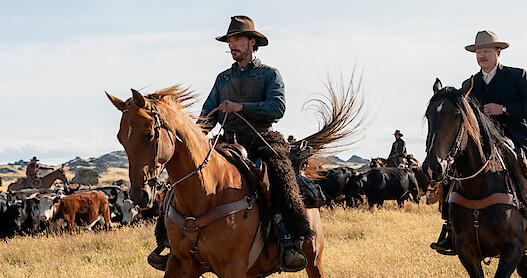
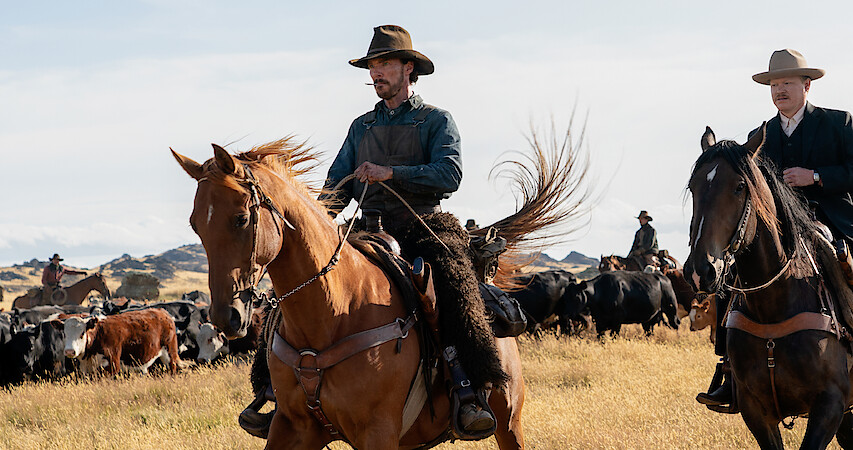
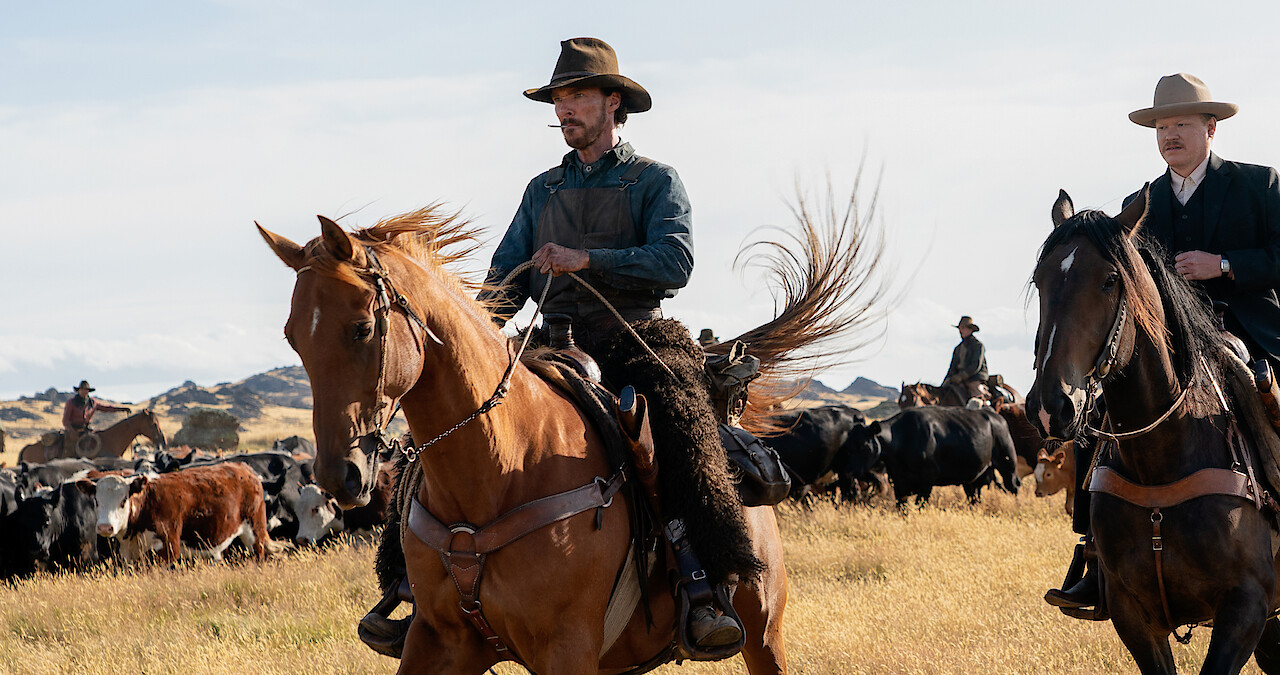
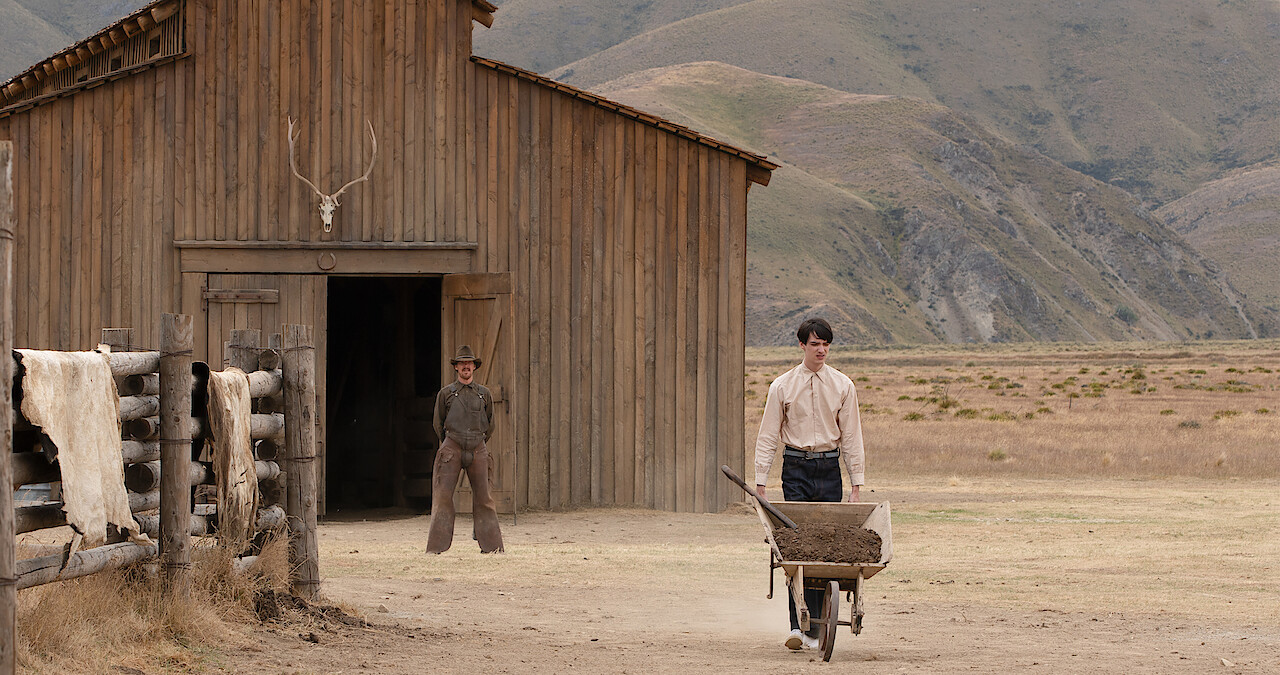
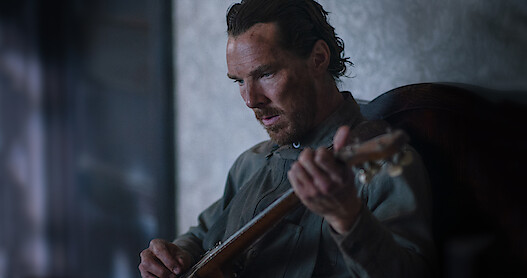
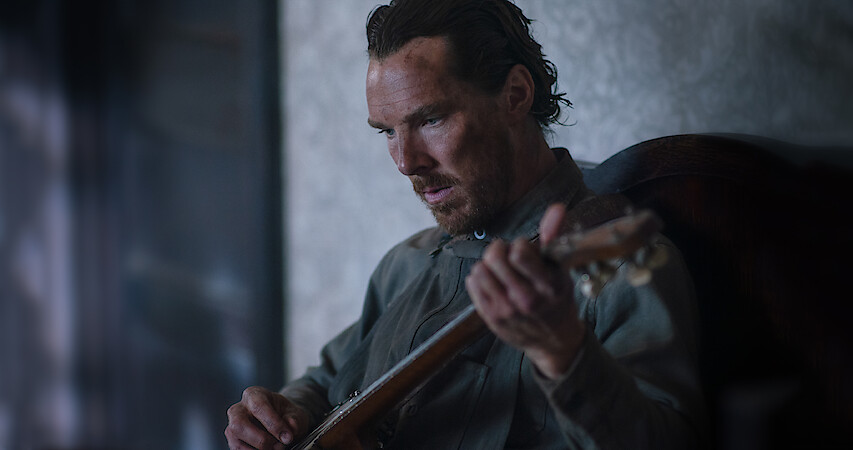
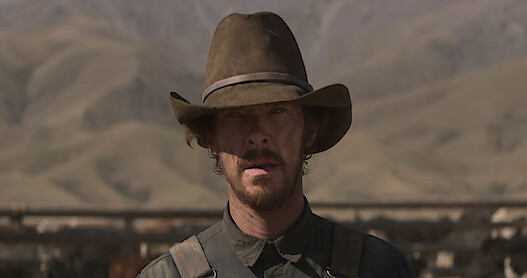
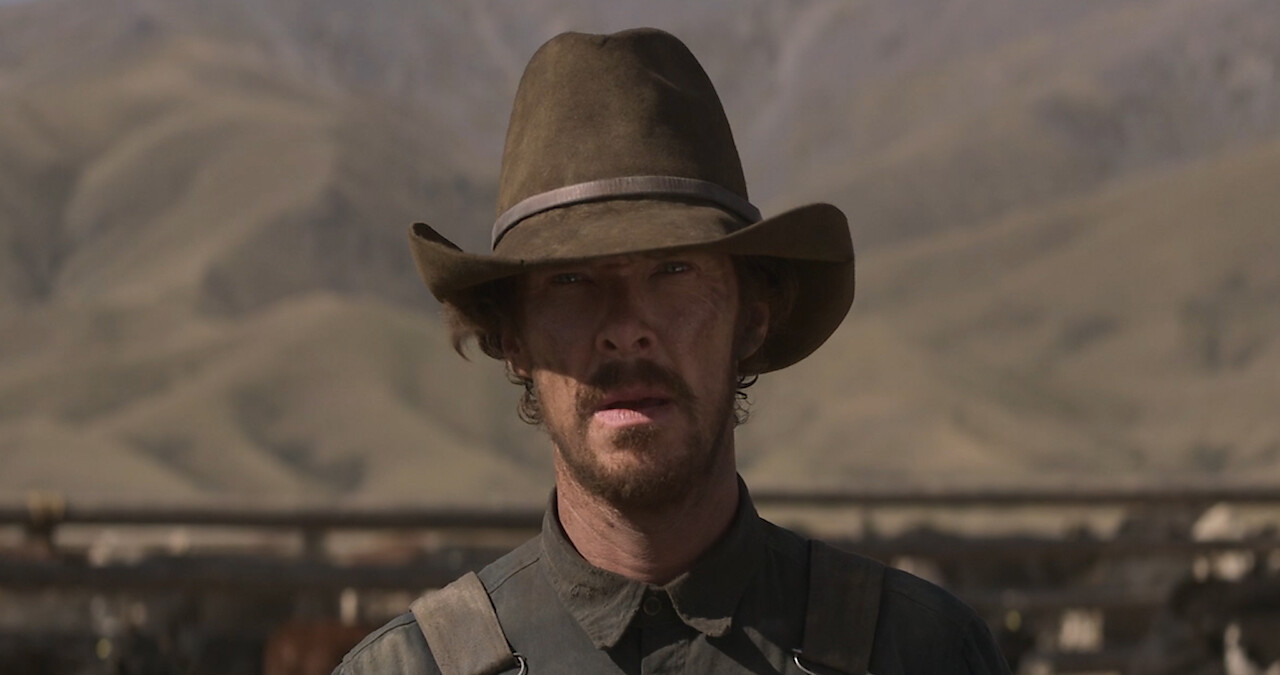
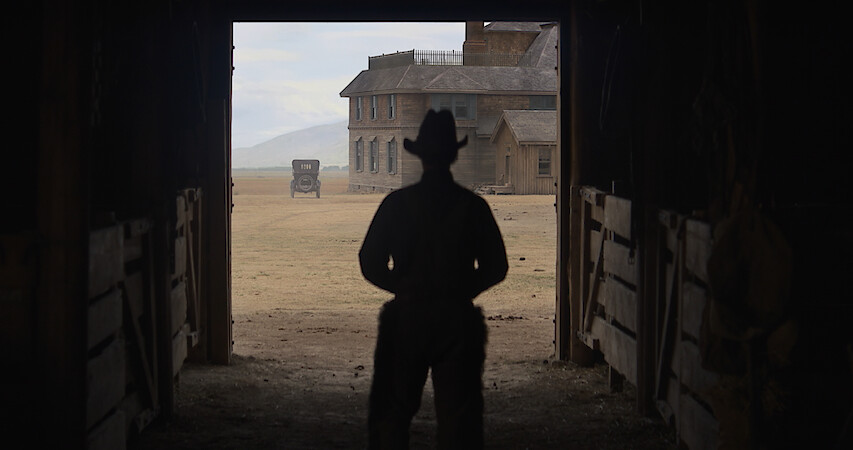
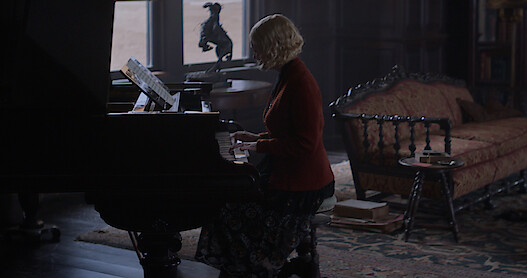
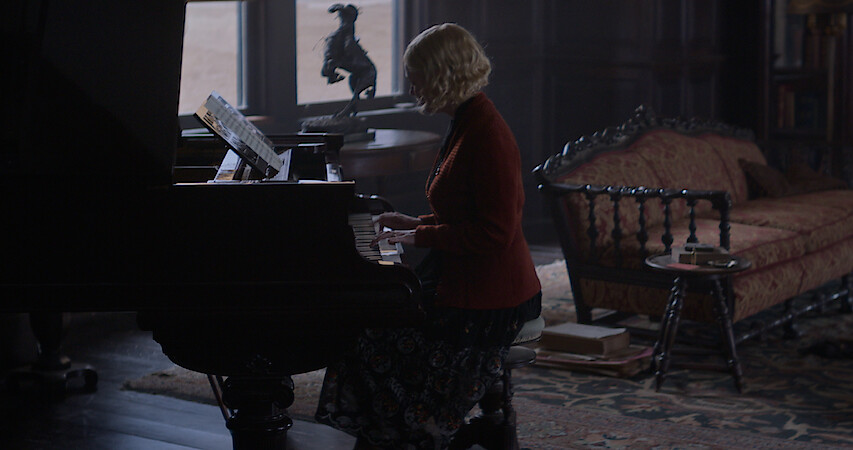
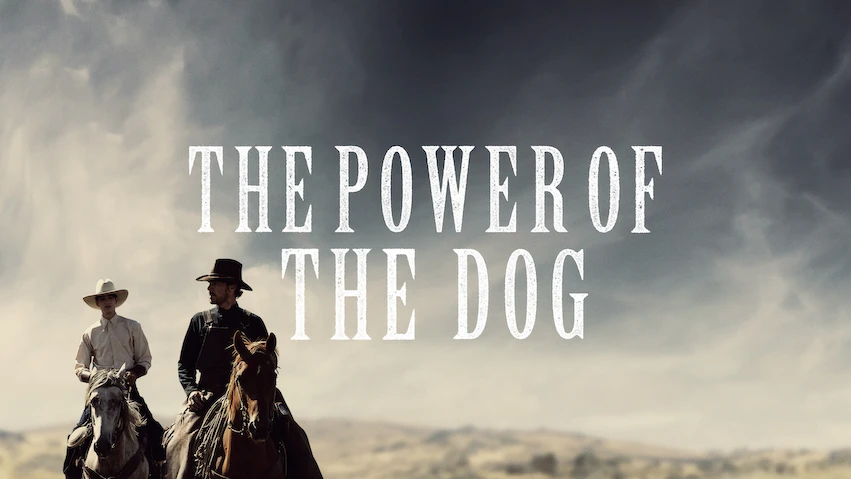
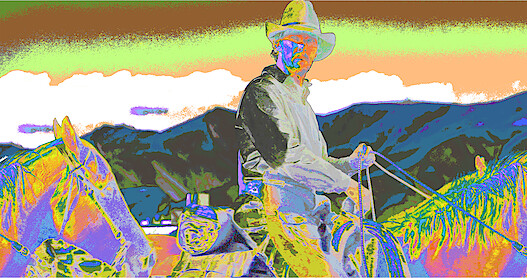
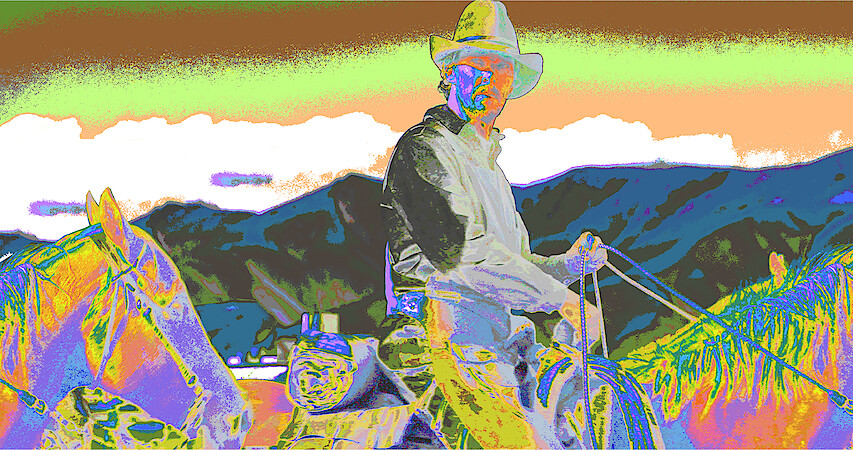
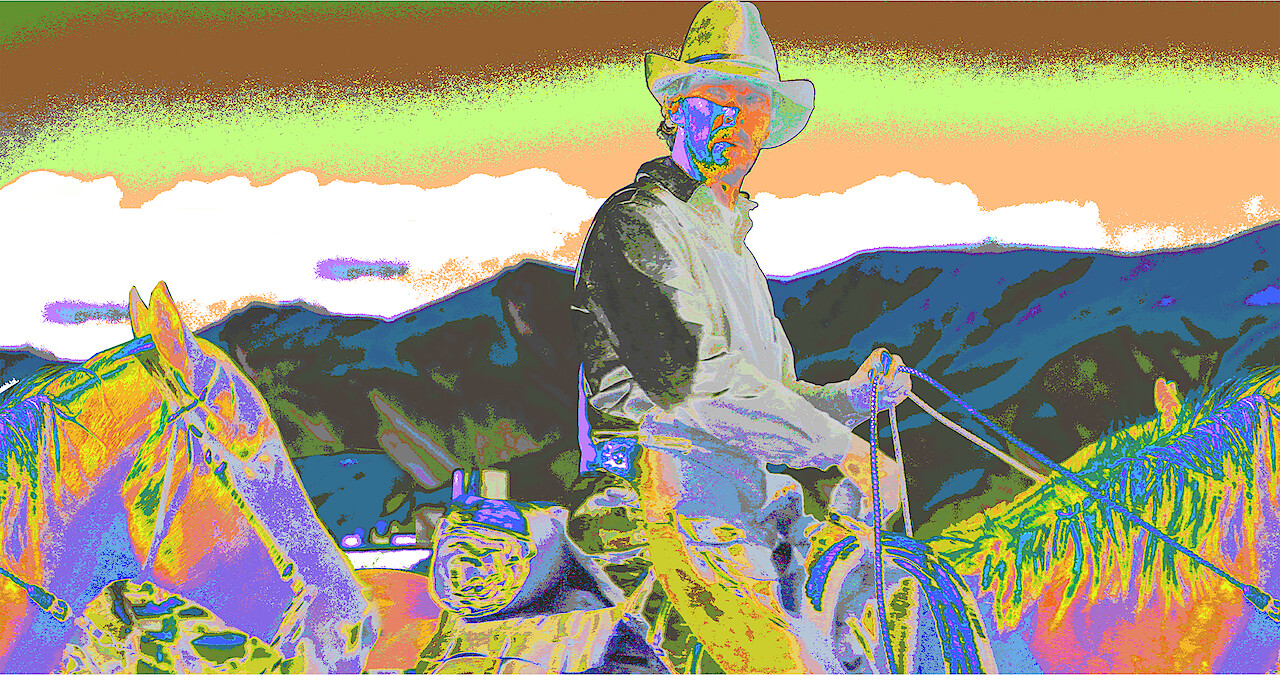
Phil Burbank is a terrifying figure in The Power of the Dog. As played by Benedict Cumberbatch, he stalks around his family ranch like a predator, unleashing his bottled-up resentment on anyone who fails to fit into the carefully curated world that he lords over. But Phil is also a deeply sad character, a closeted gay man who covers up his own insecurities with a rough, toxic facade of traditional masculinity.
Cumberbatch worked hard to communicate Phil’s complicated state of mind throughout the new Jane Campion-directed Western. “This character isn’t existing in a vacuum,” he said in a digital panel at the Toronto International Film Festival. “It’s hard to watch what he does.... If our work has succeeded, you understand his motivations, and you should move toward an empathy for him, or at least an understanding.”
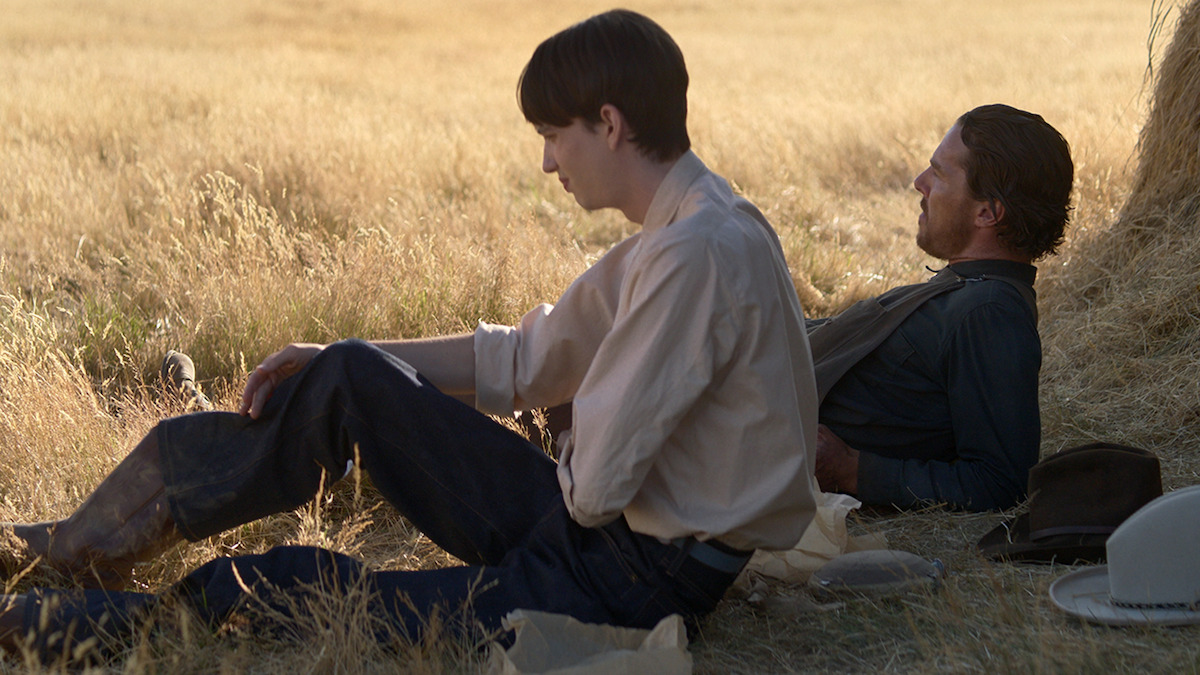
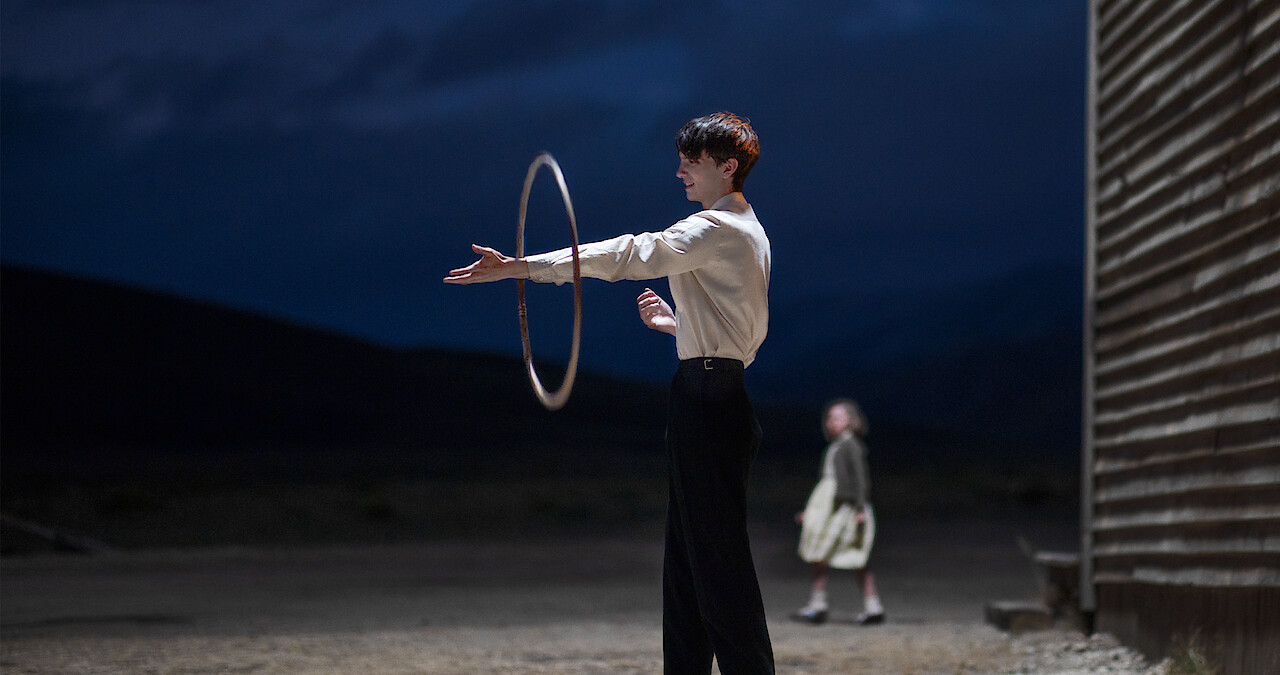
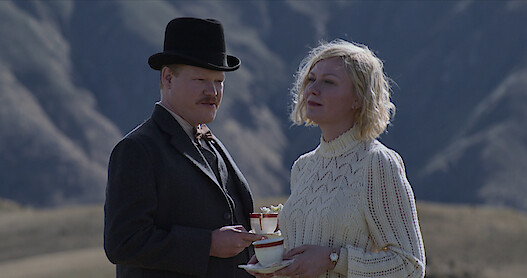
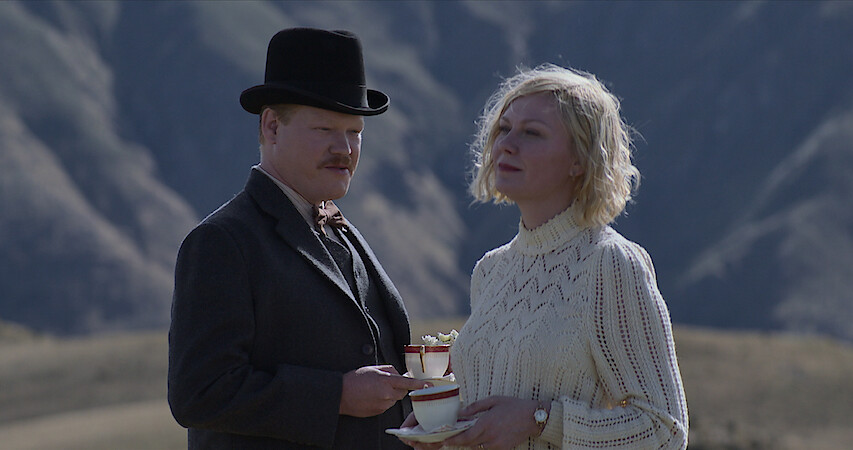
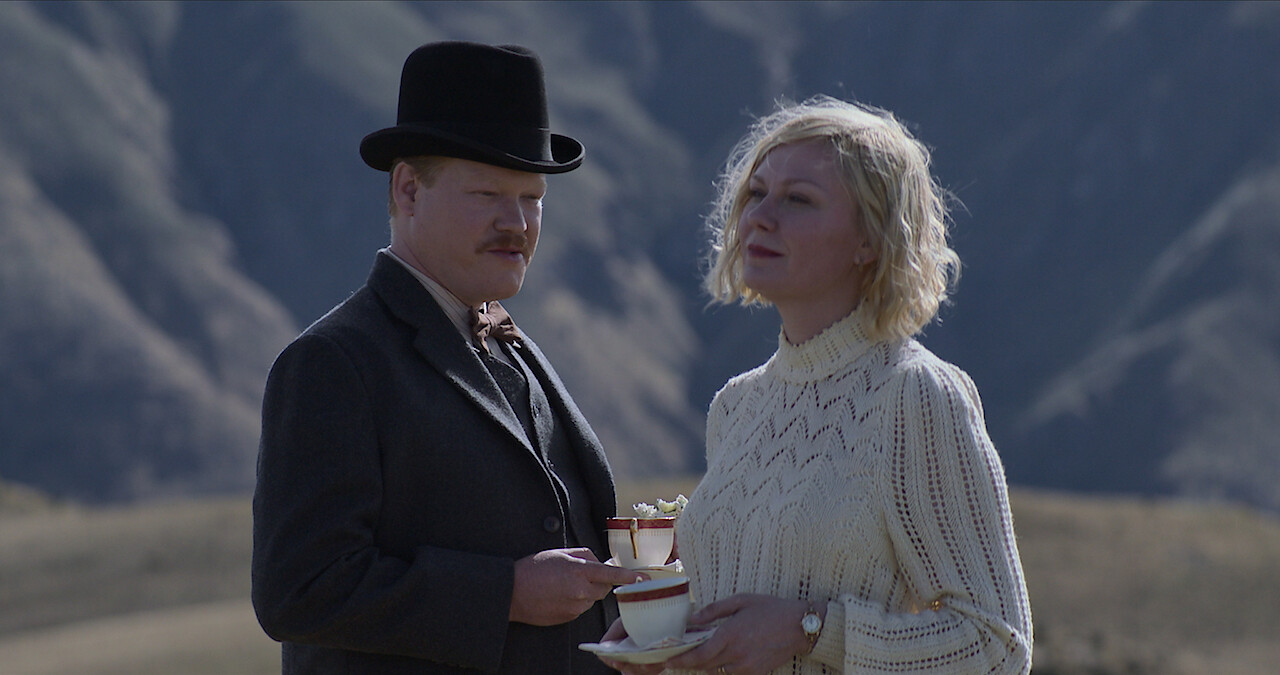
Part of Phil’s bitterness seems to stem from the loss of his mentor — and, we later learn, lover — Bronco Henry. Cumberbatch described “this other sensual, private part of him that the film slowly reveals” as the root of his cruelty toward others. When Phil sees his brother George (Jesse Plemons) beginning a new relationship with Rose (Kirsten Dunst), he falls deeper and deeper into his loneliness. The cruelty that results from it begins to overflow, and he directly targets Rose. “He feels that the world is against him, and he hates on it before it can hate on him,” he said.
Cumberbatch suggested that the way Phil treats Rose is caused by his feelings about himself. “Not to condone his behavior, it’s part of the warning of the story, the moral of toxic masculinity is often born out of repression and feelings of being gaslighted or washed out or not allowed,” he said. “There’s no space or cultural space or tolerance of them, not just his sexuality, which is a huge part of that, but also the performative nature of his masculinity."
The actor, who earned an Oscar nomination for playing gay British codebreaker Alan Turing in 2014’s The Imitation Game, also addressed criticisms of straight actors taking on roles like Turing and Burbank. “It wasn’t done without thought,” Cumberbatch said. “I also feel slightly like, is this a thing where our dance card has to be public? Do we have to explain all our private moments in our sexual history? I don't think so.”
By the time the credits roll on The Power of the Dog, we’re left with a far more complicated portrait of Phil than we may have started with. He’s a fully three-dimensional character — vicious and bitter, but also lonely and unsure of himself. Cumberbatch hopes the performance contains a hope of redemption, even in the face of the character’s cruelty. “We move forwards as a society if we can see past the behavior toward the motivations, towards an understanding,” he said, “We don’t if we just cast these people aside as the bad guys and throw away the key.”