KIRSTY GRIFFIN/NETFLIX
Guide
All the ‘Cowboy Bebop’ Easter Eggs You Probably Missed
Watch this space for hidden clues.
By Peter A. Berry
Dec. 23, 2021
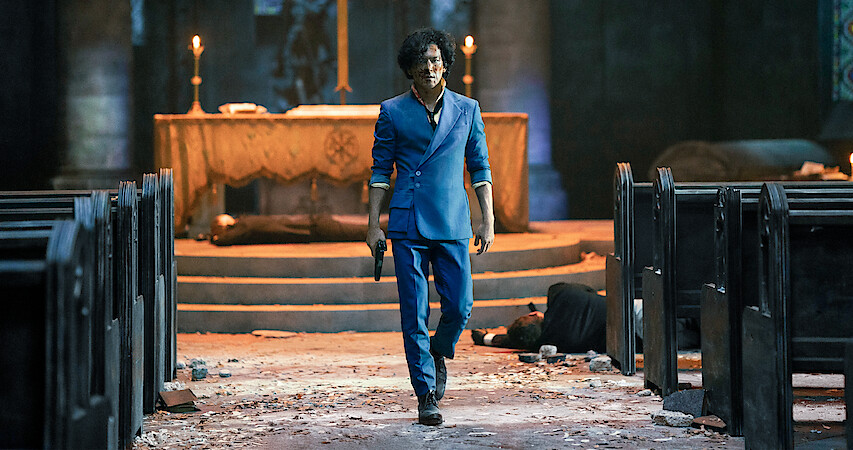
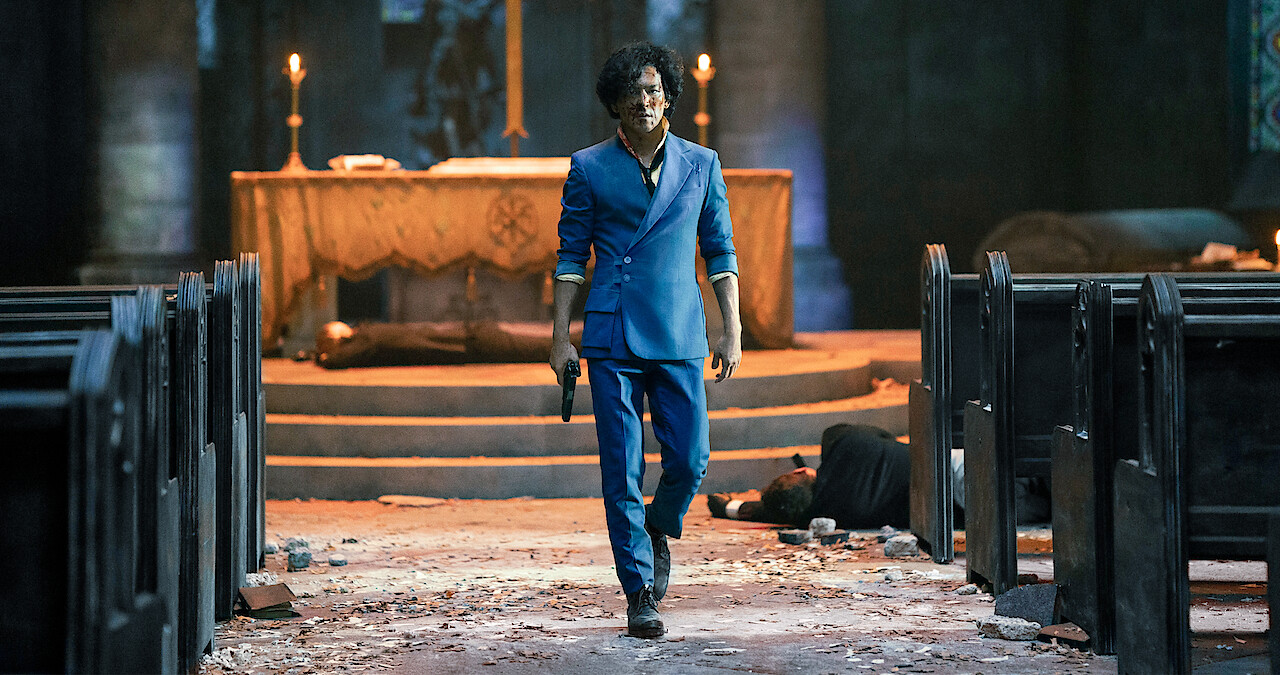
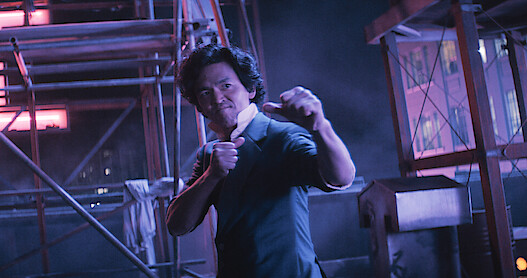
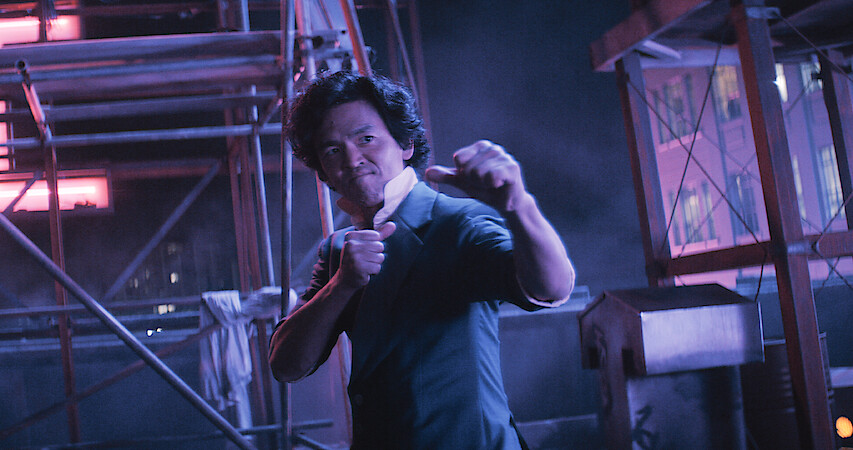
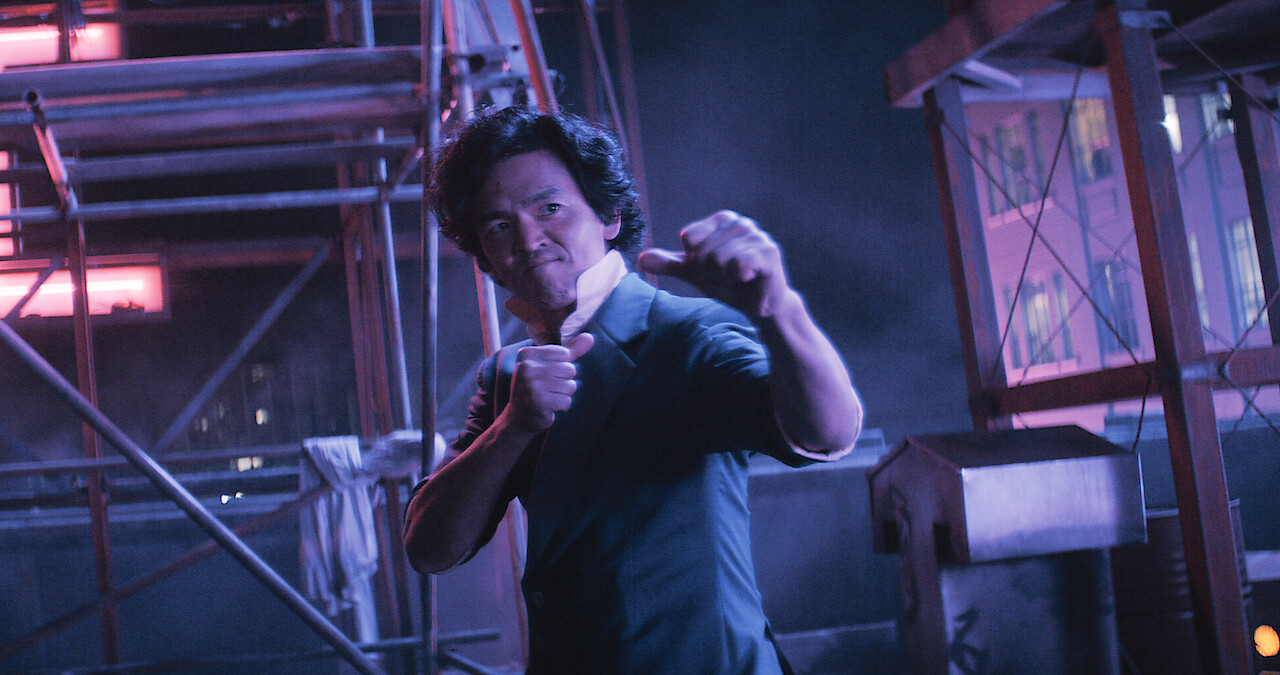
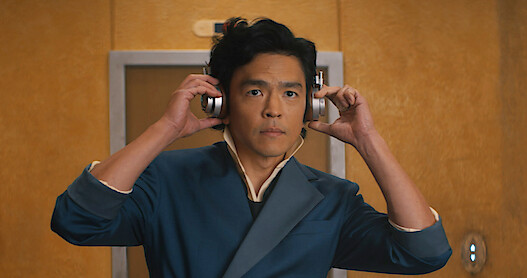
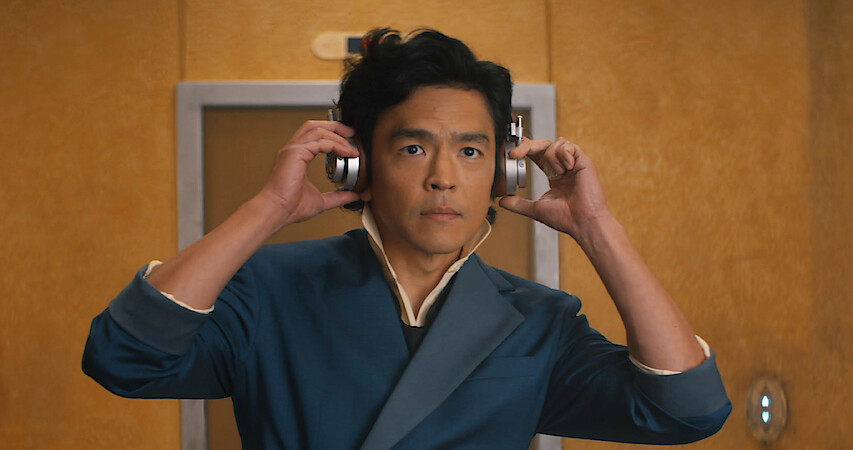
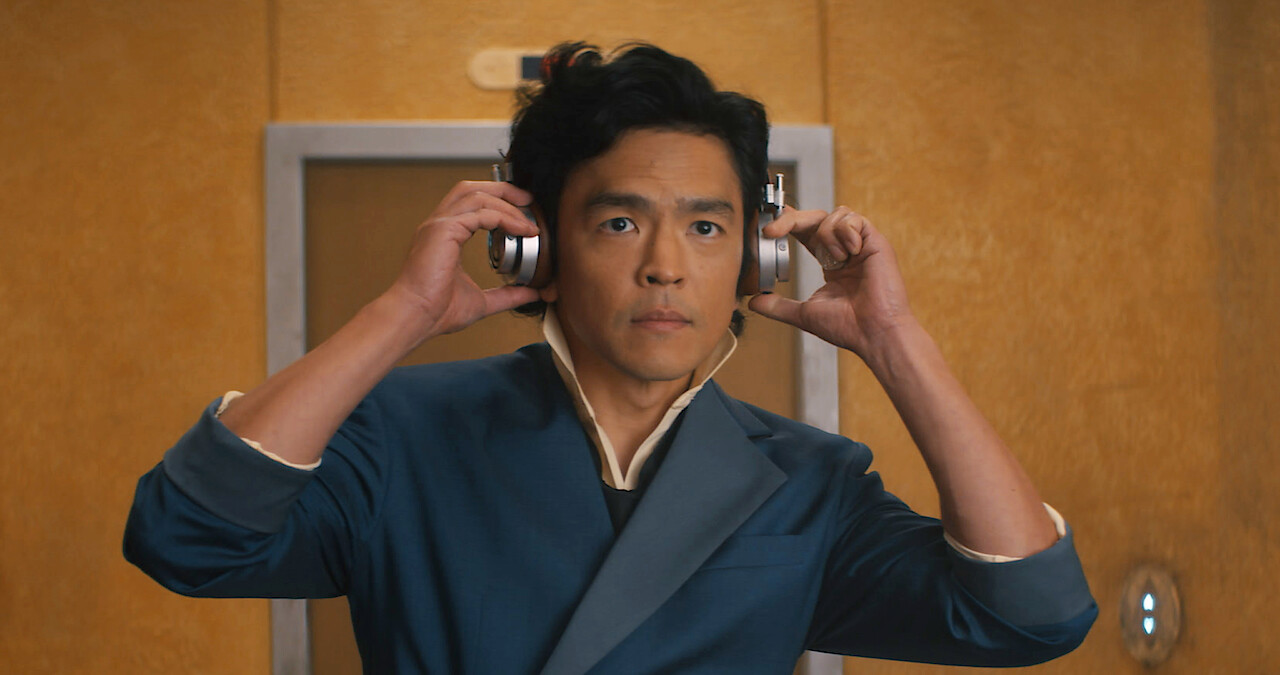
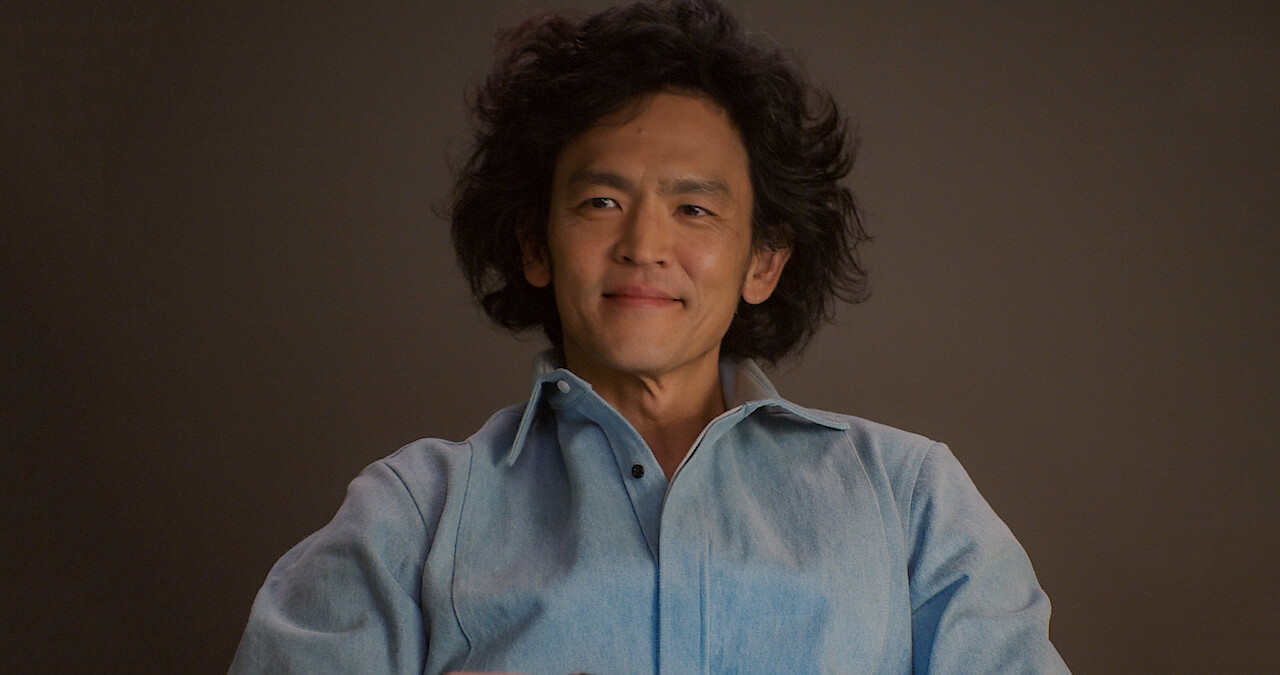
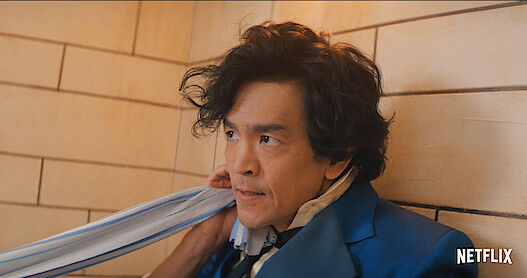
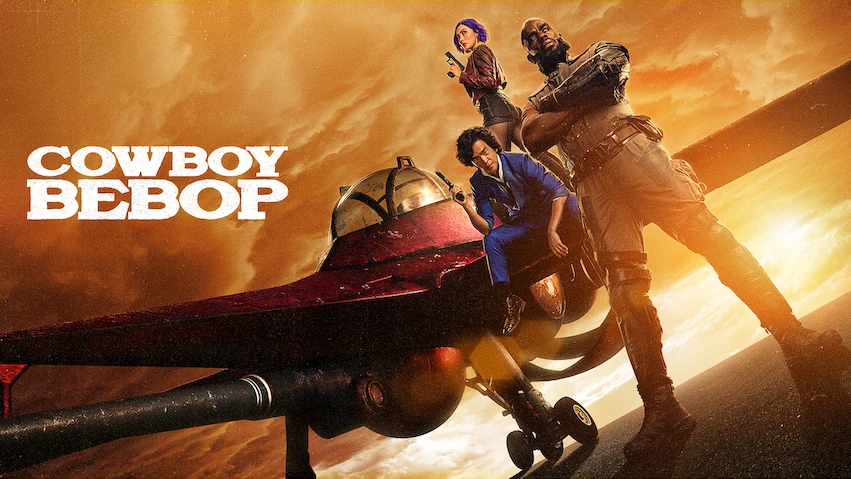
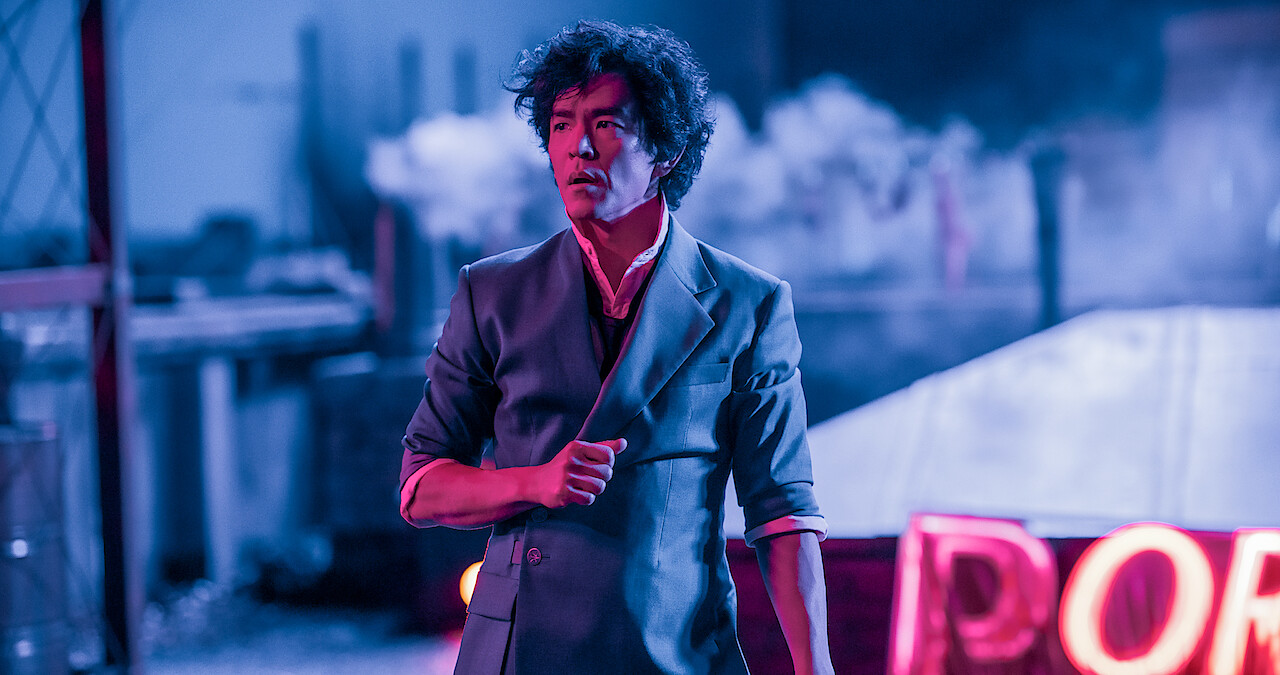
Cowboy Bebop is a glittering collage of pop culture — a nearly seamless mix of past, present and an imagined future. One moment, you see Spike Spiegel (John Cho) pulling out punches usually reserved for the likes of Bruce Lee movies. Then, a few scenes later, you find a not-so-subtle ode to Silence of the Lambs. "We hid the Declaration of Independence in there," says Nick Komornicki, the show's prop and weapons master, who curated the many hidden references dispersed throughout the show.
Sure, the Bebop universe offers a lot to unpack, with numerous Easter eggs to discover along the way. Ahead, we reveal all of them, in addition to pivotal moments you may have missed the first time around.
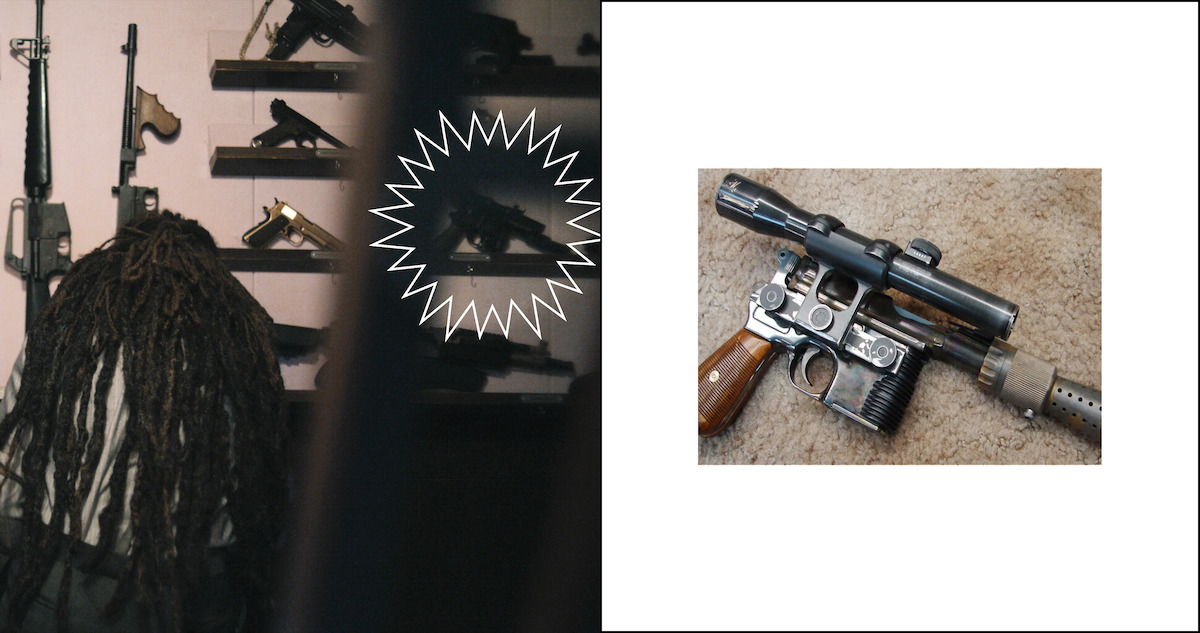
In Episode 2, this space drama pays homage to another. In this particular story, there is a unique jet blaster seen at Ana’s nightclub. But ICYMI, that jet blaster’s design is eerily similar to Han Solo’s in the Star Wars franchise.
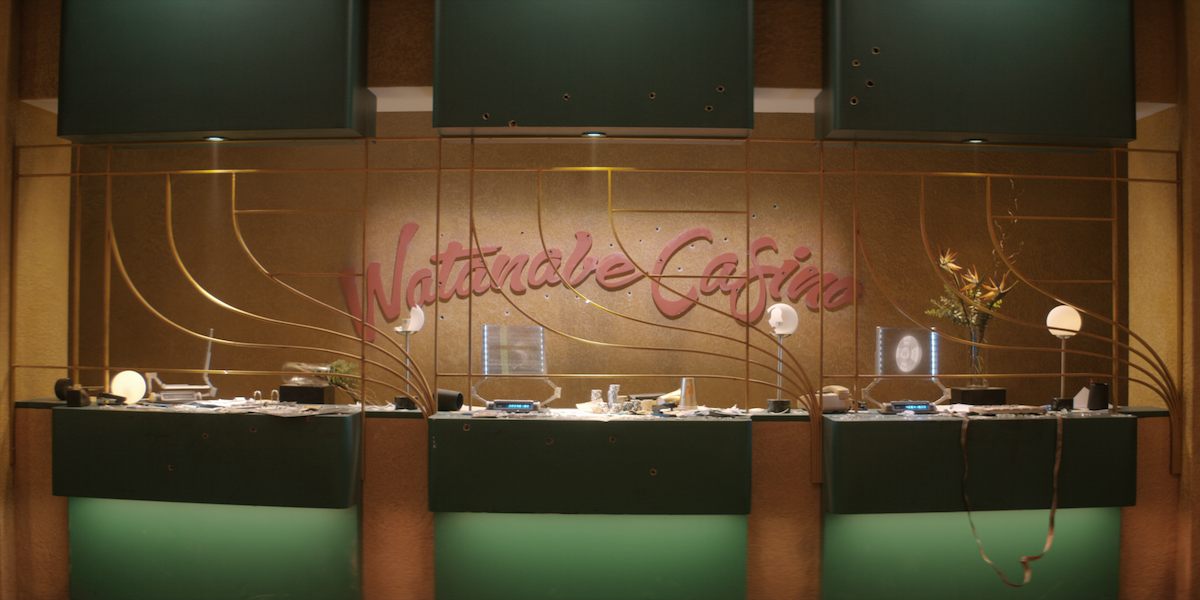
At the very beginning of the season, bounty hunters Spike Spiegel and Jet Black get into a brawl at a place called Watanabe’s Casino. If you didn’t know, Shinichirō Watanabe directed the original anime, and the casino is clearly paying homage to the show’s anime origins.
In the Bebop’s monitor room, you can see a figurine of Arsène Lupin III, the titular star of the classic 1960s manga Cowboy Bebop took inspiration from.
If you look closely, you can see photos of Yoko Kanno — who wrote the scores for the Cowboy Bebop anime and Netflix’s live-action adaptation — on the walls of Ana’s office. There are homages to several Black Panther activists on those walls, too.
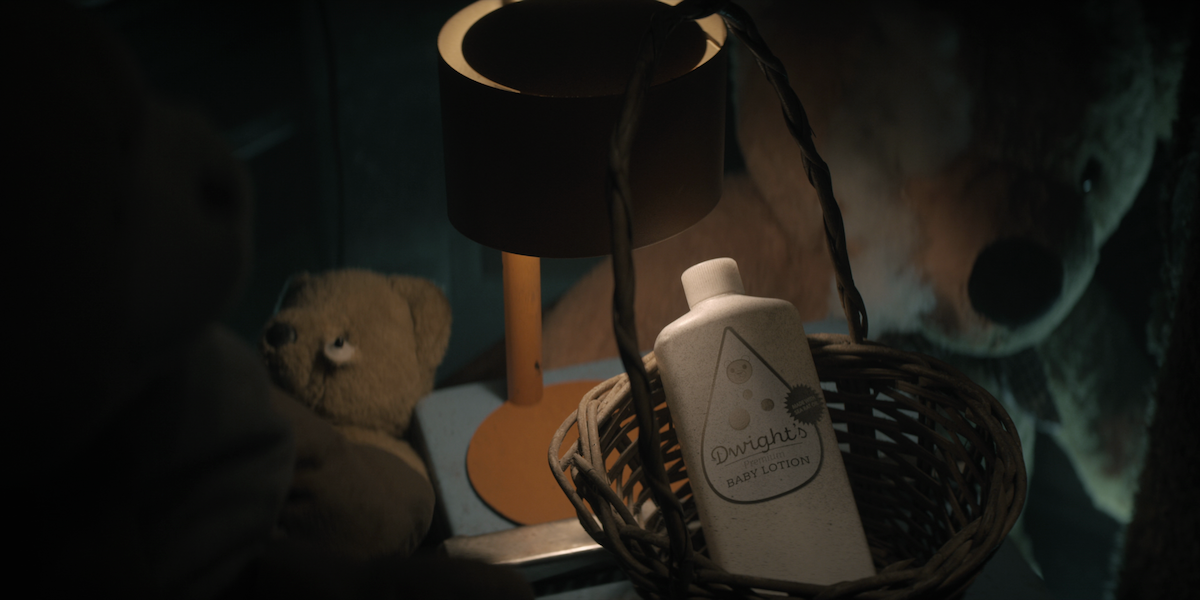
In Episode 3, you’ll find a nod to the classic 1991 psychological horror film. Inside a freighter that’s featured in this episode, there’s a bottle of lotion sitting in a basket — a reference to an infamous line from Silence of the Lambs scene with Buffalo Bill. There’s also a mannequin, another hallmark of the serial killer, who used them to help sew outfits.
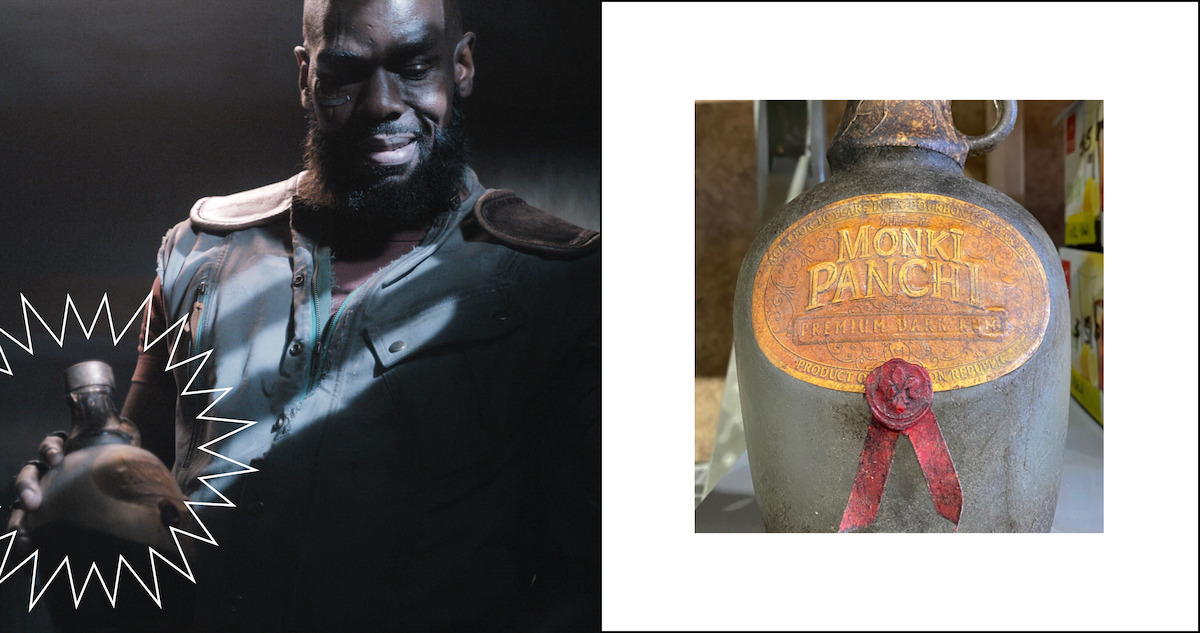
As Spike’s recovering from his initial battle with Pierrot Le Fou, Jet pulls out his secret stash of Monki Panchi Aged Rum for them to sip on. Monkey Punch was the nom de plume for Kazuhiko Katō, who famously created Lupin the Third all the way back in 1967.
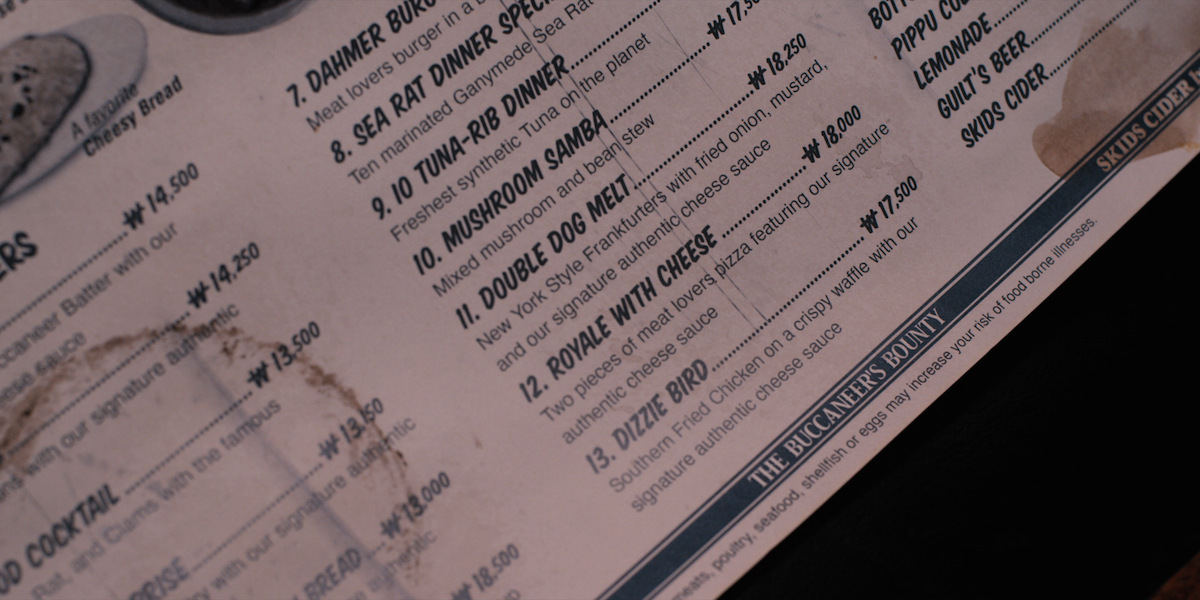
While kicking it at the Seatbelts’ Diner in Episode 4, Jet and Spike look through the menu, which includes an item called The Buccaneer’s Bounty. Buccaneer Props is the company that provides a lot of the gear you see in Bebop.
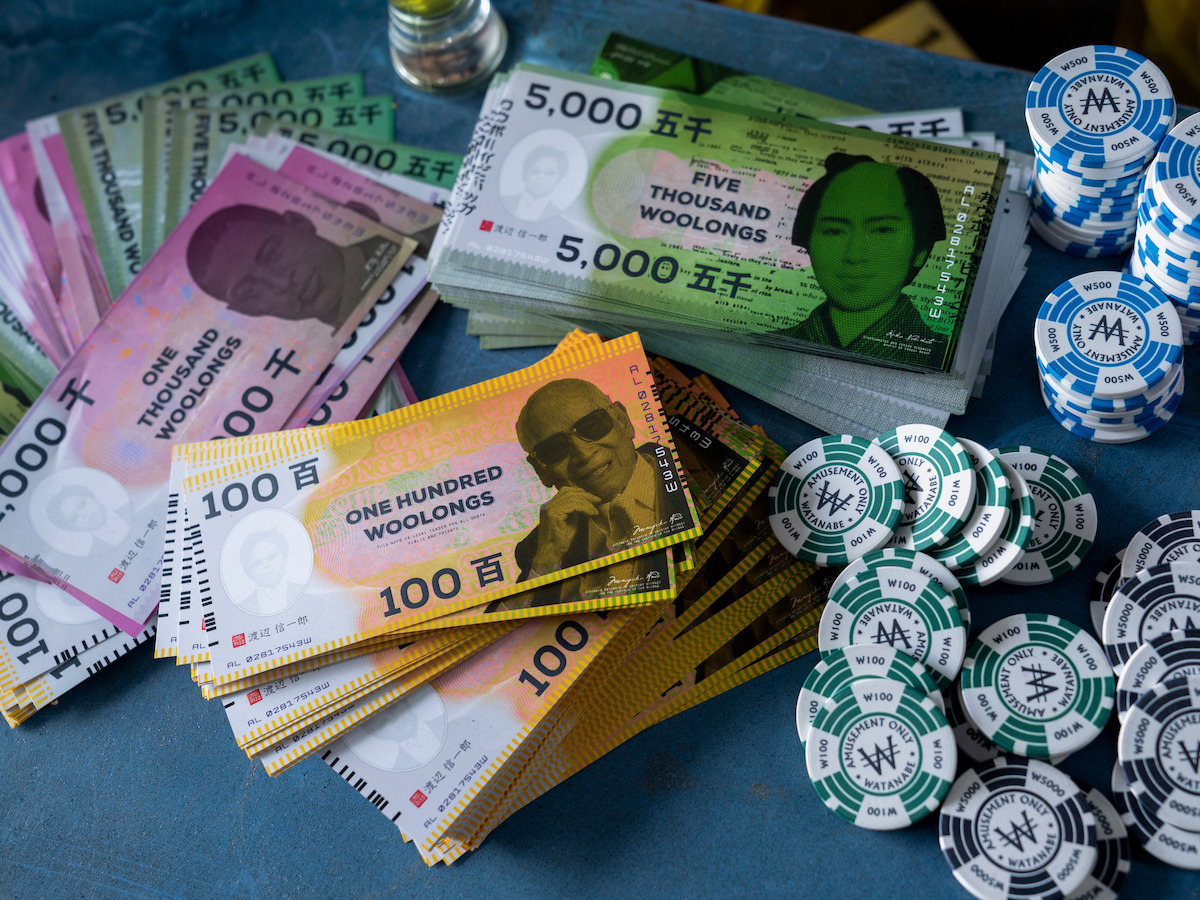
The woolongs — Bebop currency — in the series reboot pay homage not only to players involved with the original anime but also other historical figures. The 5,000W bill features the late Keiko Nobumoto, who wrote the original anime, while the 10,000W features Watanabe, who directed the original series. What’s perhaps even more fascinating is that the 50W coin features the likeness of Valentina Tereshkova, a Russian engineer/astronaut who was the first woman to travel to space, in 1963. Meanwhile, Momofuku Ando, who invented Cup of Noodles and Top Ramen, appears on the 100 woolong coin.
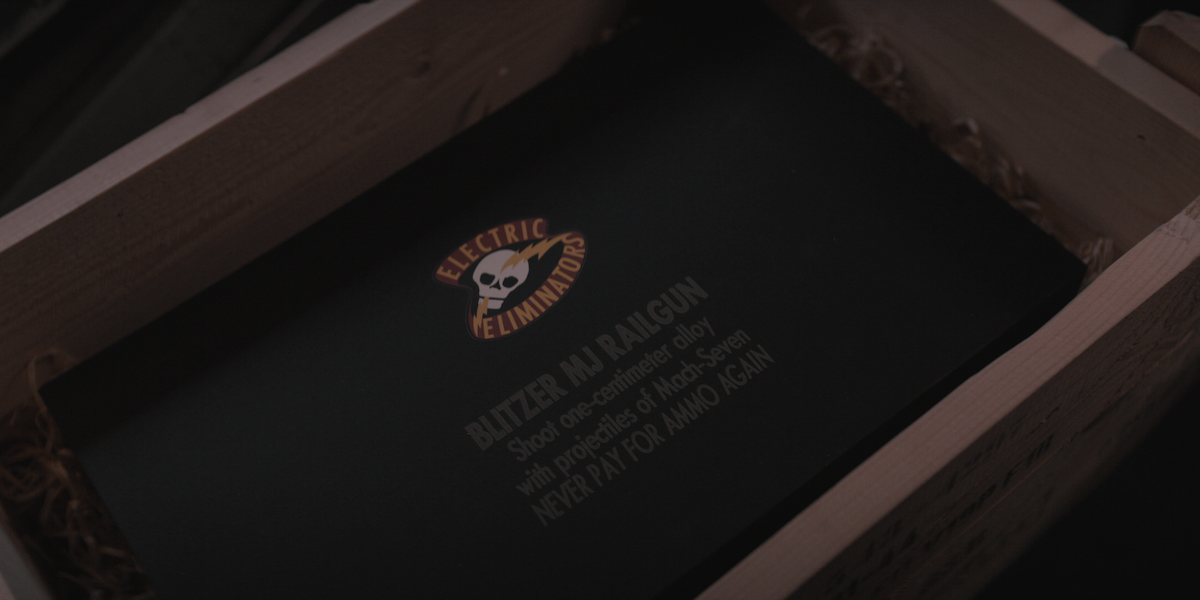
In Episode 6, Faye Valentine buys a new rail gun, which, if you look at the packaging closely, is manufactured by a brand called Electric Eliminators — also the name of the gang in the 1979 cult action-thriller The Warriors.
A book called The Rod Serling Memoirs sits in the background of a scene set at the Dr. Londes Center in Episode 6. Rod Serling was the creator of The Twilight Zone, a show in which John Cho appeared when it was revived two years ago.
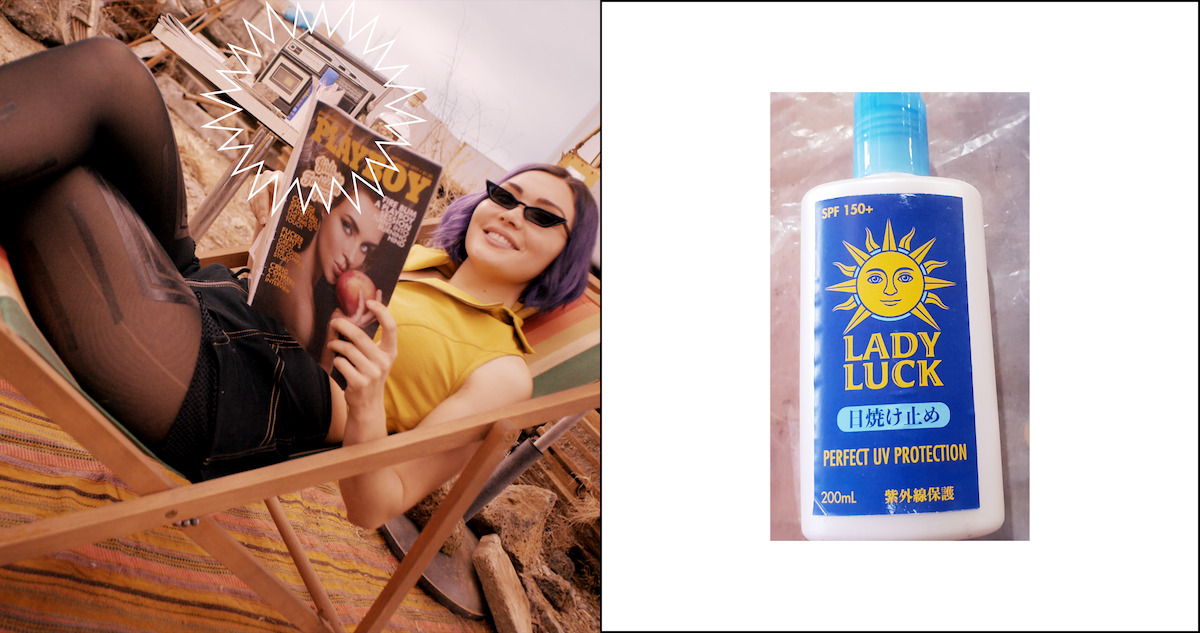
The Lady Luck sunscreen seen in Episode 7 is an allusion to a necklace worn by a girl named Mathilda, who was one of the main characters in the 1994 film The Professional. It’s been mentioned that Mathilda influenced Valentine’s character design.