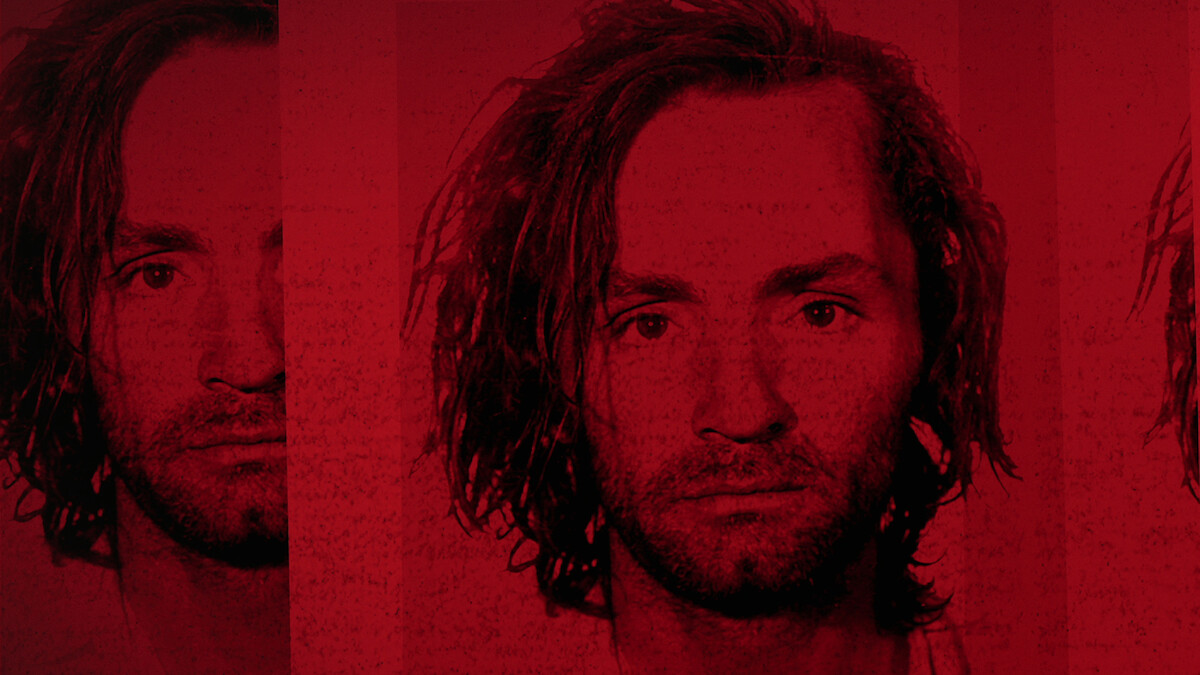
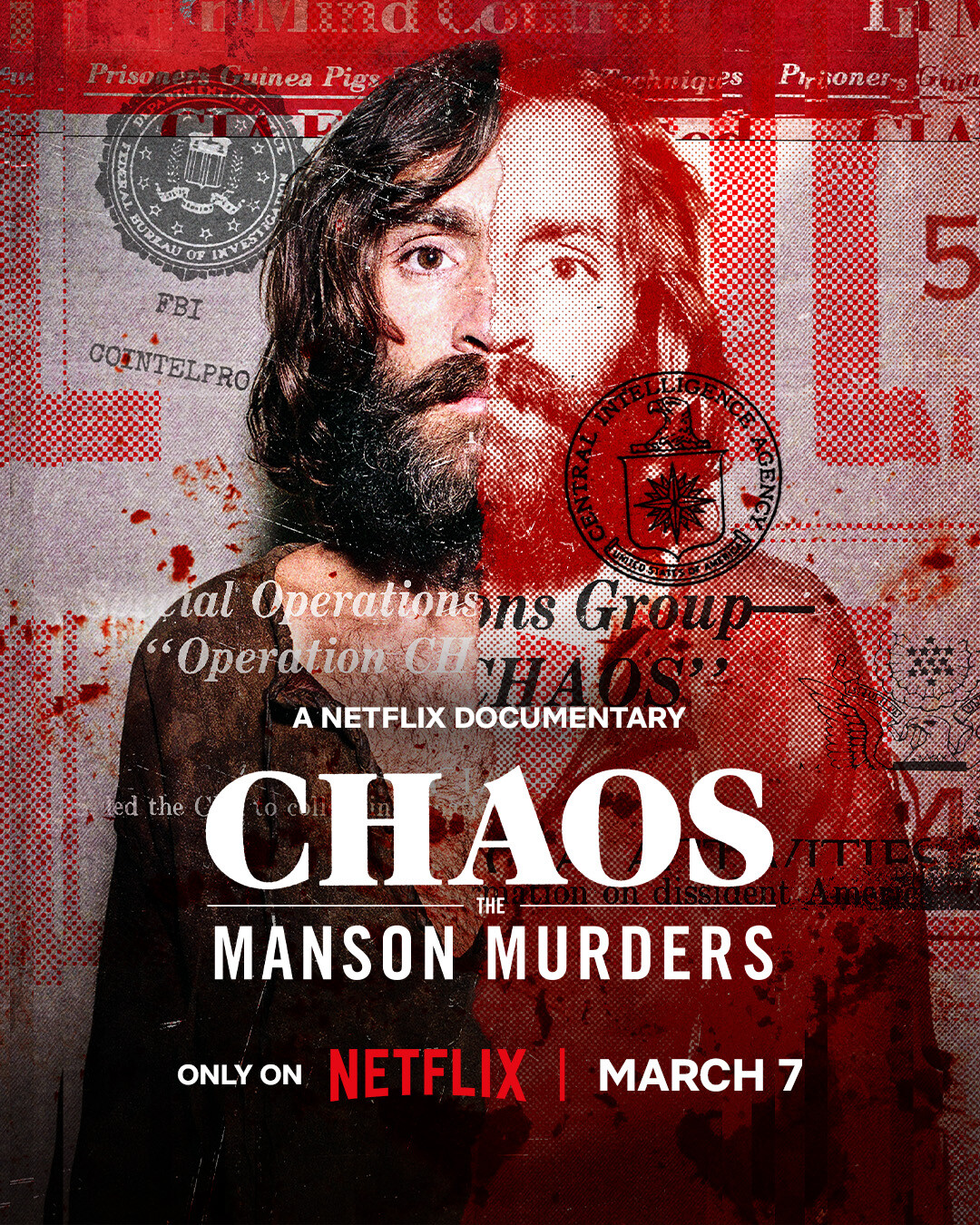
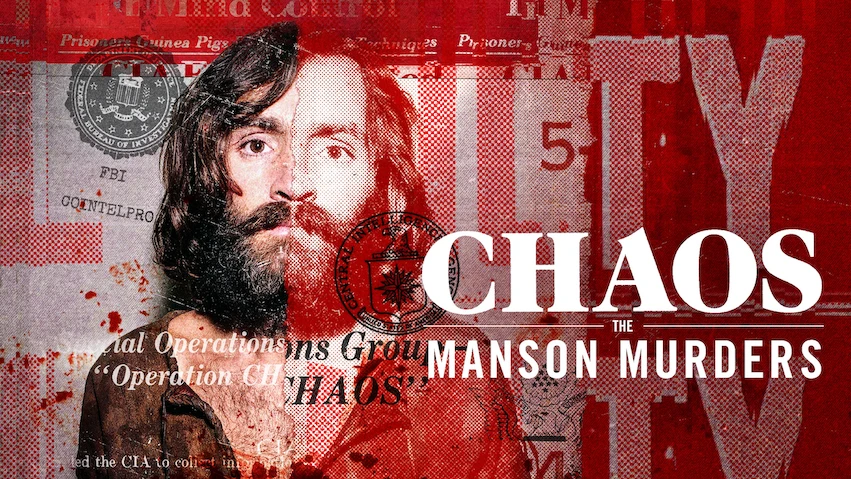
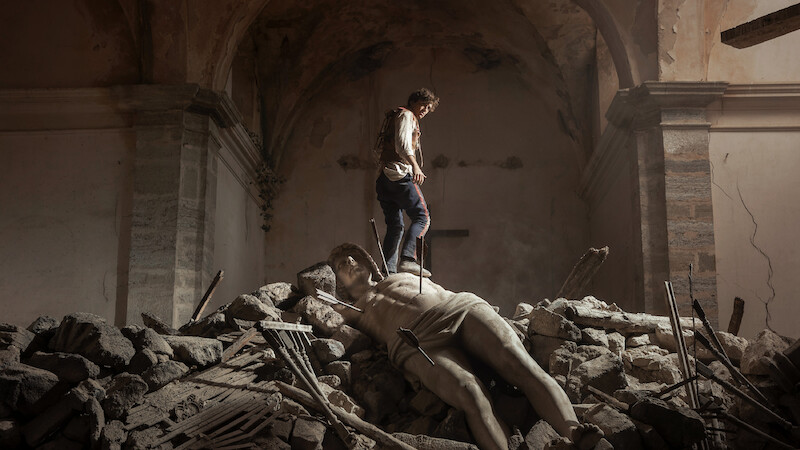
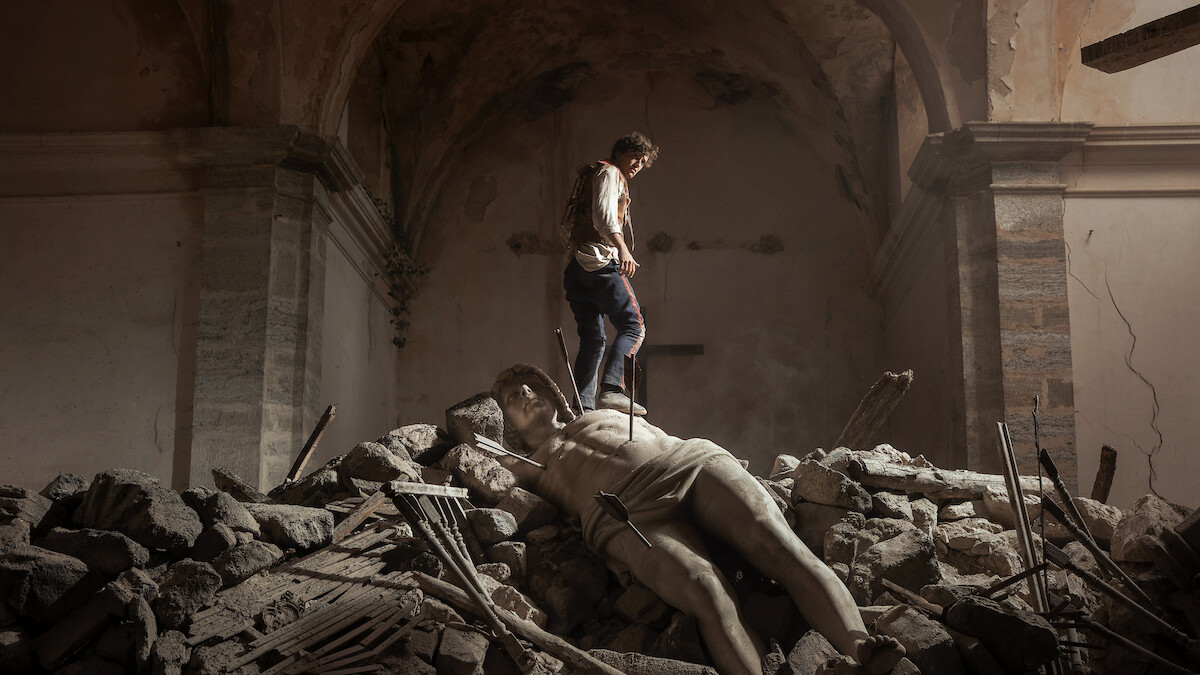
In CHAOS: The Manson Murders, Oscar-winning director Errol Morris (The Thin Blue Line, Gates of Heaven, Wormwood) delves into the shadowy and complex narrative of the Manson family murders. The documentary, out now on Netflix, explores the darkest corners of recent history to unpack the potential conspiracy surrounding the killings. Unraveling a tangled tale involving the CIA, LSD, the JFK assassination, the Manson family, and Los Angeles attorney Vincent Bugliosi, the prosecutor whose 1974 bestseller Helter Skelter chronicled the Manson trial, the film casts doubt on the official story of the 1960s’ most infamous killing spree.
The documentary invites viewers to question the roles of well-known players and powerful institutions alike in a thought-provoking exploration of the tumultuous era’s cultural and political undercurrents.
“I’ve found myself trapped in a number of different true-crime stories, and the Manson murders are peculiar,” Morris told Netflix. “You could encapsulate the mystery in just one question: How is it that Manson managed to convince the people around him that killing was okay?”
To hear more from Morris on the enduring mystery of the Manson case, plus his own experience meeting Manson in the ‘70s, head over to the You Can’t Make This Up podcast: “You would think that having made such a movie that I would have all of my answers, and I don't,” Morris told host Rebecca Lavoie. “I really don't. He still, in so many ways, remains a mystery to me.”
Here’s everything to know about CHAOS: The Manson Murders.
When is the CHAOS: The Manson Murders release date?
The documentary film premiered on March 7.
How is CHAOS: The Manson Murders connected to the book?
Based on the 2019 book CHAOS: Charles Manson, the CIA, and the Secret History of the Sixties by Tom O’Neill with Dan Piepenbring, the film looks at the covert motives that may have led to the notorious murders. Morris, known for his investigative prowess and compelling storytelling, brings a fresh perspective to this chilling chapter of American history with gripping interviews, shocking archival visuals — and the music of Charles Manson himself.
Said Morris, “The question that Tom O'Neill asks is, was Manson acting freely or was he, the person who was controlling others, in turn controlled by others?”
In discussing the film's engagement with O'Neill's book, Morris acknowledged, "Well, clearly it is based in part on Tom's book. Without Tom's book, this would not exist. Tom very generously shared with me a lot of the interviews that he did. In fact, you hear some of them in this adaptation. I like Tom's book and I like how he throws himself in earnest in an attempt to crack this thing."
What is CHAOS: The Manson Murders about?
Morris’ film, like his 2017 film-cum-series Wormwood, explores the 1950s-60s cultural fascination with mind control and the CIA’s MK-ULTRA program. It shows how Manson could have been influenced by the government to manipulate his followers to kill. Drawing parallels to the era's fears, Morris said, “There's a truly great film, The Manchurian Candidate, that’s really about mind control, which was this cultural nightmare in the ‘50s and ‘60s. Could the government implant ideas in your head and force you to kill? The fictional example is in The Manchurian Candidate, but perhaps the real-world example is in Charles Manson.”
What does CHAOS: The Manson Murders have to do with Vincent Bugliosi’s Helter Skelter ?
Reflecting on the cultural prominence of Bugliosi’s account of the murders and subsequent trial, Morris said, “Many of us are familiar with the version of the Manson trial that really was codified in Vincent Bugliosi's book Helter Skelter. The Bugliosi version is based on a race war, 'Helter Skelter,' the Beatles, and their influence on Manson. Was this the way it went down? Well, it seems that it misses a lot, and as is often the case, the attempt at cleaning up the mystery has just made it even more deeply mysterious and strange.”
Is CHAOS: The Manson Murders a conspiracy theory?
Morris shared his thoughts on the nature of conspiracy theories writ large: "I used to say that I never really believed in conspiracy theories, because based on my knowledge of people, they were almost always too confused or at cross-purposes with each other to ever effectively conspire to do anything. Well, that's all well and good, except we know that there are conspiracies. It's not as if no one has ever effectively conspired to do anything; they have. The question is, was there a conspiracy here? And what kind of conspiracy?"
Reflecting on the challenges of investigating such a complex story, Morris concluded with a reflection on the enduring chaos of the story: "You feel overwhelmingly you're teetering on the edge of chaos. As investigators, we try to suppress those details that don't fit in. We try to ignore them, to forget that they exist. But what I'd hope to do here is to keep that chaos alive. And I think I do, not because it's a strategy, but because it's a chaos that I actually feel really acutely in the telling of this story."
Where can I watch the CHAOS: The Manson Murders trailer?
Check out the trailer at the top of the page.