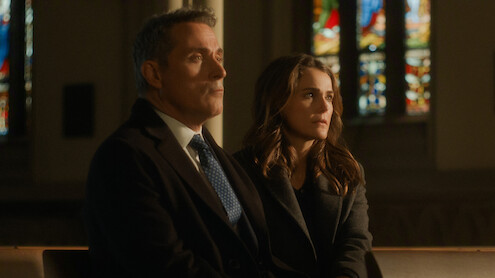
In film and TV, we’re often primed to think of romantic love as the ultimate happy ending for every kind of story. But in Black Doves, a spy thriller series starring Keira Knightley and Ben Whishaw, it’s the unlikely friendship between two undercover agents that becomes the beating heart of the whole shebang. “It was always, to me, going to be a story about friendship,” says the show’s writer and creator, Joe Barton (Giri/Haji, The Lazarus Project). “I’m fascinated with the platonic loves of our lives, the people that we love [in ways] that aren’t romantic or familial. And actually, those [loves] often last longer and are stronger. I just find that dynamic gets underexplored. That was always my North Star when I was writing it.”
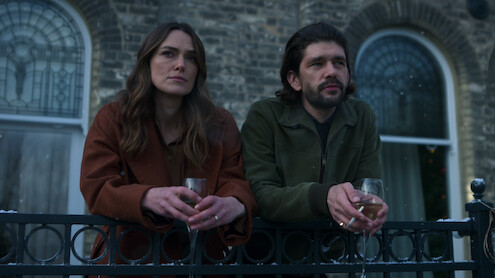
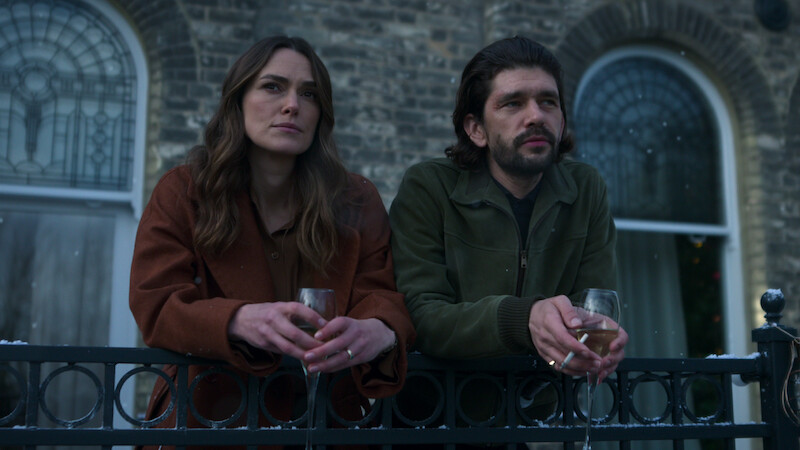
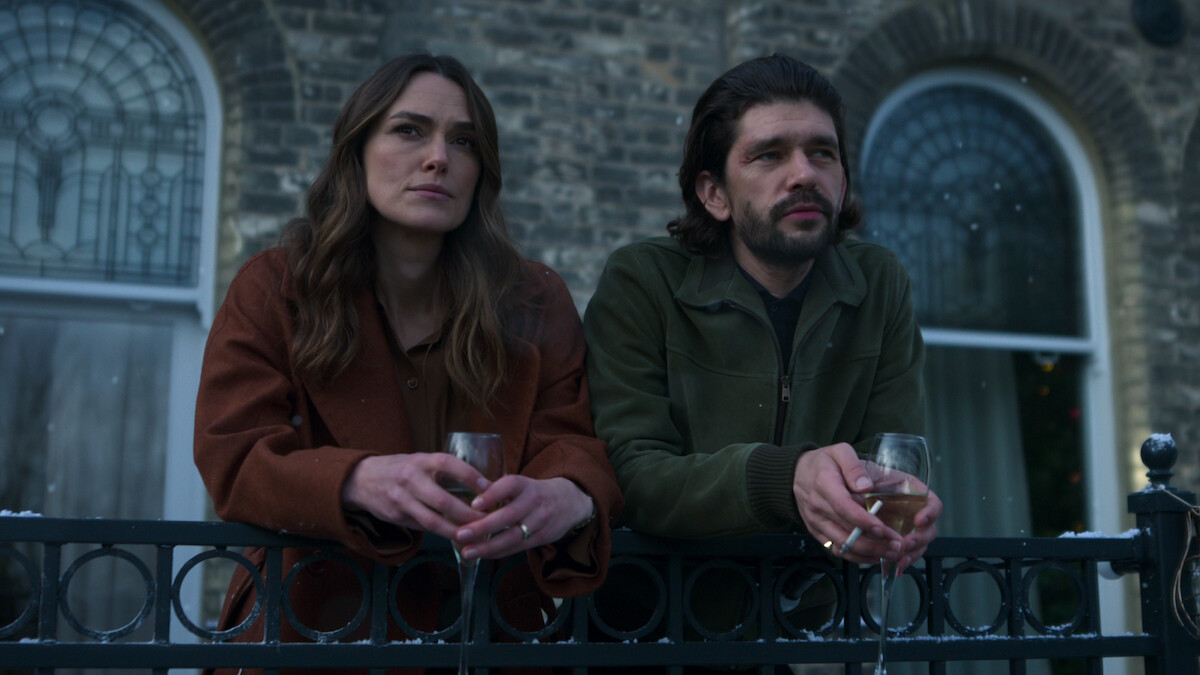
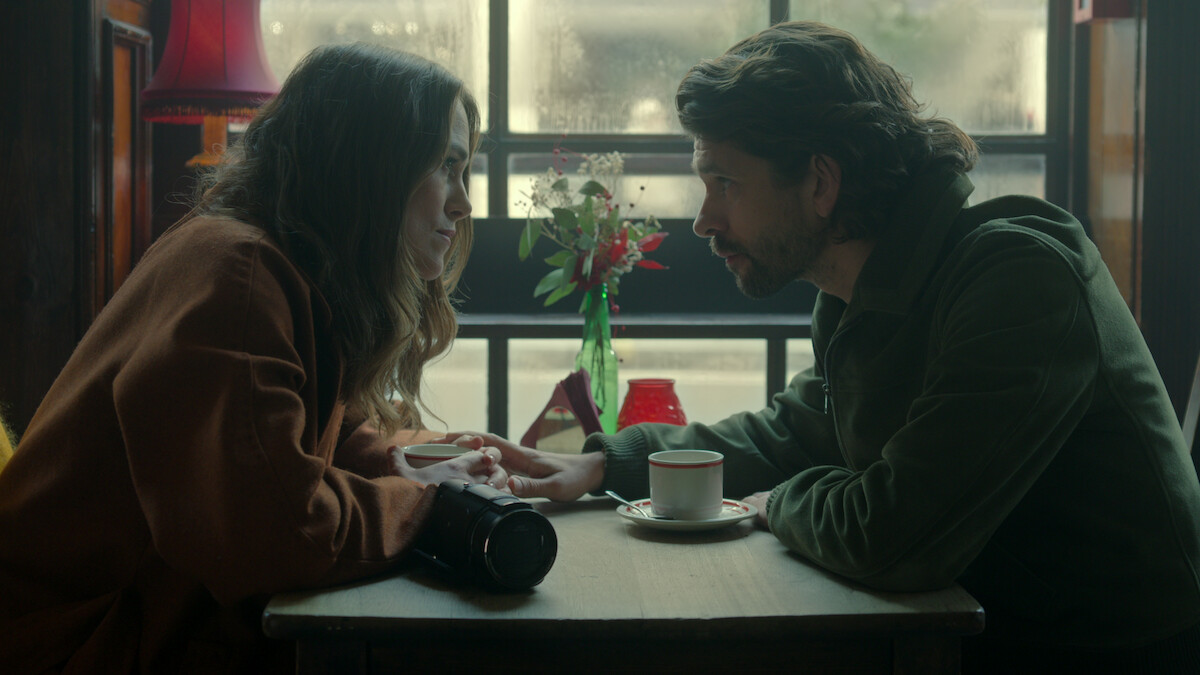
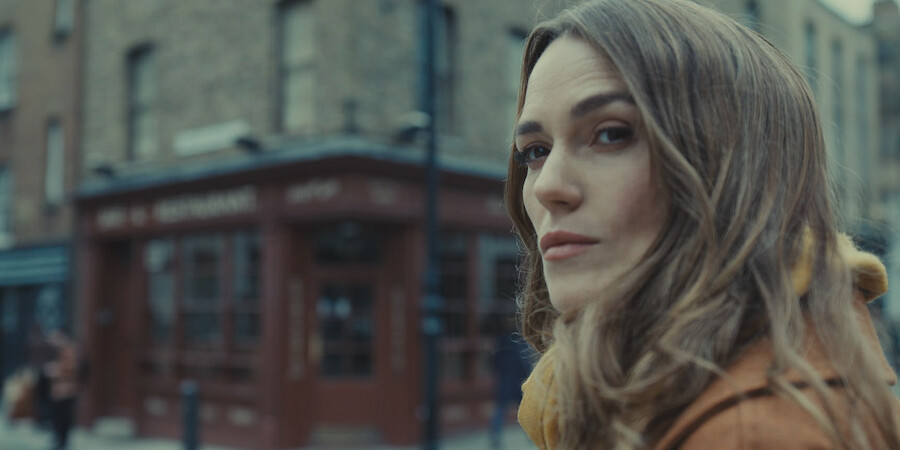
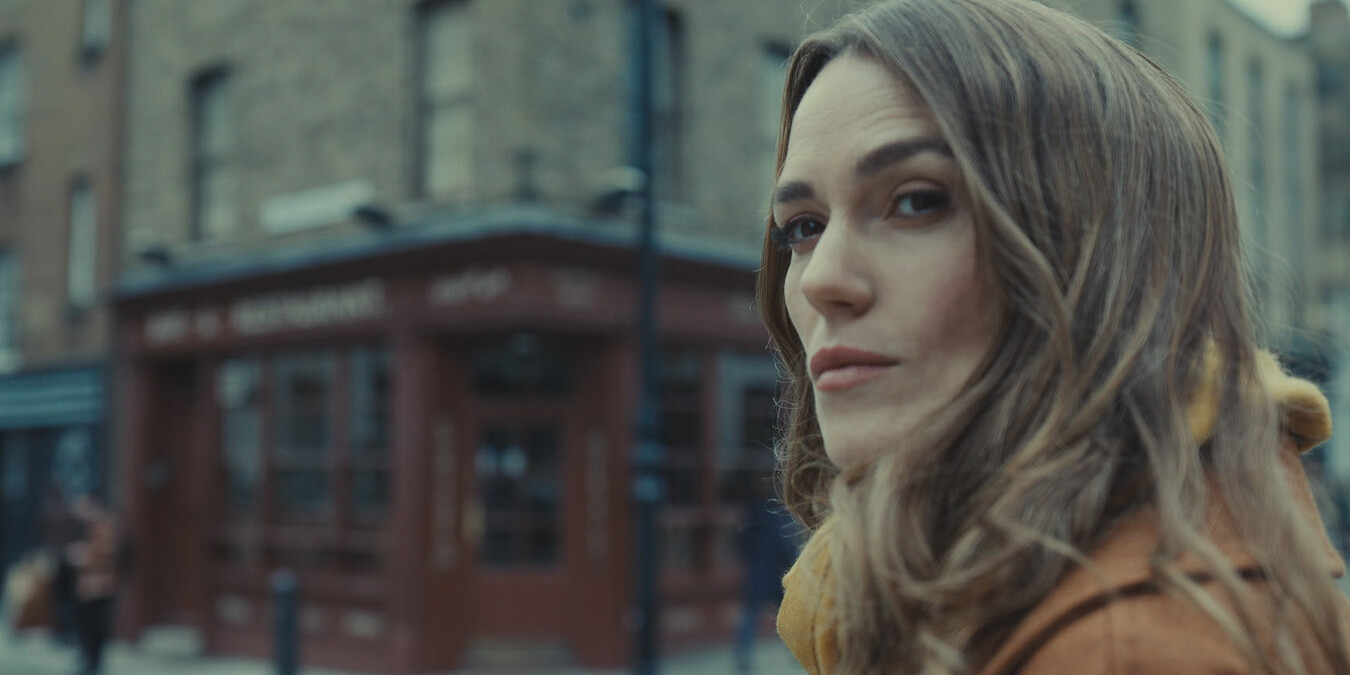
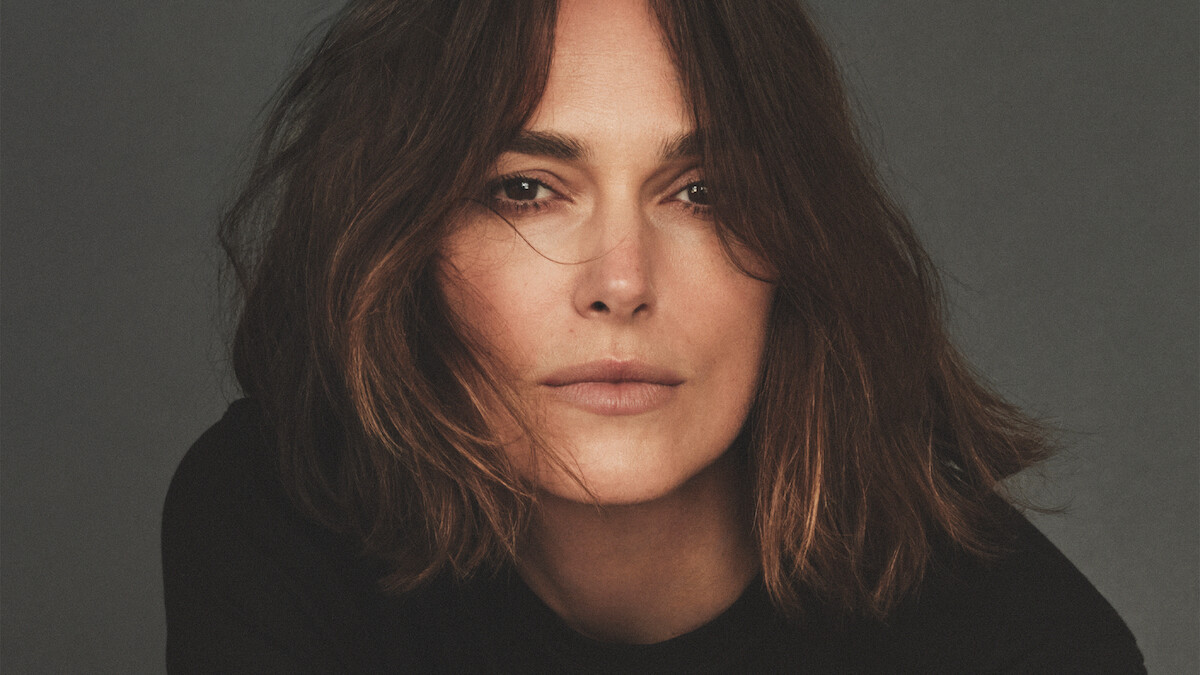
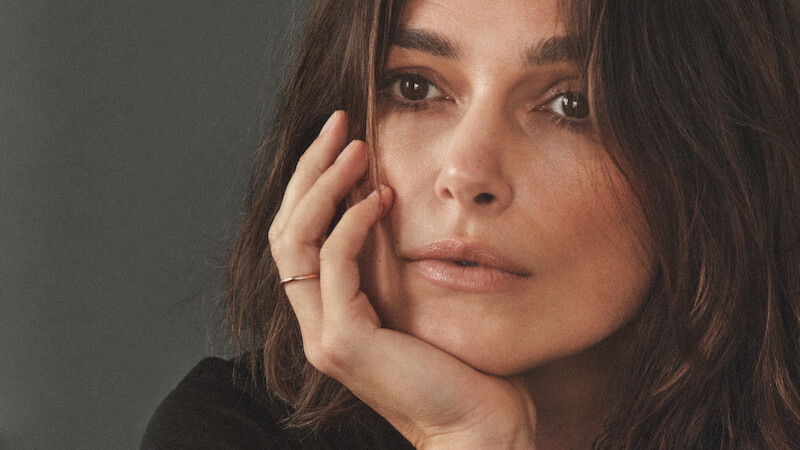
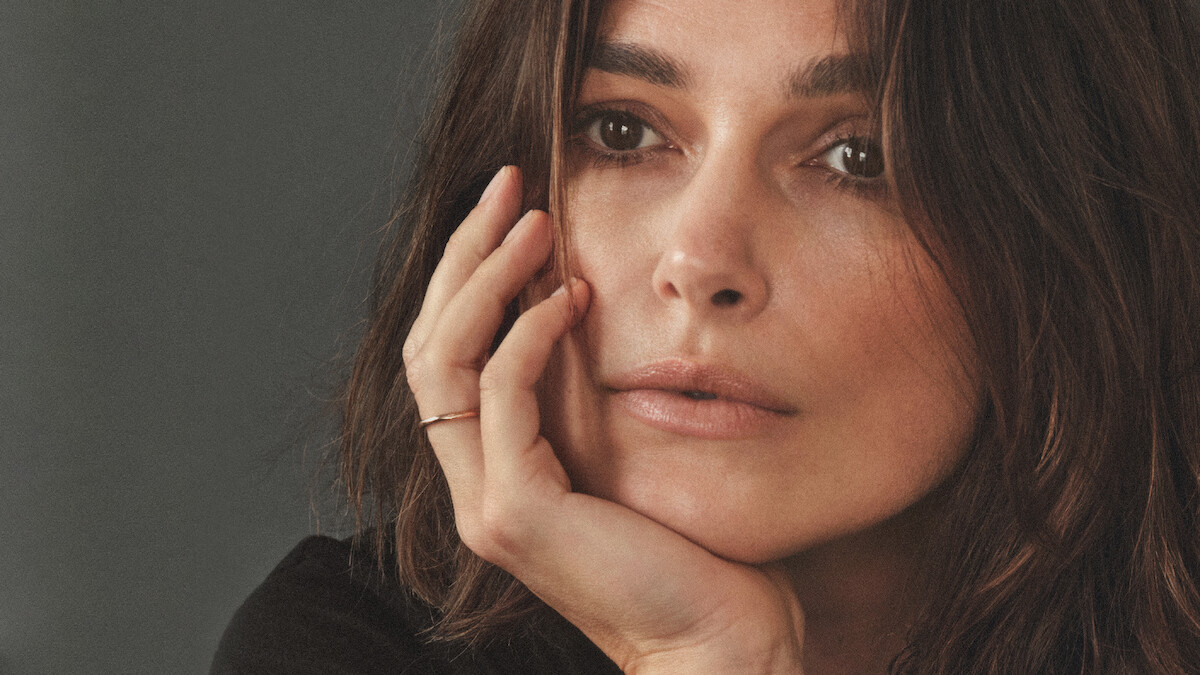
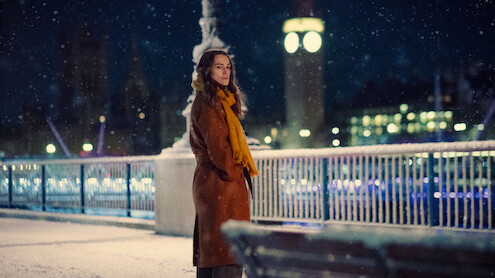
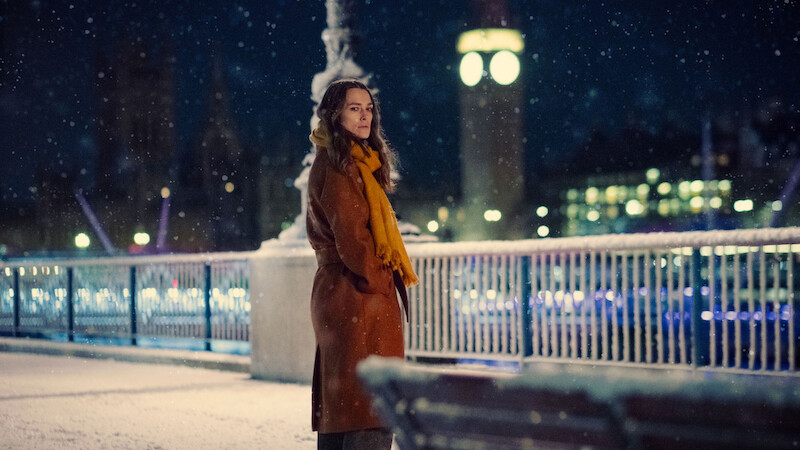
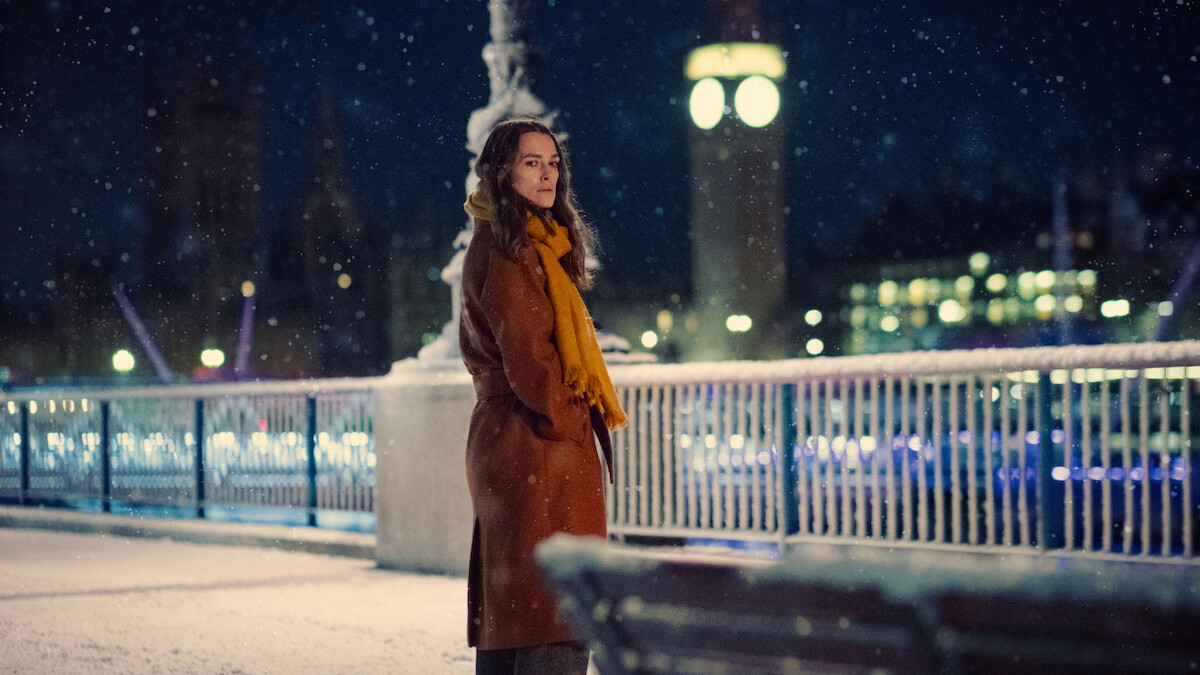
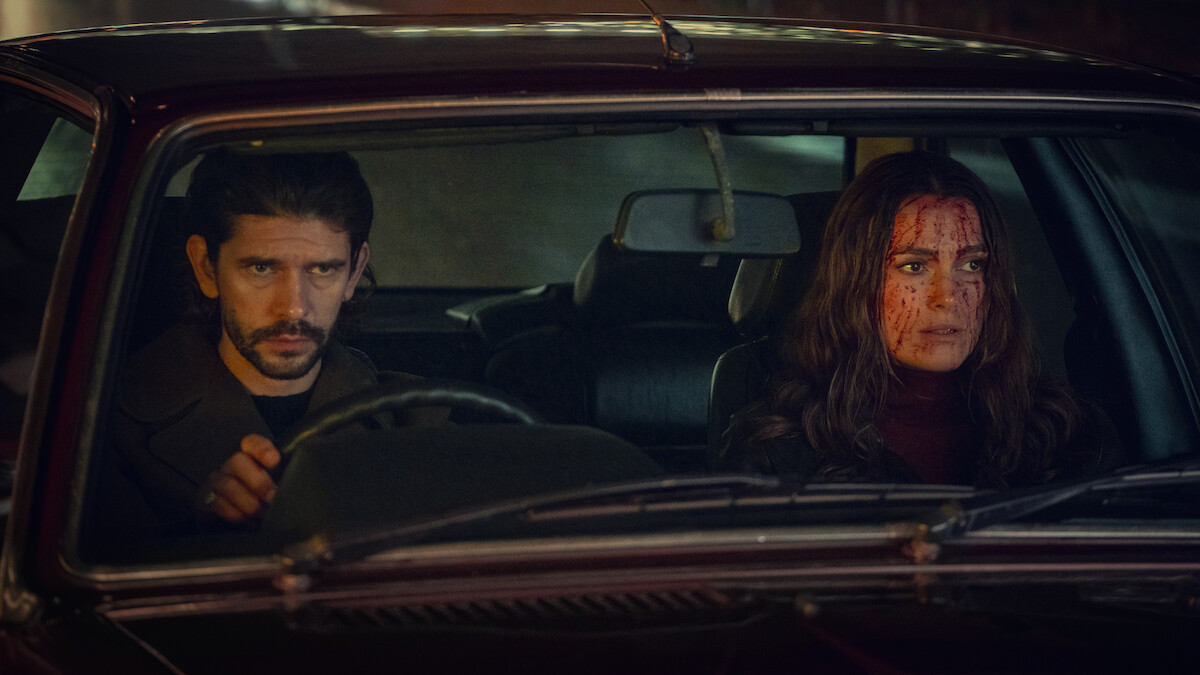
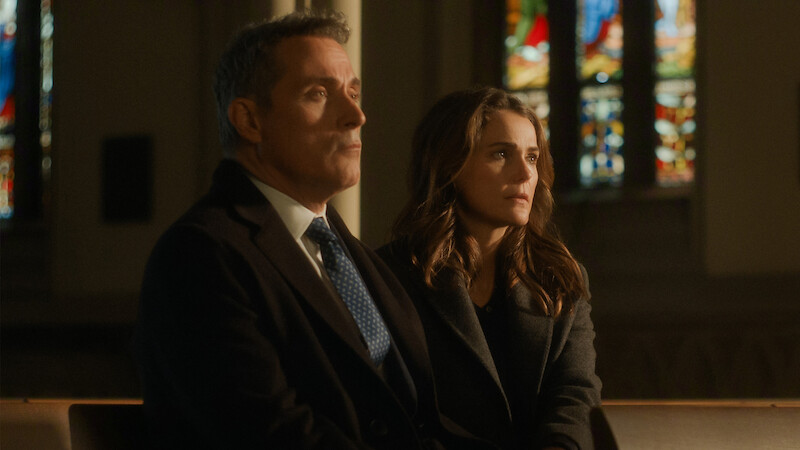
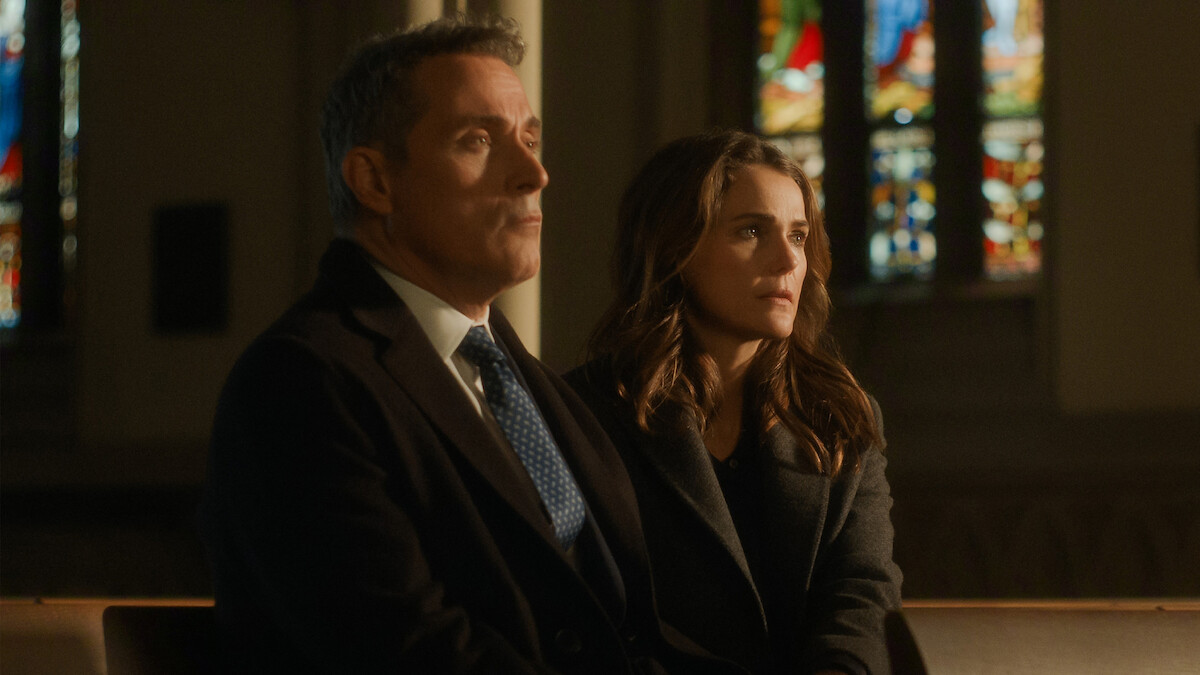
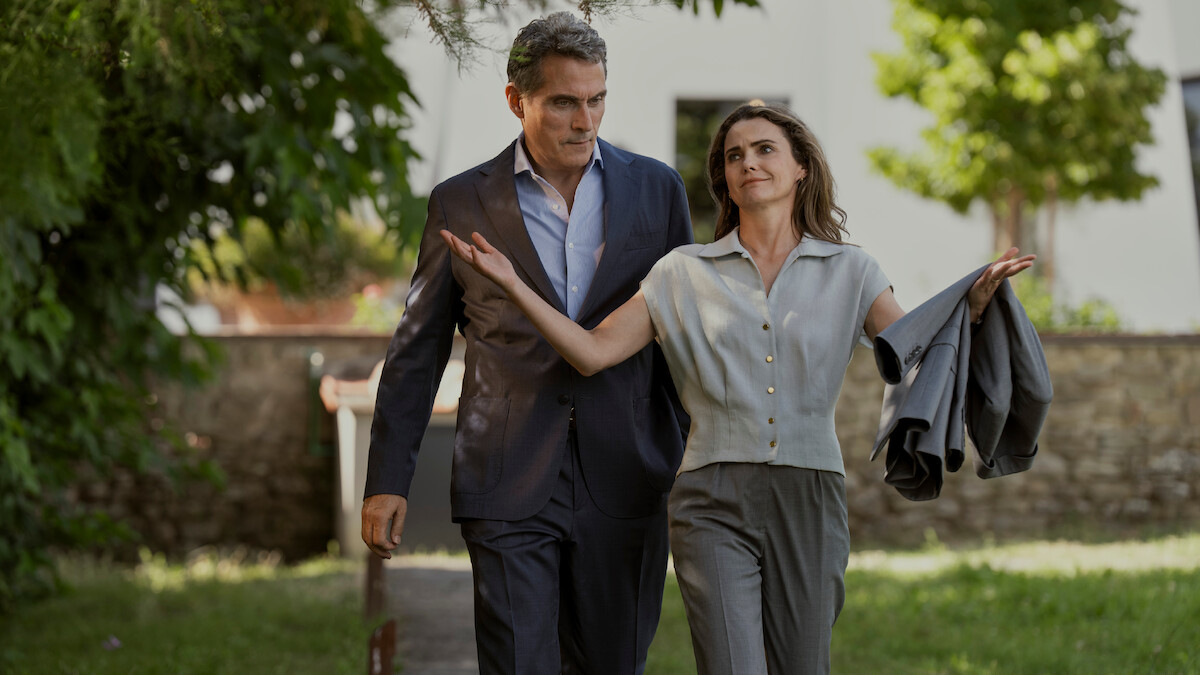
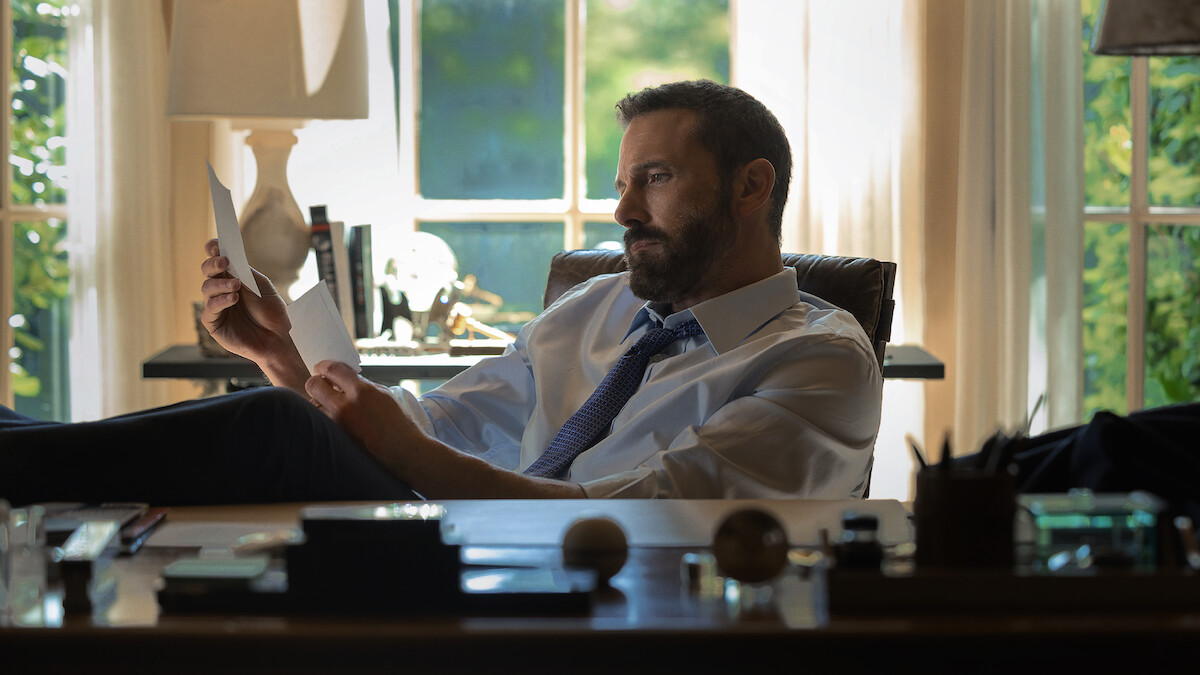
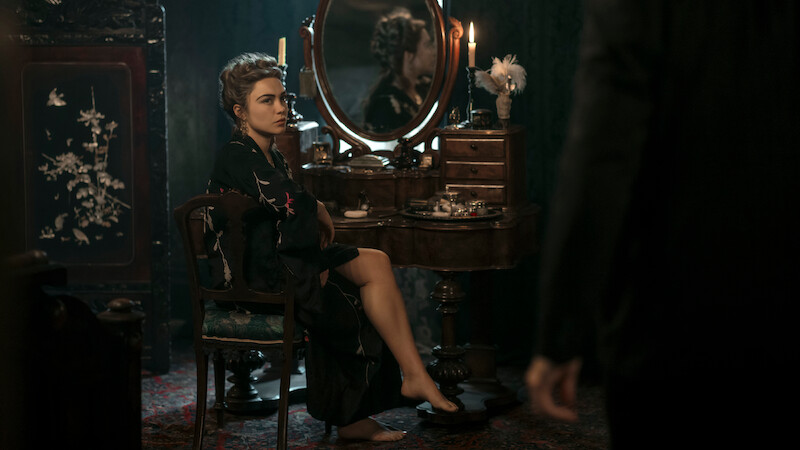
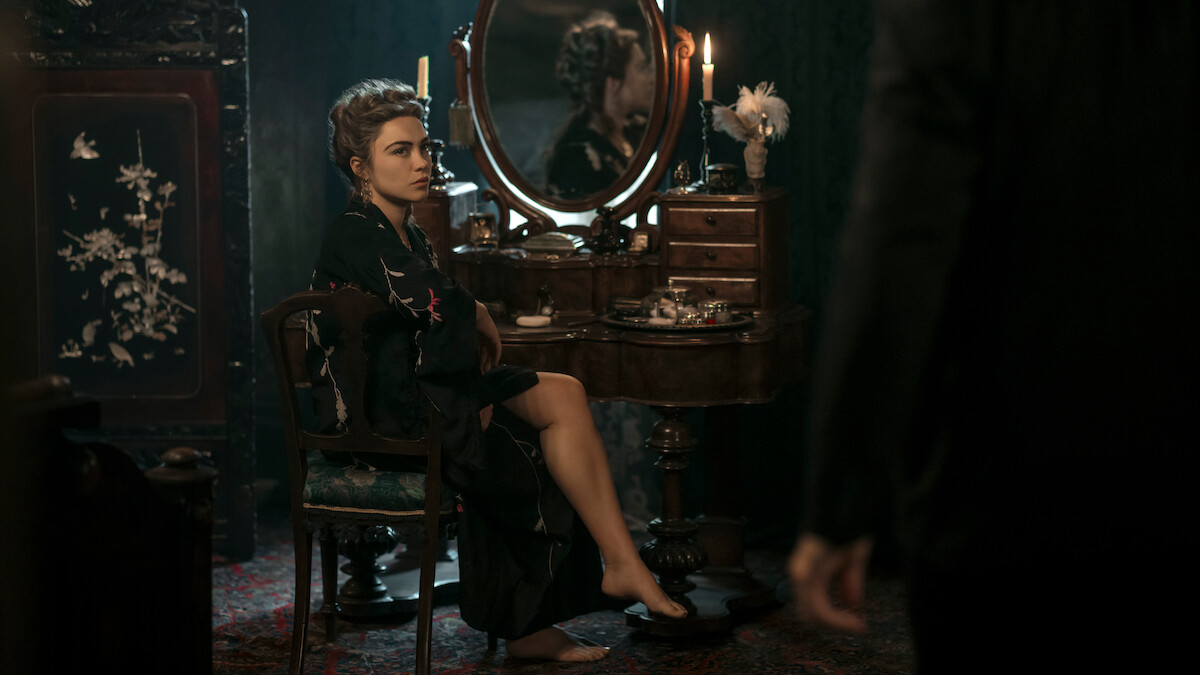
In the show, Knightley plays Helen, the seemingly perfect wife of a Tory politician, who has a secret second life as a ruthless spy. Whishaw plays Sam, her work partner and closest companion, a gay man and an assassin whose job gets in the way of his own romantic fulfillment. As the two make their way to the center of a murder mystery, we see that, through the maddening web of connections between characters both evil and good, Sam and Helen’s is the bond that, strangely, makes the most sense. “Sam is the only person that has known her full self. They’re the only people who can allow all of their monstrous, amazing, horrific, wonderful sides to be shown, where everybody else only ever sees small versions,” says Knightley. “The most important relationship Helen has is with Sam — it’s the idea that your most significant other doesn’t necessarily have to be the person that you’re in a relationship with. It can be that friend who allows you to be your whole, true self.”
Barton had the idea to use the action-packed backdrop of London’s seedy underworld to zero in on not just any relationship, but a particular nexus that often gets short shrift: the friendship between a gay man and a straight woman. “If I’m watching a rom-com, there’s often a gay best friend character, and he’ll come in for a few scenes to add some color and comedy. And I’m always like, that’s probably more interesting than the romantic relationship you’re making me watch for 90 minutes,” he says. “I wanted to do a whole series about that.”
Whishaw relished the way that setting this story within the parameters of the beloved spy-thriller genre allowed the series to upend expectations. “One of the things I really love about the show is that all the characters that would traditionally be played by men are played by women — or, in the case of Sam and some of the other assassins, gay people,” Whishaw says. “There’s something playful about subverting the genre. It gives it depth.”
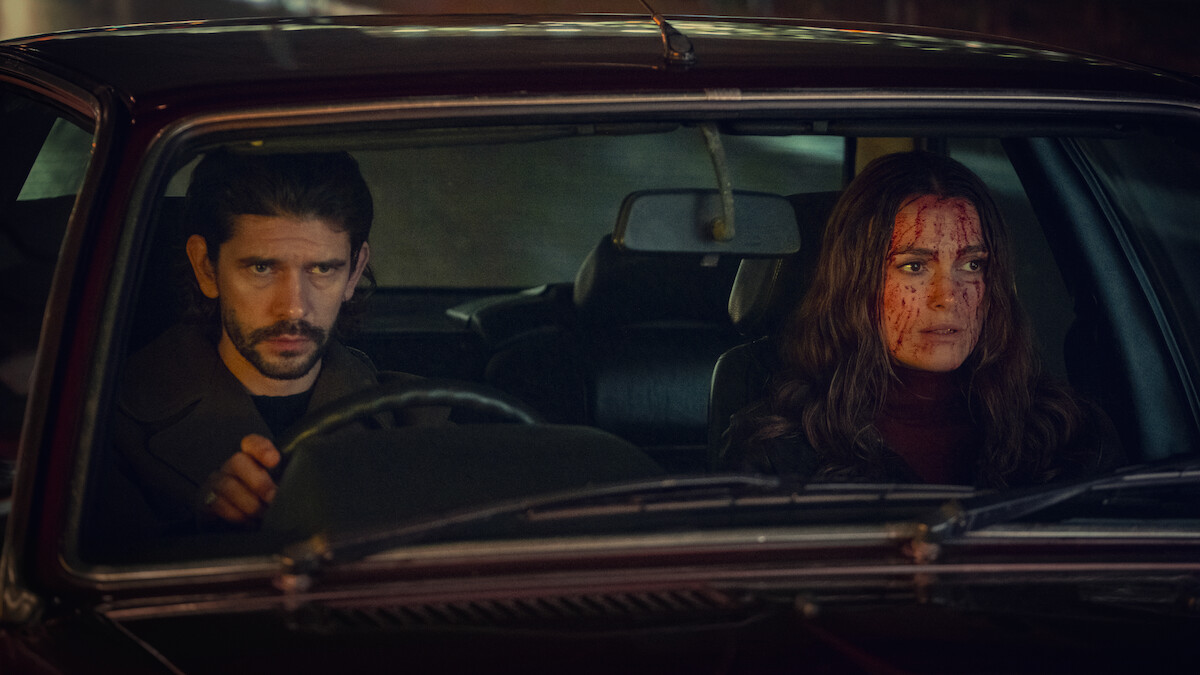
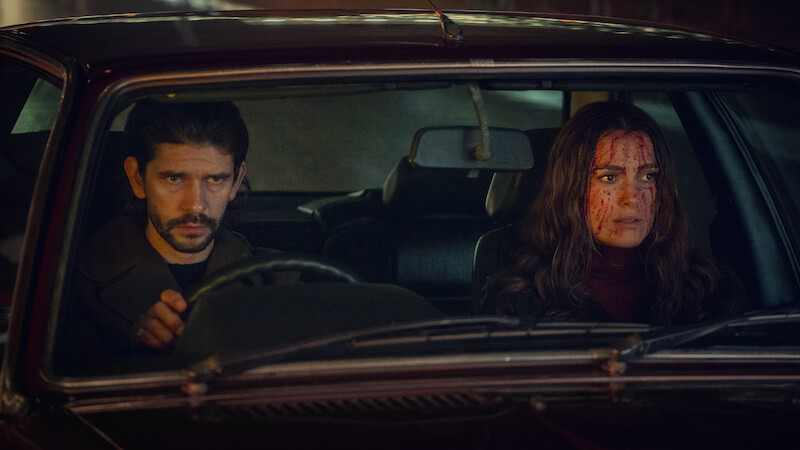
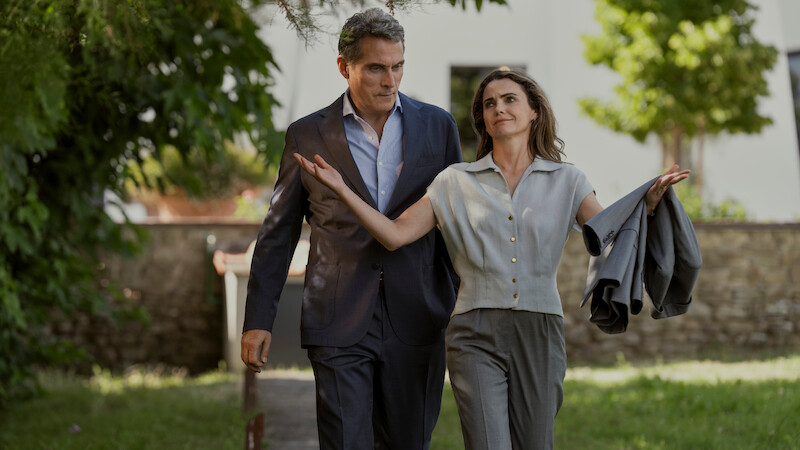
Indeed, Sam is anything but a sidekick or secondary character. Whishaw, known for subtle, cerebral roles, is masterful here as a murderer with a heart of gold, a man whose steely exterior melts into liquid tears only to harden again when the bullets start to fly. “Sam is a character who is capable of great violence, but also great softness,” says Barton. “[Ben] was the first and only person we went to for the role. I don’t think he’s ever played a killer quite like this. I like casting slightly against type.” In between the shoot-’em-up theatrics, Whishaw and Knightley’s chemistry — exhibited most charmingly in the many gabby, informal scenes set driving around town in Sam’s BMW — grounds the high-stakes intrigue story in everyday reality. “Half the series is just them sitting in a car, chatting. But they’re just so much fun to watch — it’s just luxuriating in them bantering, in them being mates,” says Barton. “You can get actors together, and they can both be brilliant, as those two are, and they can [also] have no chemistry. You’re slightly waiting to see if the magic is going to be there. But this is star-power chemistry.”
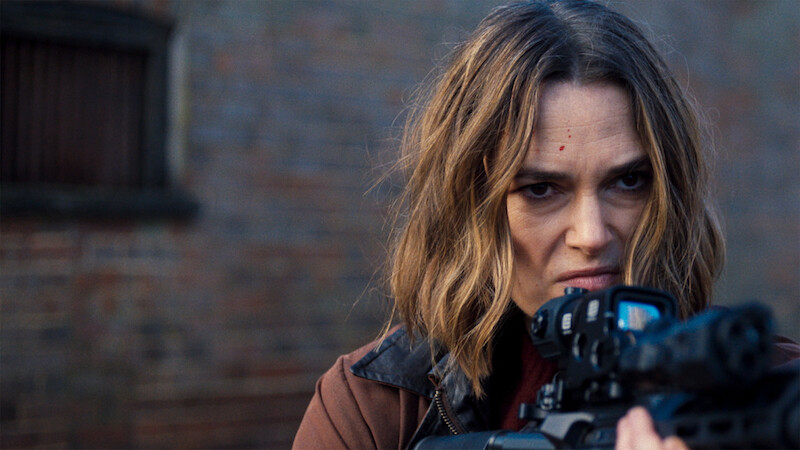
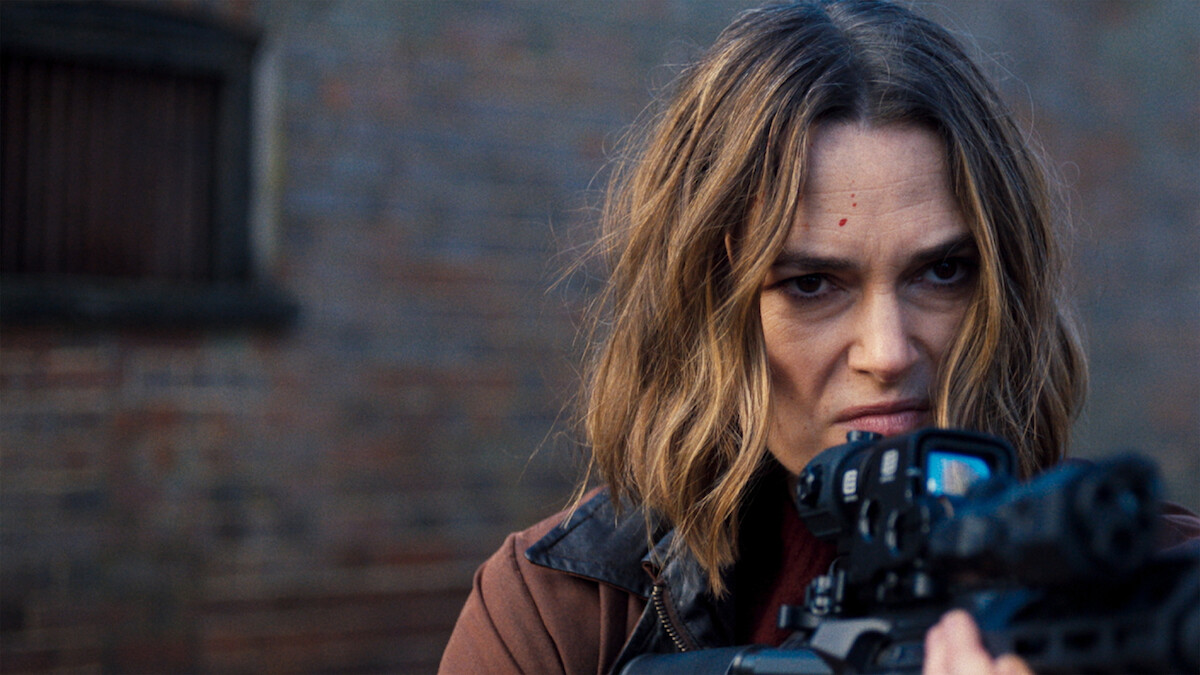
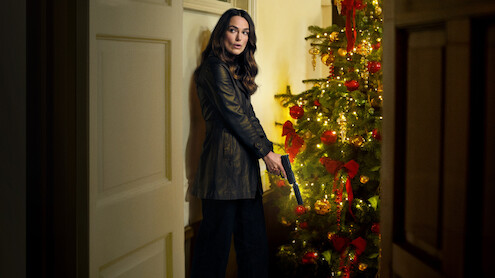
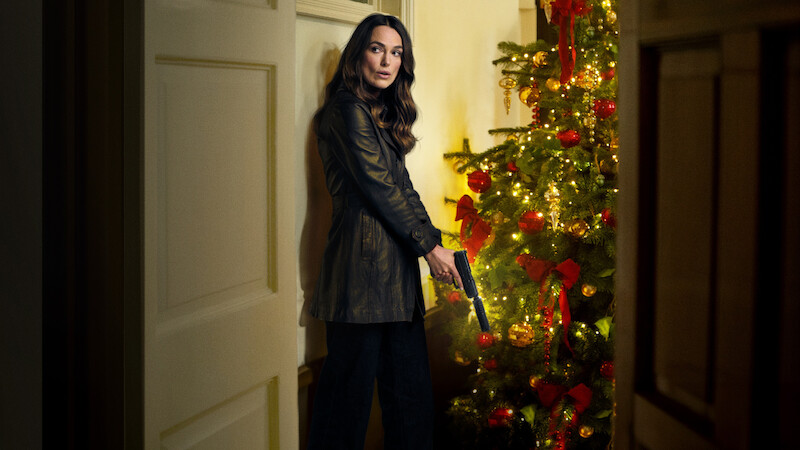
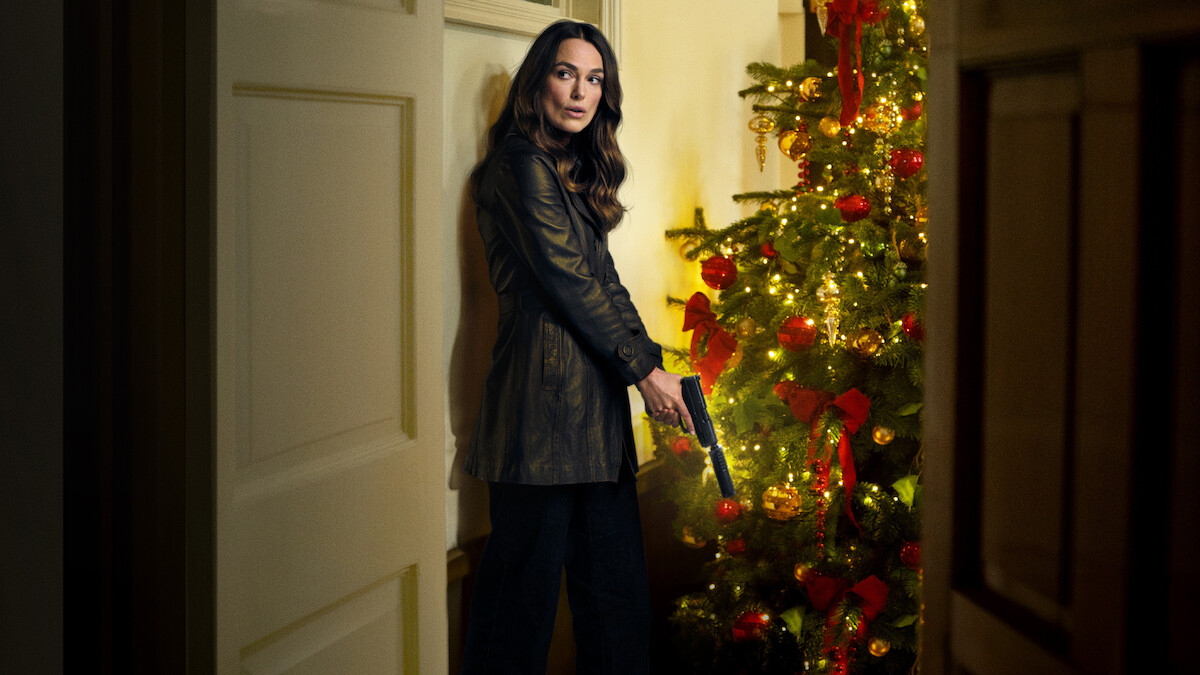
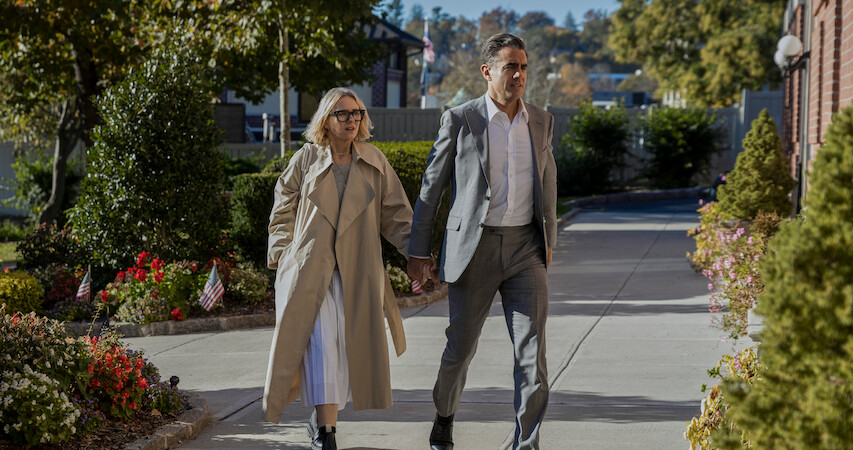
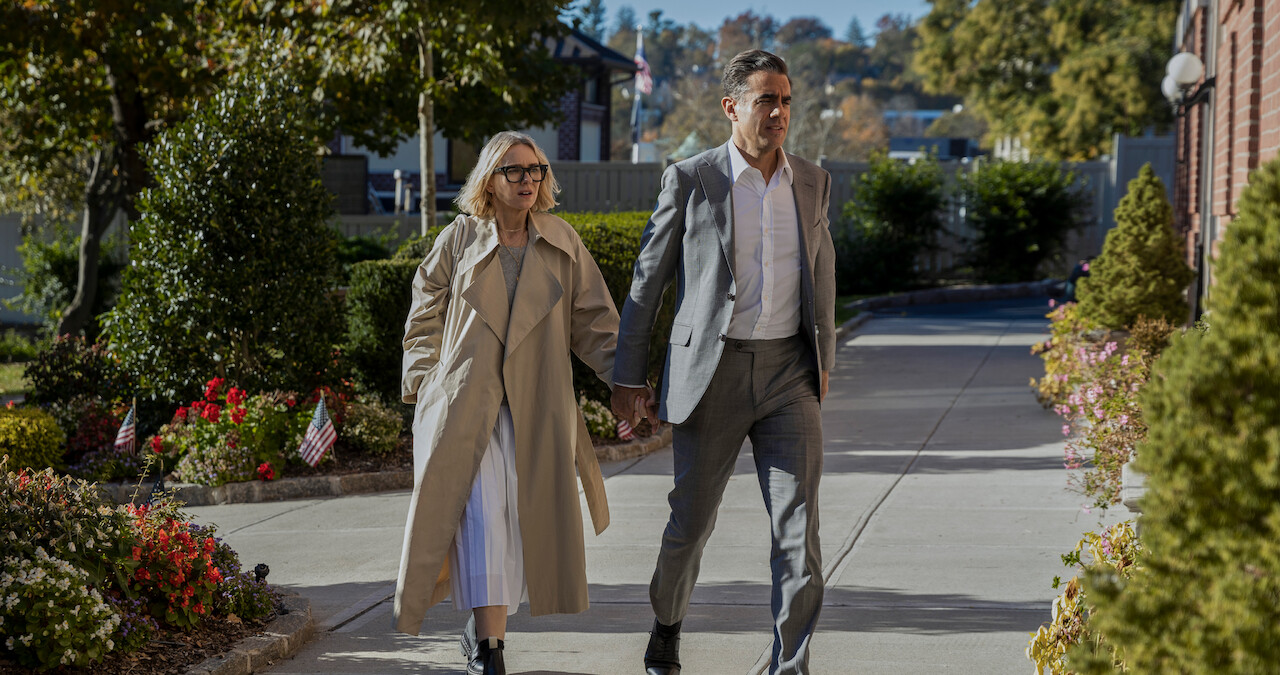
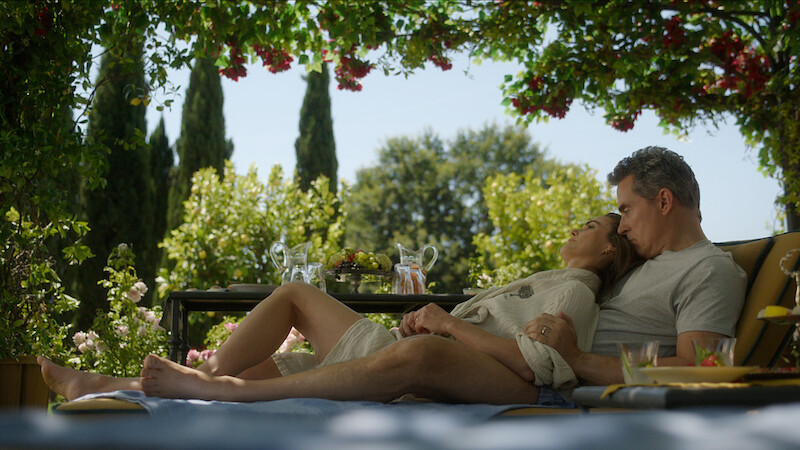
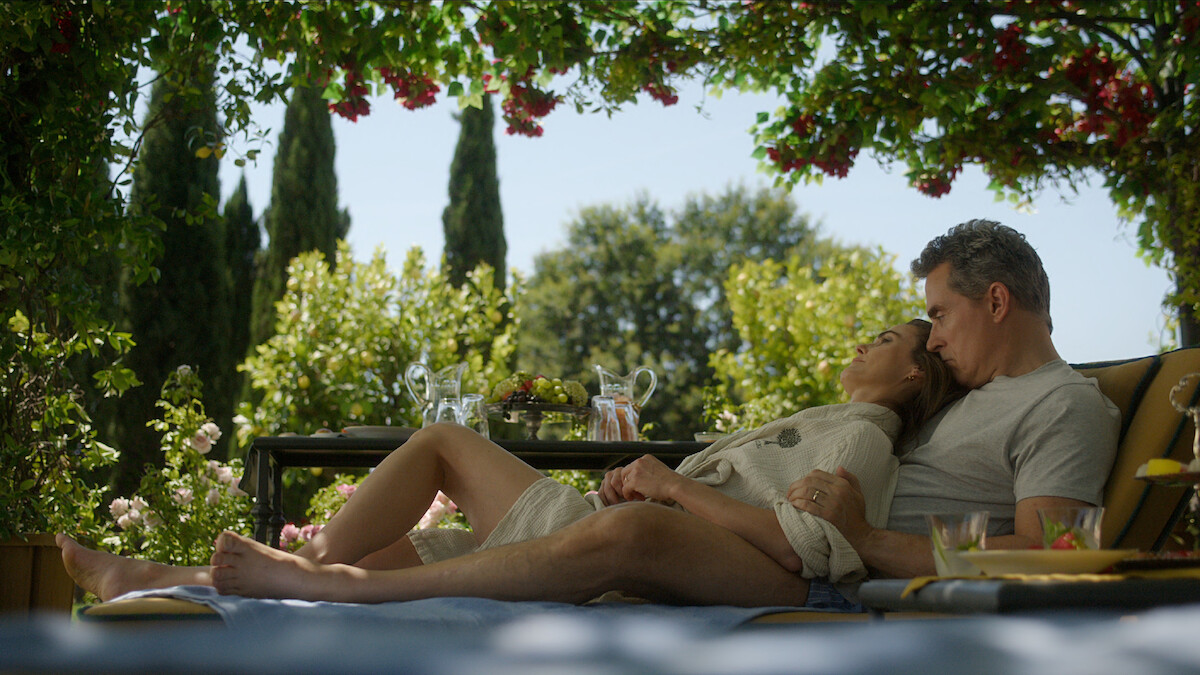
Knightley’s Helen is a mirror with two faces, a woman caught between the illicit truth of her life and the pearly, quiet luxury of her public facade. “The image I kept on getting was the comedy and tragedy mask. Helen is whatever she needs to be to whoever she needs to be it to,” says Knightley. “She’s a more extreme version of the way we all are: We all have one face for our kids, another for work, another for our friends, one when we like somebody, another when we don’t.” Barton loved the idea of a domestic goddess with a violent streak: “She’s threatening an assassin with a Nutribullet, or she’s at a Christmas party, but she’s also seeing her spy handler,” he says. “It was fun to crash her two lives into one another, to just enjoy watching Keira play that. She’s so good as someone who’s balancing spinning plates and trying to hold onto her lies.”
No matter what happens to either of them individually, the story always comes back around to the connection between Sam and Helen, which is tested and exposed in moments of great tension and intensity. By the end of Season 1, Sam has made an incredible sacrifice for Helen, and Helen has returned the favor by letting him step a little bit closer into the life she has with her husband and kids. “I’ve always really loved ‘found family’ as an idea,” says Barton. “It’s when you take away romance, you strip that away from a relationship, but you keep the love and you keep the knowledge — it’s a very unique dynamic.” As the show gears up for production on a second season, Barton is excited to explore the ways this unusual and yet entirely relatable bond continues to bloom. “Their relationship,” Barton says, “is the one that you feel could last a distance.”
A version of this story appears in Queue Issue 20.