Images: Andrew Cooper/Netflix
Behind the Scenes
The Floors in Amy’s ‘BEEF’ House Are In Fact Real Oak
Here’s how the team created that immaculate home.
By Mary Sollosi
April 6, 2023
🤐 SPOILER ALERT 🤐
Over the course of the 10 episodes of BEEF, the twisty aftermath of an explosive road rage incident plays out against a backdrop of Southern California mansions, apartments and (naturally) traffic-congested streets.
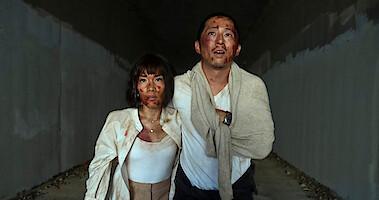
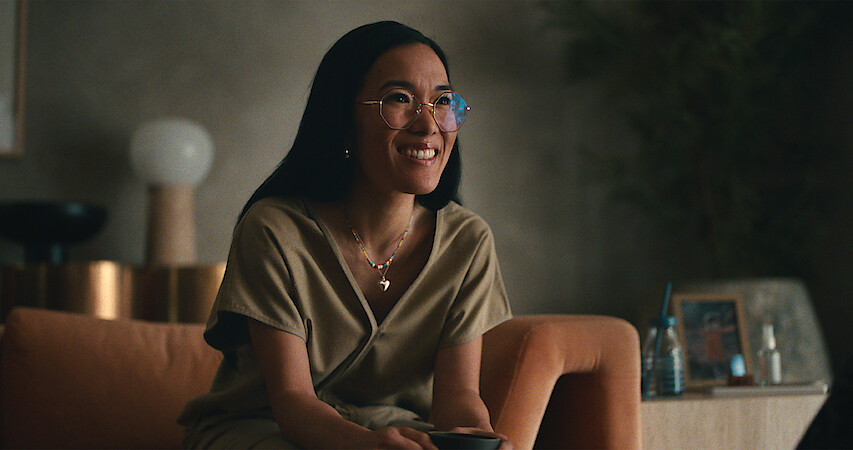
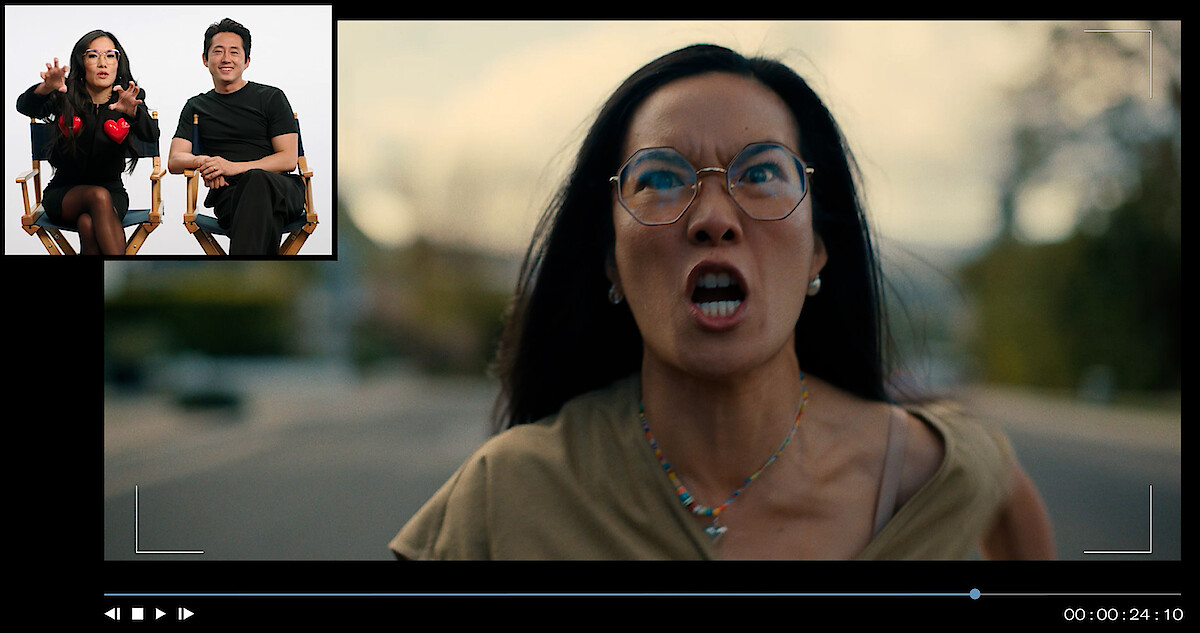
Created by Lee Sung Jin, the dramedy stars Ali Wong and Steven Yeun as Amy Lau and Danny Cho, respectively — total strangers who become obsessed with revenge after a parking lot altercation turns into a race to intimidate each other on the road. As Amy and Danny’s reciprocal resentments simmer — continuously mixing, too, with the many frustrations of their everyday lives — their feud takes them to places they never expected.
It was up to location manager Michael Percival to find those places and realize Lee’s hyperspecific vision of SoCal. With some exceptions of interior spaces filmed on a soundstage, “the entire show was shot on location, mostly in the San Fernando Valley and [LA’s] Koreatown,” Percival tells Tudum (and all of it was shot in California, even the one sequence set in Vegas). “It was a very California thing that we were looking for.”
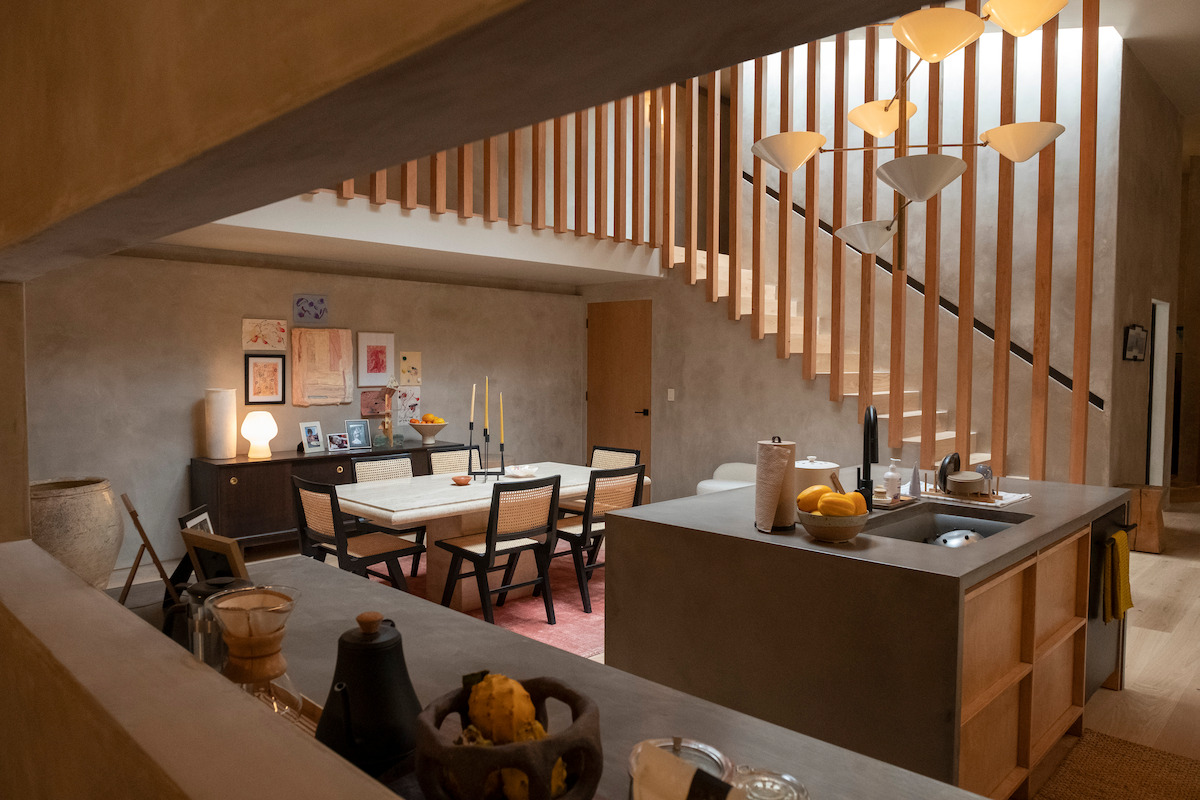
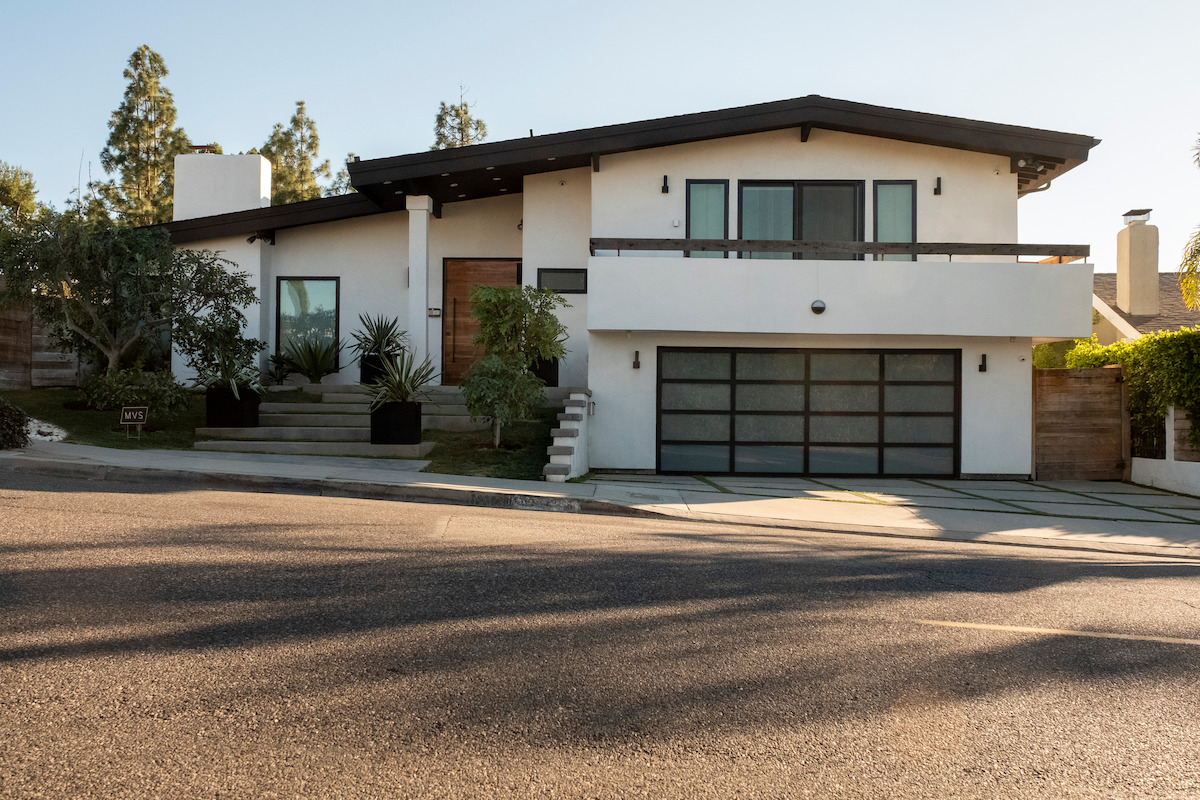
Along with his team (whom Percival is eager to credit in full: key assistant location managers Cecil “Ces” Hardy, Joanne Harris, David Henke, Maitland Hennessy, Hannah Kozak, Robert W. Sterrett III and assistant location manager Jake Hornsby), Percival scoured the region for suitable places to film. One of the most central is Amy’s home, which serves as an extension of her character, a source of various conflicts and the setting for multiple noteworthy scenes.
Lee provided the locations team with a photo of the kind of house he wanted. “We actually found the house,” Percival recalls, in California’s west Valley. The homeowner wasn’t open to filming there, but they were able to secure the house two doors down for exterior shots. So specific were the production’s needs for the interior of Amy’s house, however, that the team decided to build it on a soundstage. “We looked for a house that had all the elements we [needed], but we couldn’t find that all-in-one location,” Percival says.
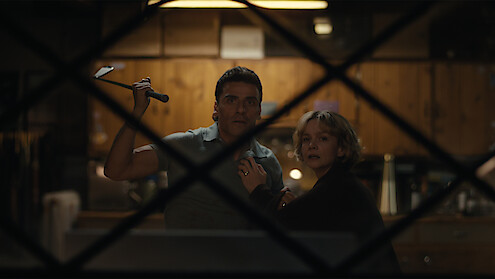
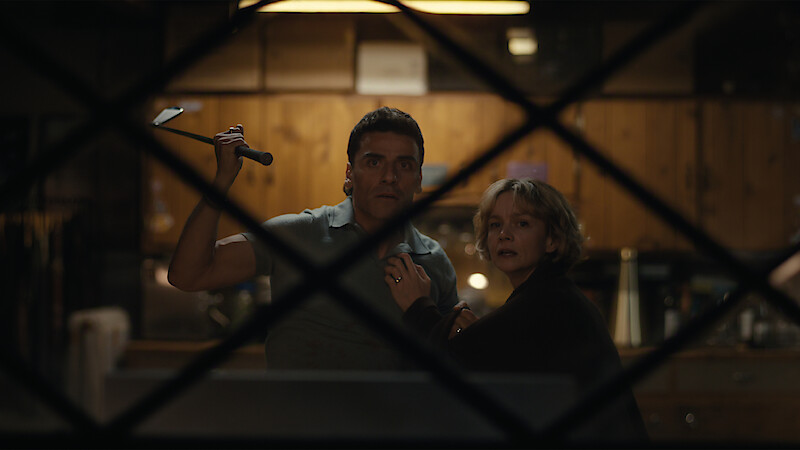
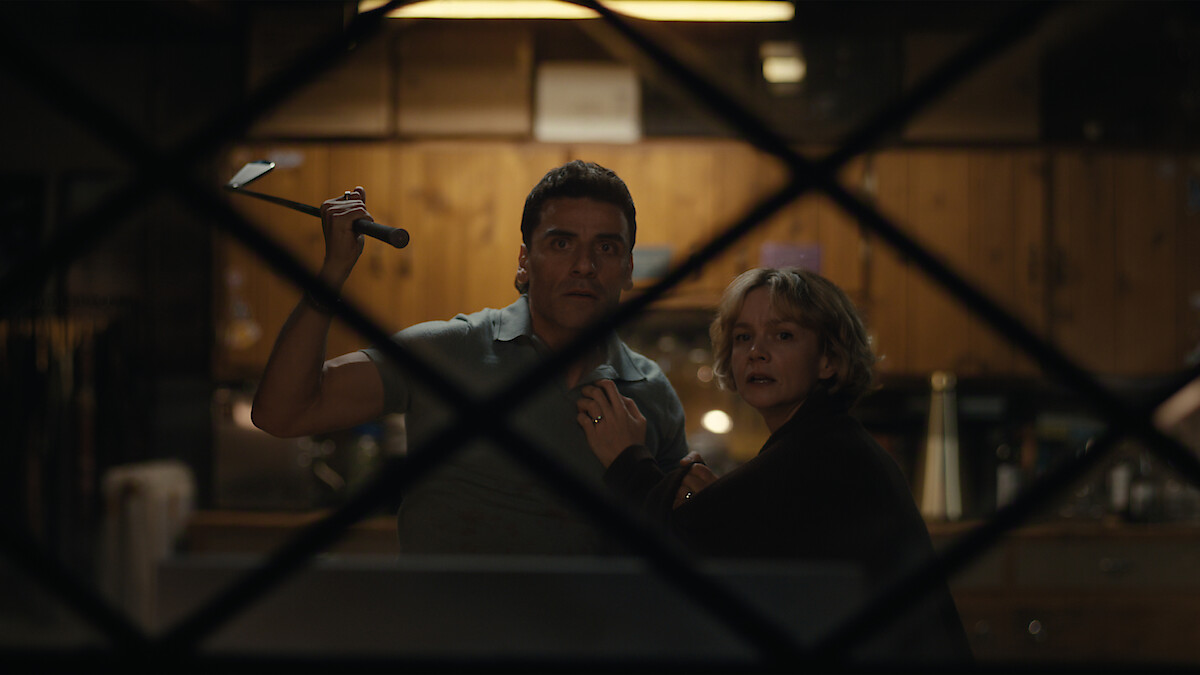
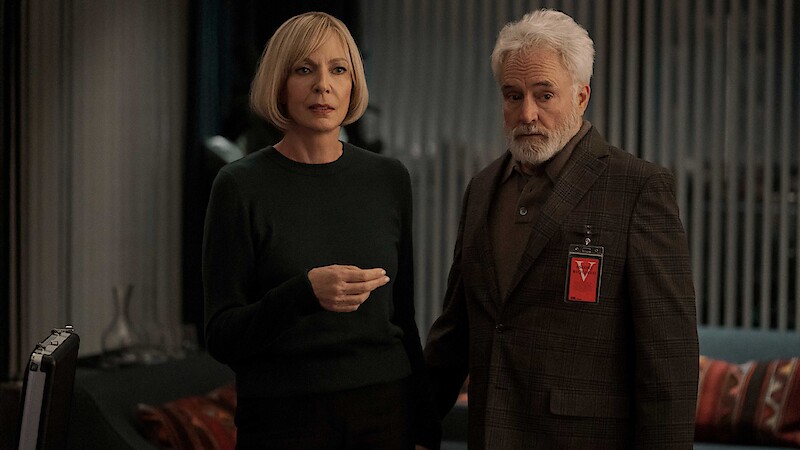
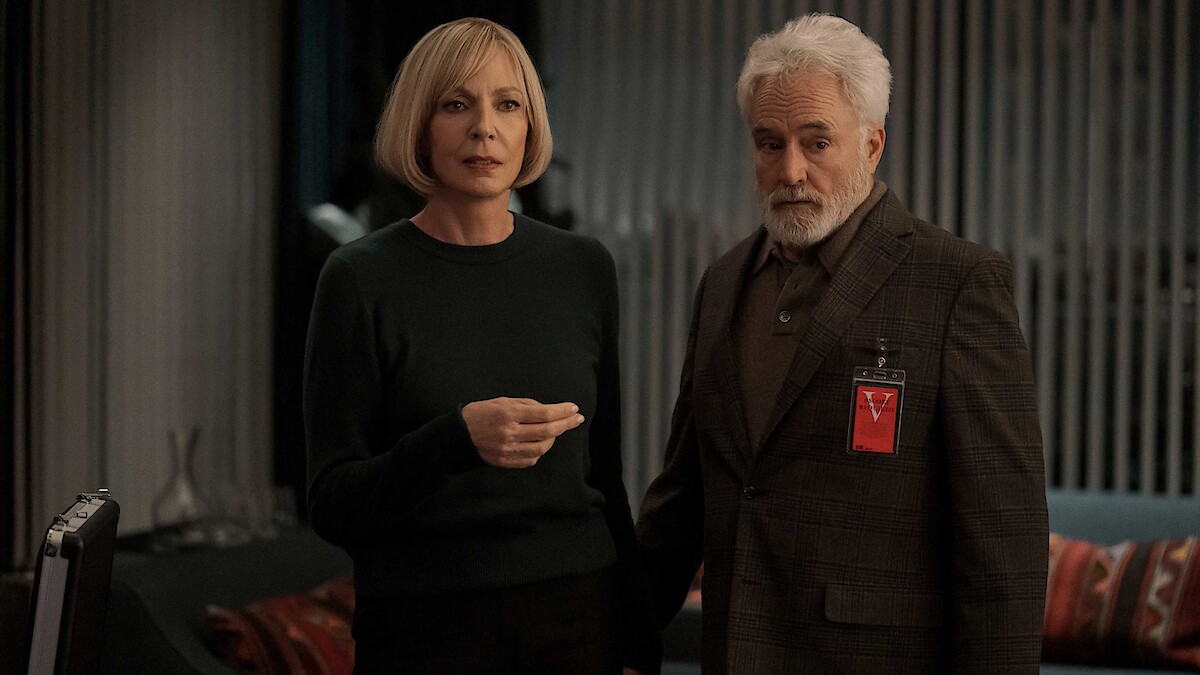
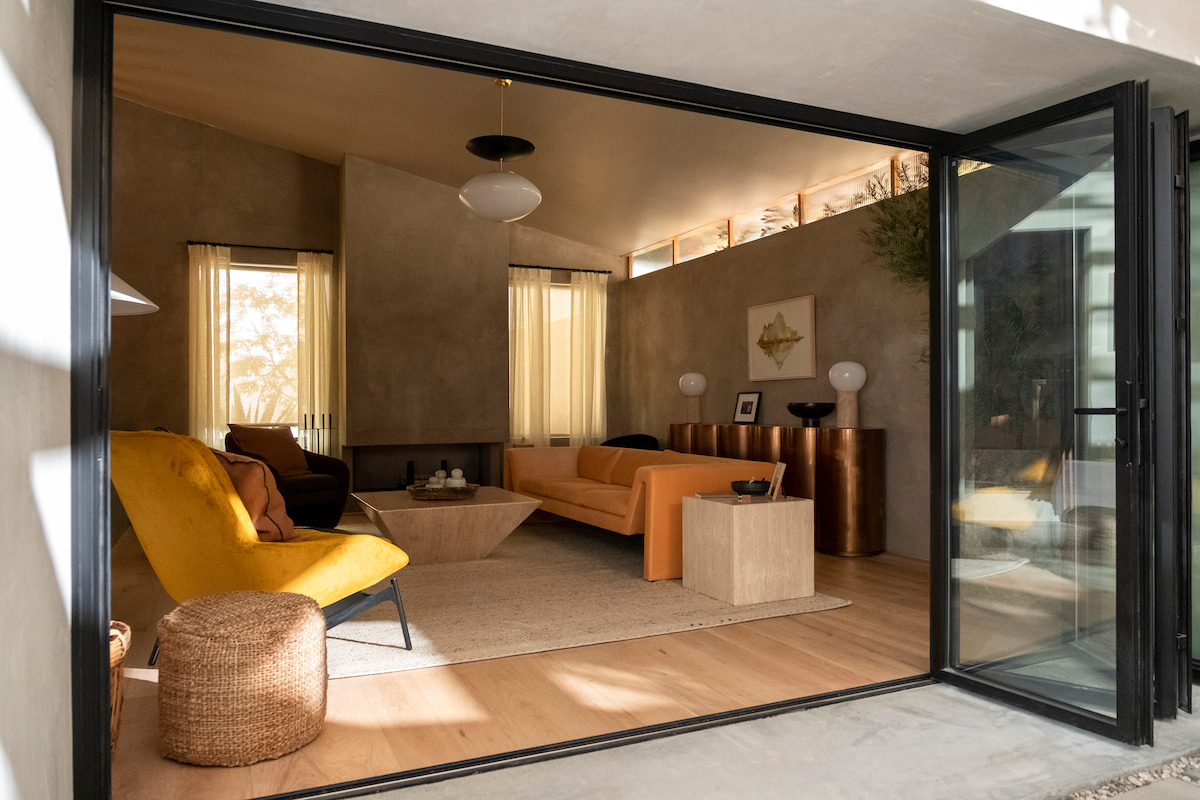
Building it from scratch fell to production designer Grace Yun, who had to express, through the home, Amy’s taste — that of an artful, self-made entrepreneur with great aspirations — as well as her somewhat tortured mindset. “She has a certain vision for her life. It had to feel curated,” says Yun (who also confirms that yes, the floors were in fact real oak, though not European). “I was trying to accomplish a few things: It felt like an open-plan space, but it was enclosed upon itself in a way that could feel like a prison in some way. There aren’t actually curves in that space; they’re all straight lines and perpendicular lines. And she doesn’t really have an outdoor space — the patio leads into another interior space.
“We wanted to create a lot of sight lines that would continue looking into the house itself,” Yun continues. “So this feeling of, ‘Yeah, it’s a nice open-plan, but you’re also feeling a bit trapped.’ You can go in circles in there, if you think about it.”
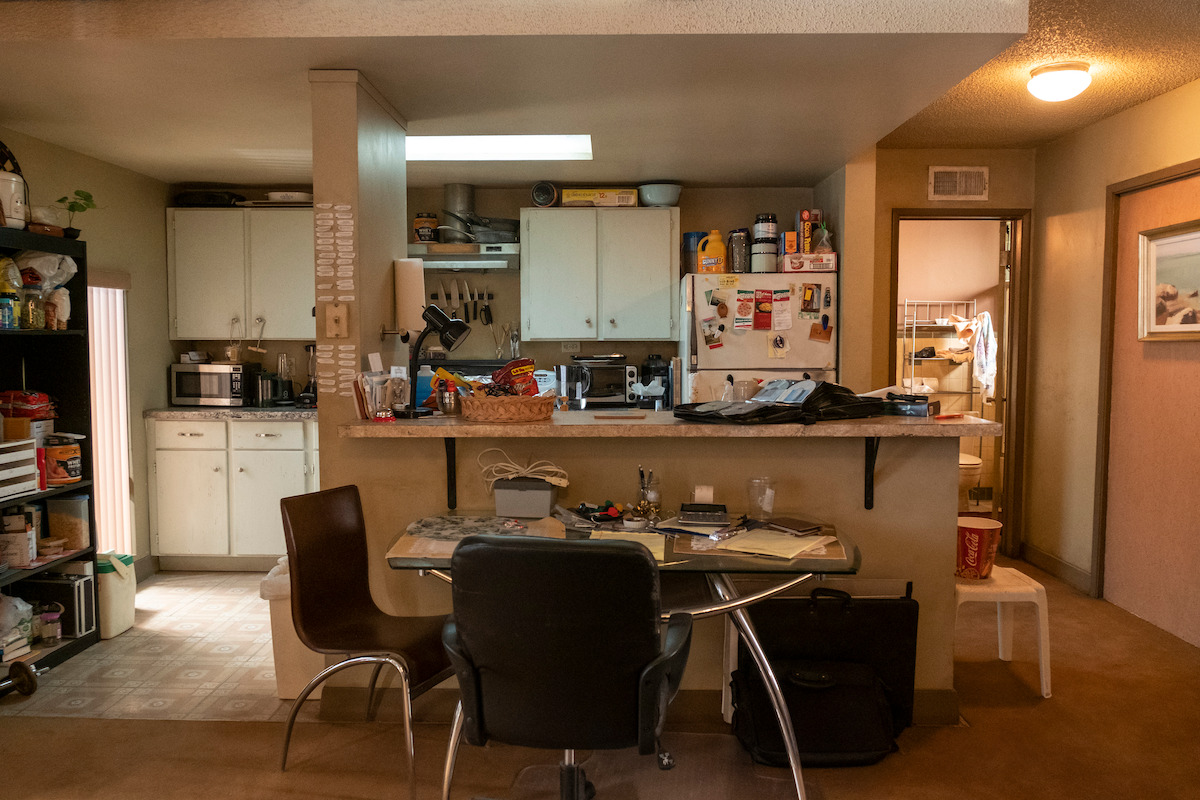
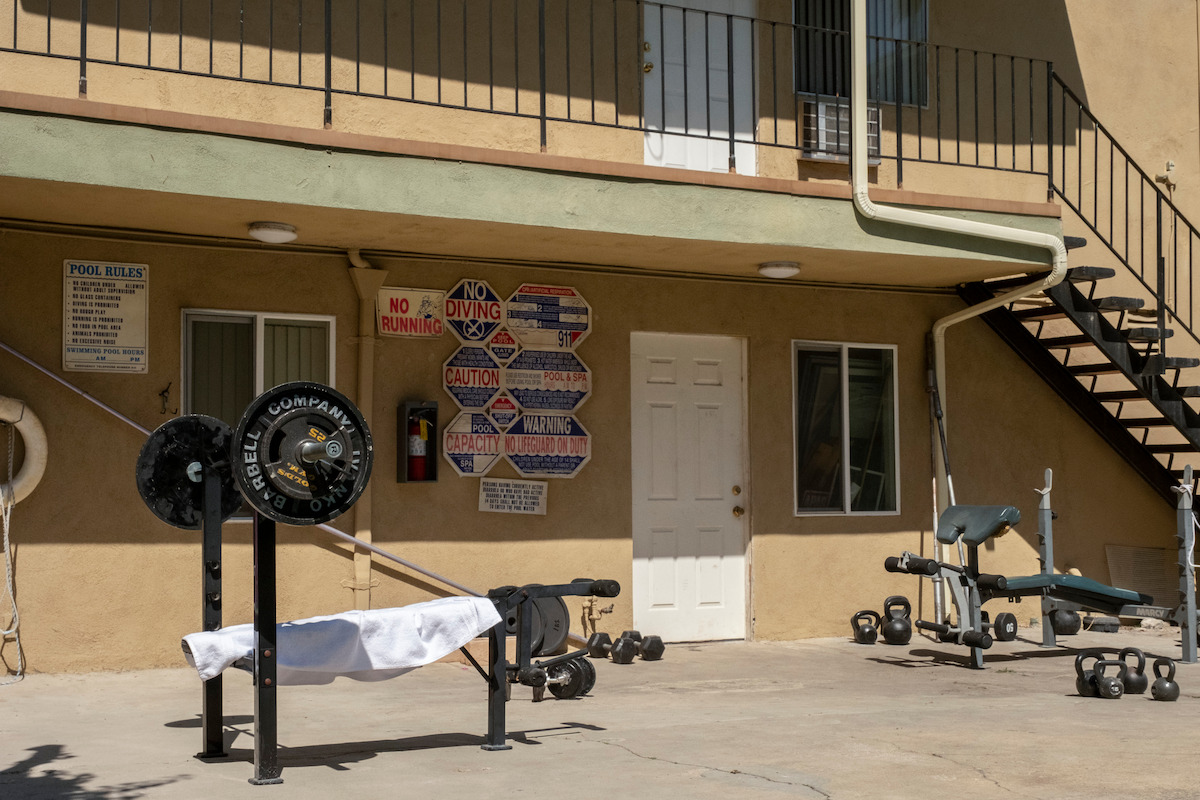
As Amy and Danny’s rivalry spirals out of control, the contrast between the characters — and the worlds they inhabit — deepens and intensifies. “That was one of the unique and fun challenges for the location department, finding locations for Danny and for Amy that are very different,” Percival says. While “Amy’s world is very slick and clean and aspirational,” Danny’s is “much grittier.”
Located in the San Fernando Valley, Danny’s apartment complex “almost has an institutional feel,” Percival says, pointing out that director of photography Larkin Seiple “was able to utilize the starkness and the angles of that location to really show [Danny’s] character and where he comes from.” Regarding the production design of the apartment’s interior, Yun says the team “wanted [it to] feel trapped, but in a different way” from Amy’s house, “in a much more cluttered and enclosed way.”
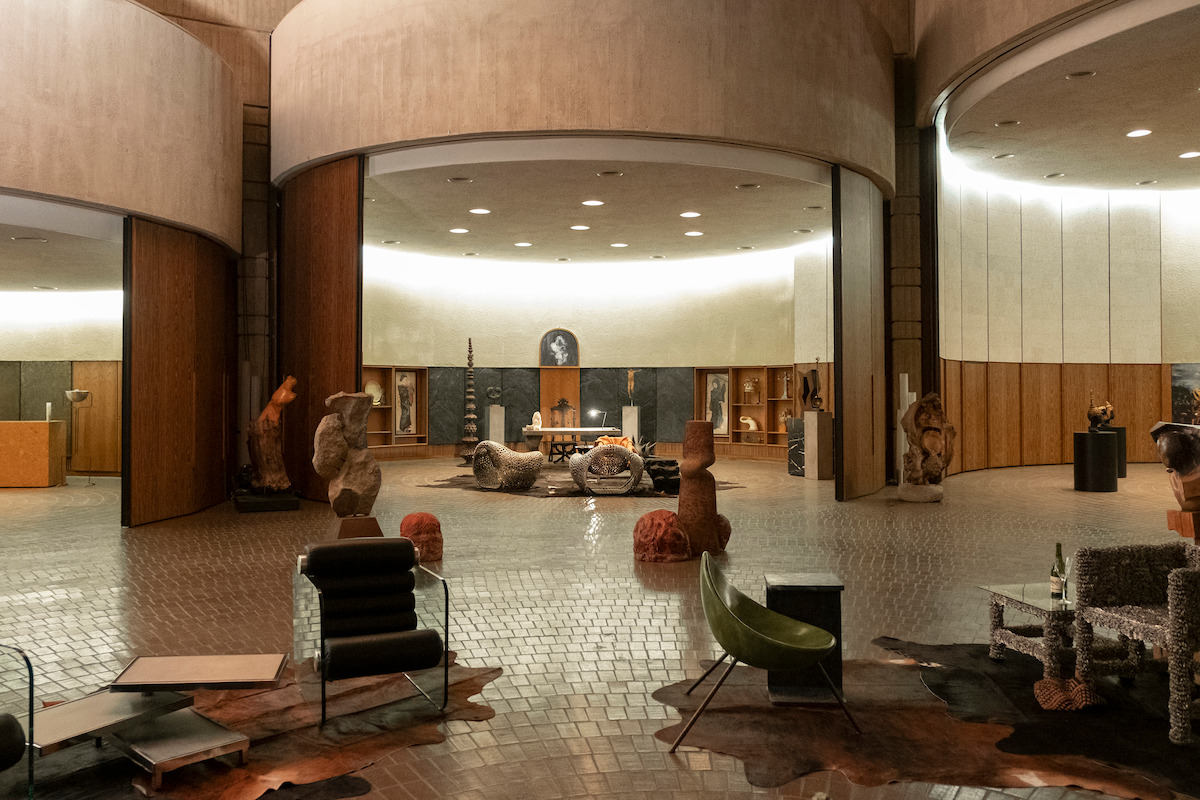
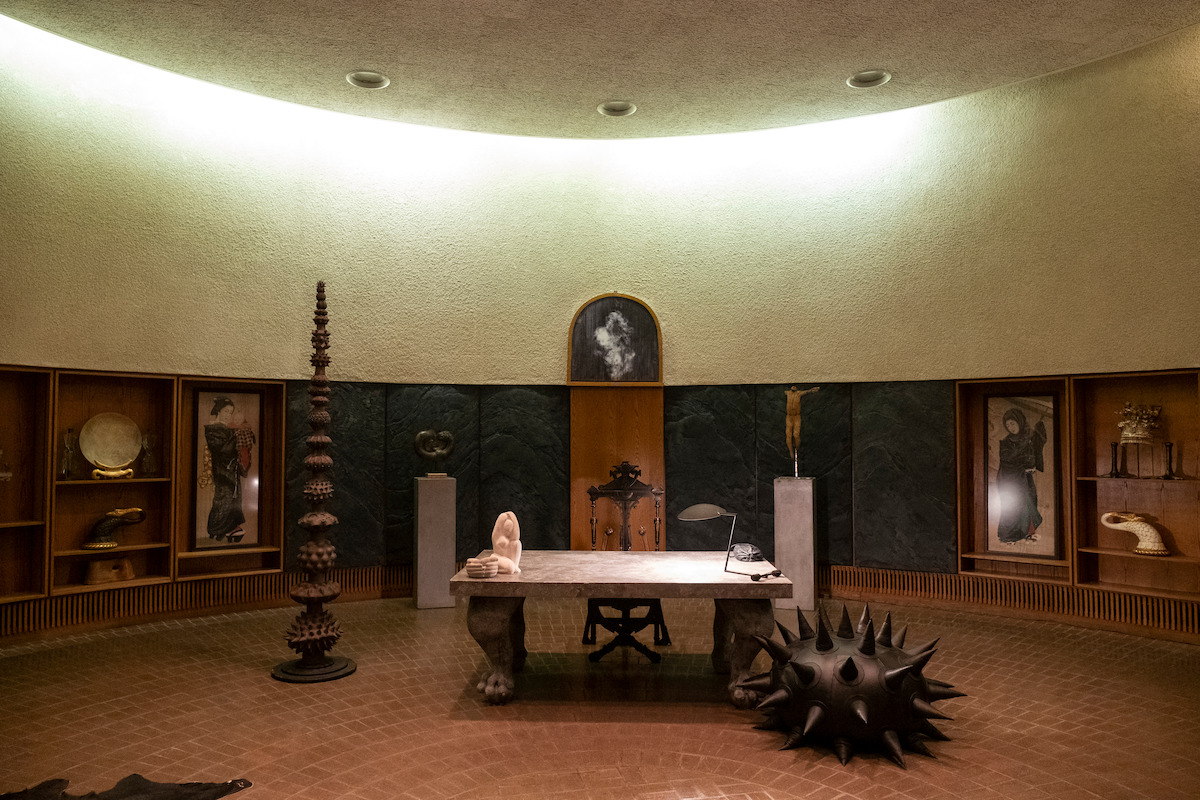
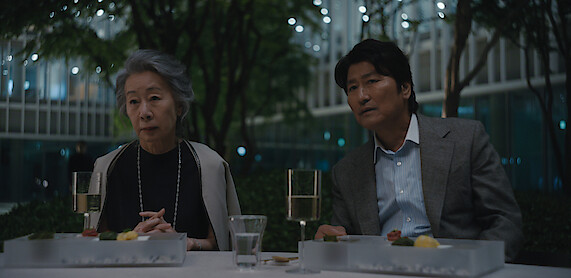
Also prominently displayed is Jordan’s imposing mansion, which sets the stage for only a few scenes — but impactful ones. “[Jordan’s] an eccentric, unique, powerful character and her house needed to reflect that,” Percival says. While scouting for another location with his team, he realized that they were near the American Jewish University’s House of the Book in Simi Valley and suggested they go check it out.
“Once we walked into it, it was just sort of instant,” he says of the reaction to the stunning building, which has appeared in many films and TV shows as well as functioning as an academic space and performance hall and now features in BEEF. “[It] offers so many unique looks to it, and the structure, with its round rooms and the very high ceilings and curves, added a lot of [drama] just by the architecture.”
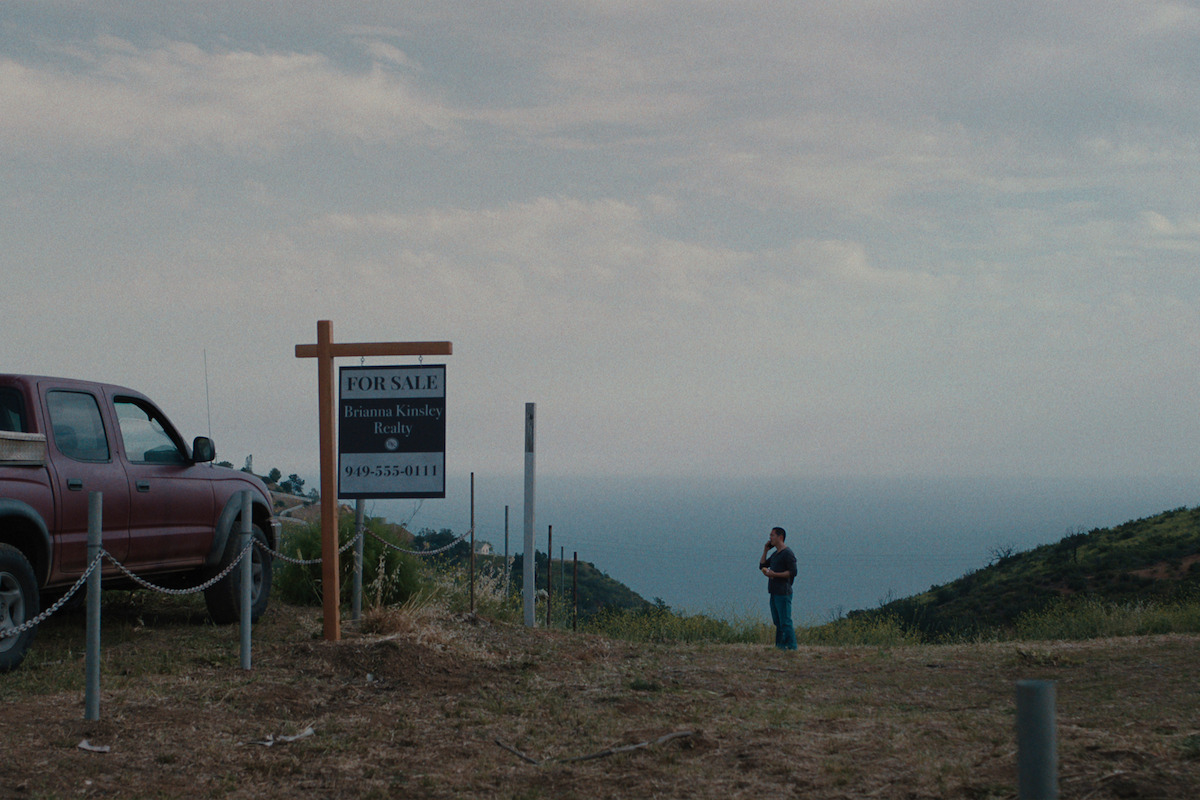
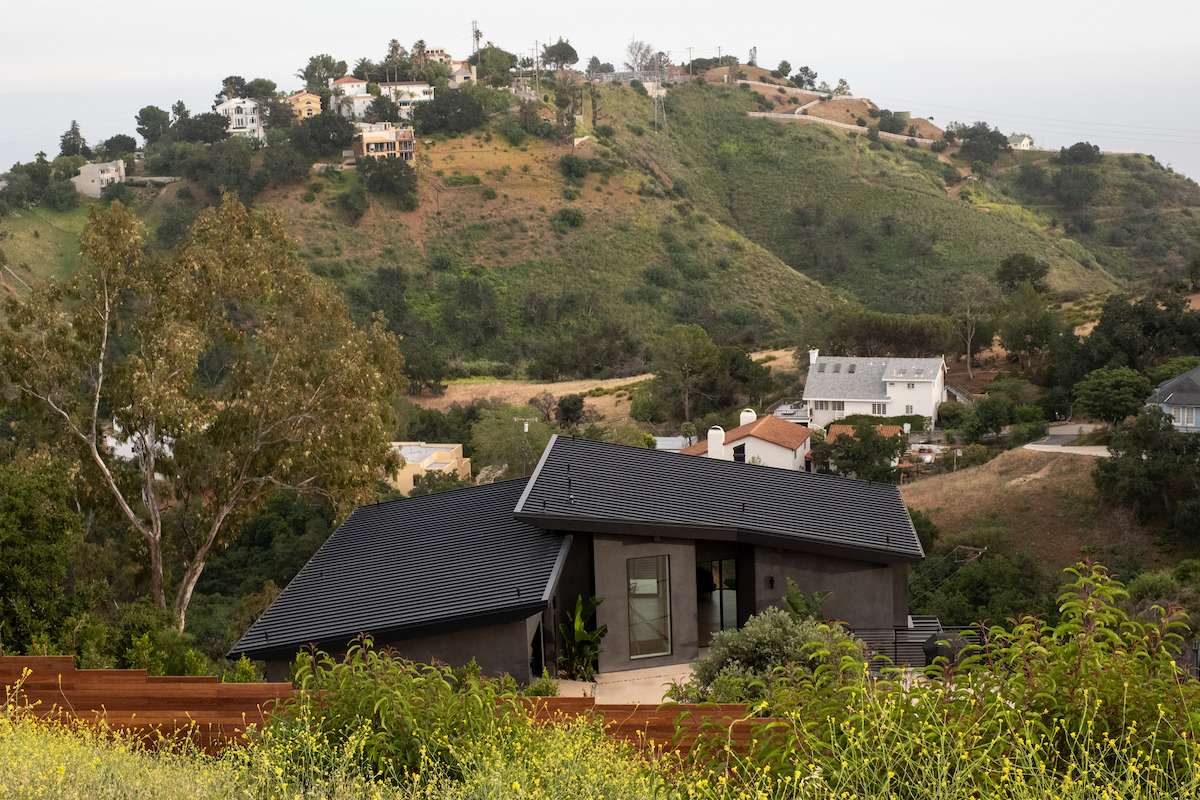
Lee’s vision of Southern California wasn’t limited to buildings. Percival’s team was also tasked with finding critical locations in the LA area’s sunny outdoors, like the empty lot that Danny hopes to buy and build upon for his parents. “That piece of land had to have the sort of ocean view and aspirational feel that Danny wanted for his parents,” Percival says. After scouting “around the hillsides of Malibu and the Santa Monica Mountains,” his team found a vacant piece of land in Malibu, in an area that had been hit hard by 2018’s devastating Woolsey fire. It had the stunning views needed but was also dynamic enough to play for various story points as Danny’s relationship to the spot evolves.
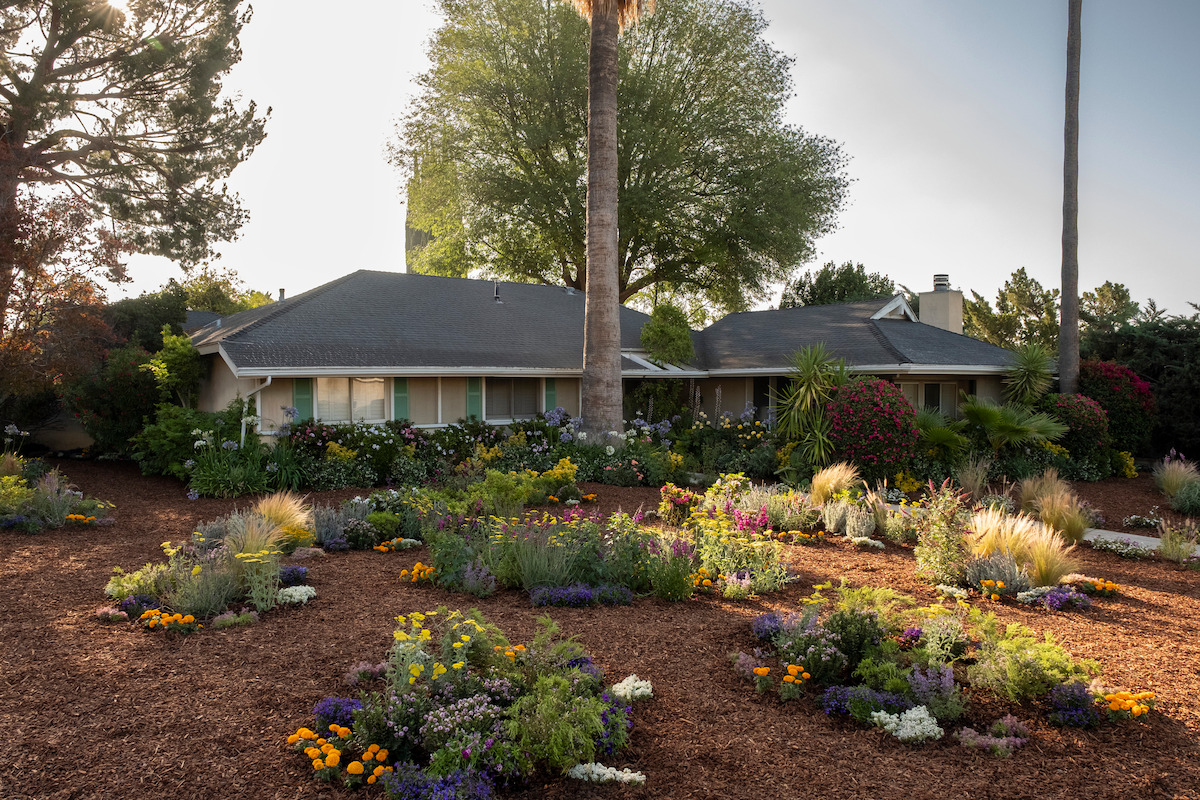
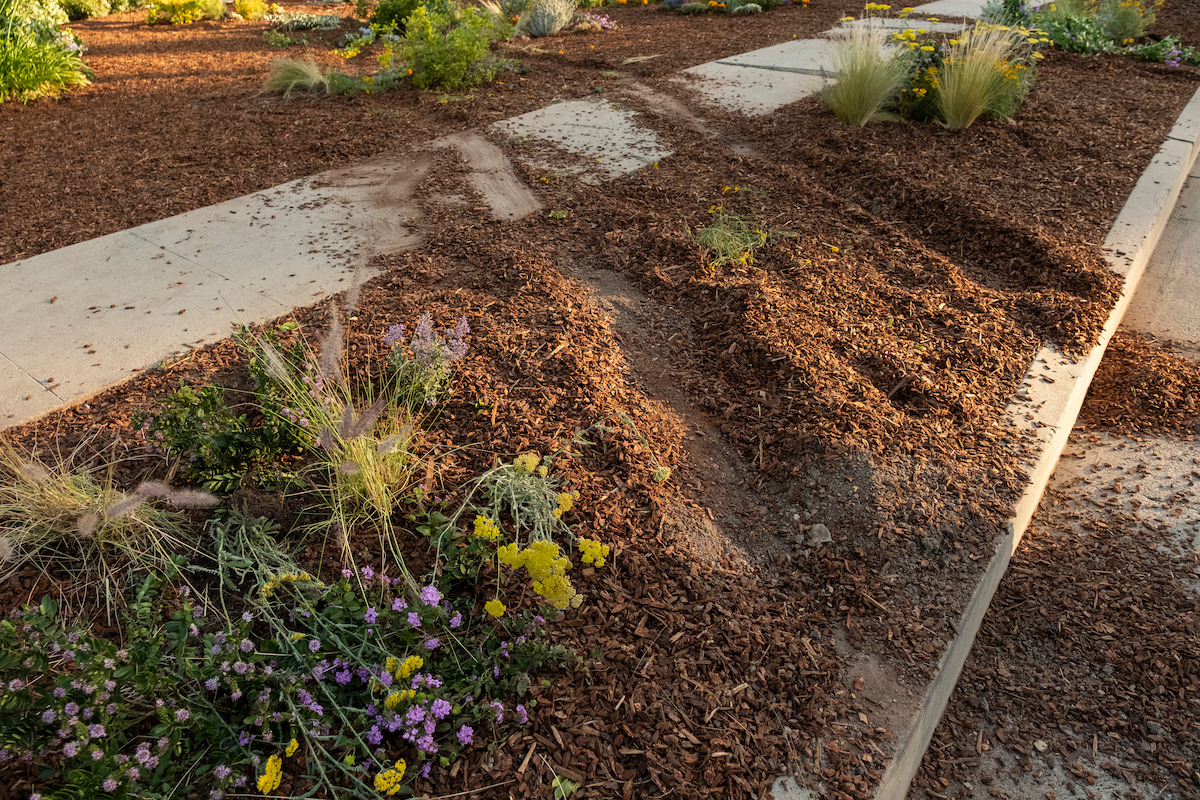
Finally, Percival’s favorite location from the project was one of the series’ very first: the garden that Amy and Danny destroy during the explosion of road rage that starts it all. Simple though it may seem, the location had specific requirements. “It needed to be on a corner lot, and it needed to be on a specific corner of that intersection for the lighting,” Percival recalls — and that’s not to mention, of course, that they needed to work with a homeowner who wouldn’t care about a truck and an SUV zooming across their lawn. Luckily, the owner had been planning to redo all of his landscaping anyway, “so we didn’t have to tear out a whole bunch of pretty stuff and then try and recreate it,” Percival says. “Grace’s art department did a wonderful job of creating the beautiful garden that gets destroyed.”
Additional reporting by Tara Bitran.