This article contains major character or plot details.
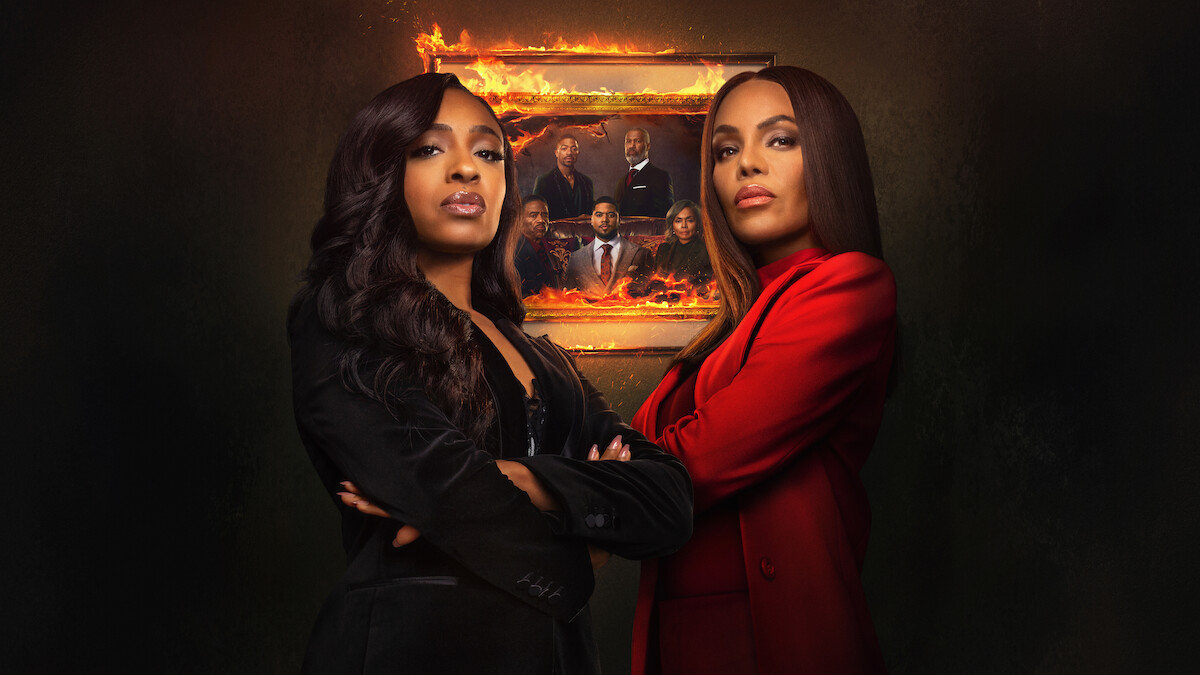
Tyler Perry’s Beauty in Black Season 3, now streaming on Netflix, is the most explosive chapter yet in the Bellarie family saga. The season begins with some of the family’s biggest enemies behind bars, as Roy (Julian Horton), Olivia (Debbi Morgan), and former Bellarie head of security Jules (Charles Malik Whitfield) face the consequences of their criminal dealings. But jail won’t hold all of them for long. While Norman (Richard Lawson) uses his connections to secure his freedom, Jules escapes and begins plotting his revenge for the death of his son, Glen.
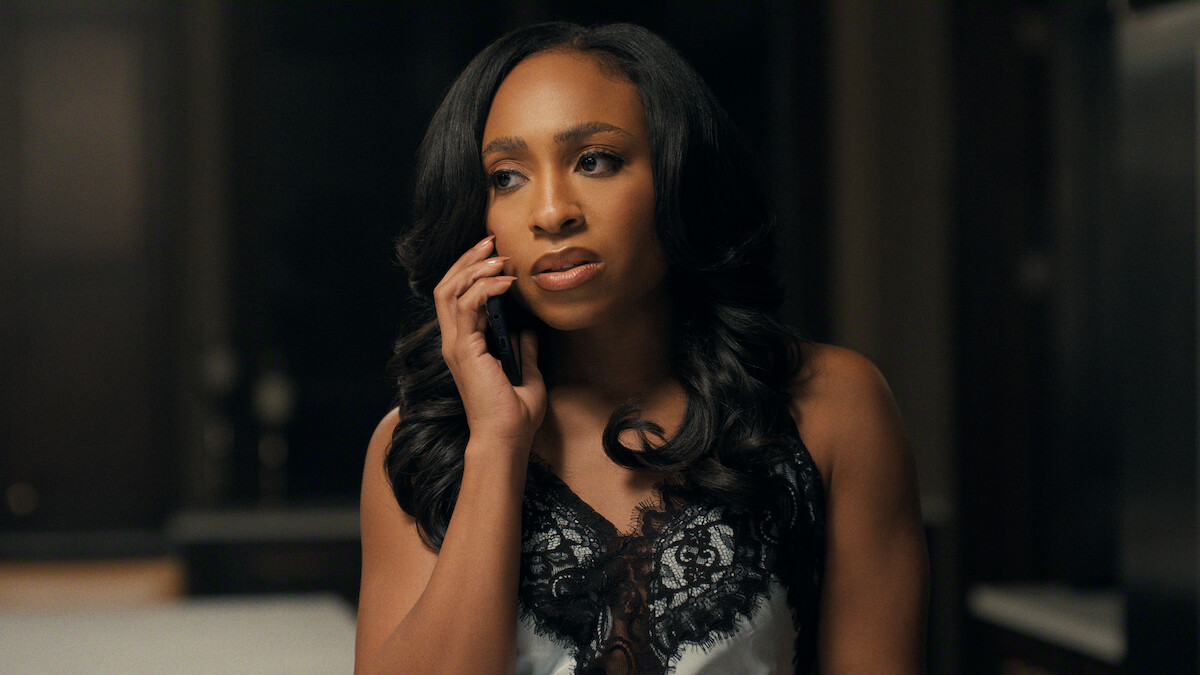
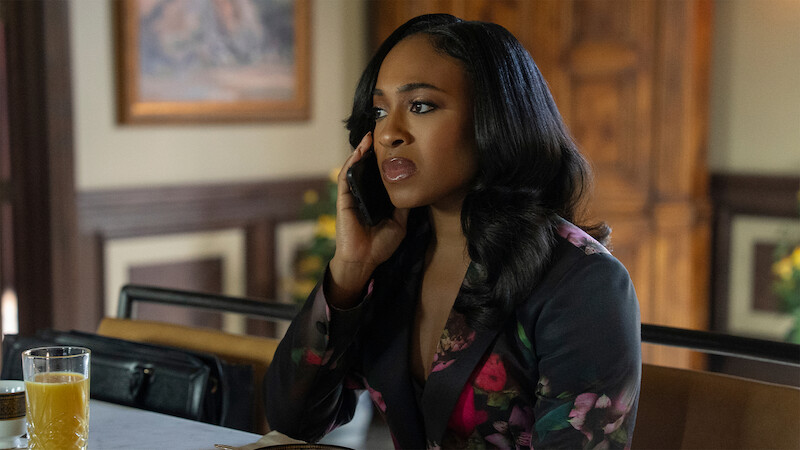
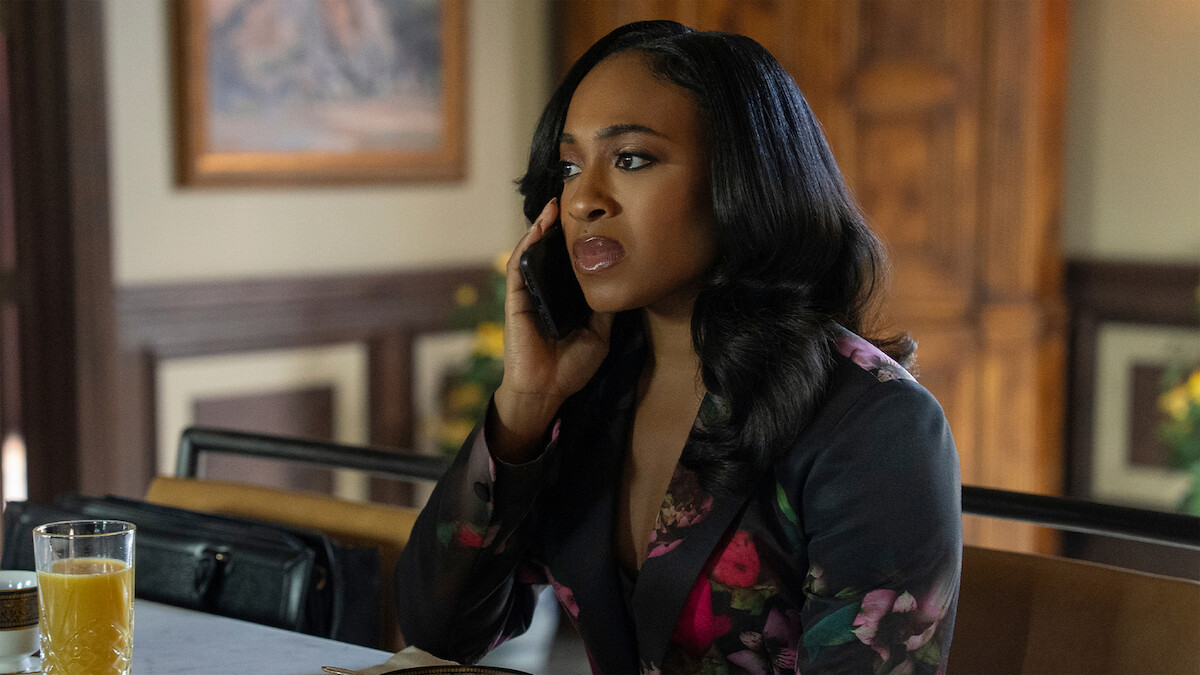
Meanwhile, as Kimmie (Taylor Polidore Williams) settles into her new role as Horace’s wife and a rising force within the Beauty in Black business empire, she’s pulled deeper into the Bellarie family’s dangerous world. And Mallory (Crystle Stewart) proves she’s willing to do whatever it takes to protect her power, as Charles (Steven G. Norfleet) faces the emotional fallout of his own violent actions while considering the possibility of a new beginning with Varney (Terrell Carter).
But all roads lead to an explosive finale. The season’s long-simmering family conflicts finally ignite as decades of resentment between Horace (Ricco Ross) and Norman erupt in a deadly confrontation, while Jules uses Gina (Jasmine Burke) and her criminal network to launch a devastating attack on Make It Rain. With the club transformed into a war zone and the fate of several major characters left uncertain, Season 3 leaves the Bellarie empire hanging in the balance.
Read on for the biggest twists, betrayals, and cliffhangers from Season 3.
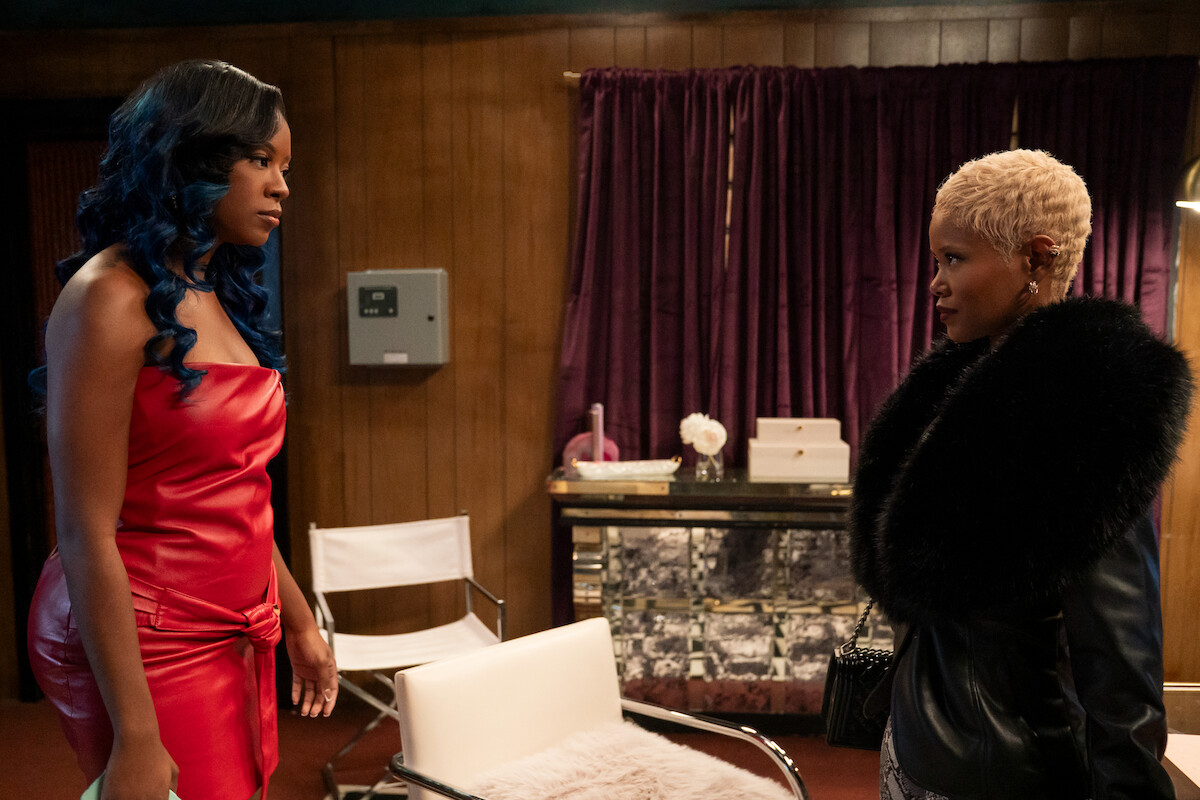
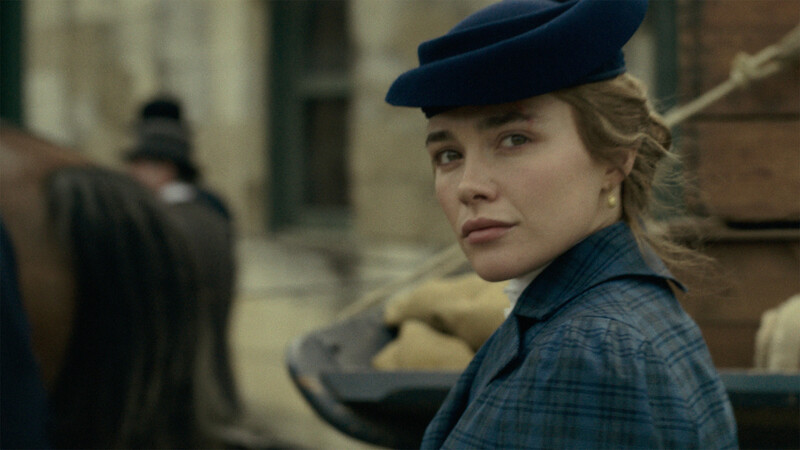
PHOTO BY CHARLES “CHIP” BERGMANN
Who’s behind the shootout at the club?
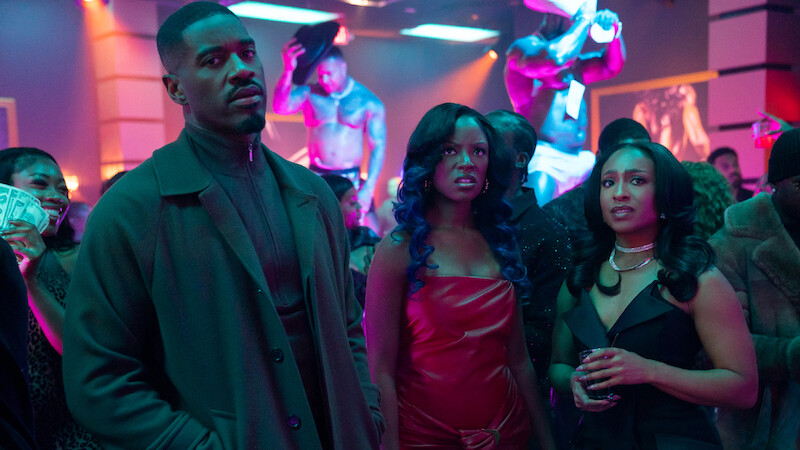
The Season 3 finale reveals Jules as the force driving the attack on Make It Rain.
Using Gina as a front while manipulating her criminal network, Jules positions himself as a major power behind the violence rocking Rain’s (Amber Reign Smith) world and the Bellarie family. After walking into Rain’s club and revealing that he has been orchestrating events from behind the scenes — including key moves against Norman, Horace, and Olivia — Jules makes it clear that his mission is personal: He’s out to avenge his son Glen’s death.
When Gina gives the signal, embedded shooters rise up and turn the club into a battlefield, targeting everyone, including Kimmie and Mallory. The attack marks Jules’s return as a major player, armed with his inside knowledge of the Bellaries’ corruption, access to Gina’s criminal network, and a ruthless desire for revenge.
Do Kimmie and Mallory survive the club shooting?
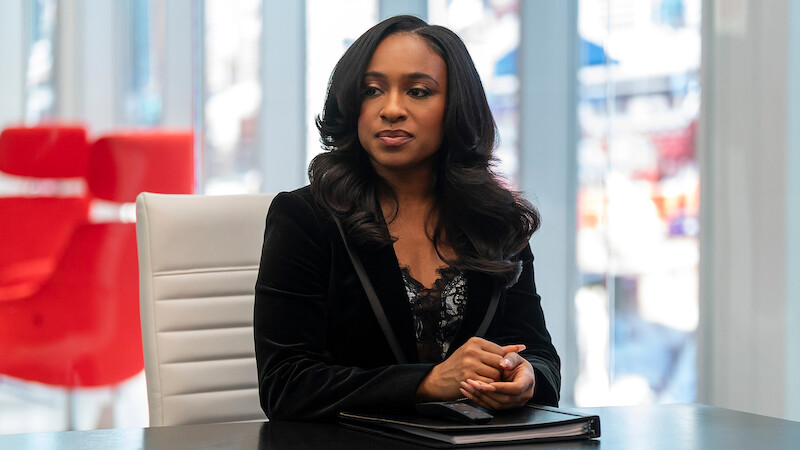
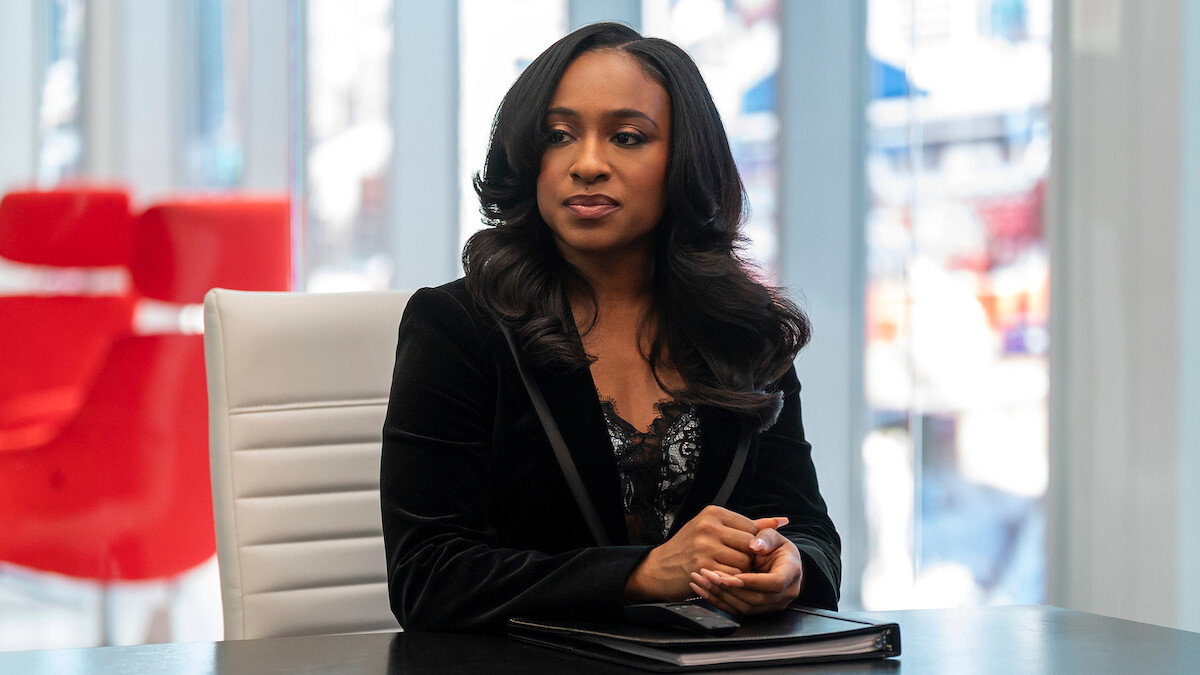
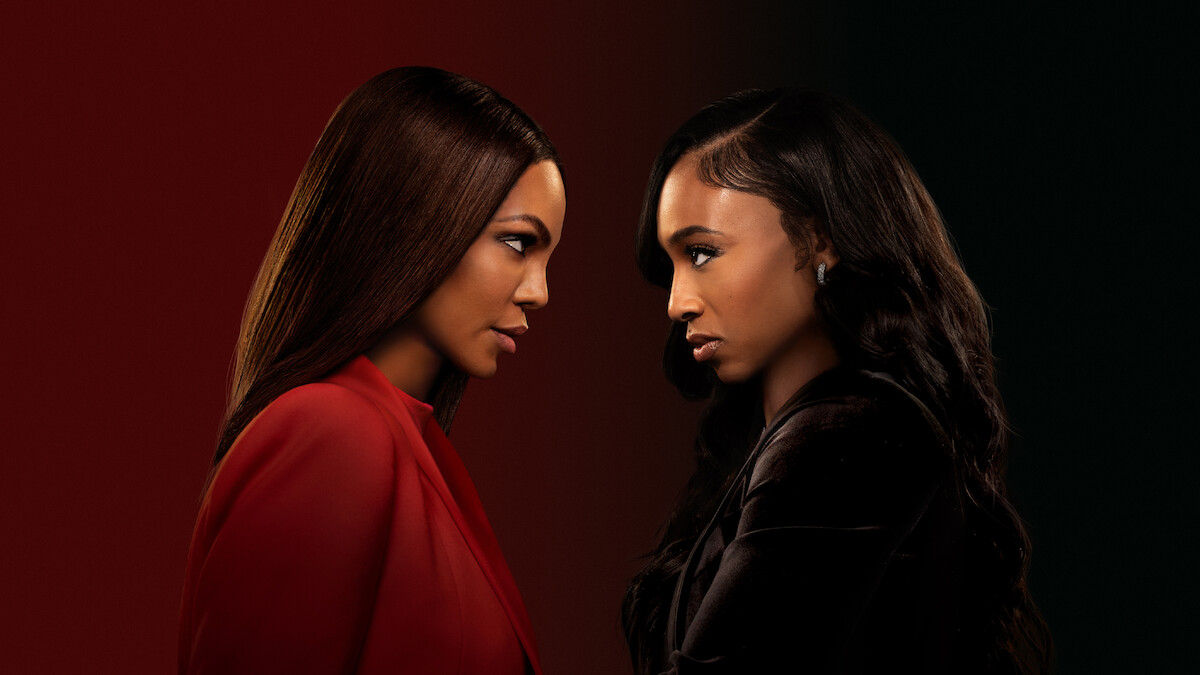
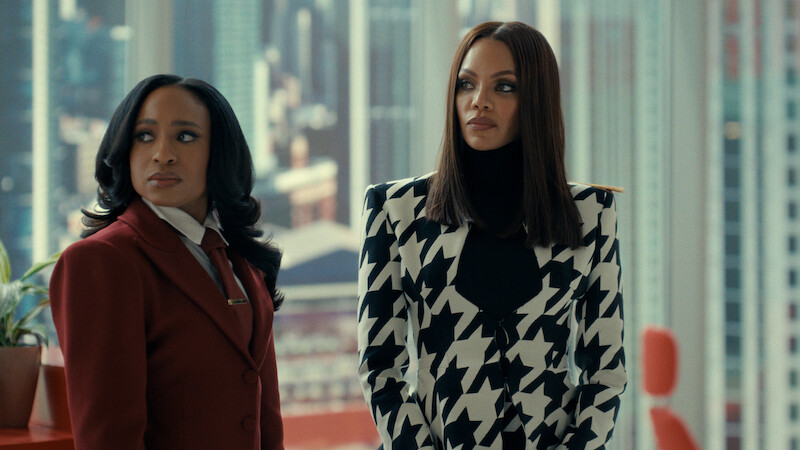
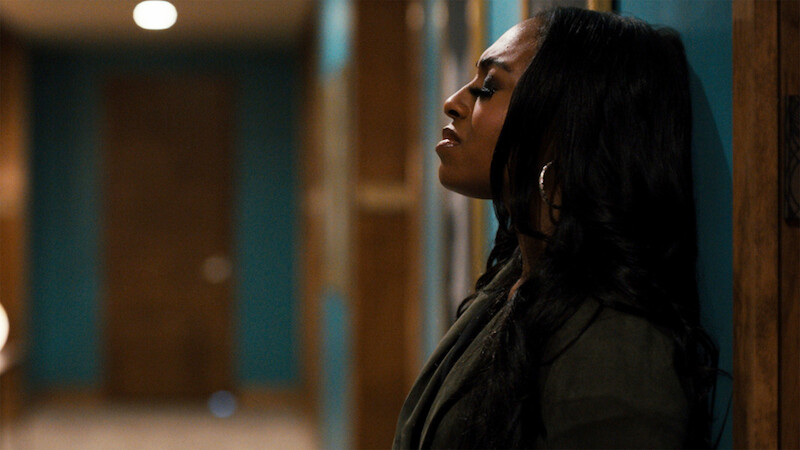
Their fates are unclear, but both are gunned down during the horrific shootout orchestrated by Jules. Kimmie enters the season fully embedded in the Bellarie empire as Horace’s wife, protégé, and an emerging executive at Beauty in Black, all of which puts a huge target on her back.
“I feel like what’s done in the dark will come to light, especially when you have so many enemies. She put a whole family of people in jail,” says Williams. “If they survive, they are coming for her. They are going to gun for her and do everything they can to reclaim their position in the family.”
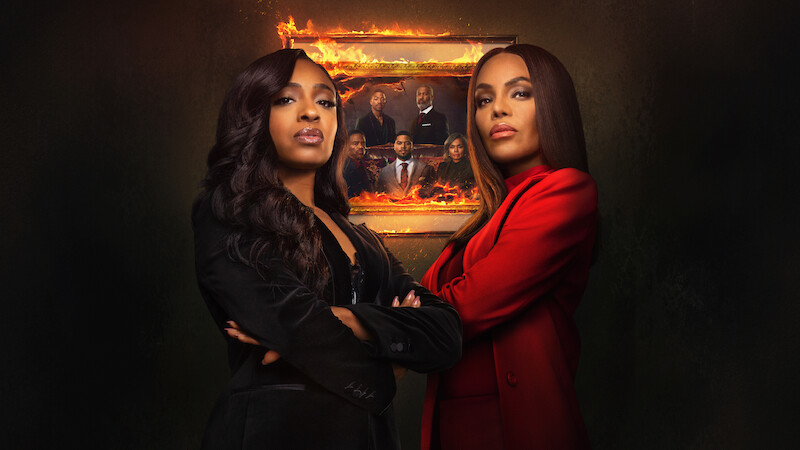
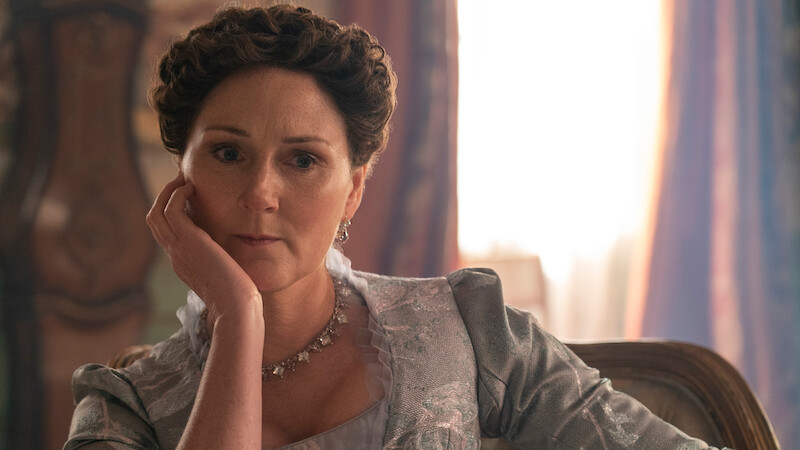
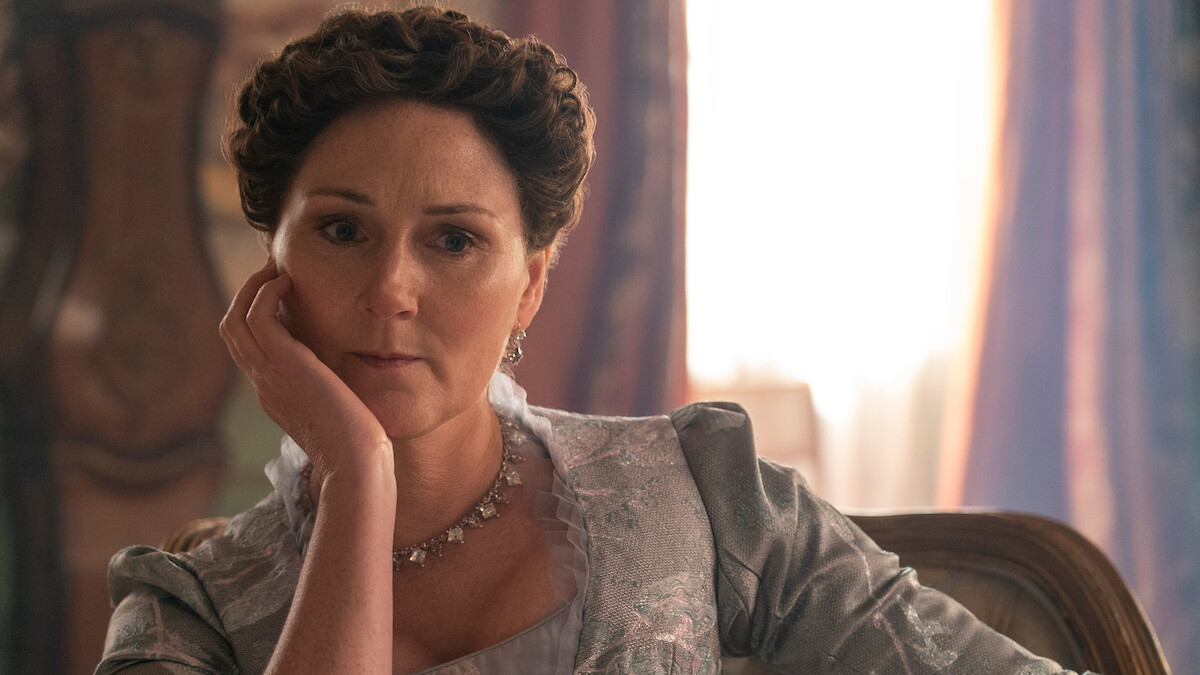
By the finale, Kimmie and Mallory’s tentative alliance, formed to protect the family’s secrets and maintain control, has held. “They may not always agree on everything,” says Stewart, “but they’ve both proven they’ll fight to protect their own.”
Will it be enough to save them from Jules’s plot? “They are both trapped in this web of what the Bellarie family is, and they both want to maintain the power and the life that they have,” says Williams. “I would really like to see Kimmie and Mallory’s relationship deepen. I’d like to see them grow and work together to fix the mess.”
Are Horace and Norman dead?
As with so many things in this Chicago-set drama, the Season 3 finale leaves one major question unanswered: Will either Bellarie brother make it out alive?
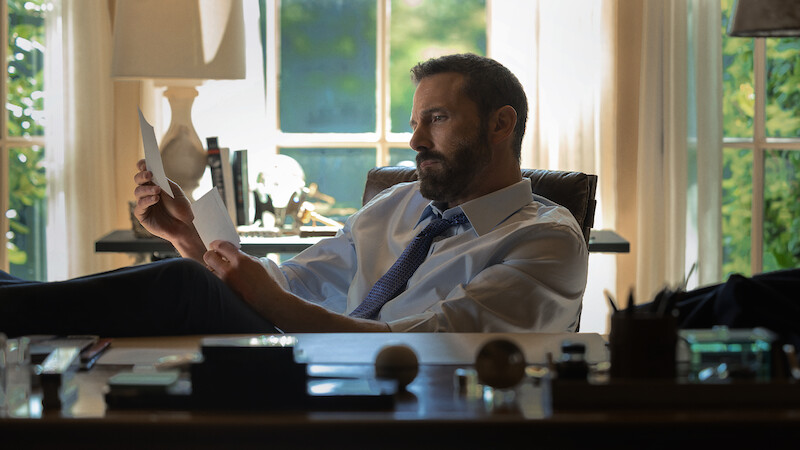
Norman and Horace spend the season locked in a bitter battle, fueled by decades of resentment, betrayal, and unresolved family trauma. By the final episode of Season 3, that feud erupts into one of the most intense confrontations the series has seen. After Mallory shoots Norman as he breaks into her home seeking revenge for his wife’s death, she leaves him bleeding on her kitchen floor, believing she has finished him for good.
“I see it as survival. Though Mallory isn’t someone who looks for violence, she’s not afraid of it,” says Stewart. “Throughout the series, she’s consistently tried to outthink situations rather than overpower them. In that moment, she’s protecting herself. It isn’t about revenge, it’s about making the impossible decision that allows her to live.”
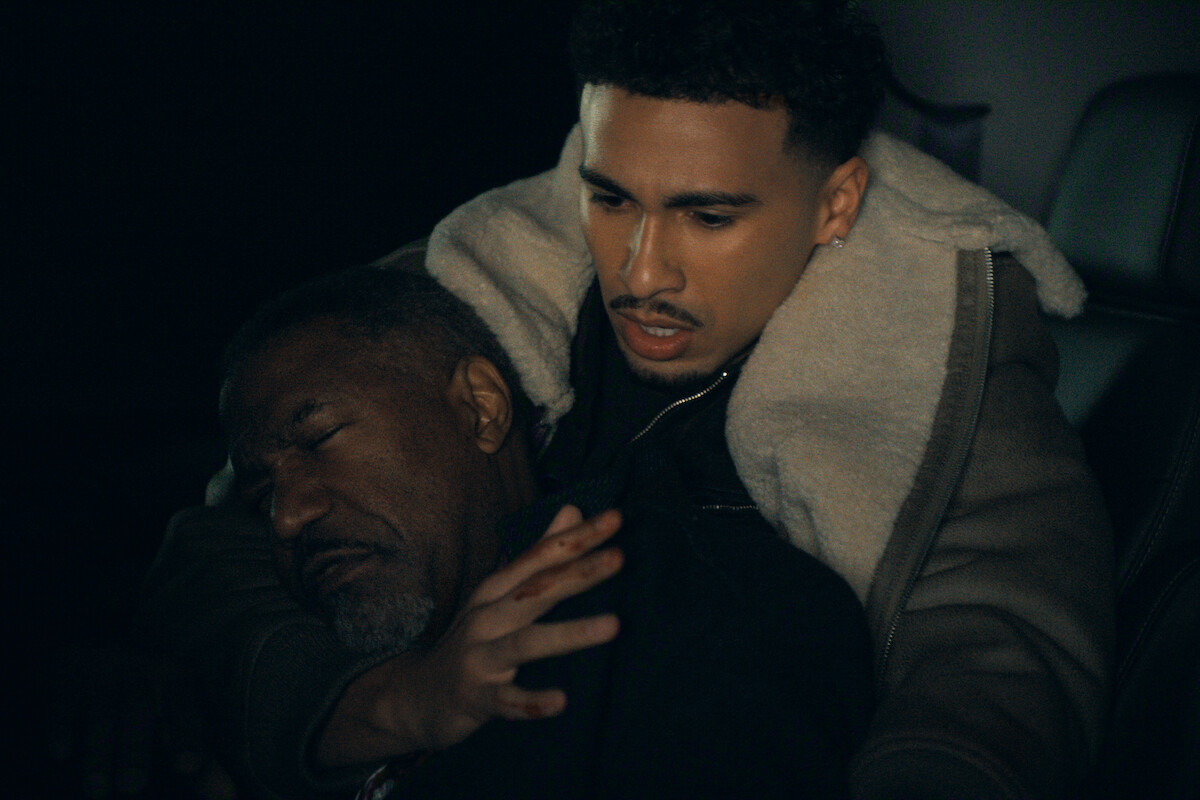
But when Horace arrives, Norman summons one final burst of strength and shoots his brother. The security team reaches Horace in time to rush him to the hospital, but Norman is left behind, seemingly dying on Mallory’s floor — laughing through the pain and devastation of everything that has brought him there.
Do Charles and Varney end up together?
Charles has one of the most turbulent journeys of Season 3. After shooting and killing a group of men who attempted to rob him, he finds himself facing a $250,000 bill from the crew hired to clean up the aftermath. With his mother, Olivia, behind bars and Mallory refusing to bail him out, Charles feels trapped. He reaches a devastating breaking point and attempts to hang himself in his garage.
Just in time, his on-again, off-again love, Varney — the Bellarie family’s charismatic lawyer — arrives and cuts him down, saving his life. But Varney makes one thing clear: If they’re going to move forward together, he wants Charles to seek help, and not for addiction, but for the emotional trauma he carries as Horace and Olivia’s son.
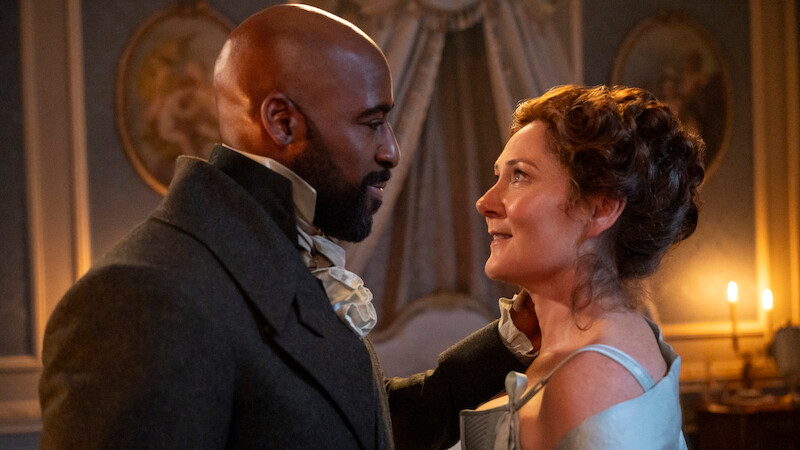
Their goodbye is sealed with a kiss at the rehab facility’s entrance, as Charles prepares to begin treatment and take the next step toward addressing his psychological wounds.
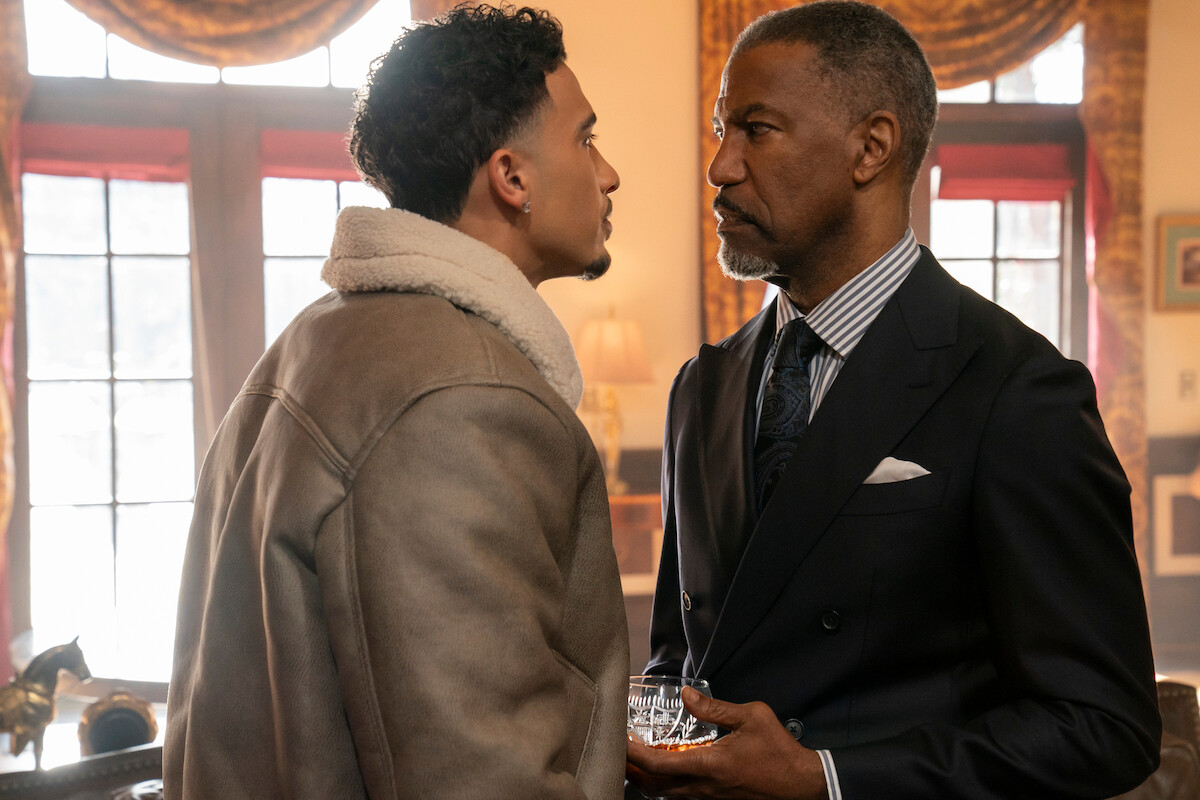
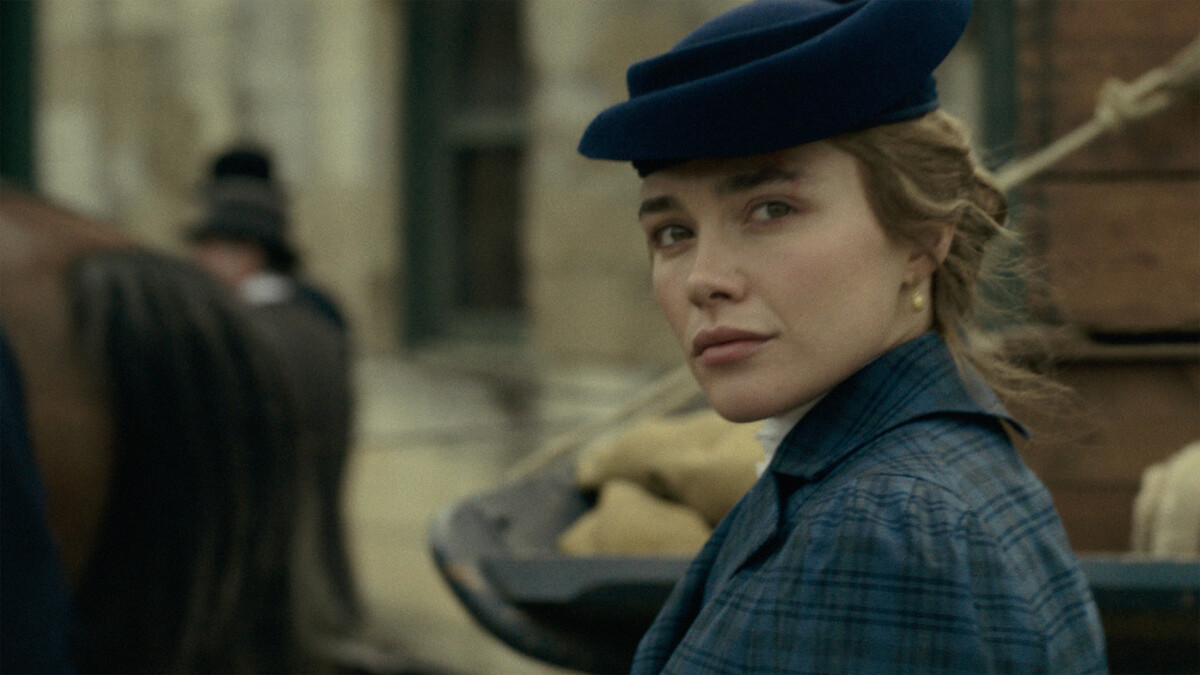
PHOTO BY CHARLES “CHIP” BERGMANN
Is Horace gay or bisexual?
Kimmie, now married to Horace, has long suspected that Horace may be gay or bisexual. She begins to wonder in Season 1, when Horace admits that club dancer Angel (Xavier Smalls) has caught his eye. Angel and Horace share a complicated, often secretive connection: Horace is drawn to Angel’s presence but remains unwilling — or unable — to fully acknowledge what he wants from him, summoning Angel to dance for him while keeping him at a distance.
That tension comes to a head in Season 3 when Charles discovers that Angel has been spending large amounts of Horace’s money. But Angel manages to charm his way back into the patriarch’s good graces. When Charles later walks in on Angel dancing for his father, he realizes that Horace’s years of anger and judgment toward him may be rooted in a reflection of Horace’s struggles with his own sexuality.
After Norman shoots Horace in the Season 3 finale, it’s Angel who remains by his side in the hospital, suggesting their connection may be deeper than either man has admitted. But is it a healthy one? As Charles warns Angel earlier about his father, “He’s a killer and an evil man. I think you should run as fast from here as you possibly can.”
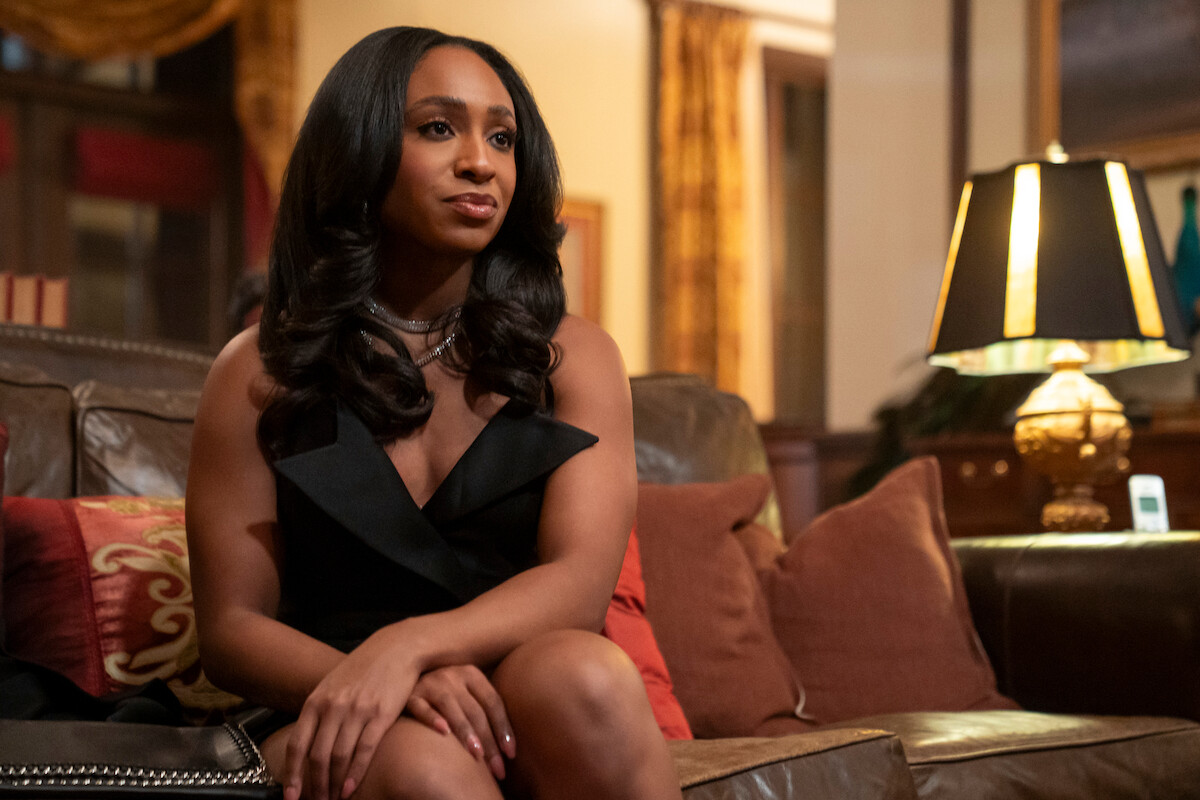
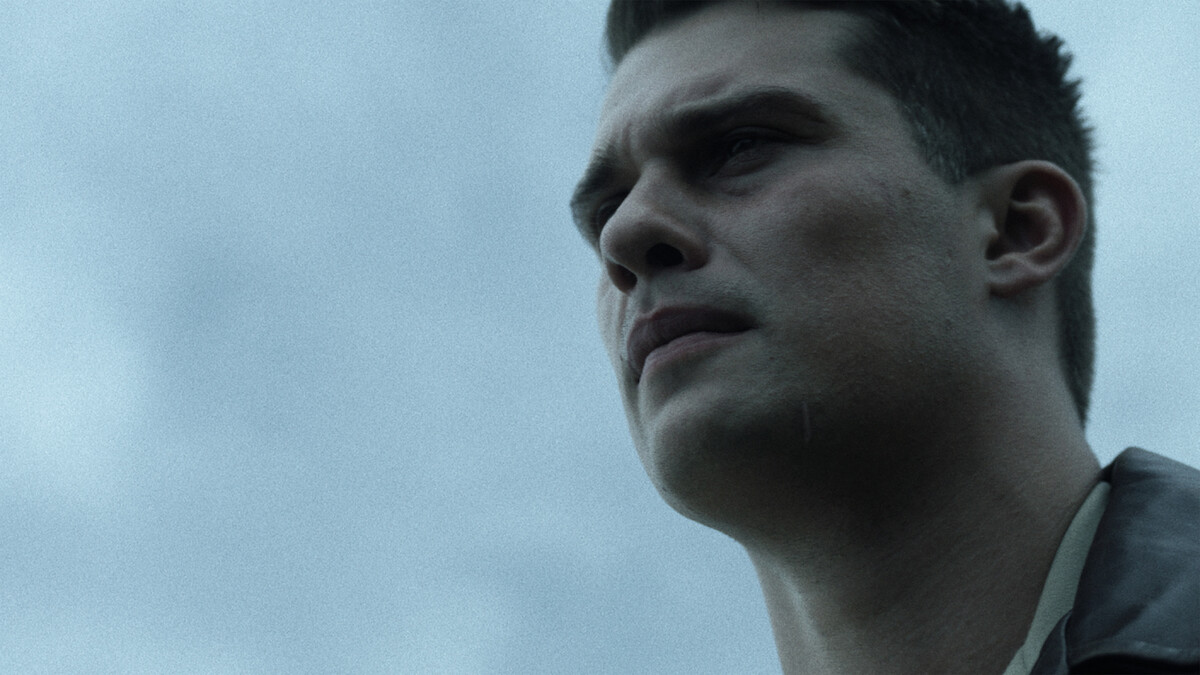
PHOTO BY CHARLES “CHIP” BERGMANN
Does Kimmie fall in love with Horace?
Kimmie spends Season 3 trying to understand exactly what she is to Horace — wife, protégé, or something more expendable. She’s drawn to the security and stability he offers, but constantly questioning her place in his life as his moods and attention shift.
“I don’t think Kimmie’s in love with Horace. I think he’s the first person who’s given her some type of security and stability,” says Williams. “Then he shuns her. I’m very excited to see what happens with them, because he’s also exposed and vulnerable to her by the time we end the season.”
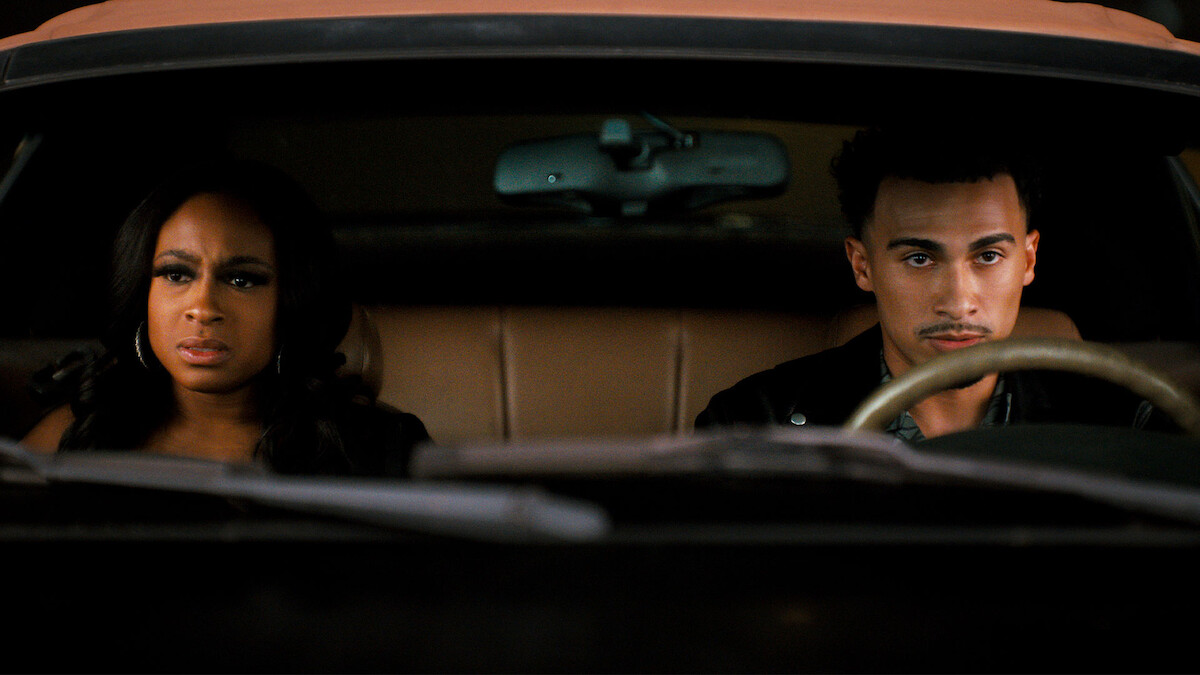
Horace’s behavior only deepens that confusion. Just when Kimmie is most convinced he may be more interested in Angel than in her, he initiates sex with her in the back of one of their chauffeured cars, pulling her closer physically even as he keeps an emotional distance. But the closer Kimmie gets to Horace’s power, the more she risks losing herself — and her moral compass — in his world, and she makes increasingly darker decisions to protect the life he’s given her.
“It’s that saying: ‘Absolute power corrupts absolutely,’” Williams adds. “The more power you have, it just amplifies what was already in you.”
Do Roy, Olivia, and Jules get out of jail?
At the start of Season 3, several of Horace and Kimmie’s biggest enemies are locked away after the Season 2 FBI bust. Norman uses his powerful connections to secure his release, but the others aren’t nearly as fortunate.
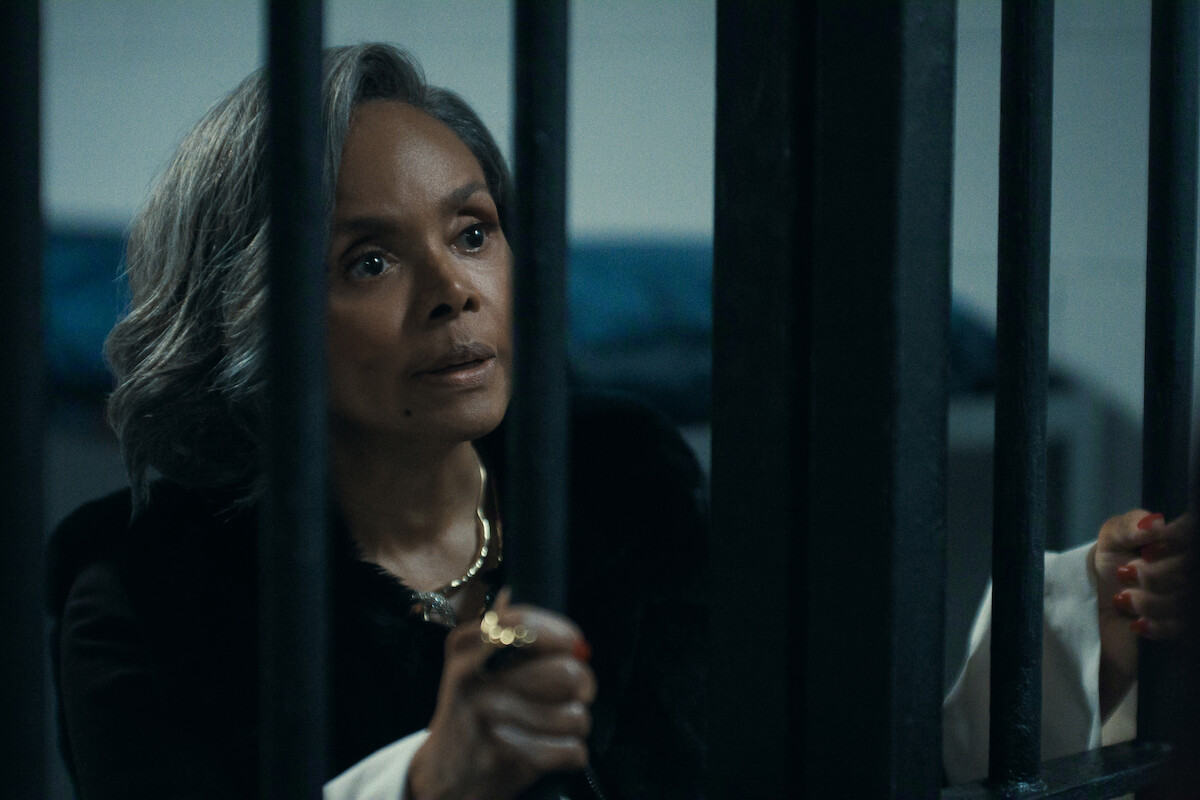
Olivia is the only one who remains behind bars, seemingly with no path to freedom.
Roy struggles with both his incarceration and a heroin addiction he openly acknowledges early in the season. While suffering through withdrawal, he accepts an unknown substance from another inmate to ease his symptoms. He overdoses and is rushed to the hospital, leaving his fate uncertain.
Jules finds a far more violent way out. After convincing an FBI agent that he can lead investigators to crucial evidence, Jules turns on the agent and escapes custody, leaving a trail of destruction behind him. Once free, he tracks down Sylvie (Bailey Tippen), who has been staying with her mother; he’s determined to learn the truth about Glen’s death. And when Sylvie finally tells him what happened, Jules responds with shocking brutality: He shoots her dead. It’s the first step in a quest for revenge that has only just begun.
With so many characters’ fates still dramatically up in the air, there’s no better time to revisit the series. Seasons 1–3 of Tyler Perry’s Beauty in Black are now streaming, only on Netflix.