Guide
The Weird and Wonderful Works of Gen Urobuchi
Six anime series and films written by one of the creators who brought us Bubble.
By Brittany Vincent
May 2, 2022
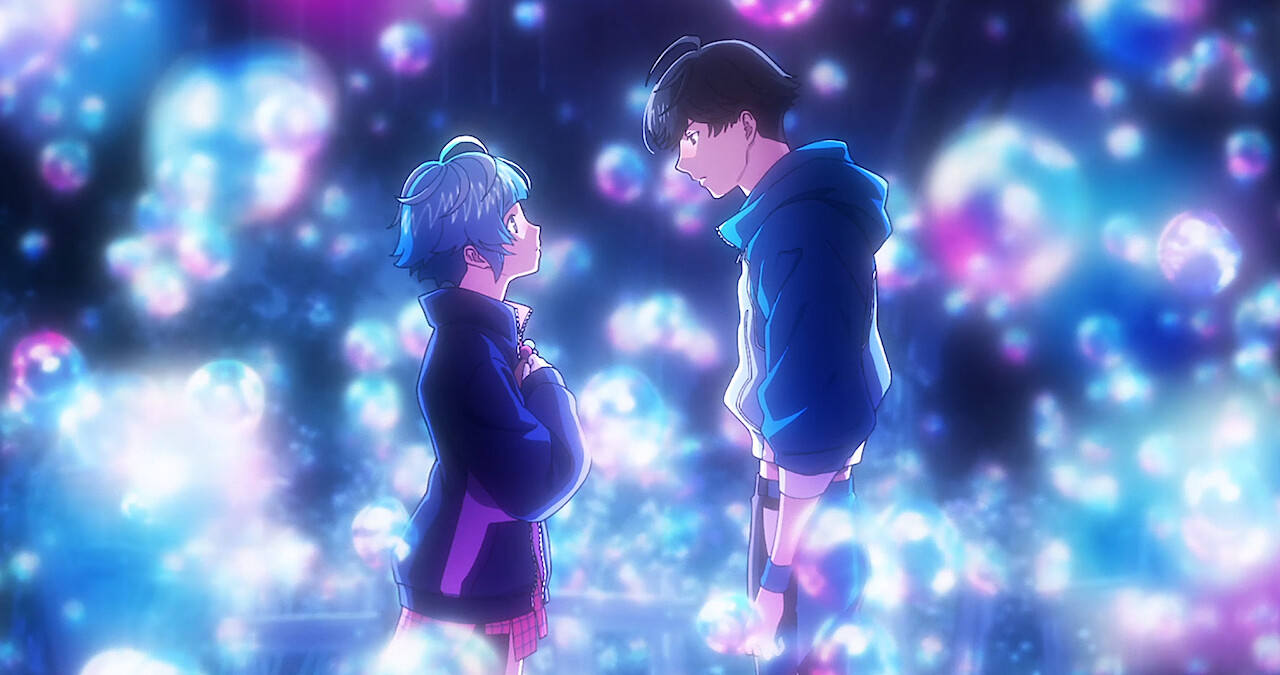
From the deconstruction of the magical girl genre to a film about a postapocalyptic Tokyo plagued by anti-gravity bubbles, screenwriter and director Gen Urobuchi has explored just about every facet of storytelling. He’s truly a jack of all trades when it comes to crafting a compelling narrative, which is plain to see when you look back at his filmography. From visual novels to anime series and everything in between, Urobuchi has had a hand in a litany of engaging media that can enthrall and amaze.
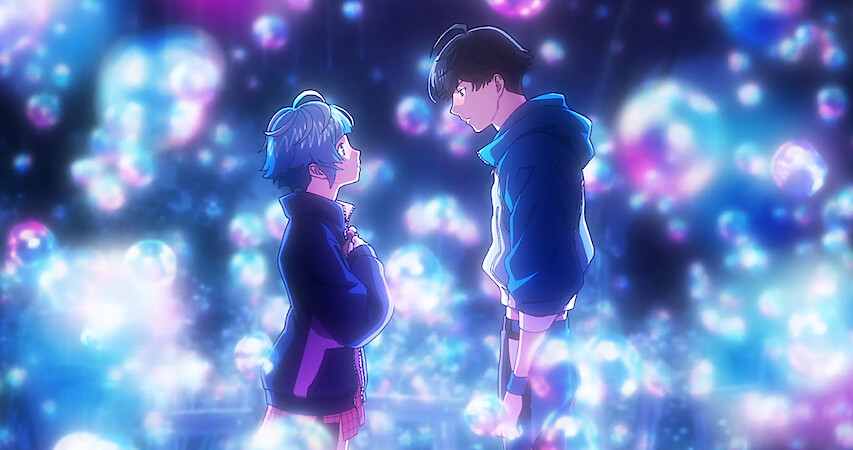
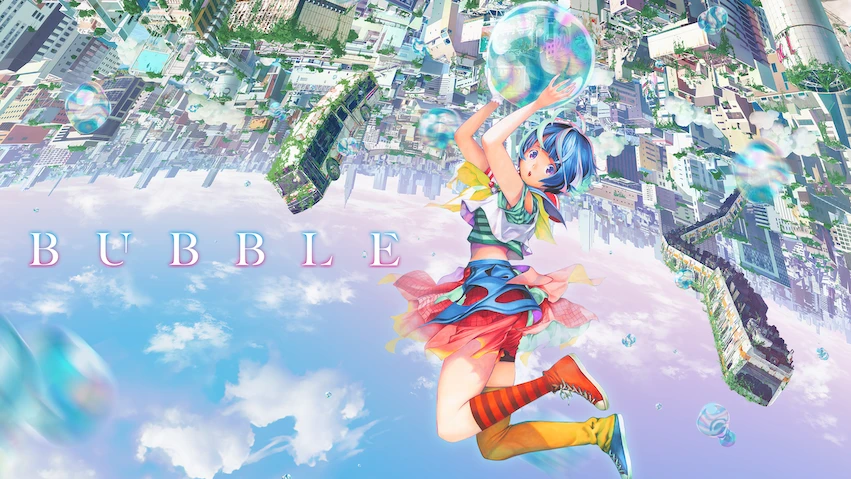
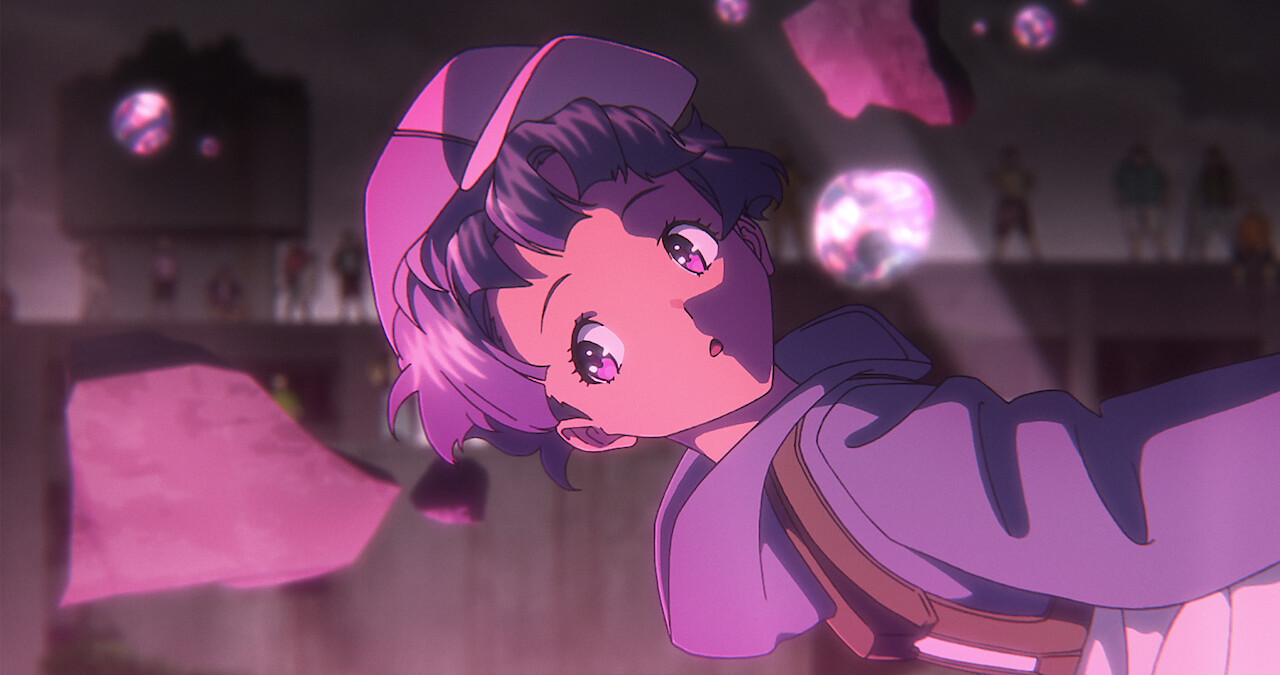
Urobuchi’s latest project, Bubble, is an entrancing combination of the classic fairy tale The Little Mermaid and parkour with a memorable sci-fi lilt. But that’s just the latest flick with Urobuchi’s name attached to it. If you’re interested in exploring more of his work, Netflix offers some of Urobuchi’s best, most underrated gems. Here are six of Urobuchi’s anime series and films to get acquainted with beyond Bubble.
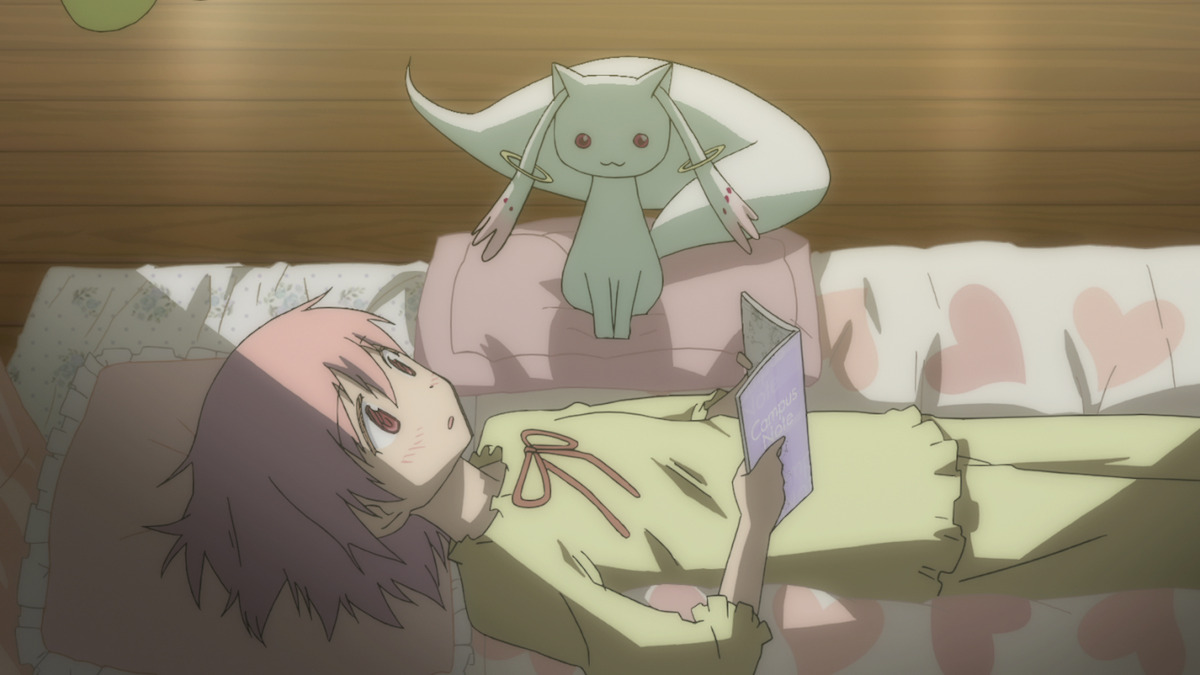
Forget everything you know about magical girls. Puella Magi Madoka Magica, the brainchild of collective Magica Quartet (Gen Urobuchi, Akiyuki Shinbo, Ume Aoki, and Atsuhiro Iwakami) takes the sugary sweet genre and deconstructs it in a way that you’ll never see coming.
Urobuchi takes point as writer on this twist on the Madoka Kaname and best friend Sayaka Miki have a chance encounter with the impossibly adorable (but sinister) Kyubey, who beckons to the girls with the promise of a contract in return for a series of magical powers to defeat evil witches. In return, Kyubey will grant each of them a single wish.
When the girls discover several other magic users recruited by Kyubey, including Homura Akemi, they begin questioning the Kyubey’s motives and their real purpose as magical girls – especially when the bitter truth about the “witches” they’re fighting is revealed.
The trademark magical girl series bubblegum sweetness is tightly woven into waves of deep introspection, disturbing fates for series regulars, and a darkness that surfaces just enough here and there before rising up to overtake you like a terrifying existential monster. It’s one of Urobuchi’s defining works, and the base upon which many following Magica series and stories are built.
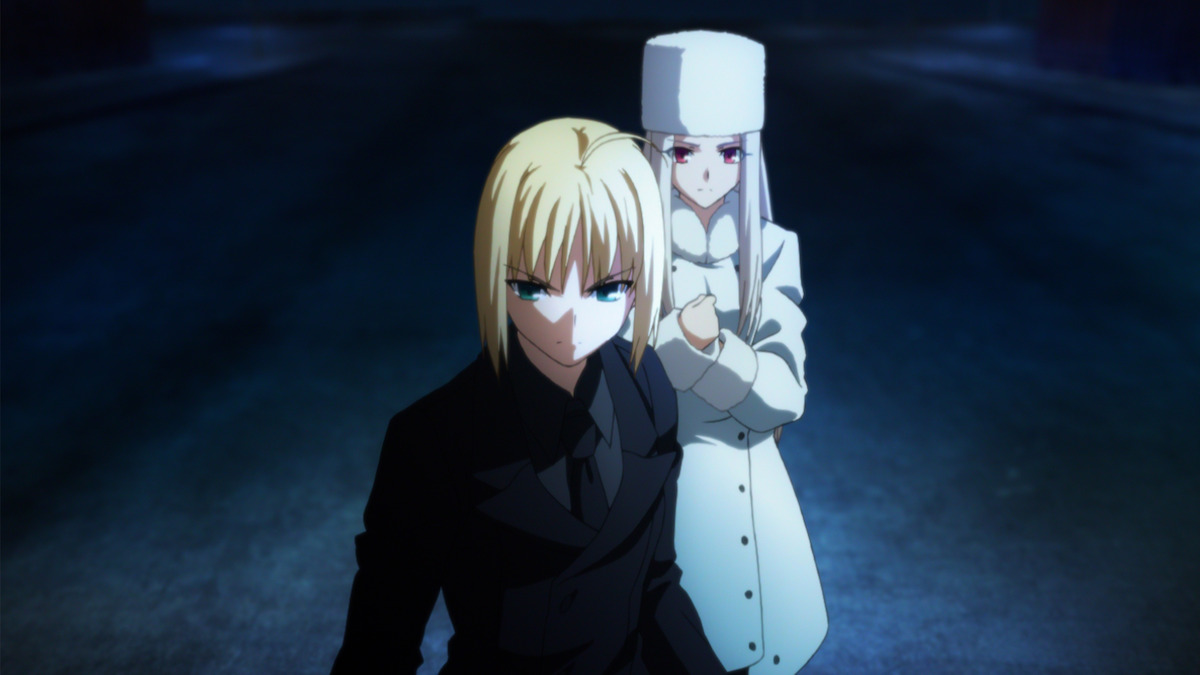
Type-Moon’s popular visual novel Fate/stay night is a must-read for fantasy lovers. Urobuchi wrote the light novel prequel Fate/Zero, which is set 10 years before the events of Fate/stay night, which recounts the events of a magical tournament known as the Fourth Holy Grail War.
In this shadowy showdown, seven mages known as masters summon spectral reincarnations called servants. They’re the second coming of heroes known throughout history like Saber, otherwise known as the legendary Artoria Pendragon, who obtained the magical sword in the stone. Once summoned, servants square off in a deadly battle royale in the hopes to take home the holy grail, an artifact that can grant anyone who possesses it a series of wishes.
Fate/Zero centers on protagonist Kiritsugu Emiya, foster father of Fate/stay night’s hero Shirou Emiya, who’s also an assassin who ends up joining the tournament to fight on behalf of his wife’s side of the family: the Einzberns, for supremacy. All of these events unfold 10 years ahead of Fate/stay night.
Interestingly enough, Urobuchi didn’t actually write the anime series — that honor goes to Akira Hiyama and Akihiro Yoshida — but the story and conception of Fate/Zero belongs to Urobuchi alone. He wrote four complete novels that were later adapted into the anime series you can watch now. It’s all his brainchild, and you can see the results of his proposal of adding a special prequel to Fate/stay night in the Fate/Zero anime adaptation.
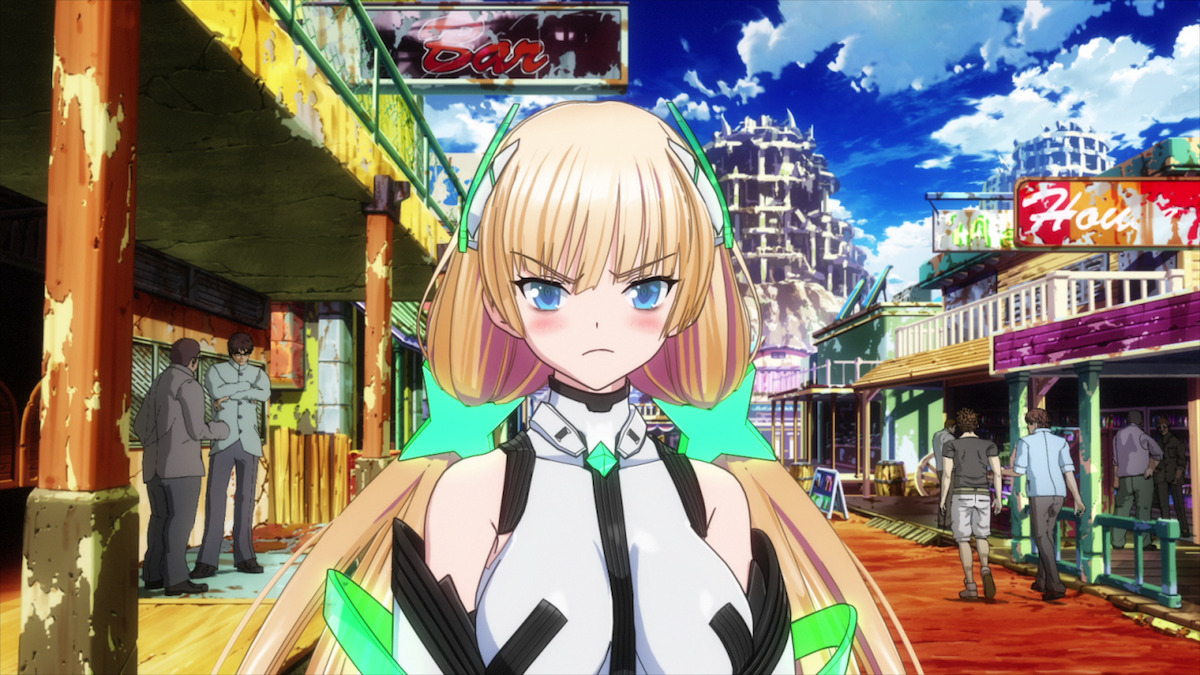
Urobuchi flexes his science fiction muscles with Expelled from Paradise, which he wrote the screenplay for and Seiji Mizushima directed. While Bubble dips its toes into sci-fi waters, Expelled from Paradise is a complete exploration of the genre.
This film brings viewers into the world of space station Deva attendant Angela Balzac, who’s tasked with tracking down a hacker known as Frontier Setter. The space station is home to inhabitants without corporeal form, as their minds have all been digitized and uploaded into a virtual reality environment. Balzac follows Frontier Setter to Earth after his latest attempt at infiltrating the space station, which reveals Earth is now a barren planet unable to support life beyond the miniscule human population that remains there.
Taking form in a cloned human body, Balzac meets with Earth contact Dingo, who works with her to cover her tracks and cut comms with Deva to ensure Frontier Setter stays away.
But Balzac isn’t used to having a human body, so Dingo ends up taking care of her basic needs, like eating and sleeping. She also must learn to appreciate music, dancing, and other “unnecessary” aspects of life that Deva inhabitants have long since ceased seeking out.
Together, the pair must suss out Frontier Setter’s location and figure out how to stop him, before it’s too late.

Godzilla is the most ubiquitous kaiju in the history of the genre, and though several directors and writers have tried their hand at bringing the beast to life, few have been as interesting as Urobuchi’s vision of the franchise. It views Godzilla’s destructive force through a more science fiction–centric lens, exploring questions of whether humanity could actually start over if the kaiju went on a sincere, extended rampage, and if things could ever be the same.
Godzilla: Planet of the Monsters, written by Urobuchi, explores a group of humans tasked with the recolonization of Earth 20,000 years after Godzilla claimed the planet for its own. After Godzilla’s destructive power ended up overwhelming Earth’s forces, driving humanity to near extinction, the survivors must look to the stars for a new home.
Captain Haruo Sakaki has it out for Godzilla, the monster who claimed his parents’ lives while the remaining humans made a mass exodus from Earth. He believes the planet Tau-e, which humanity has its eyes on for colonization, is unfit for the task and works to sway public opinion on Godzilla, the monster’s weak points and what humanity can ultimately do to eke out a lifestyle on Earth once more.
Sakaki uses all the information at his disposal to take a stand, including writing an essay to explain how Godzilla could indeed be defeated, leading up to his arrest and the discovery of a particularly disturbing revelation: The Godzilla they know, that’s still smashing around on Earth, is in fact, the offspring of the original.
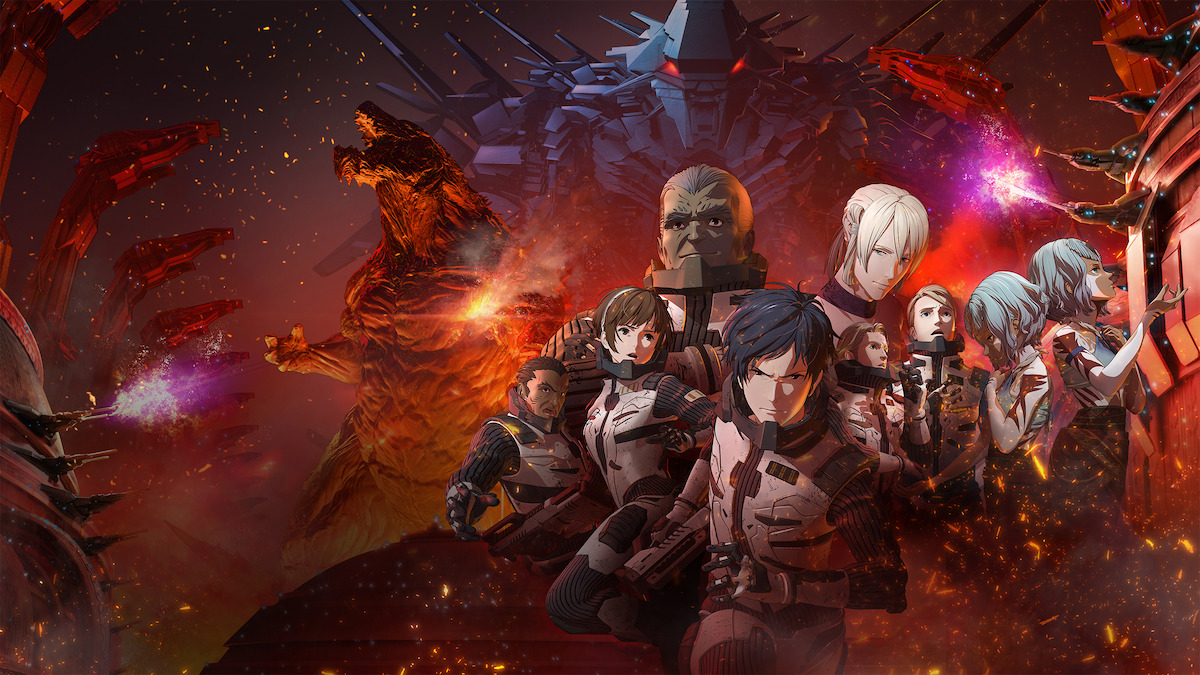
Urobuchi opted to return to the modern Godzilla franchise, penning the sequel Godzilla: City on the Edge of Battle, as a direct continuation of the original film. The first entry in the series took a more bleak, post-apocalyptic approach than most kaiju films, and this sequel introduced some very interesting twists borne of the previous film’s resolution.
After Haruo Sakaki executes a strategy that brings humanity back to Earth, a 20-year-old strategy finally brings Godzilla down, but there’s another monster waiting in the wings: Godzilla Earth. This creature stands at a whopping 300 meters high and weighs over 100,000 tons. Luckily, there’s an aboriginal tribe known as the Houtua who may hold the key to defeating this megaton monster.
This entry is an even bigger, much more explosive one than the initial film, and prepping seemingly for the third and final entry. Urobuchi treated this seemingly ordinary monster movie with much higher stakes than usual, which made for a unique watch.
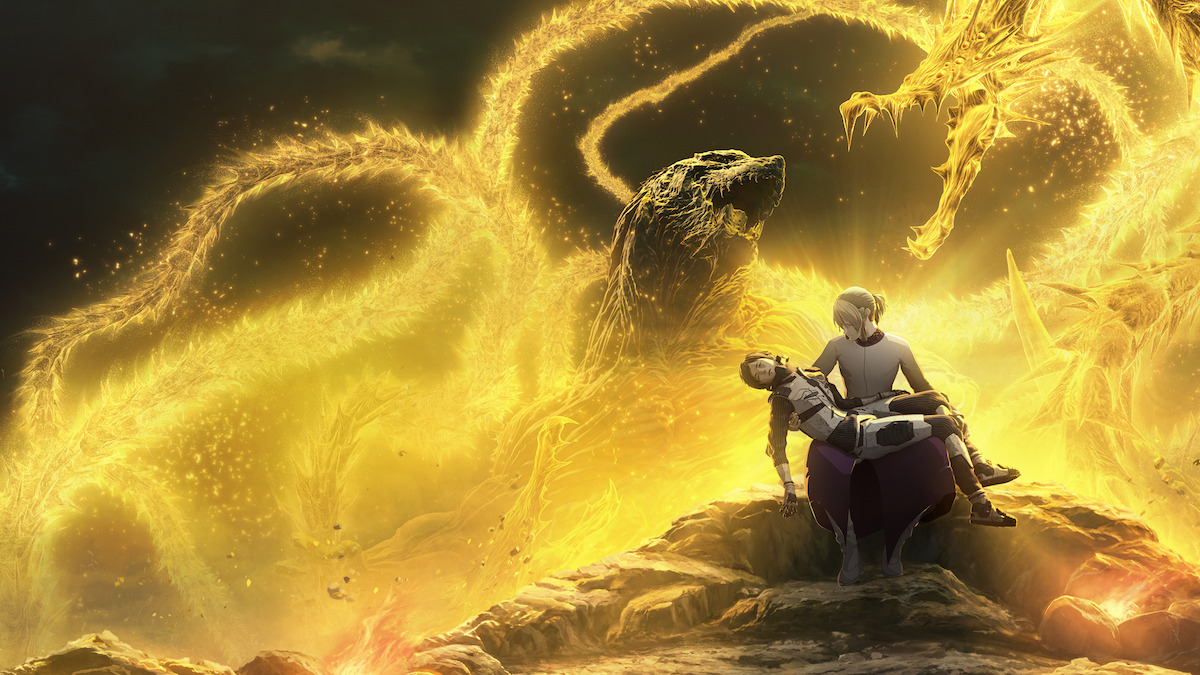
Urobuchi’s out-there Godzilla trilogy concludes with Godzilla: The Planet Eater. It takes the events of the prior two films and ups the stakes astronomically, shifting focus from Godzilla to a much more powerful and terrifying being, Ghidorah.
Ghidorah is more than a beast. It’s the god of a people known as the Exif and is known as the “planet eater.” All three films’ plots come to fruition in a complex manner, leading up to a conclusion that ensures Godzilla and Ghidorah end up meeting the destruction humanity has been seeking for the entirety of Urobuchi’s narrative.
Though this is the last entry in the trilogy, it can’t be viewed as a peaceful sendoff. It’s a Godzilla flick on a cosmic scale, exploring the cyclical nature of existence and the sacrifices one must make for the good of many. It explores themes Urobuchi has been toying with over the course of his entire career and, as such, makes for a more interesting view of kaiju films and what they’re capable of: much more than just giant robots or armies fighting massive lizards.