Explainer
An Etiquette Guide to British Courtrooms in Anatomy of a Scandal
Are opposing counsel ever really friends?
By Marisa Roffman
March 5, 2024
There’s a definitive moment in every on-screen courtroom: A lawyer begins to question a witness or a suspect, tension builds and the cadence of questions quickens; then they ask something that just crosses the line of what’s acceptable. A loud “Objection!” rings out from opposing counsel, grinding things to a halt until the judge can make their ruling.
But in the new crime thriller Anatomy of a Scandal — a twisty series that follows the ramifications of a high-profile politician being accused of rape — that dramatic moment never comes. “One does not object in a British courtroom,” executive producer Melissa James Gibson tells Tudum.
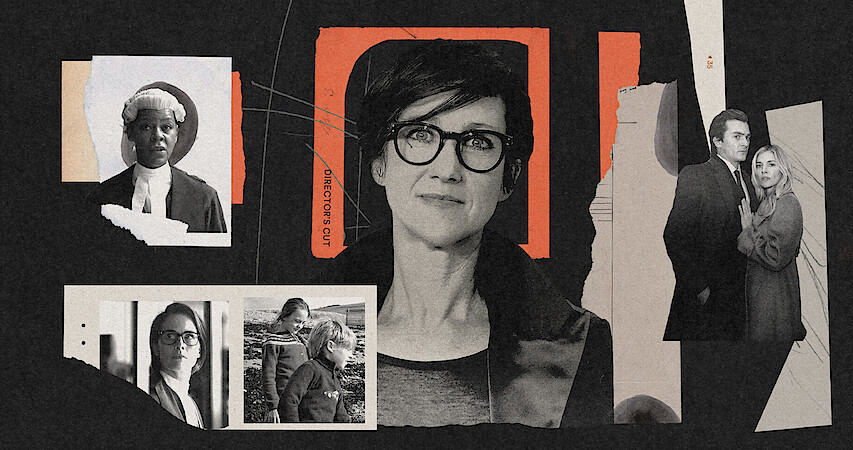
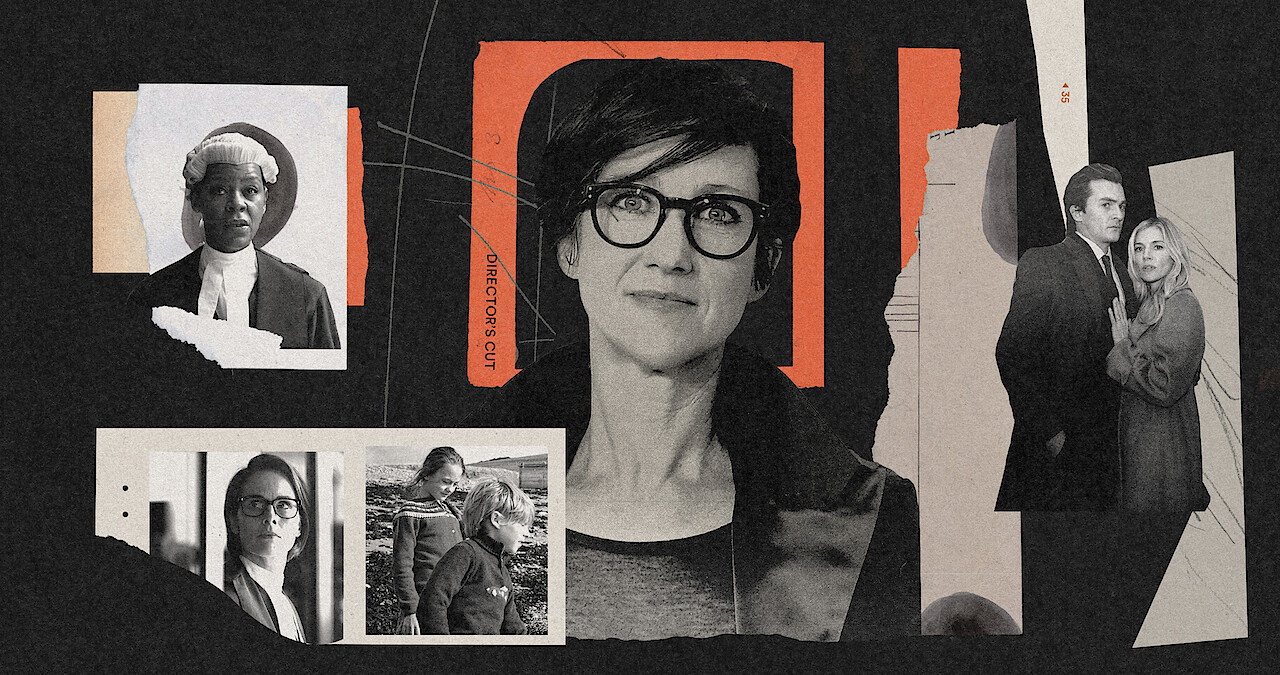
Instead, viewers are taken through a courtroom narrative that feels quite different: Opposing counsel, while tough during trial, appear to be friends outside of the office. And the judge? Well, there’s a lot more commentary coming from them than some might expect. Former lawyer and executive producer David E. Kelley — who’s no stranger to legal dramas — was a natural resource when it came to creating the show’s palpably tense storyline. But the stark differences in US and UK legal proceedings called for more expertise to accurately portray the criminal case at the center of the limited series. Director S.J. Clarkson says that the team specifically sought out advice from British law experts on “legal jargon” as well as “how [counsel] would stand, when they would stand, and all of that” in order to accurately bring this story to life.
“I [have] shot in both American courtrooms and British courtrooms, and there is a real challenge for the director of a piece like this,” she continues. “Nobody can walk around [while trying the case]. You can’t [raise] objections [or have] people standing up and wandering, pontificating around the courtroom to give you [that] movement.” Instead, Clarkson had to capture all of the heartbreak, stress and mystery of a court case with everyone standing still, which gives a completely different experience.
And so, many are left wondering all the ways in which real UK courtroom protocol made it on-screen. Gibson and Clarkson share some insight into that etiquette and all of the differences between a US and UK trial.
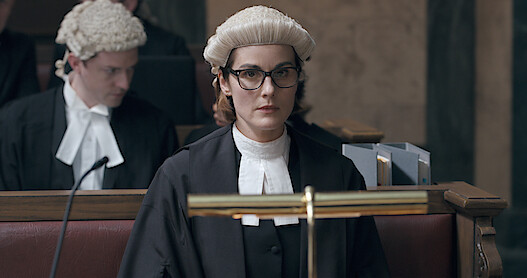
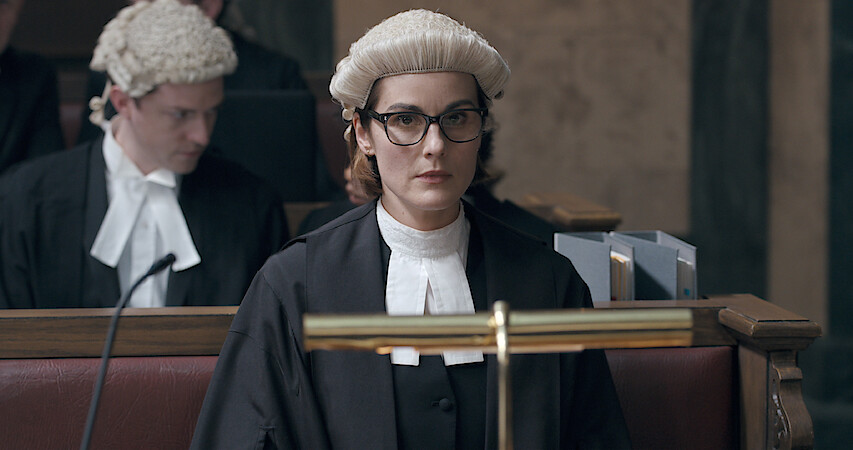
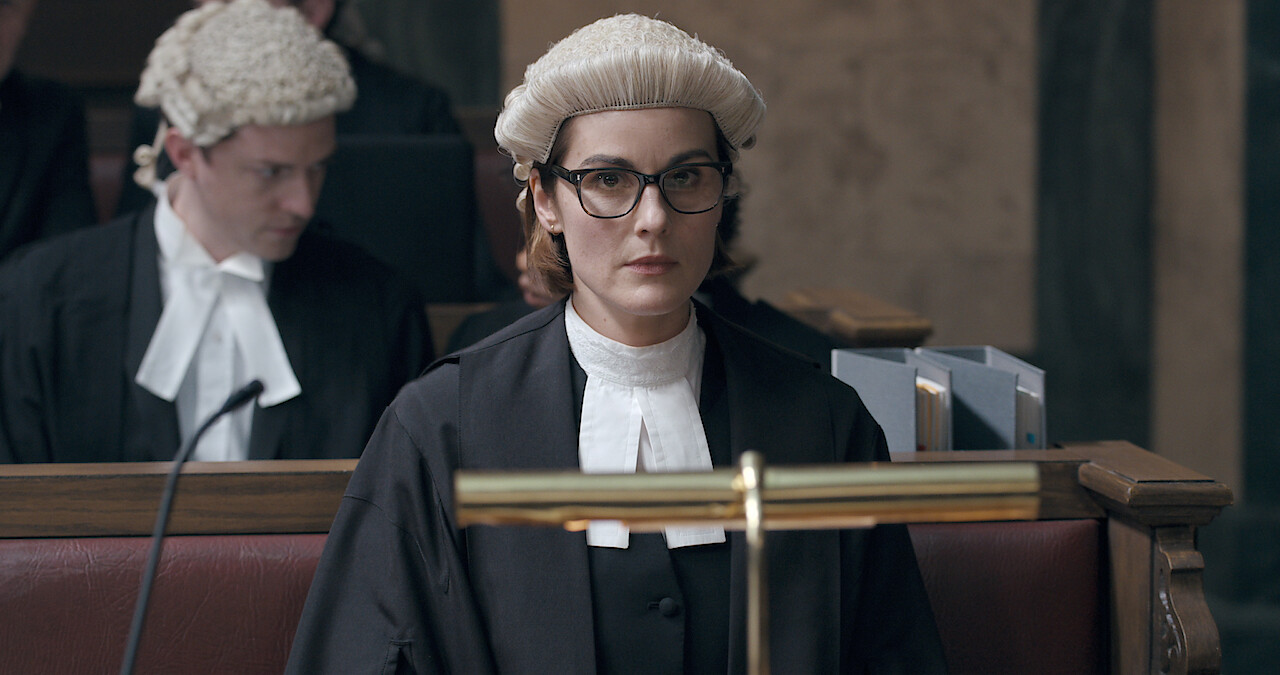
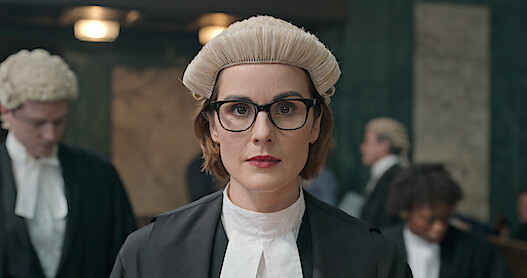
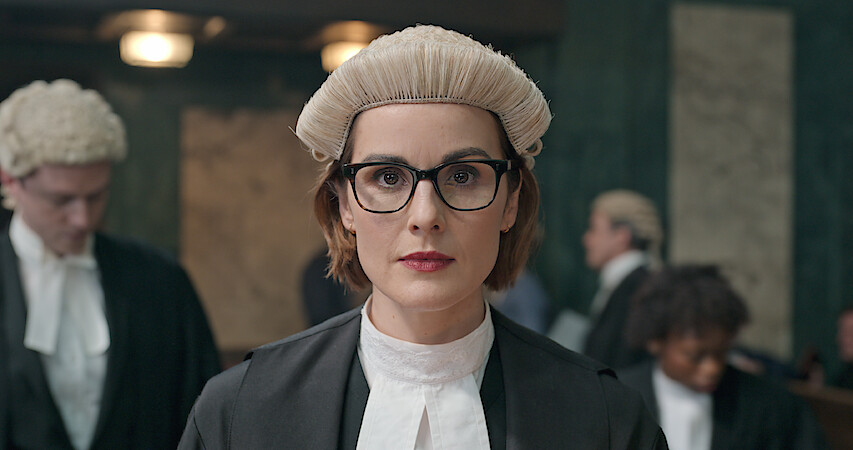
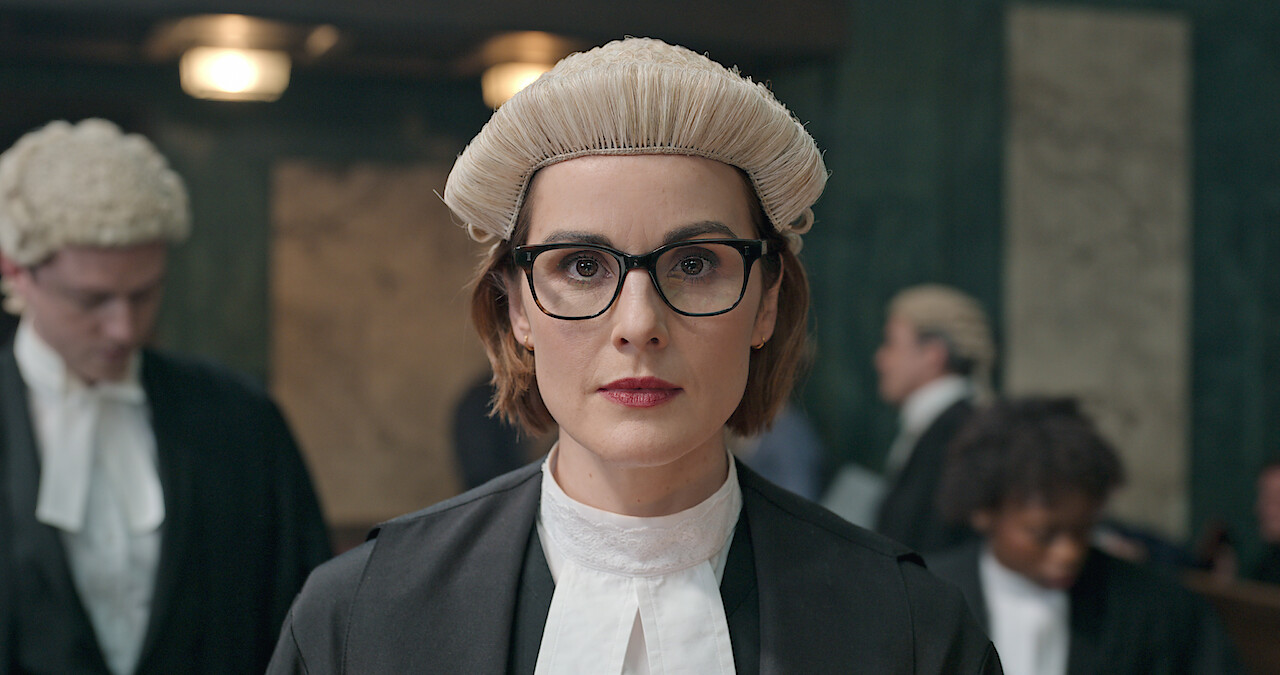
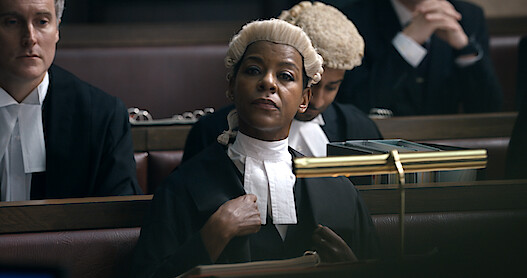
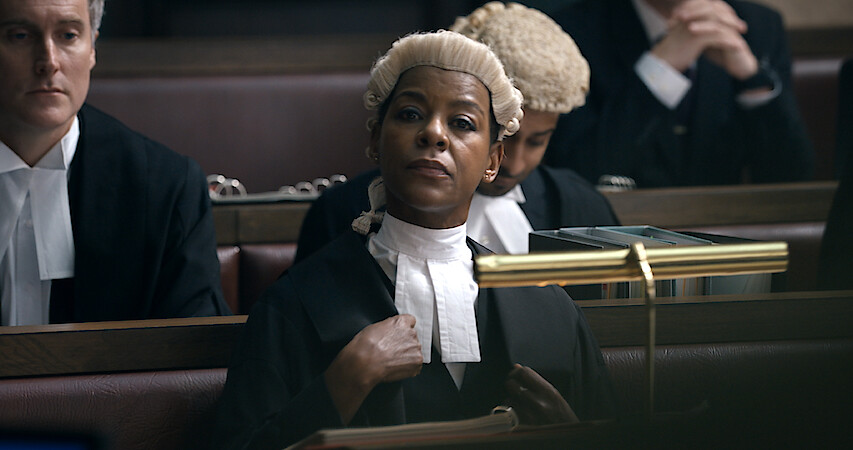
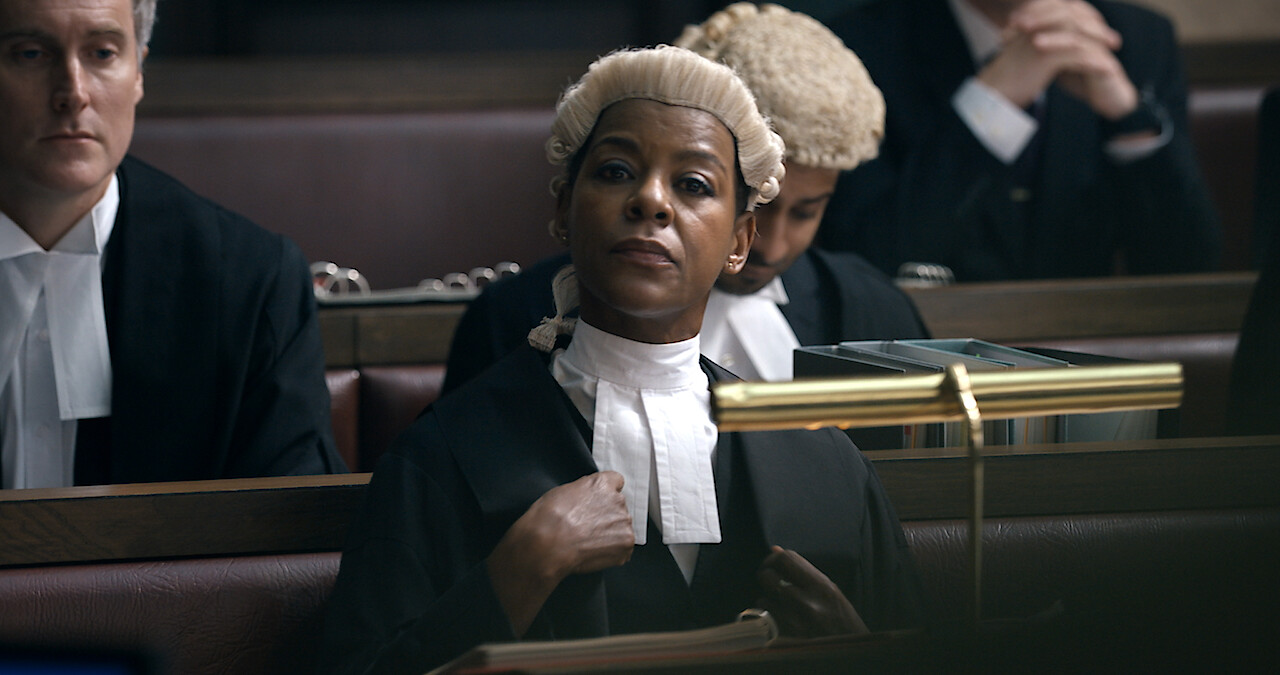
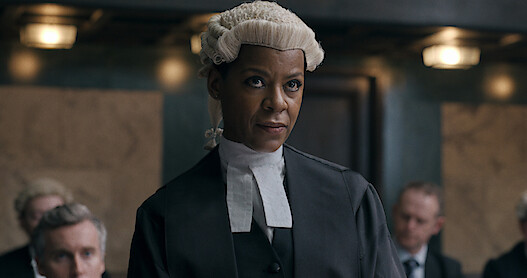
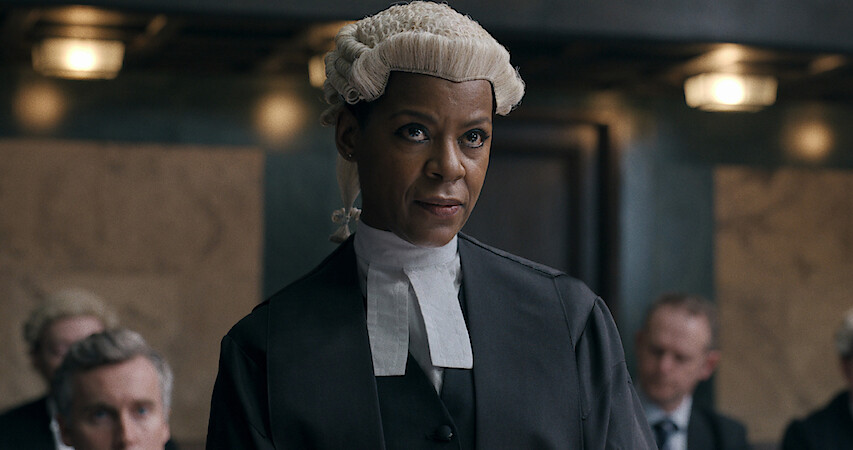
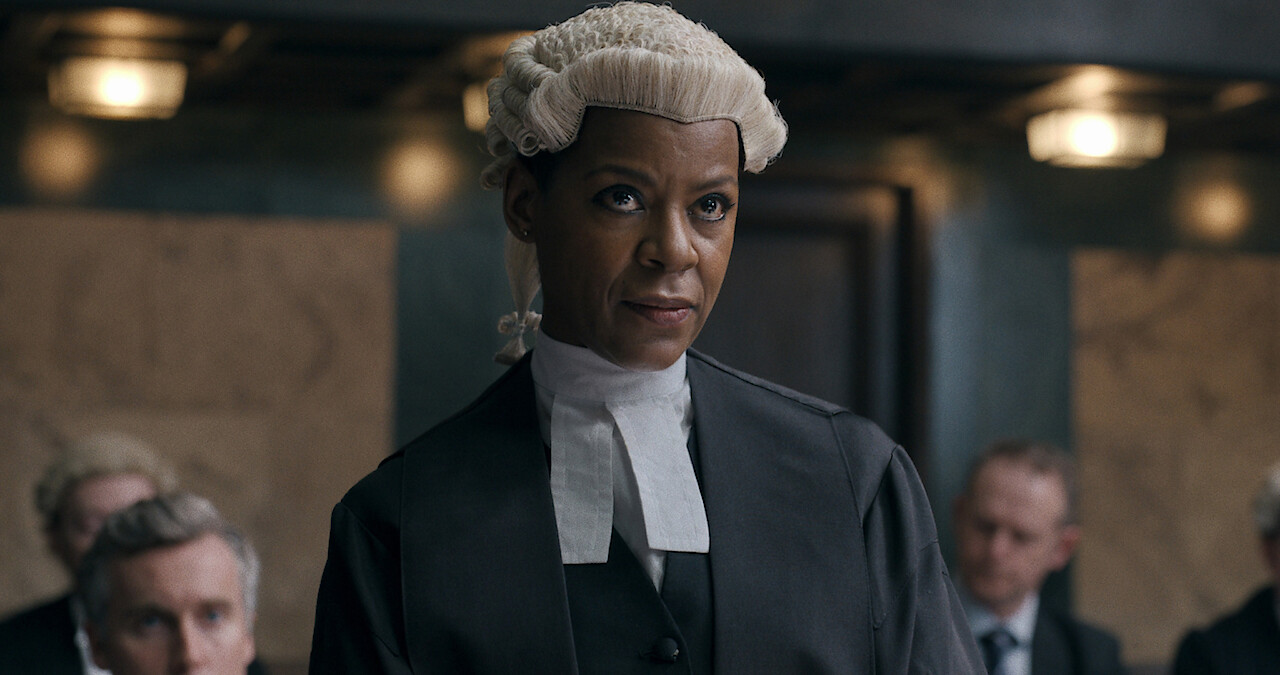
First off, do judges and barristers really wear wigs? Yes, they really do. Traditional white head wigs were incorporated into the courthouse uniform back in the 1600s, mimicking British fashion at the time. The robes, however, predated those wigs and began appearing in the 1300s. Although smaller wigs were adopted in the 1780s, criminal trials continued to use the longer wigs until the 1840s. We see both Kate Woodcroft (Michelle Dockery) and Angela Regan (Josette Simon) donning shorter wigs every time they enter a courtroom.
Does the Anatomy of a Scandal courtroom look like the real thing? The production team visited the real Central Criminal Court of England and Wales, also known as Old Bailey, in order to design the on-screen version. “[We] got a sense of it,” Clarkson says. “It's incredibly imposing.”
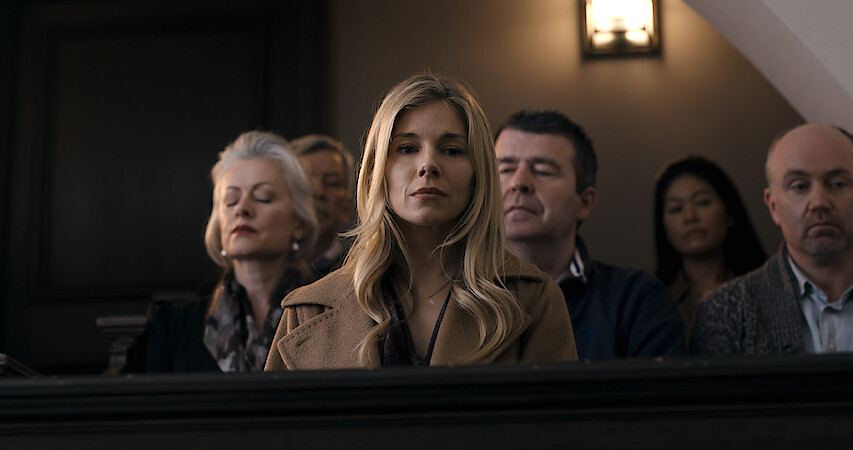
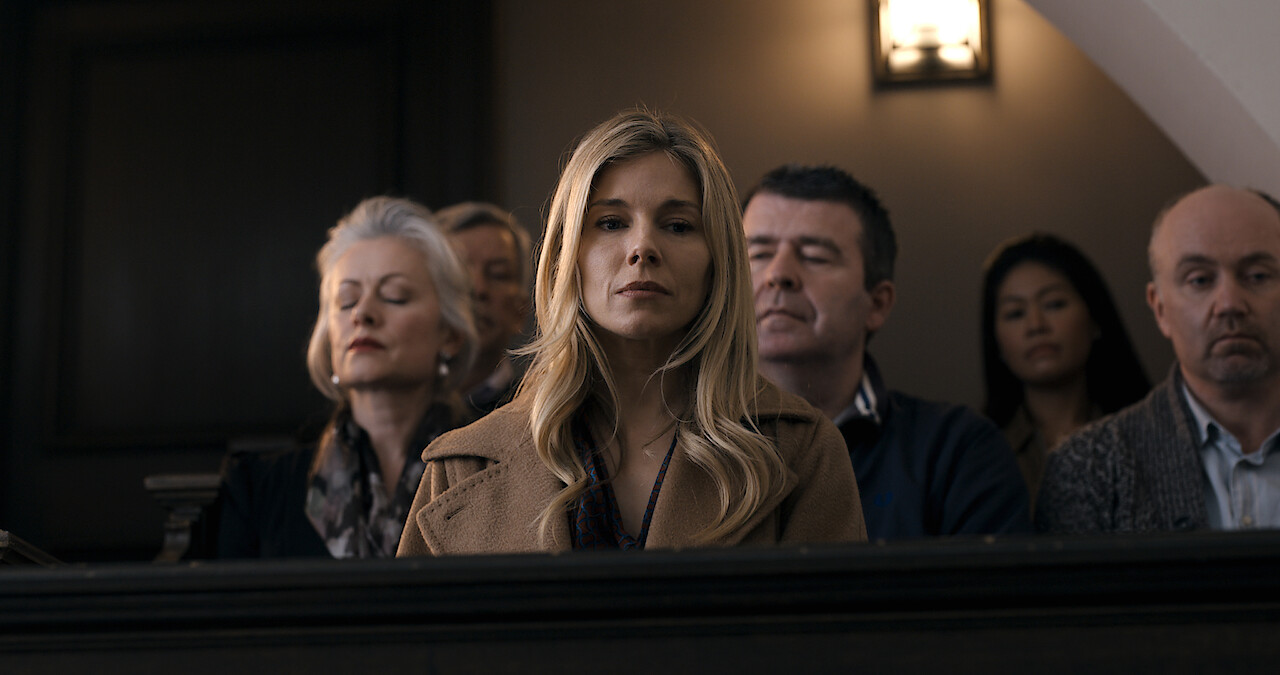
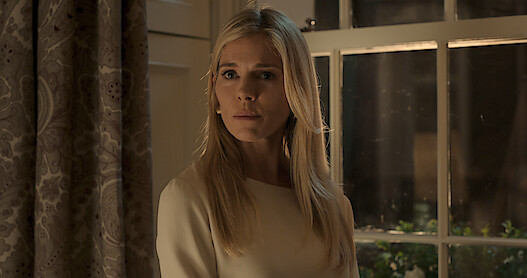
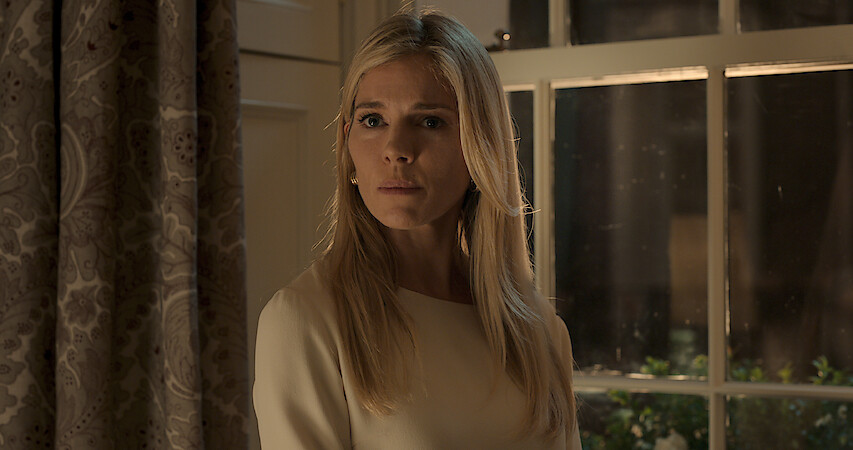
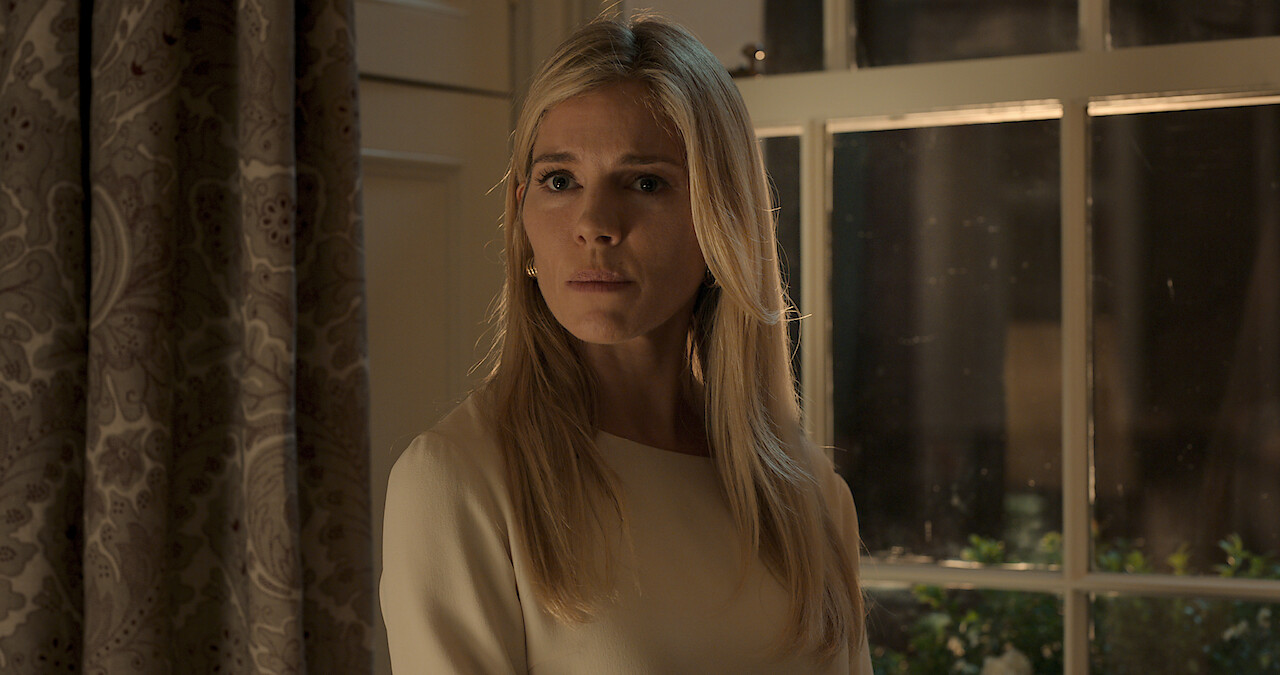
With much of the action taking place within the courtroom, they recreated Old Bailey’s layout, down to its second-floor viewing area, where Sophie Whitehouse (Sienna Miller) spends most of the series watching her husband’s trial. But having so much of the storytelling confined to an area where they couldn’t realistically have a lot of movement meant they needed to draw on a strong script (including flashbacks), the performances and unique camera angles to make the scenes feel vibrant.
“Melissa and I both come from theater originally,” Clarkson notes. “It was the closest to being back in [the] theater [world], doing those courtroom scenes.”
Do they ever yell, “Order in the court”? The short answer is: No, pretty much never. Much like objections, don’t expect to see judges using a gavel in a British court — they’ve never been utilized in the UK. In Anatomy of a Scandal, the judge simply chides Angela with a “Miss Regan” in Episode 3 after she expresses doubt about Olivia Lytton’s (Naomi Scott) testimony in open court.
Do lawyers really have those super ornate offices? Unlike US courts, things are a bit more intermingled in England. “The same attorney can be a defense attorney or a [member of] Crown [Prosecution Service],” Gibson says. (The CPS handles possible criminal prosecutions in England and Wales.) “They work both sides, as opposed to the American system, where it’s much more bifurcated.”
Because allegiance tends to vary case by case, lawyers often group together to rent space in chambers — and share assistants. Kate, meanwhile, was so enthralled with one of her assistants in the opening hour that she jokes, “When the apocalypse comes, I hope I’m with you.”
Can opposing counsel be friends outside of the office? Thanks to the aforementioned commingling, absolutely. With Queen’s Counsel member Kate and defense barrister Angela friends outside of the courtroom, the writers utilized scenes between the duo in the changing room to dig a bit deeper into their dynamic.
“What I liked about them, and what I felt was good about [those scenes], was to see the behind the scenes [of them] getting that regalia on,” Clarkson says. “They’re so funny; they’re so natural. And it’s like behind the scenes in a theater, almost, [with] the people getting ready to go onstage.”
That friendship also plays out outside of the courtroom, when the duo get drinks mid-case in Episode 3. When Angela notes that Kate sounds a bit impartial, Kate retorts, “We’re in a bar.”
“I love that intimacy of opposing counsel, really — that they’re mates,” Clarkson continues. “They might go on and play the defense and the prosecution, but they’re actually friends behind the scenes. That’s really fascinating and makes them a bit more accessible and more human. You see beyond the wig and the regalia when you’ve seen them in those worlds.”
Additional reporting by Anne Cohen.