

Explainer
7 Infamous Women Criminals Who Rival the Bishop in ‘Red Notice’
What’s that they say about “backwards and in heels”?
Nov. 19, 2021
The first time anyone in Red Notice mentions international art thief The Bishop, the name is met with a scoff by the pompous curator for the Museo Nazionale di Castel Sant’Angelo: “You cannot be serious,” he says. “The Bishop is nothing more than a boogeyman story of the art world; it’s a catchall concept. It’s someone to blame when people like you and your friends in law enforcement are too incompetent to solve the case.”
But as FBI profiler John Hartley (Dwayne Johnson) and rival art thief Nolan Booth (Ryan Reynolds) already know, The Bishop (Gal Gadot) is absolutely flesh and blood; she’s a woman who’s as comfortable performing high kicks in a slinky red evening dress and wielding a pair of crackling electrodes as she is drinking expensive champagne on a yacht. Ruthless and glamorous, The Bishop is willing to do and say anything to make off with her treasure: in this case, three of Cleopatra’s lost golden eggs, worth the queenly sum of $300 million. Her naked greed subverts the traditional expectations we have of women — even villainous ones. Still, history is filled with women criminals, from pirates to pickpockets, who have captured our imaginations for centuries. Meet some of them below:
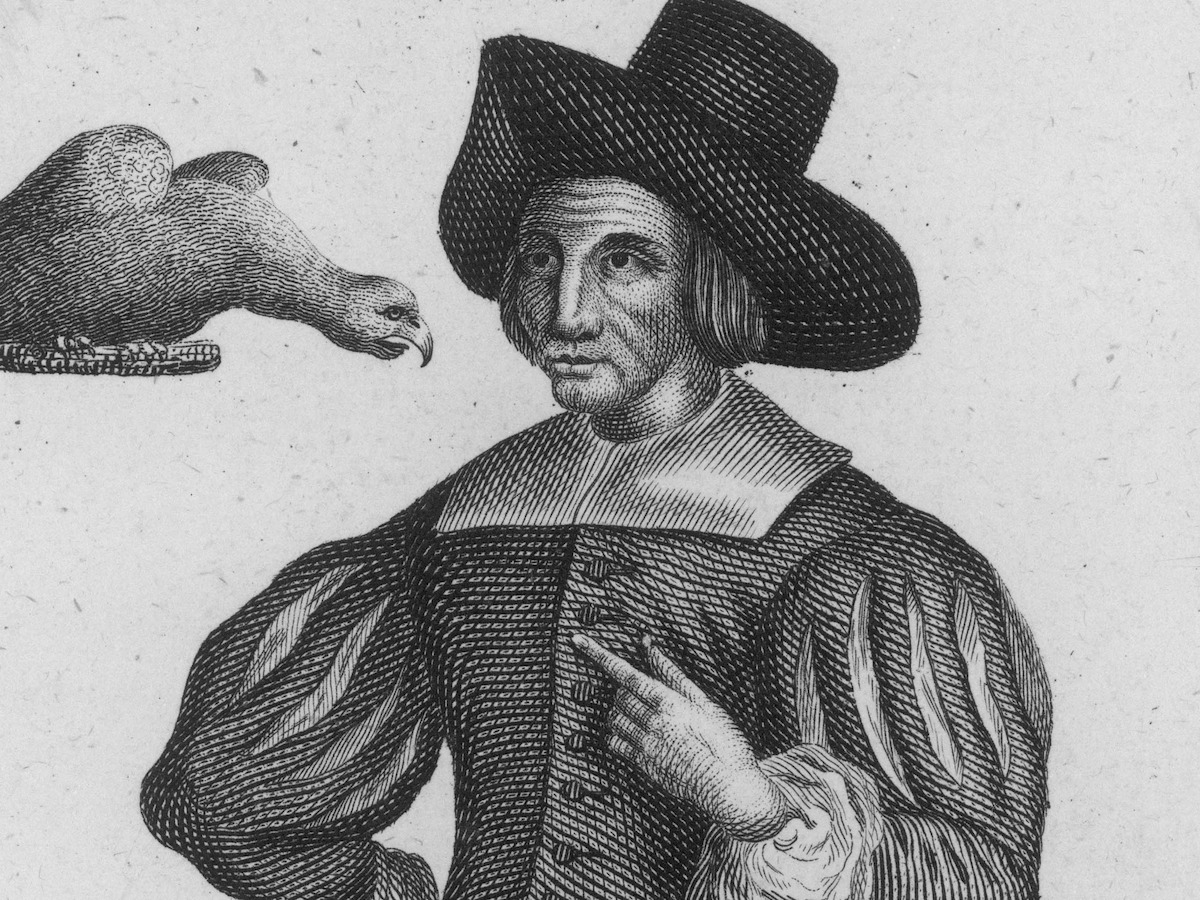
Born Mary Frith around 1584, according to Brittanica.com, the notorious English criminal known as Moll Cutpurse started her career as a teenage pickpocket on the streets of London. As she grew older, Moll became more and more theatrical in her methods. Considered one of the first women to smoke tobacco in public, she also shocked crowds by dressing in men’s clothes (a criminal offense at the time), and performing in taverns and theaters across the city. Soon enough, her exploits caught the eye of writers: John Day's 1610 play The Madde Pranckes of Mery Mall of the Bankside, and Thomas Middleton and Thomas Dekker’s 1611 play The Roaring Girl are both said to be based on Moll Cutpurse. Multiple stints in prison didn’t slow her down however; though she married later in life, she also launched a new business fencing stolen goods. Not much is known about her final years, other than she was committed to the Bethlem Royal Hospital — which you might know under its colloquial name, Bedlam — and then released in 1644. In 1659, Moll died of edema, then known as dropsy.
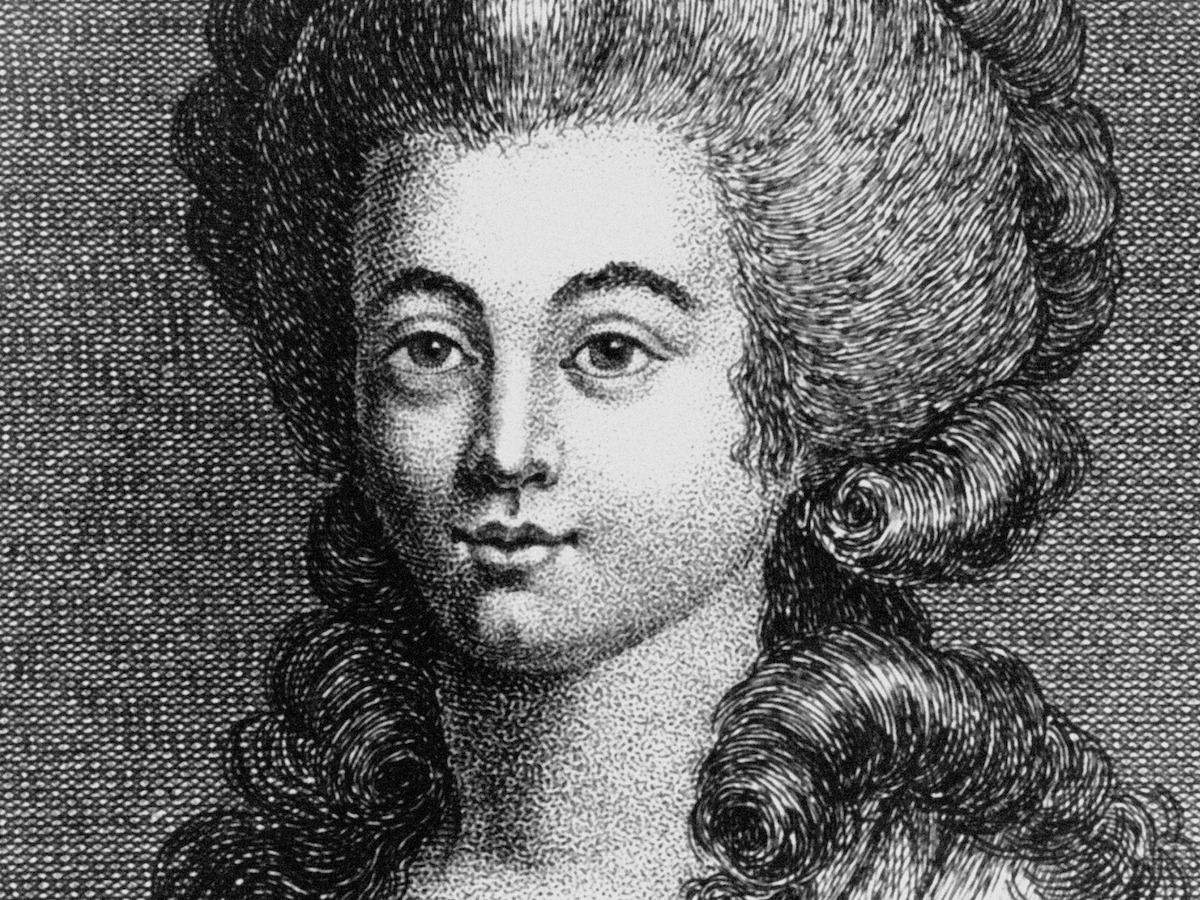
Four years before the storming of the Bastille, an impoverished and social-climbing scammer, Jeanne de Valois-Saint-Rémy, dealt a fatal blow to the French monarchy. Jeanne’s ticket to Versailles came through her wit and charm, as she rose from a rural, threadbare existence by pulling an Anna Delvey, telling people that she was a countess and close and personal friend of Queen Marie Antoinette. Then, posing as the queen herself, Jeanne started writing letters to borrow money from Cardinal Prince Louis de Rohan, a French noble who thought he was being singled out for royal favor. In 1785, Jeanne's long con finally fell apart when she tried to get Rohan to buy a necklace made out of 647 diamonds. The price tag of 1.6 million French livres caused people to start asking questions, and Jeanne was arrested. Ironically, the real Marie Antoinette was blamed for the whole thing, and her already precarious reputation irreparably damaged — during her trial by French revolutionaries in 1793, what became known as the Affair of the Necklace was used as evidence to send her to the guillotine.
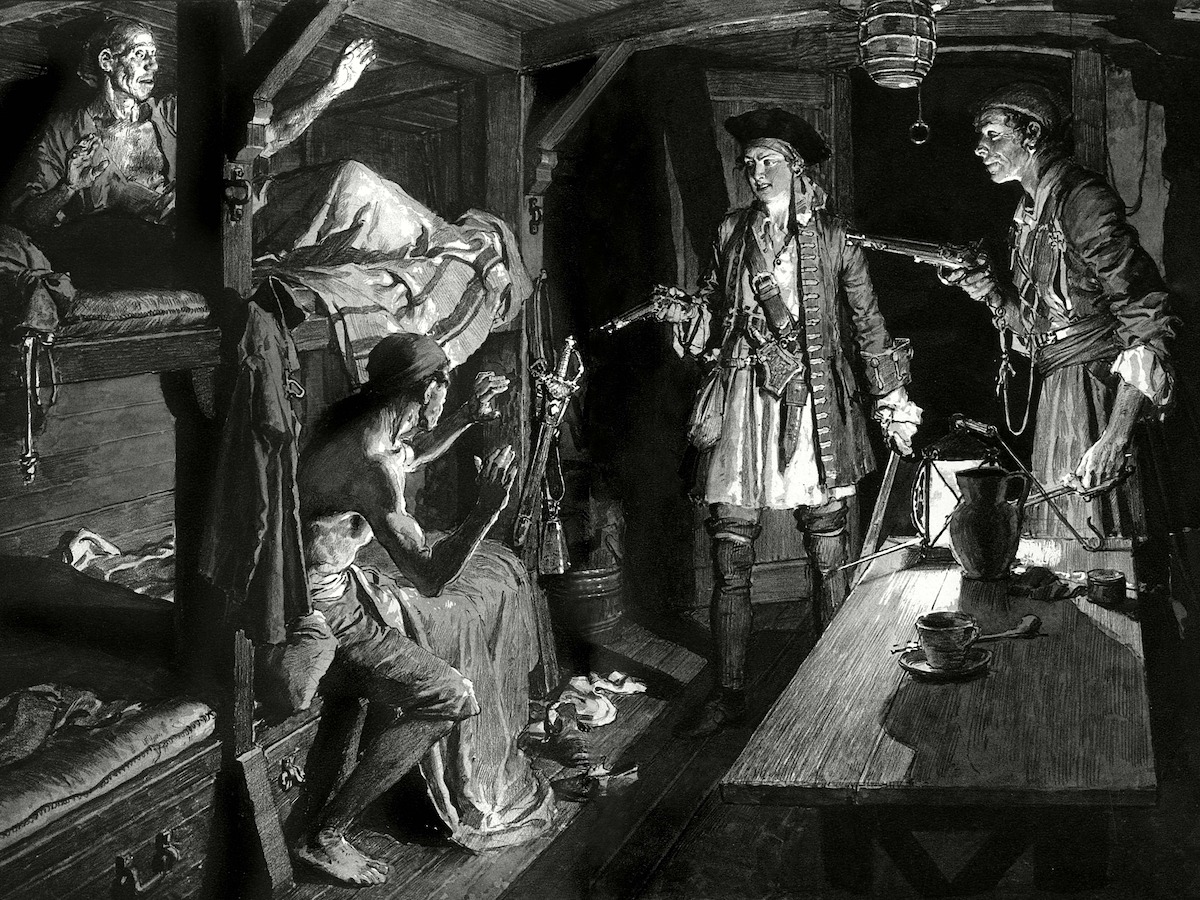
You don’t need to believe in ghost stories to enjoy this particular pirate tale, but you might need a healthy dose of skepticism. Most of what we think we know about women pirates Anne Bonny and Mary Read comes from Captain Charles Johnson’s 1724 book A General History of the Pyrates. As close to a viral bestseller as one could get at the time, the book claimed to have the scoop on the scandalous story of two women who threw off the oppressive yolk of societal expectations for a life of pillage and plunder. How much is truth and how much legend is difficult to parse. Bonny and Read did really exist, and were, in fact, pirates in the Caribbean. (Yes, exactly like that.) But whether they really dressed in men’s britches and wielded sharp cutlasses as they preyed on Caribbean merchant ships, raiding them for valuable cargo is less clear. Still, does it really matter when the story is that good?
Eventually, Bonny and Read were captured and stood trial for piracy. Though they were sentenced to death for their crimes, their executions were eventually stayed because both women were pregnant.
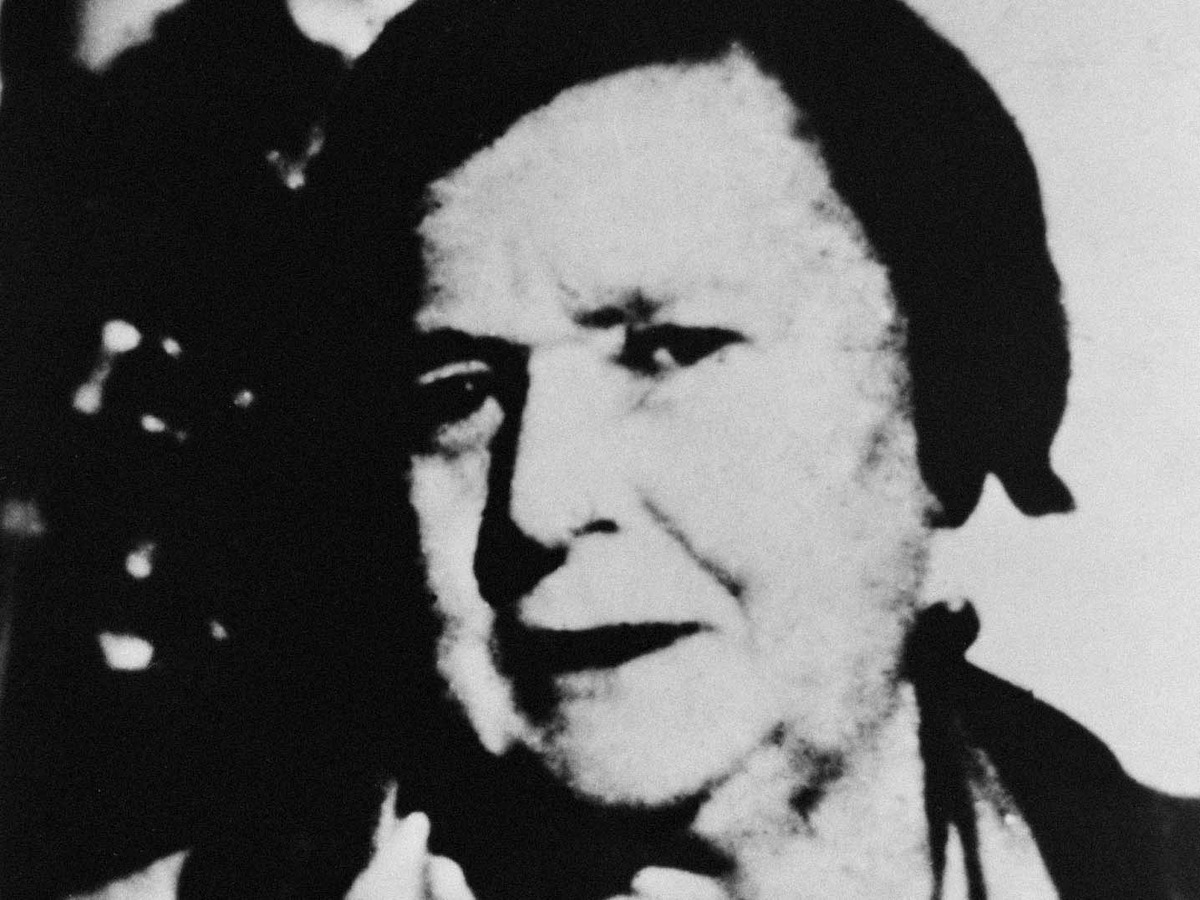
You’ve probably heard of Bonnie Parker, whose star-crossed crime-spree with lover Clyde Barrow ended in a hailstorm of bullets on a dirt road in northern Louisiana. But she wasn’t the only woman being pursued by the FBI during the Great Depression. Enter Ma Barker, the alleged matriarch of the notorious Barker-Karpis gang, responsible for a string of bank robberies, kidnappings and murders across the Midwest in the 1920s and ’30s. Though her four sons were the ones actually carrying out the crimes, J. Edgar Hoover reportedly viewed Ma Barker as a national threat, and her face was printed on “Wanted” signs all over the country. In 1935, Ma and her son Fred were hiding out in a Florida cottage when they were caught in a six-hour standoff with FBI agents that left them both dead. Still, Ma’s role in the actual crimes continues to be a matter of some debate. A recent episode of history podcast Not Past It unpacks the longstanding theory that Ma may not have held an active role in the Barker-Karpis gang but rather was at the wrong place at the wrong time.

In 1974, 16 years after she curtsied in front of Queen Elizabeth II as a debutante, Rose Dugdale planned and pulled off one of the world’s most massive art heists. A British millionaire’s daughter turned IRA militant, Dugdale led three accomplices in a break-in of Russborough House, an Irish estate housing a large collection of priceless artworks. They tied up the owners, and in 10 short minutes, made off with 19 paintings, including Vermeer’s Woman Writing a Letter With Her Maid and other masterpieces by the likes of Goya, Velázquez and Rubens. The full haul, recovered when Dugdale was captured less than two weeks later, was worth an estimated $10 million. She was sentenced to nine years in prison, served her time, and is still alive today. As The New York Times points out, her Facebook profile photo now shows the Vermeer painting she once stole.

Jewel thief Diamond Doris was born the daughter of poor Black coal miners in a segregated West Virginia town during the Great Depression. Her criminal career started in the 1950s, when she developed her MO: Dressed in the fanciest outfits her mother could sew for her, Payne would walk into local jewelry stores, where she’d asked to try on some items. Then, she’d charm the clerk, working her magic until they lost track of how many things they’d laid out on the counter, and voilà! With some quick sleight of hand and misdirection, she’d pocket the gems. Her most memorable offense took place in 1974, when she stole a 10-carat Cartier diamond ring in Monte Carlo. In 2016, she was arrested for trying to steal a $2,000 necklace from a jewelry store in Atlanta and ultimately released on house arrest. One year later, she was caught shoplifting at a local Walmart with the ankle monitor from her previous arrest still attached to her leg. In 2020, Payne released her memoir, Diamond Doris: The True Story of the World's Most Notorious Jewel Thief. Her larger-than-life tale is currently being turned into a movie, with Tessa Thompson attached to play Payne.