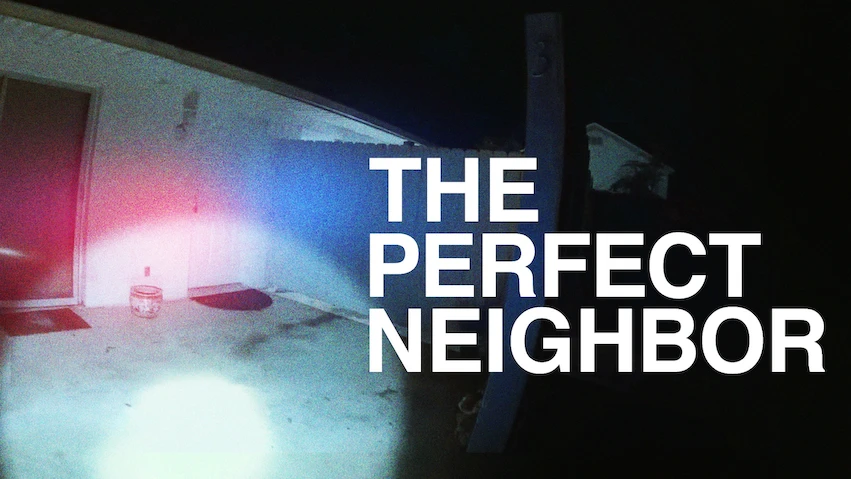
The new documentary exposes the lethal consequences of “stand your ground” laws.

The filmmaker reflects on the journey of sharing her urgent documentary with audiences around the world.
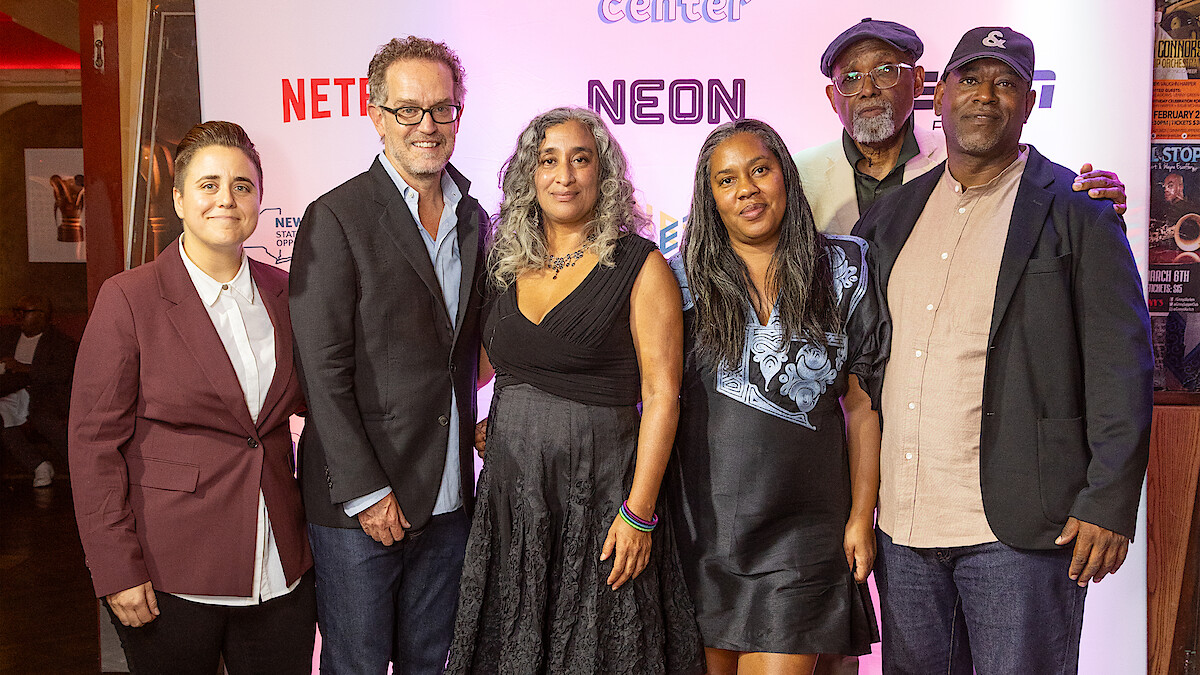
It had been almost a year since filmmaker Geeta Gandbhir first screened her documentary The Perfect Neighbor when she woke up to the news that it was an Academy Award nominee. “I was so nervous the night before. I was like, ‘I’m too anxious, so I’m going to sleep through it.’ And then I stayed up till 3 staring at the ceiling, unable to sleep,” says Gandbhir. The moment was a celebratory milestone for the film, which debuted at the 2025 Sundance Film Festival, where it took home the US Documentary Directing Award.
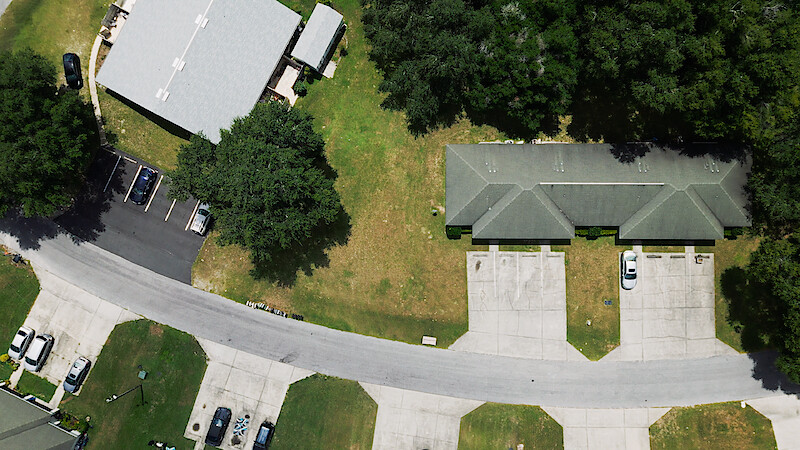
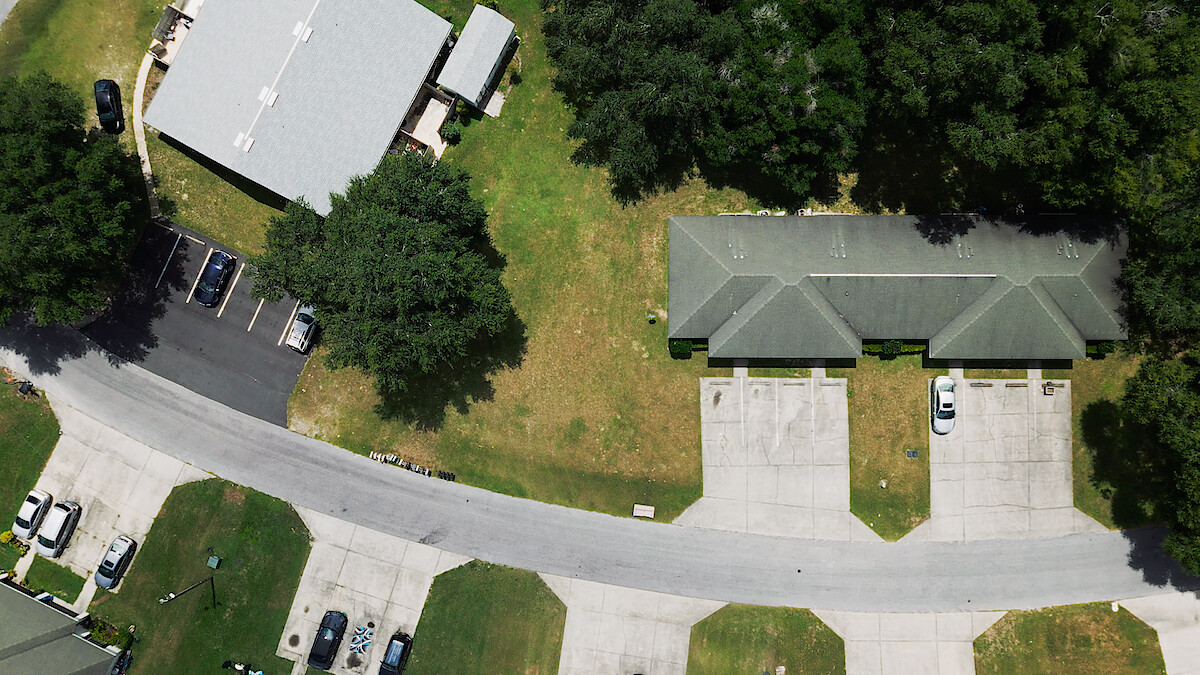
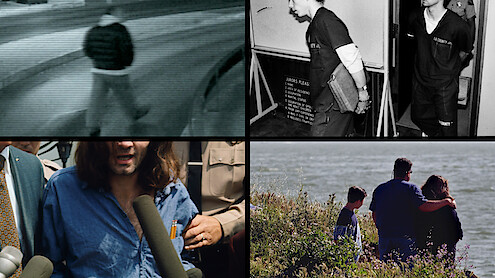
Gandbhir felt called to make The Perfect Neighbor after the devastating killing of a friend of her family, which rocked her community. Ajike “AJ” Owens, a beloved mother who was raising her four children in a tight-knit neighborhood in Ocala, Florida, was fatally shot by her neighbor, Susan Lorincz, over a minor dispute gone horribly wrong. Lorincz had been frustrated by the children playing in a field outside her home. Gandbhir and her partner and producer, Nikon Kwantu, gained access to an immense archive of body camera footage and audio recordings thanks to a Freedom of Information Act request made by attorneys for the Owens family. Gandbhir and Kwantu examined the tragedy and the conditions that led to it, seeking to honor Owens and advocate for justice. “I do wish this film didn’t have to be made. Ajike should be alive,” says Gandbhir. “But I think it has given her mother some purpose for the pain — to feel that Ajike won’t be forgotten is the most important thing to her and that this doesn’t happen to anyone else. I think that’s really what has been the call for this film.”
The documentary has continued to resonate with audiences around the world since its release on Netflix. At the Critics Choice Documentary Awards, it took home five wins, including Best Documentary Feature. It was also nominated for a Film Independent Spirit Award, Producers Guild Award, and BAFTA Award for Best Documentary. “I have run into so many people who say, ‘This is my third time watching the film.’ And I’m shocked because I didn’t anticipate that — even though I found it that compelling, you never know if it’s just you,” says Gandbhir. “It has been very eye-opening. It’s really an honor to know that people relate to it in the same way.”
Here, the filmmaker reflects on what makes The Perfect Neighbor so universal, the challenges of crafting the film, and what it means to have such a personal project embraced on a global stage.
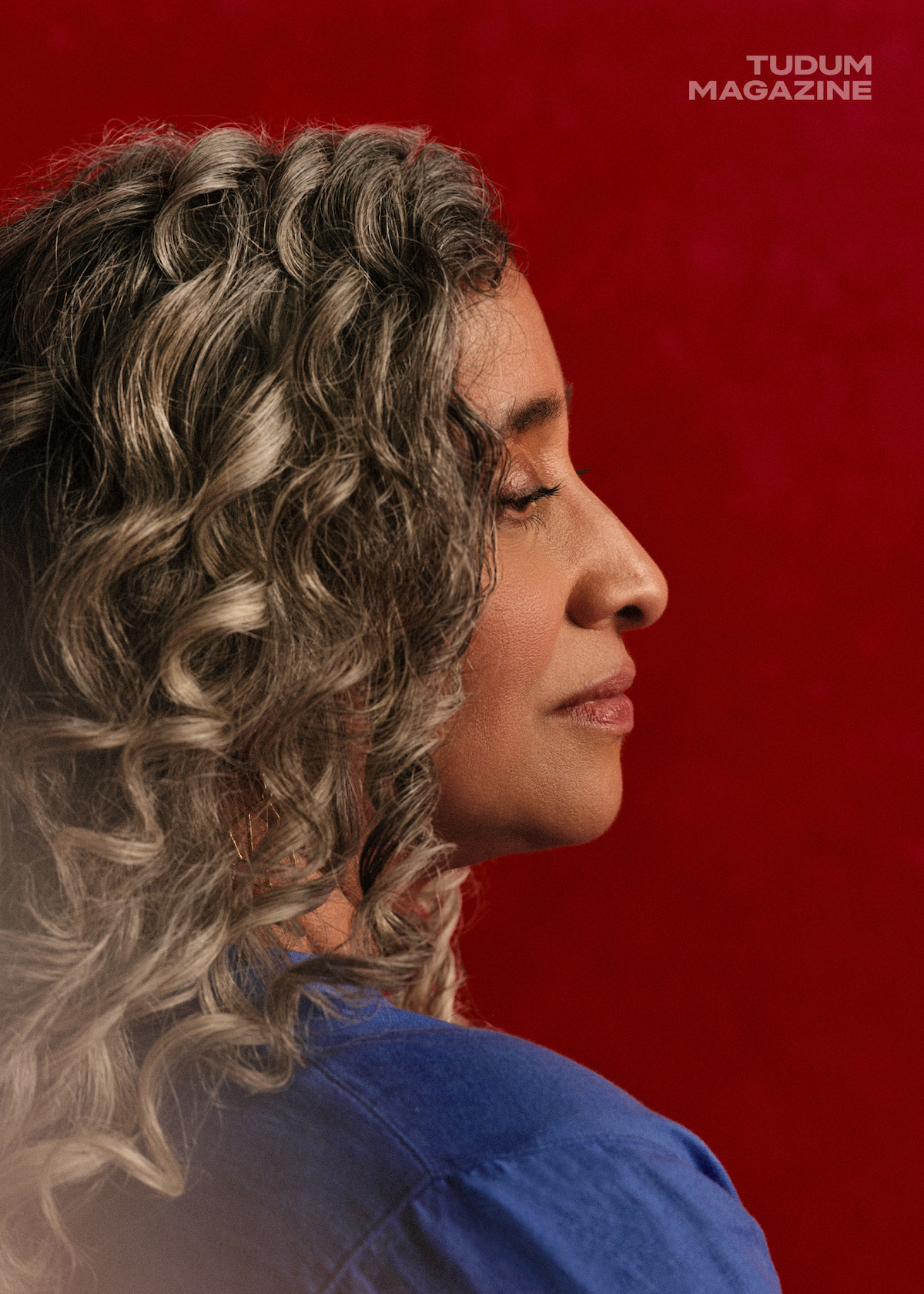
Geeta Gandbhir
You’ve talked about making this film as a way to work with your grief. What was the emotional journey of making this film?
This has been one of the most emotionally challenging films I’ve ever made because of the close personal connection. But at the same time, it’s been one of the most rewarding for that reason, too. Ajike was a bright, bright young mother of four. She had big dreams. Pam, her mother, who’s a person of faith, really believed in Ajike’s dream and continues to believe it. Ajike had this dream that she’d be a famous entrepreneur and the whole world would know her name. That was one of the last things she said to her mother: “Just you wait. One day, the whole world’s going to know my name.”
So that has been our journey and our mission with the film. And for Pam in particular, who is the moral heartbeat of this film. I think for all of us, we hold on to what she holds on to. This movie should have never been made because Ajike should still be with us. But if we can make change in her name, I think that’s a fulfillment of her legacy. So that’s what continues to drive us.
As you’ve taken this film around the world and screened it for audiences outside of America, what has the conversation been like?
Honestly, it’s been such a powerful experience for us because we find the film does resonate globally. I think when you tell a very specific story and don’t try to go too broad with it, it’s very relatable. People can see themselves in that community. They can see themselves in the shoes of the people whose lives they’re [witnessing]. So I think that taking it around the world for us was so heartening because we realized that people do care, and they do relate, and our sorrow was theirs. For us and for Pam and for my filmmaking team, knowing that it could resonate in that way helped lift the sorrow and made us feel that the world was kind of with us on this journey.
You mentioned the emotional challenge of making The Perfect Neighbor. What was it like navigating the technical side of this project with its immense archive of footage?
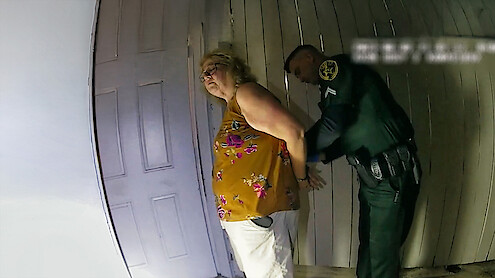
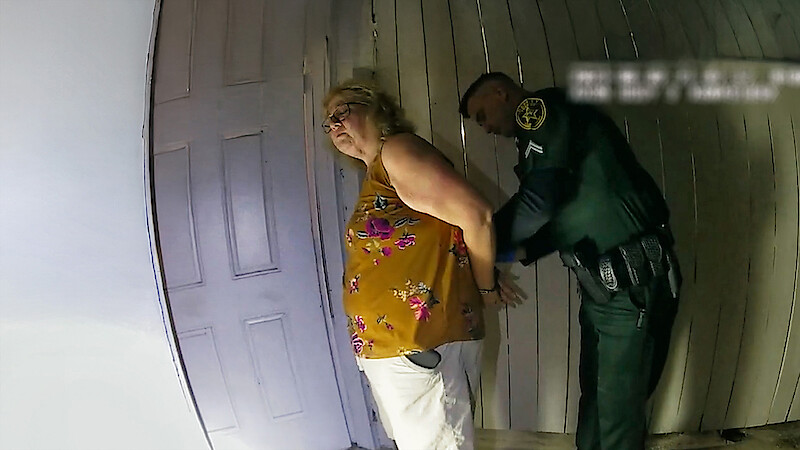
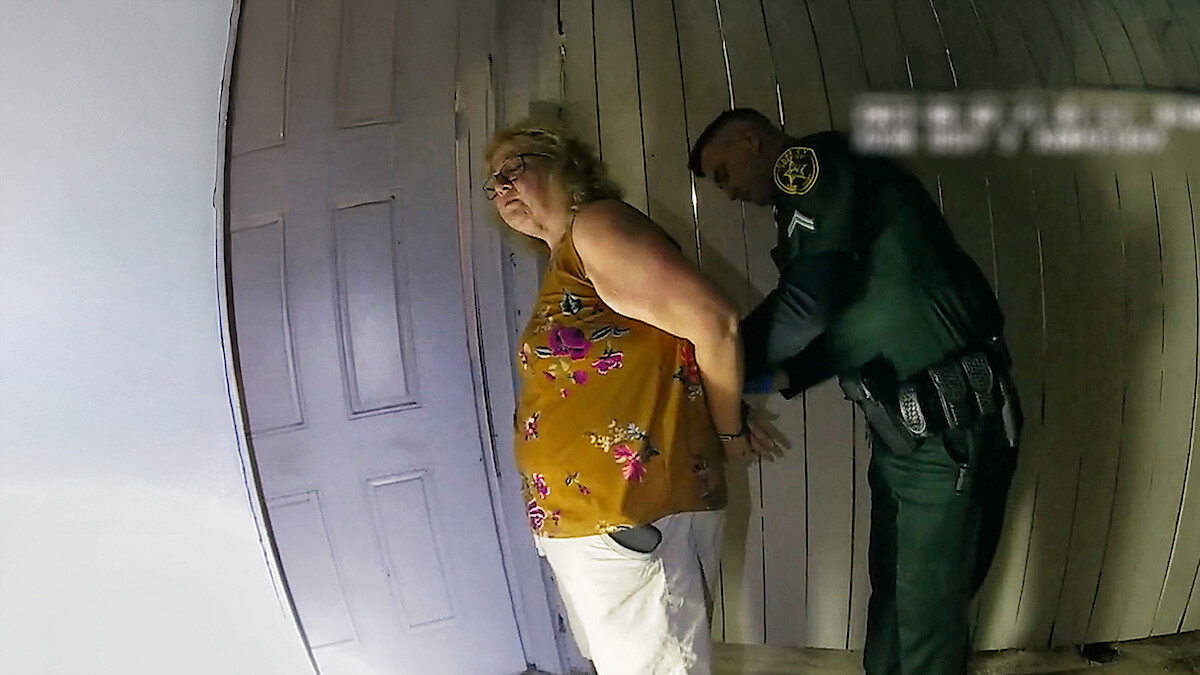
We made a decision very early on to live within the world of the body camera footage and the police evidence as much as possible, for multiple reasons. I didn’t want to go back and retraumatize the community by interviewing them when they’d been interviewed by the detectives, and I didn’t want them to have to relive it. And that footage is so compelling in the sense that it really shows the unvarnished truth of what happened. It’s the police perspective because they are wearing the body cameras, but it’s undeniable. It was so important to us to live in that world and re-create this beautiful community as they were before this terrible tragedy — or this crime — occurred.
The hardest part was that the footage wasn’t production footage. It was not shot for us to make a film. It was just shot by police who were wandering a neighborhood when they were called repeatedly, or showing up finally the night of the shooting, or moving Susan [Lorincz] out of her house. The sound was often terrible, and visually it was shaky. They were not necessarily focused where I wish they were focused. The work to make it feel seamless was tremendous because there were hours of material to sift through to get it just right.
We left the footage fairly as it was. We colored it and tried to make folks visible, but we didn’t want to take people out of that world by trying to over-polish it. The sound was a big challenge, so often there are subtitles that we had to keep in.
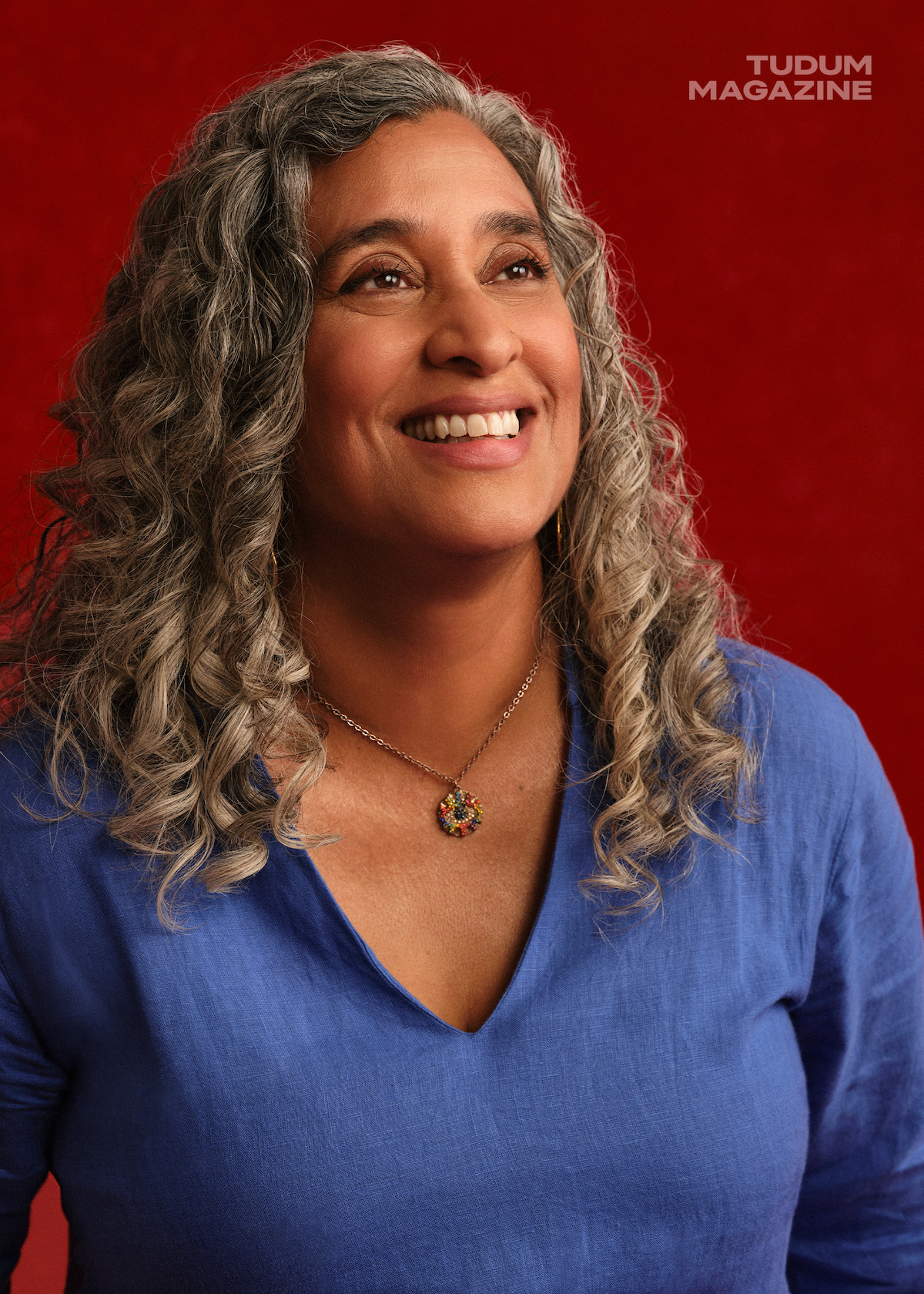
Geeta Gandbhir
This film continues to be resonant and timely. Did you feel this as you were making it?
It definitely feels timeless because it’s this singular story, this very specific story about what happened to a community. But the issues that you see in the film, which are the intersection of weaponized racism and unfortunate lax gun laws and the weaponization of predatory laws like Stand Your Ground — the intersection of those things come to light in this film. I think we see that in what’s happening around us today, and we also see the powers that be trying to polarize us. And Susan’s belief in her privilege and her belief that it was her right to pick up a gun to solve this very trivial dispute is very reflective. So it holds a mirror up to our society and where we might be.
What does it mean for this film to join that conversation and be recognized on this major stage?
It’s an incredible honor. We were an independent film, like a really small independent film that went to Sundance. The fact that we are here is kind of mind-blowing, to be honest, because it was a dream, but it felt like maybe a pipe dream at times. So we are so honored and so thrilled.
What’s even more critical is that the Oscars and the noise around it helps give us a platform for the issues. For those of us who work in documentary filmmaking, that’s an invaluable tool to have that platform — otherwise, sometimes we are just talking to each other in our communities. Traveling the distance — when it comes to the Oscars — means that many more people are interested, that many more people see it. So we are so grateful for that.