Among the ranks are Van Gogh, Paul McCartney, Oprah, and Barack Obama.

The director and collaborator Sean Baker unpack their latest film at The Lineup: Live at the Egyptian.
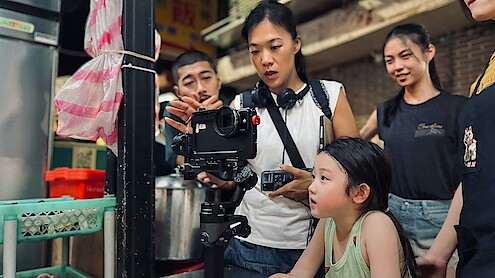
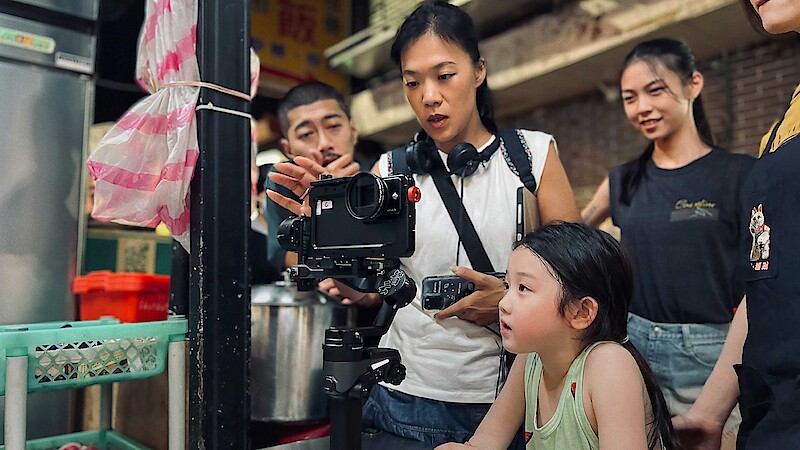
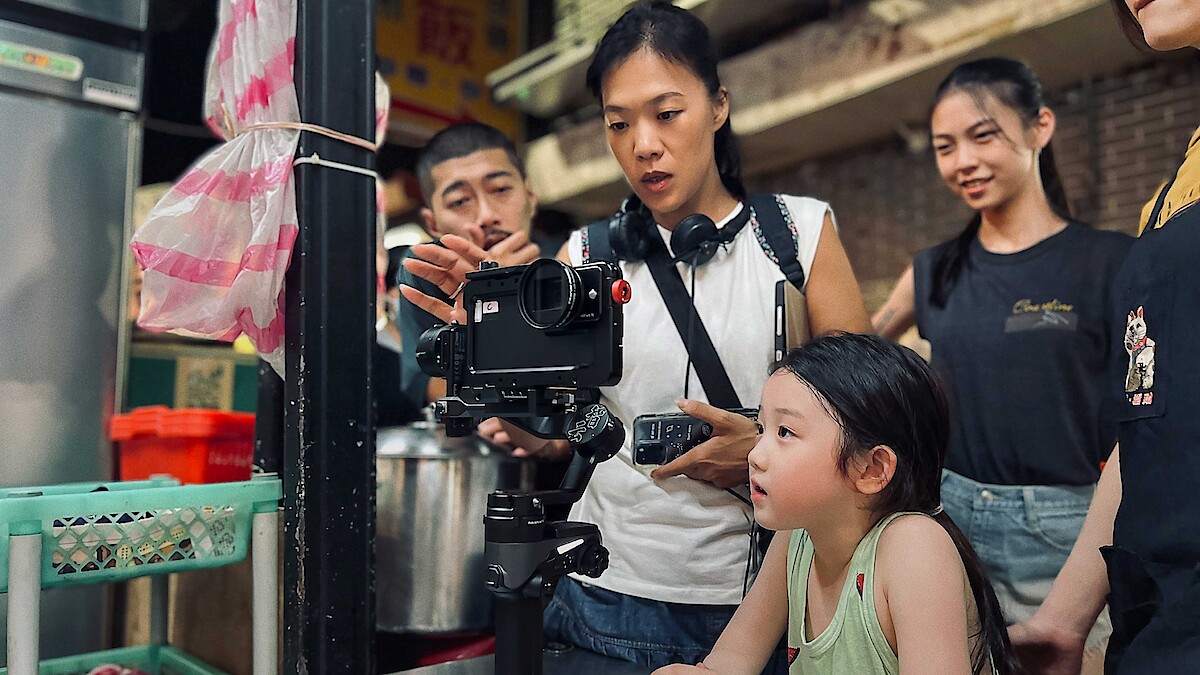
During the two-decade journey it took to bring Left-Handed Girl to the screen, director and co-writer Shih-Ching Tsou developed into the only filmmaker who could pull off making the Taiwan-set family drama. Over those years, Tsou, a longtime close collaborator of Academy Award winner Sean Baker (Anora) and producer of his films Tangerine, The Florida Project, and Red Rocket, became an expert in the techniques that would make their way into her solo feature directorial debut: working with young actors, shooting in real locations, utilizing a small crew to be able to immerse the film within an active environment.
“It [was] so important from the very beginning of the making of this film, I was so determined to shoot in the real night market and shoot with the stars I discovered myself,” Tsou says. “I actually just used all the filmmaking skills I [used] with Sean on all the films he directed early on. Everything [went back into] Left-Handed Girl: street casting, location scouting, getting to the community to get their stories into the script, so everything would be more authentic.”
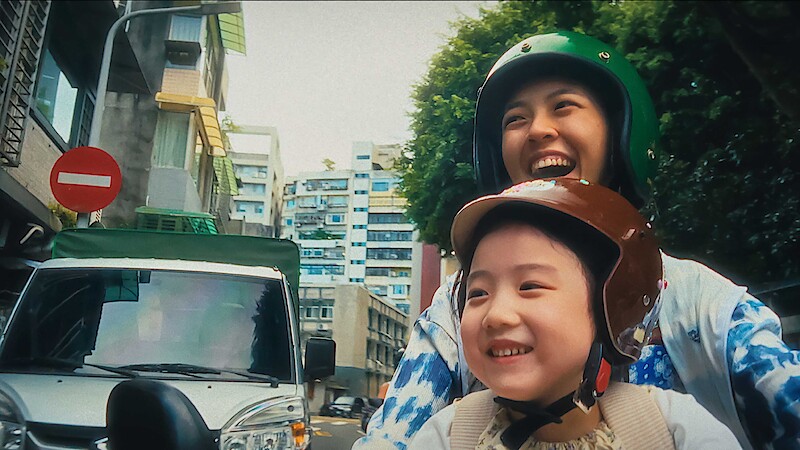
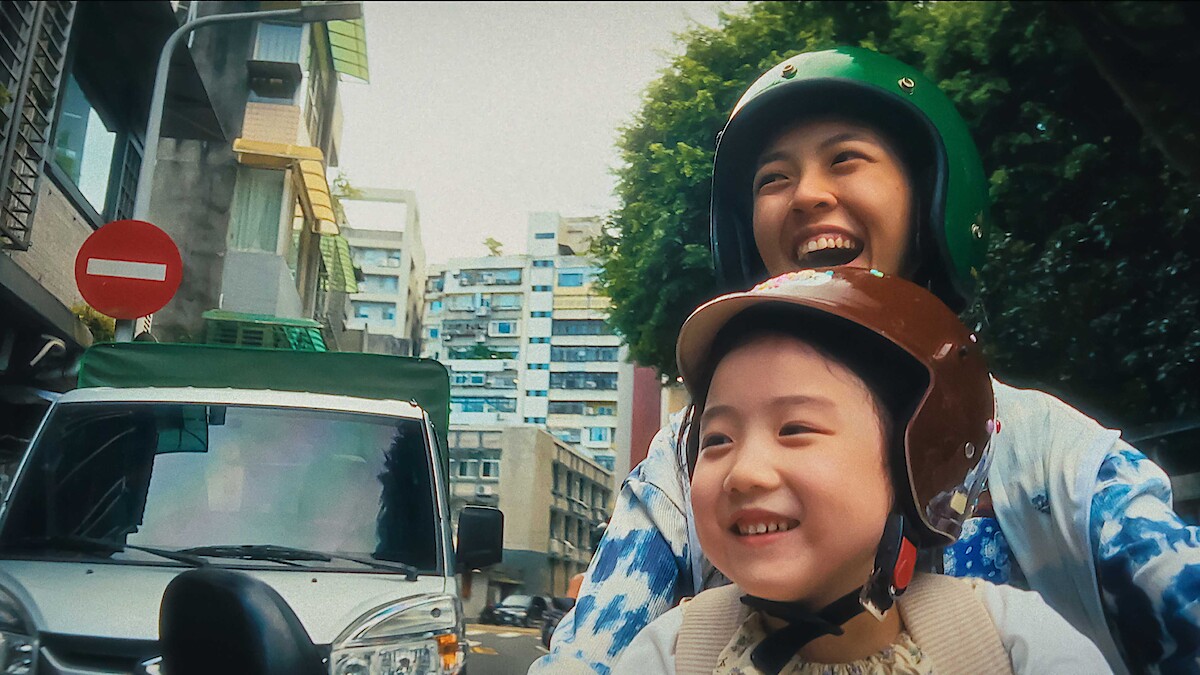
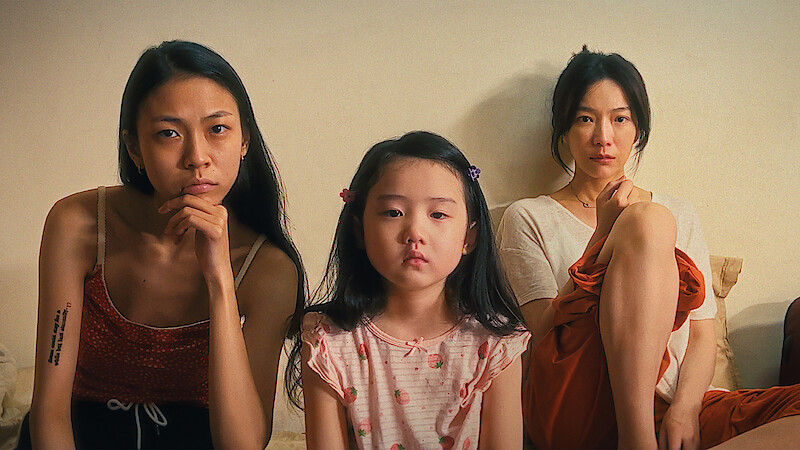
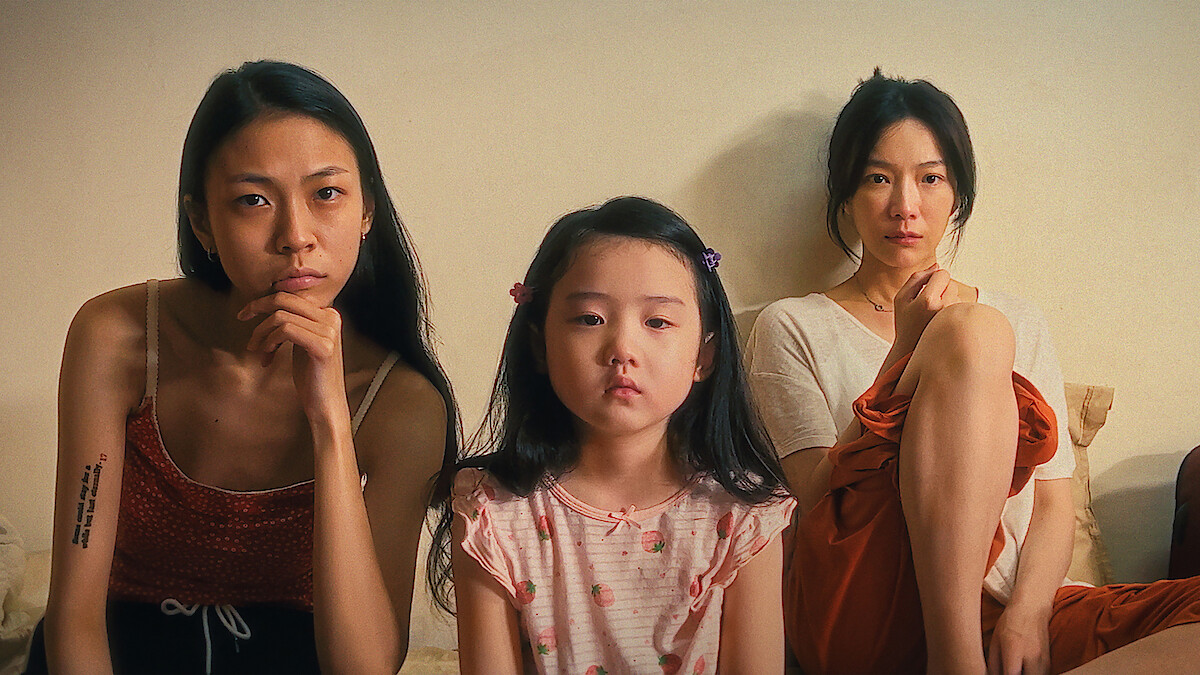
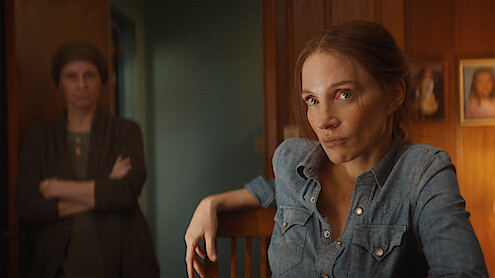
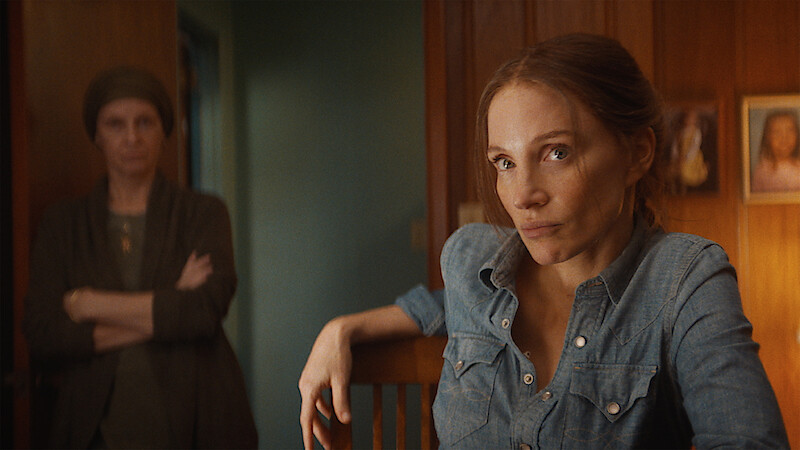
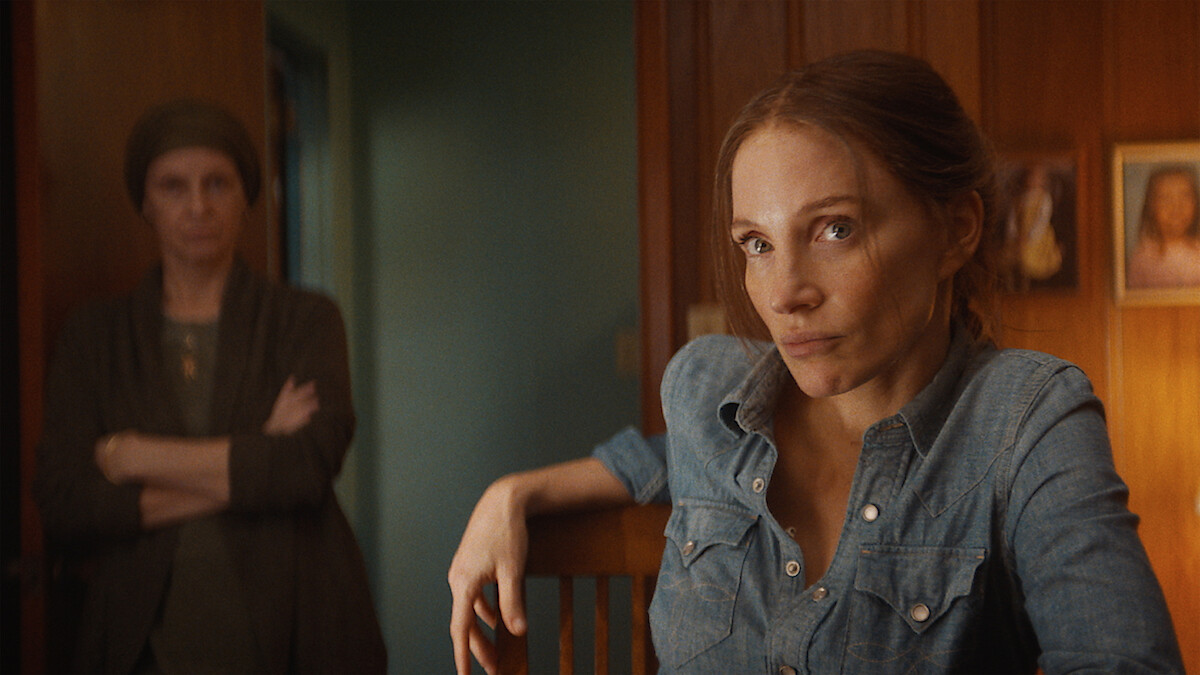
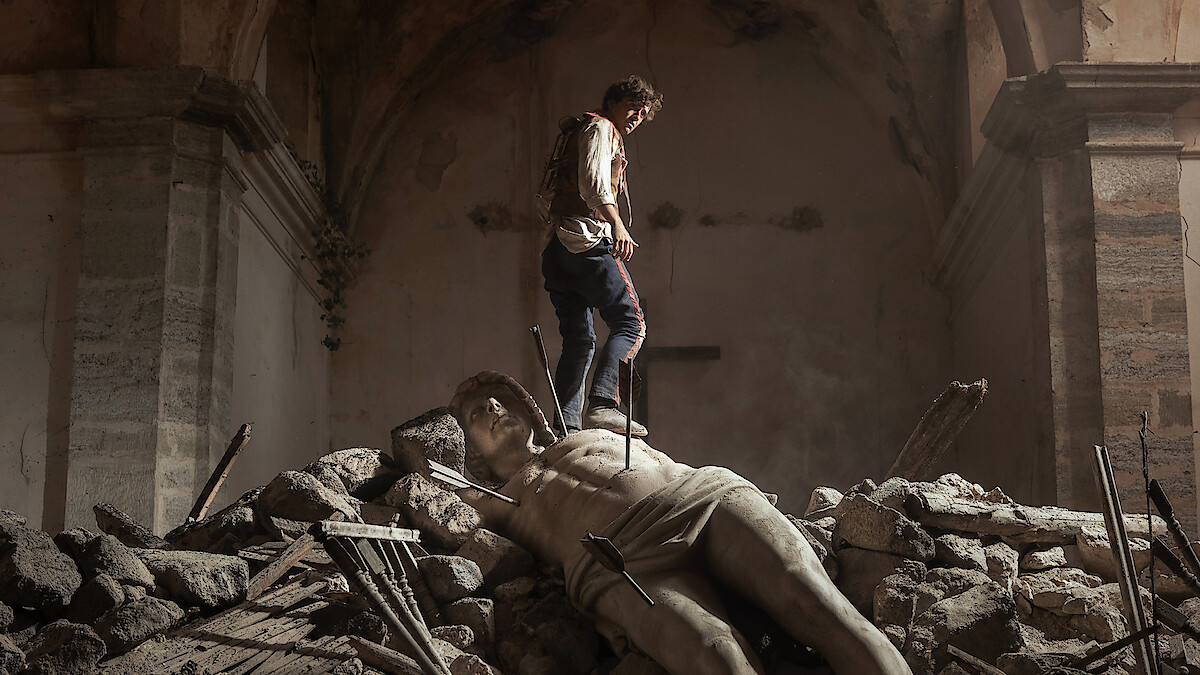
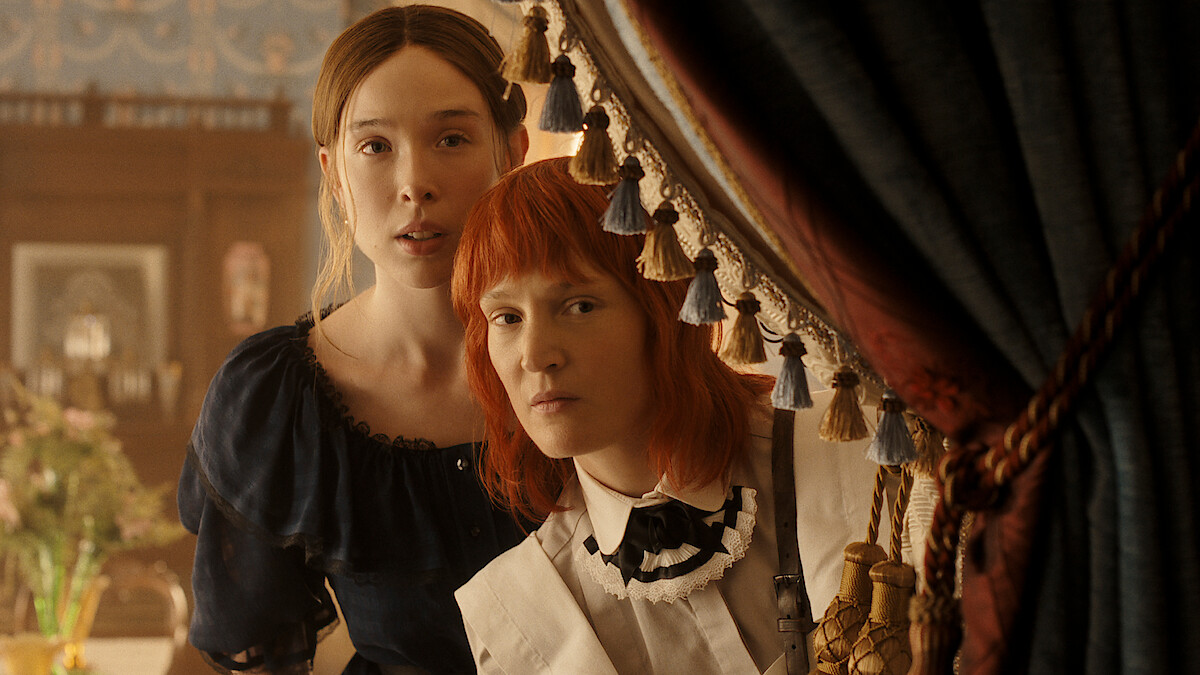
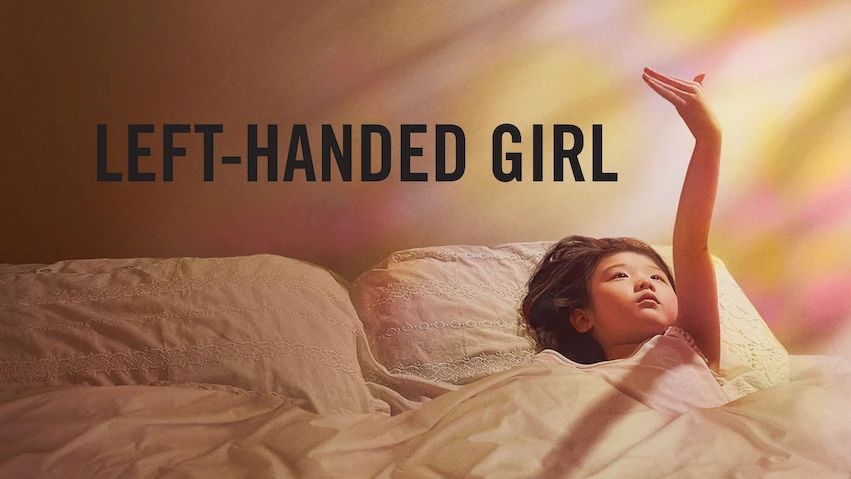
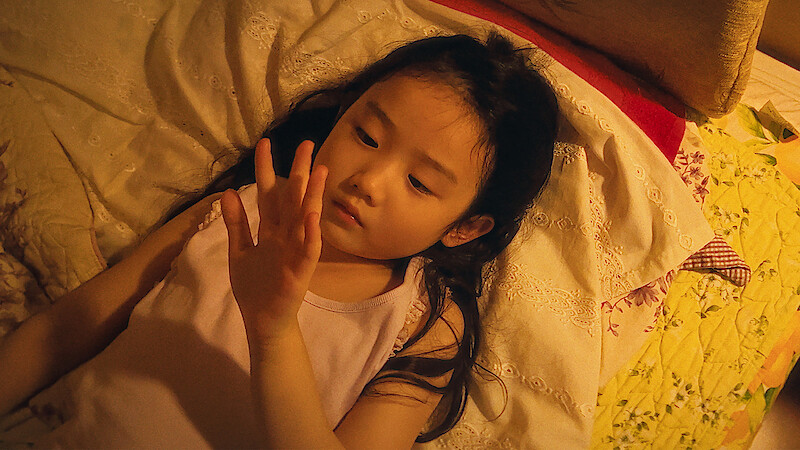
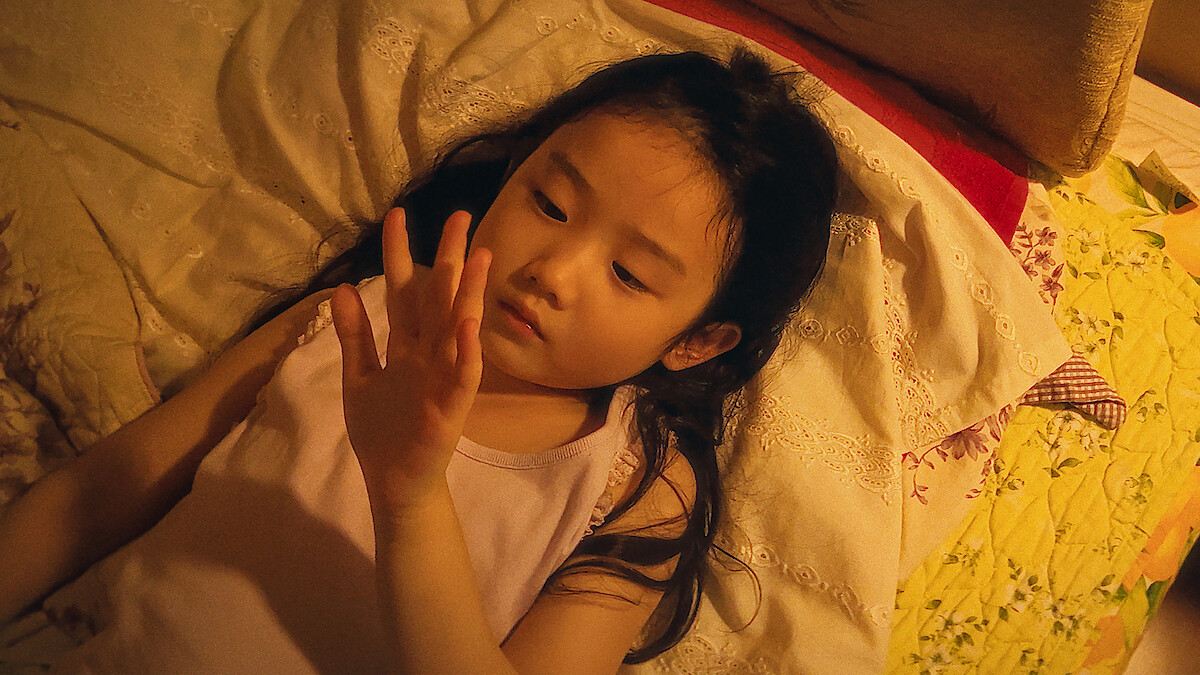
Left-Handed Girl tells the deeply personal story of a single mother and her two daughters who move back to Taipei to open a night market stand, and when their traditional grandfather forbids his youngest left-handed granddaughter, I-Jing (Nina Ye), from using her "devil hand," generations of family secrets begin to unravel. The cinematic portrait is Tsou and Baker’s latest collaboration, with Baker producing, editing, and co-writing the film alongside Tsou.
At The Lineup: Live at the Egyptian, the pair were joined by Ye as they discussed how they developed the project over a period of 20 years, the process of discovering their young star, and what it means to have their film be selected as Taiwan’s submission for the Best International Feature Film category at the 98th Academy Awards.
An edited version of the conversation follows.
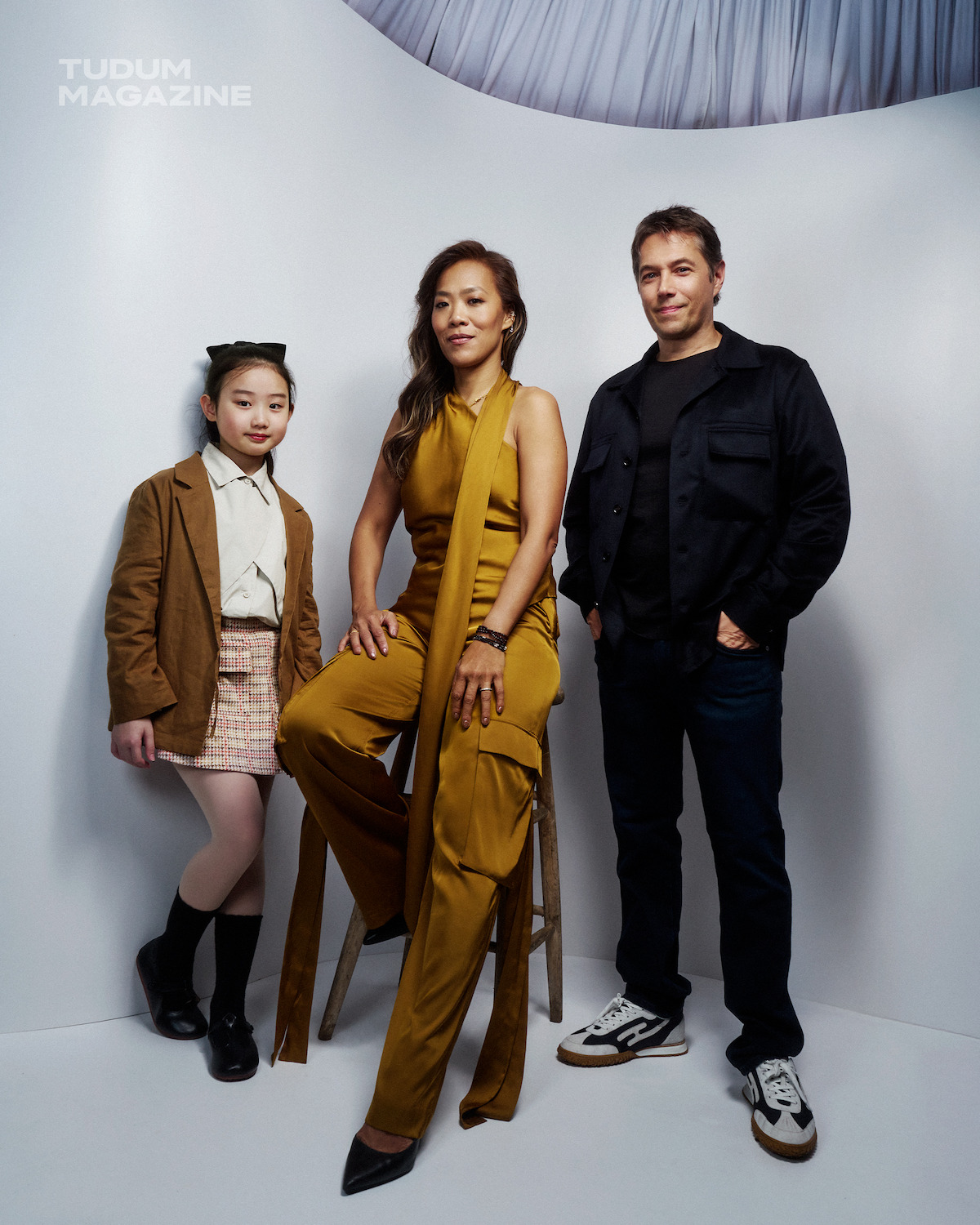
Nina Ye, Shih-Ching Tsou, and Sean Baker.
Rebecca Sun: [The title of Left-Handed Girl] refers to something your own grandfather said to you, since you’re a natural lefty. How did you take that seed of an idea and turn it into a film about something more?
Shih-Ching Tsou: It was a very, very personal memory. From the very beginning, when I told Sean about this idea, I told him I wanted to make it a story about women: how they survive in a male-dominated society, how they help each other, how they fight, how they grow together.
The two of you have collaborated on so many brilliant films over your 20-plus year friendship. You made Tangerine, The Florida Project, Red Rocket — but Left-Handed Girl was actually a passion project for both of you that was conceived well before any of those films. Can you tell us a little bit about the history of developing this movie and more importantly, why the two of you never gave up on pursuing this story?
Sean Baker: It was actually the first idea that we talked about back in 2001. I found all the ideas and stories that Shih-Ching told me about her childhood and growing up in Taipei to be absolutely fascinating. Then Shih-Ching brought me to Taiwan. I fell in love with Taiwan and the vibrant city of Taipei. I felt like a child at the time. It was like sensory overload. Especially being in those night markets. We saw the night markets as a potential character in this film. It took a very long time to do [the] financing, but we knew there was something very special there and something very personal to Shih-Ching, and we never wanted to let it go. So it was on the map for a while. Every few years we thought it might get financing, and it finally did, and we're here today.
Sean, once Left-Handed Girl finally secured financing and could start production, you were busy with some movie in Brighton Beach and you couldn’t make it to Taiwan. You couldn’t make it on set. So once you were in the editing room, what was it like seeing the footage that Shih-Ching was sending you?
Baker: I was incredibly impressed. I always knew she could direct, but then she took it to the whole next level, where she had a real command of the directing craft. The way they captured the night market, Shih-Ching and her wonderful cinematographer, Ko-Chin Chen — capturing this on the iPhone, being able to shoot clandestinely and really capturing those colors and lights and just the beautiful chaos of the night markets — I think Shih-Ching did that wonderfully. So for me, it was a pleasure to edit. It was also the performances, which I have to say, were absolutely incredible. There were no bad takes. There were just levels of great takes. So Shih-Ching made my job easy.
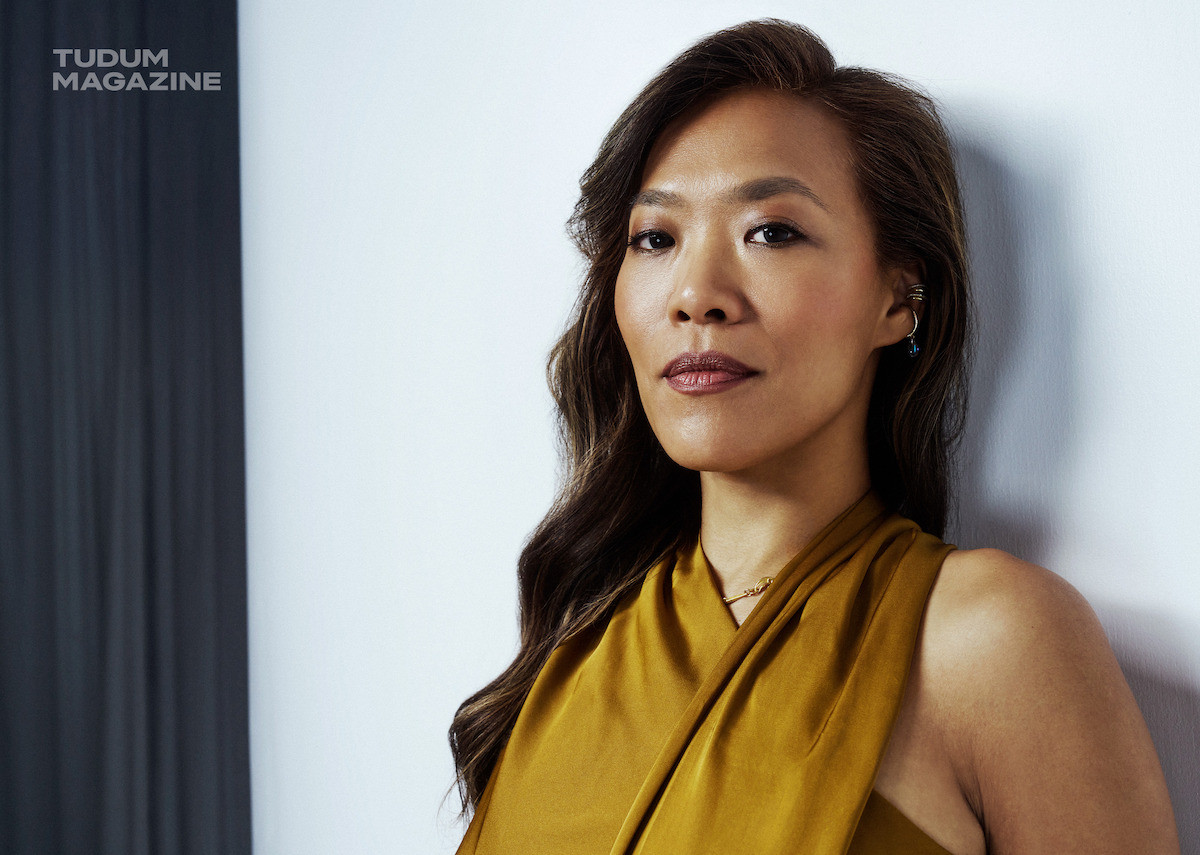
Shih-Ching Tsou.
One of the ways in which you use this metaphor of the left hand is to really explore the idea of generational secrets, of family shame. What do you really want audiences to understand that might have been, that is (a)very culturally specific to Taiwanese families, and secondly, as the two of you as writing partners discovered, are very universally resonant themes?
Tsou: I think definitely the family or the dynamic between the parents or the siblings, I think that’s very, very universal. We all have family. And also the left-handed taboo thing — it’s really surprising to me because there’s so many people after screenings coming to me to talk about their left-handed story, their siblings or themselves or their parents, even grandparents. So I think there’s two themes that are the most universal in the film, but we also try to tackle that left-handed is not just about [being] left-handed. It’s about being yourself, being different from other people. I think we want people to be heard, to be healed after they watch the movie. They will come to feel like they will love themselves more.
Baker: There are many cultural specificities in this film, because it was [always also] about celebrating Taipei. However, we also wanted to capture universal themes so that no matter where you are in the world, you can identify and connect. There’s this old adage that Shih-Ching and I had in our minds since day one: “The truth will set you free.” It’s about the revealing of truth and how that can actually make you healthy again.
What does it mean to you, Shih-Ching, as somebody born and raised in Taiwan, who’s lived in New York for the past two-plus decades, to now have Taiwan’s official approval? You are representing your home country with its best film to bring to the international stage at the Academy Awards.
Tsou: I feel extremely honored as a new director. As a voice for Taiwan, I want to make Taiwan proud and I want people, especially the audience in Taiwan, to identify with this film because it’s about their country, their life. I don’t live there, I live in New York, but I go back to Taiwan every year. So in making this film, really I’ve rediscovered all the beautyin Taipei. It’s so beautiful. Even the little dark alleys, even the little dirty corners, look so beautiful because they are part of Taiwan.
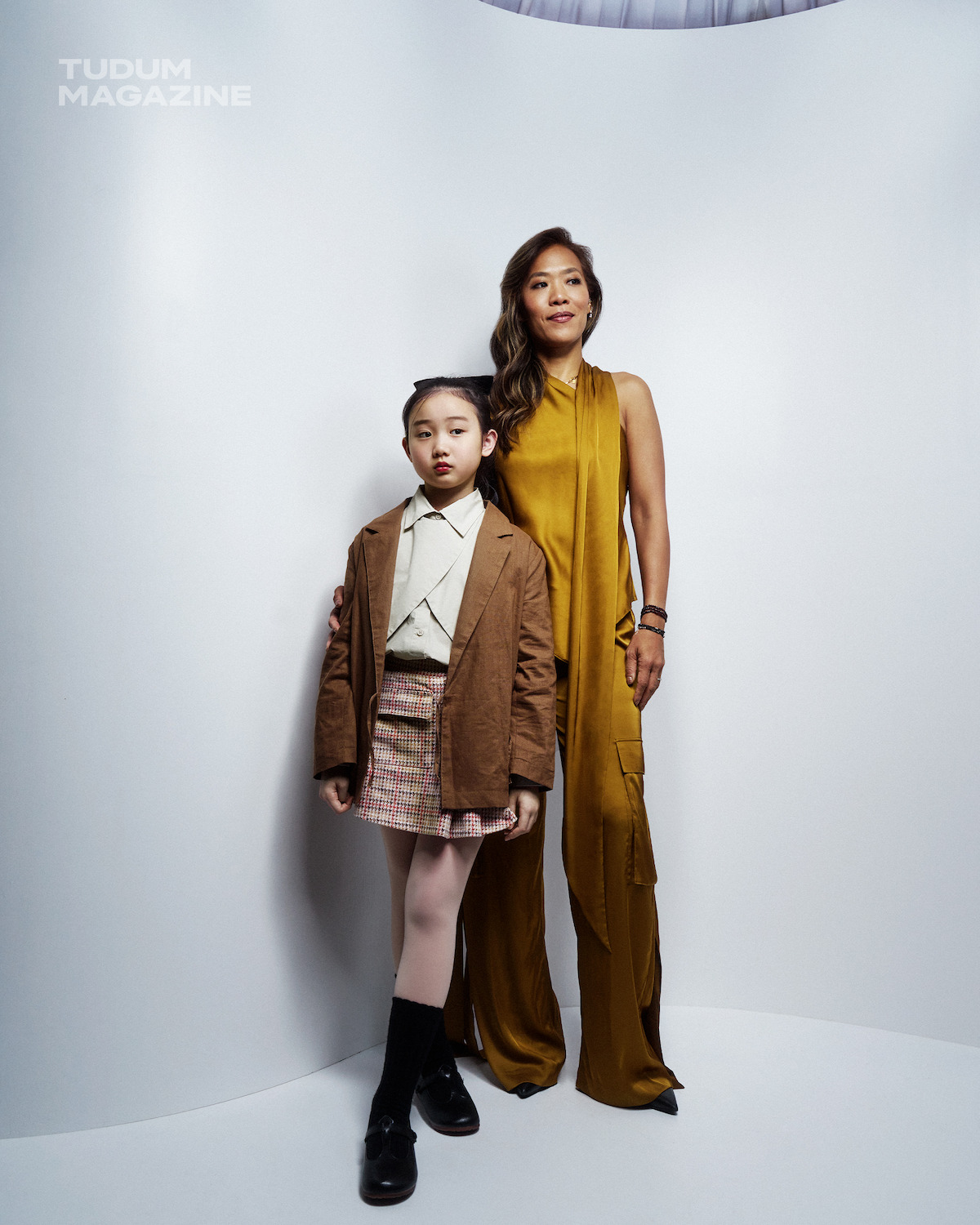
Nina Ye and Shih-Ching Tsou.
Let’s talk about casting. One experience that both of you were able to draw from as producers was how to find and work with a precocious, talented 6-year-old lead. Nina, what do you remember about meeting Shih-Ching for the first time, and what did she tell you about your character and about what this movie was going to be?
Nina Ye: The first time I met director Shih-Ching was in a café, and we talked about my life, like, “What do you like?” and we ate together. And then she told me, “I-Jing is happy and a little bit spunky and a thoughtful little girl.” I remember she didn’t tell me what the film is about. She just told me, “You don’t need to remember the script, what you need to say, you just need to say what you want and make it very alive and just pretend it’s life and say what people will say in the moment.”
Shih-Ching, it might be very obvious now, but what made Nina the right choice for this role?
Tsou: I watched 50 to 70 audition tapes and when I saw Nina, I was like, “Oh, my God! How come I didn’t see her two months ago? She is perfect.” When I saw her, she had a very naturalistic look and also just a sense of wonder. She looks so innocent. That’s the quality that we were looking for this role.
Nina, what was it like for you, shooting those night market scenes, running around everywhere?
Ye: I think it was very fun. In one scene, I needed to run through an alley. At first, I was a little bit nervous because I was afraid I’d see a little rat or cockroaches or something. Director Shih-Ching told me, “Don’t be afraid. We will stand behind you and the [cinematographer] will stand behind me.” [And] I had a little light. And then it was like, “Oh, I’m not afraid now.”