Left-Handed Girl: The Cast on Their Complex Bonds - Netflix Tudum
Meet the Cast
The Women of Left-Handed Girl: Bringing a Family Story to Life
Shih-Yuan Ma, Nina Ye, and Janel Tsai form a complex bond in Shih-Ching Tsou’s debut film.
By Jenny Changnon
Nov. 14, 2025
For director Shih-Ching Tsou, family isn’t always warm and affectionate. “Sometimes the closer we are, the more distant we become,” she says. It’s this complex emotional landscape that Tsou wanted to bring to her very personal debut feature, Left-Handed Girl.
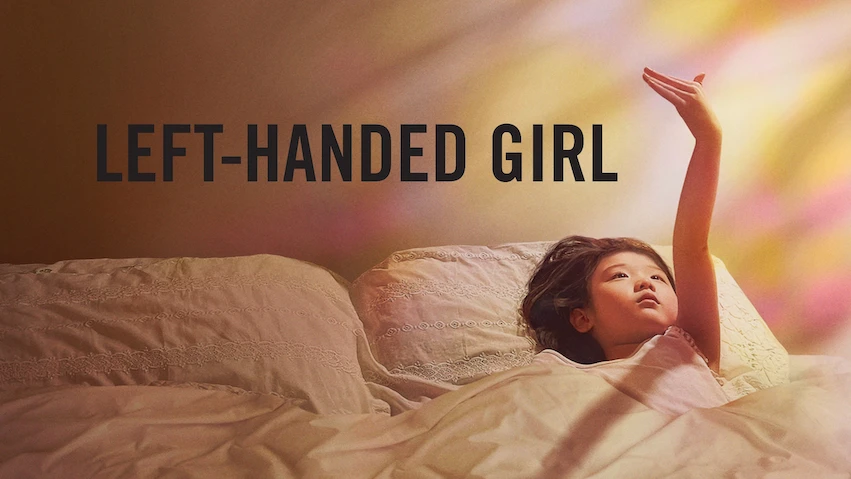
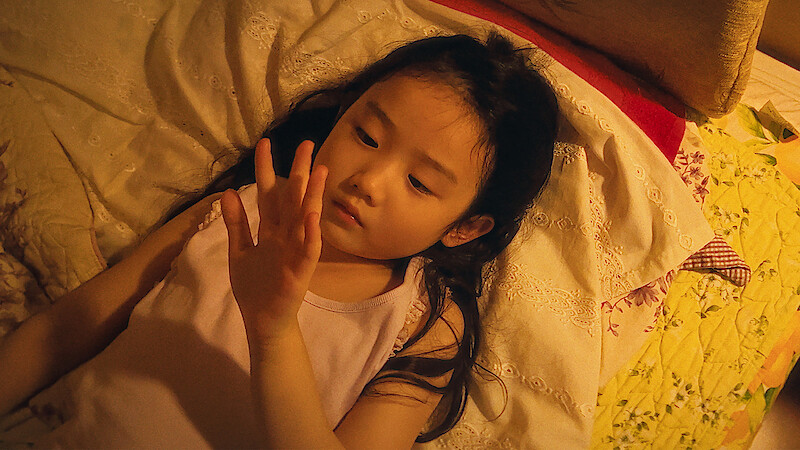
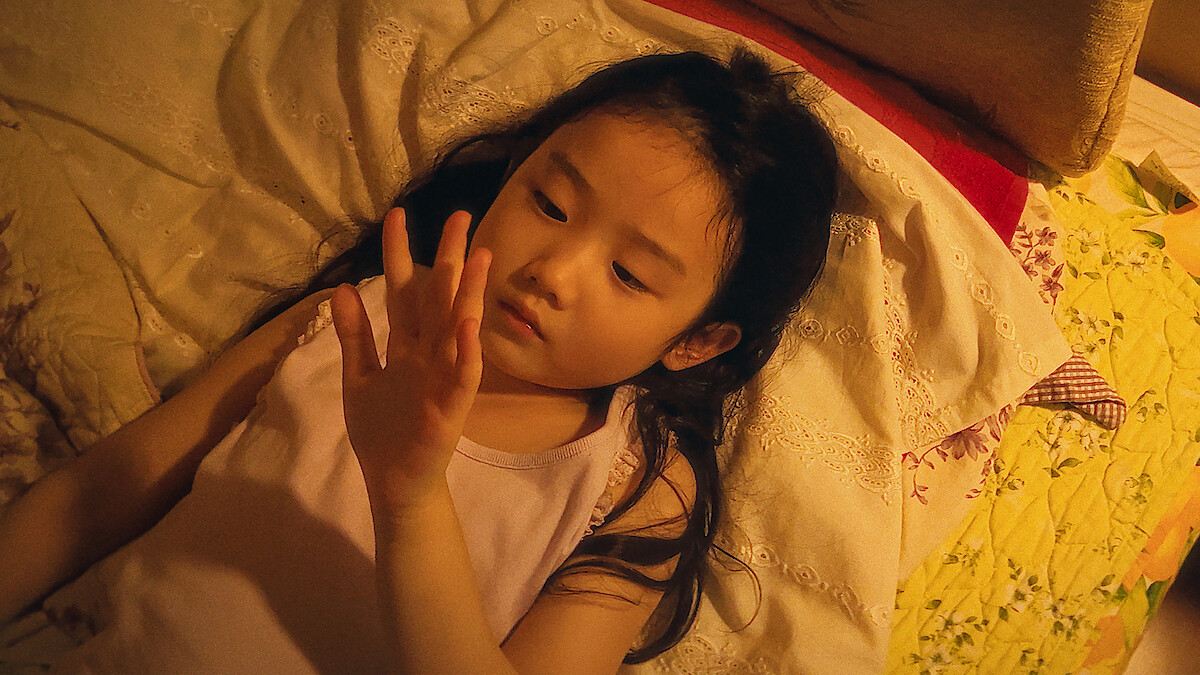
In the film, I-Jing (Nina Ye), a young girl who has just moved back to Taipei from the countryside with her mother and older sister, is left with her grandfather one afternoon. He forbids her from using her left hand, her dominant one. “Left hand is evil,” he says. I-Jing looks at her hand, horrified. She wraps it to avoid using it. When she does, it’s to steal bracelets and other knickknacks. She’s a good kid; as for the shoplifting, she says, “the devil hand got it for me.”
Tsou and longtime producing partner and co-writer Sean Baker first began discussing the idea for the film some 21 years ago, and traveled to Taiwan in 2010 to work on the script and begin location scouting for Left-Handed Girl. But it would be another decade, after the Cannes Film Festival premiere of Red Rocket in 2021, which Baker directed and Tsou produced, until the film took off. “I never let go of this story,” says Tsou, who drew upon her own experiences growing up in Taiwan as she crafted the drama. “I often felt confined by tradition and expectations, especially as a girl. I was taught to stay quiet, to follow the rules, to not take up space or draw attention.” It turns out those limitations shaped her tendency to observe, just as young I-Jing does onscreen.
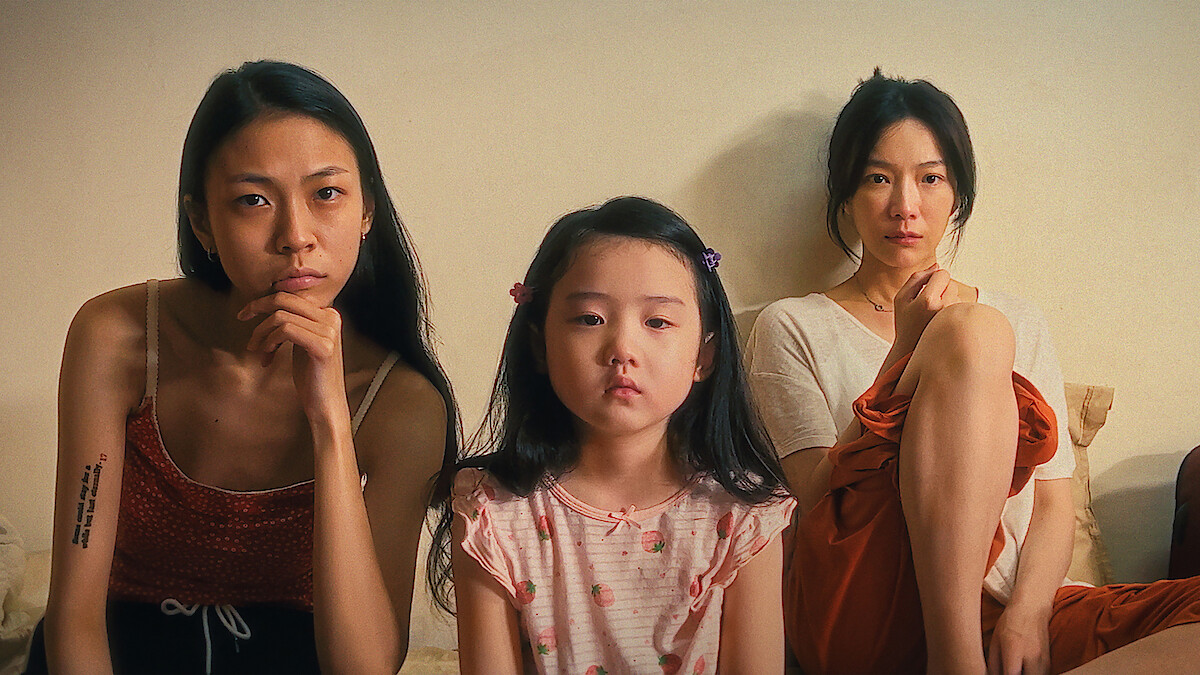
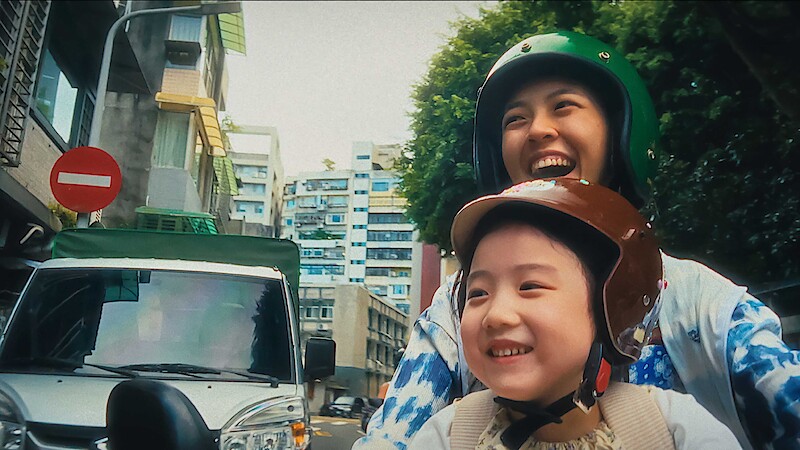
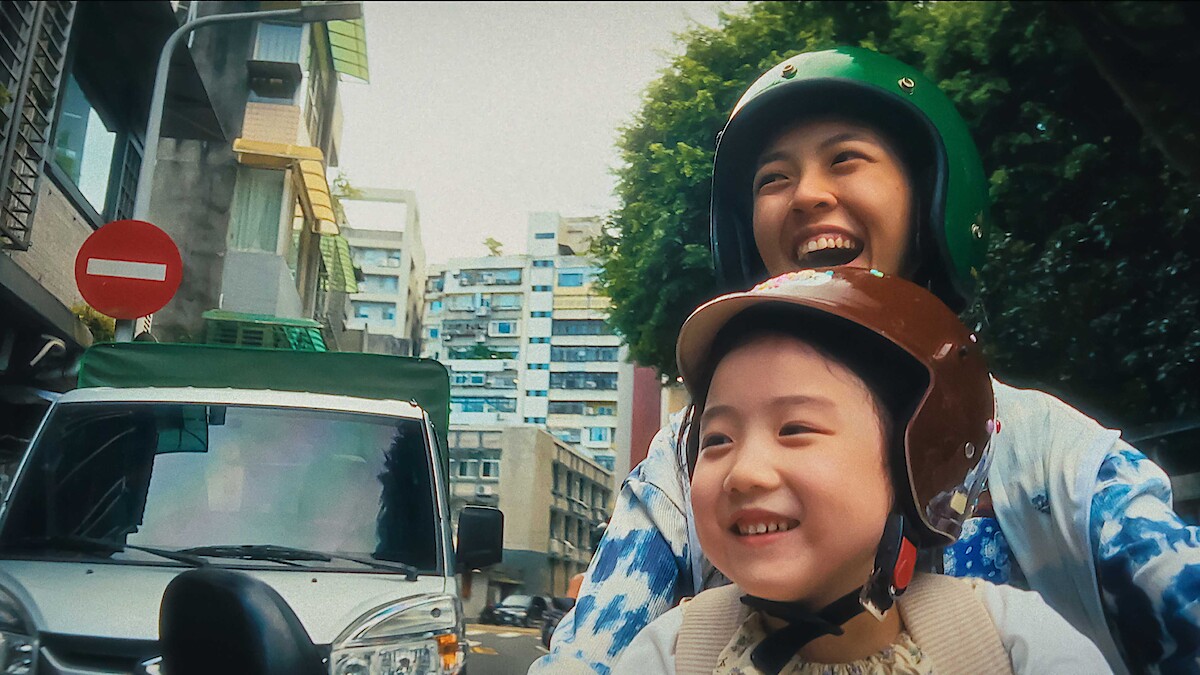
Shih-Yuan Ma as I-Ann and Janel Tsai as Shu-Fen.
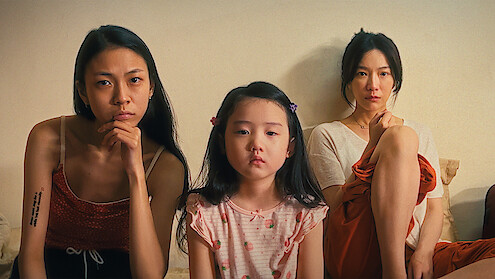
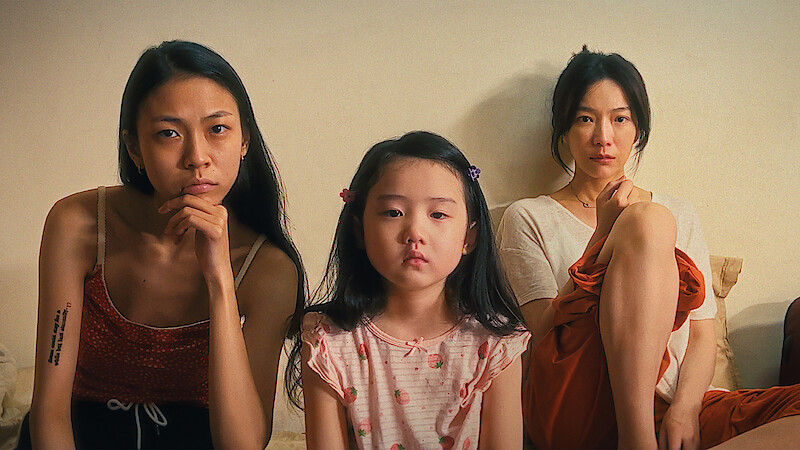
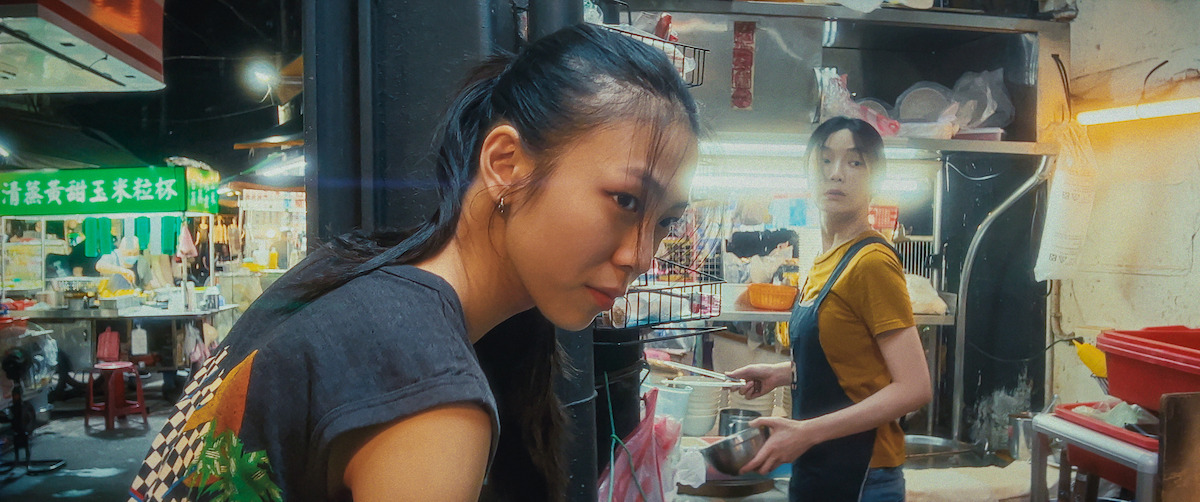
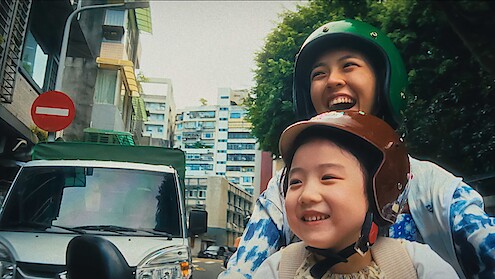
Mostly, the women I-Jing observes and learns from are I-Ann (Shih-Yuan Ma), her much older, and more rebellious, sister, and Shu-Fen (Janel Tsai), their mother, who has brought them to Taipei to set up a noodle stand in one of the city’s bustling night markets. The actors who play these women deliver performances that show the complex push-pull between tradition and individuality. Casting them was a journey all on its own.
Tsai, an award-winning Taiwanese actor, was looking for a challenge when the role of Shu-Fen came along. Tsou gave her the opportunity of a lifetime. “It was so genuine, unlike anything else that I’ve gotten in my career,” Tsai says. “I felt very clear about the characters and the story.” She brings a raw and convincing weariness to this single mother, who struggles to pay rent for her noodle stand and feels the full weight of the world on her shoulders. When Tsai was first cast, Tsou brought her to the night market and told her the story of the woman who inspired this character as they walked around. “I immediately became Shu-Fen as we walked through the night market,” Tsai says. She maintained some distance from her cast members on set in order to embody a mother who, in navigating the weight of generational expectations, could be withholding and aloof. “I think this film is one of the most important works in my career,” reflects Tsai.
The moment I saw her, I knew — she was I-Jing. Watching her step into the role felt like the character we had written quietly came to life right in front of my eyes.
Shih-Ching Tsou on Nina Ye
Tsou discovered Ma, a model, on Instagram. Despite this being her first onscreen role, Ma brings a natural presence to I-Ann: strong and guarded, with a vulnerability just beneath the surface. “The biggest challenge was internal,” Ma says. “There were moments when I felt unsure or insecure, but over time, I realized that those doubts were part of the process. Instead of trying to be a certain version of myself, I learned to trust that being honest and open was enough.” I-Ann used to be a straight A student, but never made it to college. She works at a betel nut stand, reckless in her quest to assert her independence. She is quick to snap at her mother and sister, but she shows up — to work at the noodle stand and to teach her younger sister the power of honesty when she falters. “She may seem quiet on the outside, but she’s full of passion inside,” Ma says of her character. “I-Ann is someone who dares to love and hate. She grows up in a family that avoids emotions, yet she longs for love and connection.”
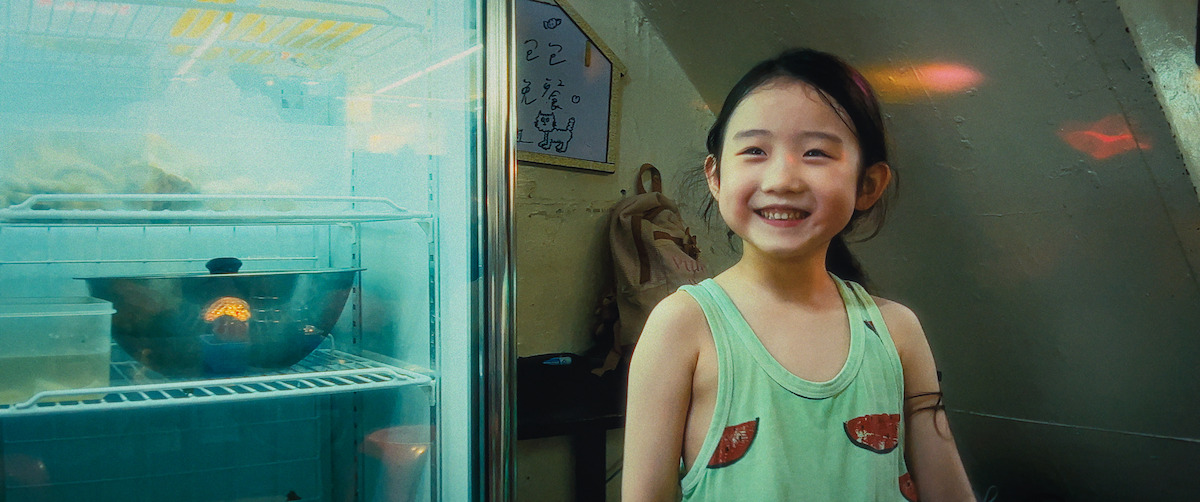
As for the scene-stealing I-Jing, the team found Ye, a small commercial star in Taiwan, just one month before shooting. I-Jing, with all her sweetness and naïveté, comes to life in Ye’s hands. “The moment I saw her, I knew — she was I-Jing,” says Tsou. “Watching her step into the role felt like the character we had written quietly came to life right in front of my eyes.” I-Jing notices her family’s flaws without judging them harshly. For reasons that become clearer toward the end of the film, she holds this family together — a great weight to bear for such a small person. “She is a pure, clever, and smart little girl who listens to and loves to help her family. But sometimes she doesn’t know how to actually help them,” says Ye, who infuses the character with an innocence that feels rare to see onscreen. “When she uses her left hand, she’s confident.”
Nina Ye as I-Jing.
While some directors bring their cast together to bond before shooting, Tsou refrained. This kept the actors’ interactions feeling natural, even though it meant preserving some uneasiness. It was important to maintain that emotional tension — a mix of love and frustration — between them. “When I first met Nina, I told her, ‘I’m sorry. I won’t be a nice mom,’ ” Tsai says. “I tried not to bond with her too much to create that distance.” In preparing for I-Ann, Ma took a different approach. “I really treated [Nina] like someone very, very close to me, like real family. I genuinely wanted her to be OK, but I expressed it in ways that weren’t always gentle or mature.”
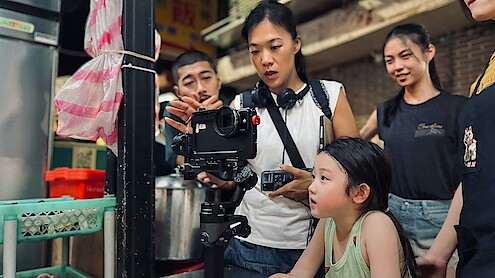
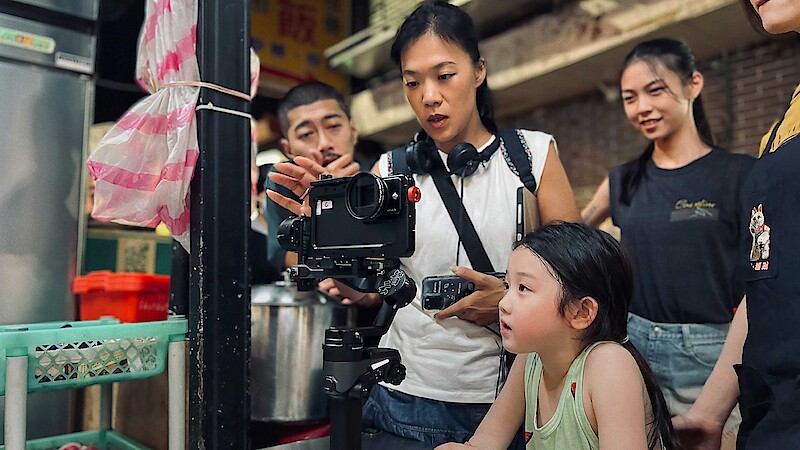
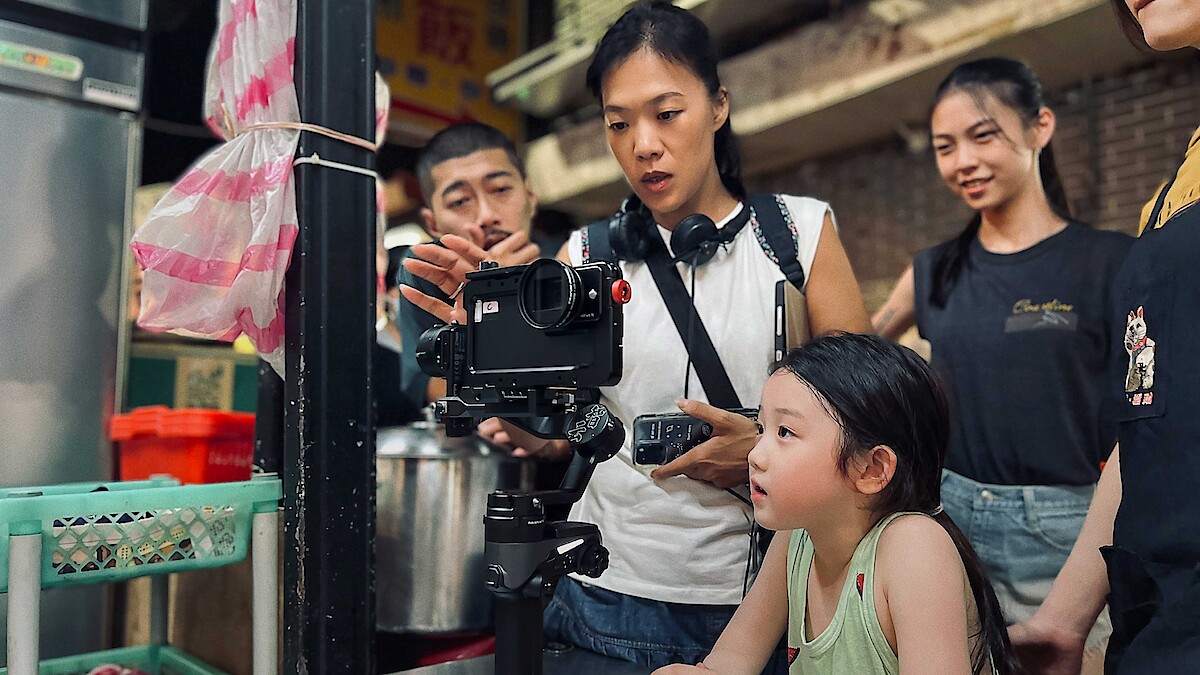
The film takes a similar cinéma vérité approach as Tsou and Baker’s previous work, filming in cramped apartments, narrow alleys, and the buzzing night market. Because of this filmmaking style, the three actors were able to fully immerse themselves in the world of their characters. “Some people came up to us and really wanted to buy noodles from us,” Tsai says. “People in the market would stop and watch what we were filming,” adds Ye. “Some of them thought it was boring and would walk away, but then some people brought out folding chairs and watched us film.”
In one scene, while sitting at a table at their mother’s noodle stand, I-Ann and I-Jing sneakily shoot boba pearls through straws at a nearby fridge. Their mother, already at the end of her rope, will have to clean it up later. And so it goes. Together onscreen, these women become a family, albeit one wrought with emotional tension and generational secrets. Between the lines, between the jabs at one another and the small irritations, there exists a bond unique between mothers and daughters.
This feature originally appeared in Issue 22 of Tudum Magazine.