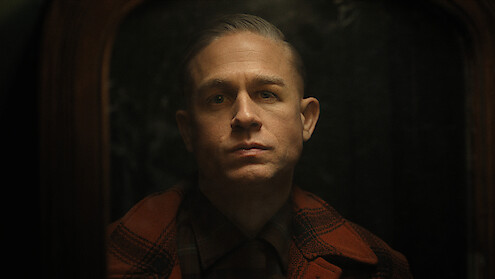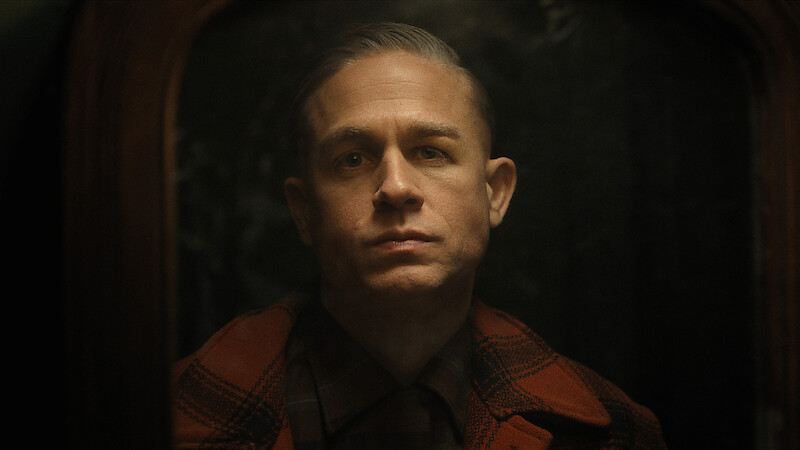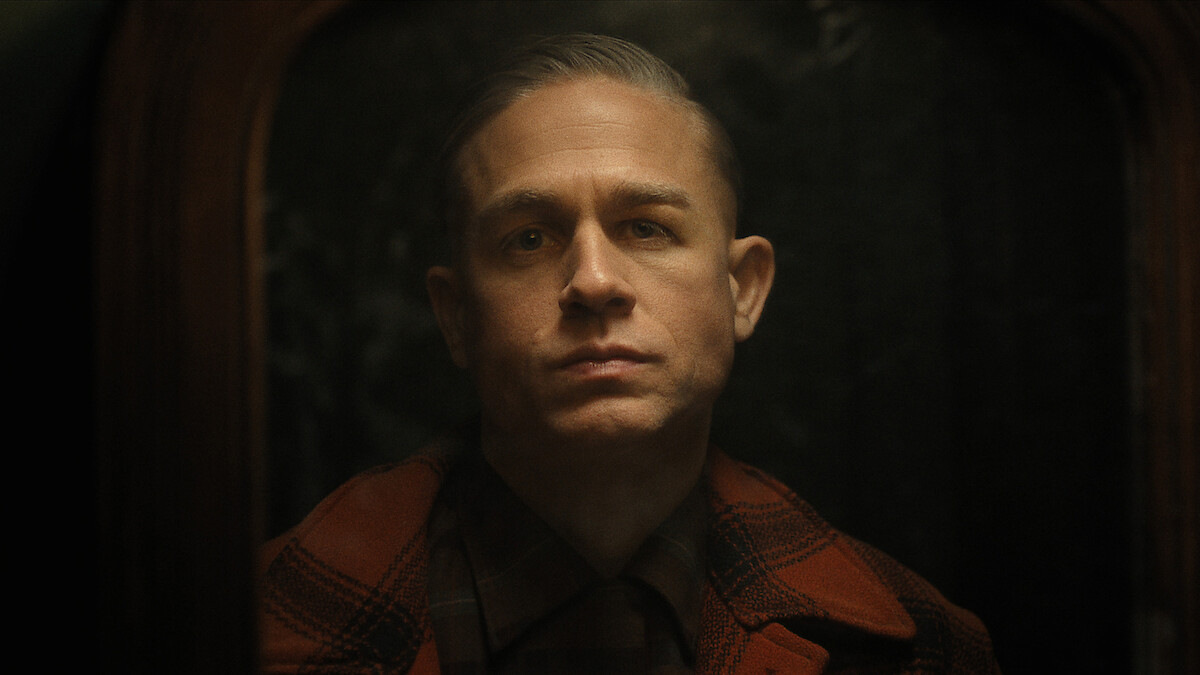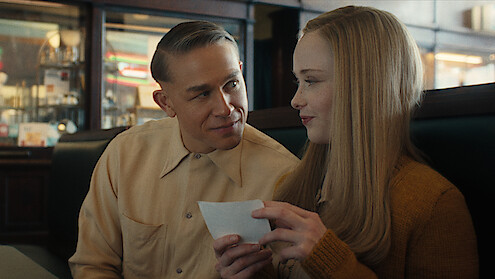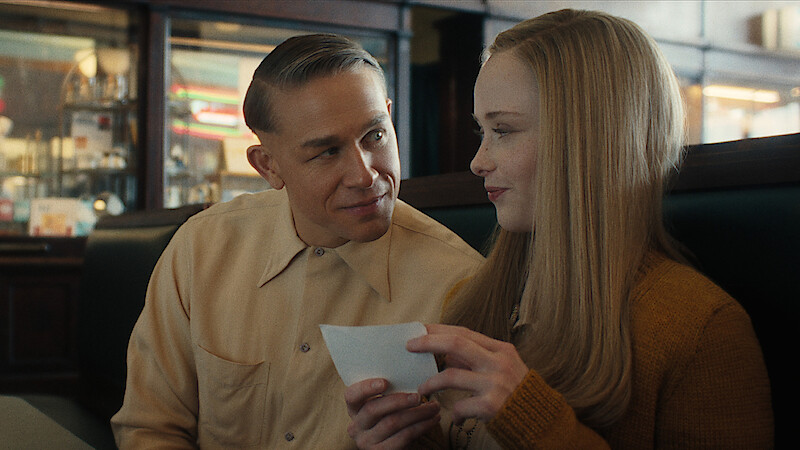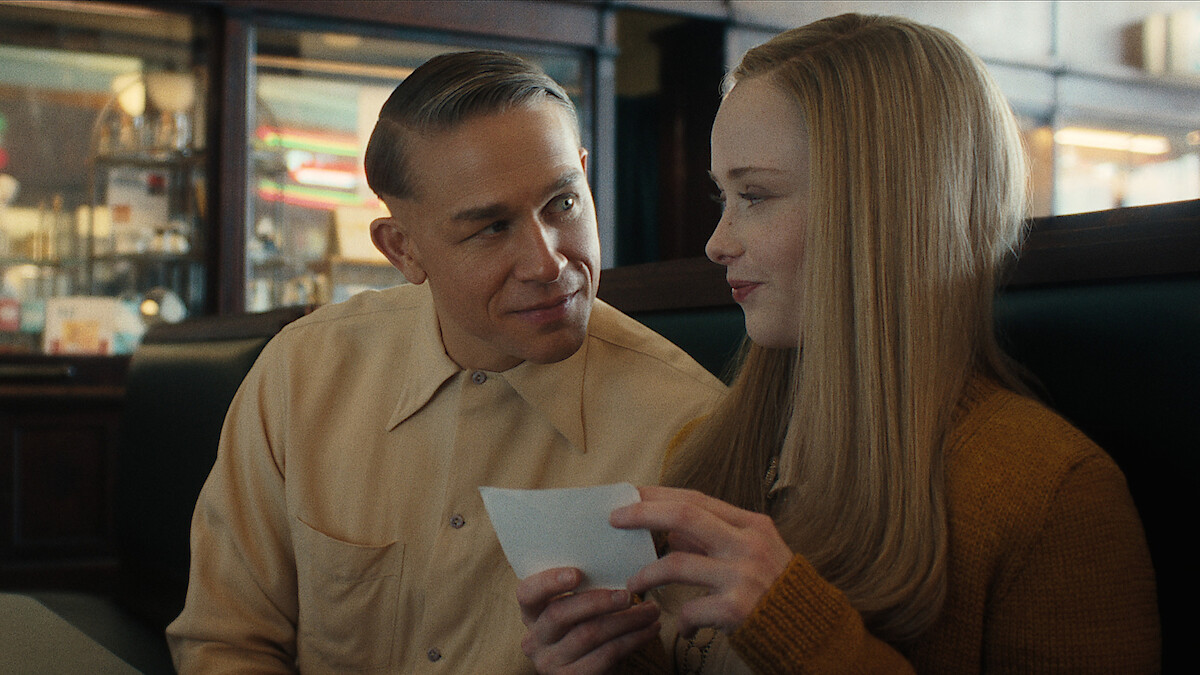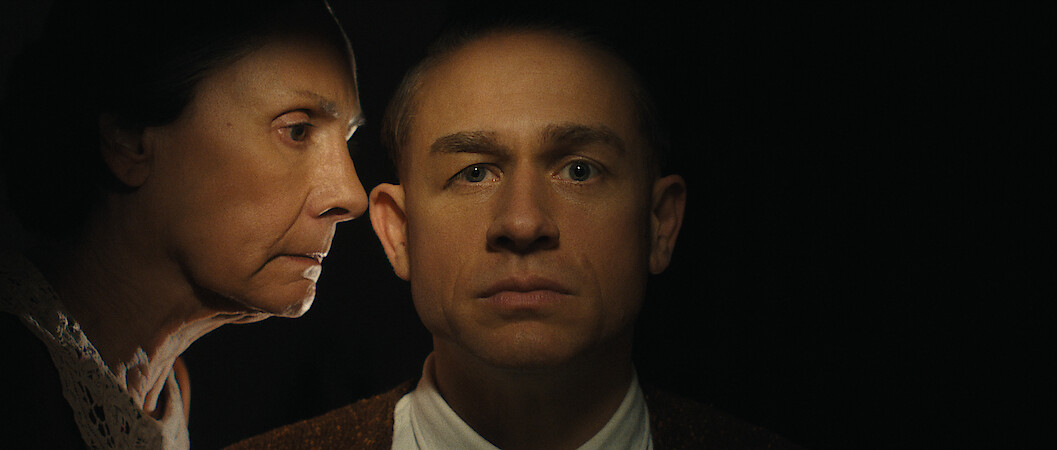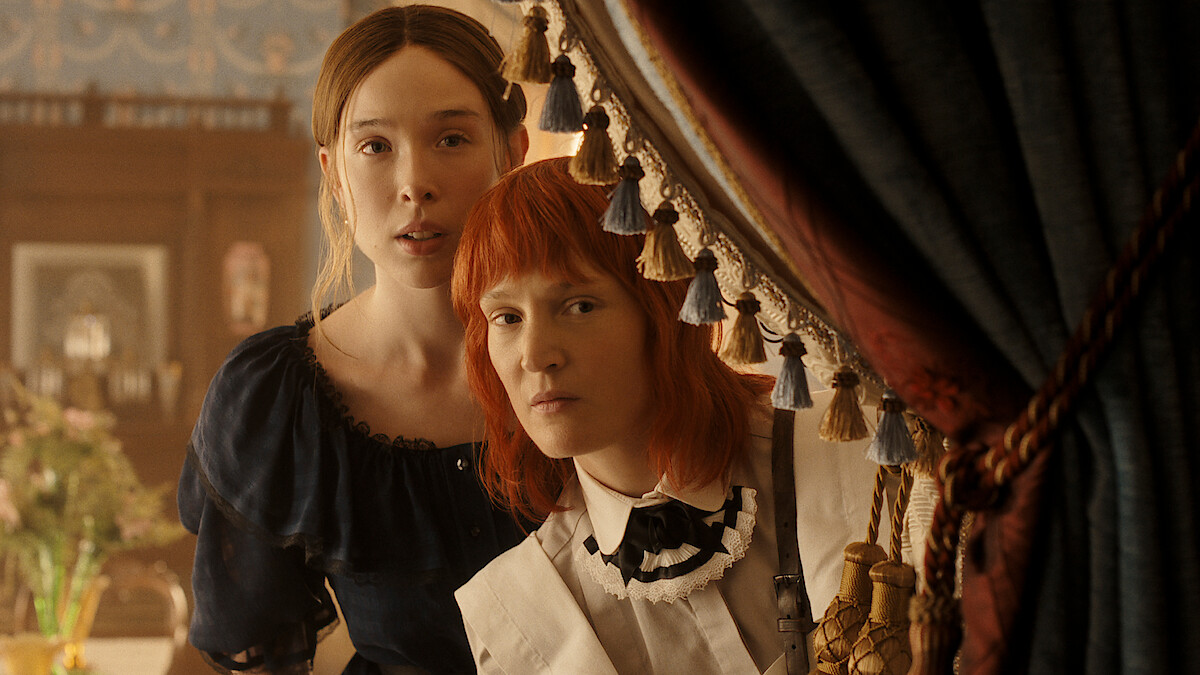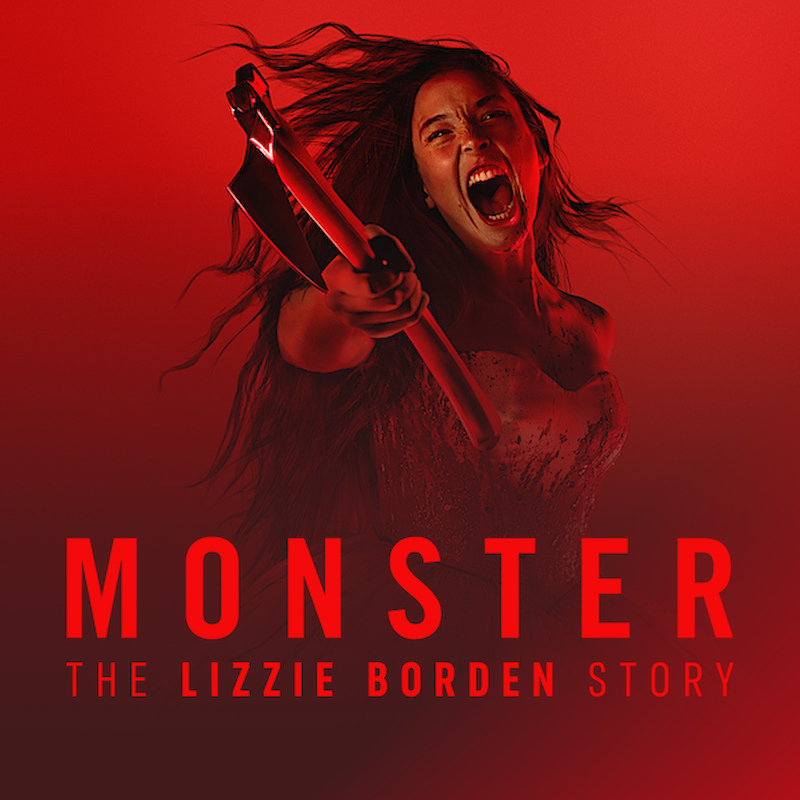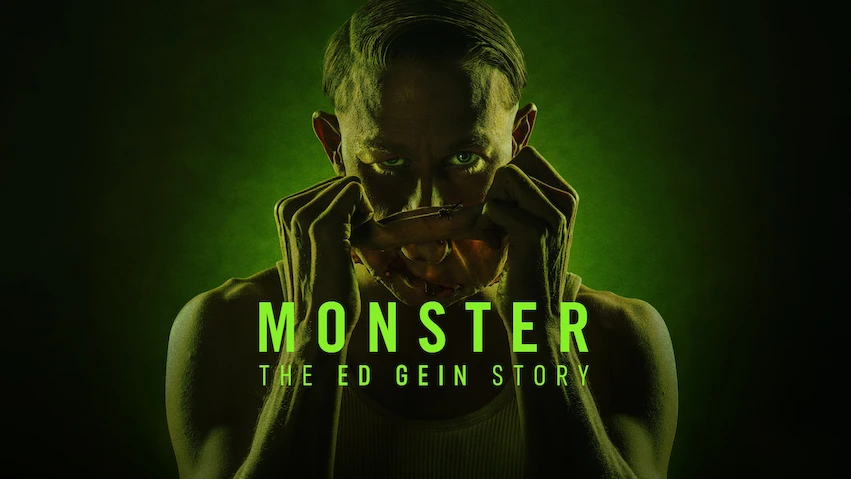



Threads of significant color are woven into the fabric of the Monster anthology.

Charlie Hunnam has never been afraid of a challenge. Since his breakout role at just 18 years old in the original British version of Queer as Folk, he’s had the kind of spark that’s impossible to look away from — whether he’s anchoring epic adventures like Guillermo del Toro’s Pacific Rim or James Gray’s The Lost City of Z or commanding an ensemble through seven seasons of the vigilante motorcycle gang drama Sons of Anarchy.
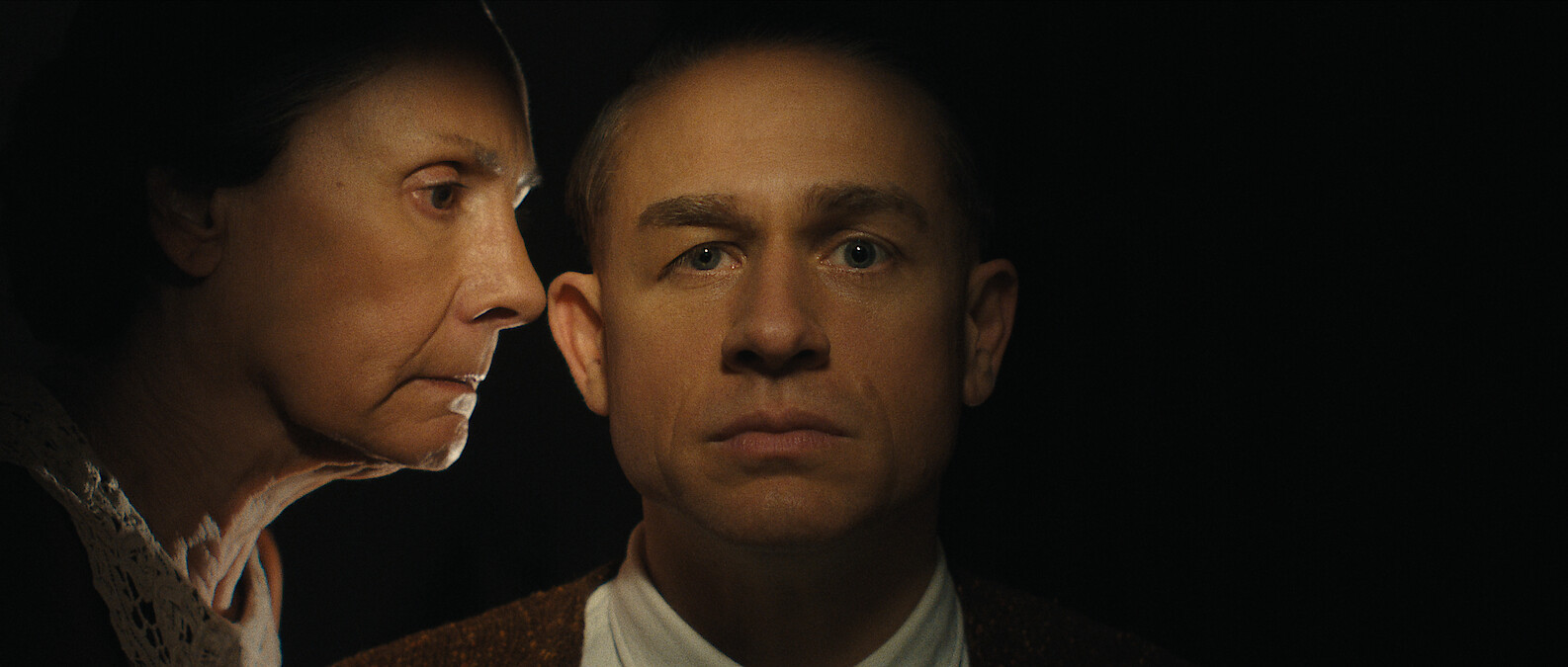
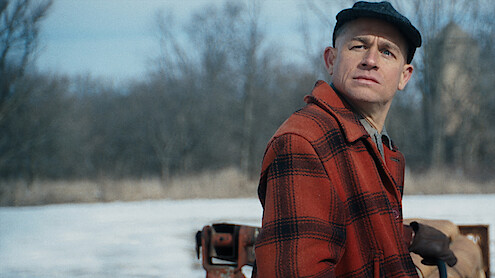
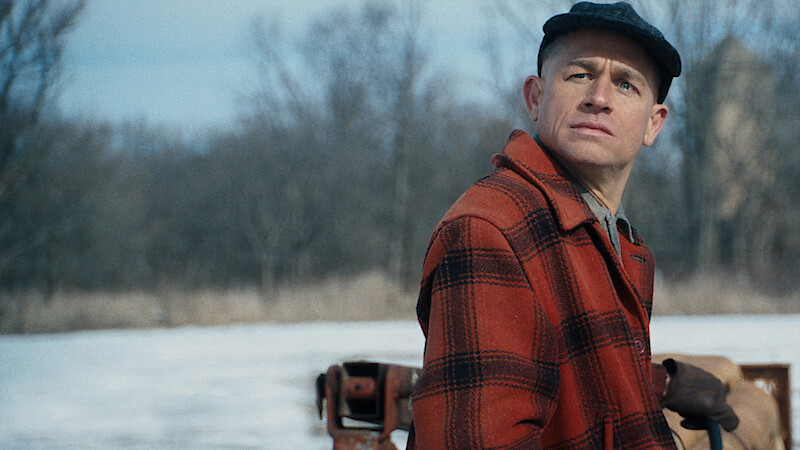
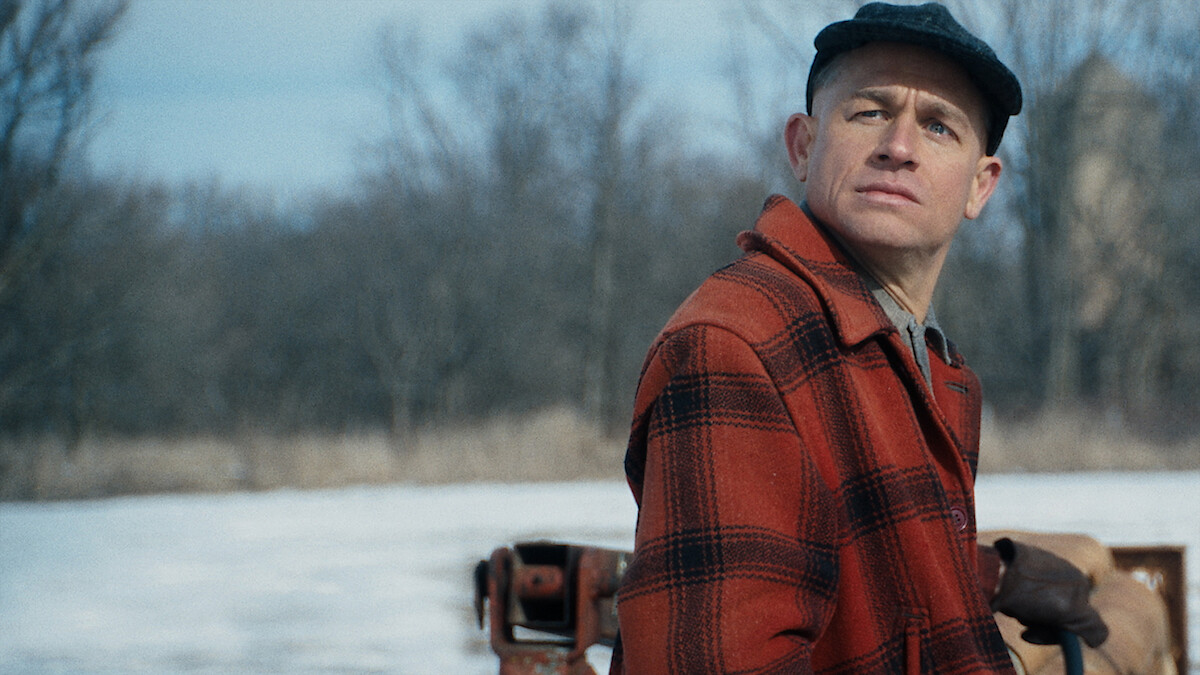
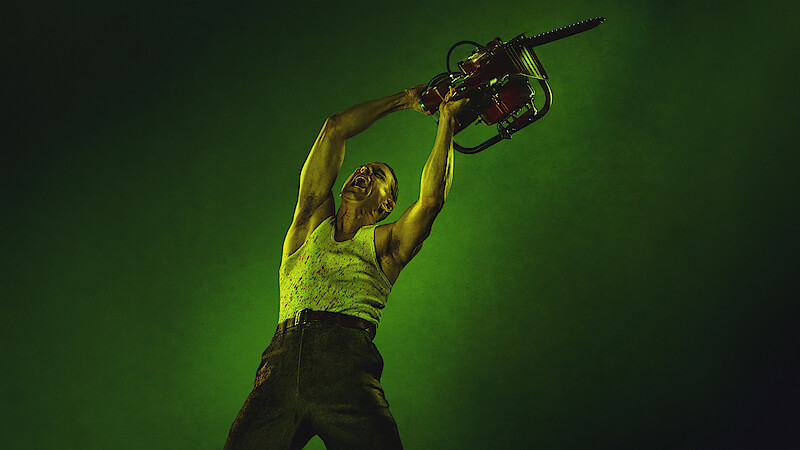
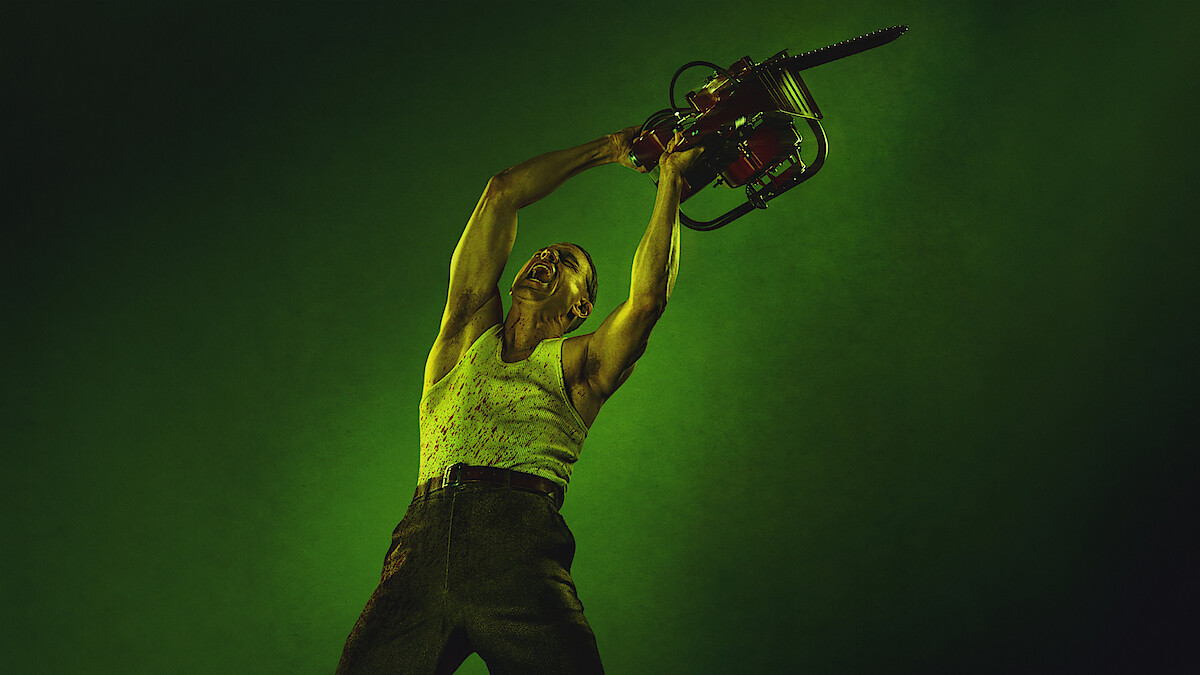
Now, some 25 years after his breakout performance, Hunnam has taken on a role far outside anything he’s ever done. As the lead of the third season of Ryan Murphy and Ian Brennan’s anthology series, Monster: The Ed Gein Story, he was tasked with bringing the story of the real-life serial killer Ed Gein to chillingly vivid life.
Playing a murderer as haunting and disturbing as Gein, whose crimes loosely inspired legions of films and media — including the culture-shifting Psycho (1960), The Texas Chain Saw Massacre (1974), and The Silence of the Lambs (1991) — could never be easy. But in a series that interrogates how real-life monsters are created, Hunnam faced the formidable undertaking of bringing humanity to the inhumane, while still exploring the deep darkness that catapulted Gein to infamy.
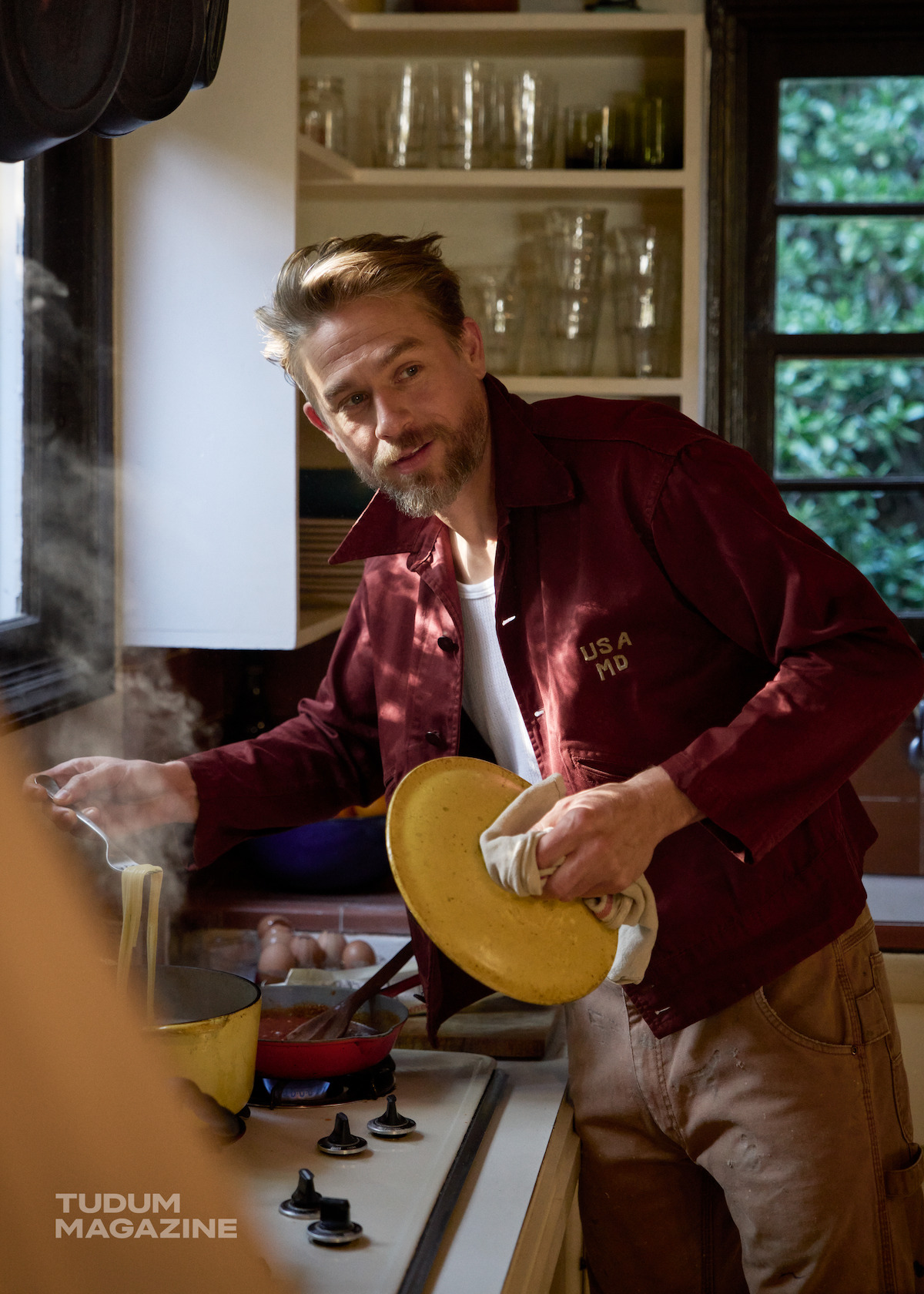
Spoiler alert: Hunnam threads the needle perfectly. With his high-pitched voice and hulking but vulnerable demeanor, Hunnam’s Gein is a master class in creative commitment. Alongside acting legends Laurie Metcalf, Lesley Manville, Vicky Krieps, and Tom Hollander, Hunnam hooks us with a performance as hypnotic as it is horrifying.
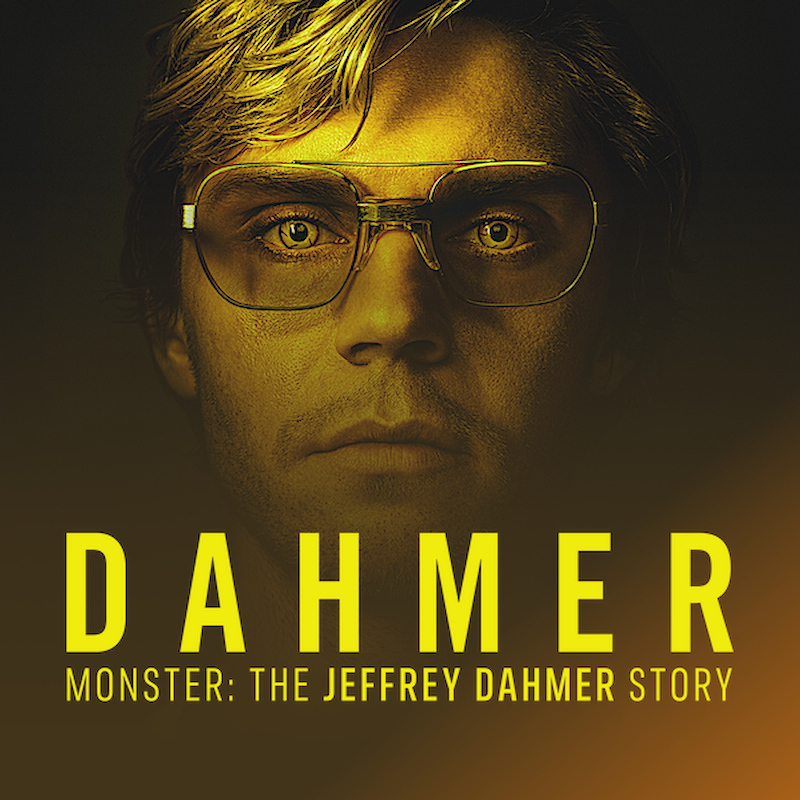
As with the other two seasons of Monster — which centered on Jeffrey Dahmer and the Menendez brothers, respectively — The Ed Gein Story has been a global sensation. Hunnam’s performance earned Golden Globe, Actor Award, and Critics Choice nominations, and the performer will return in the next installment of the Monster anthology, playing Andrew Borden in a season that focuses on Lizzie Borden. Here, Hunnam reflects on his first meeting with Ryan Murphy, his passions on and off the screen, plus how an actor steps into (and, just as importantly, out of) a role like Ed Gein.
An edited version of the conversation follows.

Krista Smith: Monster: The Ed Gein Story isn’t an easy watch, but you are just so captivating, I couldn't stop watching. I had heard of Ed Gein. Obviously, I’d seen Psycho, The Silence of the Lambs, and The Texas Chain Saw Massacre. But I didn’t know anything about Gein.
Charlie Hunnam: He had such an enormous cultural impact and yet most people actually don’t know the story of Ed Gein himself. Working with Ryan [Murphy] was a joy. I also have to attribute a lot of my success in that show to Max Winkler. He’s a dear friend of mine who was the producer and directed six of the episodes. He had just had this instinct that getting Ryan and I together would be a good thing and that maybe it would lead to something that we could all do together.
When I went in to meet Ryan initially, I thought we were just meeting generally. Max intentionally came an hour late because he wanted Ryan and I to have some time together and to get to know each other. And Ryan — he came just full of creative fervor. He had been writing all day on Monster. We just started having this great creative discussion. I was so taken by his enthusiasm — there was nothing jaded or tired about him, even though he’s told, at this point, a hundred stories. I was just so taken by him, his process, who this character that he was describing to me was. Then two hours in, he just said, “I think you should play him.”
I want to talk about Ed’s high-pitched voice, because it’s so specific. And it’s so delicate. I read that you got access to a tape-recording of him — how was it to first hear his voice?
Hunnam: It was very, very hard to get that tape. I got them probably only about 10 days before we started shooting. So I’d already had to commit in a vacuum to what this voice was going to be, which was actually really great because we knew that we wanted the voice to be specific, but we had no reference point. So I had to go back to the research and say, “How can we bring forth everything we know about this character in the way he moves and the way he sounds?” There was a lot of text about how Ed would break down in tears. He’s very delicate, he’s very vulnerable. One of the reasons he had so much trouble ingratiating himself in the society around him was that he just didn’t really know how to interact with people in a normal way. And part of it was that fragility.
The voice became the thing I [used] to explore more of his psychology. He was told every day by his mom, who was the most important person in his life, that she hated him because he wasn’t born the daughter that she always wanted. So that was the access point to me. I thought, “If this boy is sort of in isolation with this woman, who was his only opportunity for love, how would he go about achieving that?” It seemed clear to me that maybe one of the ways he would do that was to try to affect the thing he thought his mother wanted him to be, so he would sound like the daughter that she wanted. It was a swing. I was terrified. I thought, “Boy, oh boy, this could go so wrong.” It seemed so crazy when I started to do it.
After shooting, how did you let go of Ed? You spent so much time with him.
Hunnam: The hardest part of the process for me is ending. When I’m working is the time when life makes sense. I don’t know how to live a regular life. I do it because we all have to, but life makes sense to me when I’m working, when I have a mountain to climb and a community around me and singular focus and all that — enormous purpose.
Then it ends abruptly. You’re in it, it’s complete immersion, and then they call cut on the last take, and you’re finished. And invariably, there’s an enormous amount of wreckage that happens to one’s normal life in that period because you’ve horribly neglected it while you’ve been 100% focused on this other thing. So I find it very difficult. I often find a period of depression follows where I’m just feeling a bit lost, sort of ungrounded.

So what is your life like after you spend a week decompressing?
Hunnam: I ate everything because I had been starving myself for six months. I had been depriving myself of ice cream, so there was some ice cream involved. There was some liquor involved because, as we all know, liquor’s no good for the waistline. I actually had been renovating a house while I was doing all of this, which was suboptimal conditions to be trying to concentrate on Ed Gein.
And you have a ranch, right?
Hunnam: Yeah, I have a ranch north of Santa Barbara in the Santa Ynez Valley, which is my happy place. That’s where I go to howl at the moon and have a campfire and drink a little too much whiskey. There’s this completely unspoiled valley that’s never been built on, and that came up for sale, so I went out there and just had this deeply emotional experience walking that land and feeling connected to it. I’d been walking for about 45 minutes, and the sun was setting, and I looked over, and there was a mountain lion about 300 feet from me, just watching me. I know everyone who knows anything about the natural world is going to say I’m an absolute idiot, but I just had this instinct. I said, “I just don’t feel threat from this animal right now. I feel curiosity.” So I made myself small. I sat on the ground, and it sat down, and we just had one of the most seminal, glorious moments of my life — we just looked at each other for a good two or three minutes, and then it just got up and walked away.
Actors always say you can’t judge your characters, otherwise you can’t play them. When you were pacing yourself through this script, how were you getting into the mindset? How did you really get to him?
Hunnam: There were no scripts available initially when I started the process. So it was down to me just doing my own research. I set about tasking myself as the leading authority on Ed Gein. I read absolutely everything, including this giant, thick dossier of all of his medical records, which was the most helpful. Most of the literature that has been written about Ed are these sort of sensationalist, grotesque catalogues of his misdeeds. They weren’t tasking themselves with exploring the man behind this or the reason he did it. They were just sort of entertaining themselves with the facts of the grotesqueness of his behavior.
There was a moment where I really felt like I’d made a mistake. It seemed so impossibly dark and horrible, and I was really struggling to find my way in. Reading those medical documents was sort of a turning point. But at the same time, I knew from the beginning that this was going to be a huge challenge, and I really wanted that. I sort of wanted to embrace the darkness. I thought a little bit about why we tell these stories. To ruminate on corners of the human condition that are difficult to understand. That’s the function of storytelling. Within that, telling dark stories has real value because it’s very difficult to understand why evil people do these types of things.
I think the function of these shows is for people to test themselves and face the darkness a little bit. We’re all afraid of the boogeyman, right? We all have this sense of something terrible that’s lurking in the shadows. And to turn around and face that is really, really helpful. All our fears come from somewhere in us. The illumination that comes from that is the gift.