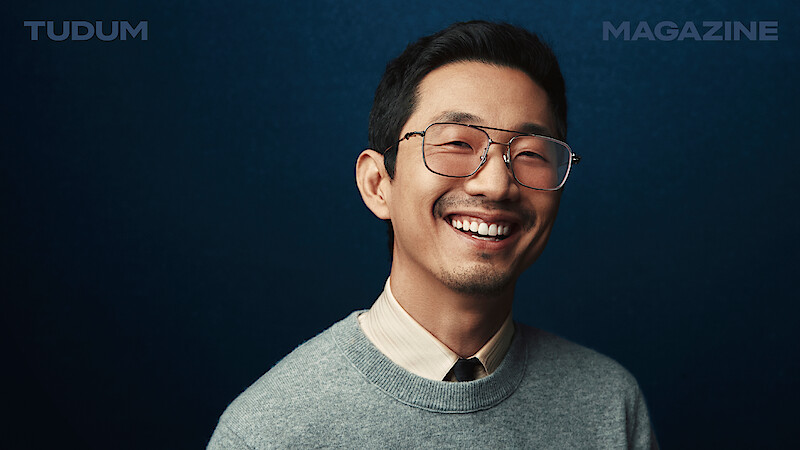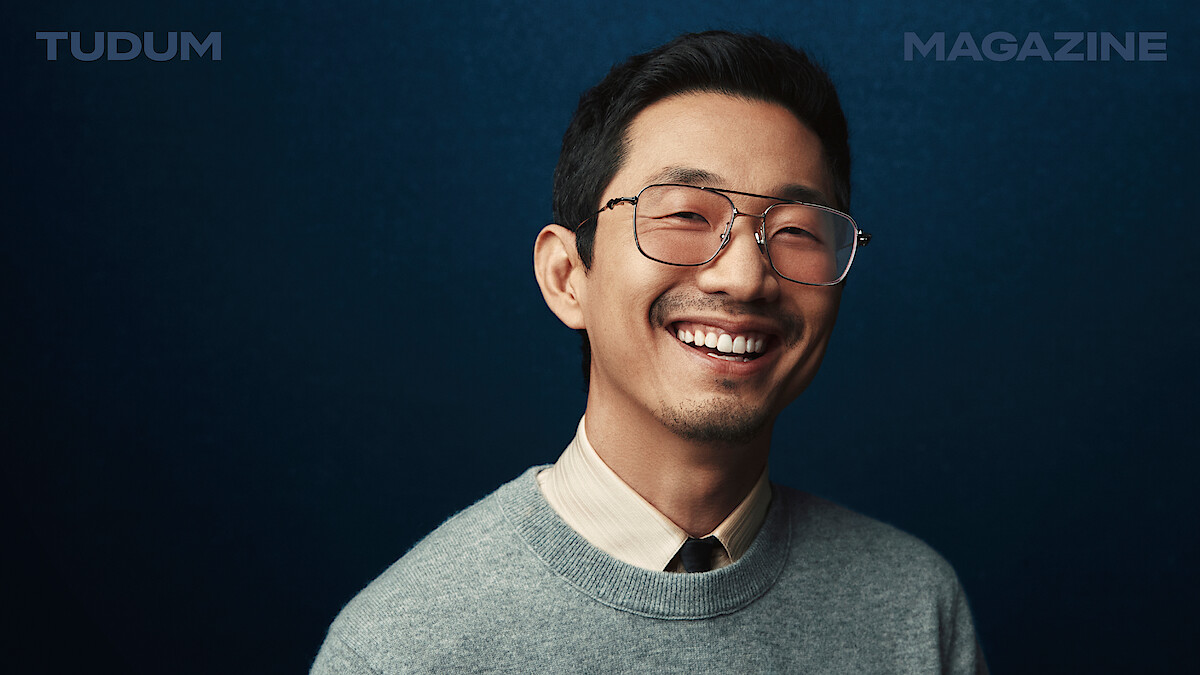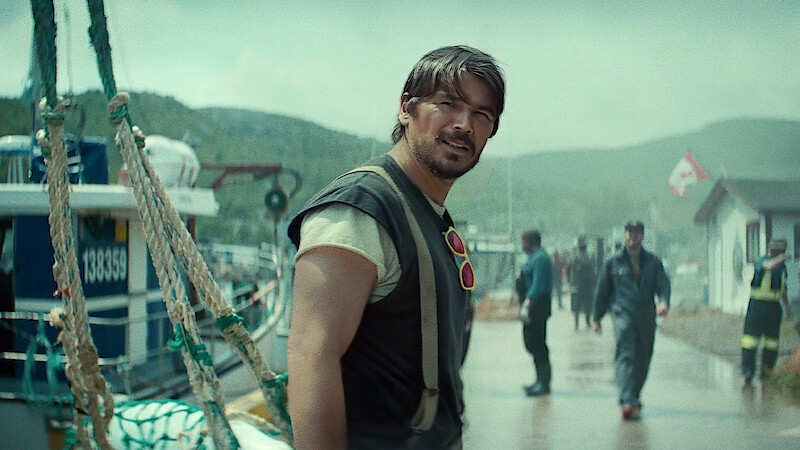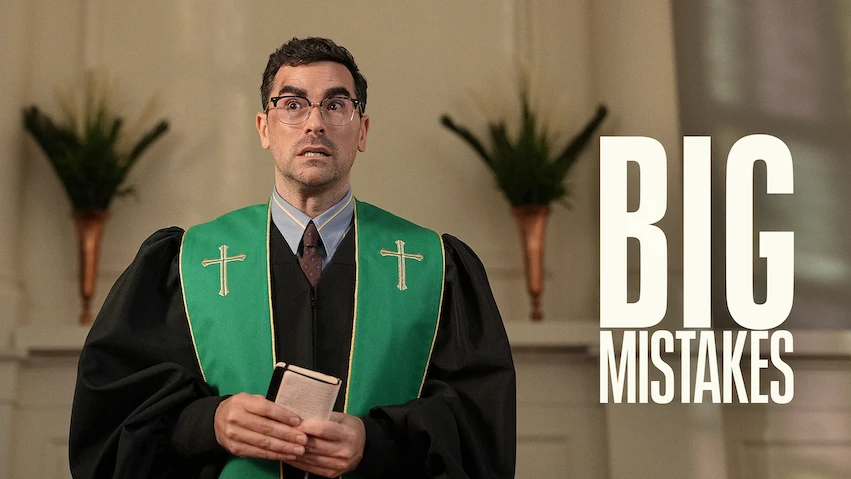
The Dan Levy crime comedy has officially started filming Season 2.

The Schitt’s Creek creator returns with a chaotic sibling story of crime, family, and bad decisions.
It’s been six years since Dan Levy closed a big chapter of his life. Schitt’s Creek, the beloved comedy he co-created, starred in, and won four Emmys for, may not seem like it was that long ago, as Levy’s perfectly written and delivered lines continue to reverberate to this day, but it was, in fact, more than half a decade ago. “That’s how long it took, really, to get an idea that I felt as strongly about as I did when we started Schitt’s Creek,” explains Levy. “When I finished Schitt’s, I really thought, like, I don’t know how I can do anything after this.”
Thankfully, that idea is Big Mistakes, Levy’s return to television, and his latest comedic exploration of the hilarity and complexity of familial bonds. During his downtime, Levy directed and wrote his first film, Good Grief, in which he starred alongside Ruth Negga and Himesh Patel, joined the final season of Sex Education as Mr. Molloy, and hosted the Emmy Awards with his dad, Eugene Levy, among other things — all while his next series was percolating. “This show really kind of opened this window of possibility, and I realized I am just as excited about this as I was [about Schitt’s Creek].”
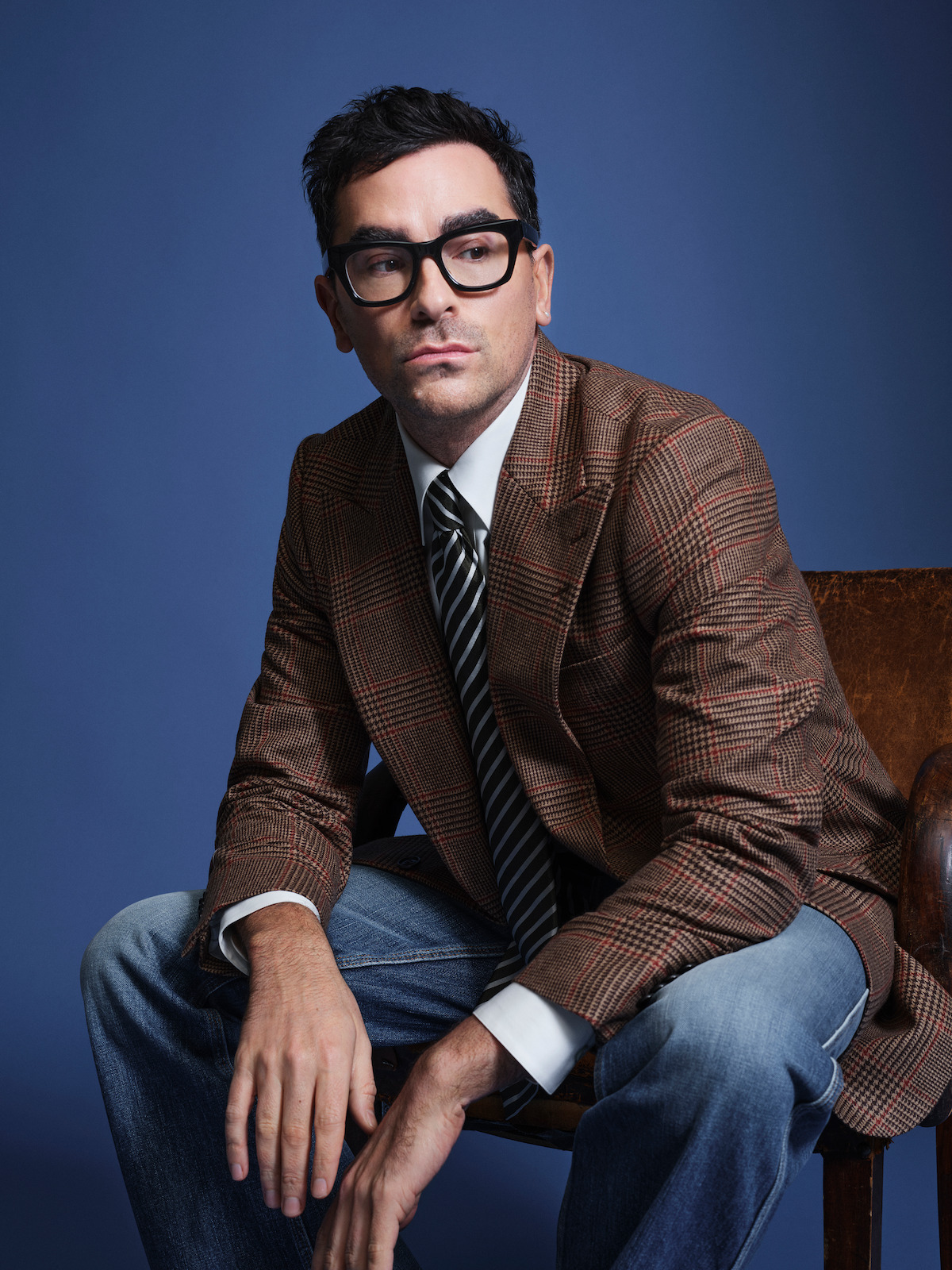
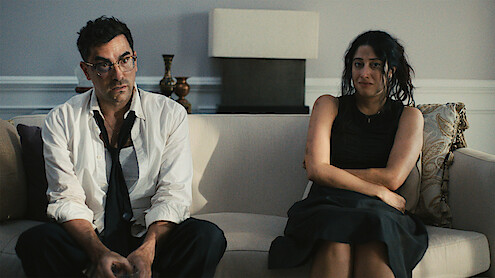
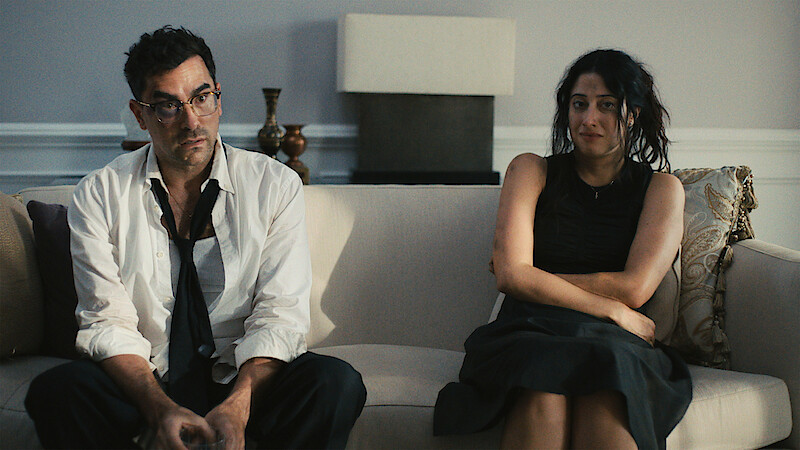
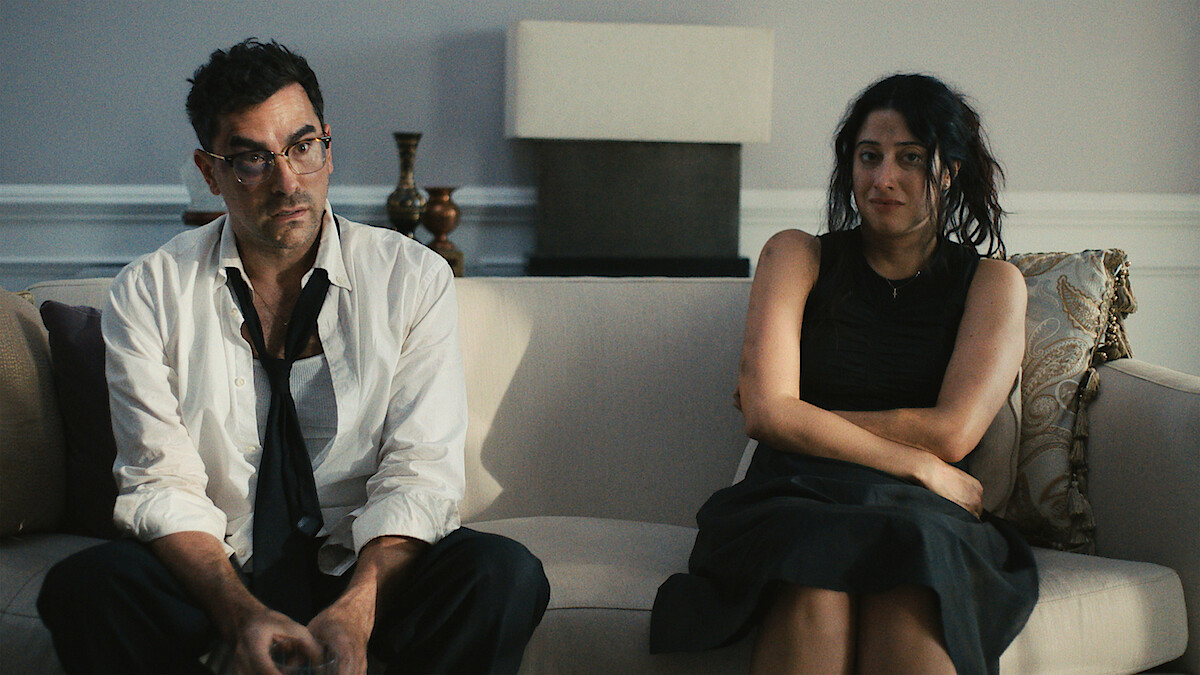
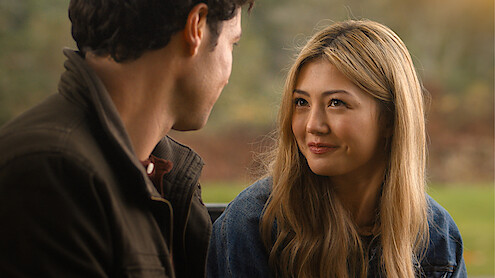
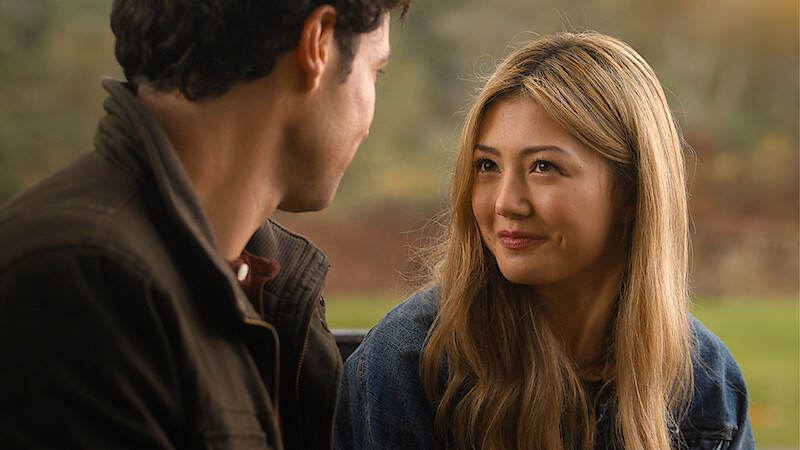
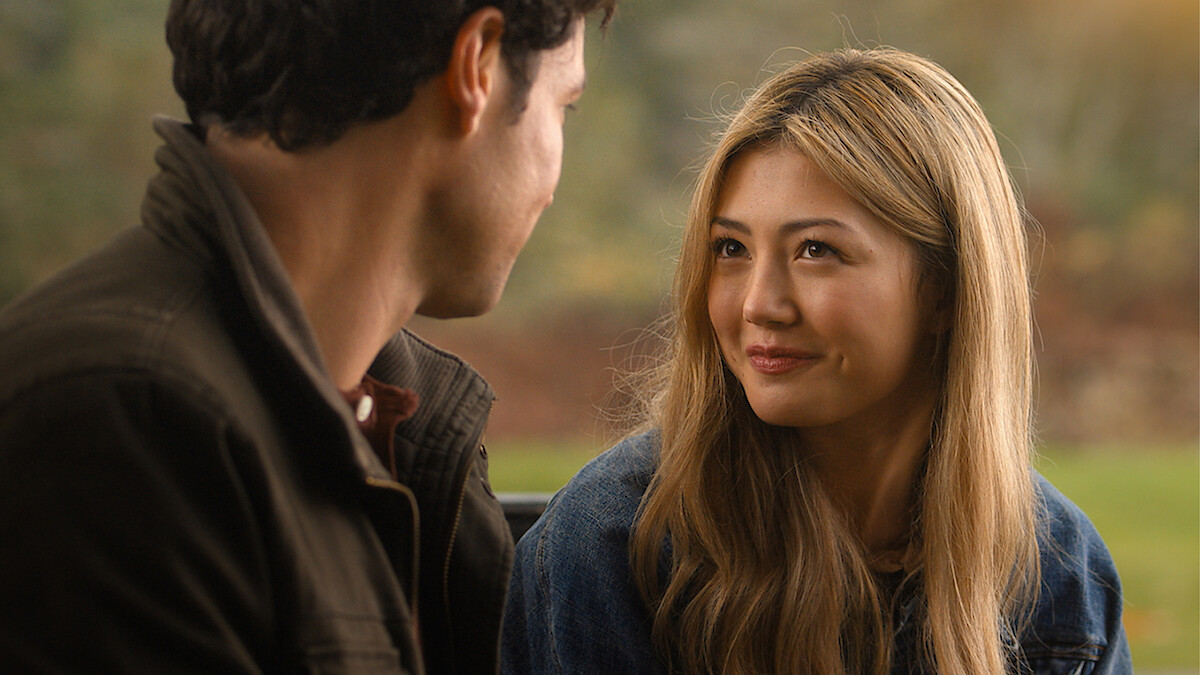
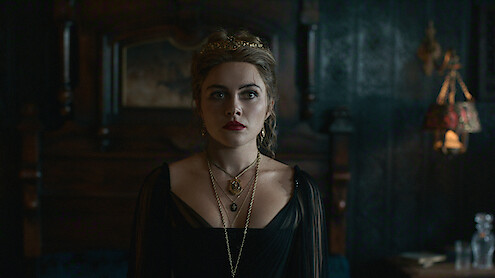
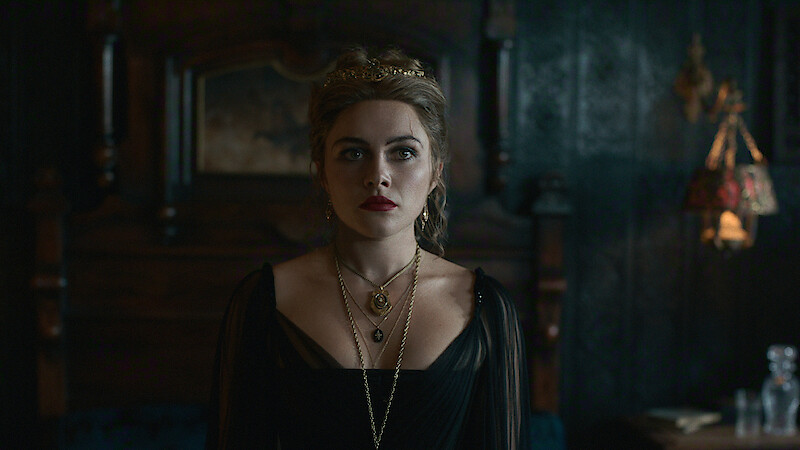
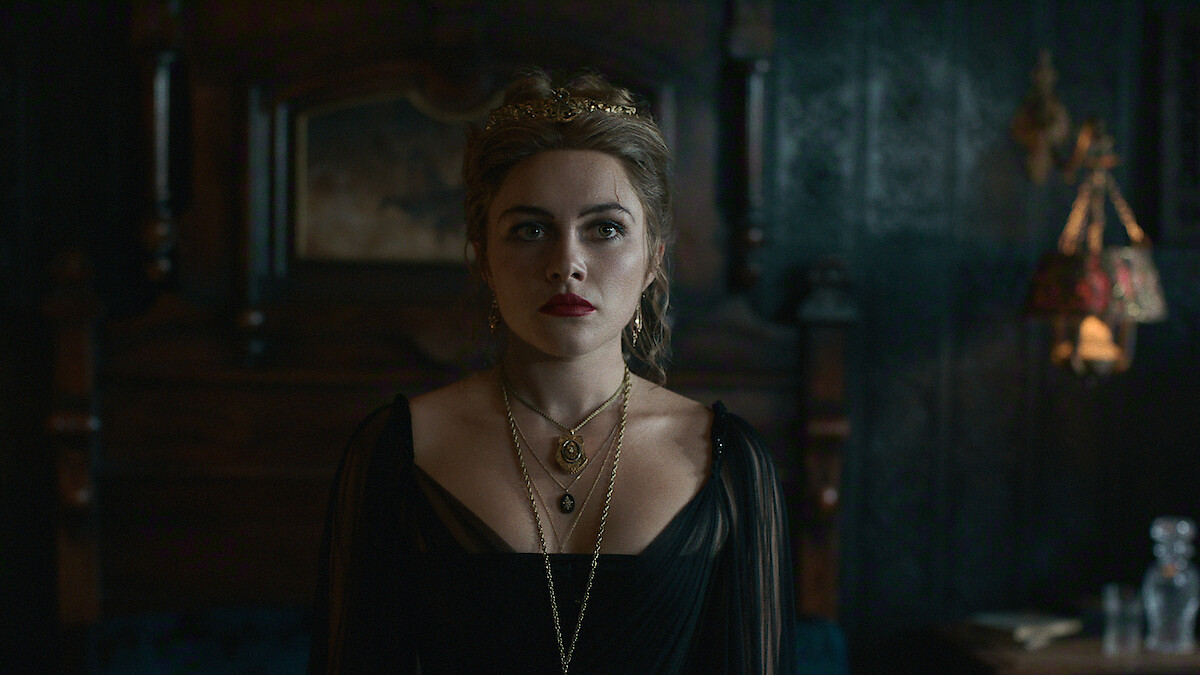
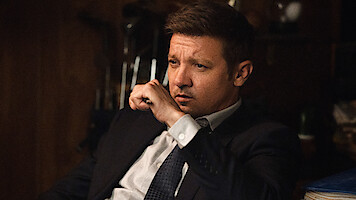
Levy stars, executive produces, and showruns Big Mistakes, which follows two deeply incapable siblings, church pastor Nicky (Levy) and his school teacher sister Morgan (Taylor Ortega), who find themselves pulled into the world of organized crime after Morgan steals a necklace from a store, intending it to be a gift for their dying grandmother. After their petty theft, Nicky and Morgan are blackmailed into a series of alarming criminal assignments, all while their overbearing mother, Linda (Laurie Metcalf), is mounting a run for mayor of their suburban New Jersey community.
The comedy thriller may be a high-stakes odyssey with action and unexpected adventure, but it shares a common thread with Levy’s previous comedic creations. “What I loved about it is that it’s so different from Schitt’s, and scratches such a different itch, but at the same time it’s an exploration of family,” says Levy, who co-created the series alongside Rachel Sennott. “They’re both explorations of family, just in very different ways. And I like to describe this show as kind of like a different book on the same shelf.”
It may have taken six years for Levy to find the same spark he got with Schitt’s Creek, but landing on Big Mistakes was worth the wait. “I never thought that would happen,” says the multihyphenate. “It’s a testament to the writers, to the cast and crew of this show. It’s so fun to do.”
You’ve always written characters who feel deeply human, even when they make questionable choices. What draws you to that kind of storytelling?
Dan Levy: I just think I’m really curious about real-life people. I think there has to be a point of relation from even the most absurd character to the audience, and I think that that connectivity is really rooted in humanity — you can make any kind of person relatable as long as they’re grounded in something. Casting is also crucial; making sure that you have the right actor playing the right part. And I was so lucky in this show to have Laurie Metcalf sign on from day one. Watching her perform as an actor, even in a scene with her, at times I had to remind myself that I was actually, like, with her as an actor and not just as an audience member. [With] Taylor Ortega, to be able to offer someone an opportunity to showcase all that they can do as an actor when they haven’t had that opportunity necessarily before in their career, it’s so thrilling. And Taylor knocked this out of the park.
What excites you most about playing Nicky, and how did you approach bringing the different sides of that character to life throughout the season?
Levy: A lot of playing Nicky is in response to playing David [on Schitt’s Creek.] Nicky is so concerned about what people think and how he shows up in a room. He’s making some really bad decisions, but they’re all rooted in well-intentioned action. He’s just trying his best. It was really fun to play a character that was very antithetical to a character I had played before, and it offered a whole new set of challenges. David was someone who wore all of his emotions on his sleeve and was so reactive, and Nicky is someone who is so insecure and so tightly wound.
What was it like writing the relationships between Nick and his sister Morgan?
Levy: This is by no means a reflection of my own family dynamic, but I think anyone who has a sibling understands how frustrating and also how funny that conflict can be, particularly when you were younger. I think about my sister and me getting in fights when we were, like, young kids, and how insane it all was. It’s fun to write that for adult people, and I think for Morgan and Nicky to find themselves in this situation that is trapping them to work together after so many years of being away, you do end up reducing them to their most childlike selves at times.
The series also features a fantastic ensemble that includes beloved veterans. Can you talk about the casting process and what it was like bringing that group together on set?
Levy: There’s always this fear when you’re casting that you might not find the right person. The euphoria of knowing that everyone is in the right place once that whole process is done, it’s like the greatest joy. Because it means that I don't have to worry, and I can really leave the scenes up to the actors and know that they just are going to bring whatever they have to the, you know, to the lines. Jack [Innanen], a fellow Canadian, crushed it. And Boran [Kuzum], who is a superstar in Turkey, this is his first big American job. And he brought such a warmth and a softness and a sensitivity and an eccentricity to Yusuf that was so fun to play with. I really feel like the ensemble as a whole is so strong. It’s not easy to ground suspense and thrills and also pivot to comedy within a single scene, or in some cases, a single line. It’s so hard on an actor, and I think it speaks volumes to the quality and the skill of this cast that they are able to make it all look so easy.
Circling back to Laurie, what made her so perfect for the character, and did you always have her in mind?
Levy: The minute Laurie signed on to the show, I knew that the show was going to be special. So much of this show orbits around the matriarch of the family, and I knew that that character had to be performed by an actor who brought something of themselves to every role that they do, and Laurie is so singular in what she does. She had such enthusiasm for the role and brought so much empathy and complexity and dimension and humanity to the character of Linda. As a writer, it was such an amazing thing to watch something that the writers and I had been building — watch [Laurie] take it and, like, lift it to this place that we could never have imagined. And she really acts as this gravitational pull for all of the rest of us to orbit around. And that’s the key to this show. She’s the glue to the whole family. And, like, what better person than Laurie Metcalf to come in and act as this gravitational center of everything?
Looking back at the experience of making Big Mistakes Season 1, what part of the creative journey has been the most meaningful for you?
Levy: The greatest takeaway for me as a showrunner is honoring the work of the cast and crew of the show. People take so much time out of their lives, away from their families, to make something. It becomes my responsibility at the end of the day to put it all together into a television show that lives up to what I hope all of our standards were, and honors all the work that was put in, and celebrates all the work that was put in. And so for me, the great takeaway of Season 1 of Big Mistakes is just how proud I am of everyone’s work and how I feel like we managed to put it on the screen. It’s all there. It is a celebration of cast and crew, and that’s all I can hope for. So, like with all the work that I do, I just want to live up to the hopes of my cast and crew, because they’ve put in a lot of work, and I just want to make sure that the final product honors all of that. So I feel very happy with what we’ve made and very proud of the team.