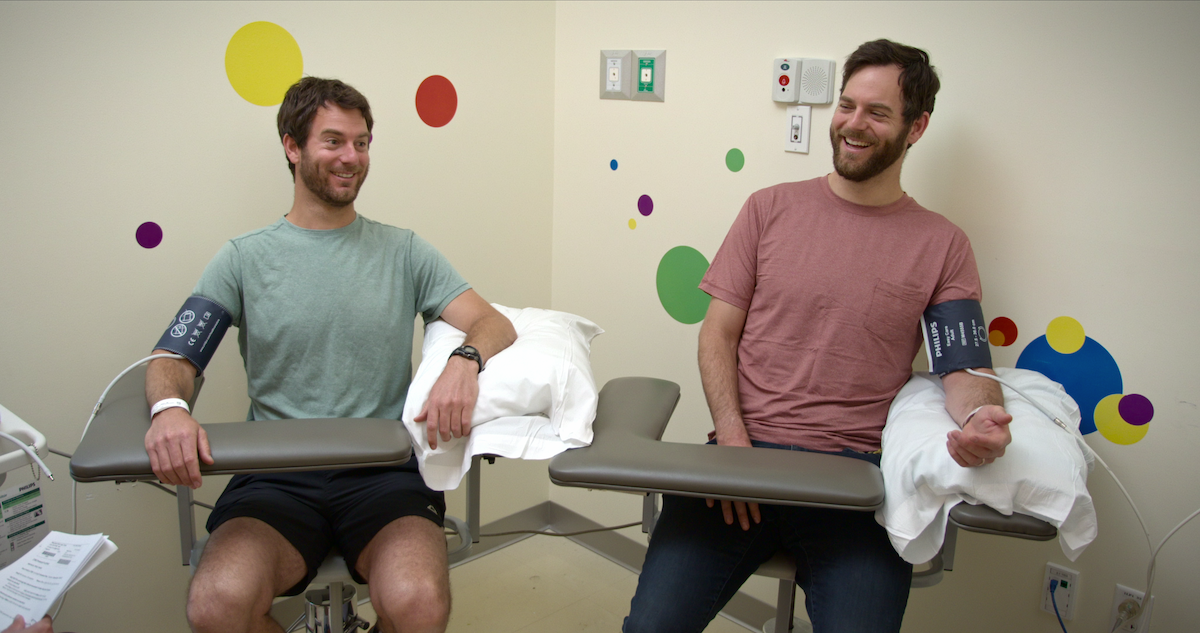
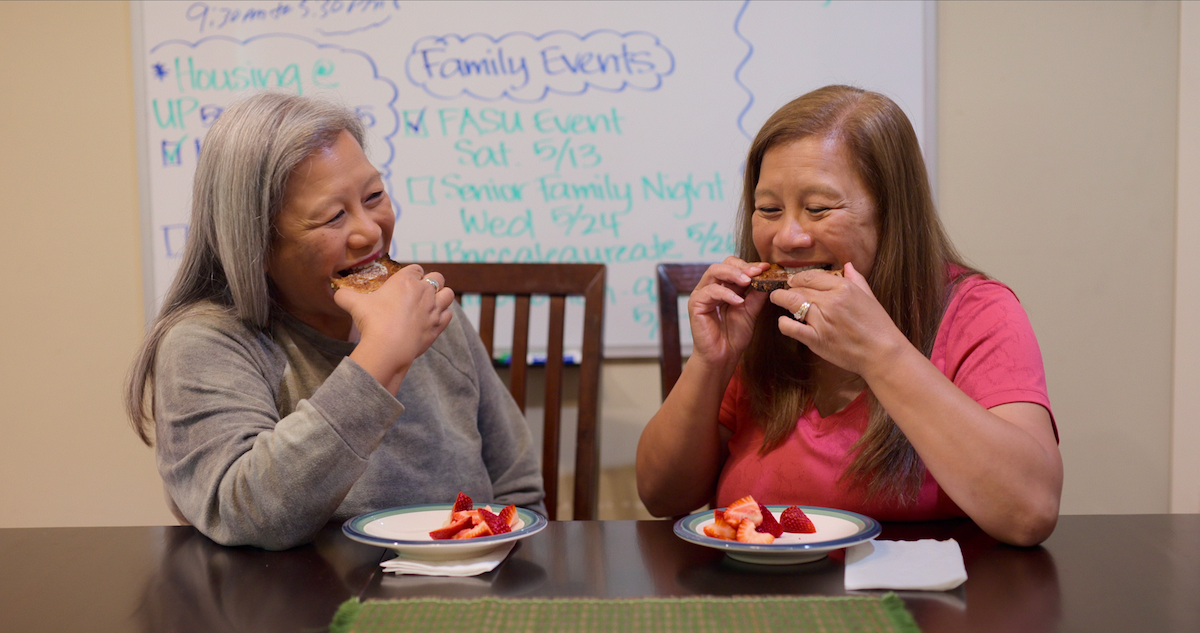
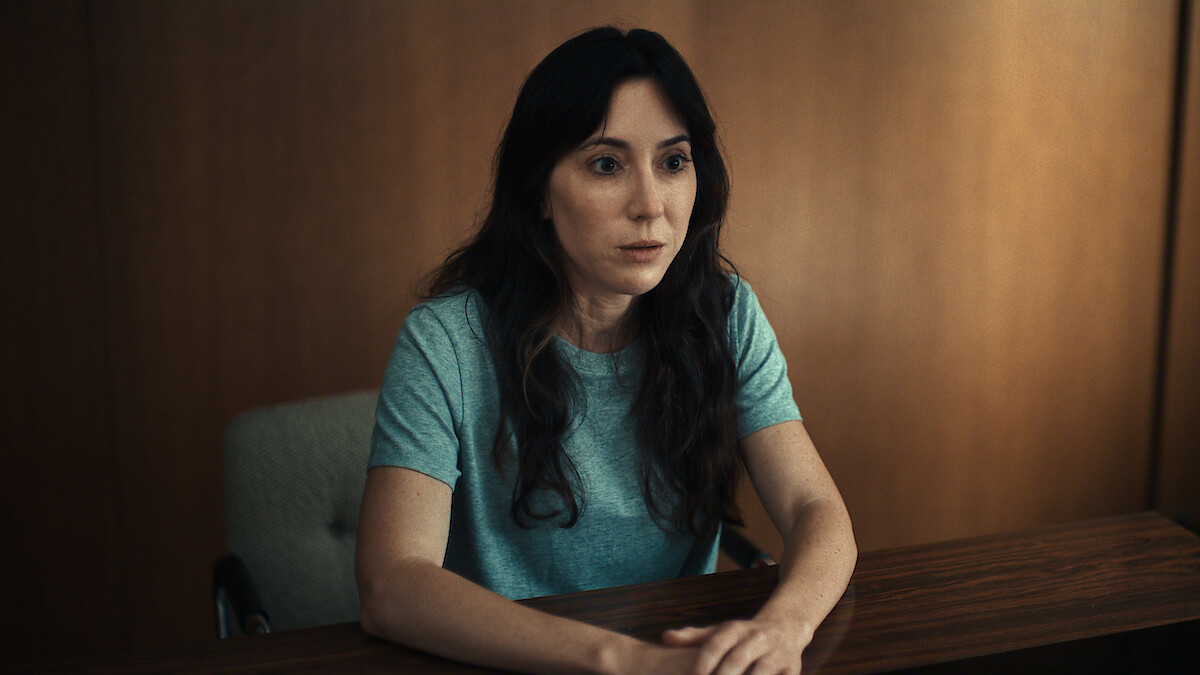
If you’re looking for New Year’s resolution inspo, look no further. The Netflix documentary You Are What You Eat: A Twin Experiment chronicled a Stanford University study of identical twins and followed twin pairs: one twin was put on a vegan, or plant-based, diet (free of meat, seafood, eggs, and dairy), while the other ate an omnivore diet (including plants, meat, and animal products). The study found that, after only eight weeks, the twins eating the plant-based diet experienced an increase in life expectancy, reduced visceral fat (the dangerous fat that accumulates around your organs), reduced risk of heart disease, and even a heightened sexual drive.
What were the biggest takeaways from the experiment?
The doc series investigated the plant-based food experiment and provided education on the history of the Standard American Diet. It outlined the rise of factory farming and ultra-processed food and argued that plant-based diets have a number of health benefits, from reduced cholesterol and decreased inflammation to an increase in healthy gut bacteria.
“For me, plant-based eating is the direction to go,” said one of the twins in the series, commenting on whether this will change their behaviors afterward. But when the cameras stopped rolling, did these convictions stick, or did they slip back into their old food habits? We caught up with the twins to find out.
Pam and Wendy
About
PAM FOLLOWED THE PLANT-BASED DIET
Before the study: Omnivore
After the study: Omnivore with reduced red meat
WENDY FOLLOWED THE OMNIVORE DIET
Before the study: Omnivore
After the study: Omnivore with reduced red meat
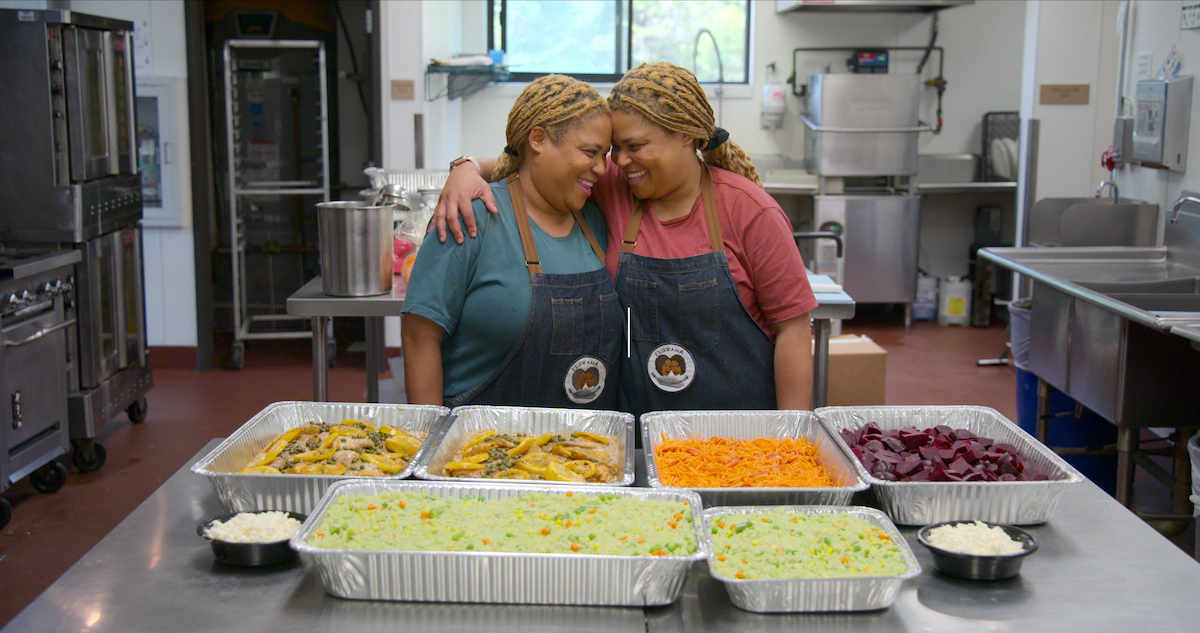
This charismatic pair are inseparable: They live together, travel together, and run several businesses together, including a catering business, cocktail brand, and more. You can find them shouting orders at each other in the kitchen, taste testing items for their catering business, or finding any opportunity to dance and sing.
Pam and Wendy grew up in South Africa eating meat every day. After participating in the Stanford health study, the two now say they describe their diets as “not fully plant-based,” but they certainly “don’t eat meat like before” — they’ve cut their meat consumption by around half. Cheese has also gone from being a daily occurrence to a special treat, and they always shop for wild-caught seafood.
The changes don’t stop at the end of their forks. Their catering business has widened its offering of plant-based dishes through simple flavorful swaps, like substituting cream for coconut milk. As food industry workers armed with the knowledge that eating more plants and reducing food waste are two impactful ways to slow climate change, they regularly share sustainable food practices with fellow chefs, like working with what’s in season or freezing produce.
IG: @amawelessacuisine
Charlie and Michael
About
CHARLIE FOLLOWED THE PLANT-BASED DIET
Before the study: Omnivore
After the study: Almost 90% vegetarian
MICHAEL FOLLOWED THE OMNIVORE DIET
Before the study: Pescatarian (ate fish and seafood, but not red meat or poultry)
After the study: Vegetarian
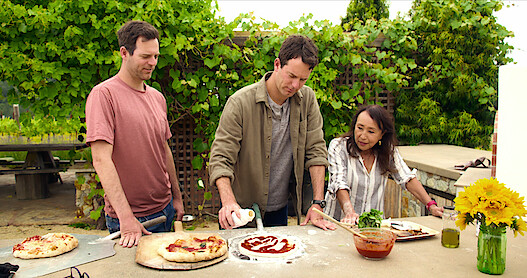
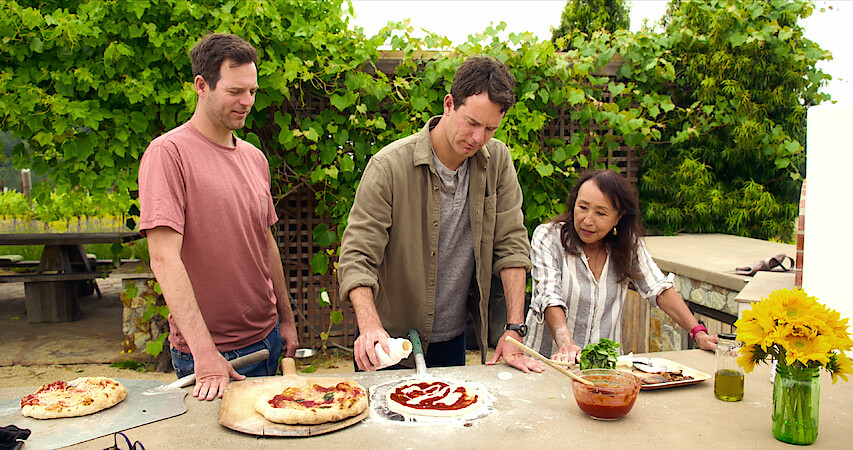
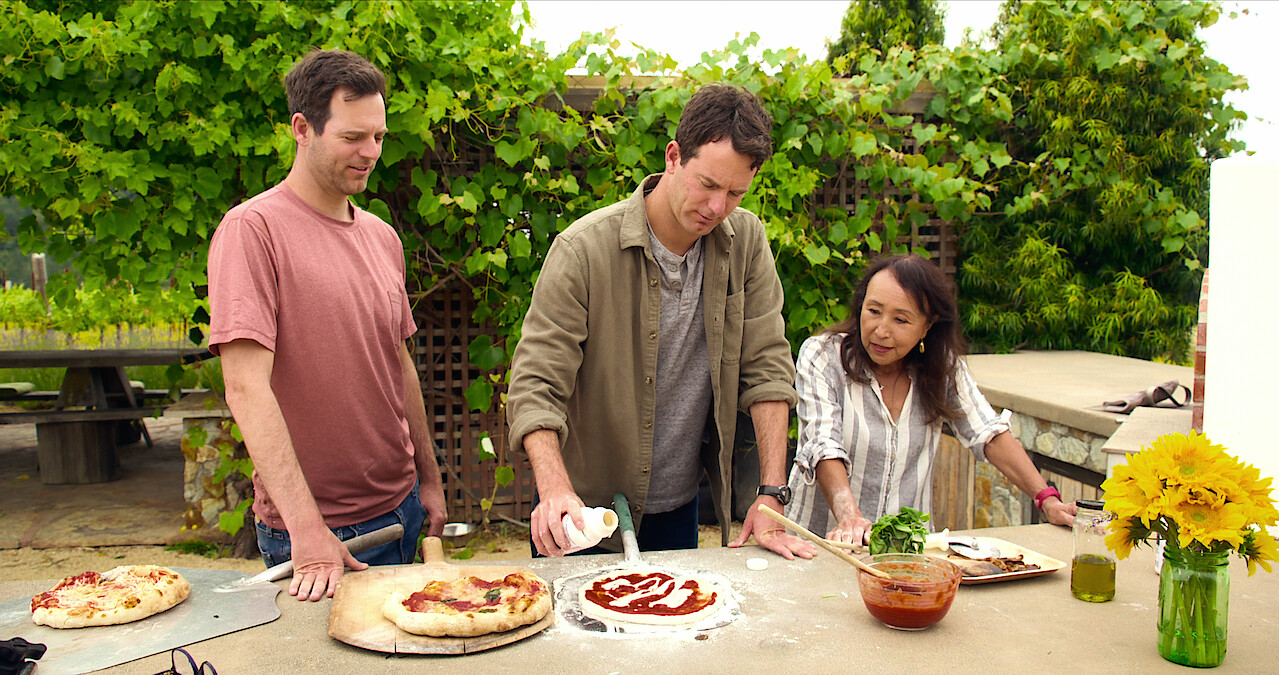
Michael and Charlie, otherwise known as the Cheese Twins, joke that having a twin is akin to being in a healthy, rewarding, long-term marriage. Both are Europe-trained cheesemakers, avid surfers, food safety experts, and TV regulars appearing on several cooking and food shows over their careers. Cheese, they say, was their “ticket to the world,” allowing them to travel to cheese farms near and far, even meeting their wives along their brie-lliant journey.
The food connoisseurs were conscious of the health and environmental implications of meat consumption even before filming You Are What You Eat and saw the series as “a way to take their knowledge a step further.”
A year since the series launch, they are turning that knowledge into action every day. By prioritizing vegan and vegetarian options at home and in restaurants, they’ve stuck to their “conviction of making the shift to whole-food, plant-based diet” with occasional exceptions. Making a big change in one’s diet is not easy, they say, so start with small changes and don’t define yourself with rigid labels. A laundry list of reasons informed these dietary shifts, including a concern about climate change, animals, worker safety, food safety, and of course, health. As for plant-based cheese, the twins recommend trying a fresh vegan cheese spread on a bagel.
IG: @thecheesetwins
John and Jevon
About
JOHN FOLLOWED THE PLANT-BASED DIET
Before the study: Omnivore
After the study: Omnivore with almost no red meat or dairy
JEVON FOLLOWED THE OMNIVORE DIET
Before the study: Omnivore
After the study: Omnivore with almost no red meat or dairy
Hailing from New York, John and Jevon are two recent nursing graduates who love working out and exploring their creative sides. (You can find them re-creating their favorite horror movie scenes on TikTok or recording R&B tracks under their artist name JFW.)
The twins used to eat a meat-heavy diet and were big steak and chicken lovers. But after learning about the outsized environmental footprint of red meat (a beef lasagna has 17 times the climate impact of a plant-based lasagna!), they’ve since cut it out of their diet and opted for other sources of protein. They’re now both eating more fruit, vegetables, beans, fish, and an occasional plant-based sausage — made with skills they learned filming with Danielle Daguio and Chef Que Broden of Keep Growing Detroit. Jevon and John even inspired their father to introduce more vegetables into his diet, saying that they’re grateful they had the chance to inspire their father when he’s been such a source of inspiration for them.
IG: @jfwidentical
TikTok: @jevonphenomenon
Carolyn and Rosalyn
About
CAROLYN FOLLOWED THE PLANT-BASED DIET
Before the study: Omnivore
After the study: Omnivore but eating more plant-based
ROSALYN FOLLOWED THE OMNIVORE DIET
Before the study: Omnivore
After the study: Omnivore but eating more plant-based
Carolyn and Rosalyn are no strangers to twin experiments. Active participants in several twin studies, they hope their participation increases representation of Filipinos in scientific research. Rosalyn is a high school teacher with a demanding schedule, and Carolyn is a sports relationship coach.
Before the experiment, Carolyn says she was a “simple eater” and didn’t put too much thought into her food choices, while Rosalyn described her eating as “omnivorous” and “healthy,” mostly thanks to her school’s cafeteria. Although pork is a mainstay in Filipino cuisine, day-to-day the twins ate limited amounts of meat. In fact, Rosalyn, who was assigned an omnivore diet, even struggled to eat the meat amounts required of the experiment. The biggest changes for them came from developing a greater awareness of food labels, ingredients, and plant-based options. Carolyn, for instance, started following plant-based restaurants and foodies near her, and even solicited a friend’s help to turn her favorite Filipino dishes vegan.
Rosalyn now chooses vegetarian meals at her school’s cafeteria, has reduced her intake of processed sugar, and takes the time to research her food choices. For anyone looking to eat more plant-based this New Year, they say “gradual integration will help with long-term adherence to your resolution.” They advise establishing one or two manageable goals, starting by eating plant-based food one day per week, and tapping into neighborhood gardens, farmers markets, or community organizations.
IG: @coachingkapwa
LinkedIn: Carolyn Sideco
No matter what diet you follow, the twins’ experiences remind us that small tweaks to the way we eat can have big effects.
If you’re looking to eat more plant-based meals, here are some of the twins’ top tips:
- Charlie and Michael: Learn how to marinate tofu.
- John and Jevon: Check out the variety of plant-based protein powders available.
- Carolyn and Rosalyn: Add plant-based protein to your salads to fill you up, like beans and lentils.
- Pam and Wendy: Freeze your fresh food; it’s higher in nutritional value and reduces food waste.
Want more?
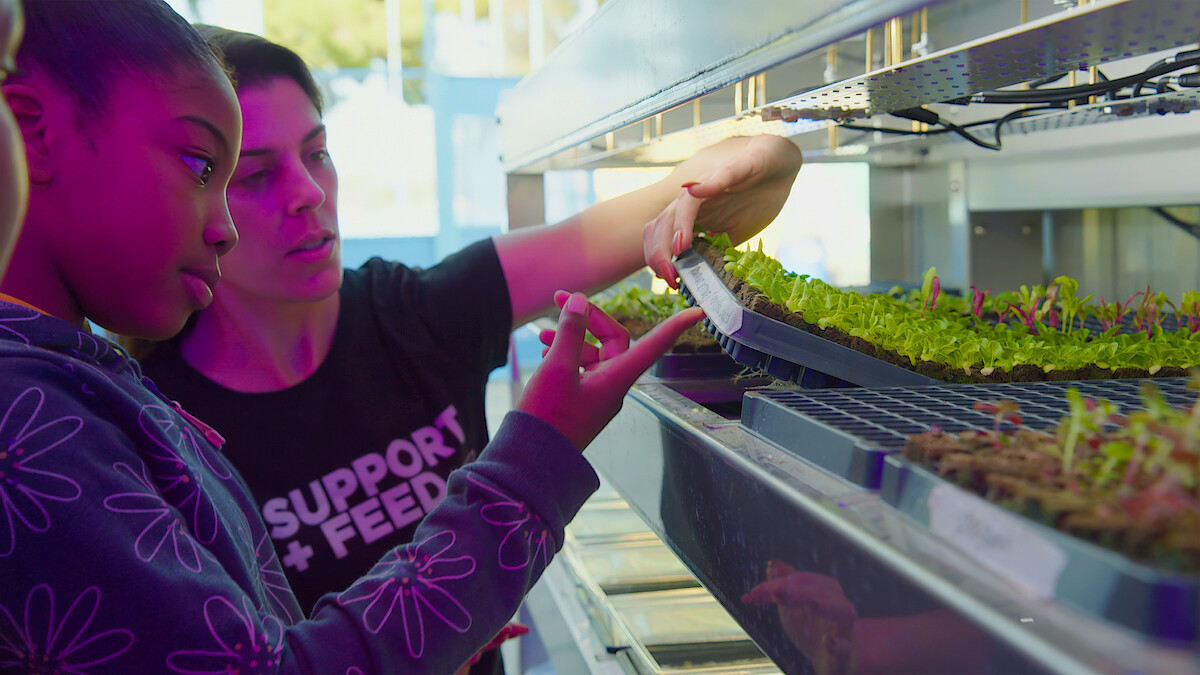
Learn about a study featured in the documentary which measured the effects of putting dogs on a plant-based diet. Then, watch this never-before-seen clip of actor Maggie Baird, mother of Grammy Award–winning artists Billie Eilish and Finneas, talking about organizations like Support + Feed, which tackle food insecurity by offering plant-based food to communities.
Watch You Are What You Eat: A Twin Experiment, now streaming on Netflix.