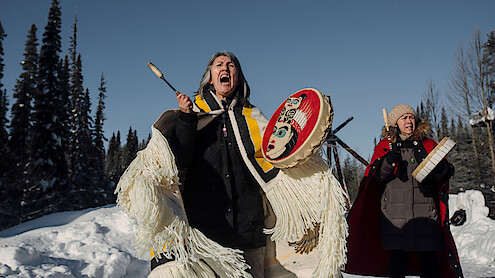
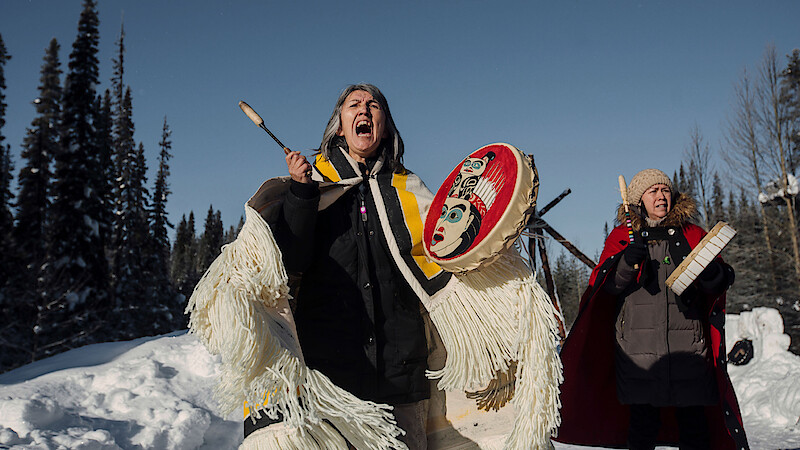
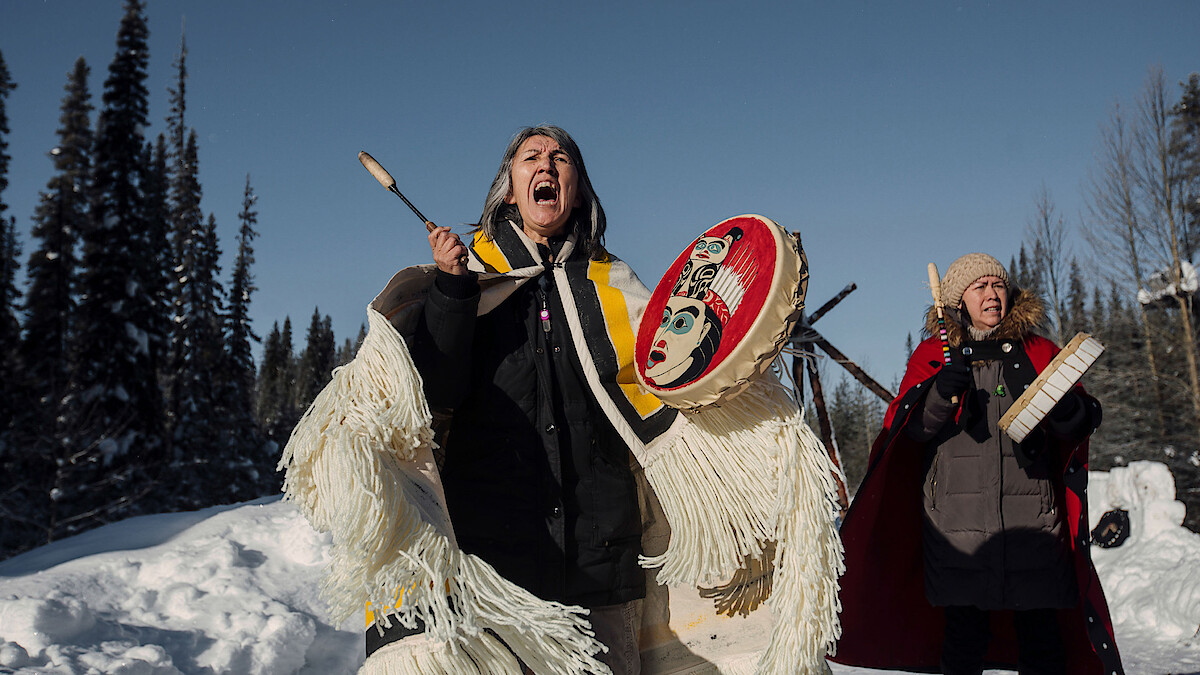
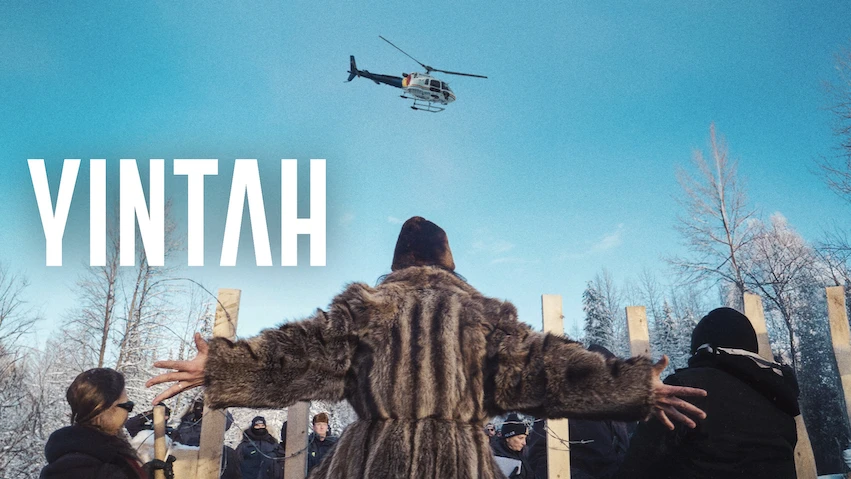
For more than a decade, the Wet’suwet’en First Nation has sought to reclaim their ancestral lands by reoccupying their territory, protecting it from some of the largest fossil fuel companies in the world, and resisting the construction of multiple pipelines. Now, the Wet’suwet’en struggle is the subject of a new documentary, Yintah, coming soon to Netflix.
“The world needs to know the truth of what took place on Wet’suwet’en territory — how a determined community stood at gunpoint to protect Wet’suwet’en lands from theft,” directors Michael Toledano, Jennifer Wickham, and Brenda Mitchell said in a statement. “We’re thrilled that Netflix has decided to champion this story.”
Read on for more information about Yintah, and stay tuned for the new film when it hits Netflix on Oct. 18.
What is Yintah about?
Yintah, meaning “land,” is a feature-length documentary about the Wet’suwet’en First Nation’s fight for sovereignty. Spanning more than a decade, the film follows Howilhkat Freda Huson and Sleydo’ Molly Wickham as their nation reoccupies and protects their ancestral lands from several of the largest fossil fuel companies in the world.
When will Yintah be on Netflix?
Yintah will stream on Netflix in the US, UK, and Canada on Oct.18. The film will screen at Camden Film Festival on Saturday, Sept. 14, before going on to screen at the Hawai’i and Seattle International Film Festivals. You can read more about the film on its official website.
Read a statement from the directors of Yintah here:
Mirroring the scope and ambition of the Wet’suwet’en fight to protect unsurrendered lands from theft, Yintah offers the definitive account of a historic wave of Indigenous resistance to Canadian colonialism. Drawing from more than a decade of verity footage, the film shadows two Wet’suwet’en leaders (Howilhkat Freda Huson and Sleydo’ Molly Wickham) as they reoccupy and protect their homelands in the face of state violence.
As filmmakers, we found that Canada protects its image through force. Throughout the years, our camera operators were held at gunpoint, repeatedly arrested and detained, subjected to illegal police exclusion zones, surveillance, harassment, and even incarceration. Despite this repression, Yintah is a film where every consequential moment was captured, providing a remarkably cohesive account of a story that police worked hard to suppress.
As colonial forces conspired to criminalize Wet’suwet’en jurisdiction, we as filmmakers worked to uphold it. The result is a film which was compiled under the traditional laws and collective authority of the Wet’suwet’en house groups at the center of this story — developed with intensive participation from Wet’suwet’en leaders and co-directed by the immediate family members of the film’s protagonists. Adopting a decision-making structure which mirrors the practices of Wet’suwet’en self-governance, the film relied on collaboration and consensus-building to share this vital history from an authentically Wet’suwet’en perspective.
As a result, Yintah is itself both an expression of Indigenous sovereignty and an attempt to decolonize history. With direction from Wet’suwet’en elders and dozens of community members, and aided by narration from the film’s protagonists, Yintah offers an honest, uncommon, and unapologetic perspective of Canada’s brief time on Wet’suwet’en lands. In the words of Violet Gellenbeck, an elder and chief who participated in the filmmaking process: “For the first time it is our own people telling our history.”