Explainer
The Lives of the Women of Crime Scene: The Times Square Killer
Who were these women before they met Richard Cottingham?
By Monique Jones
March 5, 2024
True crime is quickly becoming one of the most popular forms of entertainment. Our obsession with podcasts, documentaries and TV shows detailing heinous crimes have turned serial killers (like Richard Cottingham, the Times Square Killer) into ghoulish superstars. But it’s their victims who deserve to be more widely known.
Many of Cottingham’s victims were thought of as “nothing but… a prostitute,” as Melinda Chateauvert, the author of Sex Workers Unite, said in the docuseries to illustrate how dismissive people were of the victims at the time of the torso killings. . And to call them that would be both incorrect — some of them were not sex workers (the preferred term) — and dehumanizing. “The problem with the word prostitute is that it’s so combined with the notion of sexual shame,” said Chateauvert. These were women and girls who were trying to do their best in lives that Cottingham interrupted. They had varied interests and lifestyles. These women were mothers, sisters, significant others, friends.
Their names deserve to be read, and the details we know about their lives deserve proper respect. These are women and girls whose lives were tragically cut short by the Times Square Killer:
In 1967, Cottingham killed Nancy Schiava Vogel. Vogel was a 29-year-old married woman and mother of two living in Little Ferry, New Jersey. Three days before her murder, she left to go play bingo with friends but never returned. By many of the published accounts, it’s still unclear as to how Vogel came to be Cottingham’s victim. But people living in the area say that Vogel and Cottingham may have known each other (since they were both Little Ferry residents). Cottingham confessed to Vogel’s murder in 2010, nearly 30 years after his arrest. Cottingham would confess to many murders after being put behind bars.
Three of those murders Cottingham later confessed to included Jacalyn Harp. They were three teenagers who became Cottingham’s victims between 1968 and 1969. Harp was only 13 years old when Cottingham killed her in 1968. According to the New Jersey Herald, Harp was abducted while walking home from drum-and-bugle corps practice at her school. Blase was 18 years old at the time of her murder in 1969, and lived with her mother in Bogota, New Jersey. She was last seen alive at the local Hackensack bus terminal. Falasca,15, was also from New Jersey and frequently wore a small cross around her neck. She was killed just months after Blase after accepting a ride from Cottingham while walking alone. All three girls had been strangled.
Sixteen-year-old Lorraine Marie Kelly and 17-year-old Mary Ann Pryor were also New Jersey residents. The New York Times reported that the two girls were believed to have started hitchhiking after giving up on waiting for the bus to go to the mall, according to eyewitnesses who had seen them at the bus stop several days before the discovery of their bodies. They were killed by Cottingham in 1974. Detective Robert Anzilotti took on their case in 2000 and eventually connected the girls’ deaths to Cottingham after years of conversing with him behind bars, gaining his trust.
Anzilotti kept these confessions out of the public eye in an effort to preserve the relationship he had forged with Cottingham. He only delivered the news to their families. Information about these victims and others became public in 2020, when Cottingham himself confessed to the murders to Peter Vronsky, who had been writing a book based in part on Cottingham’s crimes.
Twenty-six-year-old Maryann Carr was abducted from outside her apartment building by Cottingham in 1977. Before her murder, Carr worked as an X-ray technician, a dream she had since high school. Her page on Find a Grave lists many of her likes and dislikes from her yearbook and high school pursuits, including her participation in glee club, service club and flag-twirling.
Deedeh Goodarzi is arguably the victim who is most recognizable in the public’s minds, thanks to her daughter, Jennifer Weiss, and her work to bring more of Cottingham’s crimes to light by gaining Cottingham’s trust through regular prison visits. The trust Weiss cultivated with Cottingham led him to confess to more of his crimes.
Goodarzi was an Iranian immigrant traveling to New York from New Jersey. NJ.com described her as “a high-priced call girl” who actually had Cottingham as a client for two years before he decided to kill her. Goodarzi was only 22 at the time of her of murder in 1979. Even though Goodarzi is the most well-known victim, it’s mostly because of the horrible way in which she died and also thanks to Weiss keeping her memory alive through convincing Cottingham to admit to more murders, bringing closure to more families.
Unfortunately, another woman was killed alongside Goodarzi, and she remains unidentified. She was perhaps 16 at the time of her murder, according to the NY Daily News. It was initially believed that she could be Helen Sikes, a young girl and sex worker who’d gone missing earlier that year. But as far as accounts go, Sikes’ murder is still unsolved and Jane Doe’s true identity is still not known.

At the height of Cottingham’s murder spree, the women’s rights feminist movement was just getting started. Women were thought of as second-class citizens at the time, and even in death, women were treated as less than. Cottingham’s victims became footnotes in their own stories. But thanks to the continued work of their families, as well as heightened public interest in their cases, we now know more about their lives before tragedy struck.
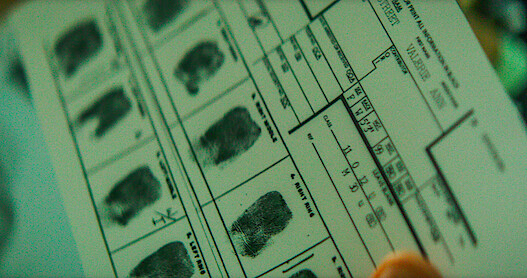
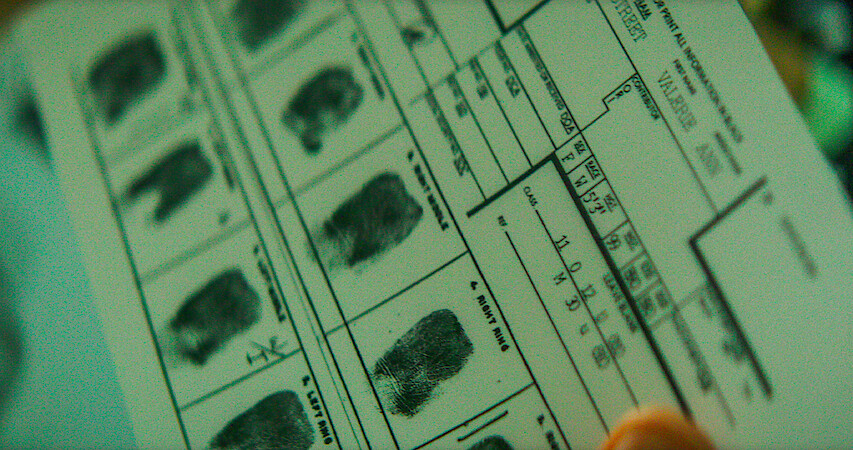
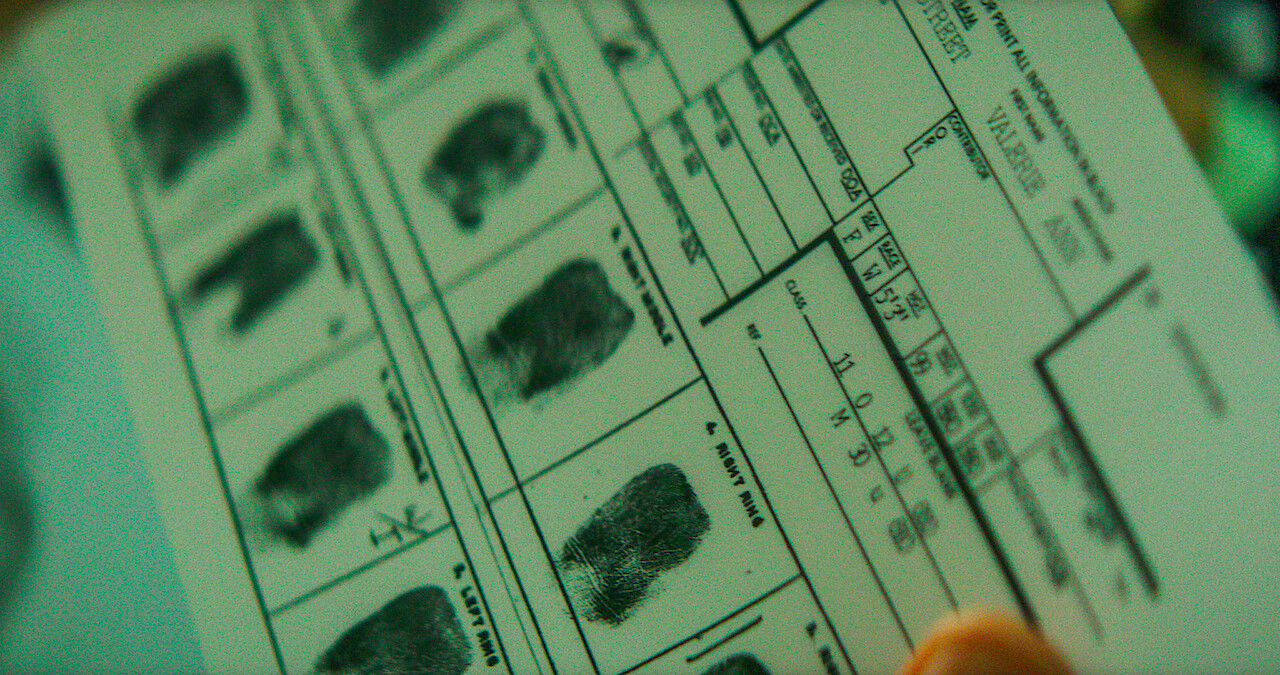
Valerie Ann Street was between 18 and 19 years old when she came to New York from Florida. She was a sex worker in New York for only a few days before she met Cottingham, who drove her to one of his killing spots, a Quality Inn in New Jersey in 1980. Jean Reyner was also a sex worker and was 25 when she was murdered. Unfortunately, not much else is known about her other than her profession and the brutal way she was killed.
Cottingham claims to have killed many more women and girls; between 85 and 100 victims remain unidentified. Weiss still maintains her relationship with Cottingham in order to continue to bring closure to their families.
“I’m doing this for the mothers who lost their daughters and my own mother,” Weiss told NJ.com. “And for these girls that their lives were ended one night or day by Richard playing God. I’m not going to rest easy until we figure out who they were. So that’s why I do what I do.”