PHOTOGRAPHY BY OSKAR DAHLSBAKKEN
Explainer
Troll 2 Director Roar Uthaug on That Shocking Ending
It was the idea of Kim Falck, the actor who plays Andreas Isaksen.
By Olivia Harrison
Dec. 2, 2025
Hey ho, let’s go — it’s time for another fantastical adventure in Troll 2.
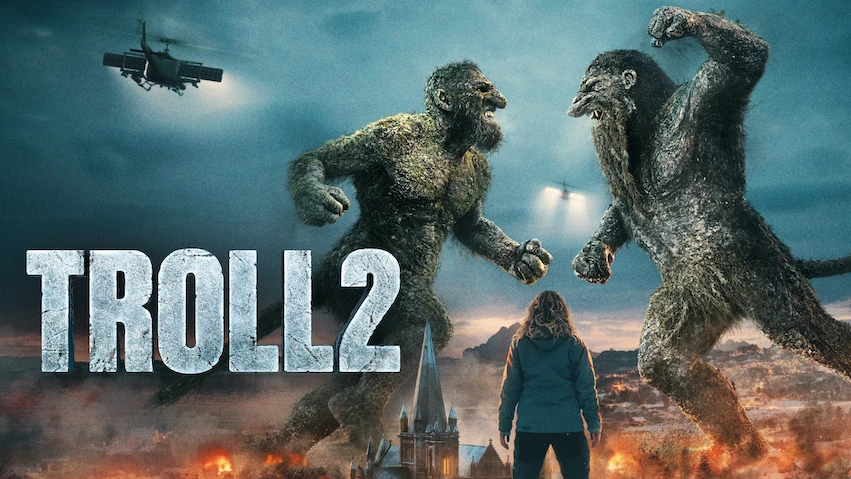
After its release in 2021, Troll became Netflix’s most popular non-English-language film with 103 million views. Now Nora Tidemann (Ine Marie Wilmann), Andreas Isaksen (Kim Falck), and Kristoffer Holm (Mads Pettersen) are back, this time teaming up to take down a new threat: a troll that’s even more massive than the one they faced in the original film.
At the beginning of the sequel, Andreas visits Nora, who, since they last worked together, has become quite reclusive and very obsessed with these trolls, just like her late father. “I wanted to start them off in an interesting place so that we don’t feel like time has stood still between the first and second movies,” director Roar Uthaug tells Tudum. “So I thought to have Nora becoming her father and how he was when we met him in the first movie — and then pull her, in that state of mind, back into this Troll world.”
With some convincing, Andreas brings Nora to Vemork power station, the location of what many believe was a special operation during World War II that played a key role in delaying Hitler’s plans to develop the first atomic bomb. In actuality, it’s where a story-tall specimen that Andreas has dubbed “Megatroll” is being studied. With great regard for trolls, Nora is in awe, but when the behemoth wakes from his hibernation and escapes, she must once again embark on a perilous mission. Let’s excavate the details of that mission and break down its bittersweet conclusion.
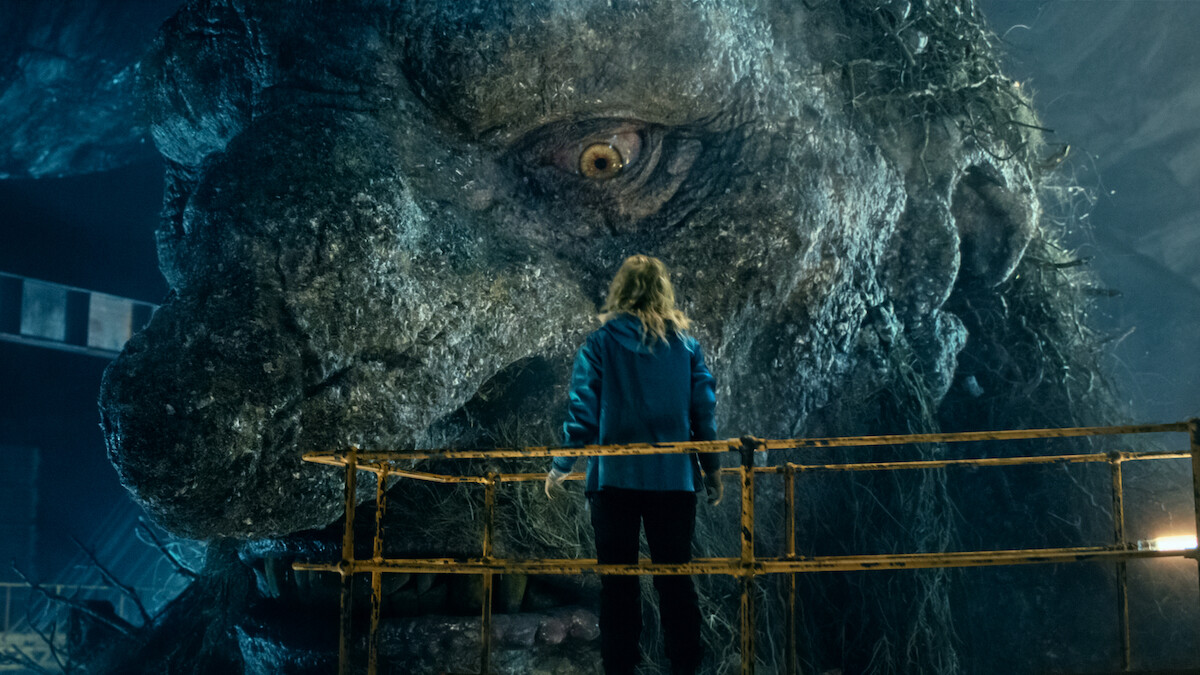
When Nora first meets Megatroll, he’s deep in hibernation — he’s unconscious but he has a pulse. A team of researchers, which is led by Professor Marion Auryn Rhadani (Sara Khorami) and includes Andreas, is working to understand the specimen and the potential danger his kind poses to humanity. But with the beast fast asleep, their research is currently at a standstill, which is why Andreas has enlisted Nora’s help as someone who “thinks outside the box” when it comes to these magnificent creatures. Overwhelmed by this discovery, Nora steps away to get a closer look at Megatroll. With her hand on the rocky body, she lets out a few hums, thus waking the giant, who then violently escapes Vemork.
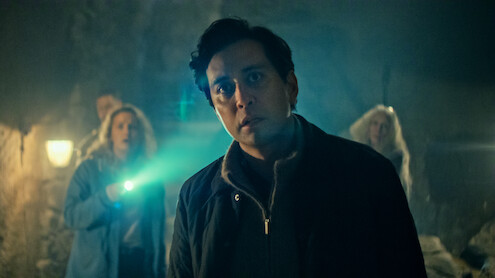
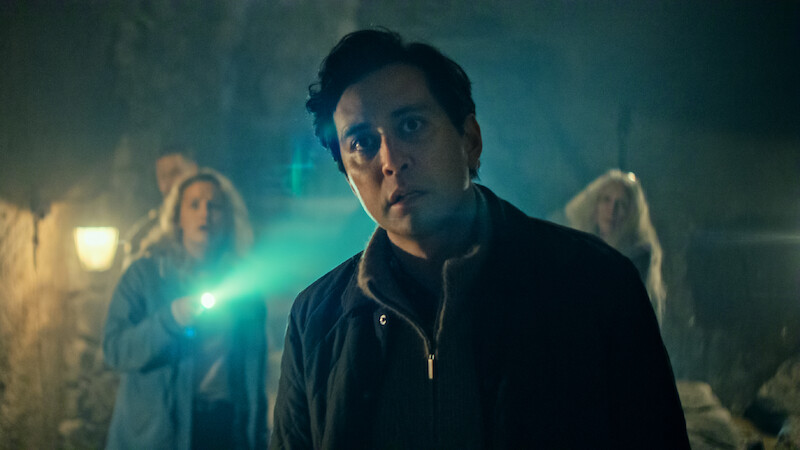
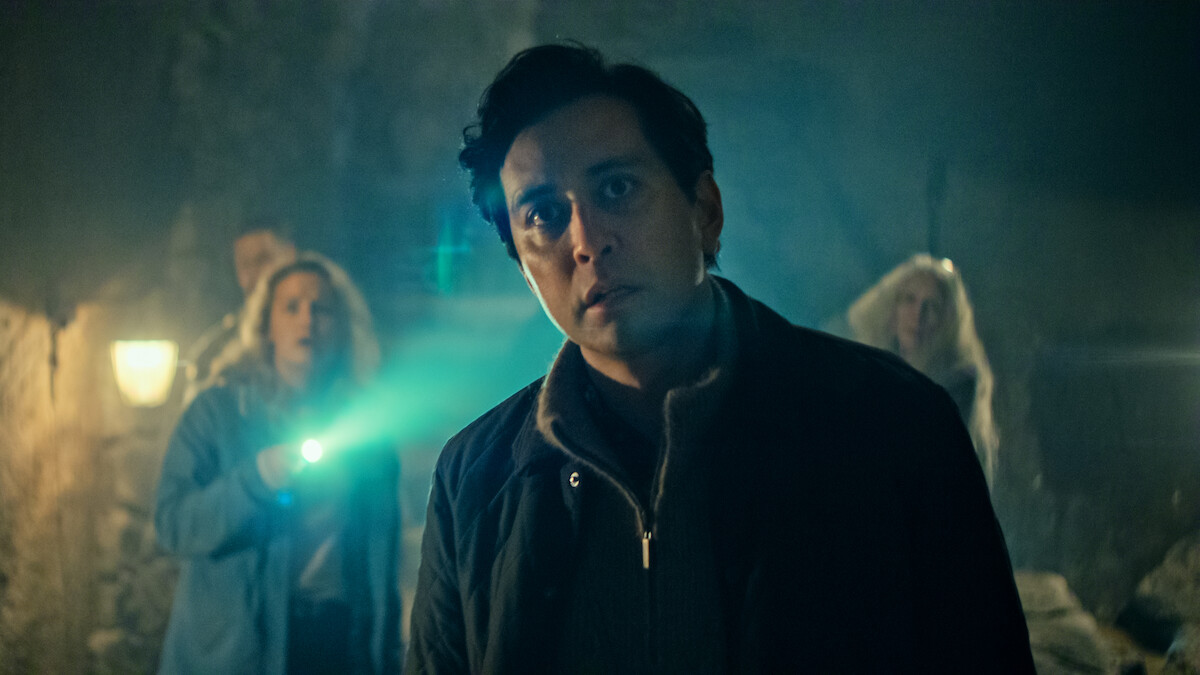
Later on, while trying to work out how to protect their country from the wrath of Megatroll, Nora brings Andreas, Marion, and Kris to a cave in the Dovre Mountains. As was revealed in the first film, centuries ago, Christian settlers used the troll king’s kidnapped son to lure him out of Norway and into a hunting pit in these mountains. The king survived the trap, but following his escape three years ago, he was hunted down and killed. As Nora points out, though, the troll child was never found. That is, until she went looking for him.
At the sound of tapping stones against the cave floor, another troll emerges — the mountain king’s son, who Nora has named Beautiful. Nora can communicate with Beautiful through feelings that manifest as hums. It’s the same tactic she used to wake Megatroll. When asked how she became “the troll whisperer,” Nora explains, “I got quiet, and I began to listen, really listen to him. Listen with my heart.”

Marion discovers that Megatroll is heading north over the Dovre Mountains toward Trondheim and points out that this is the same route pilgrims used to get to Norway’s former capital, where Saint Olaf once ruled. Based on her knowledge of folklore passed down from her father, Nora knows that Olaf is credited with driving the trolls out of Norway during the Christianization of the country and pieces together that the troll must be on his way to Nidaros Cathedral in Trondheim to seek revenge for the massacre.
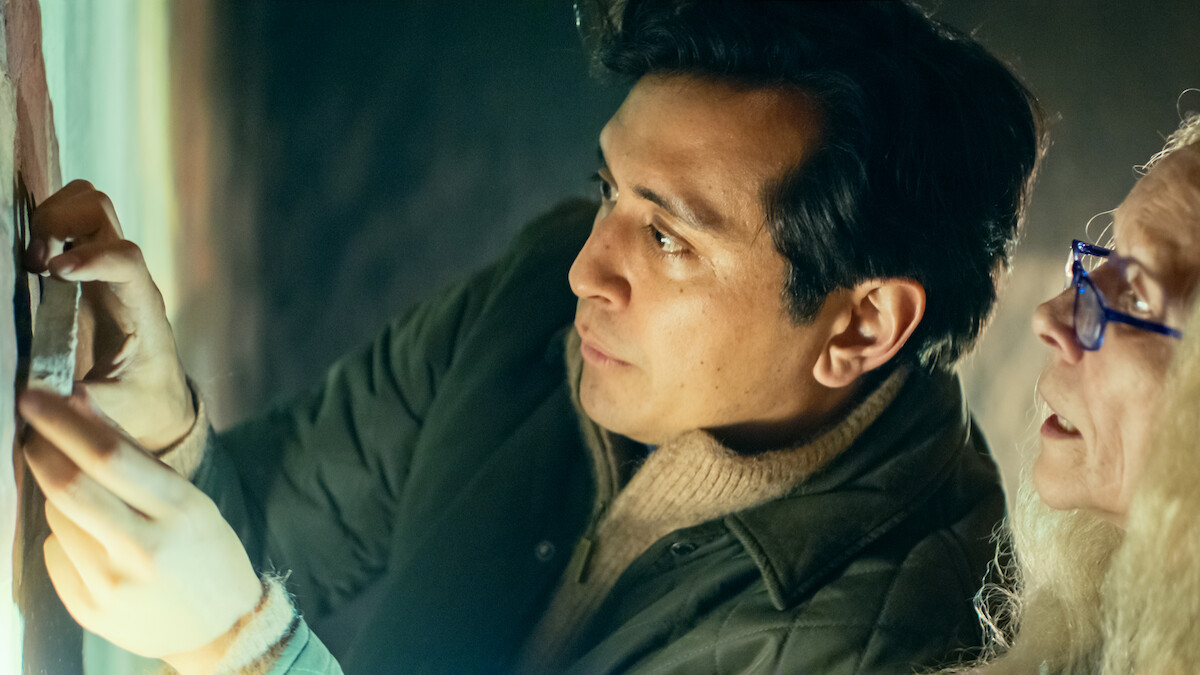
So Nora and her crew travel to the cathedral, where they meet up with a historian named Esther Johanne Tiller (Anne Krigsvoll), who believes Olaf’s tomb is hidden inside the church though she has never managed to locate it. Turns out, she just needed Andreas’s clumsiness to uncover the secret door that’s been concealing the grave for thousands of years. “I always think it’s cool to follow characters when they’re doing an investigation, and of course, discovering lost tombs is something I have a fondness for, growing up with the Indiana Jones movies,” Uthaug says of this portion of the quest. “It’s not just a pure monster movie, but it’s really a big adventure.”
After some respectful grave robbing — more on that below — the team realizes that Megatroll is not actually targeting Olaf’s tomb. Instead, he’s going after everything that Norway was founded on.
In this version of the story, yes! Once through the passage, the gang opens the tomb and finds a missing section of the king’s decree tucked against his corpse. It declares Olaf’s intention to give the land over to the trolls instead of eradicating them. “Trolls shall not from this land be expelled,” it reads. “For all injustices inflicted upon the Jotuns, we hereby grant them their home.”
Olaf, it turns out, went against the Church’s wishes to drive the trolls out of Norway and was murdered for it. “As we were painting Olaf as this big villain and slayer of trolls in the beginning of the movie, we wanted to play a twist on that and show that it’s not just one man’s fault that the trolls were exterminated. It was the Church and the bishops and those pulling the strings,” Uthaug explains, adding that he’s drawn to villains that are misunderstood.
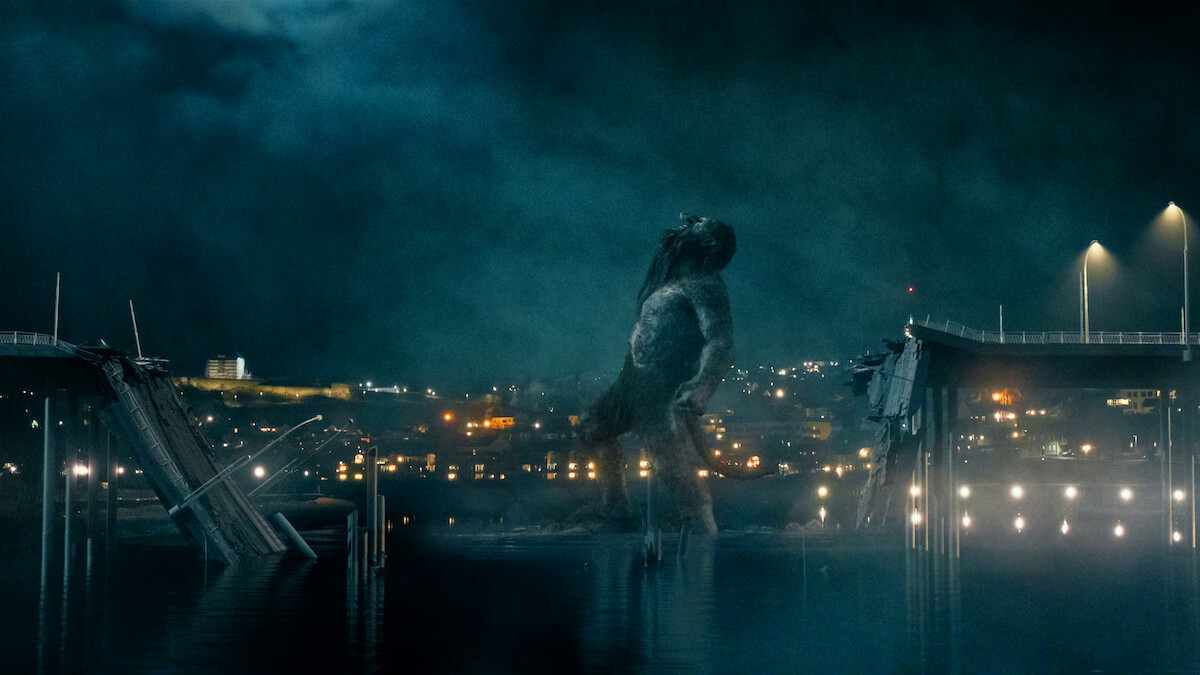
In their attempt to take down Megatroll in his attack on Trondheim, Nora and company employ some familiar tactics, like drawing the troll out by ringing cathedral bells. “In Norwegian fairy tales, trolls can’t stand the sound of church bells,” Uthaug says. This time, though, they also use barrels of holy water from Olaf’s spring, which they discover can cut through a troll’s stony exterior. With help from local residents, they collect barrels of holy water and strap them with explosives that they then detonate as Megatroll approaches.
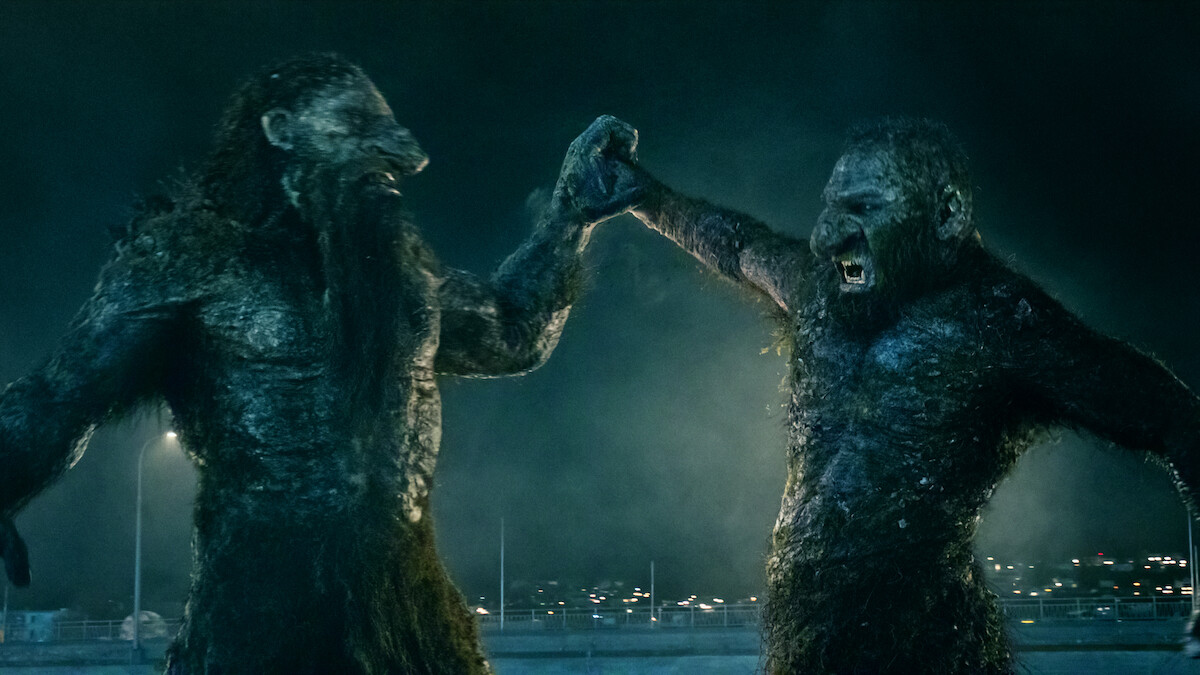
This is a solid strategy, but it’s not enough to thwart the monster entirely, and he continues to attack. As Nora and the others retreat, Beautiful, who everyone thought had drowned during their first attempt at defeating Megatroll, emerges, and it’s a full-on “monster mash.” “You have to give the audience more and surprise them,” says Uthaug. This epic battle was his way of doing just that, and thanks to the success of the original Troll film, the fight sequence was possible. “We had ideas for more trolls in the first movie, but because of budgetary issues, we had to kind of tone it down. So when we were able to make a sequel, and make it bigger this time around, it was a no-brainer that we needed two trolls.”
Beautiful, however, is not a match for Megatroll on his own. Seeing that her troll buddy is in peril, Nora springs into action. Kris points out that their bullets will be no use against the beast, but Marion offers a potential solution. “His insides are vulnerable,” she says. “It has an internal ecosystem — a heart’s pumping everything through the body. If we can get water inside the system so it spreads, we can kill it from within.” With just one water bomb left, Andreas proposes that they hover a helicopter right above the troll and drop it directly into his mouth.
After the detonator falls out of the helicopter, the water bomb can only be set off manually. That means Andreas must jump into the troll’s mouth along with the bomb. In other words, he sacrifices himself to save everyone else because, as his hero Star Trek’s Spock puts it, “The needs of the many outweigh the needs of the few.” After his descent, holy water pumps throughout Megatroll’s body, and he begins to deteriorate. Then Beautiful deals a final blow, ripping out his adversary’s heart. “It's a beautiful thing to put the safety of your family and friends and the world before yourself,” Uthaug says. “It's a really beautiful thing he does.”
Andreas’s death, it turns out, was actually Kim Falck’s idea, and he thought it up soon after he realized there would be a sequel. “The idea came from just wanting to make a good movie,” Falck says. “If the comic relief sidekick dies, that’s unexpected.” According to Uthaug, the actor first proposed it on a casual evening out over some beers. When the director heard the pitch, he immediately teared up — which Falck took as a good sign — but he needed time to think it over. “I really love his character, but then I felt it really made sense,” Uthaug says. “That’s how life is. It’s not just happy endings.”
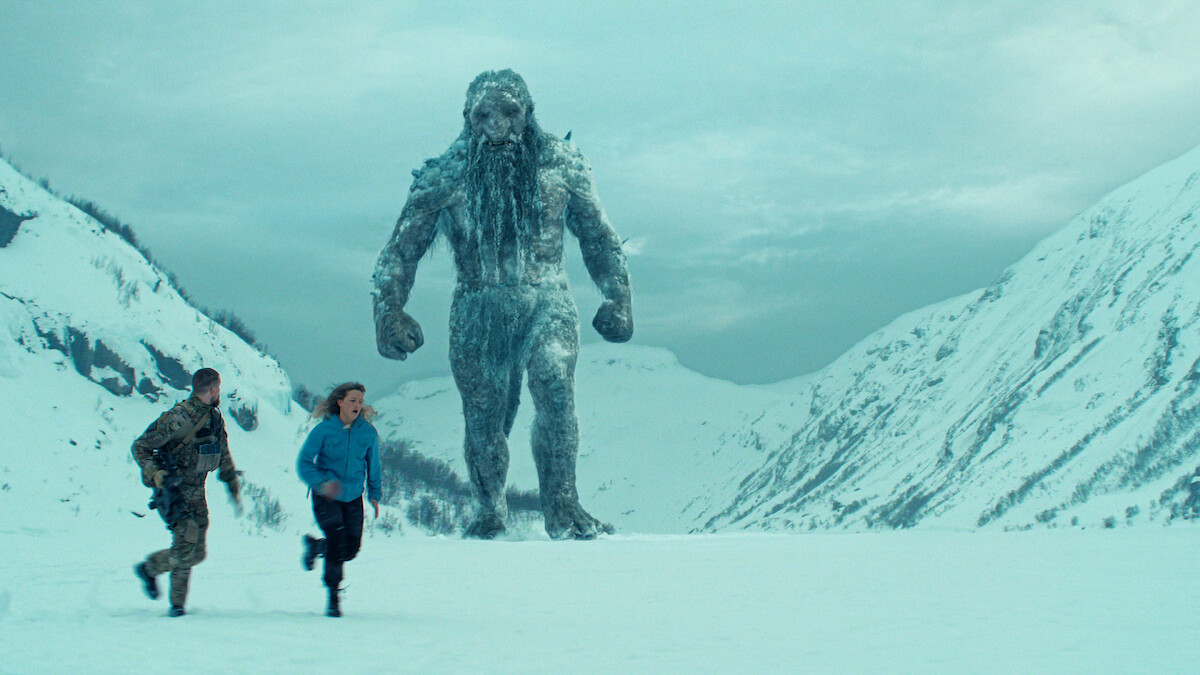
Andreas’s final act allows his friends and family, including his partner Siggy and their new baby girl Uhura, to rebuild their lives. Nora is finally content, with her beloved troll, Beautiful, trekking around right outside her house nestled among the snowy mountains. They’re peacefully sharing this land — their home. But just like in the first Troll film, a post-credit sequence plays, revealing that there could be even more to this story.
Early on in the movie, as Megatroll is escaping Vemork and destroying everything in his path, one of the researchers, Professor Møller (Jon Ketil Johnsen) picks up a small stone — a piece of troll — that they’ve been running tests on in the lab. It’s a quick moment, but it comes back into play in a major way. After the first few credits roll at the end of the film, the scene cuts to a dark room where a shadowy figure is talking on the phone. “I have great news, General,” he says after making sure the line is secure. “The specimen I was able to save has developed.” It’s revealed to be Professor Møller speaking and he’s gazing at a small glass box in which an angry miniature troll is being held. “Well, it doesn’t look like much now, but just give it some time,” he states, smiling.
Though plans for a third Troll film are unconfirmed, Uthaug says, “I really love being in this Troll universe… I see a lot of potential in how we could expand it even further, if we were to continue this saga.”