News
The Train Dreams Trailer Reveals the Power of One Man’s Life
“There’s a real potency to the quiet, ordinary life that most of us live.”
By Kristin Iversen
Nov. 21, 2025
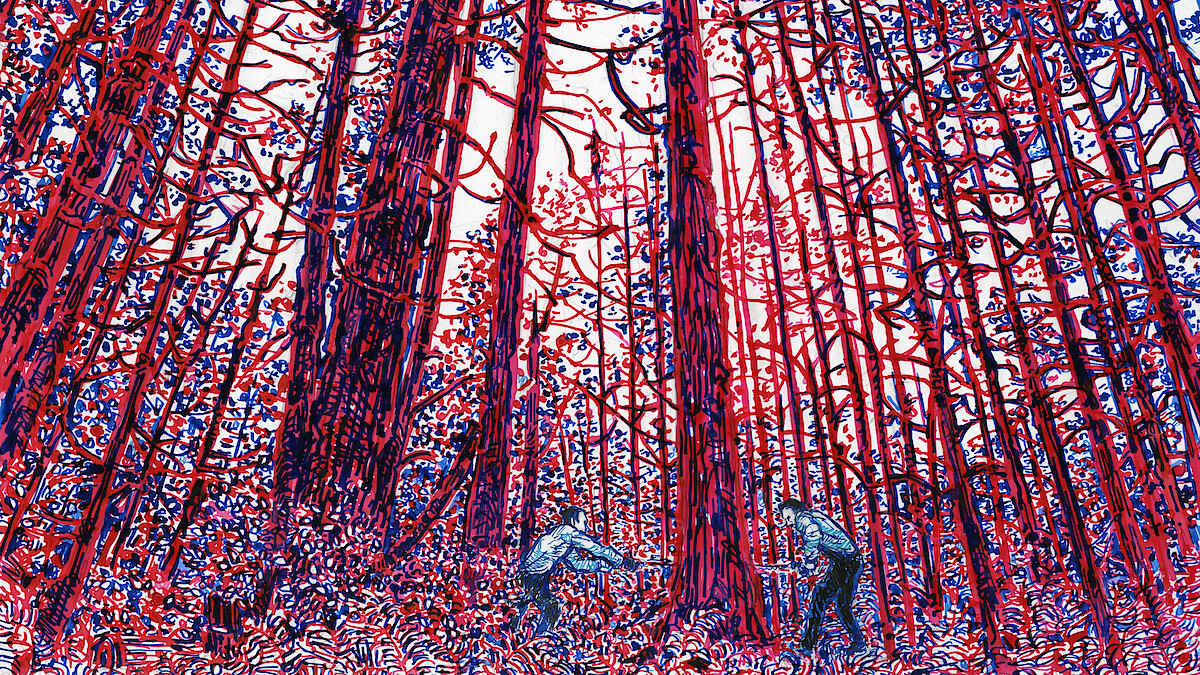
The life of a tree can be measured by its rings. Cut a tree down and you can run your hands over the years of its existence, even get an understanding of the slow but relentless passage of time. Getting the measure of a person’s life is perhaps not so different. It, too, is made up of layers; it, too, is an accumulation of time and experience that makes a person grow and expand in ways that might not always be easy to see from the outside.
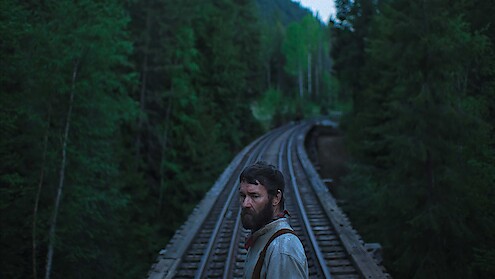
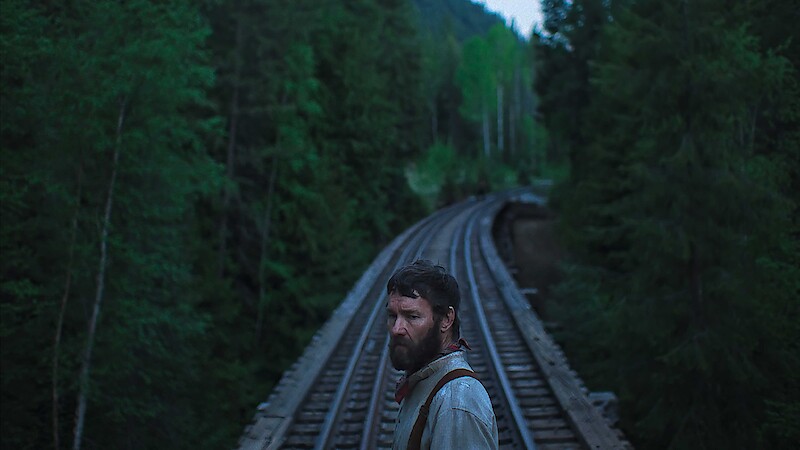
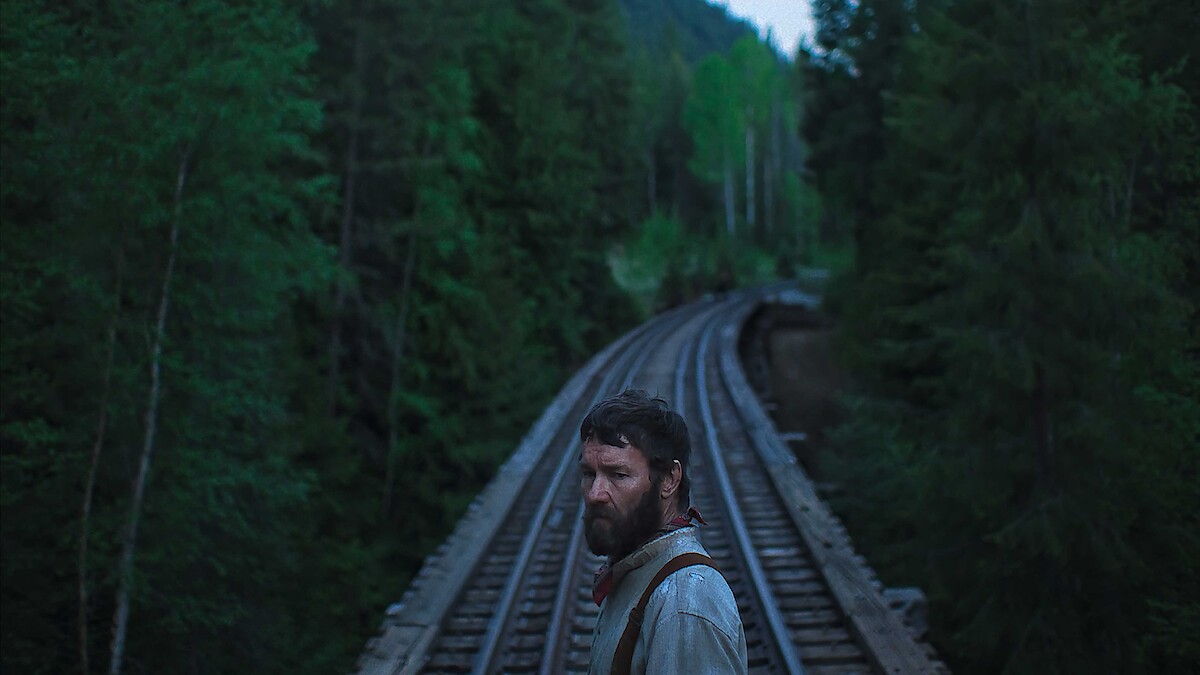
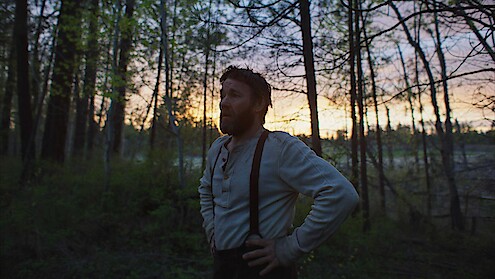
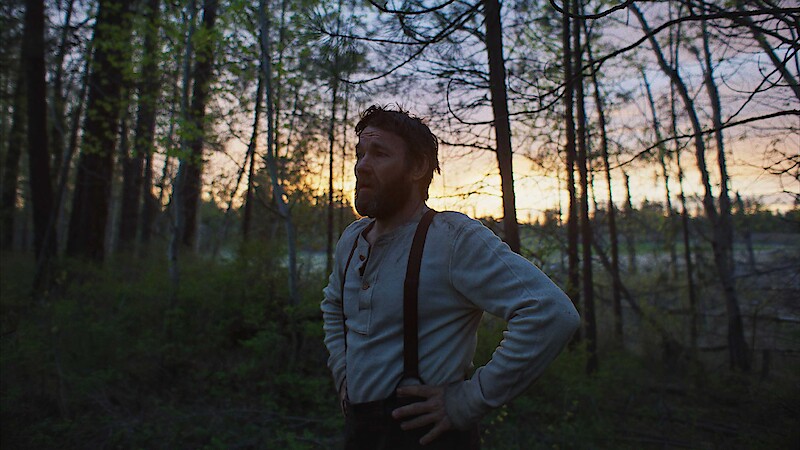
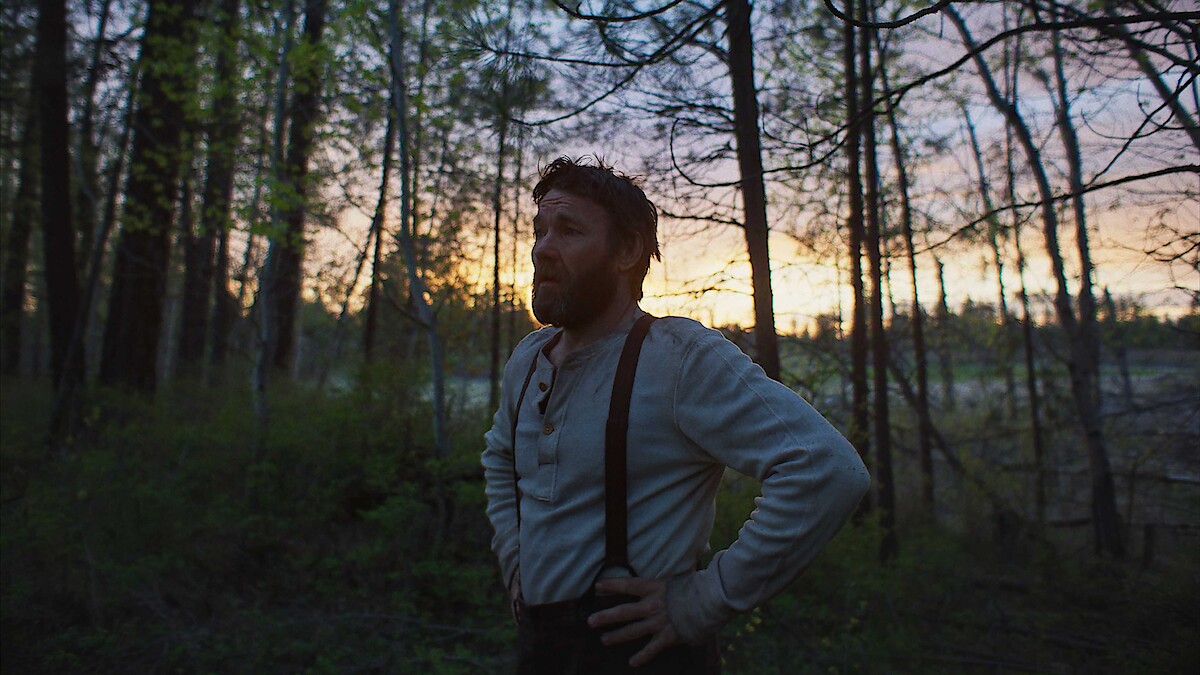
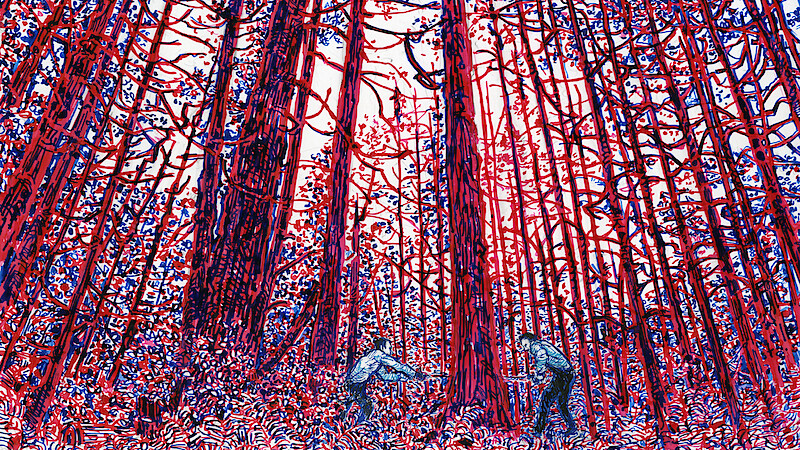
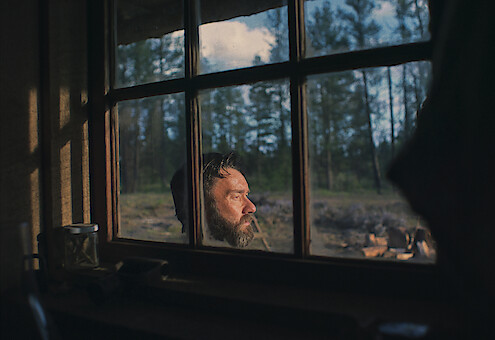
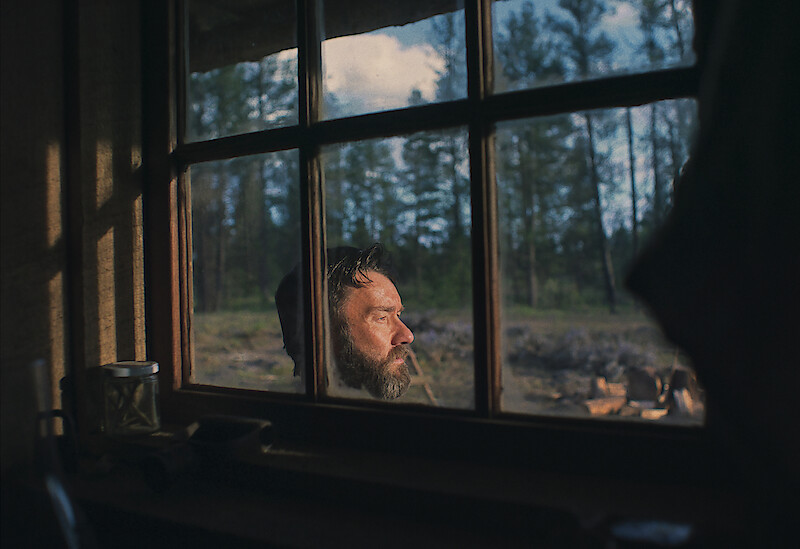
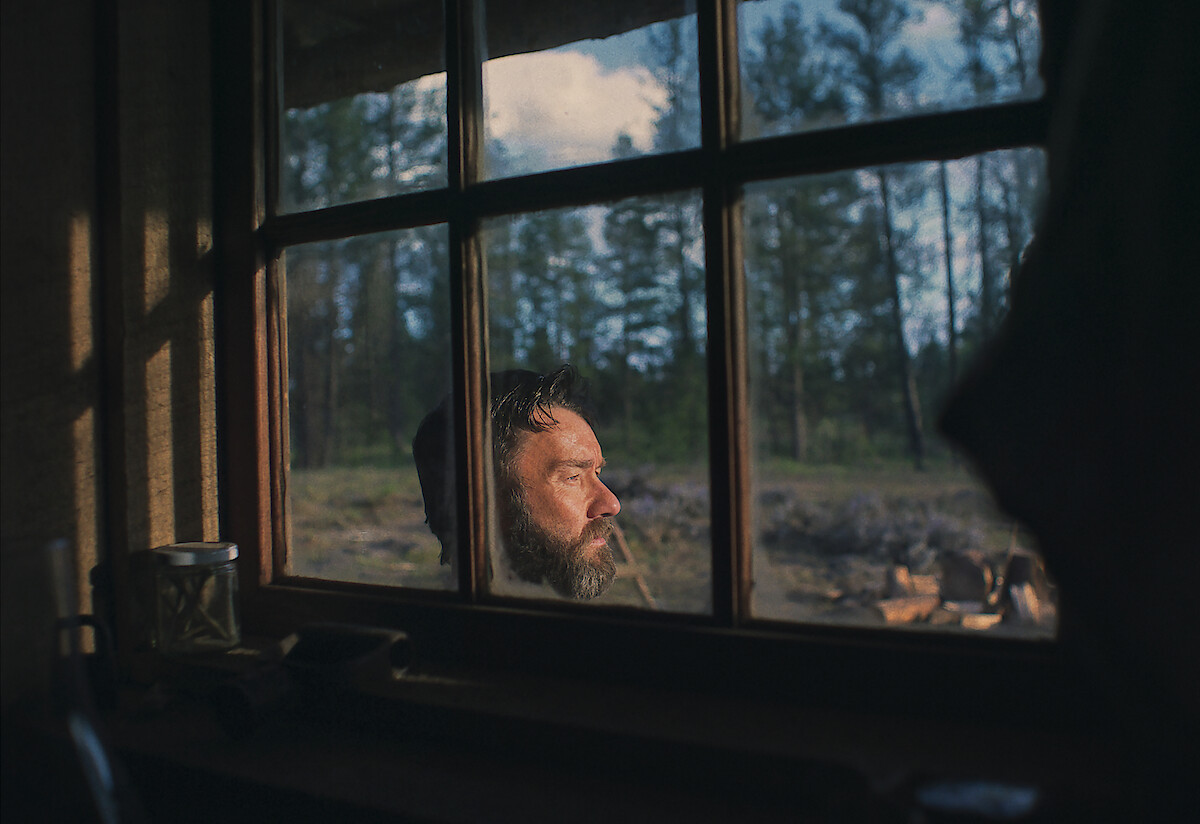
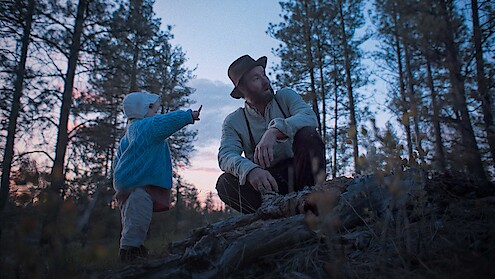
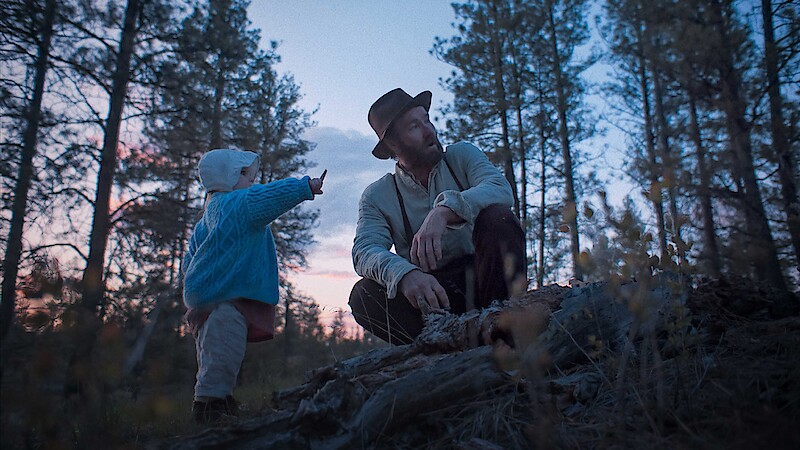
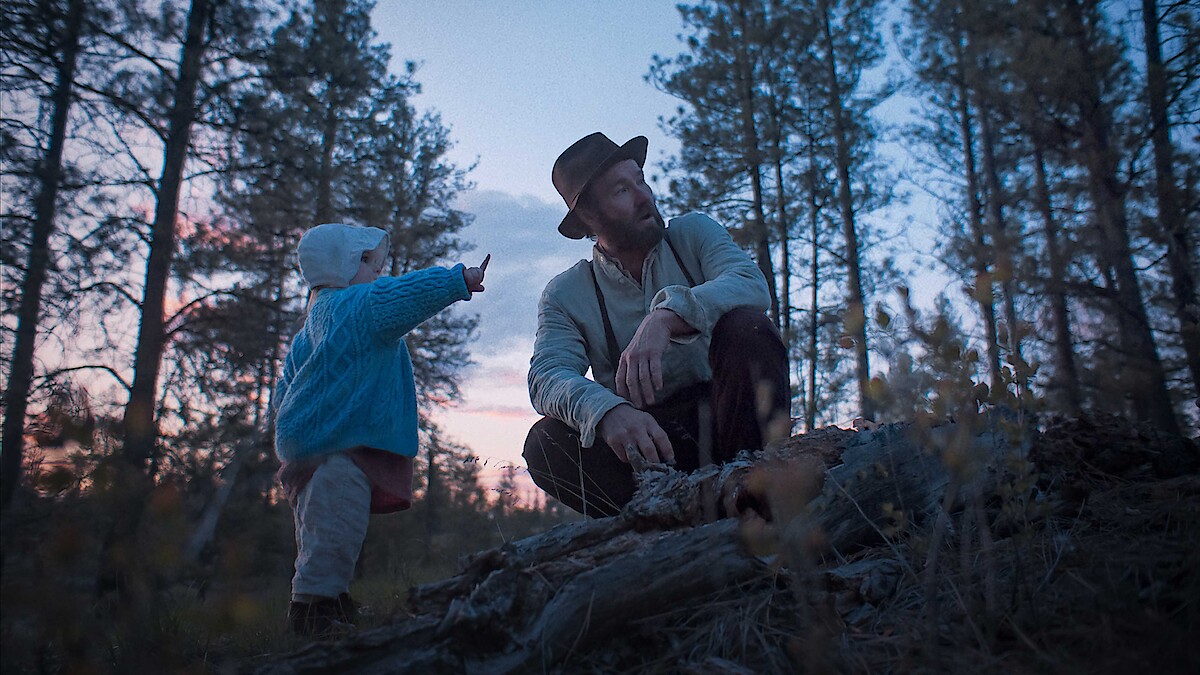
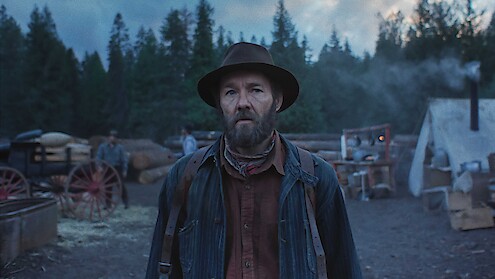
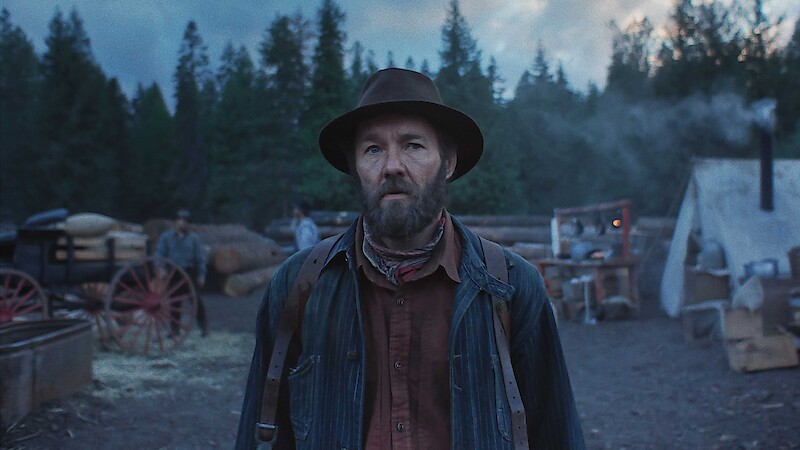
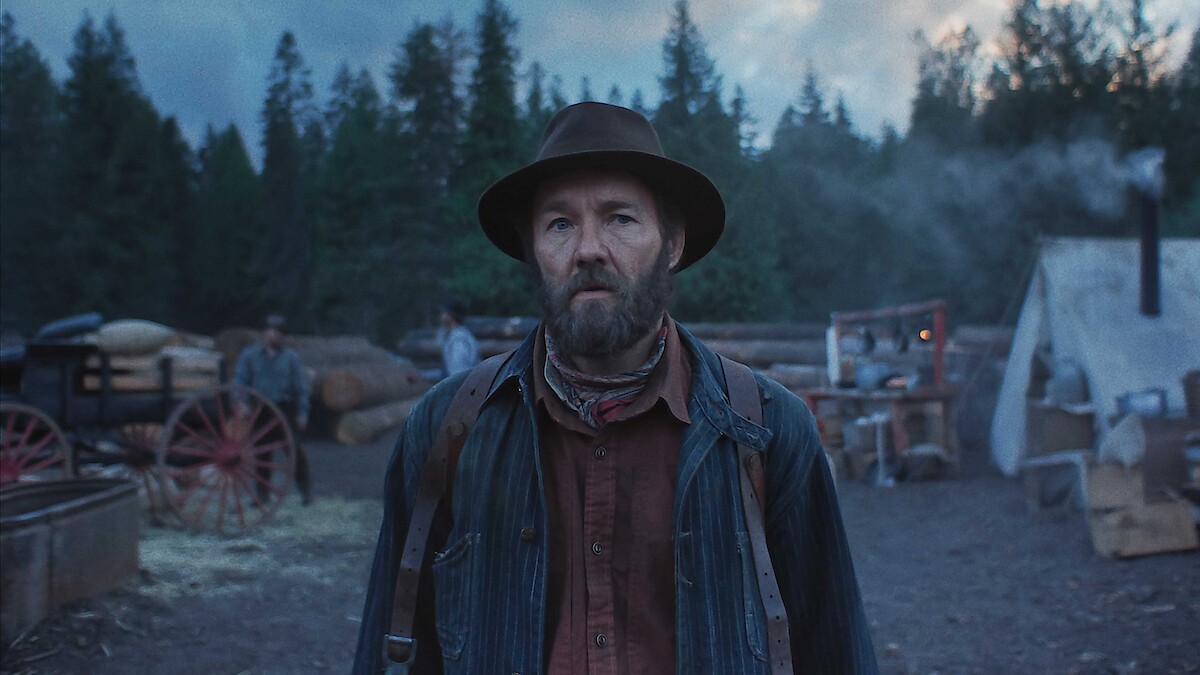
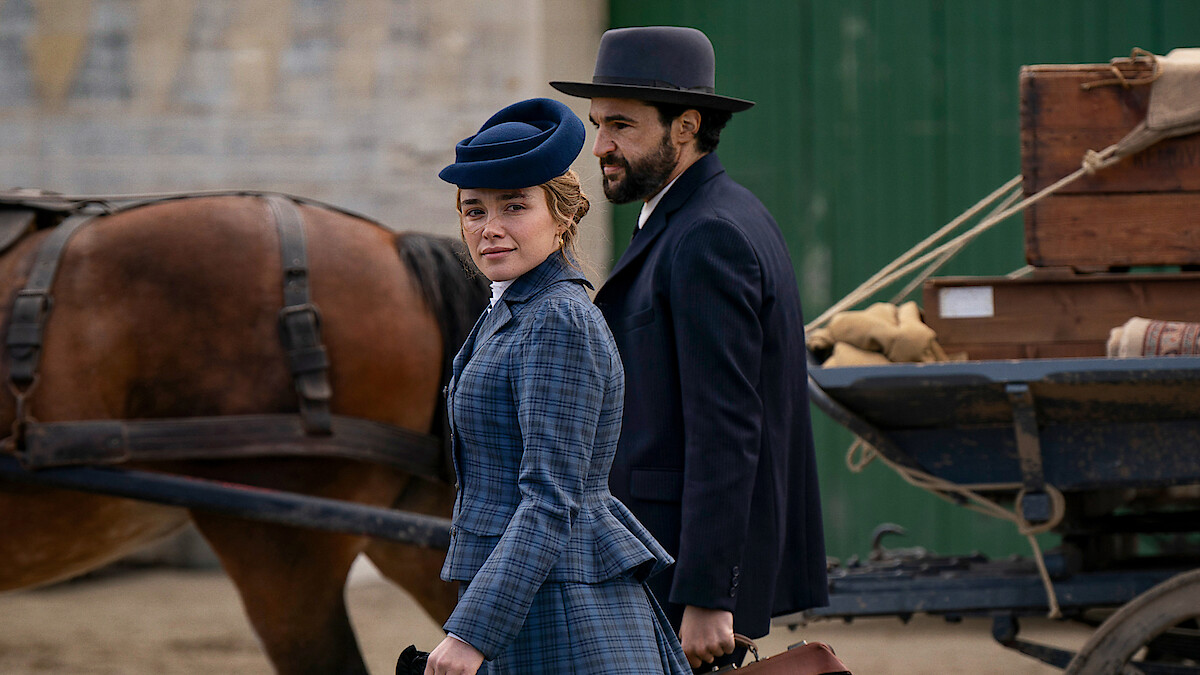
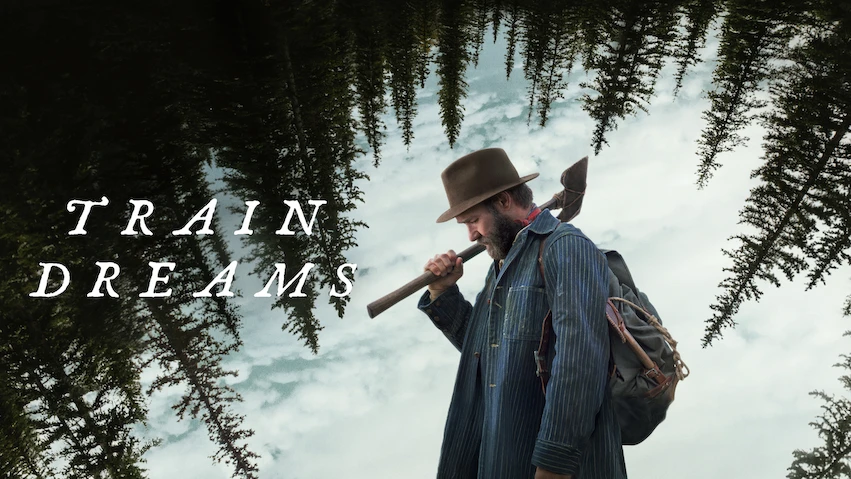
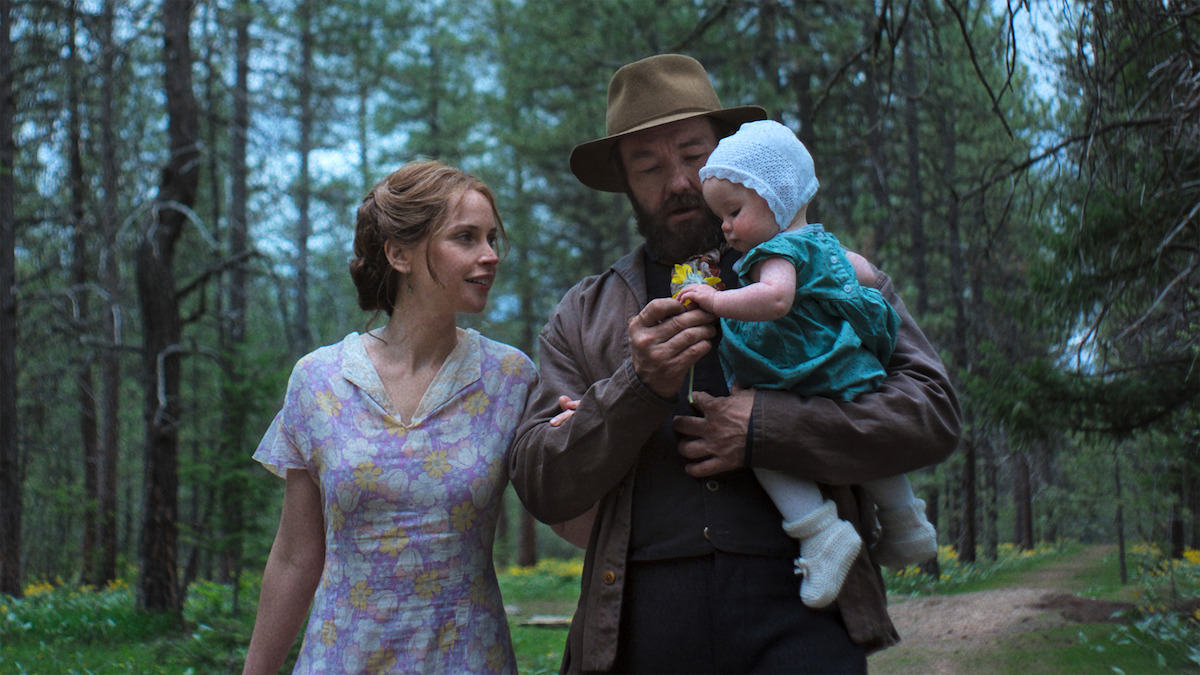
In Clint Bentley’s Train Dreams, adapted by Bentley and Greg Kwedar from the novella by Denis Johnson, the existence being measured belongs to Robert Grainier (Joel Edgerton), whose life unfolds during an era of unprecedented change in early 20th-century America. Orphaned at a young age, Robert grows into adulthood among the towering forests of the Pacific Northwest, where he works as a logger and helps expand the nation’s railroad empire alongside men as unforgettable as the landscapes they inhabit. After a tender courtship, he marries Gladys (Felicity Jones) and they build a home together, though his work often takes him far from her and their young daughter. When his life takes an unexpected turn, Robert finds beauty, brutality, and newfound meaning for the forests and trees he’s felled.
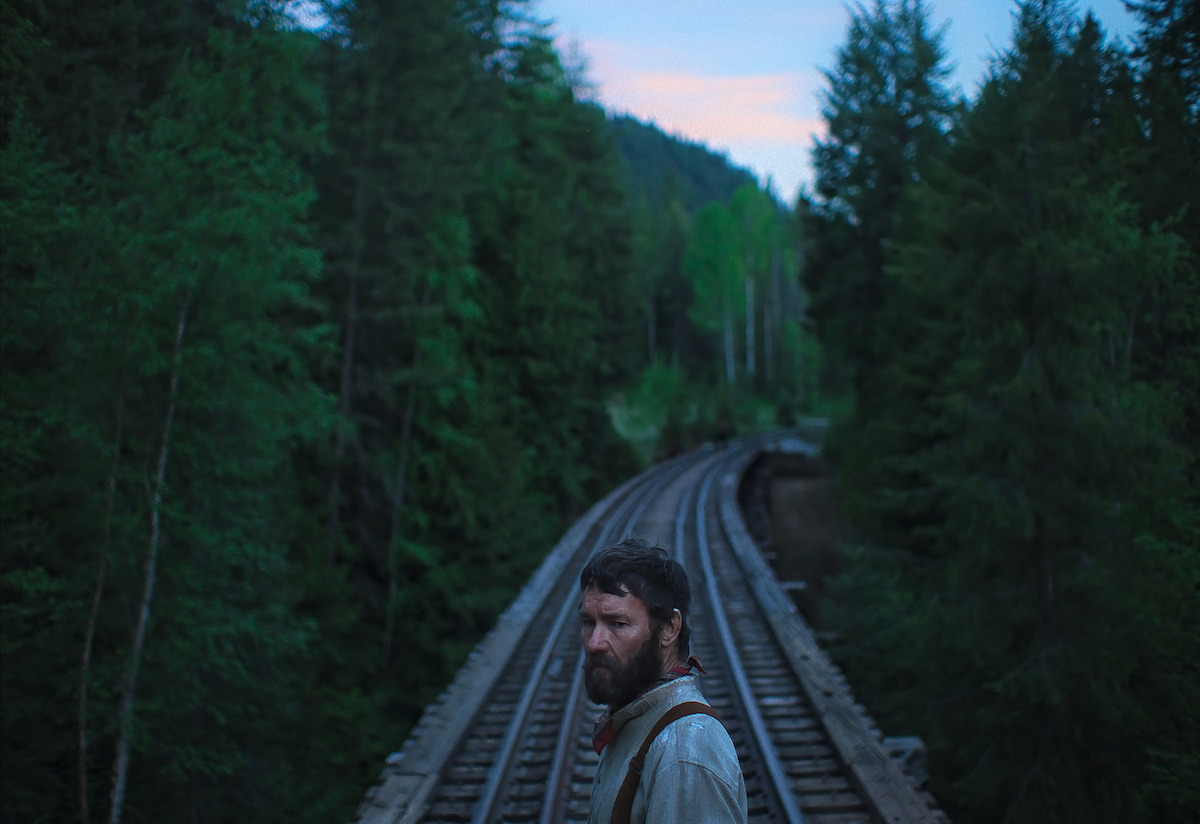
“We’re used to watching characters on screen who are full of action,” Edgerton tells Tudum about his character. “They’re creating their own destiny, and they’re pushing against obstacles. They’re fighting adversity, or they’re fighting adversaries.”
But, the actor says, when he starred in the 2016 film Loving, based on the true story of an interracial couple living in the American South in 1958, he understood what it meant to be a different kind of hero. “I remember realizing that sometimes the people really worth listening to are the ones who only choose to speak when it’s really important,” Edgerton says. “The people of few words can be very potent and fascinating to watch. … We are at the whims of the world around us, the events that happen to us, the situation we’re born into. The skills that we’re allowed to learn are based on the kind of environment we grew up in, and the families we grew up in, and the communities that we were raised in. Sometimes I think the majority of us are pushed around by the world.”
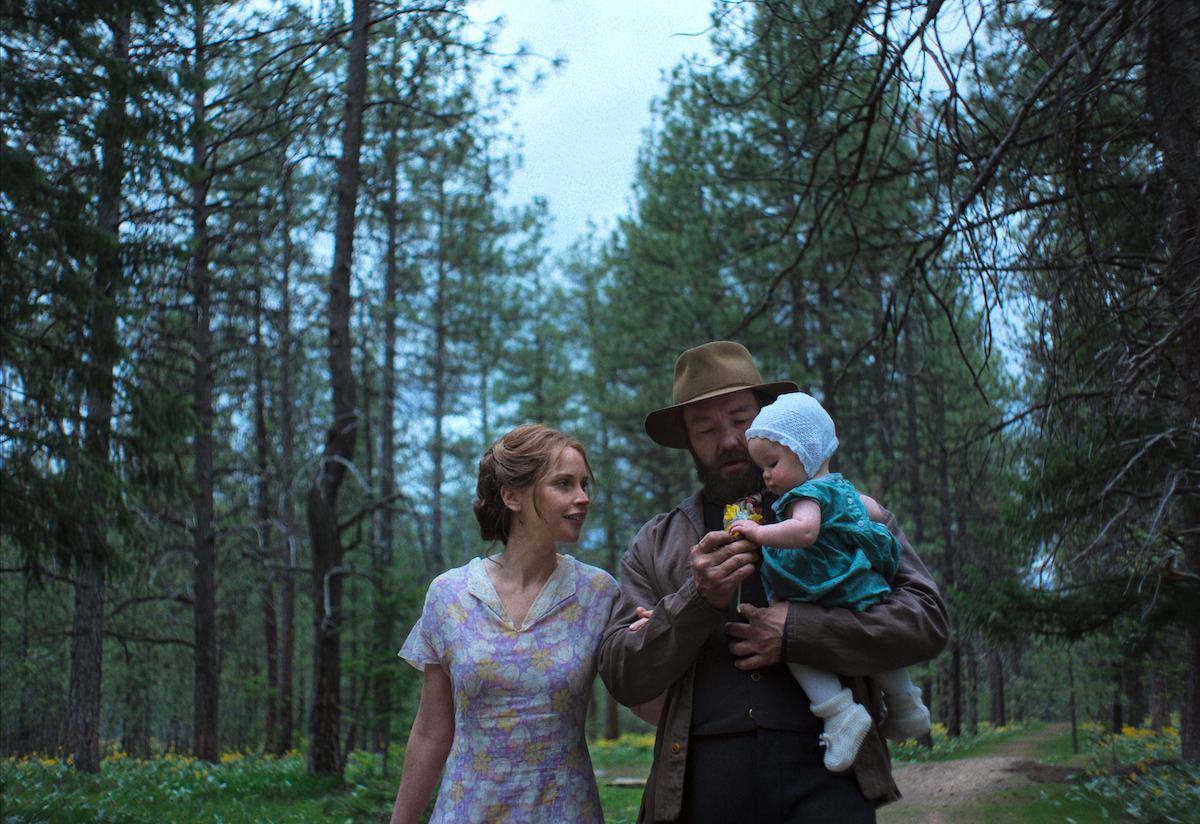
This is certainly the case for Robert Grainier, who can be seen in the trailer above as he navigates a world enormous capacities for breathtaking beauty as well as pain.
“I think there’s a real relatable engine to this movie,” says Edgerton. “Robert is absorbing the blows of the world, and moving in the streams and avenues that he’s allowed to move in, based on the life that he’s been given and the upbringing he had. And there’s a real potency to the quiet, ordinary life that most of us live.”
Even the most ordinary life, of course, plays out on an extraordinary stage, and offers opportunities to inhabit so many different facets of existence, as Grainier does throughout Train Dreams.

“This film,” says Edgerton, “through its examination of an ordinary life, speaks to how insignificant, on the one hand, we all are. And yet how significant a part we play in the world that we live in, in the short space of time that we’re given to be on the planet.
“Whether we’re builders or thinkers or writers, or whether we’re craft people or we’re in the medical field, we are all doing something in the time that we are here, and we all have a story to tell. If you choose to find out about anybody’s life, there’s something fascinating underneath the hood.”
Train Dreams is now streaming on Netflix.