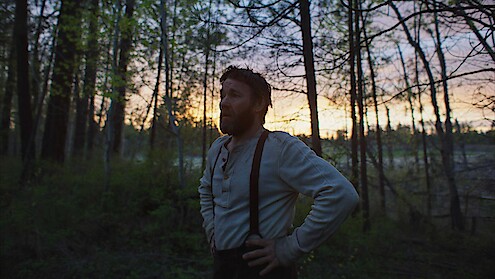
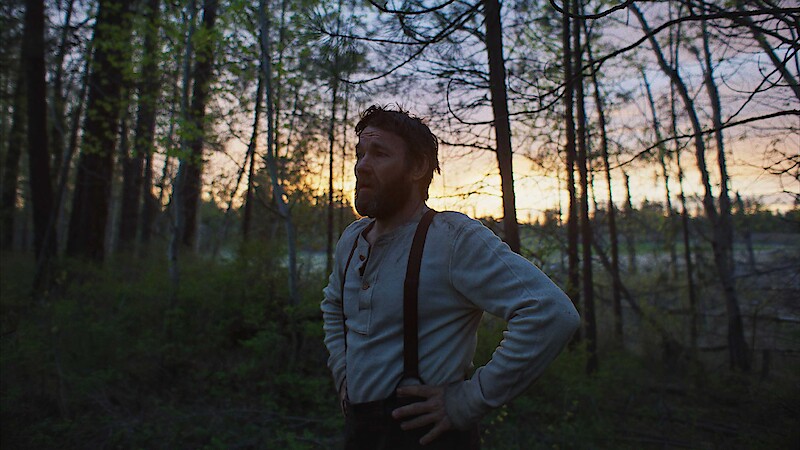
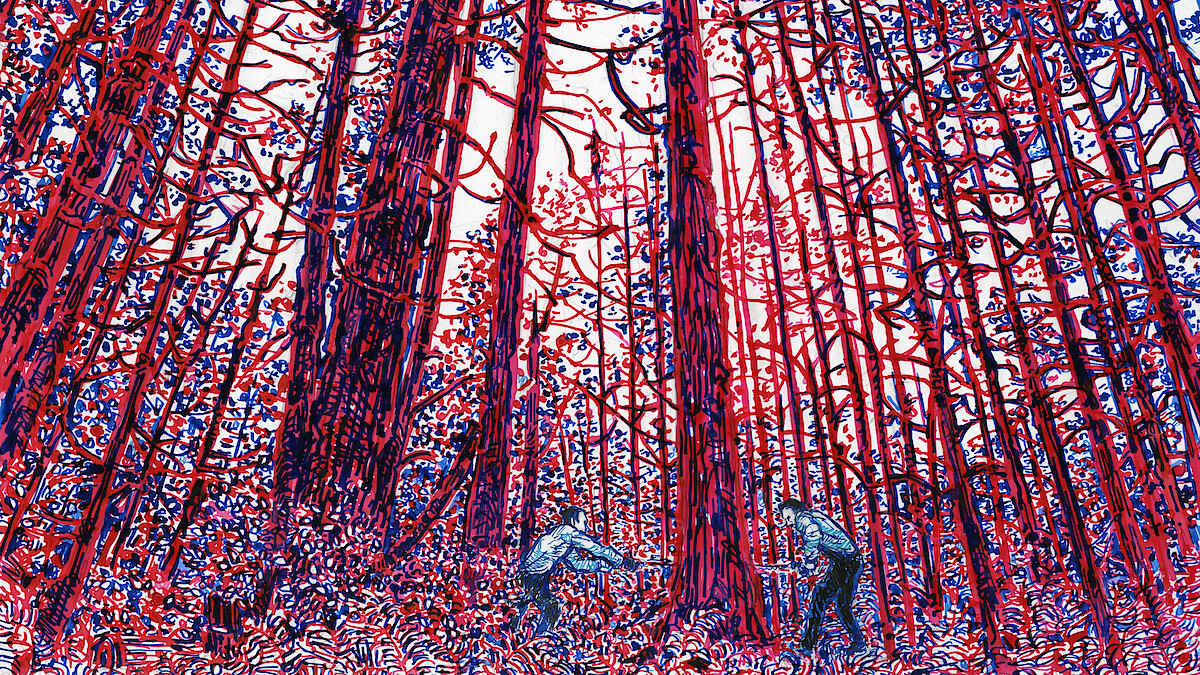
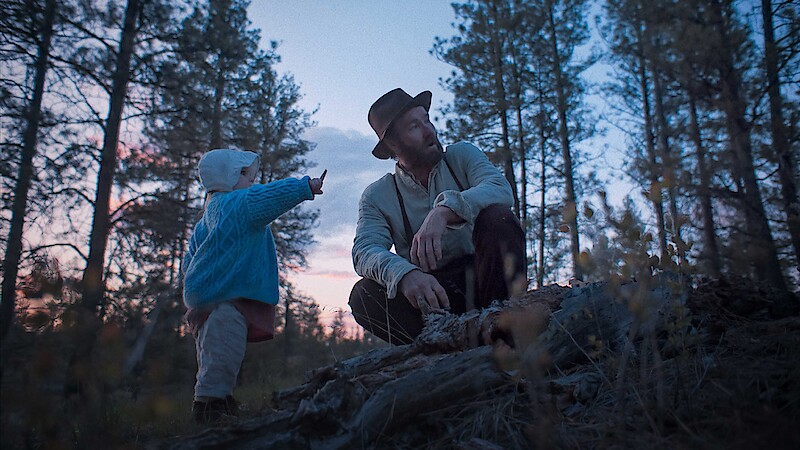
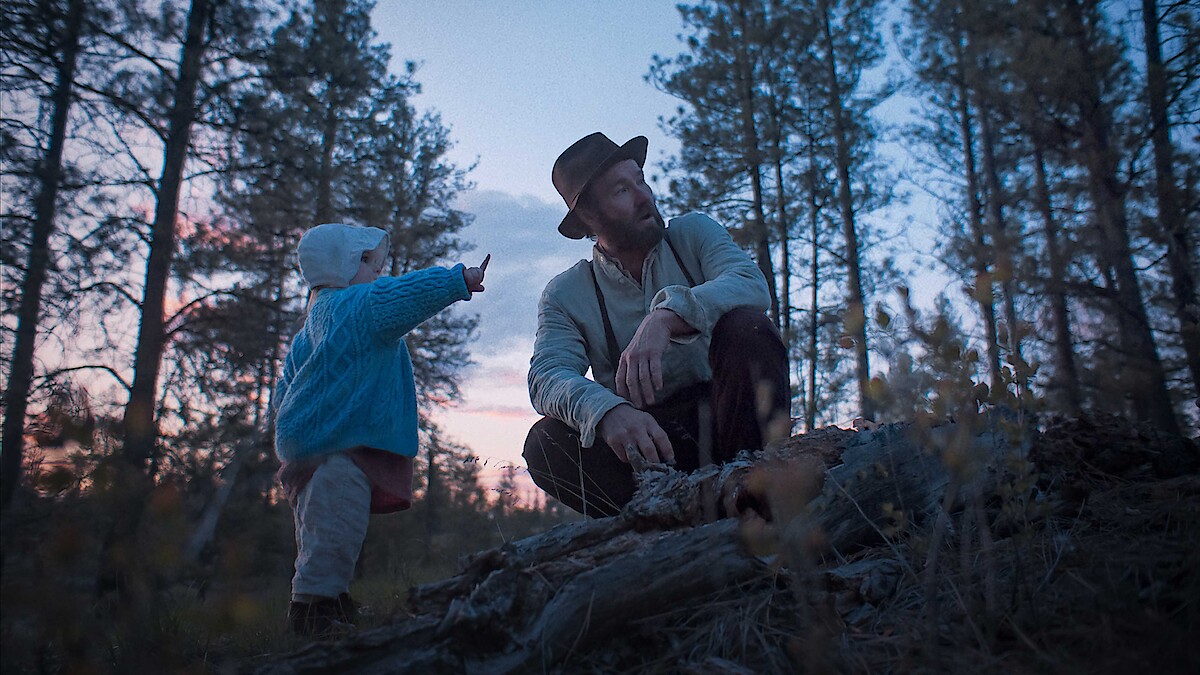
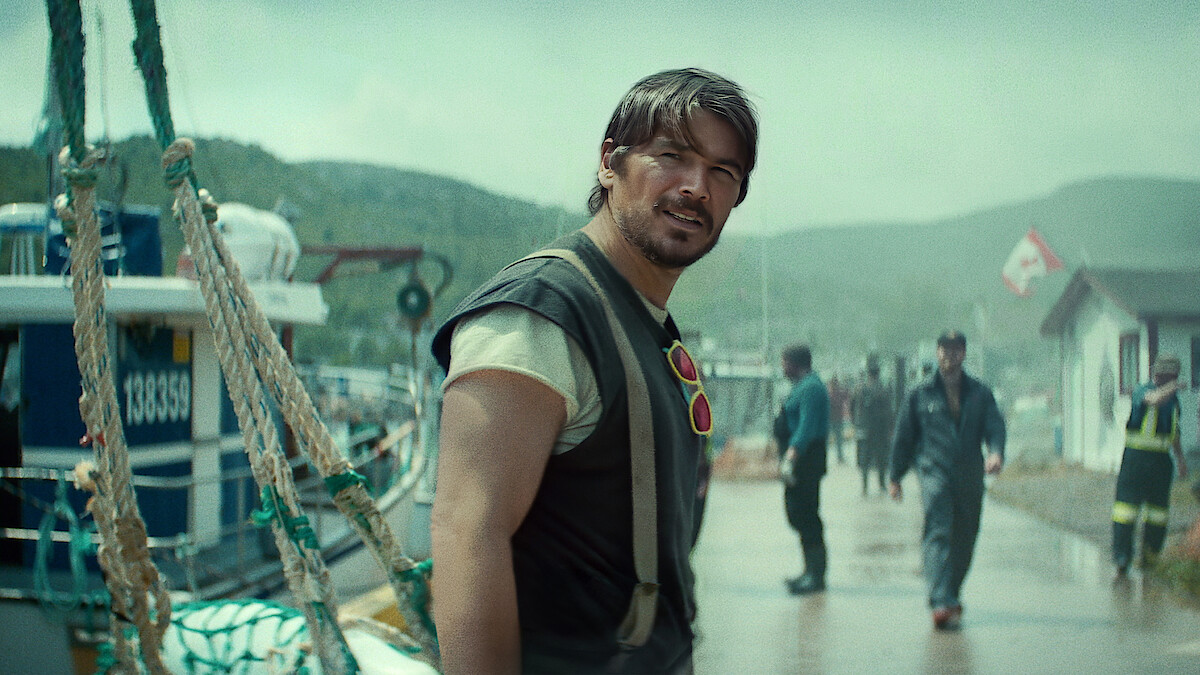
Clint Bentley first read Denis Johnson’s Train Dreams when he was in college. After that, the filmmaker says, he “devoured pretty much everything else he had written.” But Bentley couldn’t have anticipated that, years later, he’d be adapting the novella with his longtime creative partner Greg Kwedar, and heading up to write and eventually film in the same remote woods where Johnson once lived, and where the character Robert Grainier spends his life of simple wonders.
Johnson’s novella, which was a finalist for the Pulitzer Prize for Fiction after its release in 2011, tells the story of Robert, a logger and railroad worker in the Pacific Northwest during the early 20th century. “He watches the world completely change around him and … he ends up becoming a relic of the past, even within his own lifetime,” says Bentley.
Adapting a book as sweeping and meditative as Train Dreams into a film was a delicate task for Bentley and his co-writer Kwedar, who were both nominated for an Academy Award for their screenplay for Sing Sing. But it was one they were well-suited to attempt, and which they pulled off with a grace and sensitivity that complemented this story of the extraordinary life of an ordinary man. “We stayed in a cabin along the river where Grainier would’ve lived,” Bentley says. “We met loggers in that area and people whose parents and grandparents had been loggers. It was a really unique writing process and really rewarding. I wanted to make sure that we were completely loyal to the spirit of the book that Denis had written, but also let the story take its own path to become the movie that it needed to be. It was a constant exploration of trying to find what that balance was.”
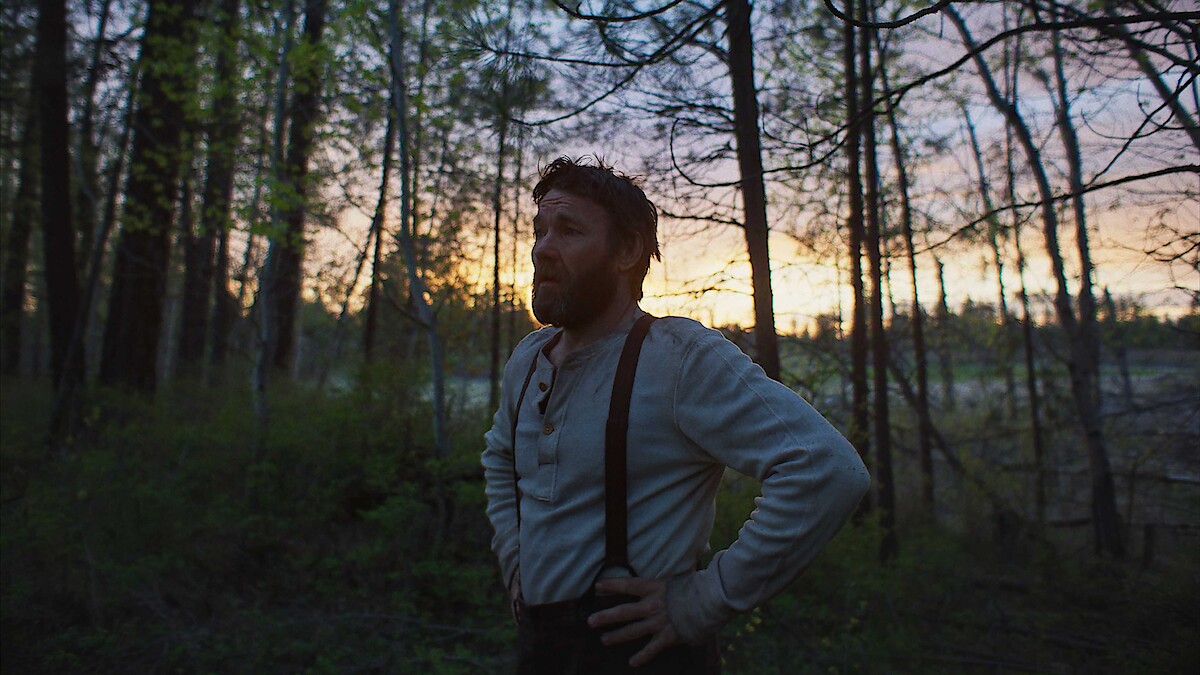
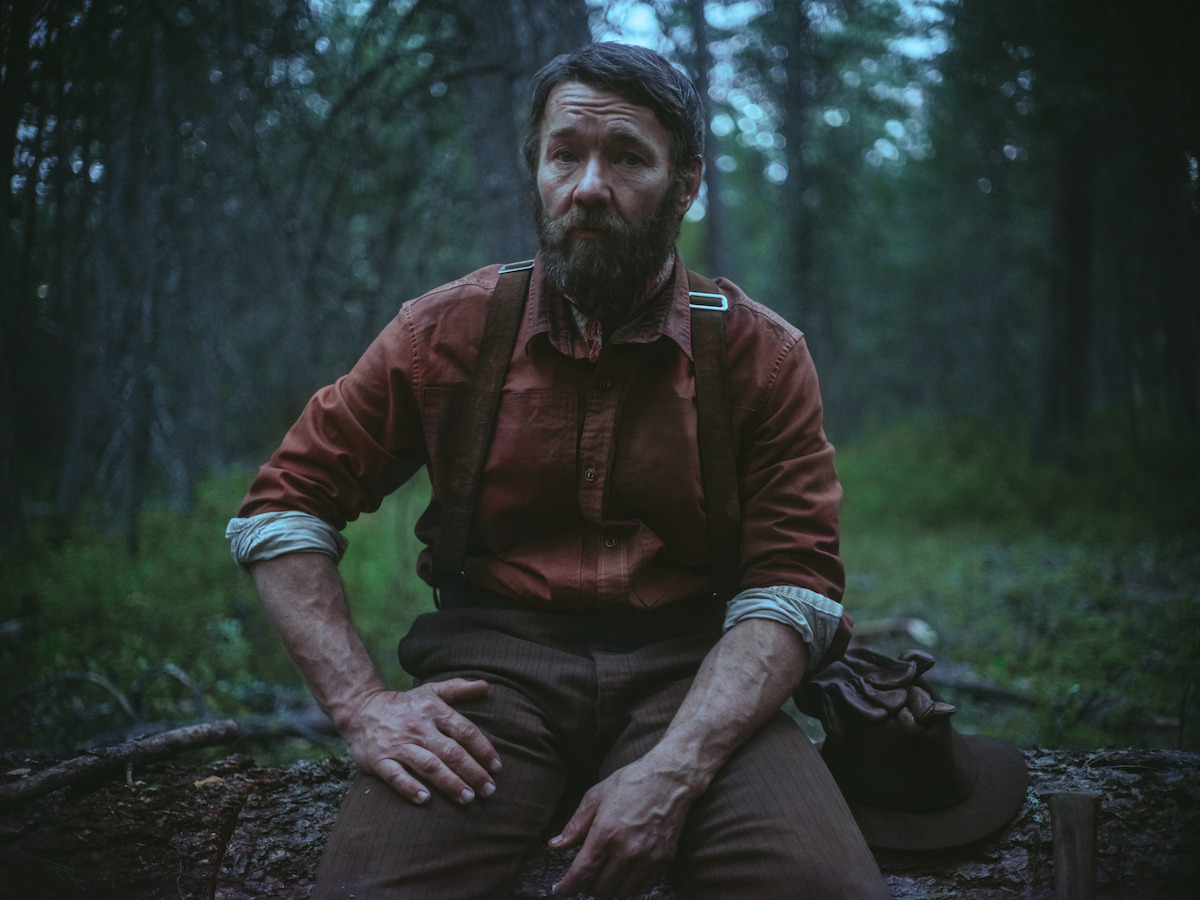
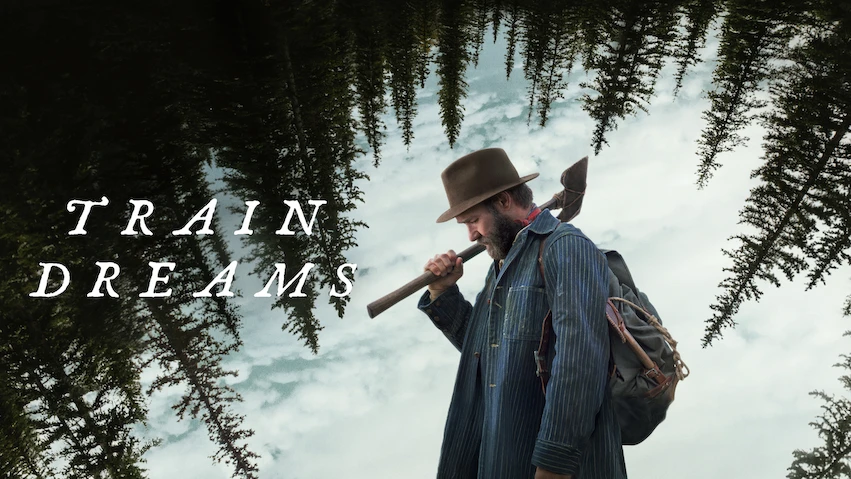
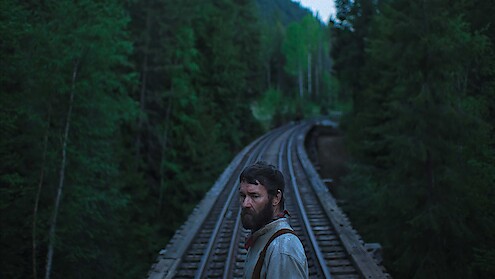
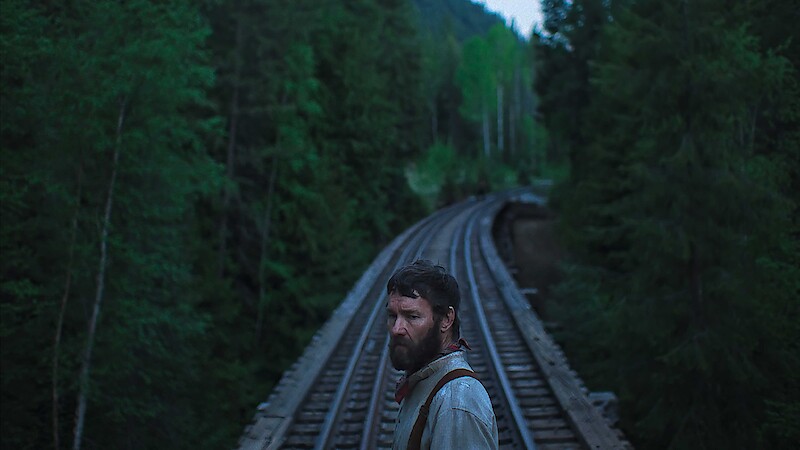
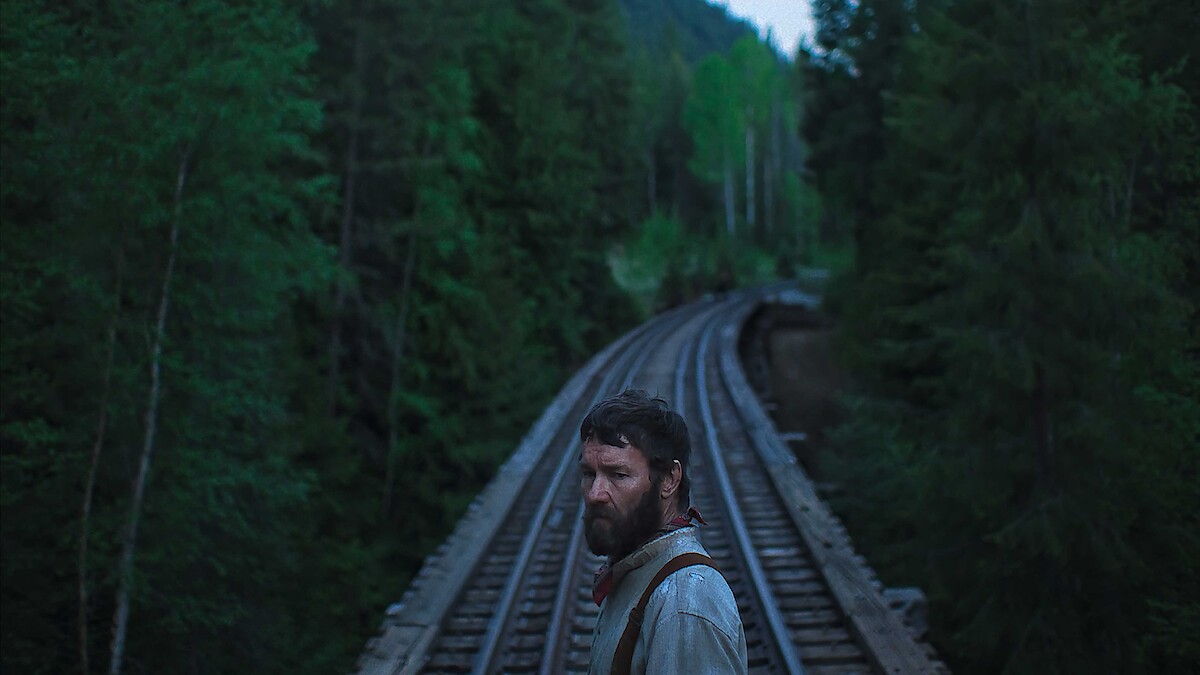
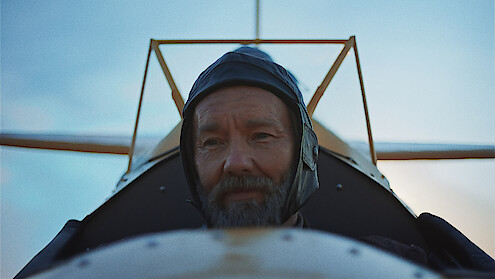
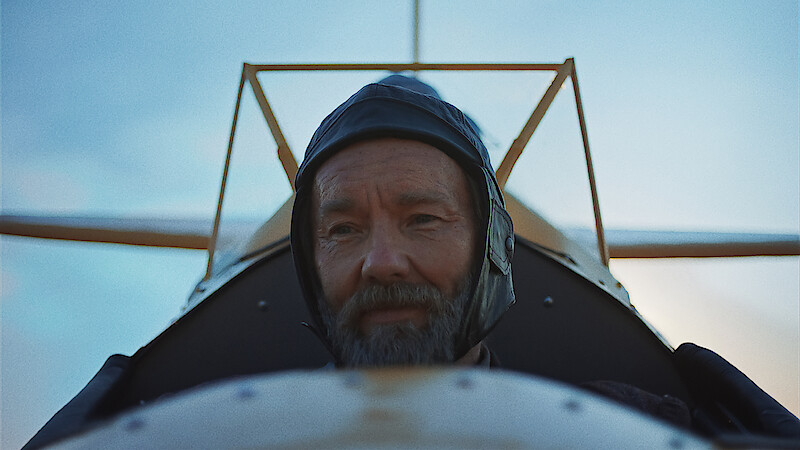
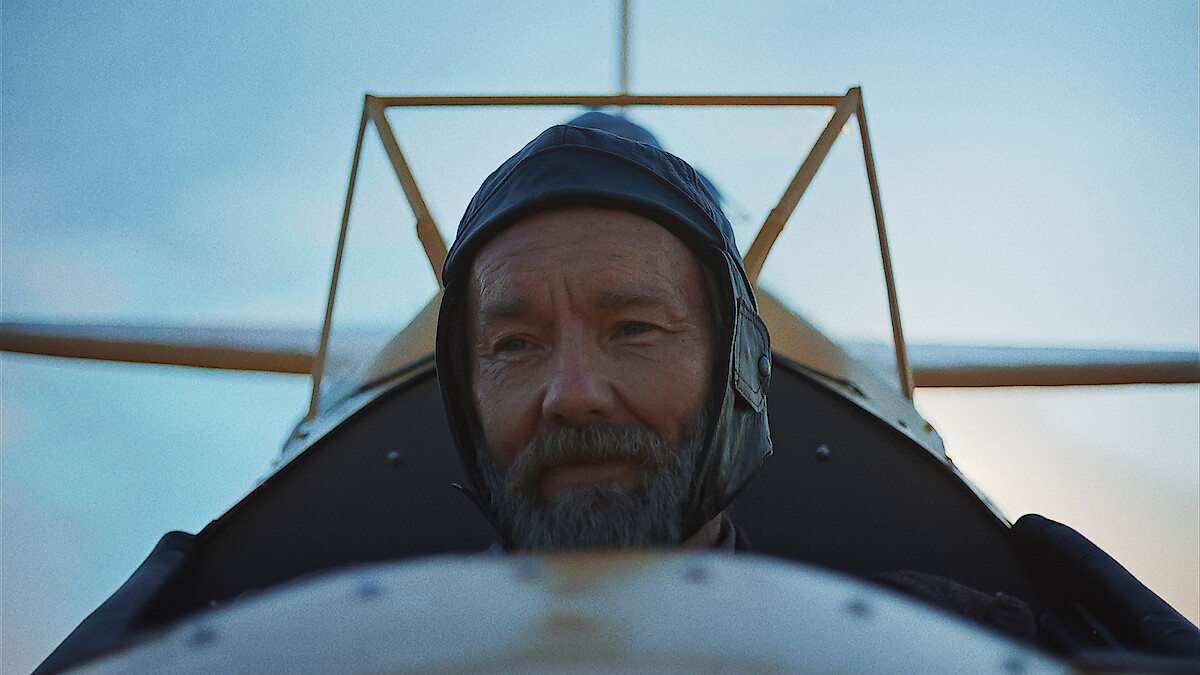
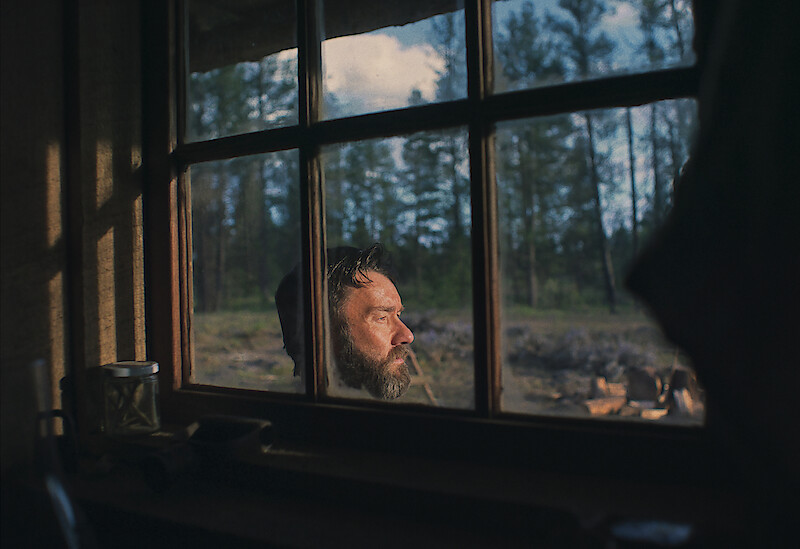
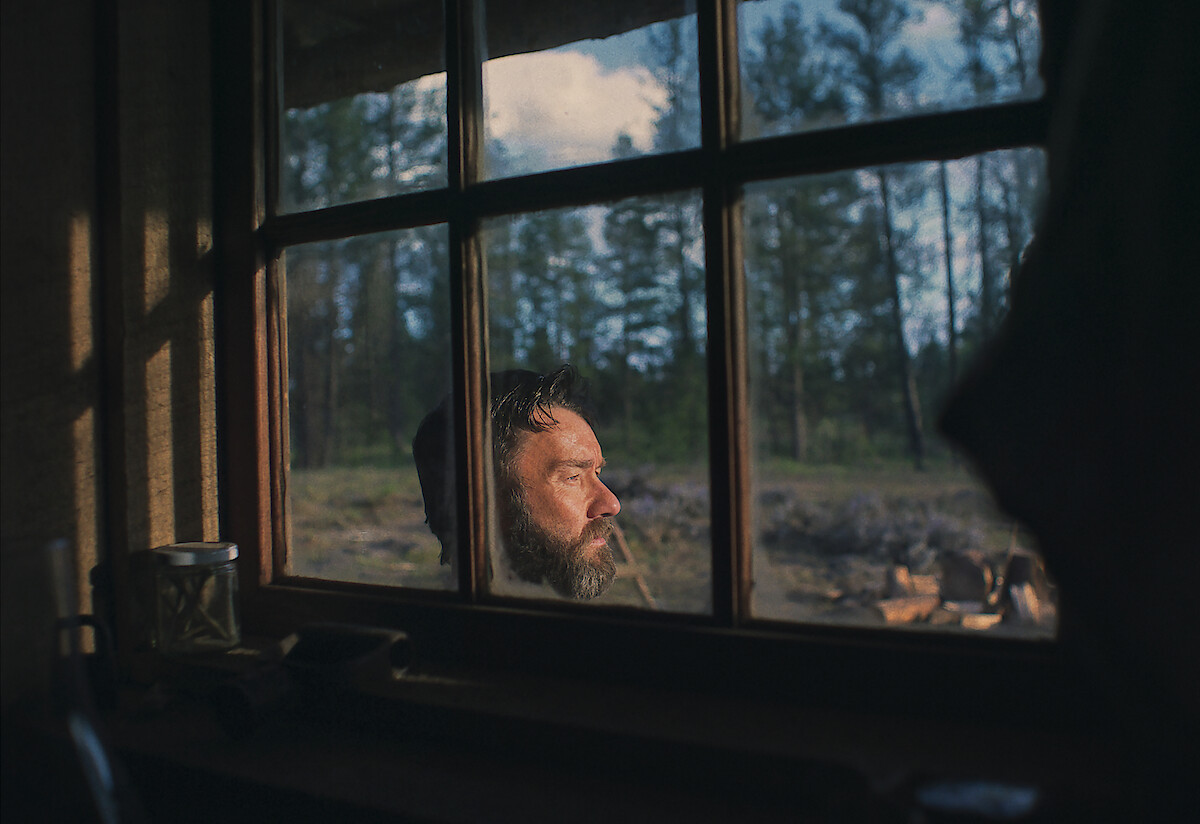
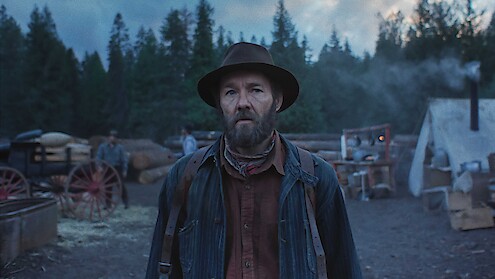
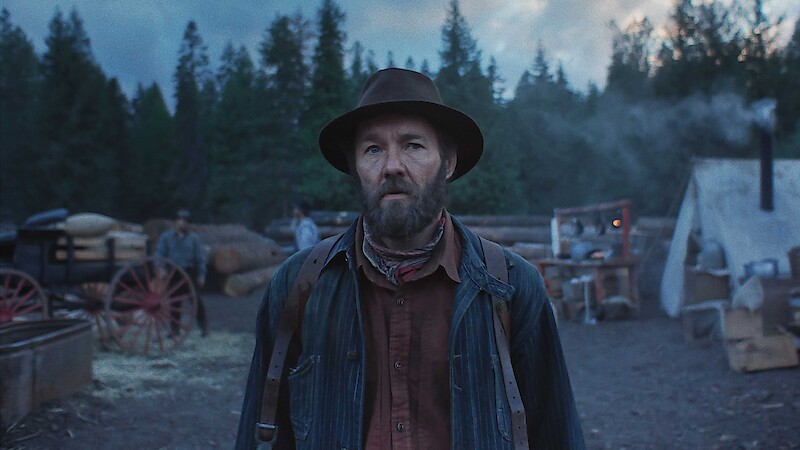
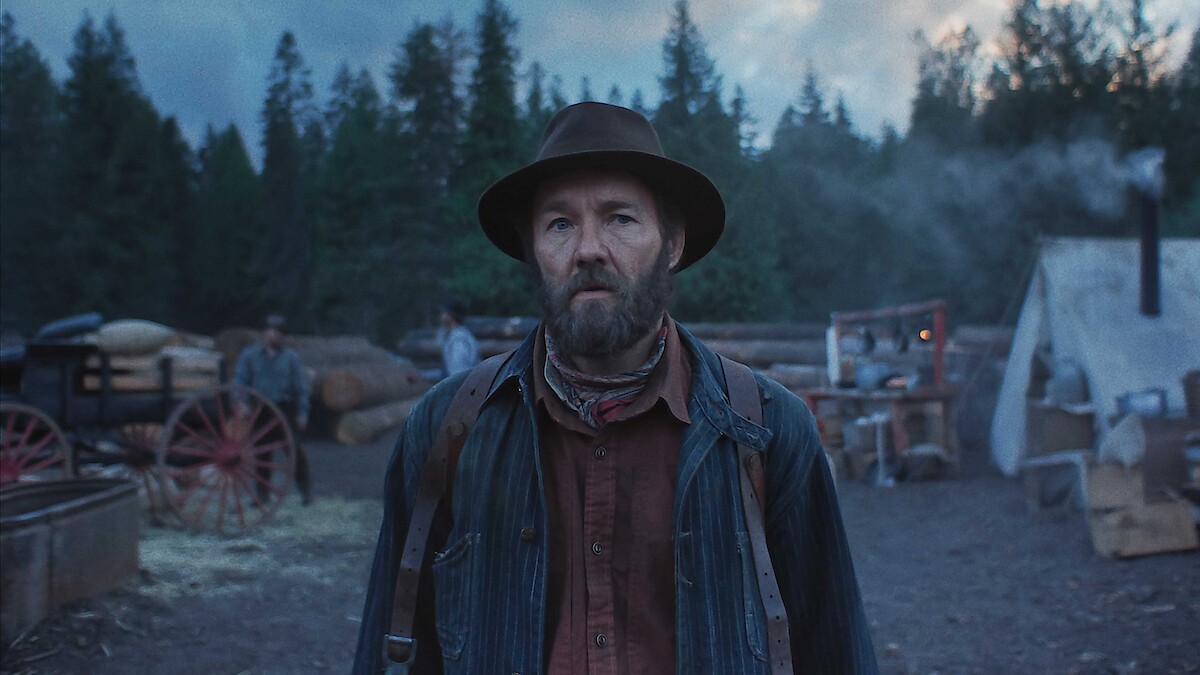
Joel Edgerton as Robert Grainier
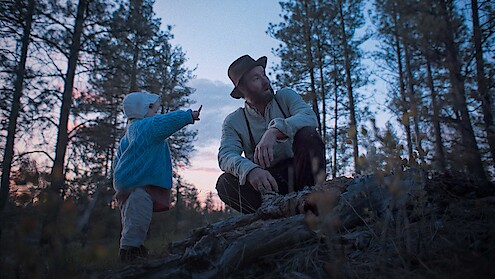
Played by Golden Globe nominee Joel Edgerton (Loving), Robert is a man who isn’t used to expressing himself with words, but who holds within himself deep reservoirs of feeling. Edgerton, who is also an executive producer on the film, says, “I remember realizing that sometimes the people really worth listening to are the ones that only choose to speak when it’s really important. That people of few words often can be very potent and fascinating to watch.”
“Joel was such a great partner to have on this film,” Bentley says, “because he has such a deep understanding of this character and of the story that I was trying to tell, but then was also so flexible and open to how the film was developing as we were shooting it. I couldn’t have done it without him.”
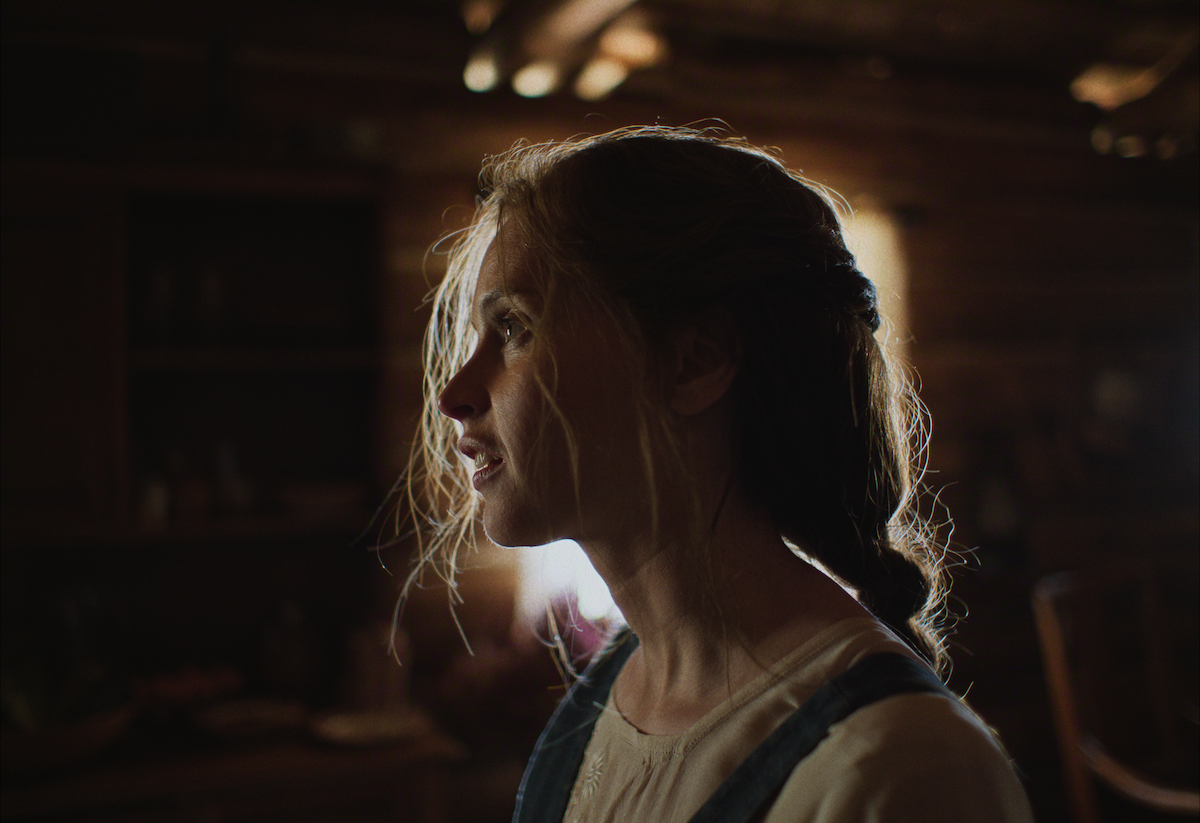
Felicity Jones as Gladys Grainier
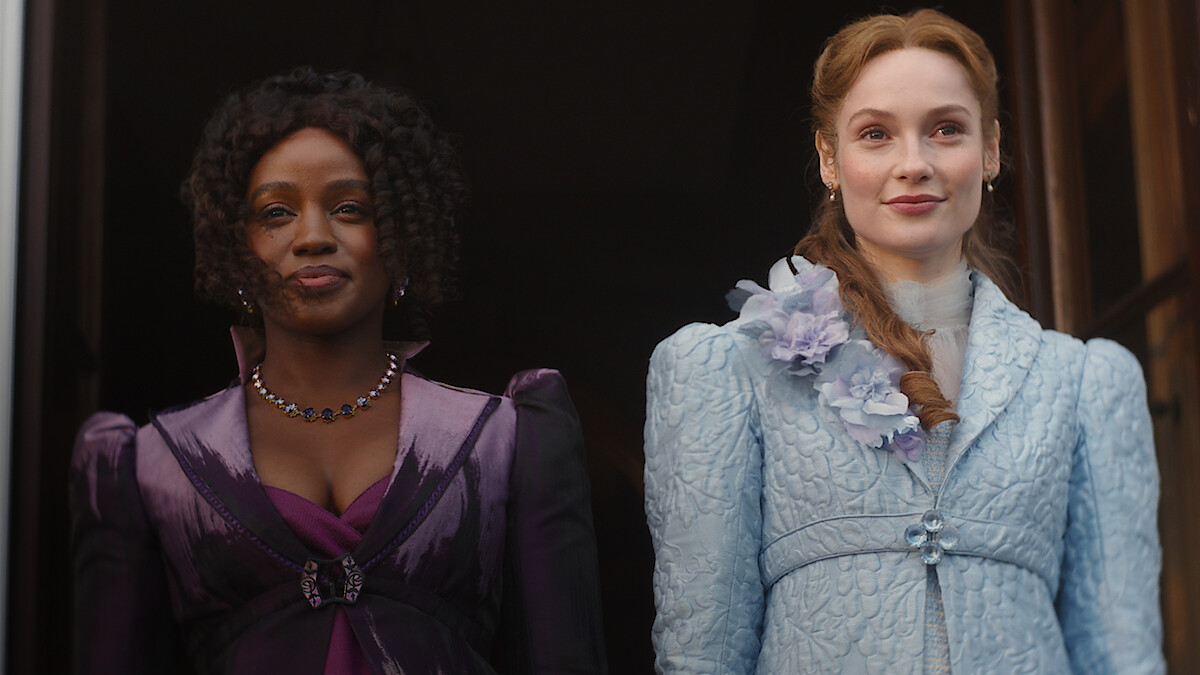
Joining Edgerton as Robert’s wife Gladys is Felicity Jones (The Brutalist), who brought, Bentley says, “heart to the film. Every scene she’s in is like a breath of fresh air.” For the Academy Award-nominated Jones, to portray a woman of that era, who lived in a remote cabin in the woods, capturing the “hardiness” intrinsic to Gladys was key. “There’s something very elemental in her,” says Jones. “You feel that she’s very at home in nature. She is running that homestead and doing everything in her power to make it work. ”
Edgerton praises the “beautiful and organic” way that Jones embodied Gladys. “She morphed herself to adapt to that world as that character,” he says, “while also bringing a real strength, knowing that Gladys for large periods of time is left to her own devices, there to answer to the property and to build” the home that she and Robert inhabit with their daughter.
So much of Train Dreams is about this type of strength and spirit, this capacity to navigate all the different elements of life — including the ability to establish a presence in an environment that is rapidly changing, and to see the beauty in a world that also contains so much pain. For Robert, loss is an ever-present companion in his life, and his desire to withdraw from the world is in constant conflict with an inclination to connect with the people around him.
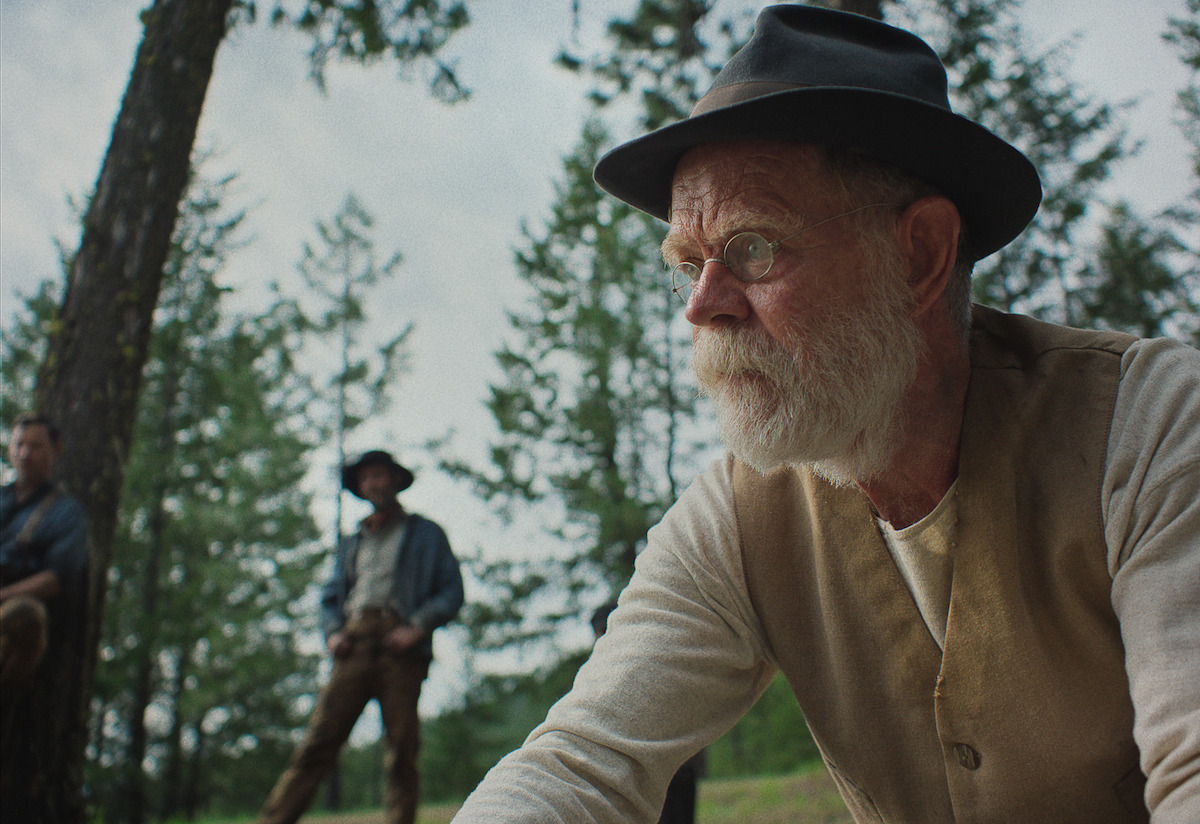
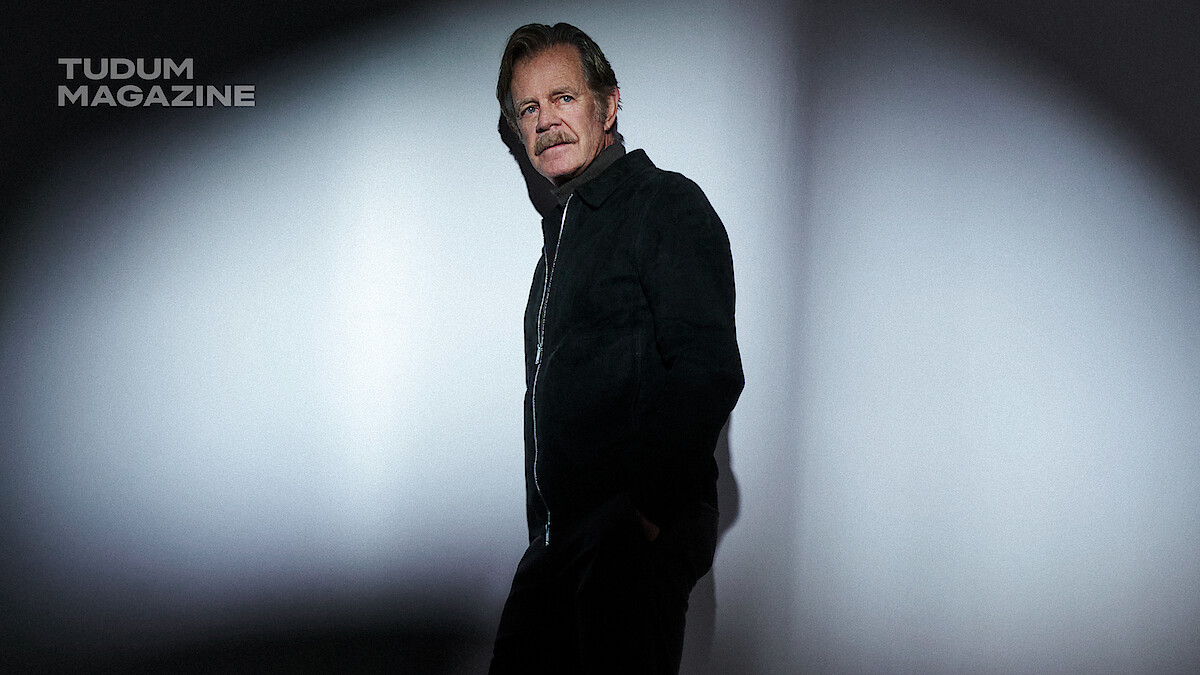
William H. Macy as Arn Peeples
While one of those people is Gladys, Robert also meets others along his journey, like his fellow logger, Arn Peeples, whose wisdom about the towering trees around them offers Robert another way to view the world. Played by William H. Macy (Fargo), Arn is a man who, Edgerton says, “has all sorts of discombobulated wisdom about the world and the planet and trees, and most of it makes sense even though he’s making a lot of it up. He’s supposing a lot of things.” As Macy sees him, Arn is “a poet. He’s a philosopher; he’s a sluggard. He’s mature, he’s older. He’s got wisdom. I’d like to hang out with Arn Peeples,” says the Academy Award nominee. “He saw the future. He didn’t preach it. He just knew it and he shared it and he loved the trees. And I love trees.”
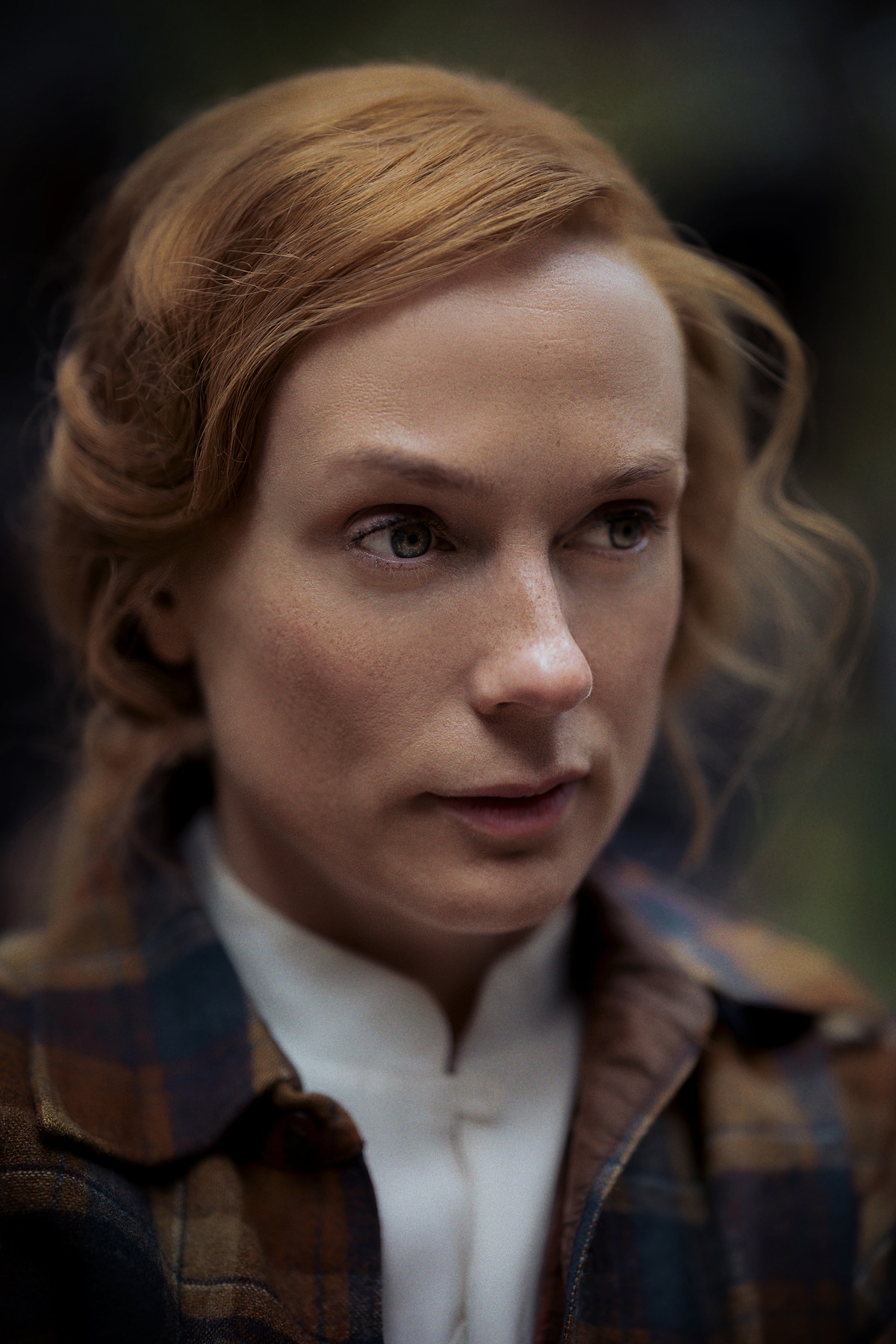
Kerry Condon as Claire Thompson
The trees were part of the draw of the film for actor Kerry Condon, who plays Claire, a widowed nurse who meets Robert after she comes to the woods to work in a fire tower. Claire is an unconventional woman for the time, as she chooses to be on her own, but Condon says that facet of the character intrigued her. “There was quite a lonely existence and there was a lot of solitude,” says Condon, who also explored female independence in her BAFTA Award-winning performance in The Banshees of Inisherin. “And that appealed to me, that part of Claire. Because she was comfortable with the solitude, she was at ease with it.”
This aspect of the film, the duality of solitude and connectivity, is one that echoes what Bentley and Kwedar were experiencing as they were working on the script. “We were writing this across the pandemic,” Kwedar says. “The way that moment in history forced us to confront the idea of isolation and a need for connection of community became more present in our isolation [during the writing process]. We were feeling that and experiencing that.”
As much as the feelings of isolation come through in the film, so do the feelings of joy. Kwedar says, “I think it’s a movie about how to choose light again after loss. It’s a beautiful testimony to that. It’s a movie about how do you stand back up again? It’s both a personal choice and there’s an internal transition that needs to happen where you allow that again. And then there’s a role that people, that a community, can play in enabling that to fully happen.”
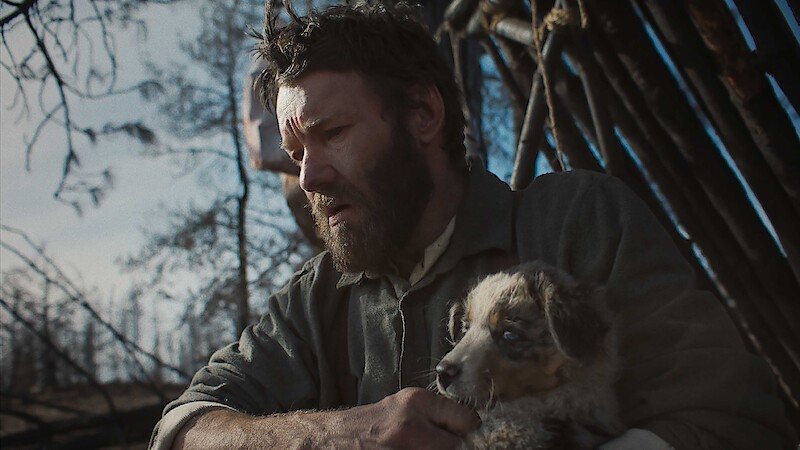
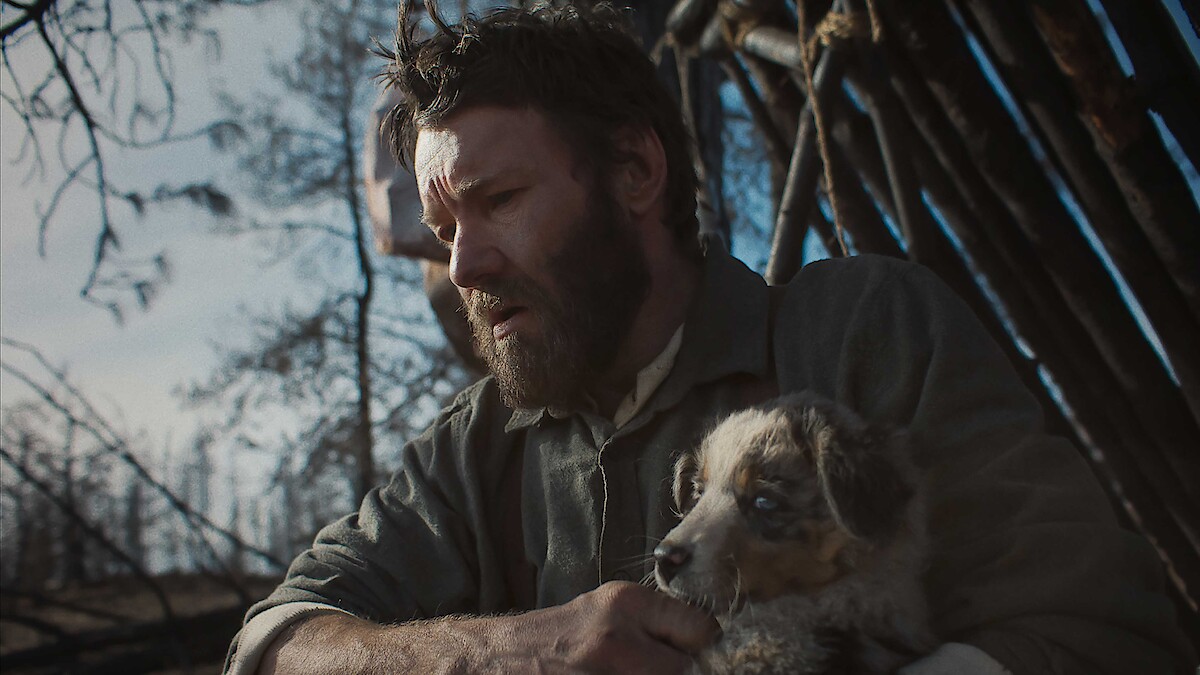
That community can, as Train Dreams depicts, be a pack of dogs romping through a forest, a cluster of fellow laborers building a bridge to the future together, a woman alone on the ridge of a mountain, the love of your life and the new life you create together. Or perhaps it’s a grove of towering trees, each one having been alive for longer than you can even imagine. Any of it, all of it, is enough, as Robert realizes to feel, “at last, connected to it all,” no matter how insignificant one person might sometimes feel. As Bentley says, “Most of us will never have some great impact on history and yet we lead very, very deep and beautiful lives in the process.”
Train Dreams is streaming now on Netflix.