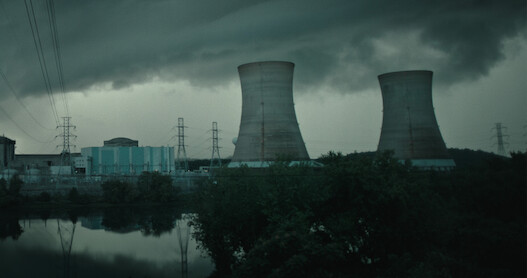
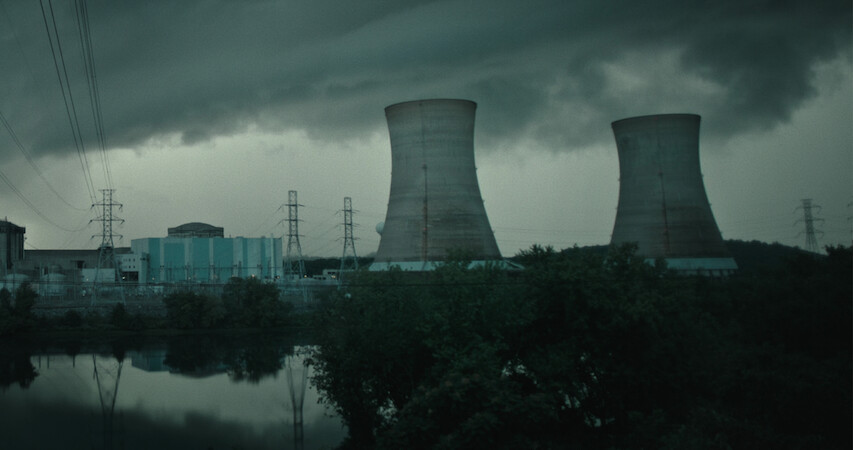
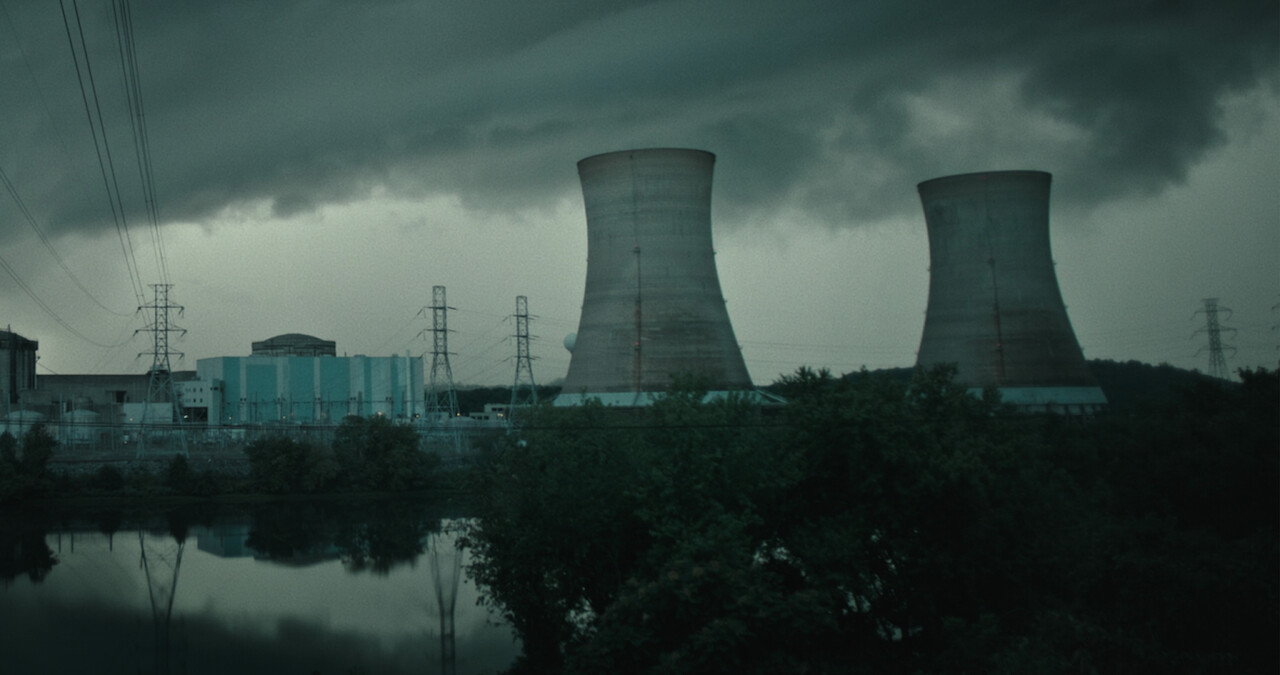
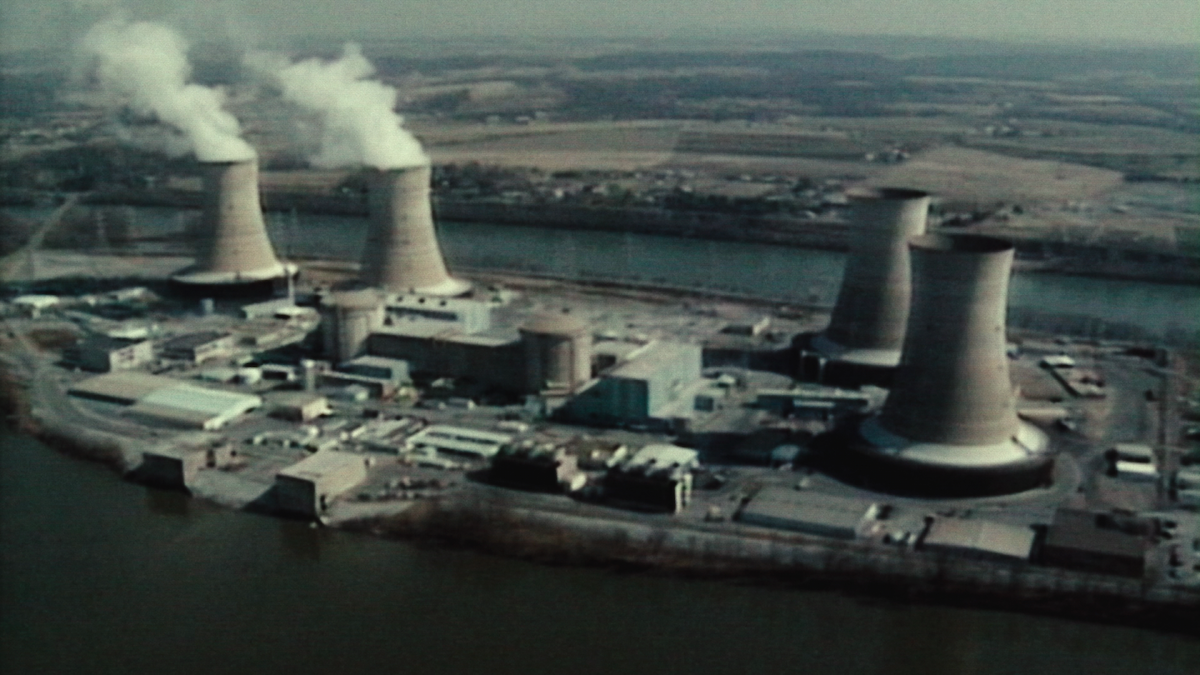
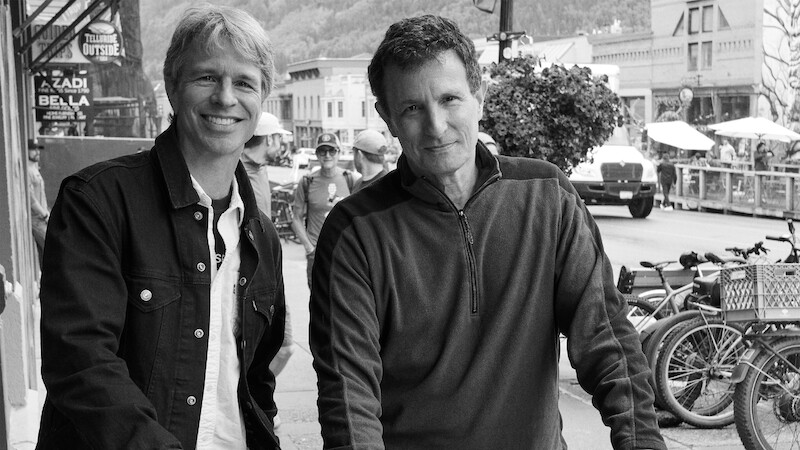
It takes guts/fearlessness and determination to get to the truth of a subject. Director Kief Davidson and Erin Brockovich executive producer Carla Shamberg are no strangers to digging up facts. Their latest docuseries, Meltdown: Three Mile Island, unveils the shocking events and aftermath of the worst commercial nuclear disaster in US history.
The four-part docuseries offers a bird’s-eye view of the accident that occurred on March 28, 1979, just outside quaint Middletown, Pennsylvania. The series uses archival footage, reenactments, and first-person accounts from residents and whistleblower Rick Parks. He exposed the truth about the corporate corruption that resulted in the accident and the near-disastrous cleanup that changed the US energy industry forever.
“I set out to have a four-episode arc that felt like there was a ticking time bomb that was about to go off,” Davidson tells Tudum. “When you watch those first two episodes, it was a five-day, very intense period where the accident happens, and it’s all the evacuation, it feels like a very tense thriller. And just as the problem is solved at the end of Episode 2, we restart that ticking time bomb clock again with Rick Parks’ story.”
Davidson and Shamberg shared their vision for the series with Tudum and why speaking the truth is the most impactful thing anyone can do.
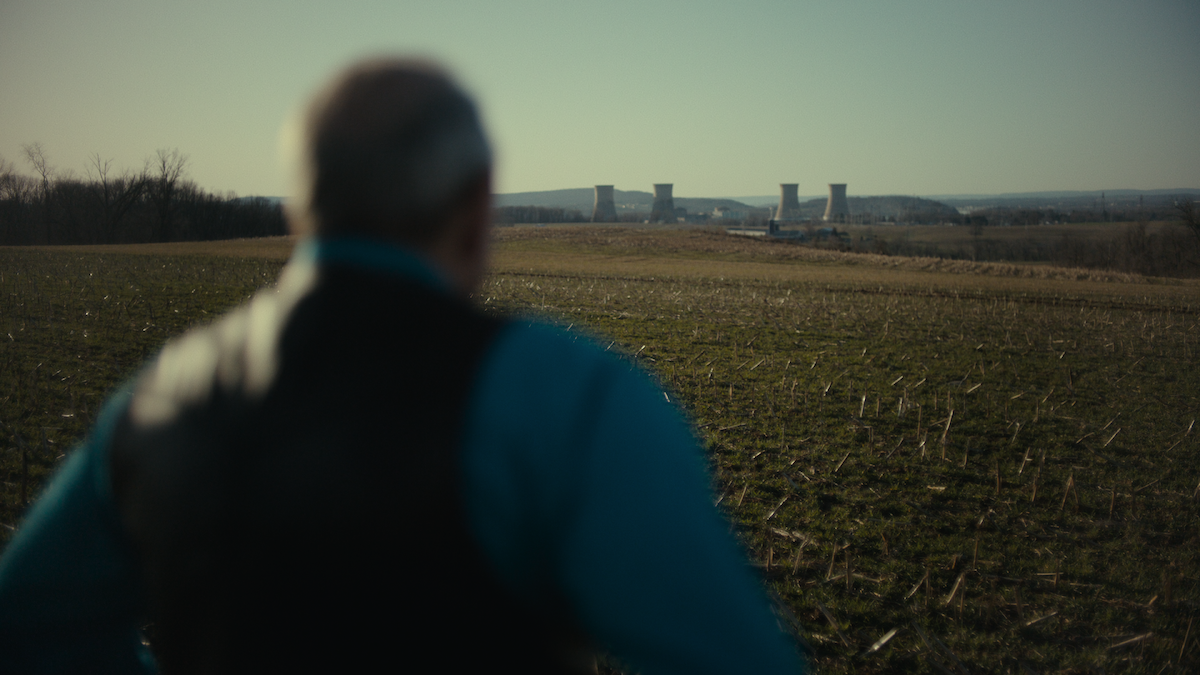
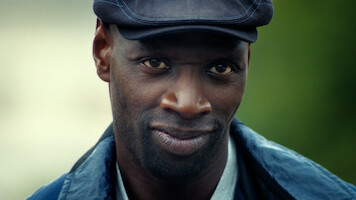
Rick Parks in Meltdown: Three Mile Island.
How aware of these events were you before you took on this documentary?
Kief Davidson: I was very little when Three Mile Island happened, but I do remember. I grew up in New York and I remember my parents talking about it. Then I remember also learning about it in school. I didn’t really know any of the ins and outs of the storyline. So when I first started working on this, I was coming in at the ground level of learning as much as I could about what happened and who all the players were. There was a period of exploration for me before digging into the investigation part of it. And ultimately, what would become the final series.
Carla Shamberg: Being born in 1952, I was clearly alive when the event happened. I think I was living in Chicago, so it was in the news. It was everywhere. Living in Chicago, the first thought is, “Am I going to get affected by this?” We didn’t think the winds would blow in our direction, but it’s pretty serious because there are nuclear power plants in the Midwest. Then, of course, The China Syndrome had already come out. That was the big news. So it was in the language, nuclear power disasters.
Why did you feel compelled to tell this story? Do you have any personal connection to it, even peripherally?
Davidson: I tend to do mainly character-driven films. So I was looking at who the potential main character would be in it. Within the first 10 minutes of talking with Rick Parks, I knew that I wanted to make the series. He struck me as a larger-than-life person who was incredibly brave for what he’s done. Very few people know anything about what happened after the actual accident, after that five-year period, what happened in the cleanup phase that Rick Parks was very much a part of, and the potential catastrophe that the East Coast narrowly avoided. There was a real opportunity for an untold story of Three Mile Island that extended past the actual accident.
Shamberg: I’ve always been an underdog person, and I love whistleblowers. After Erin Brockovich came out, I was put in touch with a lot of people who had similar stories. Mother Jones magazine said to me, “You need to meet these whistleblower lawyers in Washington, DC. The name of the company or their firm is the Government Accountability Project. And it’s Tom Devine and Louis Clark.” They defend the most notable whistleblowers against the government in the country. During our many conversations, Louis had told me that they represented the man, Rick Parks, who had blown the whistle on the cleanup of Three Mile Island. So I’ve known this story for years.
Did you expect to uncover so much corruption and deceit?
Davidson: At the end of the day, the corporate corruption that we did reveal surprised me in some ways; in other ways, it didn’t surprise me. You hear the stories repeatedly about companies that are just trying to save money and get to the finish line quicker and incentives to finish projects on time. But what does surprise me is that it’s a story that has not come out in any real significant way. It was pushed aside. I think part of it has to do with the fact that the media back then is a little different from now. There was no opportunity to have as many outlets reporting and spreading things virally. So we do feel like we’ve brought some new, interesting things to the table.
Shamberg: Was I surprised by that? No. There’d been so many stories in the past of the Ford Pinto blowing up if you rear-ended it. I feel like it’s been going on for a millennium that people have been making bad decisions about business when they don’t listen to the people they hired to do the job.
How did visiting the residents of Middletown today shape your narrative?
Davidson: I knew pretty early that we had to explore the local community and identify characters who lived there. I got excited from a community level once we discovered Paula [Kinney] and Joyce [Corradi], both self-proclaimed cookie-baking housewives. Because of what happened to them, they turned from housewives to activists. And to me, there was just this great arc. They were very different people by the end of this. In the case of Nicole [Remsburg], she is tied to the Rick Parks story. These are the stories you don’t hear about in situations like this.
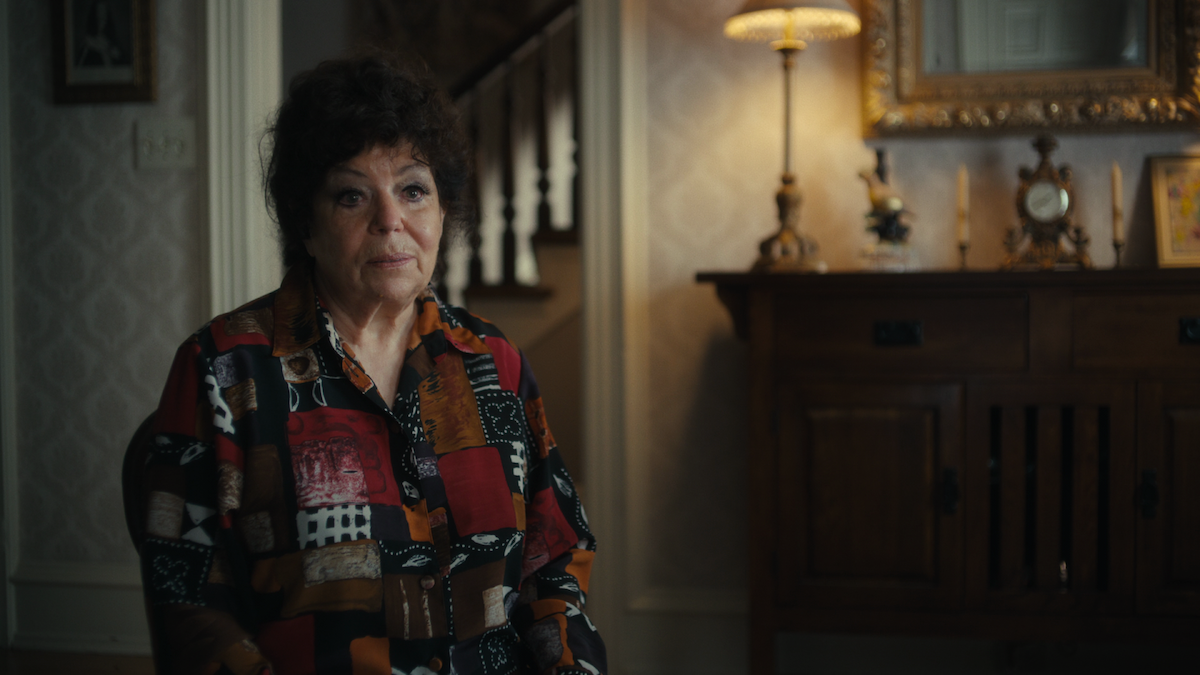
Paula Kinney in Meltdown: Three Mile Island.
Why is the incident at Three Mile Island not discussed today?
Shamberg: I don’t think the government wants to talk about it. It was a big mistake on everybody’s part there. The nuclear business doesn’t want to talk about it. [President] Joe Biden just gave nuclear energy producers $6 billion to revamp their reactors because we need electricity. I have an electric car. We all need electricity, and it’s got to be produced somehow. It can be produced safely, I think. It’s just a matter of the companies listening to the people they hire. It needs to be discussed, especially when we’re on the precipice of recommitting to nuclear power.
Why was it important to infuse dramatic reenactments into the docuseries?
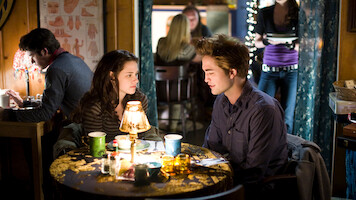
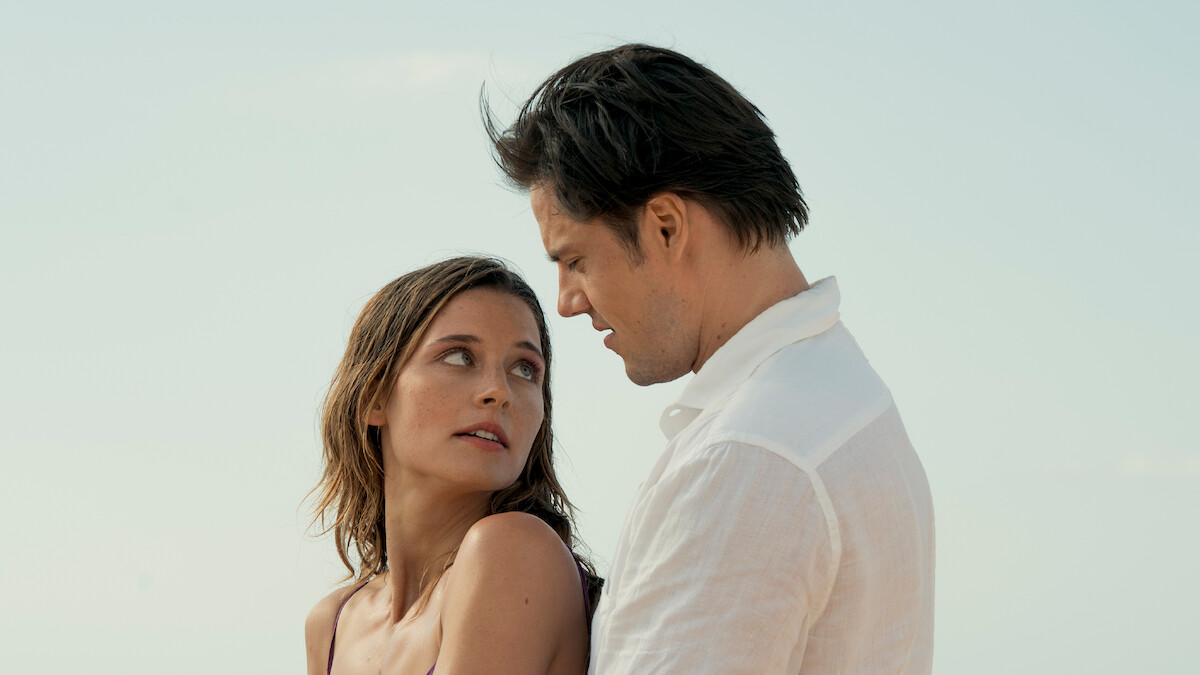
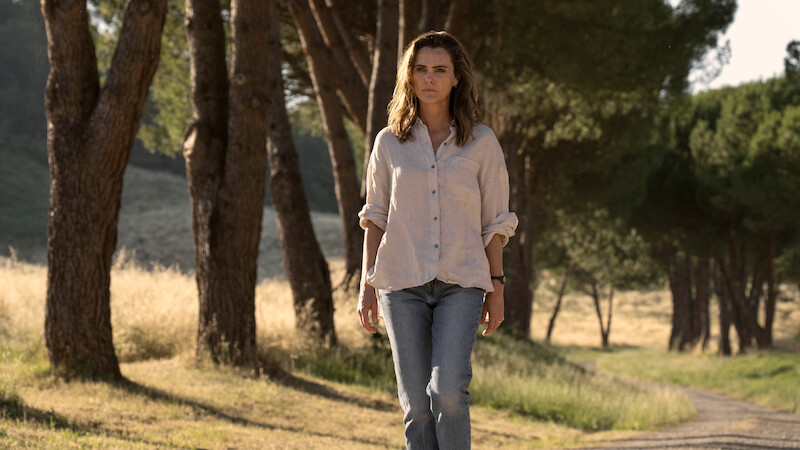
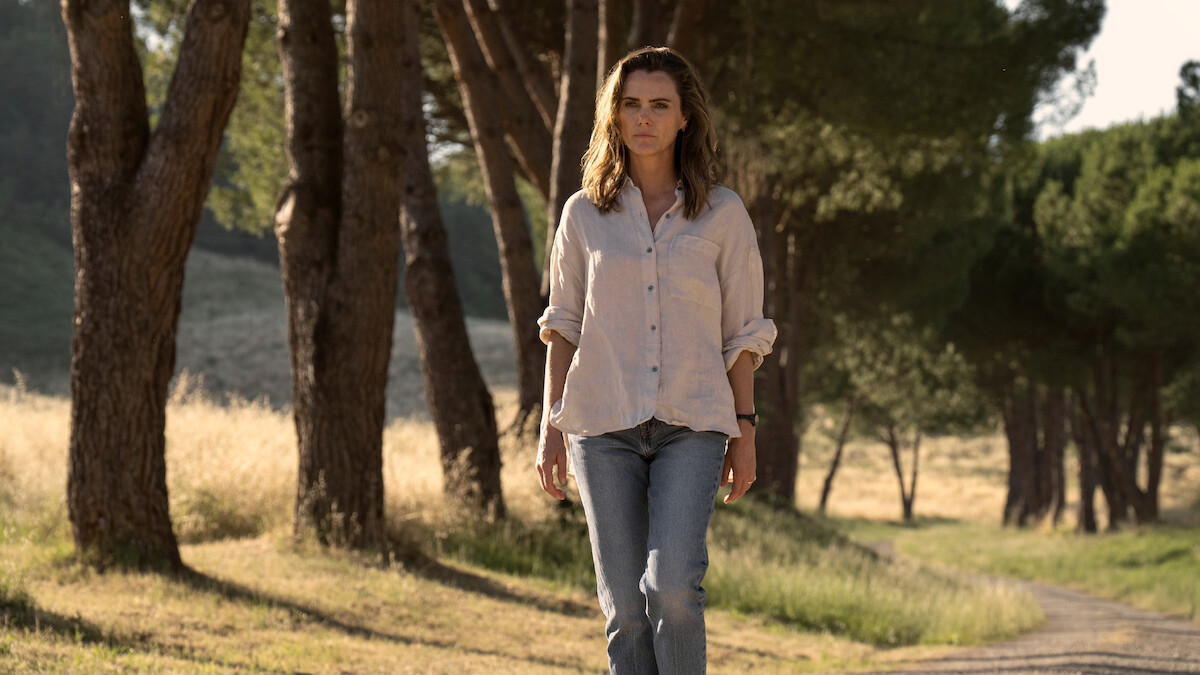
Davidson: I have to admit, I generally am not the biggest fan of re-creation in documentaries. I rarely see great examples of it. Many times the visuals are used more to cover things. I was looking for re-creations to be used as a story driver to help us emotionally tie the audience to what happened. And it was very important for me to see people’s faces in this and find characters that looked and felt like the actual characters we were portraying. We also use the re-creations to illustrate that what people thought is not exactly what happened. It plays a hand in that creatively.
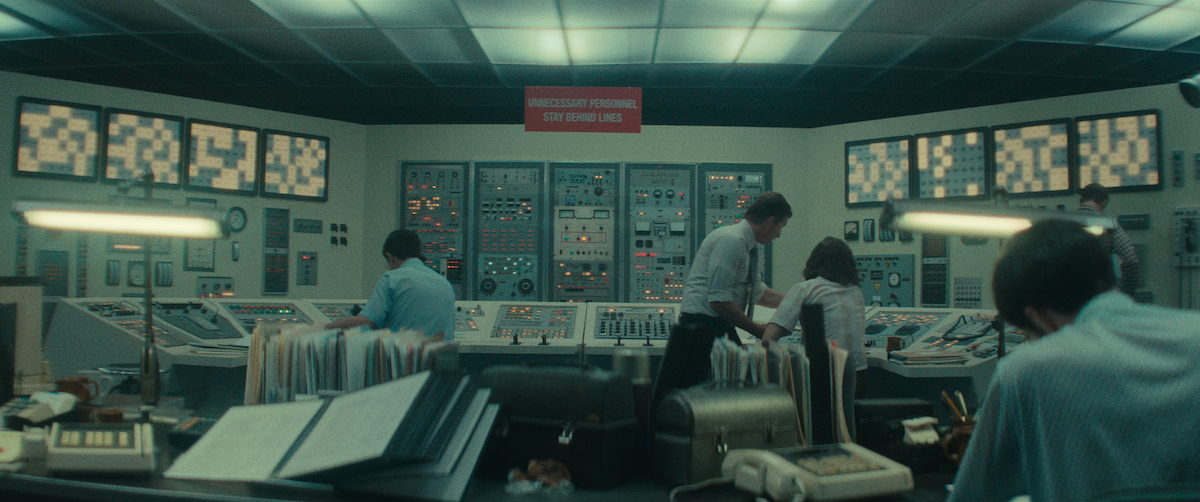
For certain reenactments such as scenes in the control room, a set was built in a warehouse.
Where did you build the set? What was the biggest challenge?
Davidson: We built the set basically in an empty warehouse. And it’s pretty close to what it actually looked like. We did things from a re-creation standpoint that are quite groundbreaking regarding how people have done these types of visuals before. I’ve never done a project where so much time and research has gone into the re-creations because it was important for me to have everything as accurate as humanly possible. We had dozens and dozens of pages of references of what each switch did, how everything worked, what lit up and what types of sounds there were. We had experts that have worked in control rooms to verify that we were correct.
This interview has been edited and condensed for clarity.