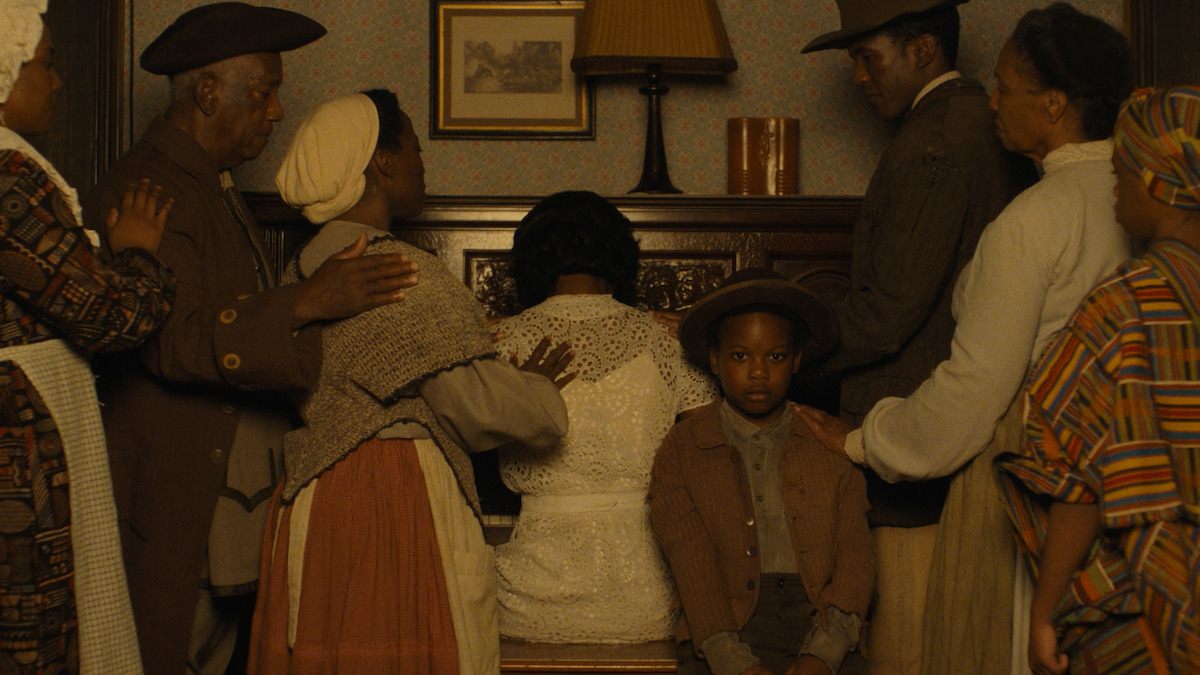
Deep Dive
Everything You Need to Know About The Piano Lesson
Samuel L. Jackson, John David Washington, Danielle Deadwyler, and more bring the play to life.
Jan. 8, 2025
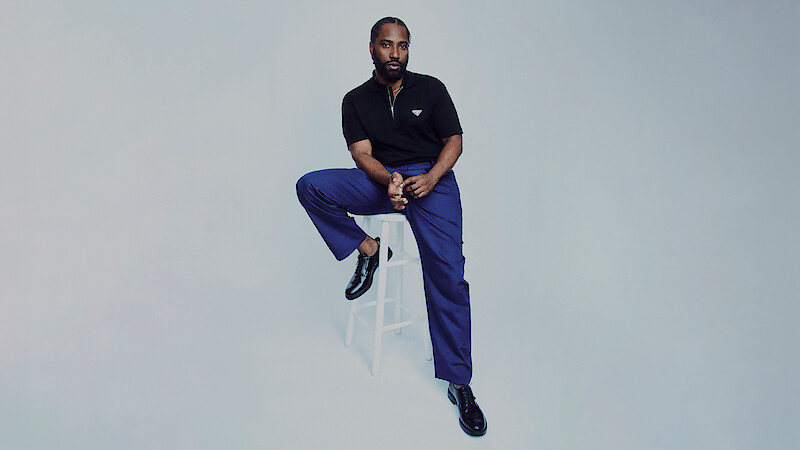
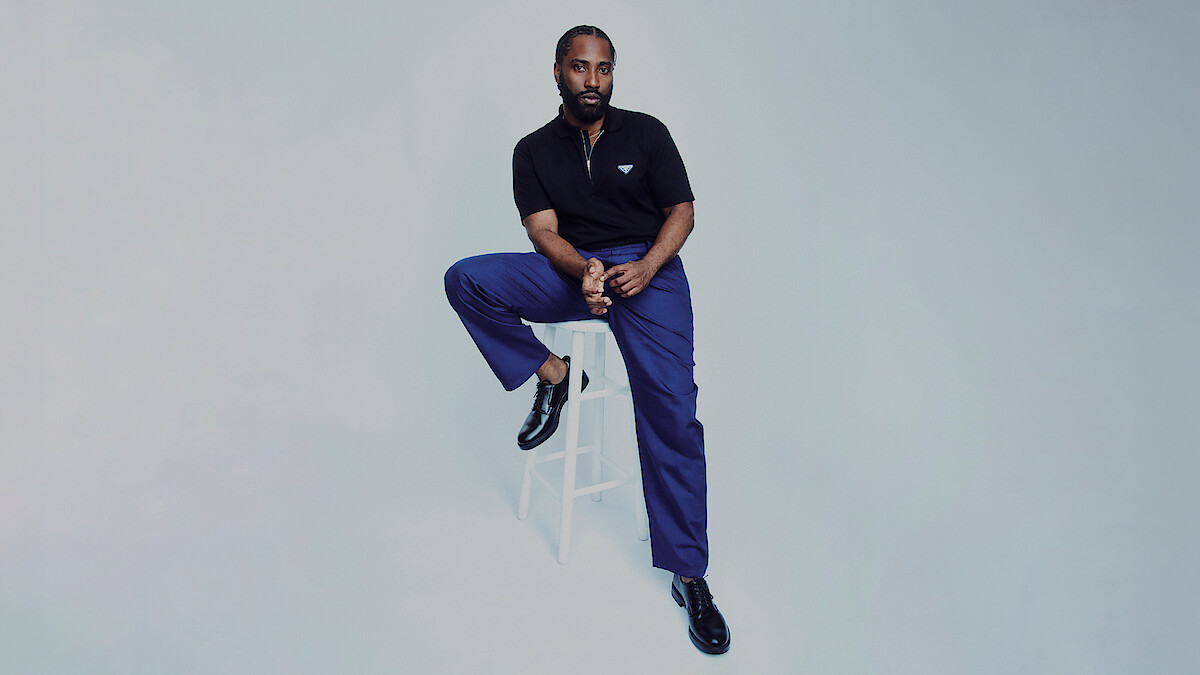
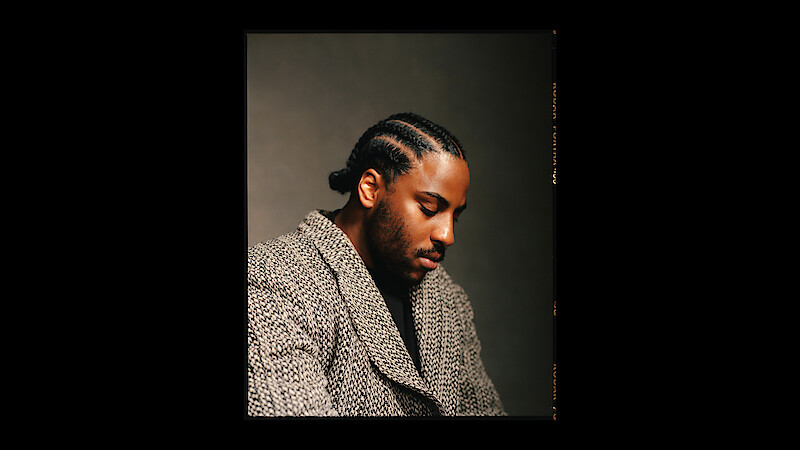
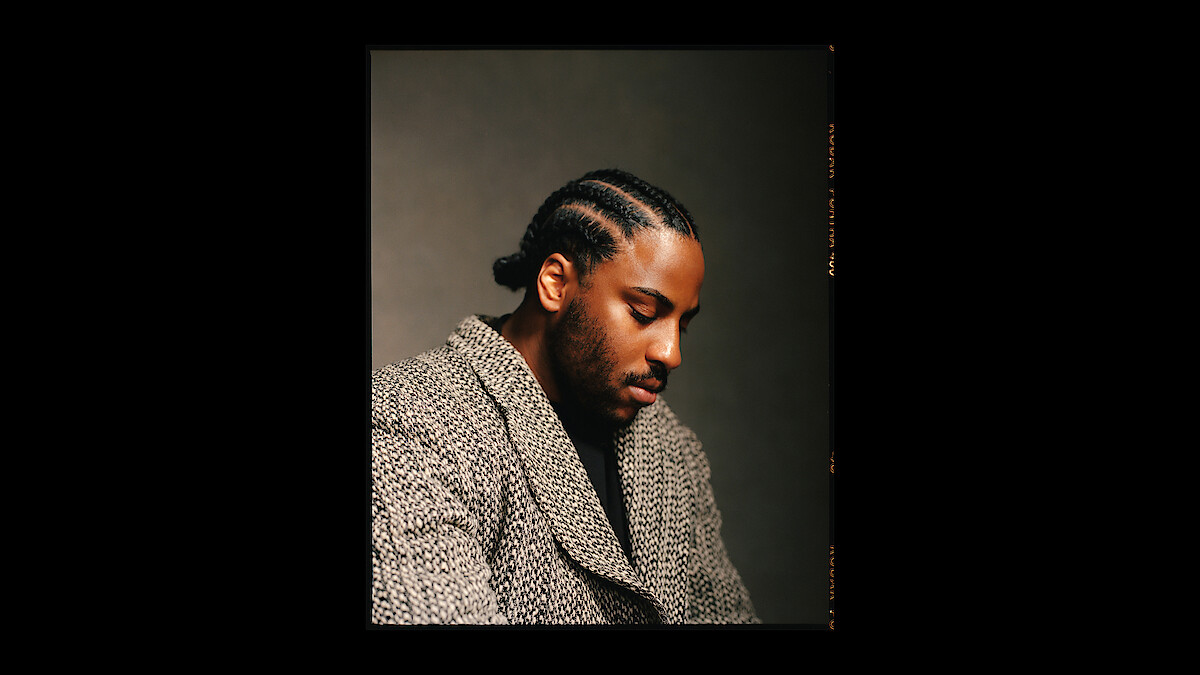
For Malcolm Washington, adapting The Piano Lesson from the stage to the screen felt like a sacred endeavor. The play is part of the late August Wilson’s masterful American Century Cycle of work about Black American life in the 20th century — and it’s part of the American canon as a whole. “Our first mandate was to honor and uphold the legacy of August Wilson,” Washington said in a director’s statement. But legendary works are also living works, which continue to speak to new times. “I became a student of August Wilson, but along the way a curious thing started to happen; the more I learned about August, the more I saw myself in his story and in his work.”
Washington began to recognize himself reflected in the characters of The Piano Lesson. Their arguments over a family heirloom point to larger, intergenerational discussions about the importance of tradition and the memory of historical trauma, and struck him as contemporary, even personal. When it was time for Washington to step onto the set and direct the film, the characters were more than just figures on the page — they were like family.
The Piano Lesson marks Washington’s feature directorial debut and carries over several cast members from the play’s recent Broadway revival — including Samuel L. Jackson and John David Washington, the director’s brother. The Piano Lesson is the latest August Wilson adaptation produced by Denzel Washington, father of Malcolm and John David Washington, and Todd Black. It follows Fences (which Denzel Washington directed and starred in, and for which he received an Oscar nomination) and Ma Rainey’s Black Bottom.
Read on for more information about The Piano Lesson, now streaming on Netflix.
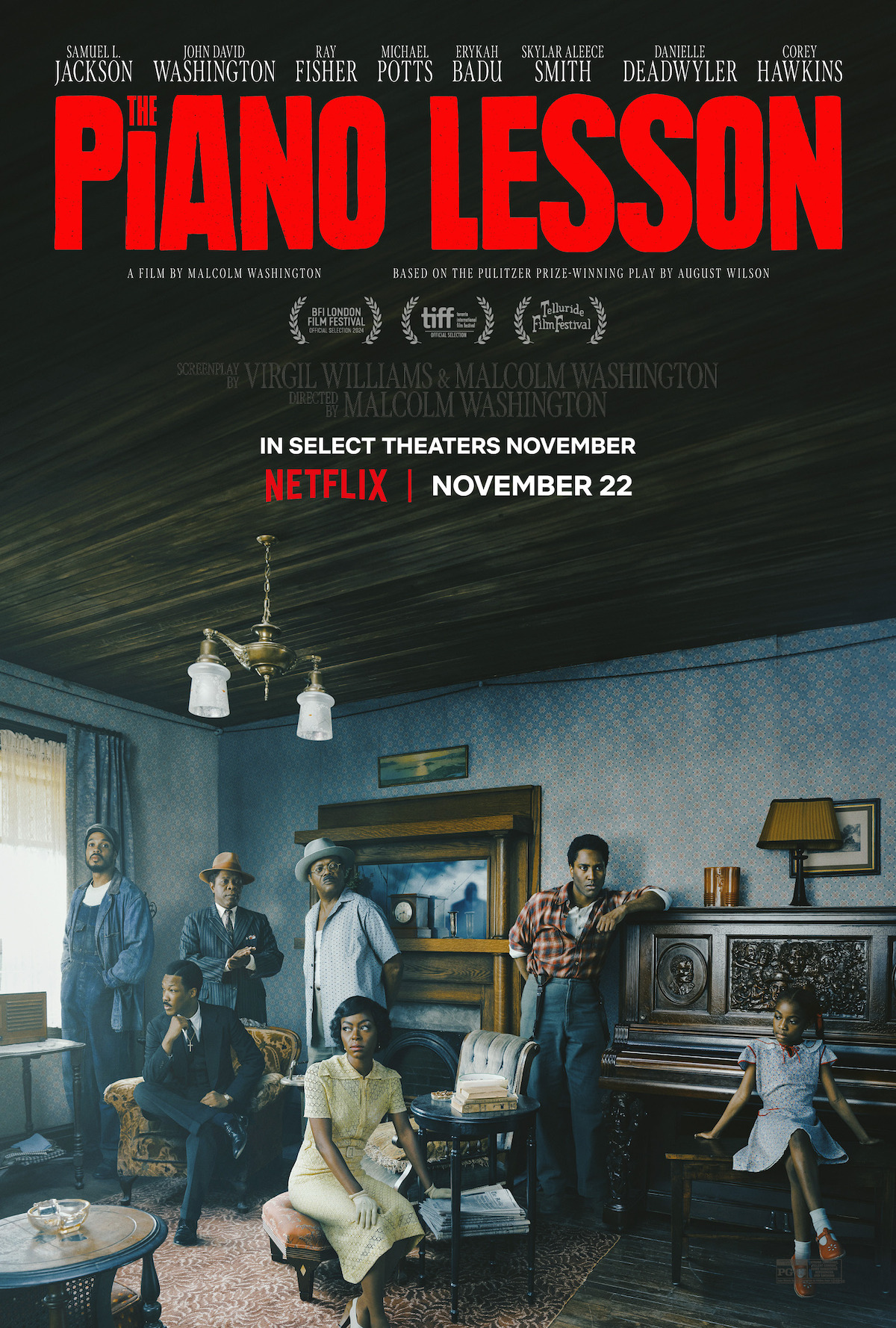
The Piano Lesson is now streaming on Netflix.
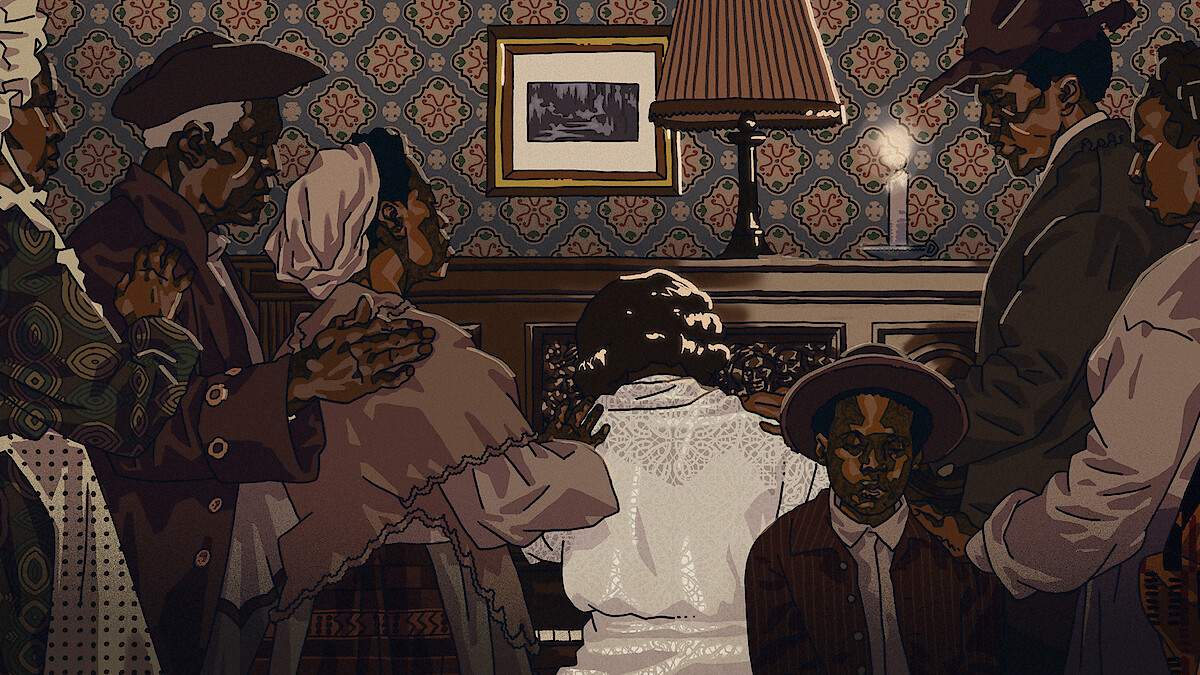
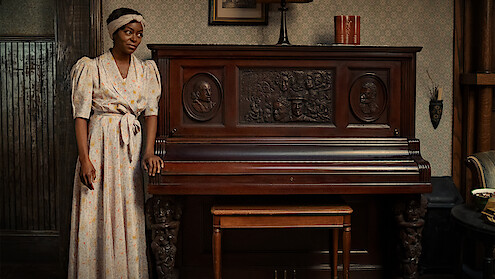
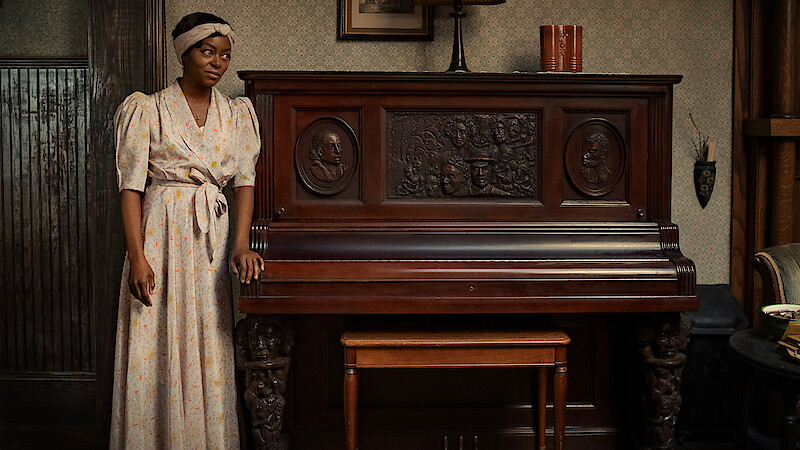
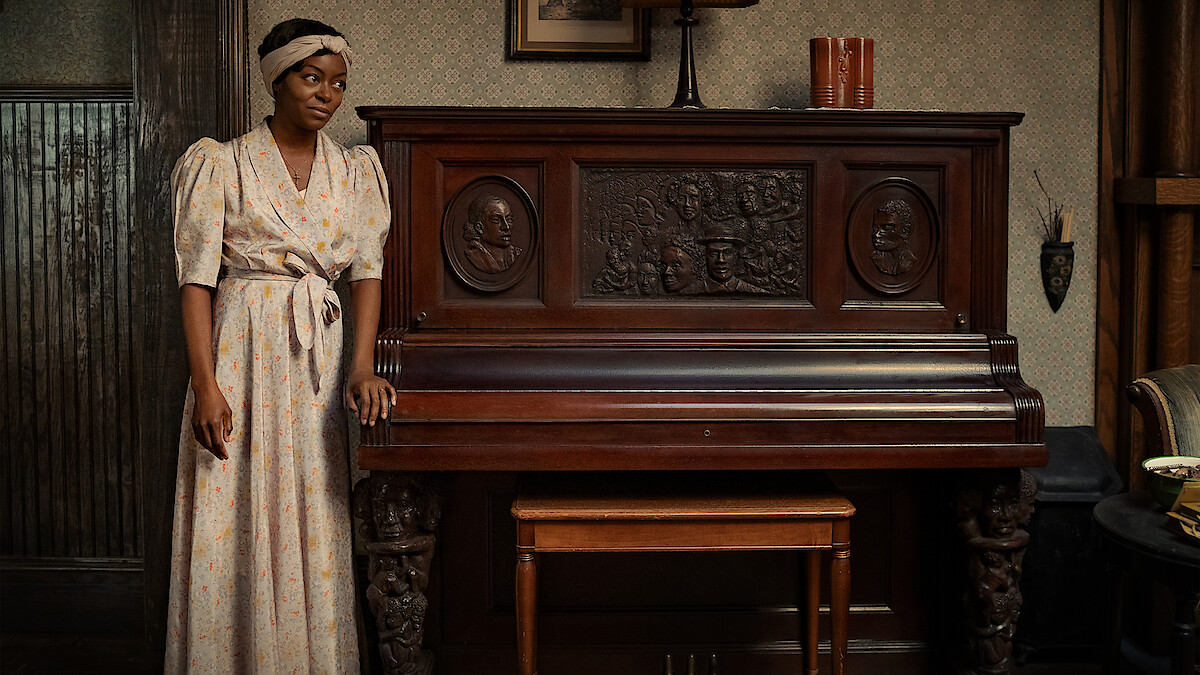
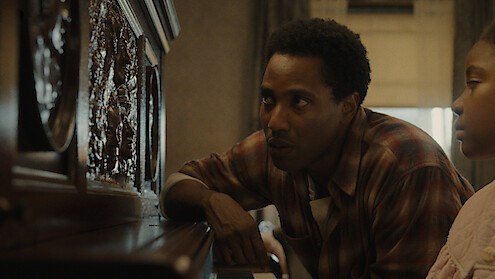
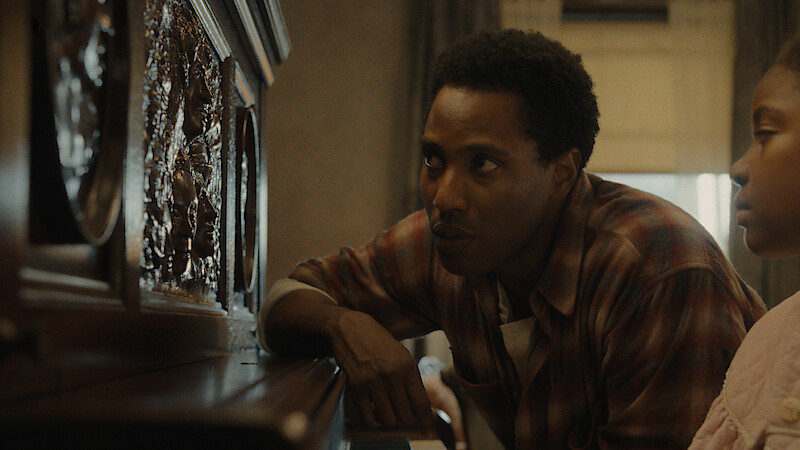
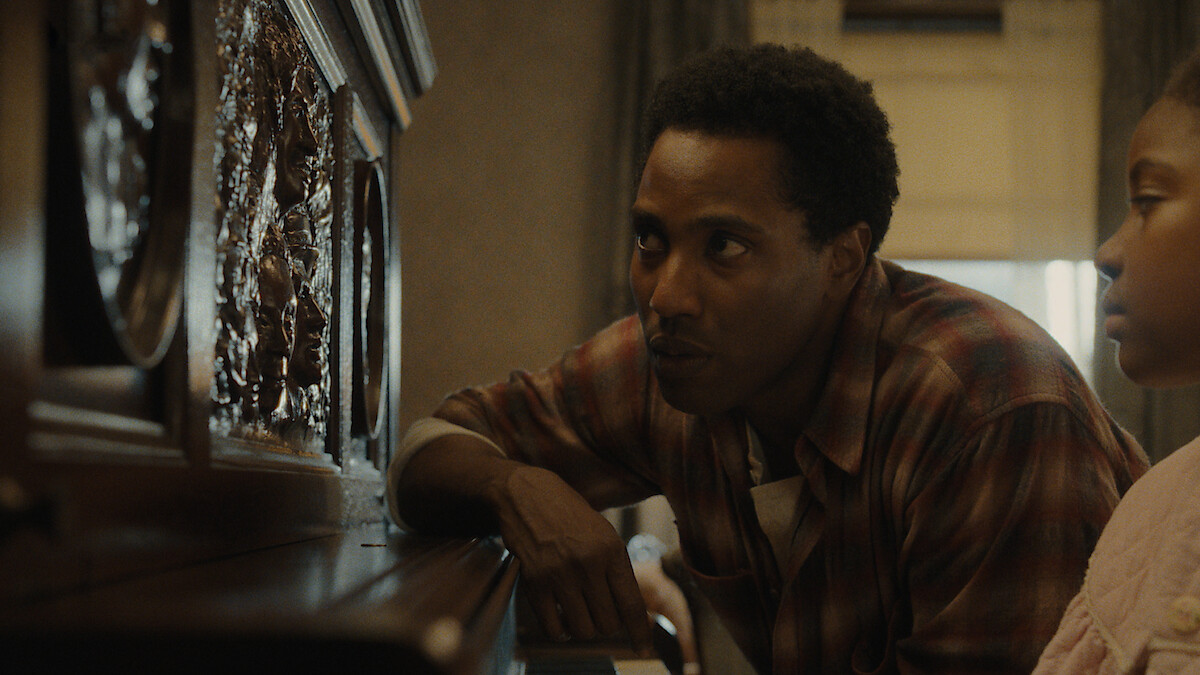
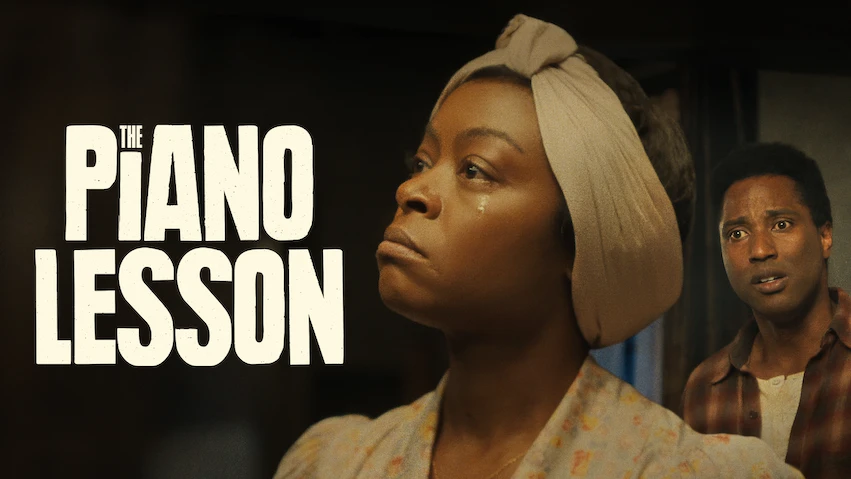
A family clash over an heirloom piano explodes. The battle between brother and sister— one hopes to sell it, the other refuses to give it up — unleashes haunting truths about how the past is perceived and who defines a family legacy.
Denzel Washington has a deep connection to Wilson’s work: He directed and starred in 2016’s Fences, produced 2020’s Ma Rainey’s Black Bottom, and in the past has spoken of his desire to complete the playwright’s cycle on-screen. “The estate of August Wilson came to me and said, ‘We would like to put August Wilson’s plays in your hands for you to produce and direct for film,’ ” Washington told Chaz Ebert during an interview at the American Black Film Festival in Miami. “I said, ‘I’m just the guy for the job.’ ”
The actor-producer honored the playwright, alongside The Piano Lesson filmmaker Malcolm Washington and actor Danielle Deadwyler, on Jan. 7 as Wilson was posthumously recognized with a star on the Hollywood Walk of Fame.
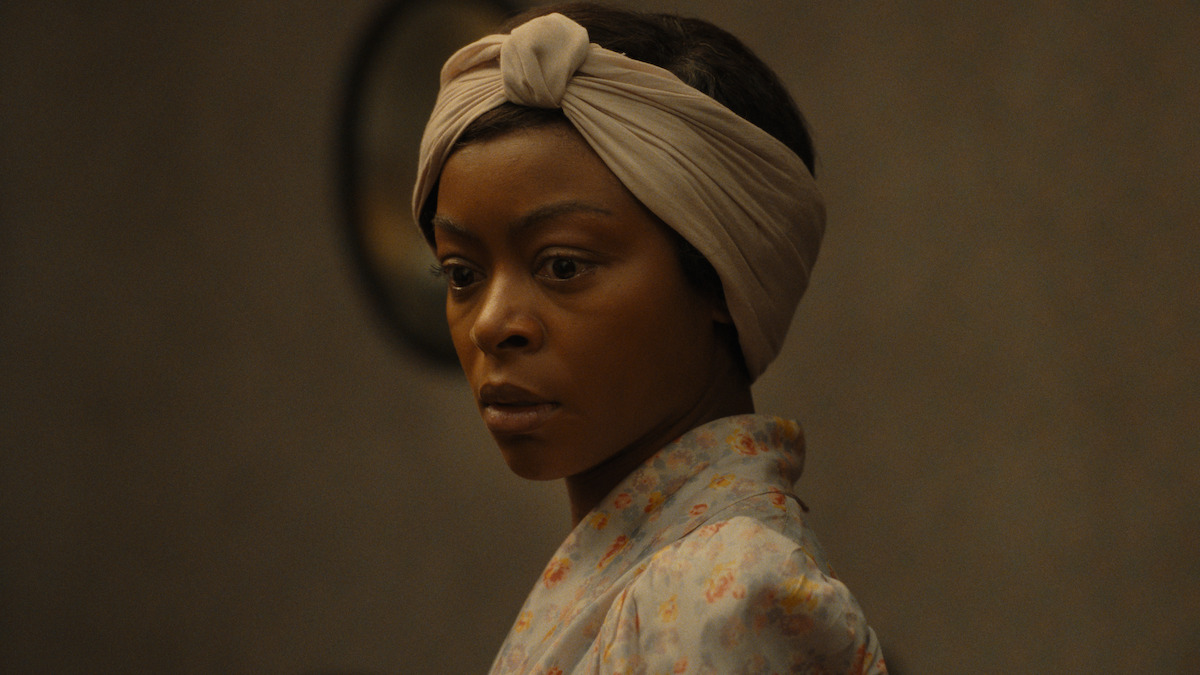
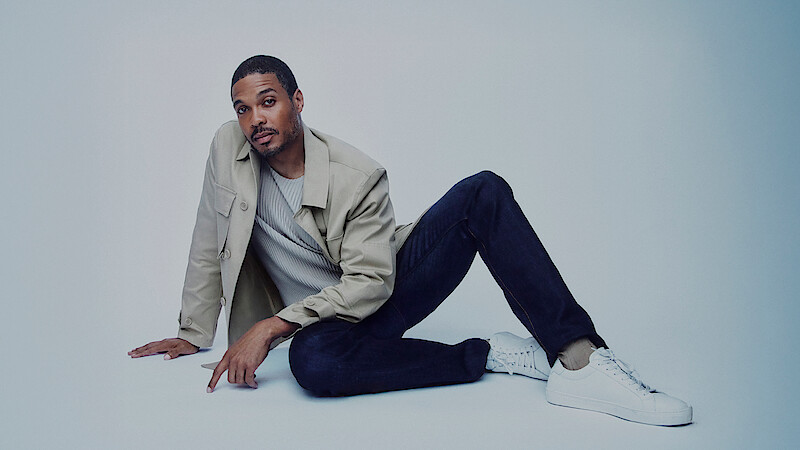
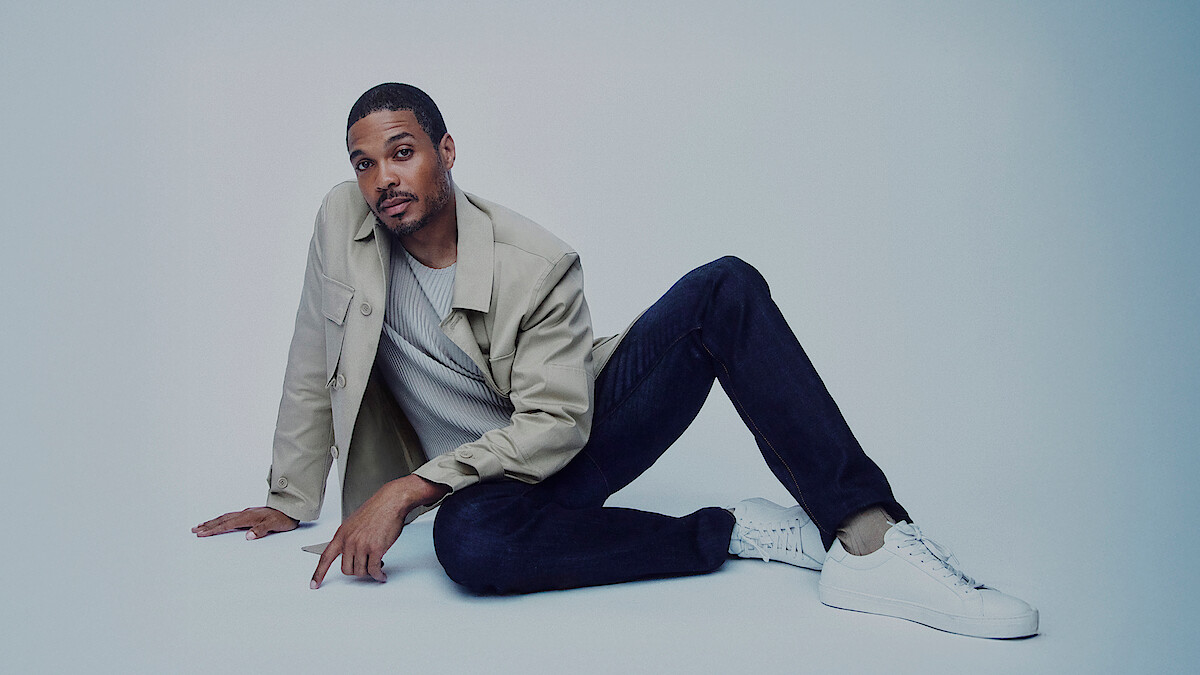
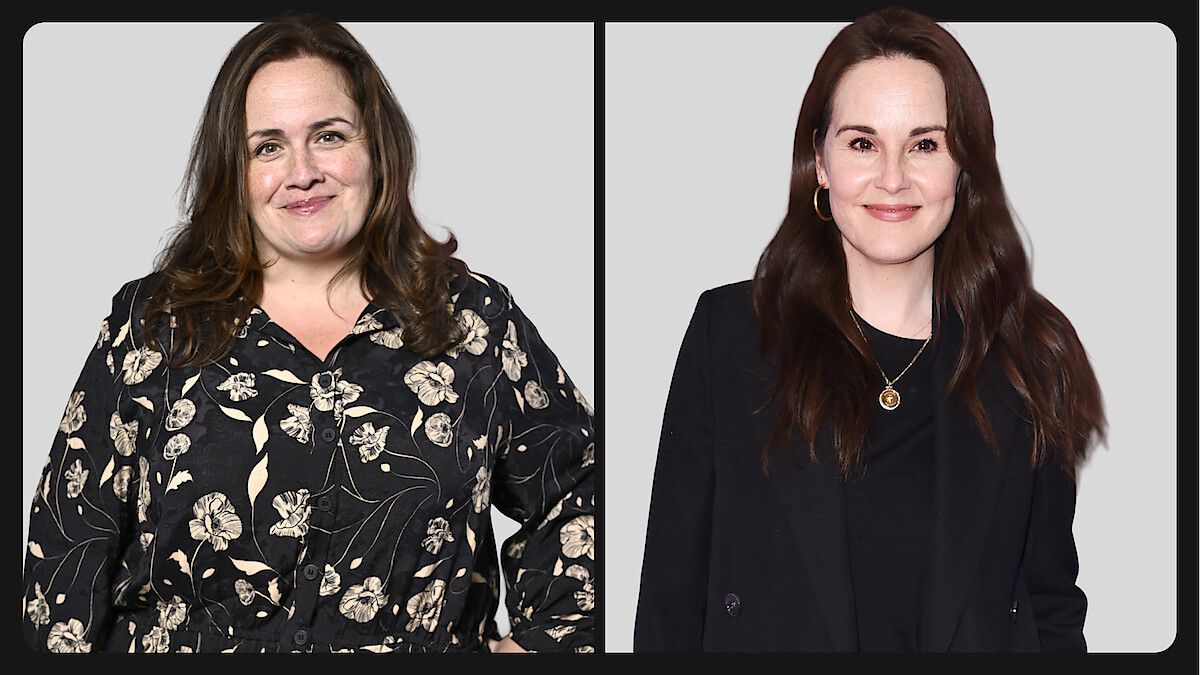
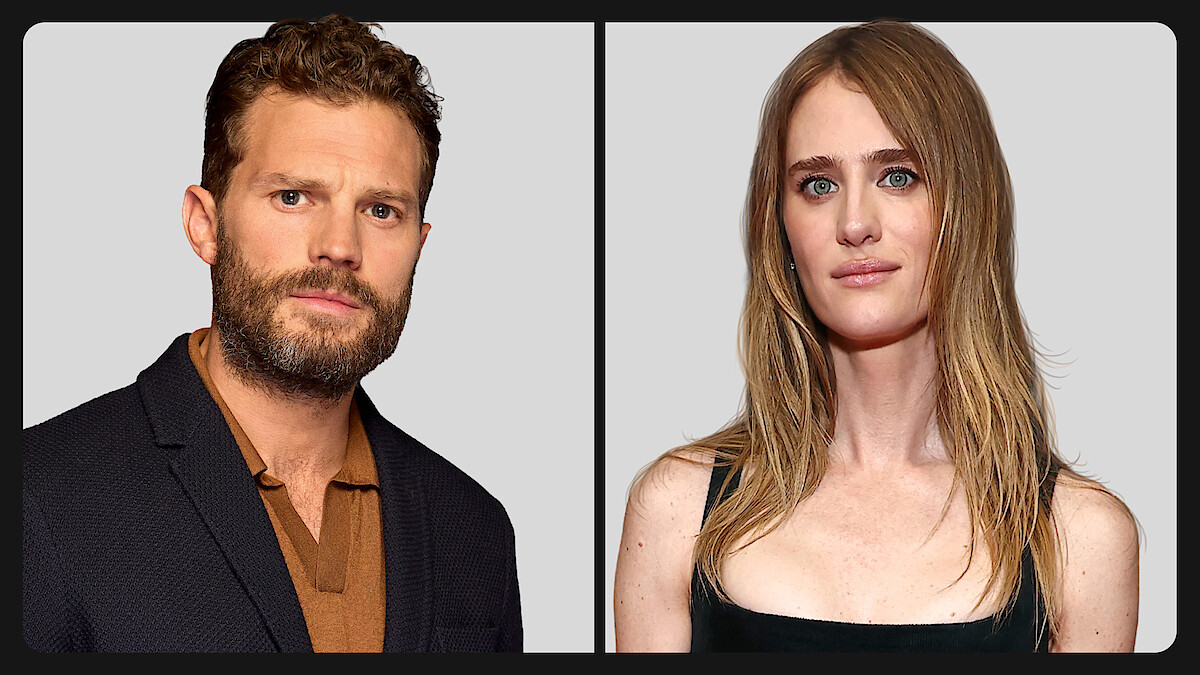
The cast of The Piano Lesson includes:
Also appearing is Grammy Award–winning singer and songwriter Erykah Badu, who will make a musical cameo appearance in the film.
Four of the film’s cast members arrived on set fresh from their time in the 2022 Tony-nominated Broadway revival of The Piano Lesson, directed by LaTanya Richardson Jackson. The dynamic established onstage made a natural transition to the screen. “It was just seamless,” John David Washington said. “Coming back together with them felt like a true family. The jokes are funnier, the hazing is lighter, but I love it.”
But at the same time, it was vital that the team bring a fresh energy to the movie set. “John David, Sam Jackson, Mr. Potts, and Ray Fisher had a whole creative experience from beginning to end,” Malcolm Washington said. “I didn’t partake in that exchange, so it was important early on for everybody to wipe the slate clean as much as possible.”
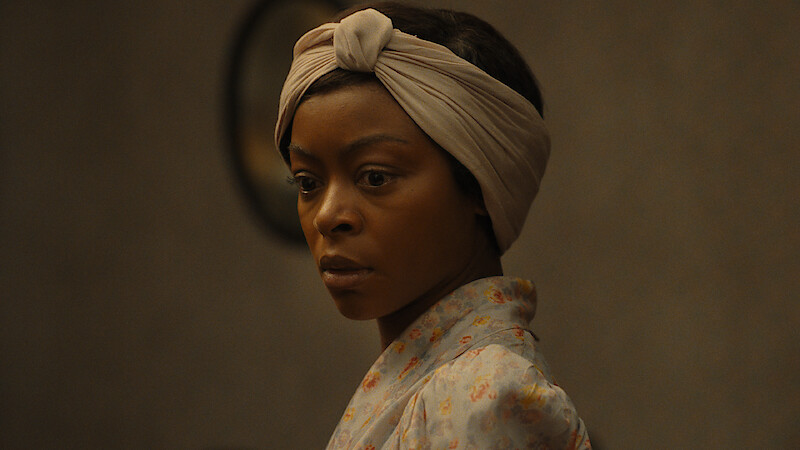
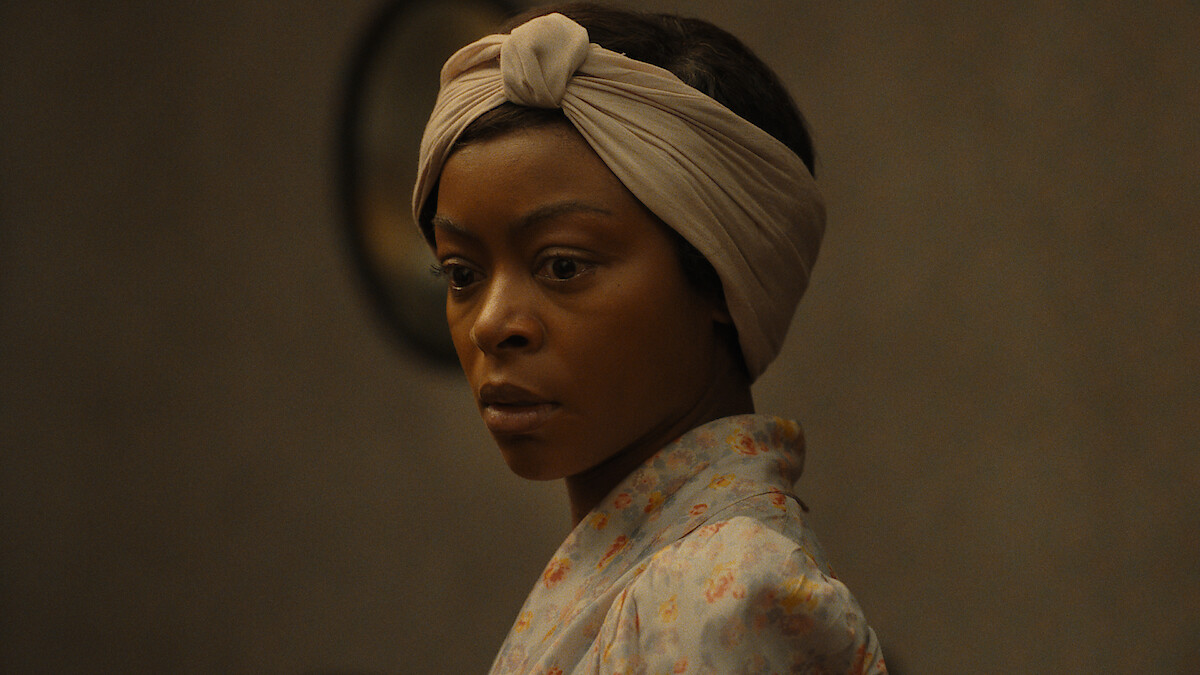
This ensured that the newer members of the cast could put their own spin on the material. “All of the men in the cast were completely loving and warm,” Deadwyler said. “They bring a great power, and I was able to step in and do the things that I do with the power that I possess. Iron sharpens iron. I’m sharp as a result. I just love and respect them.”
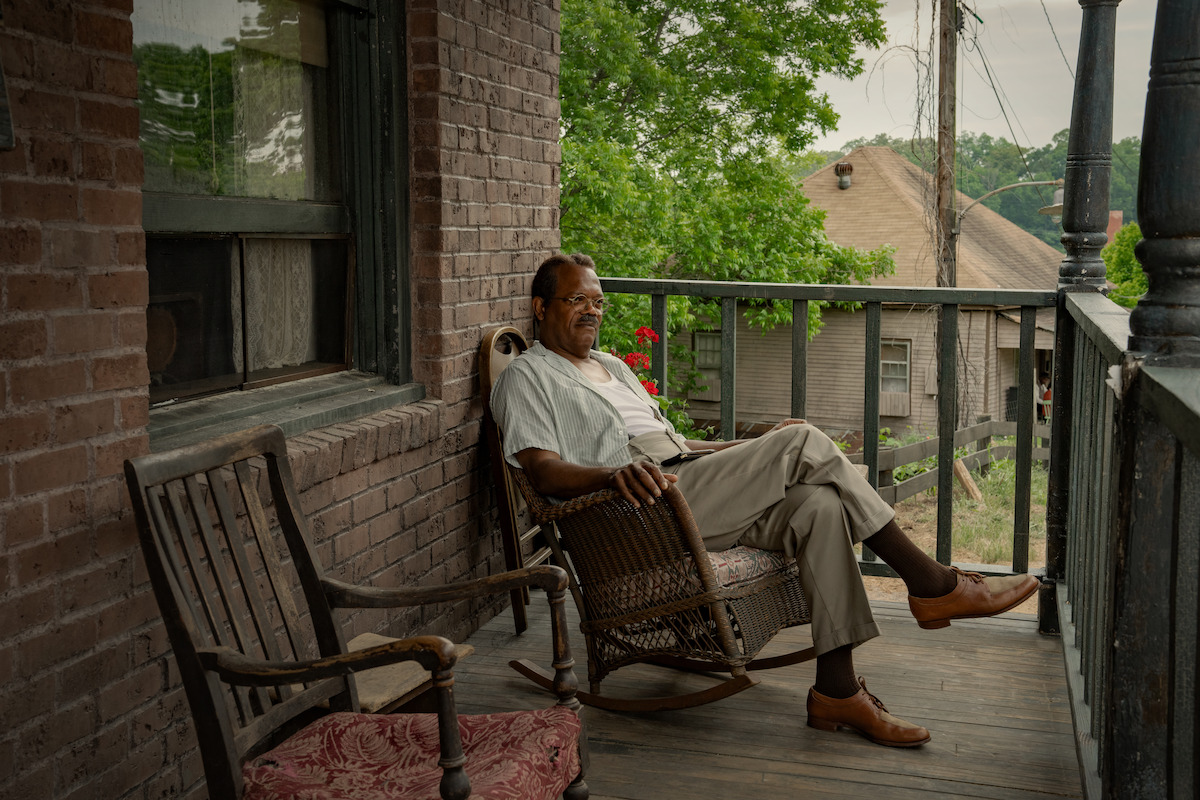
Perhaps no one in the cast or crew knows The Piano Lesson better than Samuel L. Jackson, who worked with August Wilson personally and originated the role of Boy Willie at the Yale Repertory Theatre in 1987. But in his new role as Boy Willie’s uncle Doaker, he found new things to discover in familiar material — and in his new castmates. “They came in and did a spectacular job,” Jackson said. “Danielle’s amazing. And she’s so accomplished and interesting when you see her. The energy of Berniece in this version is sharpened in a new way.”
And what does the original Boy Willie think of Washington’s performance in the role? “The growth from him showing up to start this play, to getting to where we are in this particular cinematic experience of it, is amazing,” Jackson said. “He’s hardworking and studious. There are some steps you can’t skip when you do this job — [though] a lot of people do, and he didn’t.”
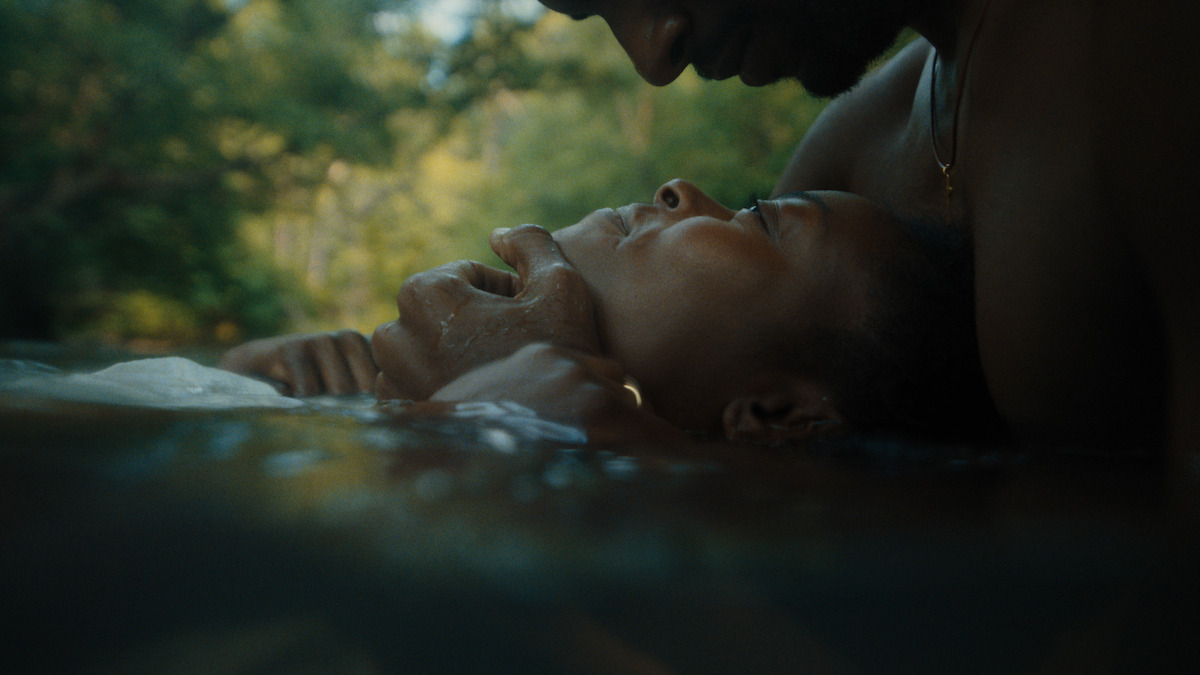
Like most of the plays in August Wilson’s American Century Cycle, The Piano Lesson is set in Pittsburgh in the Hill District, a predominantly African American neighborhood that became home to people who moved away from the American South during the Great Migration. Each of the 10 plays in the cycle is set in a different decade, charting the enormous changes within a single place across history. To properly capture the spirit of the community in the 1930s, Washington and his production designer, David J. Bomba, headed to the city’s August Wilson Archive, where they looked at photos, art, design texts, and films.
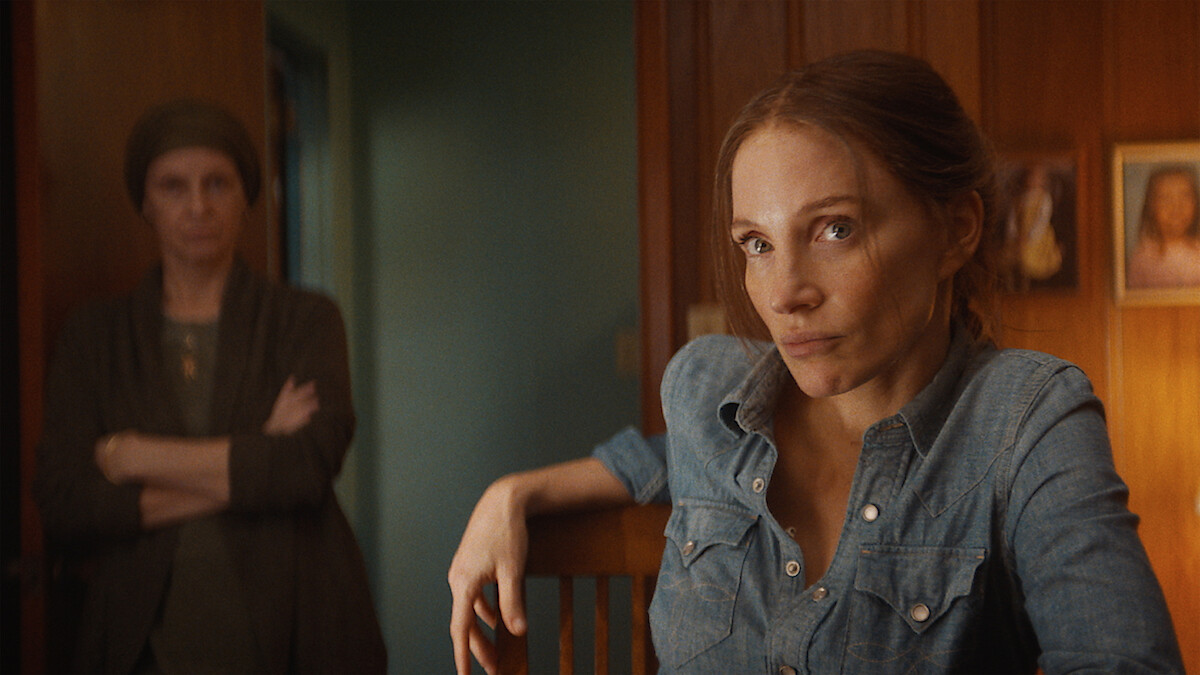
The film took significant inspiration from the photography of Charles “Teenie” Harris and Carrie Mae Weems. “We studied those photographs specifically because so much of the play takes place around a dining room table,” Bomba told Netflix. “So we shared imagery that we wanted to reflect on to create our own bit of art.”
Yes. Tune into The Piano Lesson’s official podcast, hosted by Jazmine Hughes, for more interviews with Washington and the cast, as well as behind-the-scenes insights into the process of adapting August Wilson’s work.
Yes! The film has been nominated for 14 awards at the 56th NAACP Image Awards, the most of any film this year. The August Wilson adaptation scored nominations for Outstanding Motion Picture, Outstanding Directing in a Motion Picture for first-time filmmaker Malcolm Washington, and Outstanding Writing in a Motion Picture.
The cast was also recognized for Outstanding Ensemble Cast in a Motion Picture, and stars John David Washington and Danielle Deadwyler also earned high marks. Washington was nominated for Outstanding Actor, while Deadwyler was nominated for Outstanding Supporting Actress and Outstanding Breakthrough Performance. Their co-stars Samuel L. Jackson and Corey Hawkins were both nominated for Outstanding Supporting Actor in a Motion Picture.
Also, on Jan. 8, the film received the following nomination for the 31st Annual Screen Actors Guild Awards: and Outstanding Performance by a Female Actor in a Supporting Role (Danielle Deadwyler).
The process of adapting an American classic is a terrifying and sacred undertaking.
The early months felt most like an archeological expedition. Co-writer Virgil Williams and I huddled around the table of his desert home, combing through August Wilson’s Pulitzer Prize–winning play, some days with a pickaxe, others with the soft bristles of a small brush delicately unearthing precious gems, driven by the pursuit of understanding the intent in each line, each action and each omission.
Our first mandate was to honor and uphold the legacy of August Wilson; imbue his spirit into the work. I tried to open myself up to him and learn as much as I could. I read about his close relationship with his mother, that he grew up behind Bella’s Market — a small storefront that we honor in our film. I traveled to his neighborhood, Pittsburgh’s historic Hill District, and walked the streets he grew up on, spoke to his family, all while digging deeper and deeper into his masterwork. I became a student of August Wilson but along the way a curious thing started to happen; the more I learned about August, the more I saw myself in his story and in his work. Boy Willie’s plight felt like much of my own, while I shared Berniece’s sensibilities and understanding of the gravity of legacy. That, like Berniece and Boy Willie, part of my purpose is to honor the lives and legacies of my parents and our ancestors. That I too come from a long line of women and men, some born into, then liberated from chattel slavery, and that my life is possible because of the decisions, sacrifices, and actions of all of them; that it’s paramount for me to do something meaningful with it. That, in the words of Boy Willie, “I’m supposed to build on what they left me.” This was the guiding light for my work on this film, my buoy in the sea.
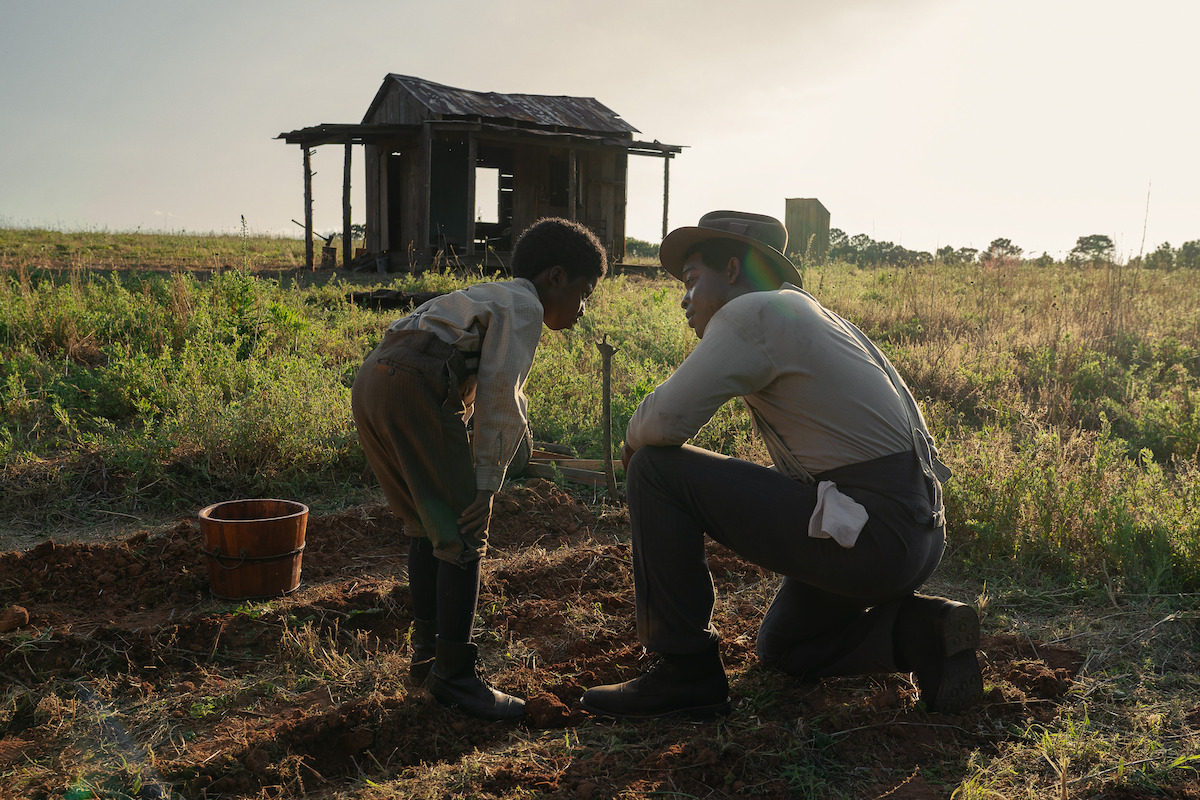
May this work be an offering to the ancestors, a humble act of gratitude and tribute to them; and in honoring them, I honor the spirit of August Wilson and the legacy he left behind for all of us. A legacy that thrives in the power of Danielle Deadwyler’s Berniece, the dynamism of John David Washington’s Boy Willie, and the understated brilliance that is Samuel L. Jackson’s Doaker.
Every family has a history, stories from the past that inform the present; an origin story. Ultimately, this story is much bigger than me and my family — it, like the Black American experience, is an interconnected web of stories that span space and time. I hope that when audiences experience our film, they see themselves on the screen and hear the voices of their ancestors calling to them, offering peace and protection.