David Lee
Deep Dive
Dive into The Piano Lesson’s Emotional Ending
Director Malcolm Washington and the cast and crew unravel the film’s lingering final notes.
Nov. 22, 2024
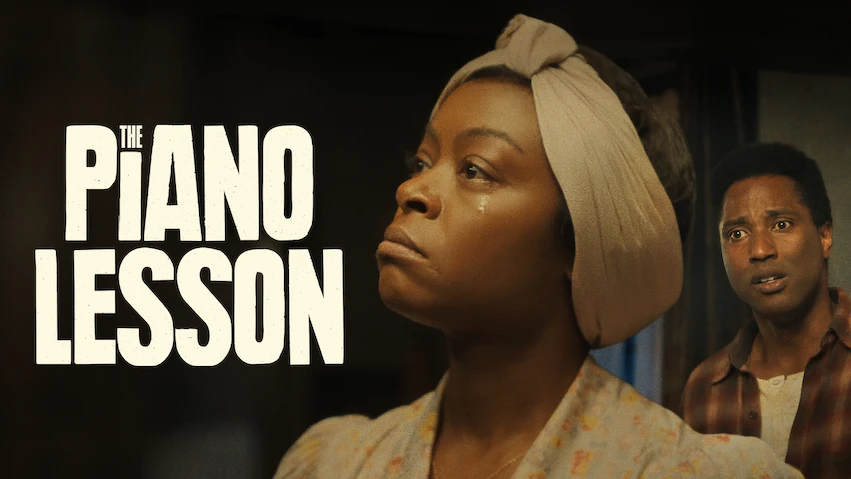
“Ain’t no ghost in this house,” Boy Willie (John David Washington) says late in The Piano Lesson. “That’s all in Berniece’s head.” Even if that’s true, the ghosts in Berniece’s (Danielle Deadwyler) head have a very real power, which Malcolm Washington channels into his feature directorial co-screenwriting debut, an adaptation of August Wilson’s 1987 play, part of his iconic 10-part American Century Cycle.
“Genre is a great way to speak to something deeper,” Malcolm Washington told Netflix. “It’s a metaphor you can use that can be both thrilling and exciting, and when you finish the film, it sticks to your bones a little bit. It’s not just a ghost story made to scare you — although I do hope it sends a shiver down your spine. But it’s a story that’s wrestling with a much larger issue.”
Above all else, The Piano Lesson is concerned with legacy, with the narratives we create for ourselves and the choices that define us. Who gets to tell your story after you’re gone? “Every family has a history, stories from the past that inform the present; an origin story,” Washington said in his director’s statement. “Ultimately this story is much bigger than me and my family — it, like the Black American experience, is an interconnected web of stories that span space and time. I hope that when audiences experience our film, they see themselves on the screen and hear the voices of their ancestors calling to them, offering peace and protection.”
Read on for more answers about the Charles family at the heart of the film — and the meaning of The Piano Lesson.
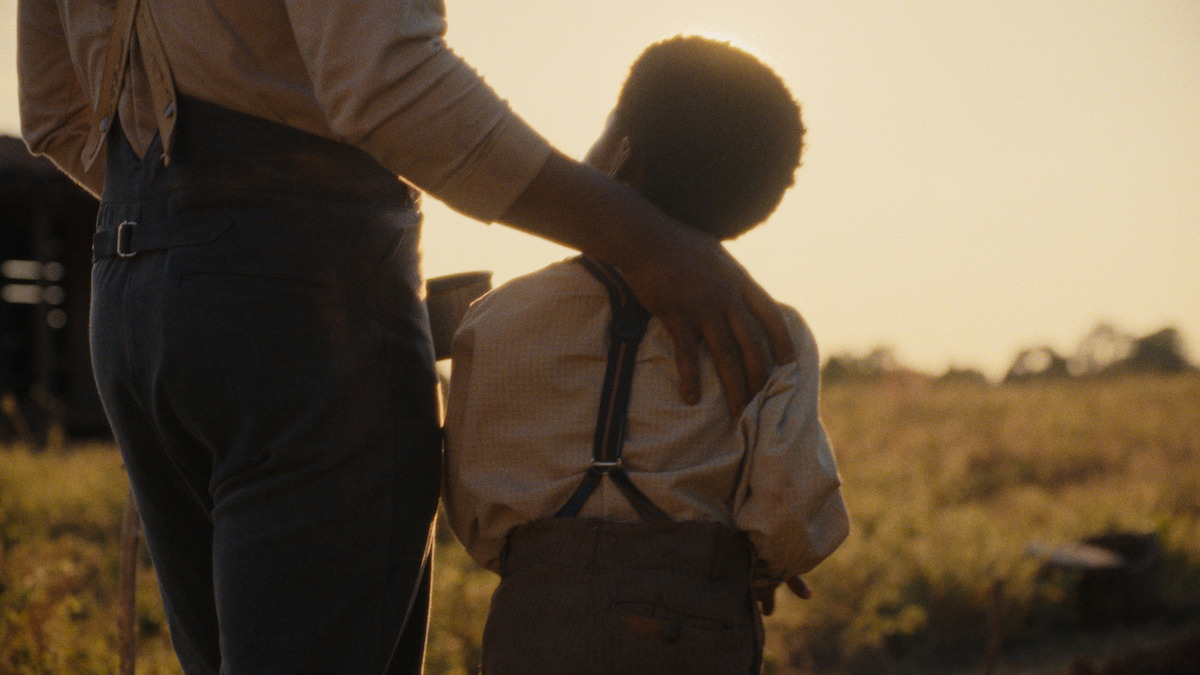
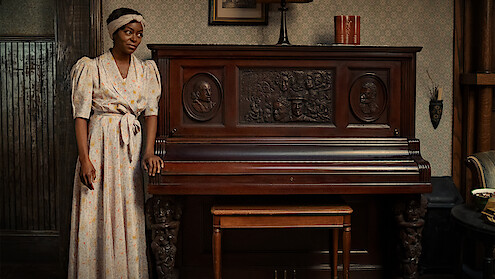
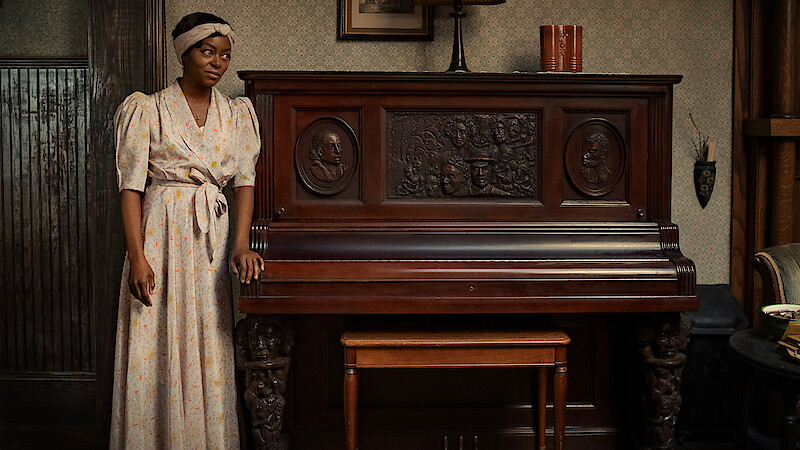
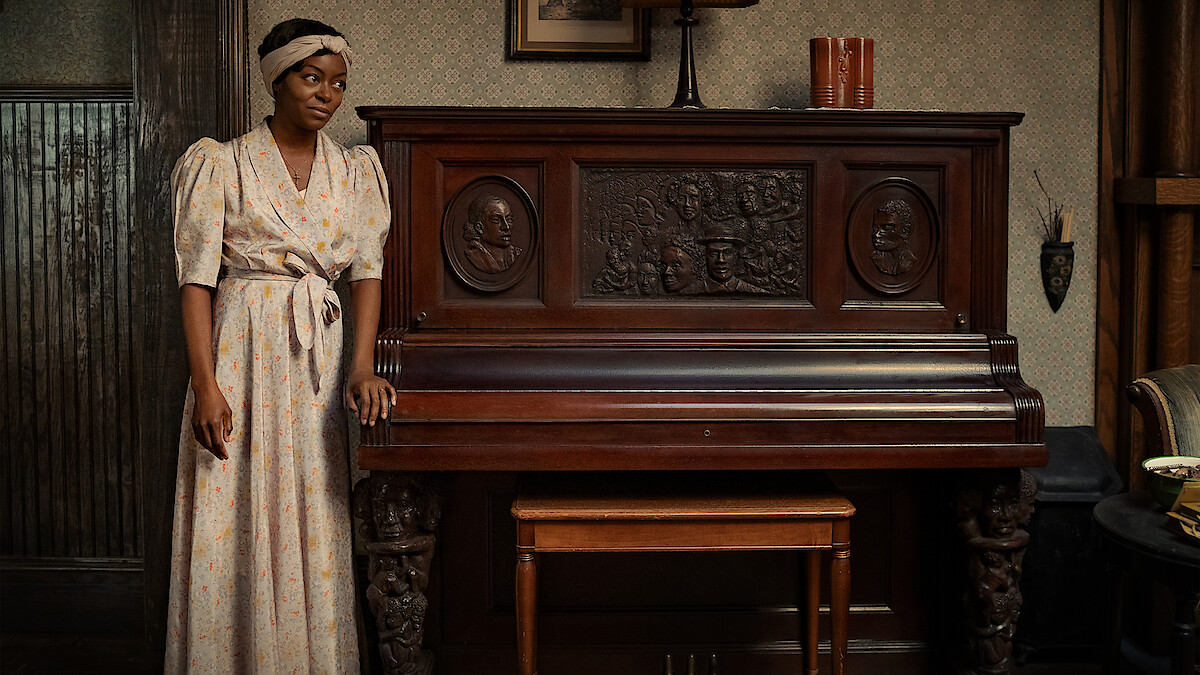
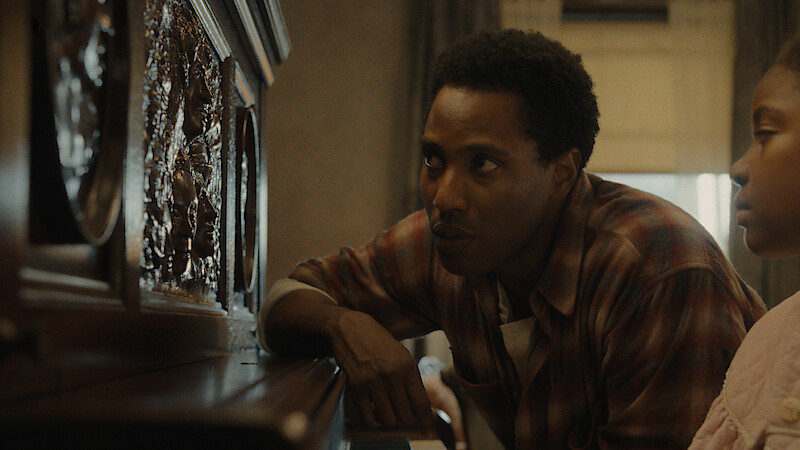
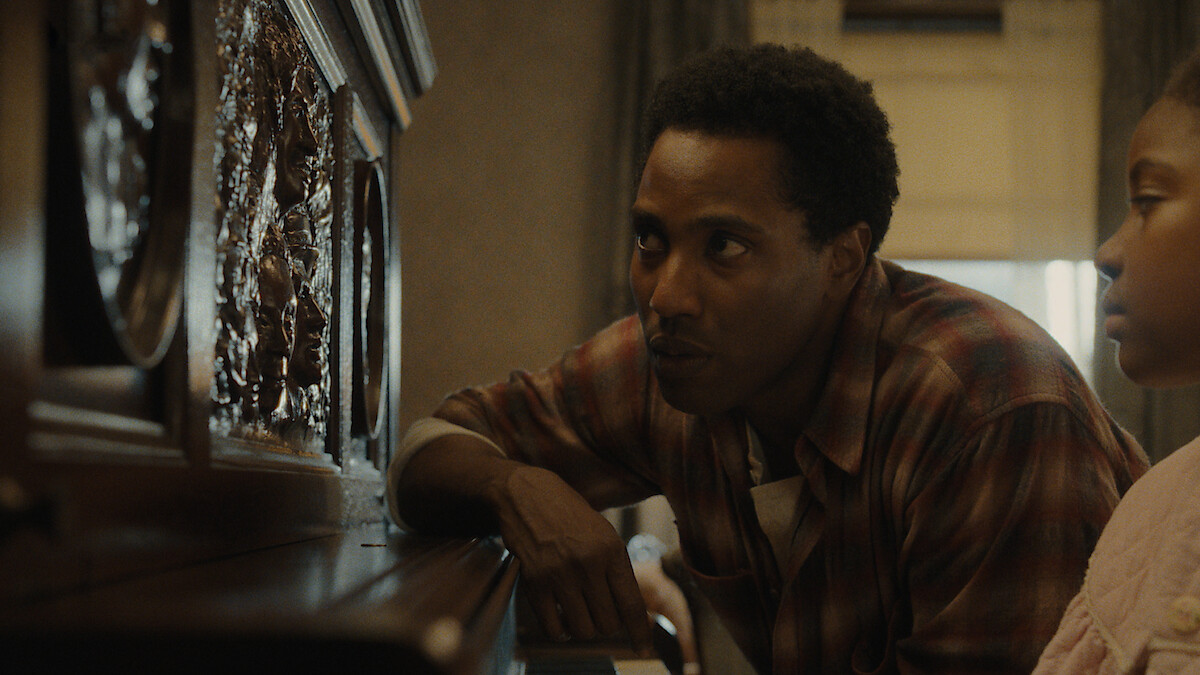
The story of the Charles family’s piano is the story of the Charles family themselves, from enslavement to freedom and making a home in Pittsburgh. Sutter (Jay Peterson), the man who enslaved the Charles’ ancestors, traded a mother and child for the piano. Sutter then gave the instrument to his wife as a gift, but she missed the company of the enslaved family who had been bartered to obtain it — so Sutter forced the separated patriarch of the family, a talented carpenter, to carve the likenesses of his own loved ones onto the piano’s surface to keep Sutter’s wife happy.
When designing the piano, production designer David J. Bomba and assistant art director Justin Jordan made sure to keep its expansive history in mind. “The piano represents different aspects of art and artistry that came together,” Bomba told Netflix. “The artist in the film … would have remembered African sculptures and, being [enslaved by] wealthy Southern people, would have had exposure to Western art, painting and sculpture. So his influences converge in his artistry in the piano. There are African textures. There are Western textures.”
Malcolm Washington also added a personal touch that gave the prop its own emotional weight. “Many of the carvings on there were modeled after my grandparents and great-grandparents and people in my family tree,” the director said. “It just felt really important to imbue that prop with as much meaning [as possible], so that when everybody’s touching [it] and there in front of it, you get a sense of that weight behind it.”
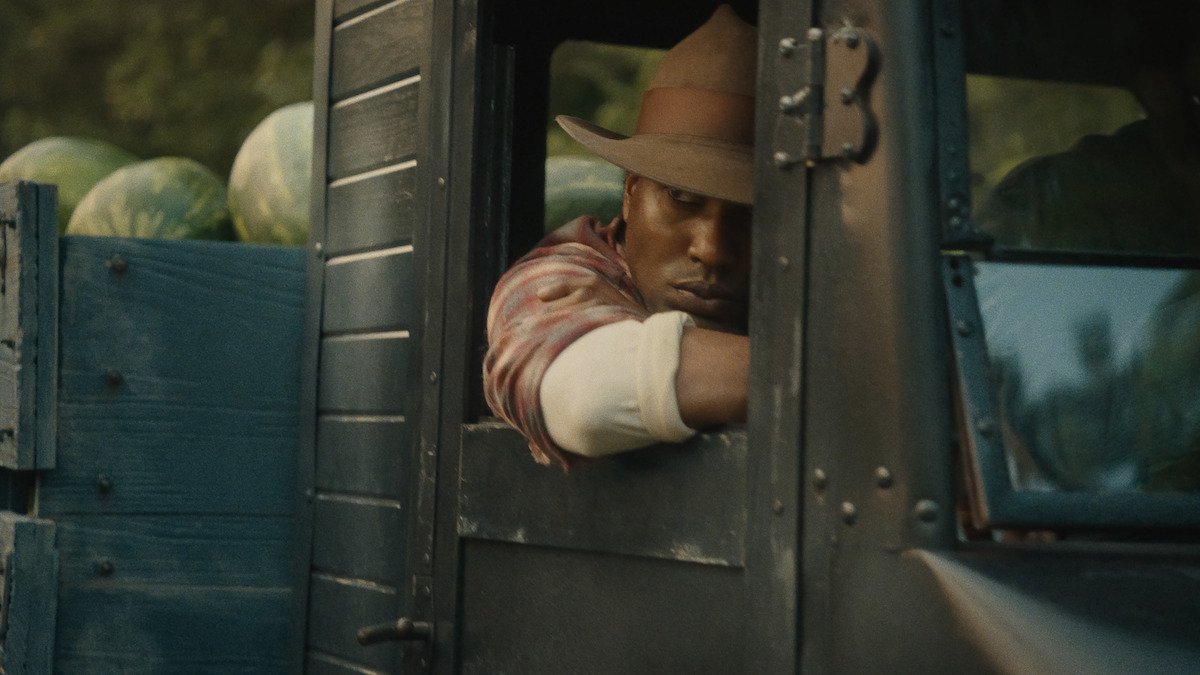
For Boy Willie, the piano isn’t just history — it represents hope for the future, a way to reclaim a life he feels is passing him by. “I think his biggest fear is abandonment and feeling like he didn’t make something of his life,” John David Washington told Netflix about his character. “He’s thinking ahead with his plan for the piano. He doesn’t want to be drafted by an NFL team. He wants to own the NFL team.”
That mindset sets up Boy Willie to clash with his family, including his uncle Doaker, who helped his brother steal the piano. Doaker “understands the nature of the spirituality that lives in that piano, in another way, more than everybody else,” said Samuel L. Jackson, who earned a Tony nomination for his Broadway performance as Doaker and returns to the role in the film. “He knows that Sutter’s up there chasing that piano…. Doaker understands that the piano brought something with it.”
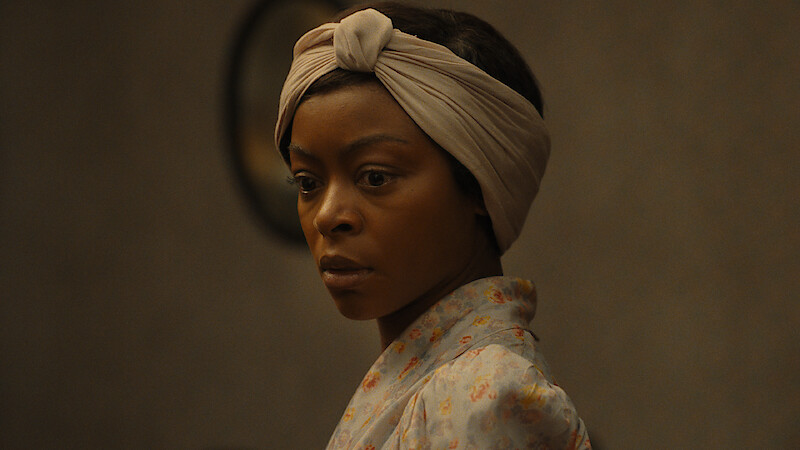
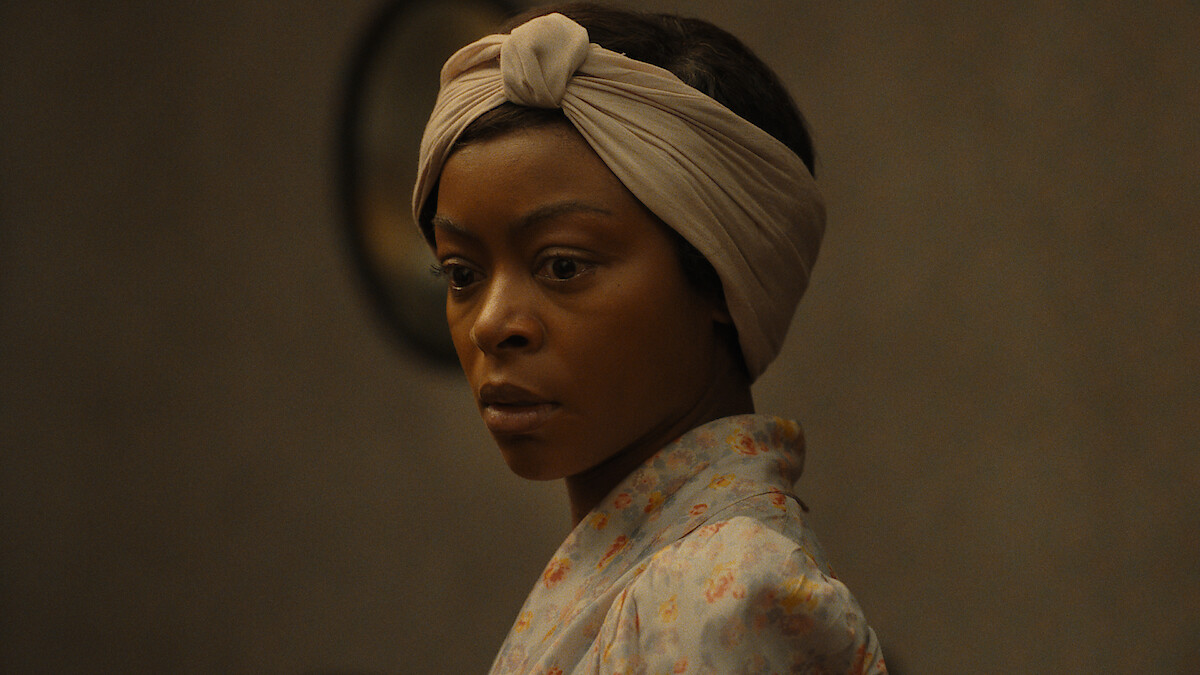
Berniece has her own complicated relationship with the instrument. “She’s trying to free herself beyond her legacy and the lineage of what has happened to the women in her family and yet clings to it because it’s unprocessed grief,” Deadwyler told Netflix. “That melancholy is sitting in Berniece, yearning for something more.”
Years after the piano is carved, Boy Willie and Berniece’s father, Boy Charles (Stephan James), steals it from the Sutters’ home — and the Sutters murder him. When Boy Willie and Lymon (Ray Fisher) arrive in Pittsburgh determined to sell the piano and buy Sutter’s land with the proceeds, disagreements arise. The piano is irreversibly tied to the history of this family — and Doaker and his other brother Wining Boy (Michael Potts) know it. It also seems haunted by Sutter’s ghost, who appears to Berniece and her daughter Maretha (Skylar Aleece Smith).
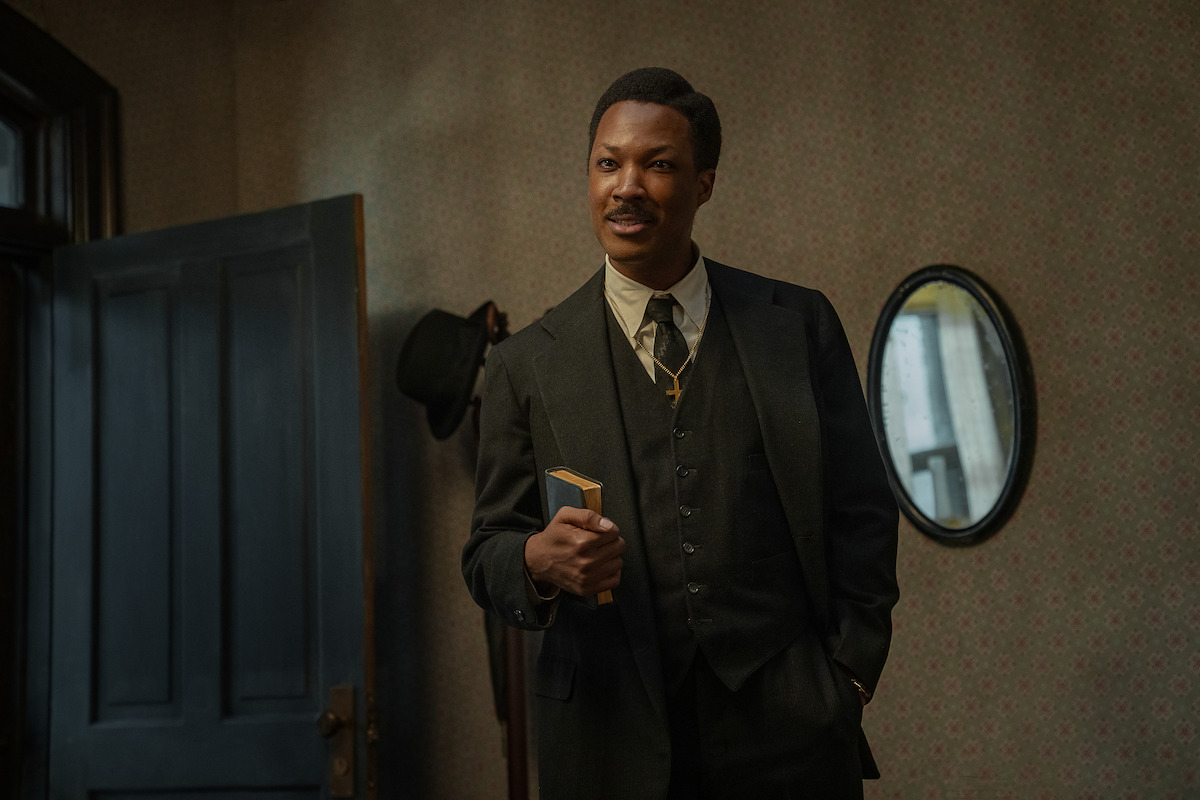
As the haunting continues, Berniece calls on her suitor, the preacher Avery (Corey Hawkins), to dispel Sutter’s hateful spirit. Still mourning the death of her own husband, Crawley (Matrell Smith), Berniece is reluctant to allow the amorous Avery into her life — but she connects with Lymon.
“Lymon represents hope,” Ray Fisher said. “He represents the idea that you can make a better life for yourself. Lymon had a lot of hard times down in the South and is looking for a way out and chooses to move to Pittsburgh, not knowing anything about what’s going on in the North, not knowing the cultures, the customs, but he takes a chance.”
It’s a chance the Charles family took themselves — the piano’s journey north reflects their own. The haunting they experience is an aftershock, and the film’s genre trappings are a different way of communicating the scale and the trauma of that journey. “It’s a ghost story,” Hawkins said. “Or is it a love story? It’s firmly a human story.”
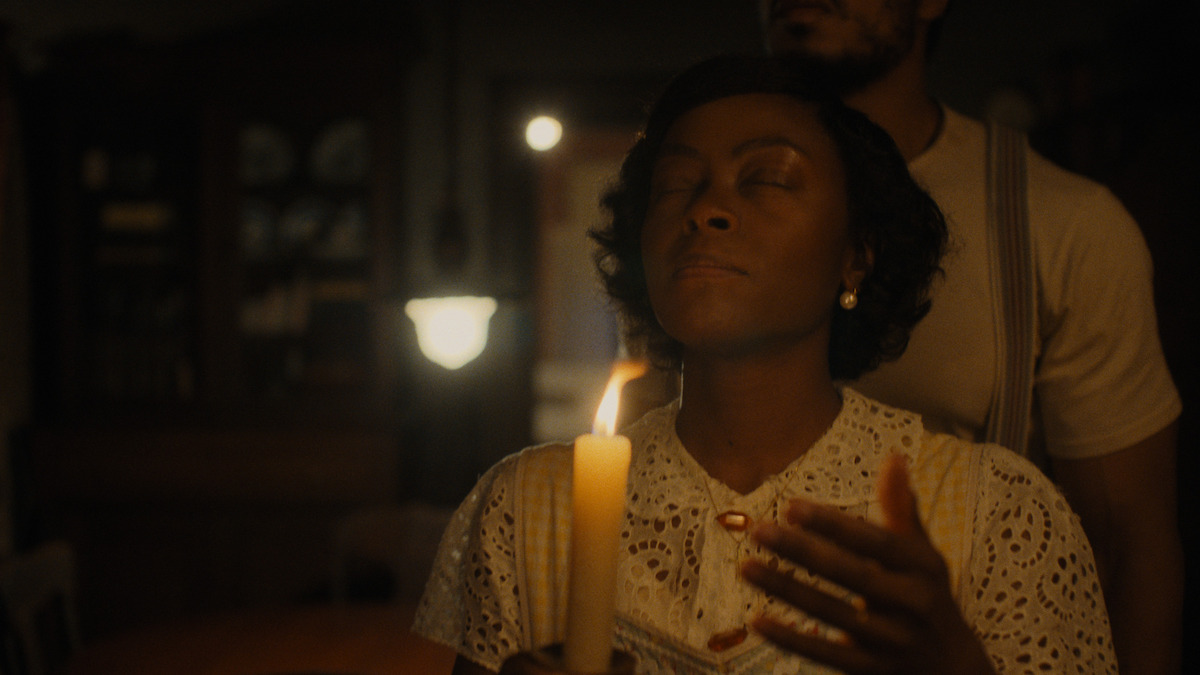
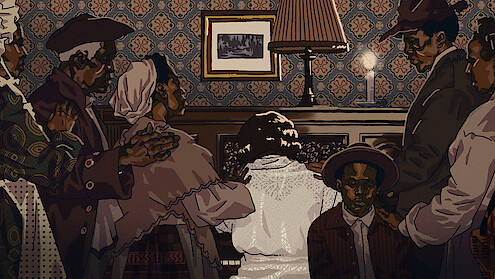
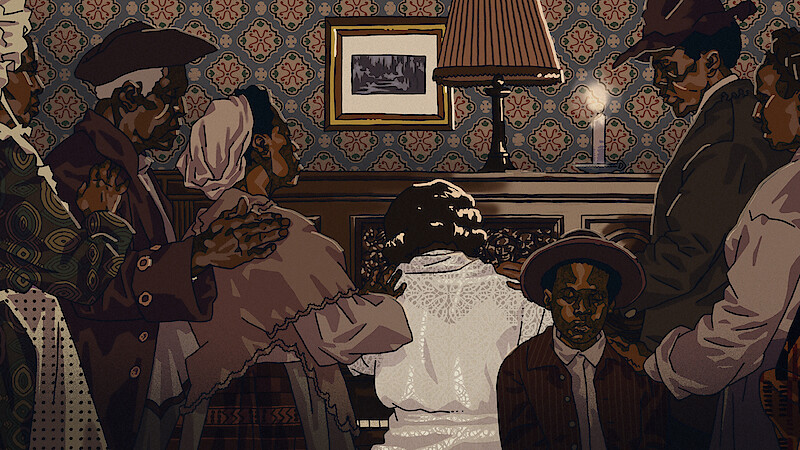
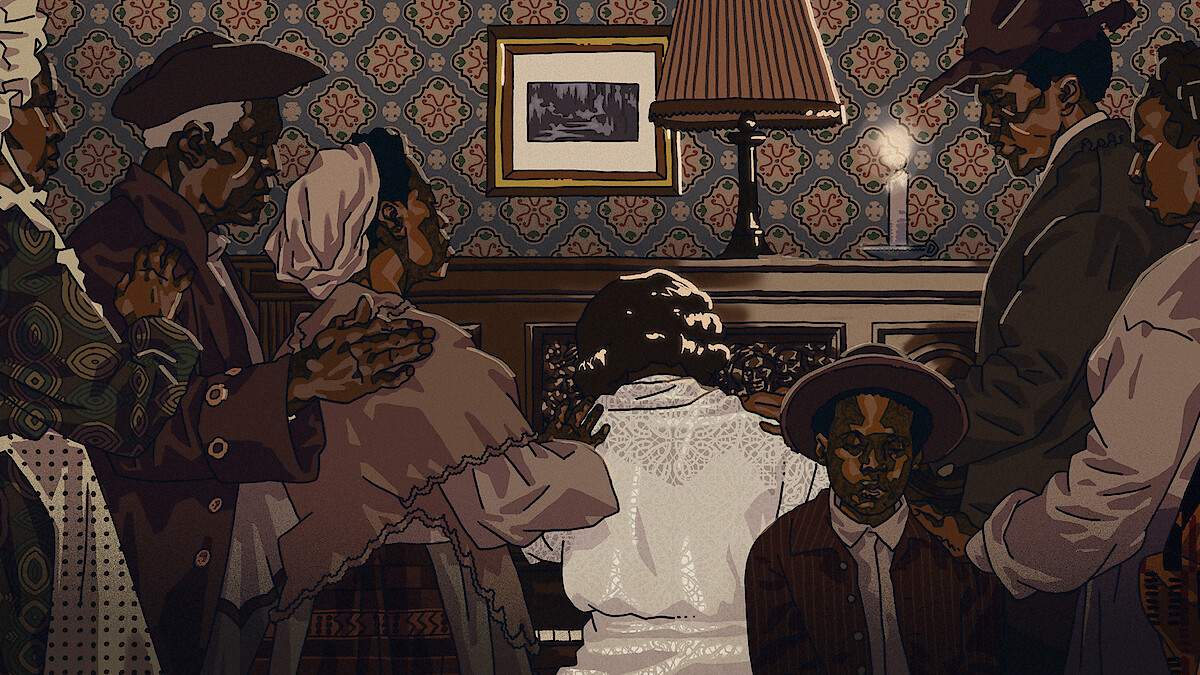
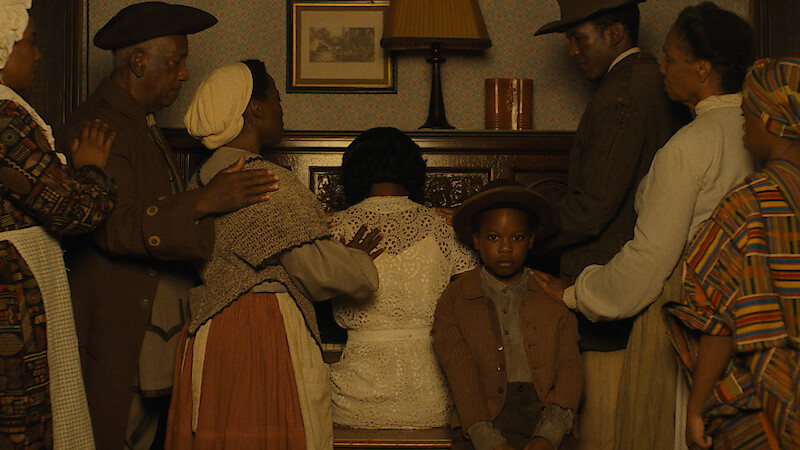
When Berniece finally sits down at the piano and begins to play, it’s a moment of catharsis for the family. Washington and the film’s Oscar-winning composer Alexandre Desplat were careful to build the film’s score around this climactic moment. “We agreed that I shouldn’t use the piano when we are in the house,” Desplat told Netflix. “If the sound of the piano is already in the score all the time, then you lose the suspense of this moment where she will finally touch the keys.”
Deadwyler is close-lipped about the experience of shooting this final sequence. “You have difficult experiences on set,” she said. “You have glorious experiences on set. And a lot of the time the glorious ones come too fast, or you move through them too fast. I was just happy to have come through with them in that experience.”
After Berniece plays, the tension in the Charles home is defused. Boy Willie in particular is visibly moved, reminded that the piano is more than just a vehicle for upward mobility. It’s also a representation of the violent, tragic, yet hopeful history of their family. He heads back to Mississippi but reminds Berniece to keep playing the piano, to keep in touch with their history — or else both he and Sutter’s ghost may return.
In this sense, The Piano Lesson itself is an urgent rediscovery for the times in which it arrives. “August wrote this play in the late ’80s, but it is always my hope that the person who is presenting it will make it relevant,” Constanza Romero Wilson, the playwright’s widow, told Netflix. “August would’ve really liked it.”
The Piano Lesson is now streaming on Netflix. Dive deeper into the making of the film with The Piano Lesson: The Official Podcast: