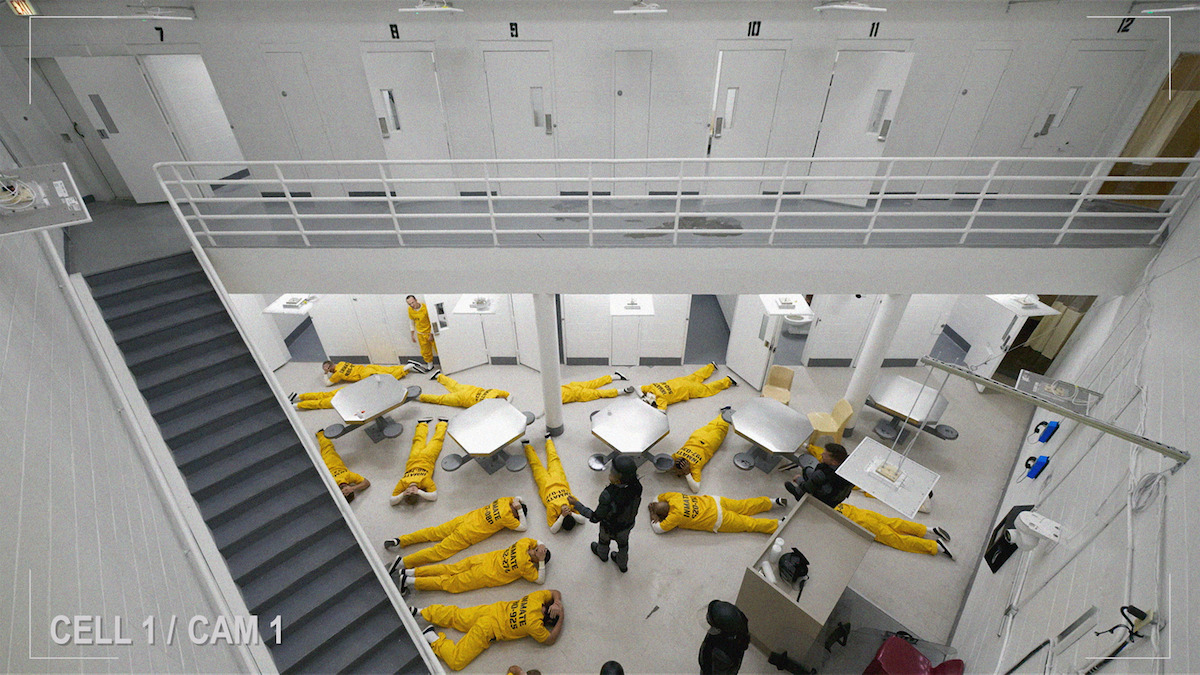
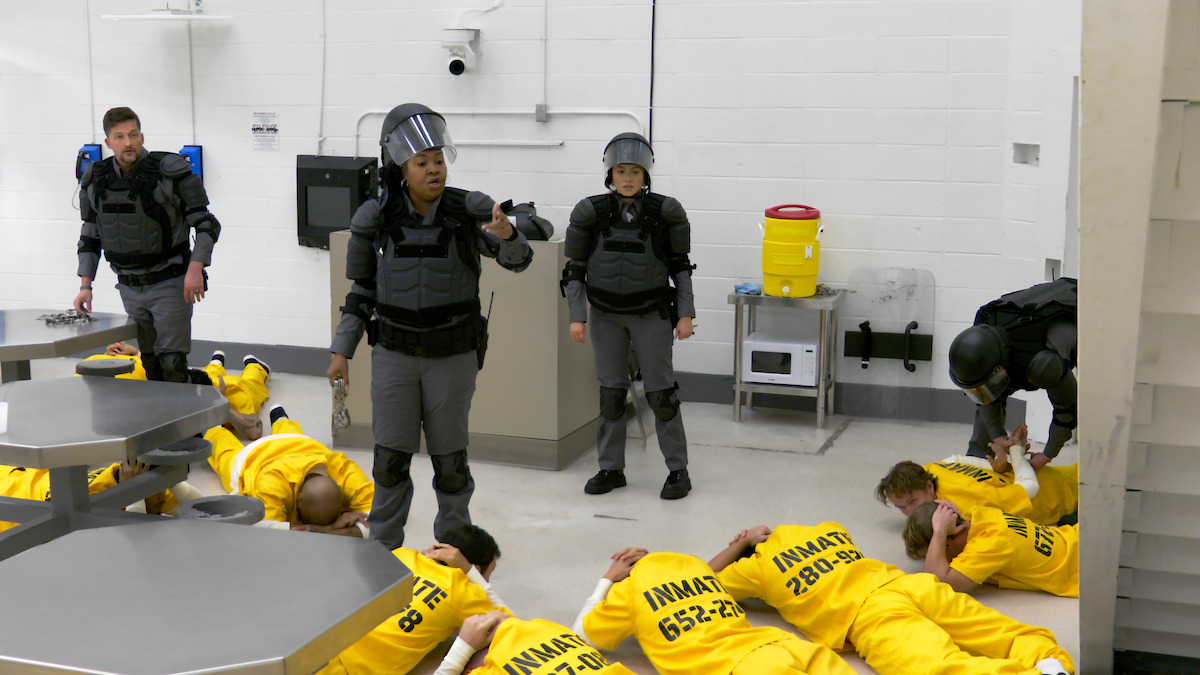
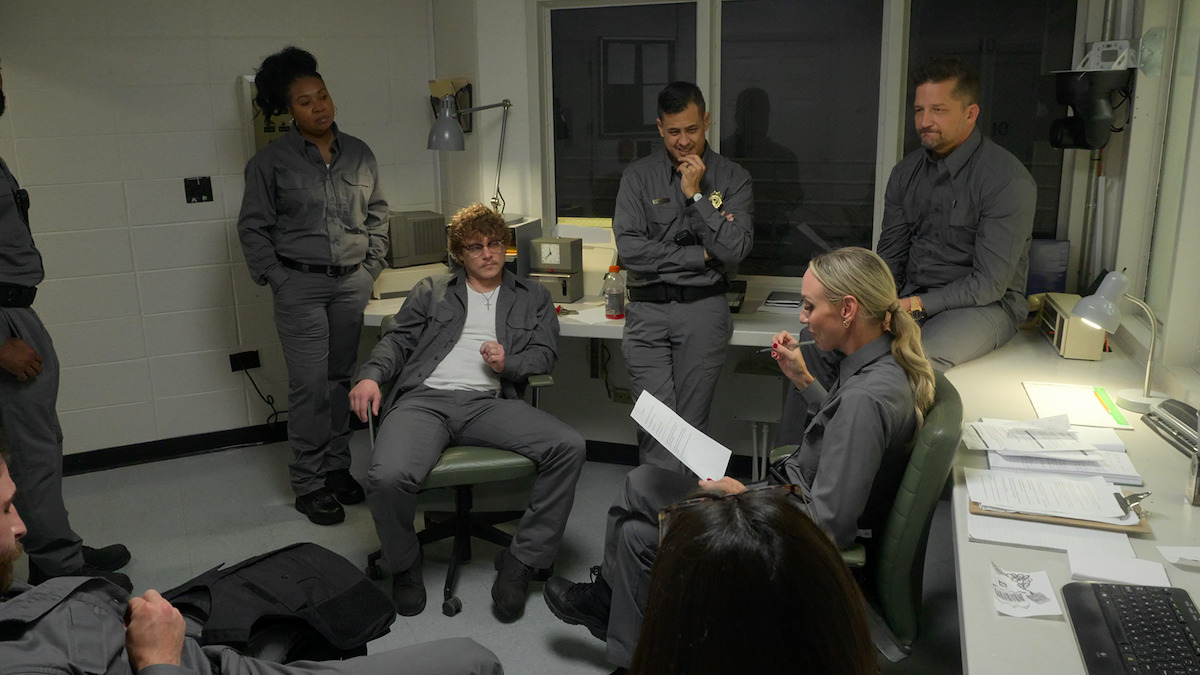
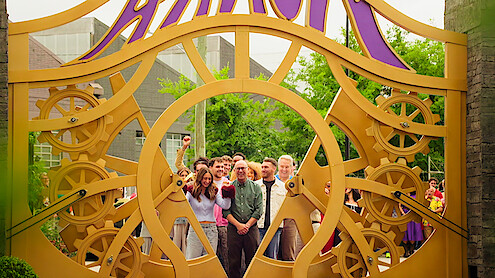
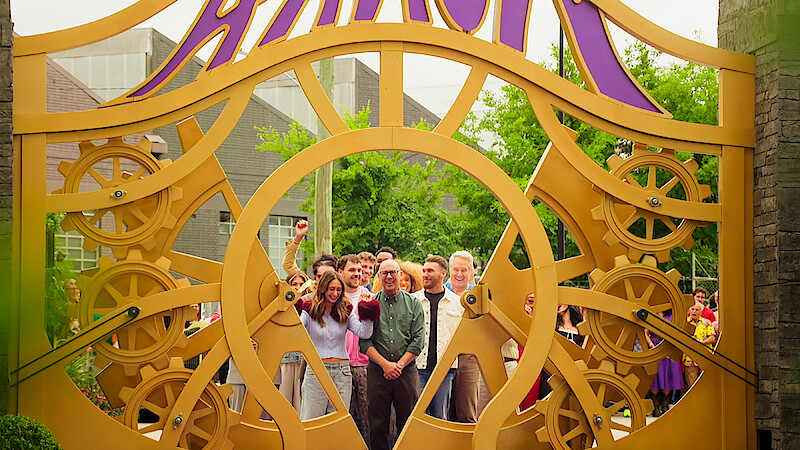
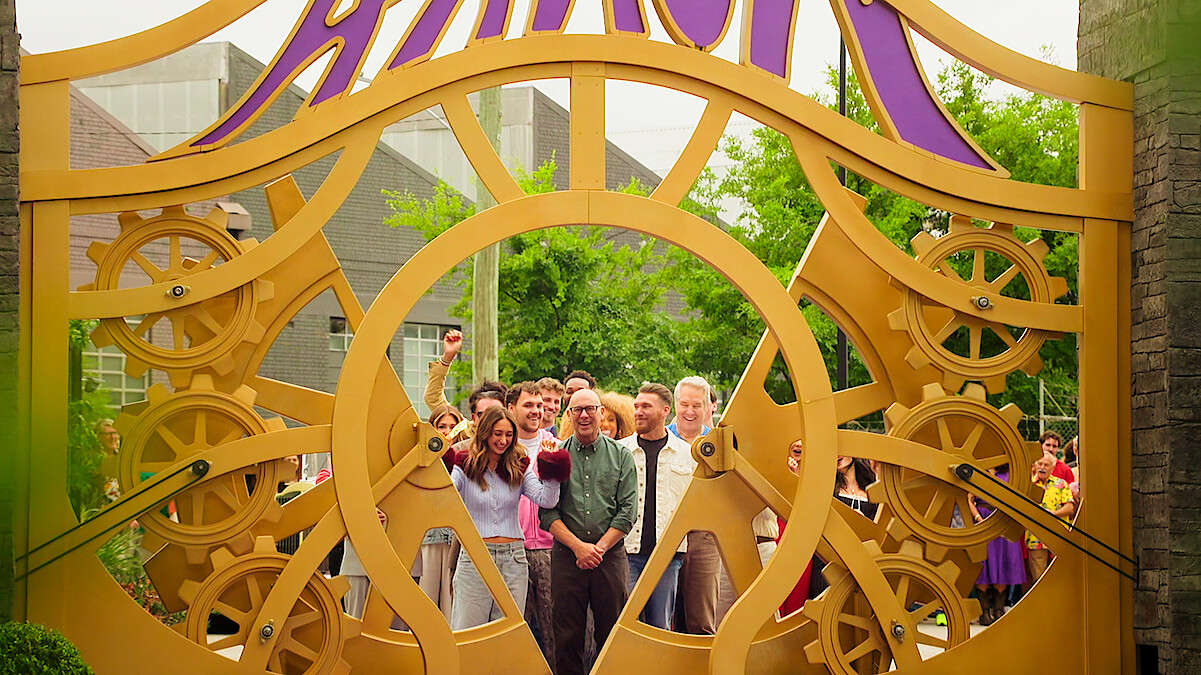
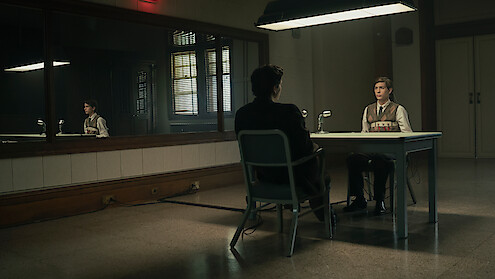
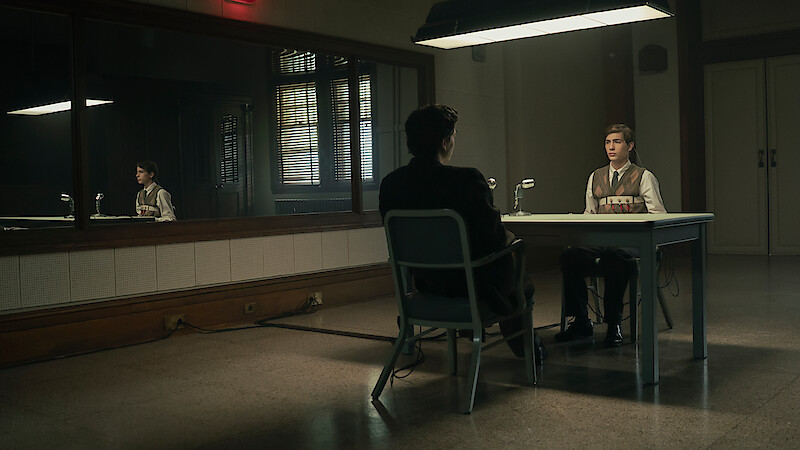
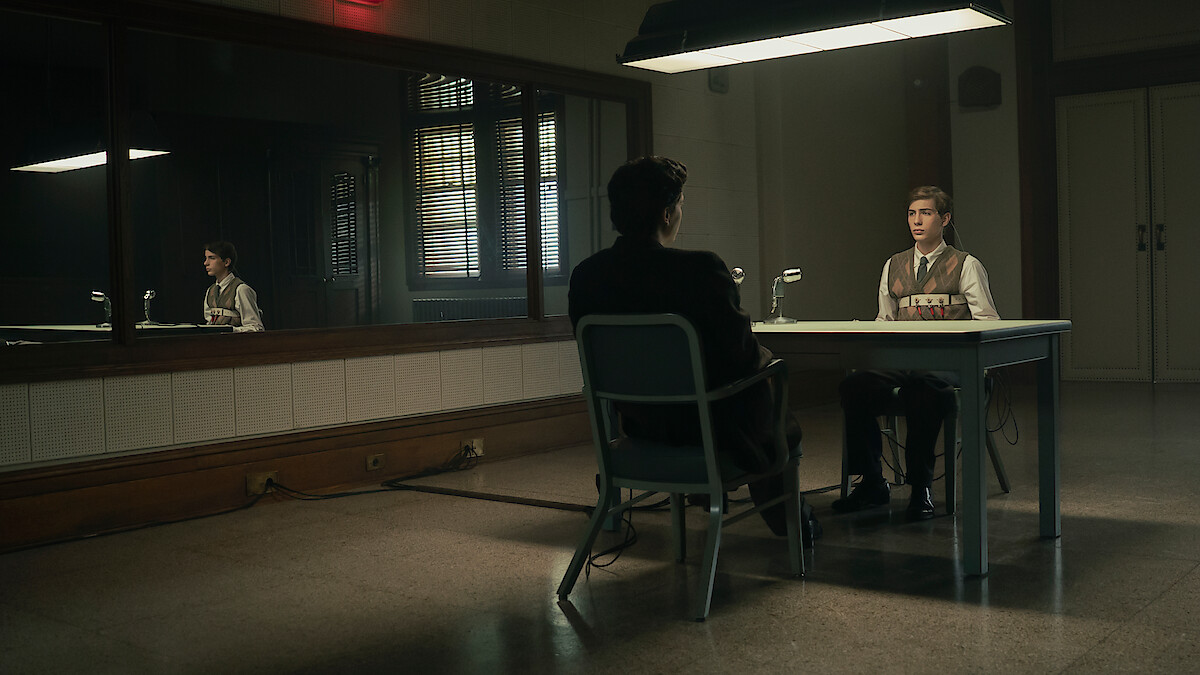
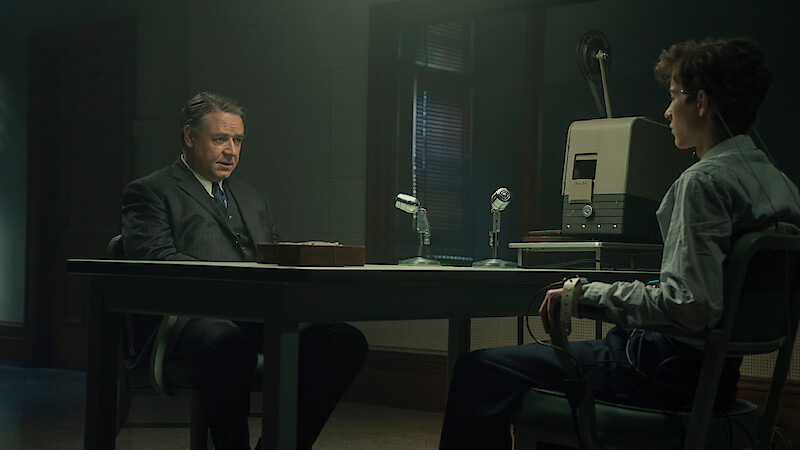
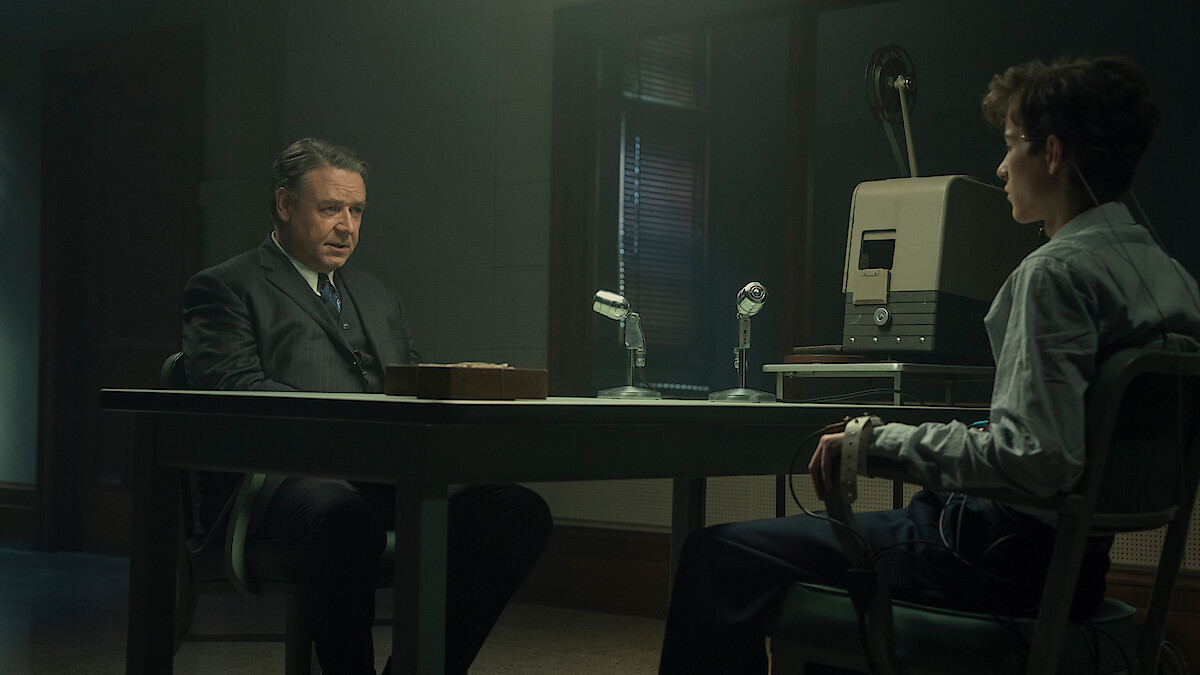
More than 50 years after Philip Zimbardo’s infamous 1971 study became one of psychology’s most notorious cautionary tales, the Stanford Prison Experiment is back under the microscope — this time reimagined as a new unscripted series.
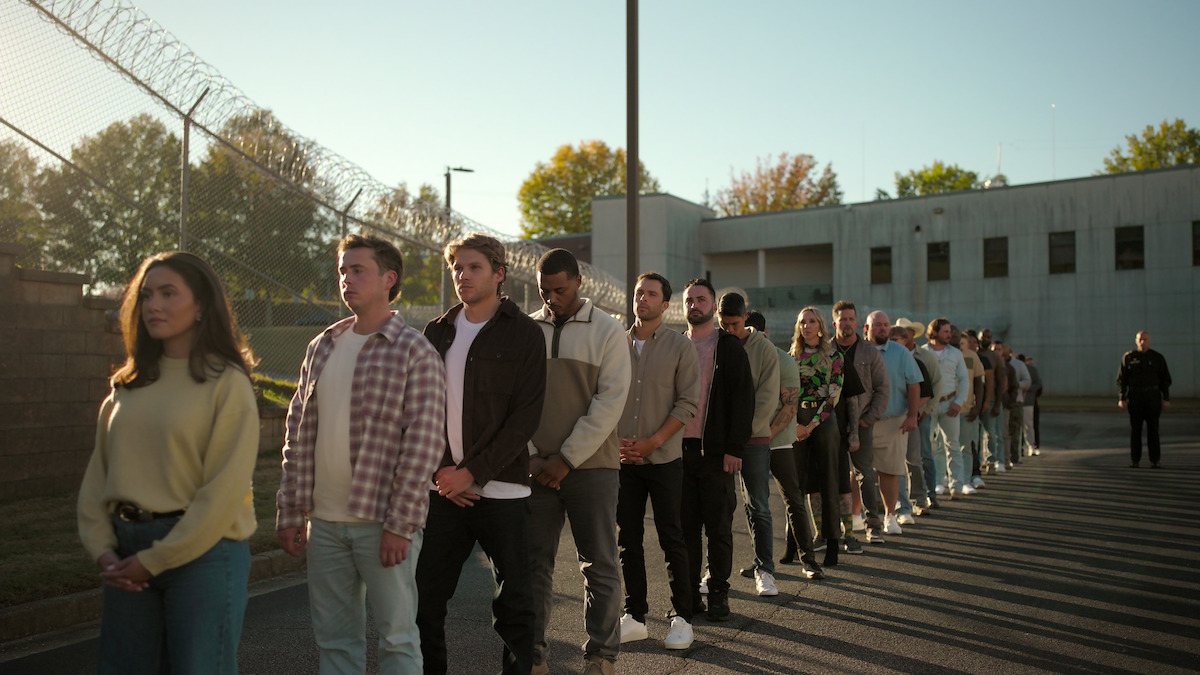
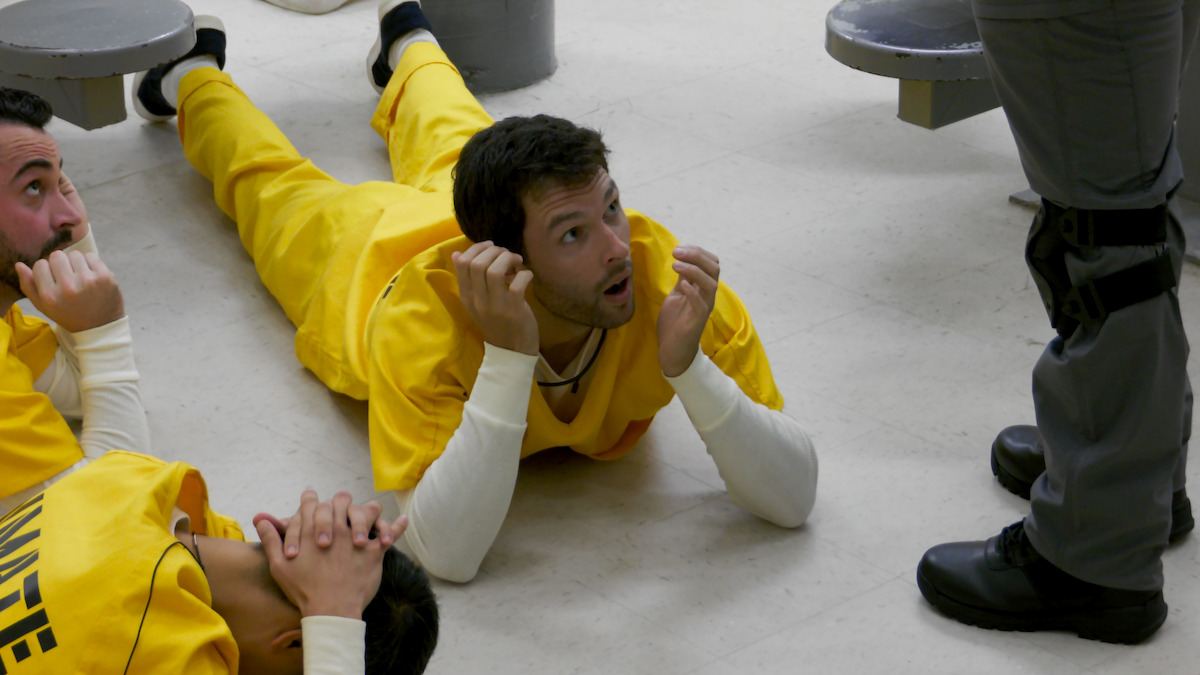
The New Stanford Prison Experiment picks up the original’s central question and pushes it further: Does power corrupt? Reframed for a moment when questions about authority, conformity, and human nature feel newly urgent, 30 willing participants enter a real prison and are randomly assigned as guards or prisoners.
To understand how the team behind the series approached rebuilding one of the most ethically fraught experiments in behavioral science — and updating it with new safeguards, a mixed-gender cast, and expert oversight the original lacked — Tudum spoke with executive producer Jane Lipsitz, Alfred Street Industries.
“When the show was first announced, there was a lot of outrage that anyone would even attempt the Stanford Prison Experiment again — and given what happened with the original, I completely understand that reaction,” Lipsitz says, adding that her team spent over a year developing the series. “If we were simply recreating the original experiment, that would be unconscionable. But this is a different time, with different participants, different safeguards and, ultimately, a very different journey.”
What’s the release date for The New Stanford Prison Experiment?
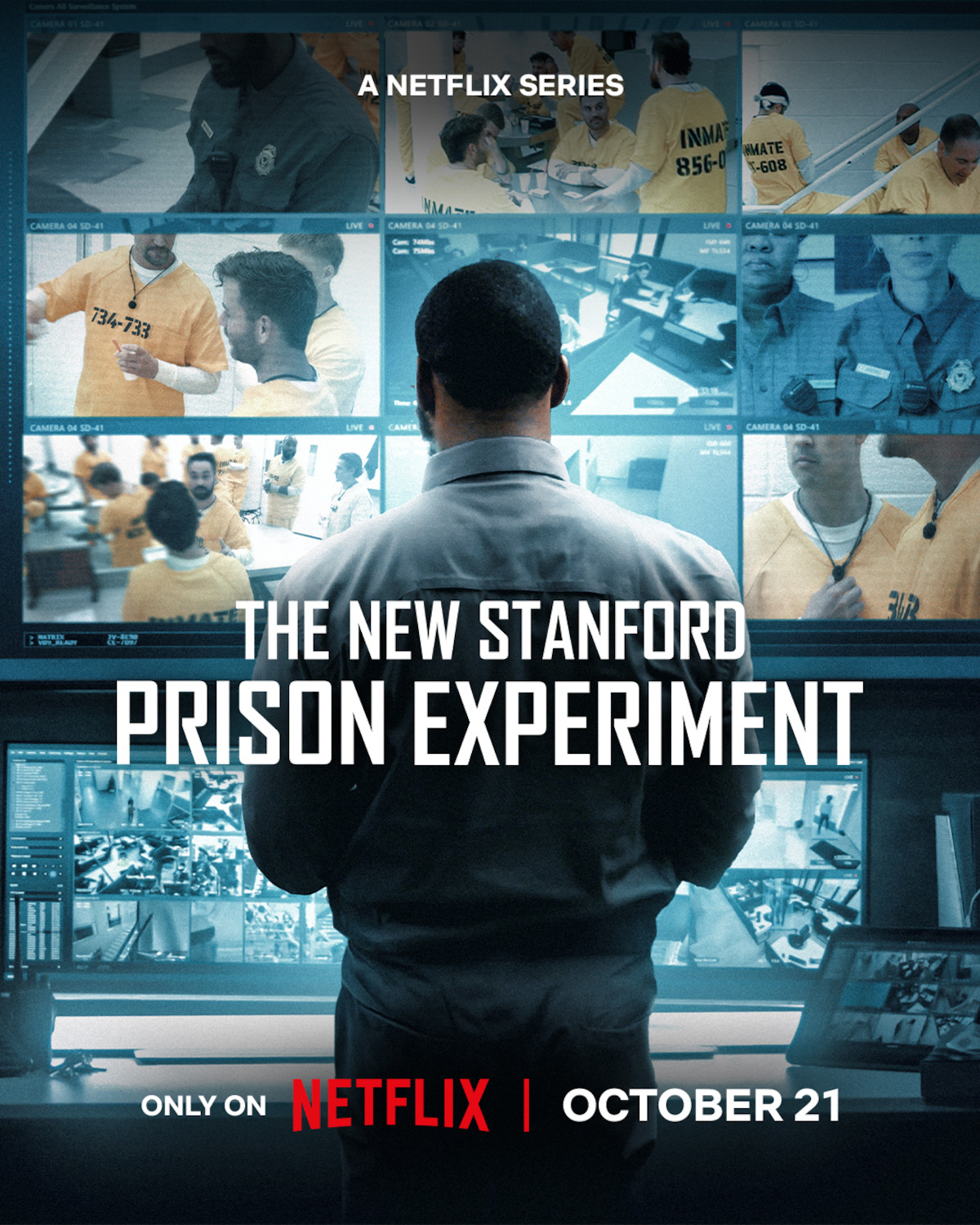
The New Stanford Prison Experiment premieres Oct. 21 on Netflix with six episodes.
What is The New Stanford Prison Experiment about?
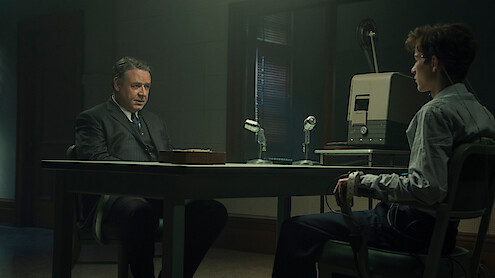
In 1971, a Stanford psychologist ran a flawed study of all male college students randomly cast as guards and prisoners, known as the Stanford Prison Experiment. Initially meant to last one to two weeks, it spiraled out of control in just six days. Still, it raised a question that’s now more topical than ever: Can power change ordinary people? The New Stanford Prison Experiment reimagines the infamous study with updated safeguards and expert oversight that the original lacked. Will the roles of the participants override their morals? Can they hold on to who they are despite the uniform they are wearing? As the show makes its case, it turns the questions back on the viewer, too.
“Anyone can see we’re living in a moment where we are constantly confronting questions about authority, conformity, group identity, and the systems that divide us,” Lipsitz says. “It felt like the right time to revisit that question with a new generation and ask whether power inevitably changes us — or whether we’re capable of resisting the roles, the rules and the systems we’re placed into. What we discovered during this process was something we never saw coming.”
Lipsitz describes the experience as “one of the most surreal production experiences” of her career. “The series has some surprising things to say that feel incredibly relevant in today’s world,” she adds. “I would love for viewers to take something away from our experts and think about how we, as a society, can be more mindful of power and its ripple effects. Ultimately, though, I hope this series gets people talking, because it will trigger some big conversations. It already has.”
How was The New Stanford Prison Experiment made? Where was it filmed?
While the original 1971 study was implemented in a mock prison on Stanford’s campus, The New Stanford Prison Experiment takes place in a real prison. “We felt that if we were going to revisit this experiment, we needed to make the environment feel as real as possible,” Lipsitz says. “A real prison carries a history, an energy and a sense of confinement that you simply can’t recreate on a set. And having actual inmates there added another layer of intensity and perspective — a constant reminder that, outside the experiment, these roles and power dynamics have very real consequences.”
Filming 24 hours a day, seven days a week, what unfolded was compelling, sometimes uncomfortable, and at times completely unexpected. “Unscripted felt like the only way to explore this — and in some ways, the Stanford Prison Experiment was the forebear of the social experiments that unscripted television is based on,” she says. “Place real people into a complicated and constructed environment, and document what happens.”
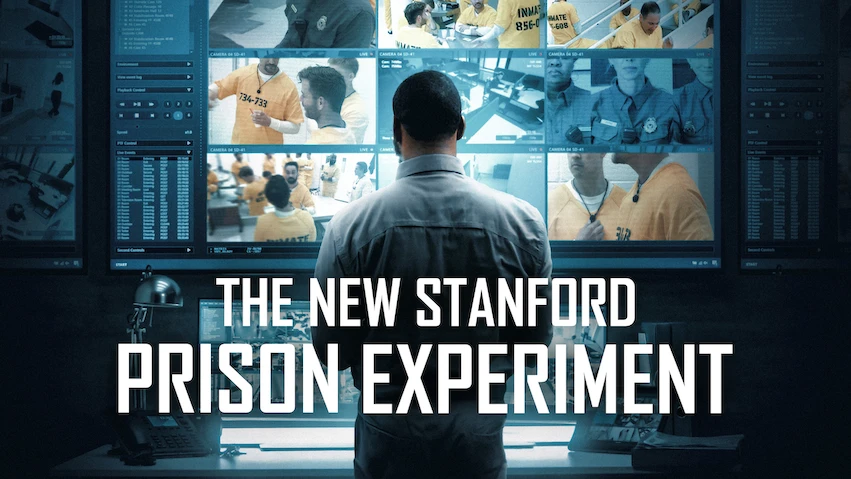
To minimize the influence of filming on the participants of the study, production interaction was kept to an “absolute minimum” by using robocams inside the prison. Interviews were also conducted in such a way that participants couldn’t see the interviewer. As cameras are now a fundamental part of modern life, the participants “actually started talking” directly to them within the experiment, reflecting how society’s relationship with technology has shifted since 1971.
How were participants selected?
The original study focused on male college students. In the updated version, Lipsitz explains, producers prioritized curating a group that better reflected the world today — diverse in geography, gender, political beliefs, socioeconomic background and life experience. “For us, casting a much wider net was fundamental to the legitimacy of the experiment,” she says. “The addition of women felt crucial to us as well because of the important dialogue around gender politics and power and we would have been remiss if we didn’t take a look at that as part of this version.”
What safety precautions were taken to protect participants?
Production put several guardrails in place to protect participants throughout the experiment, including psychological screenings before they entered the study. “The participants all made informed decisions when signing up, and they all underwent psychological screenings prior to entering the experiment. ” Lipsitz says. “Everyone had a safe word they could use to opt out at any time, and psychologists were available 24/7 for support.” Psychologists also continuously monitored the experiment, “so we could intervene if there were ever concerns about a participant’s well-being.”
Who are the experts in The New Stanford Prison Experiment?
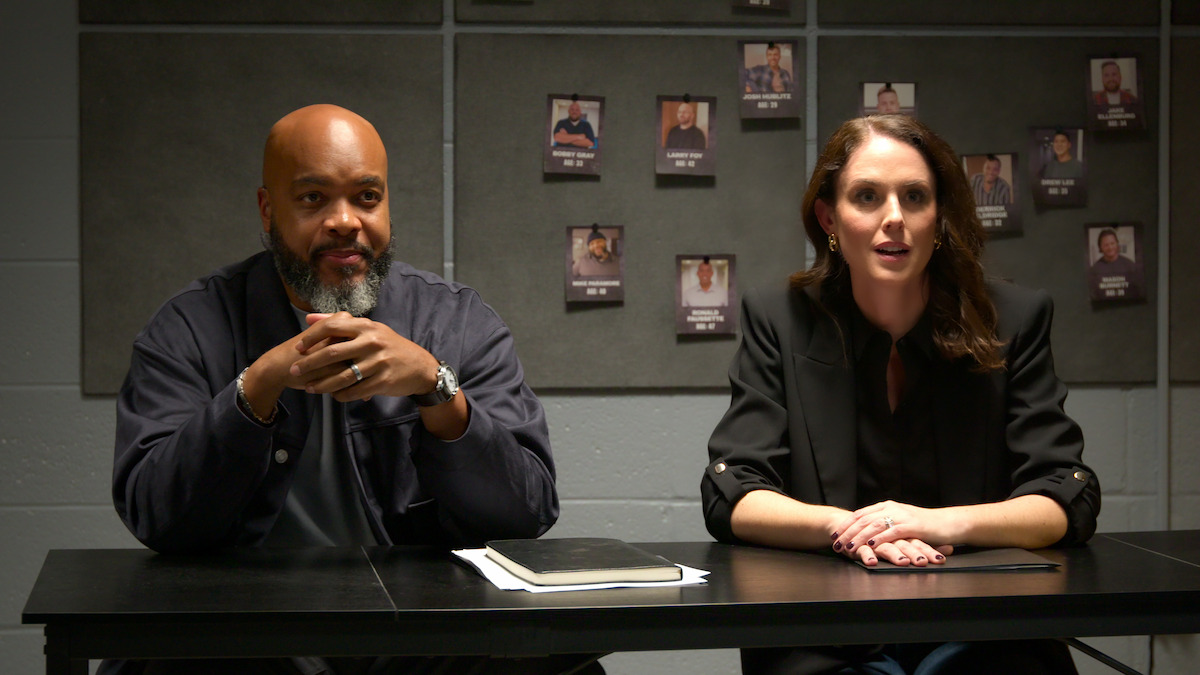
Just as with the participants, it was important that the experts brought different backgrounds and expertise to the experiment. “What I loved was that the three of them didn’t always see things the same way,” Lipsitz says. “They challenged each other, and I think that made the conversations around the experiment more compelling.”
- Alison Wood Brooks: A behavioral psychologist at Harvard. “Alison was essential —not only in helping us think about the psychology behind the experiment, but in making sure we were conducting it responsibly and within the ethical guardrails we had put in place,” Lipsitz says.
- Trymaine Lee: A Pulitzer Prize–winning journalist. Lee has spent his career telling stories about people and American life — from Hurricane Katrina and the justice system to politics and pop culture. “He brought a completely different perspective,” Lipsitz says. “He was constantly pushing us to think about the bigger questions the experiment was raising.”
- Michael Cantrell: A retired federal correction professional with close to 30 years of experience. “Michael brought the real-world prison perspective,” Lipsitz says. “He understood these environments in a way none of us could, and he was invaluable in keeping us honest about what felt authentic — and what didn’t.”
Where can I watch the trailer for The New Stanford Prison Experiment?
Scroll up to the top of the page to get a glimpse behind the prison walls.