SPOILER ALERT
This article contains major character or plot details.
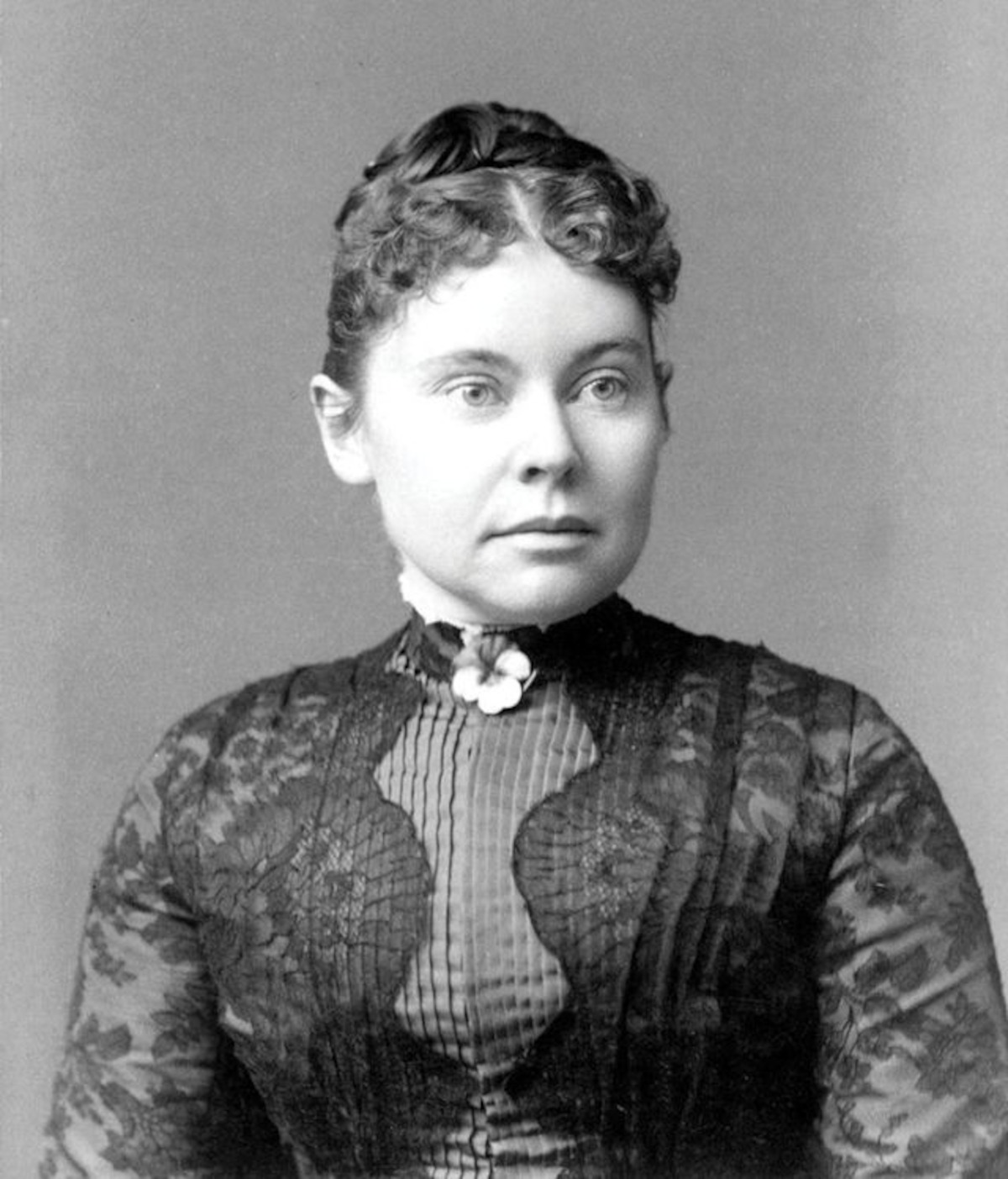
Lizzie Borden wasn’t America’s first killer, but she may have been its first celebrity murder suspect. The young New England woman became the subject of the trial of the century when she was charged with the brutal axe murder of her father and stepmother in 1892. More than 100 years later, she still captures the imagination.
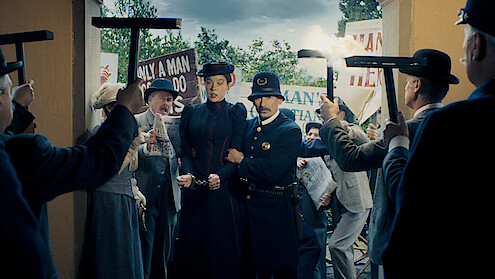
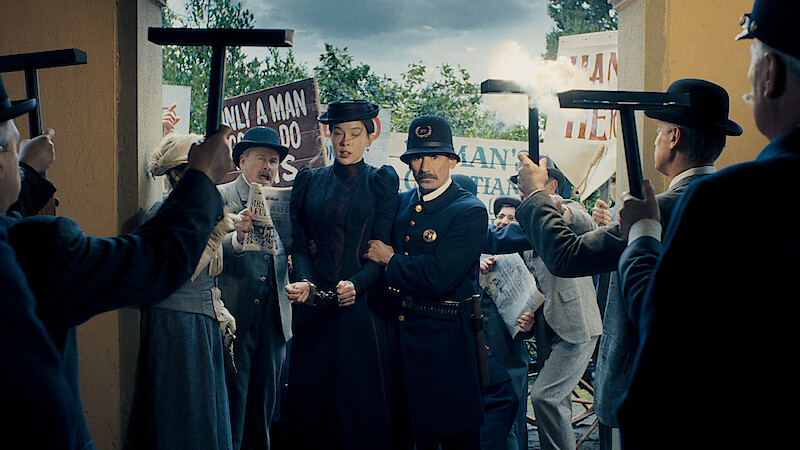
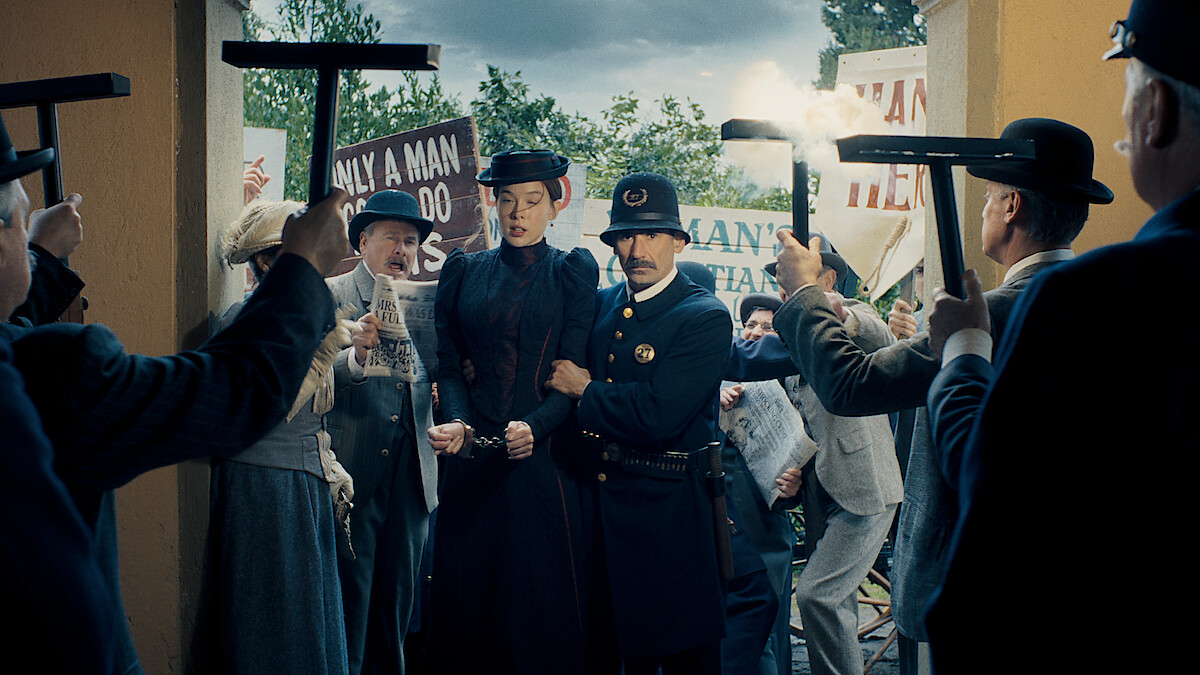
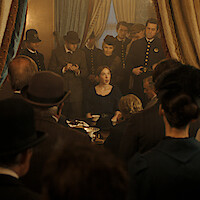
Now Lizzie is the subject of Monster: The Lizzie Borden Story, the latest installment in Ryan Murphy and Ian Brennan’s serial killer anthology series. Played by Ella Beatty, this Lizzie is a stifled dreamer chafing at the boundaries of her strict Victorian upbringing — until they shatter in violent fashion. “You have to look at the environment that's around her,” co-showrunner Brennan says. “The job of the show was throwing into contrast this cage that any woman living in that time and that place would’ve felt — but particularly, this strange young girl who loved animals and who lived in a repressive household.”
Beatty was largely unaware of the true story behind the Borden case until signing on to Monster, but she soon dove in headfirst. “When the audition came up, I listened to every true crime [podcast] that I could find to learn the facts of the case,” she says. “It’s very disputed. A lot of people have a lot of really different points of view on what could have happened and even have different points of view about Lizzie herself. That was an interesting entry point for me as an actor because I could have all of that as a jumping-off point.”
But Beatty’s research was only the first step. “Mainly I felt my job was to explore the character that Ian and Ryan had created,” she says. “I could take all the source material about the real person’s life and translate that into the very fictionalized version of the woman that we created for the show. I was exploring a person that we were imagining and creating using details from the real person’s life to animate and fill in the blanks.”
Read on to learn more about the true story of Lizzie Borden, and how Monster brought her world to life.
Did the real Lizzie Borden kill her parents?
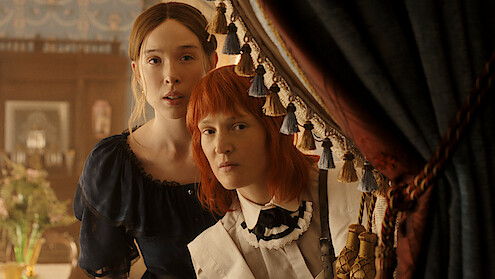
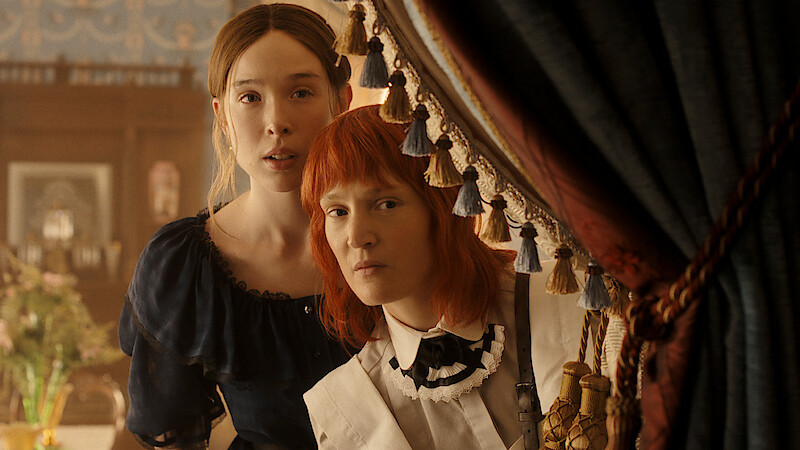
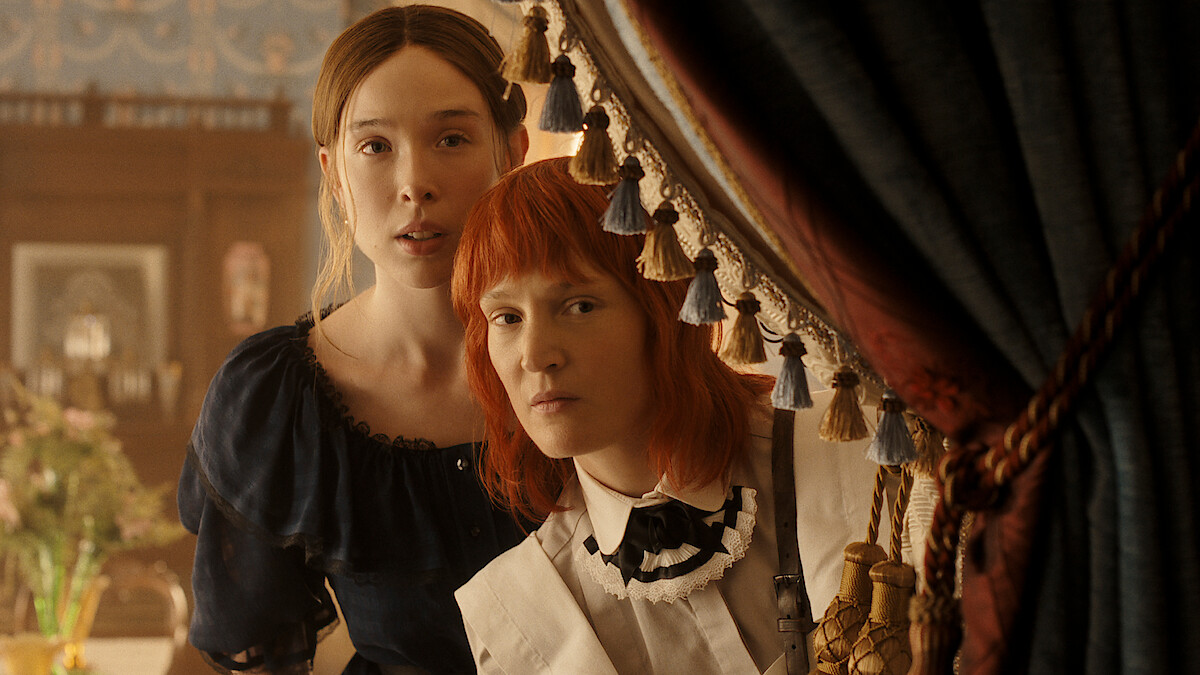
No one knows, although evidence points to yes. The series depicts Lizzie as put-upon and abused by her strict parents, father Andrew (Charlie Hunnam) and stepmother Abby (Rebecca Hall). She finds a new lease on life when the family employs a new housemaid, Bridget “Maggie” Sullivan (Vicky Krieps), who ultimately inspires her to commit (and assists her with) the crime that will define the rest of her life.
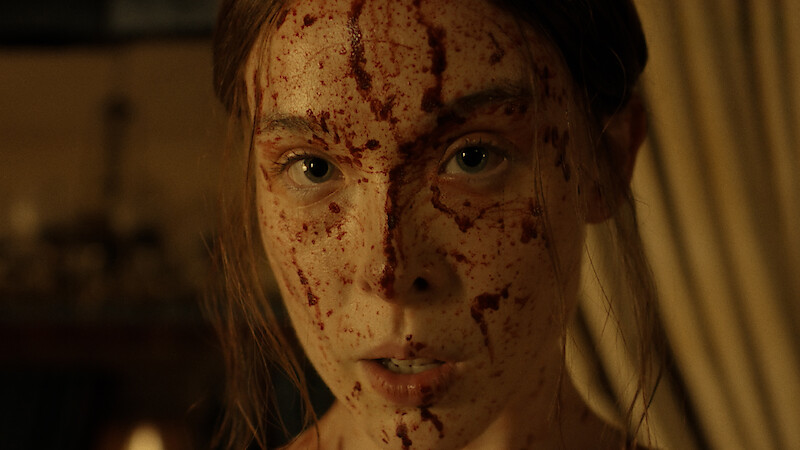
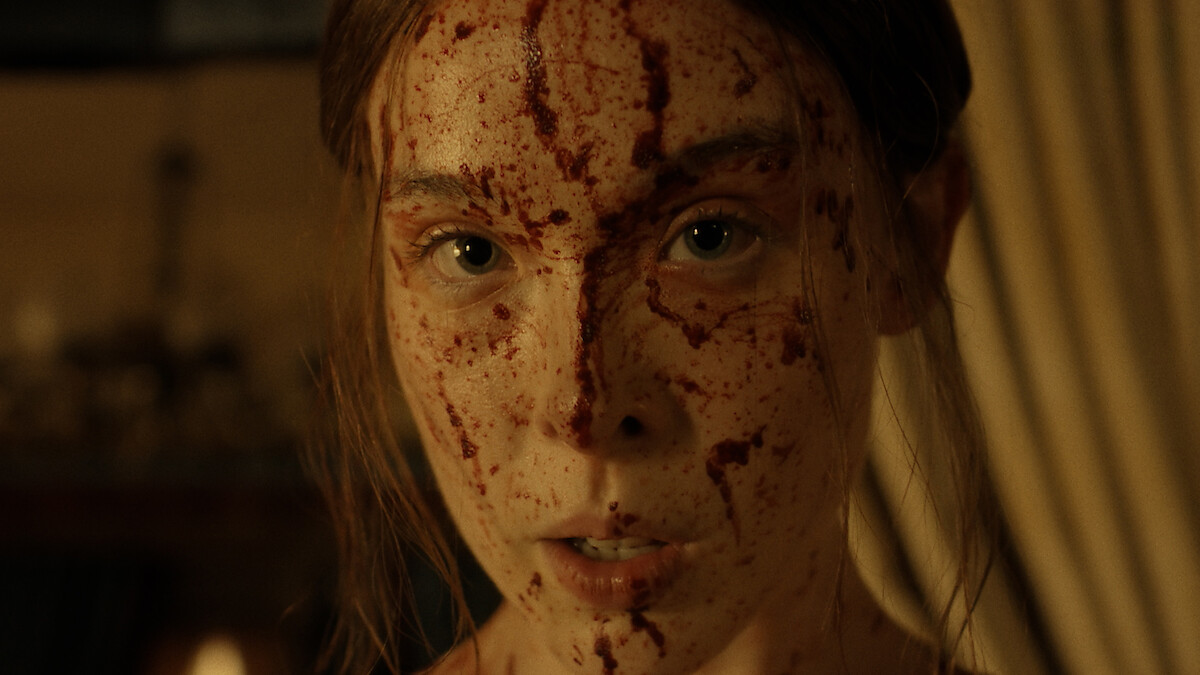
The facts of the murders of Andrew and Abby Borden have been exaggerated over the years. The famous playground rhyme (“Lizzie Borden took an axe…”) expands the number of blows each received to 41 and 40, respectively. In reality, Abby was struck 19 times and Andrew 11. Both are rendered unrecognizable in the series, when Lizzie and Maggie take revenge on the couple for their casual cruelty.
“There’s this juxtaposition between what it meant to be a woman at the time with a kind of fragility and physical beauty, and then this very bloody, intense, dirty, violent, other spiritual side,” Beatty says. The latter side, Monster suggests, existed for Lizzie only behind closed doors.
The known facts of the Borden case are preserved in the series, with a few tweaks. Maggie’s window-cleaning alibi is depicted as a show she puts on for passersby; a friend’s testimony that Lizzie burned bloody clothes is depicted as truth. Lizzie’s real-life attempted purchase of deadly prussic acid from a drugstore — one of the pieces of evidence that led to her arrest — is portrayed as a failed murder attempt, with her parents racked with projectile vomiting over a dinner of spoiled oysters.
Was Lizzie Borden found guilty?
Borden was actually, as the series depicts, acquitted in her 1893 trial. Numerous alternative suspects have been floated: Lizzie’s maternal uncle, John Morse (played by Joey Pollari in Monster); her father’s possible illegitimate son; and even Lizzie’s sister Emma (played by Billie Lourd). But none of these possibilities took hold with public. Instead, many of Lizzie’s neighbors remained convinced she was guilty.
The series also adds another crime to Lizzie’s record: the murder of Bertha Manchester (Linda Reiter), a neighbor who whips Maggie while she works as a maid in her home. In Monster, Manchester is a trial run for Lizzie and Maggie’s mayhem. But in reality, Manchester was killed after the Bordens, just before Lizzie’s trial began. Portuguese immigrant Jose Correa de Mello was falsely convicted of the crime.
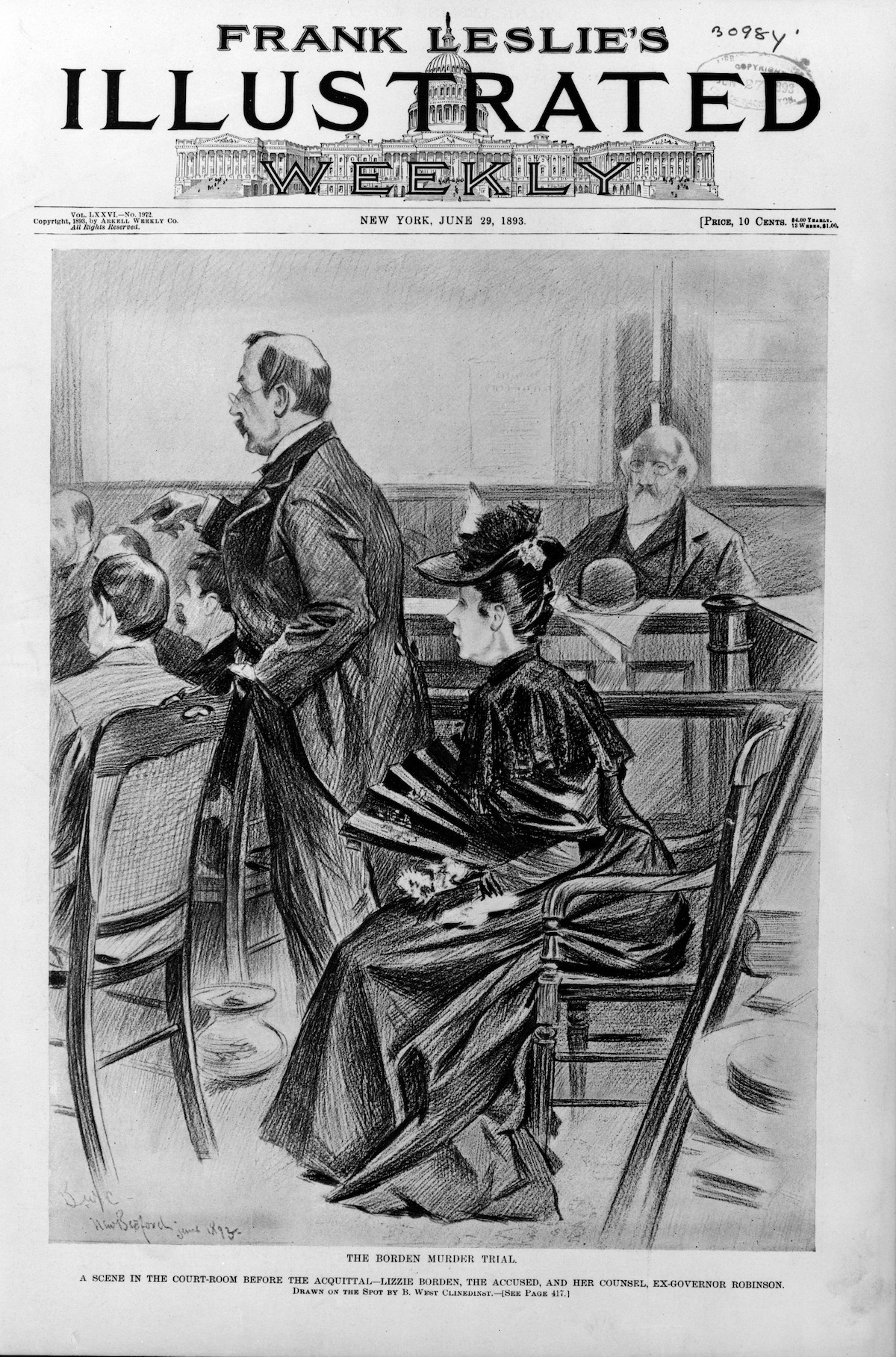
Frank Leslie's Illustrated Newspaper, V. 76
Did Nance O’Neil really coach Lizzie through her trial?
Not quite. In the series, Lizzie’s actor friend Nance O’Neil (Jessica Barden) coaches her through the murder trial. O’Neil really did forge a friendship with Lizzie, but it began in 1904, more than a decade after her acquittal. “When you’re doing a true-crime show, the trial episodes are always the ones I dread the most,” Brennan says. “They can lend themselves to the most tropes. They’re the hardest to dramatize. Trials are incredibly dry, incredibly boring. But this notion that Lizzie knew an actress, which she did, that suddenly really activated it for us.”
In real life, Lizzie did play up her delicate femininity for the jury, but that was at the encouragement of her lawyers, not Nance. “At that point in the series, Lizzie is telling herself a story about her life and about why what happened needed to happen,” Beatty says. “Getting through the trial is about staying committed to that story.”
And stay committed she did. Once acquitted, Lizzie lived out her days in Fall River. Massachusetts, with her sister Emma, until Emma’s disapproval of Lizzie's relationship with Nance split the sisters for good. (Lizzie was ostracized by her community and turned to high-society friends like Nance for comfort.) Much was made of this friendship, which may have started public speculation about Lizzie’s sexuality which is explored in the series via her relationship with Maggie.
Brennan and Murphy also tie in stories from previous generations, as they did in last season’s Monster: The Ed Gein Story. In this season, the first Monster entry to focus on a woman, the notion of a feminine monstrosity looms large. “To be a woman in that time period in America was to feel confined sexually, spiritually, emotionally,” Beatty says. “For me, something as material as wearing the corset every single day … created a really rich given circumstance: the feeling of confinement and not getting enough oxygen to your brain.”
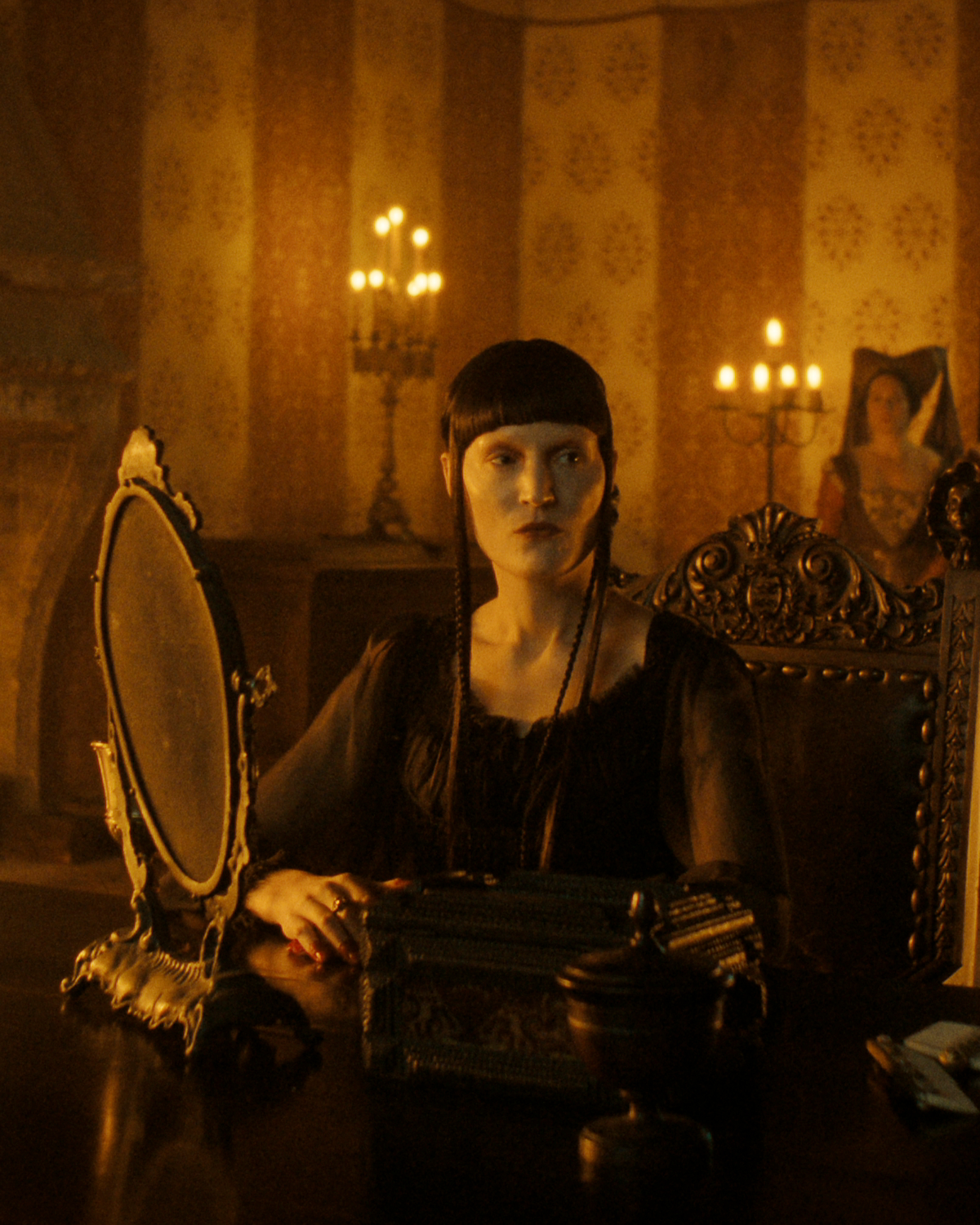
One of Lizzie’s inspirations is another corset-bound killer. Maggie reads her young charge bloody bedtime stories, which the series depicts in flashbacks. Here, Krieps plays another “inspirational” figure: notorious alleged serial killer Elizabeth Báthory, a Hungarian noblewoman accused of bathing in the blood of virgins.
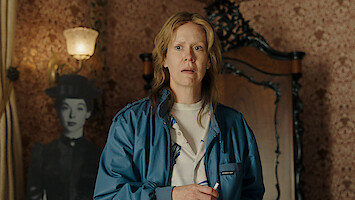
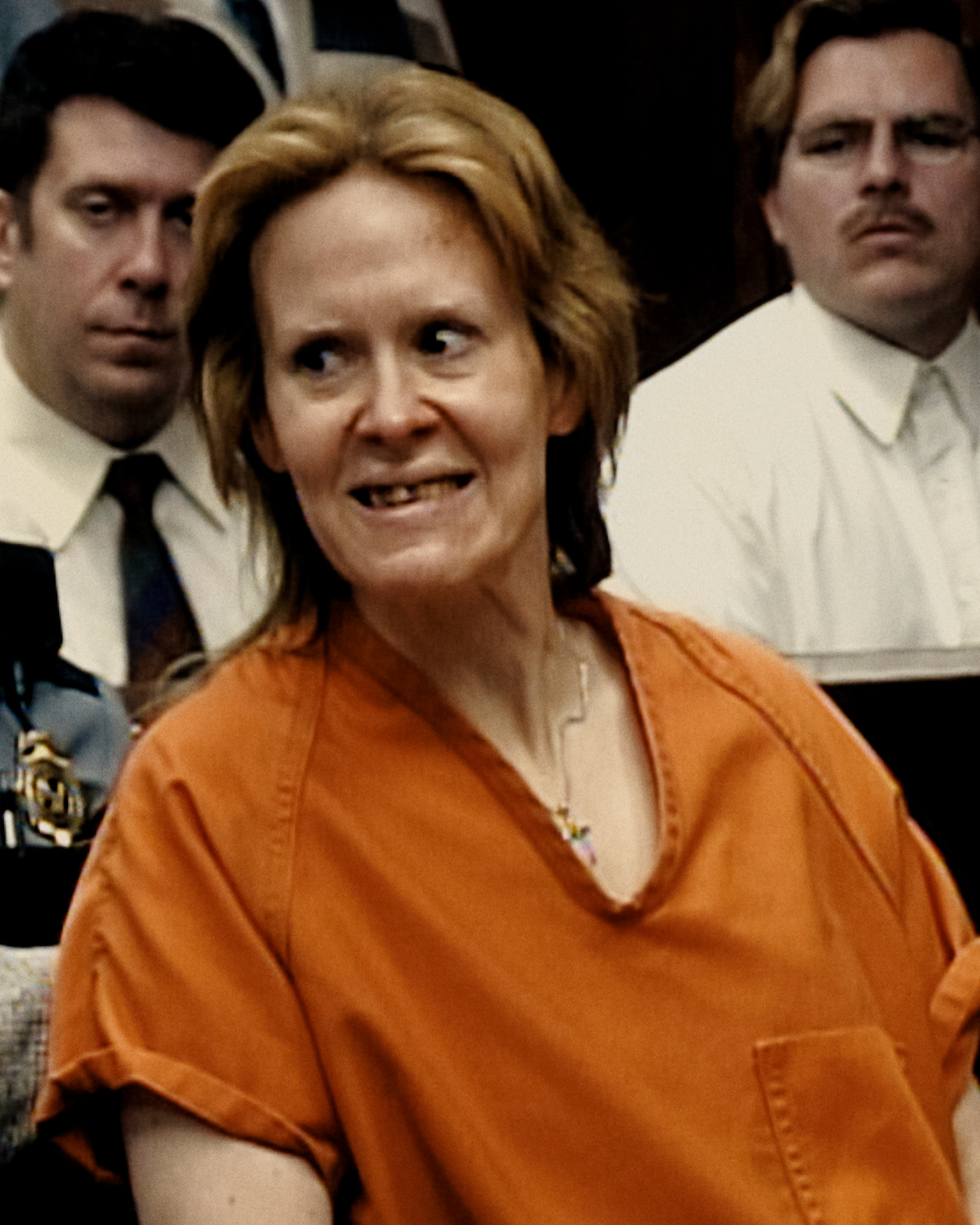
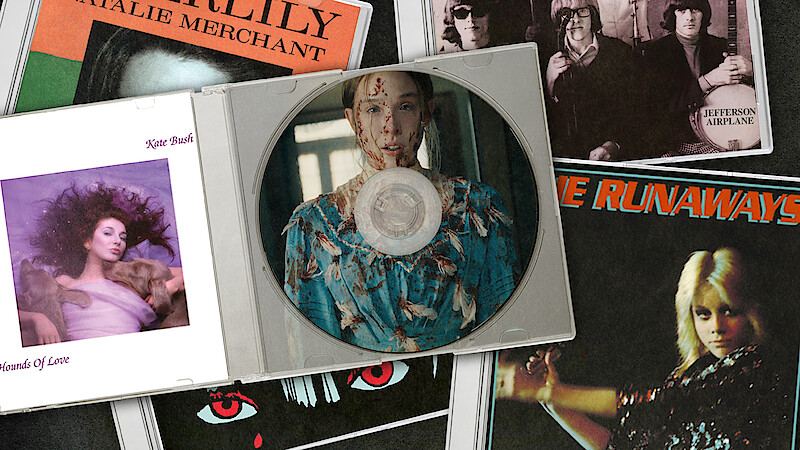
But the series also leaps forward in time to the story of Aileen Wuornos (played by Sarah Paulson), a serial killer who is in turn inspired by Lizzie’s story. In this telling, Wuornos even stays at the Bordens’ home with her partner Shelby (Jessie Lee), who reads to her as Maggie did to Lizzie. “The show is exploring a legacy of female rage and reaction to the set of circumstances that they are presented with,” says Beatty. “I think there’s a connection [between Borden and Wuornos] that Ryan and Ian were interested in mapping and exploring.”
There’s no evidence that the real Wuornos was fixated on the Borden killings, but one part of her story is true: The Borden home in Fall River, Massachusetts, is indeed now a bed and breakfast.
Monster: The Lizzie Borden Story is now streaming on Netflix.