🤐 SPOILER ALERT 🤐
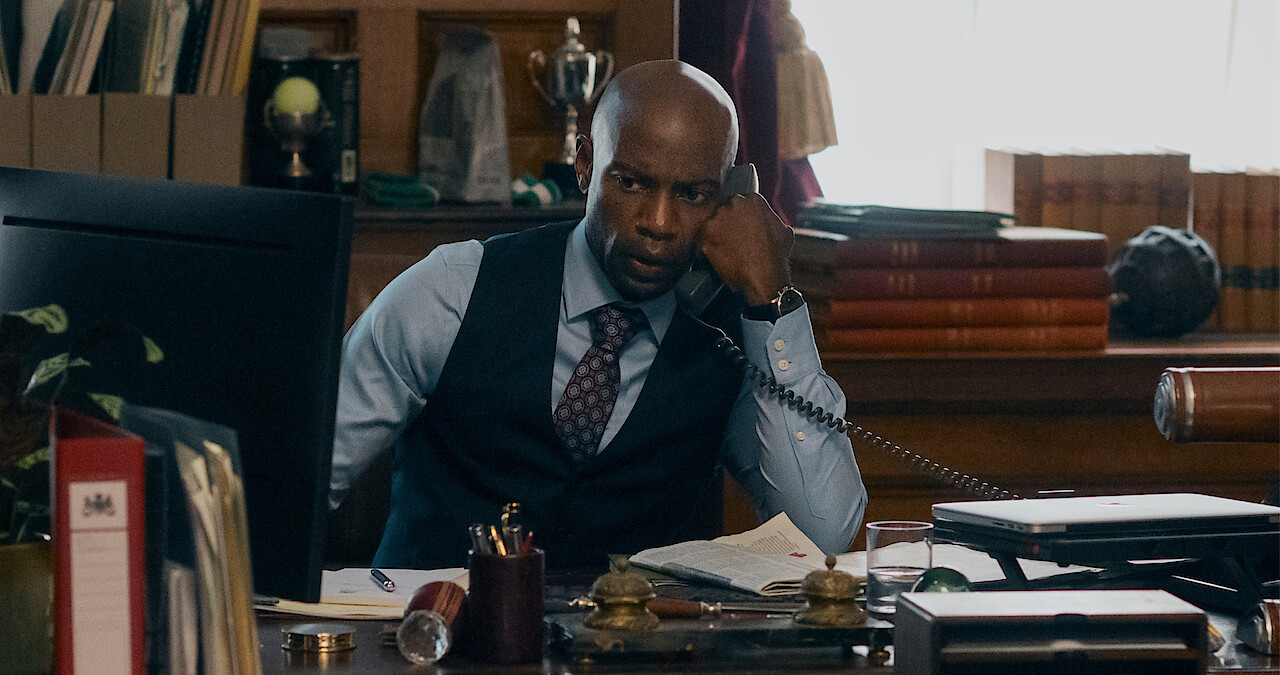
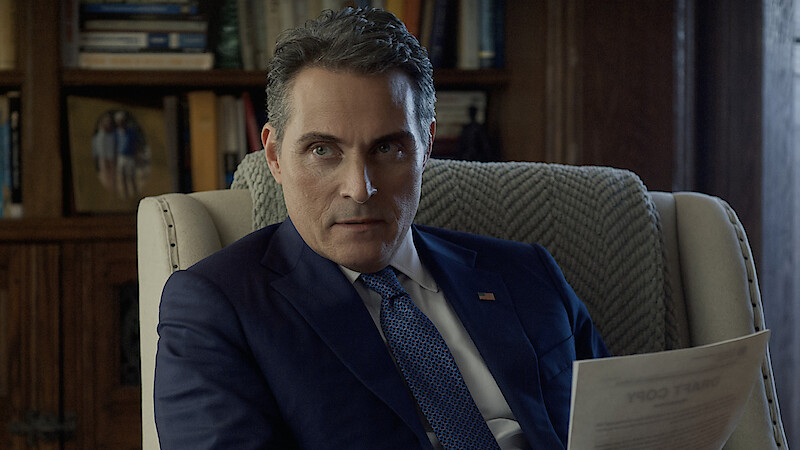
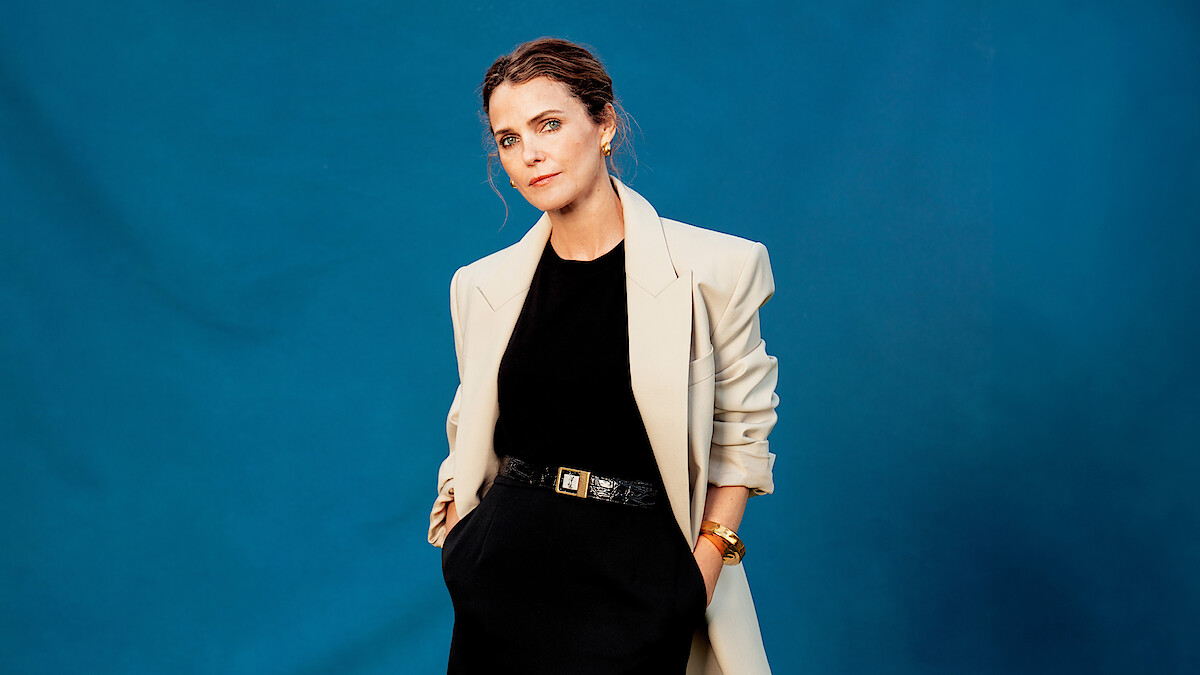
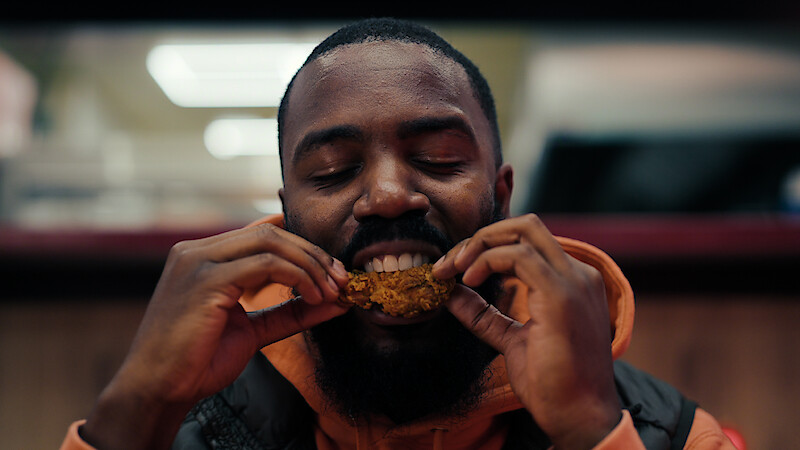
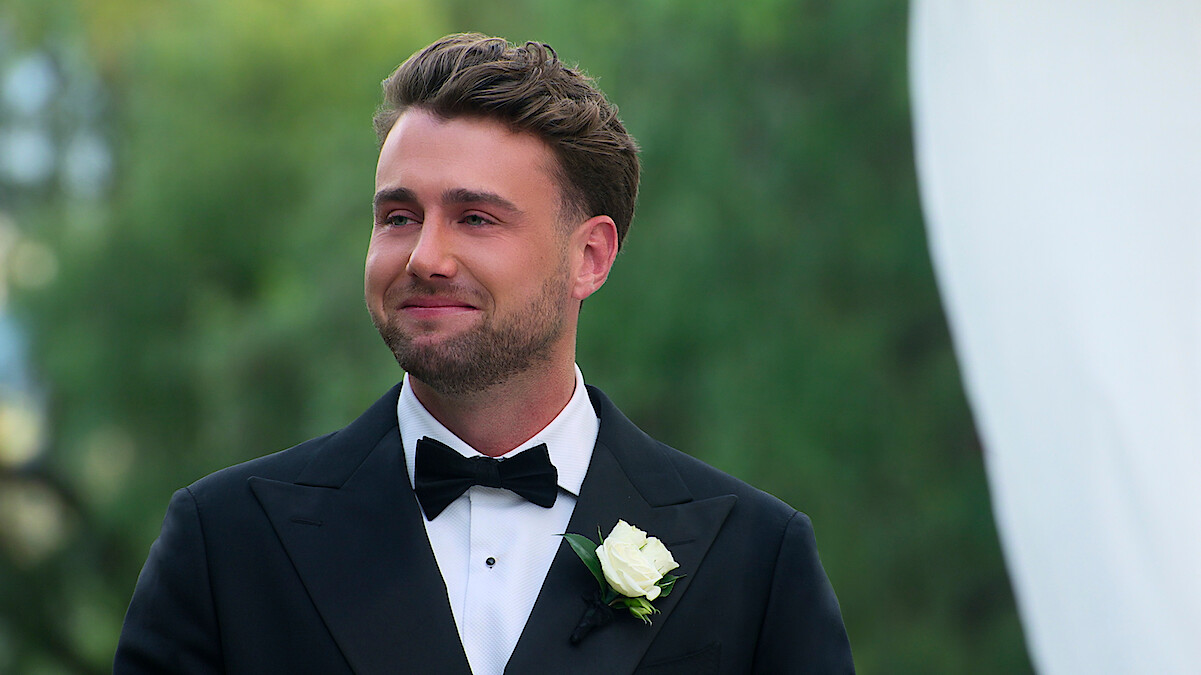
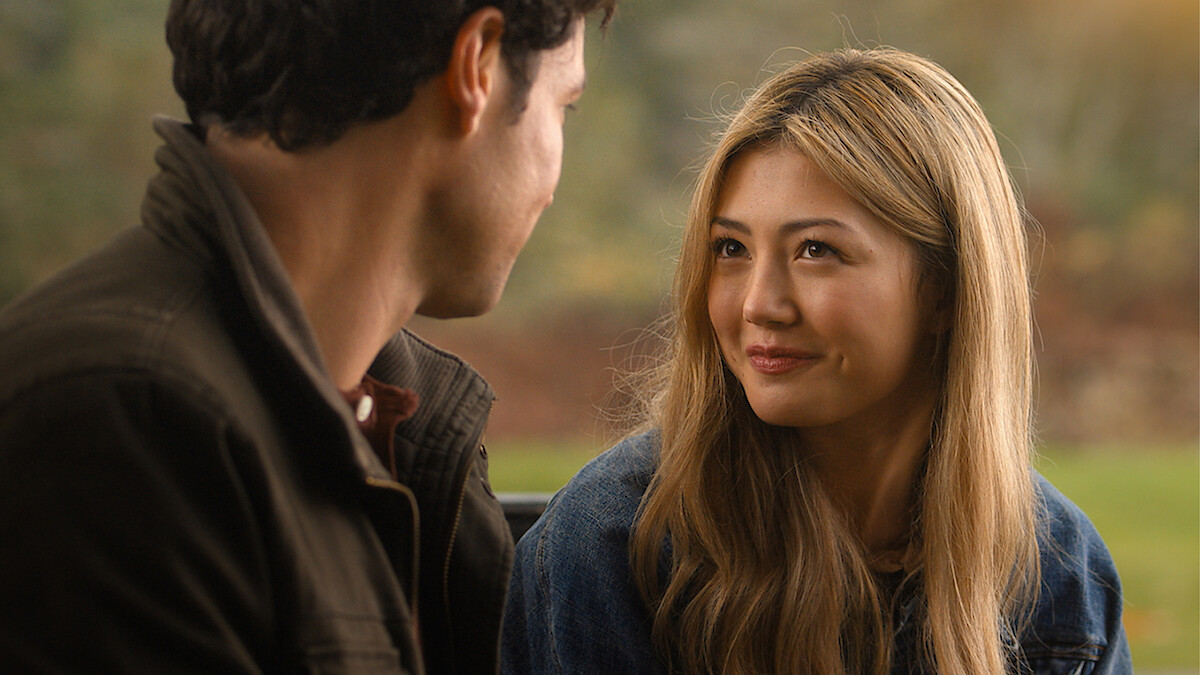
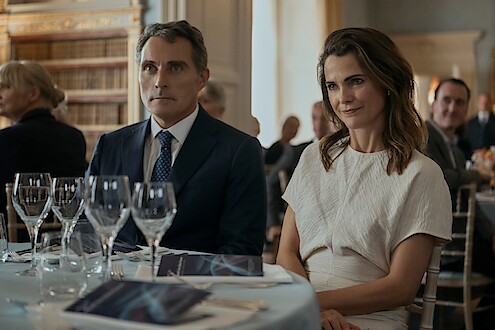
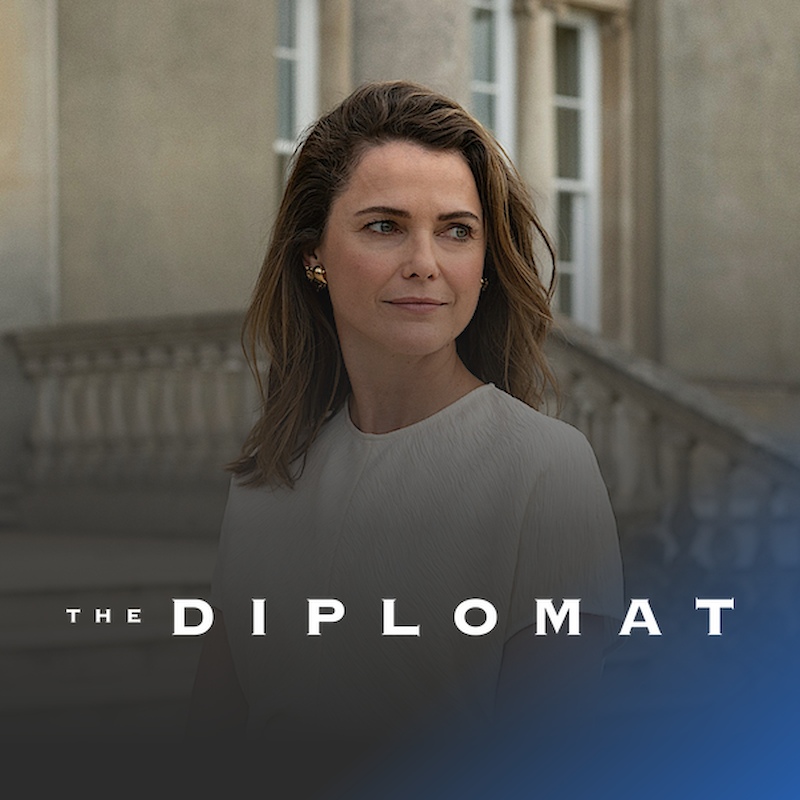
David Gyasi is putting on his three-piece suit and stepping into office as British foreign secretary Austin Dennison in The Diplomat.
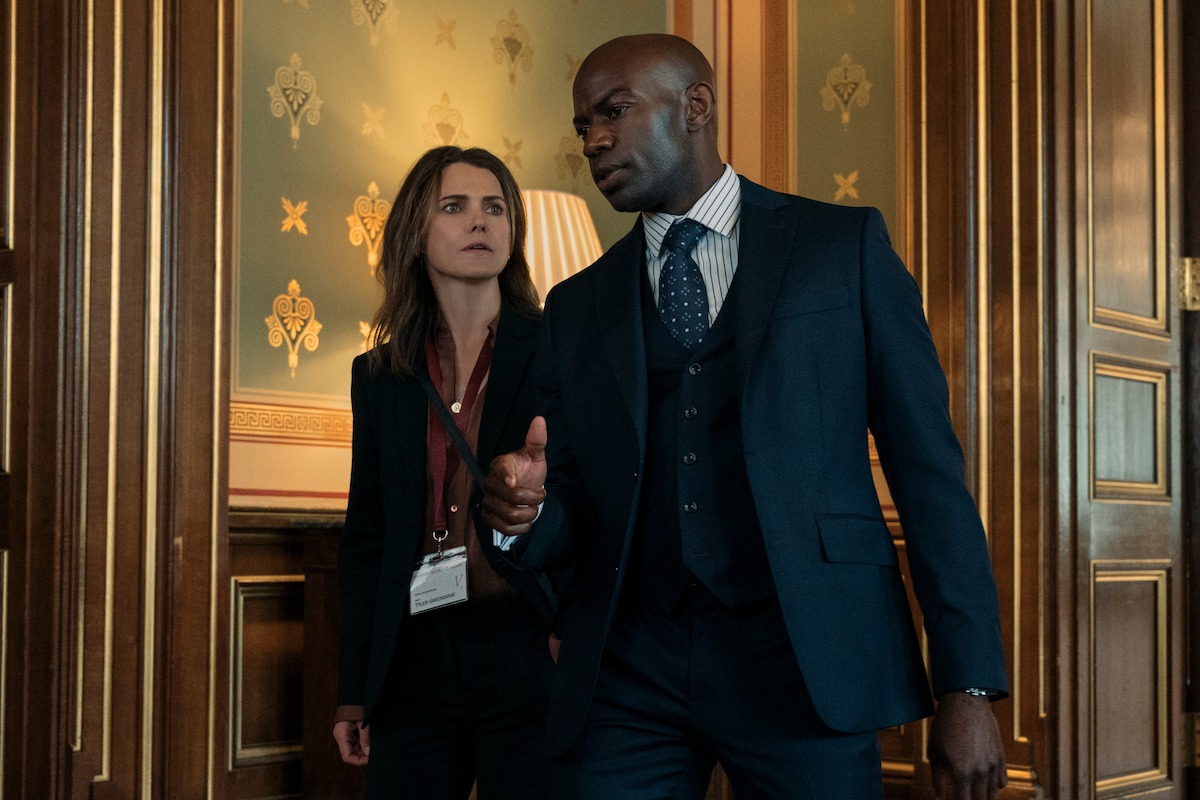
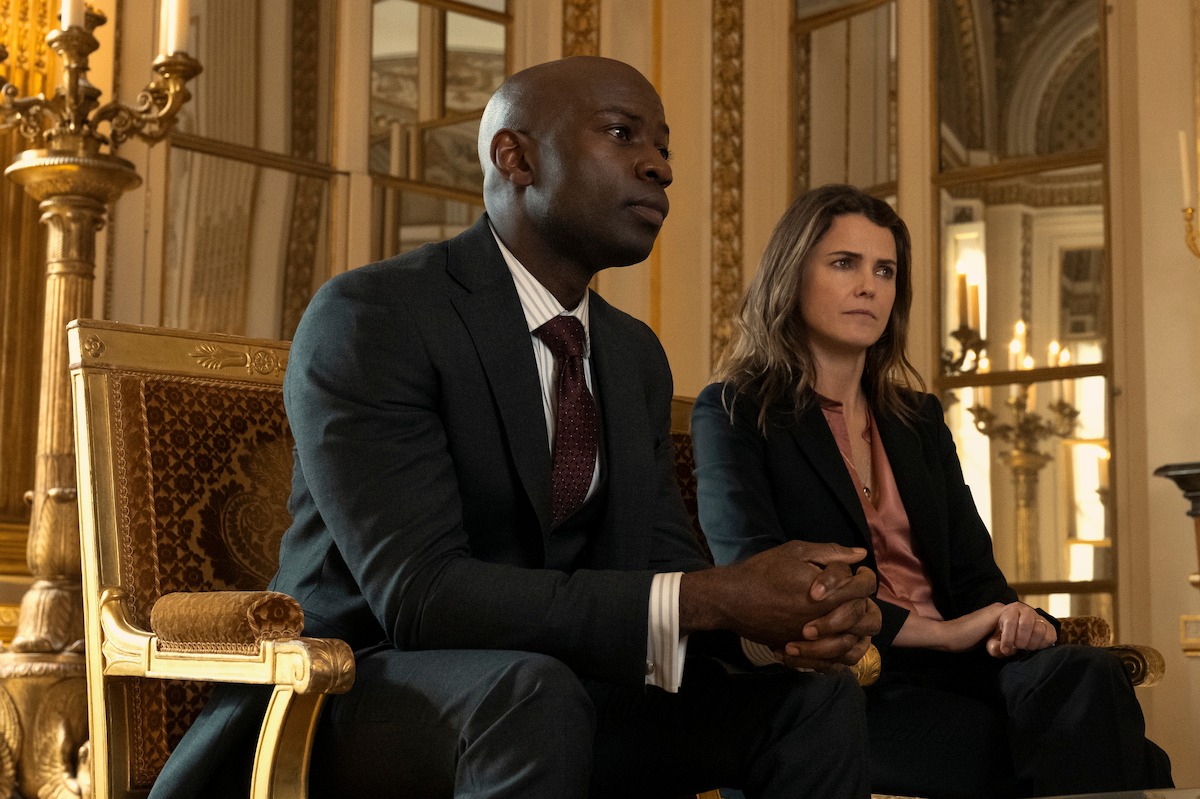
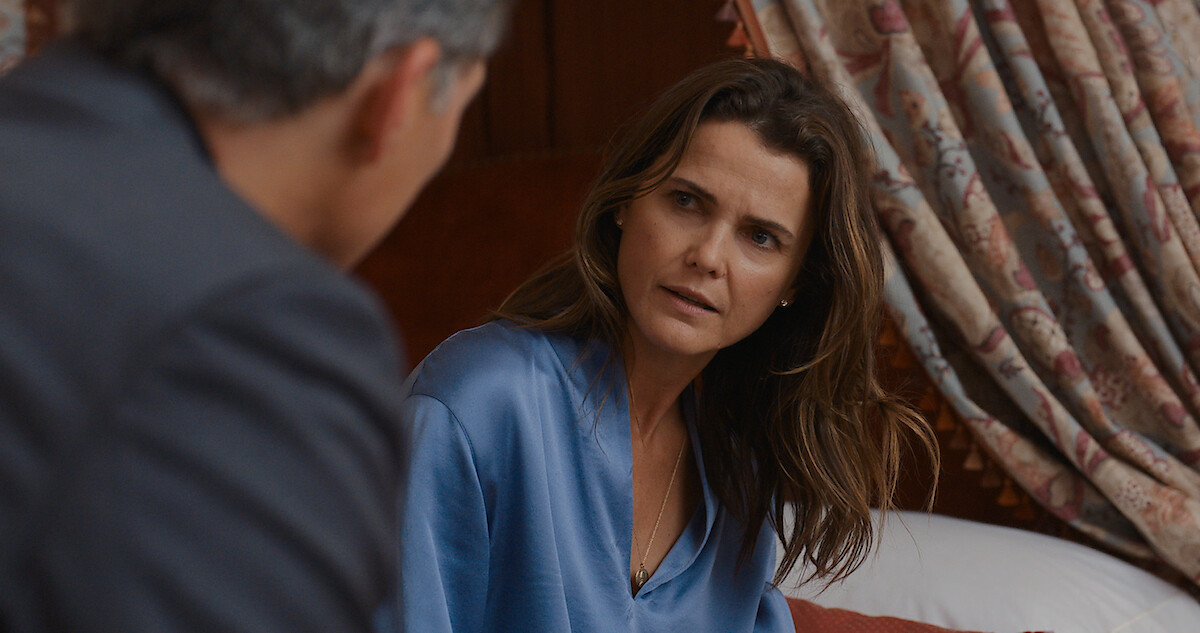
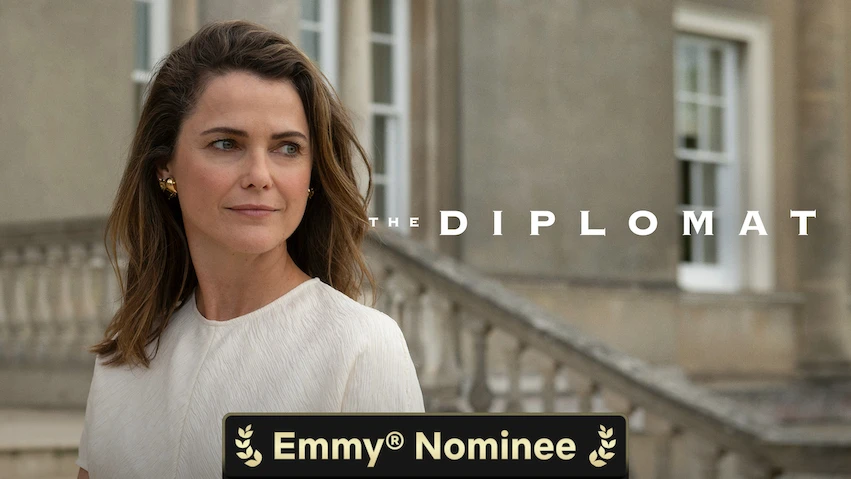
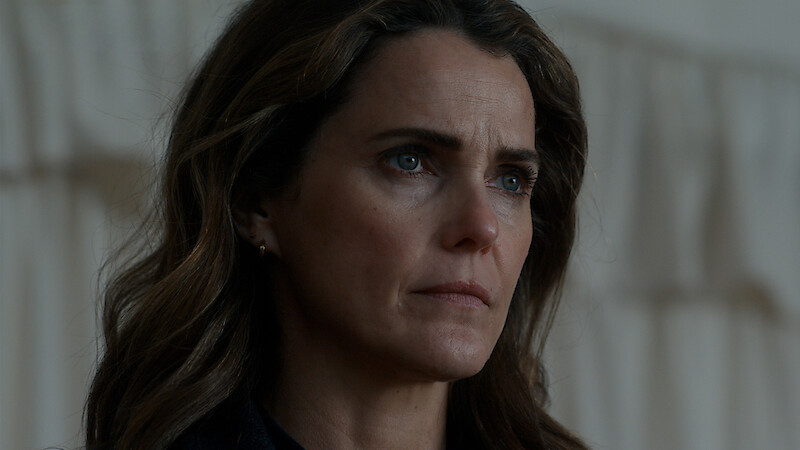
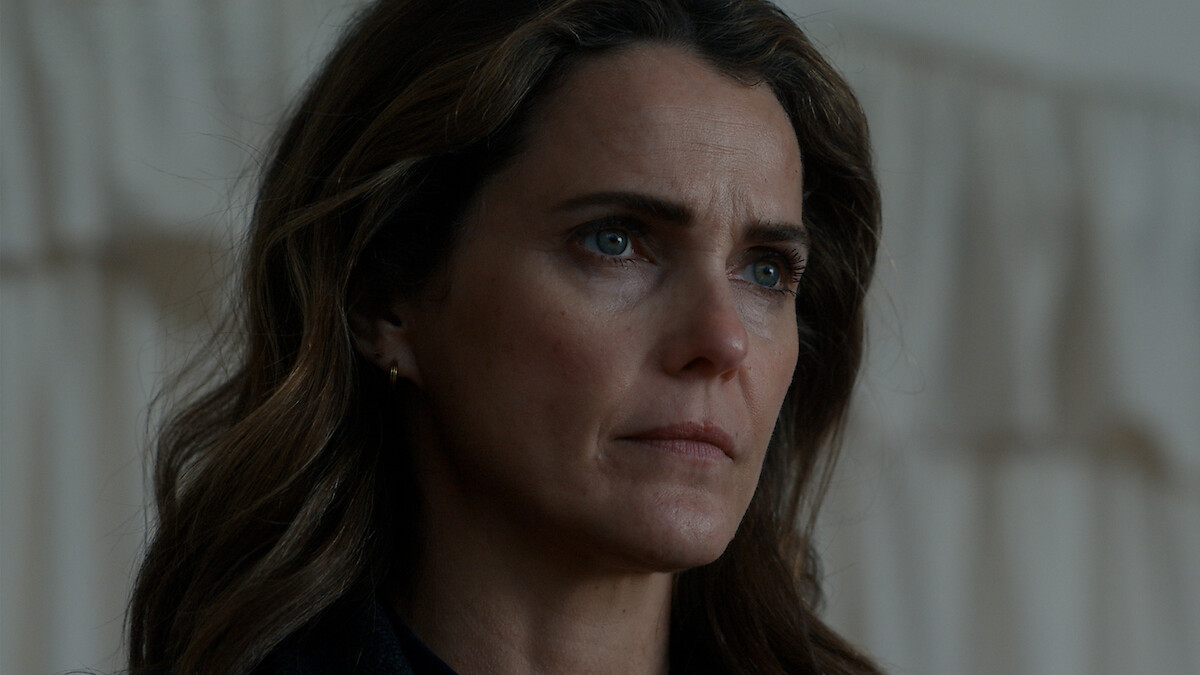
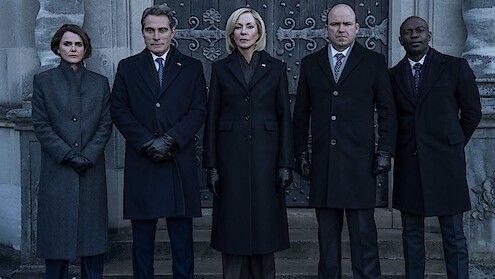
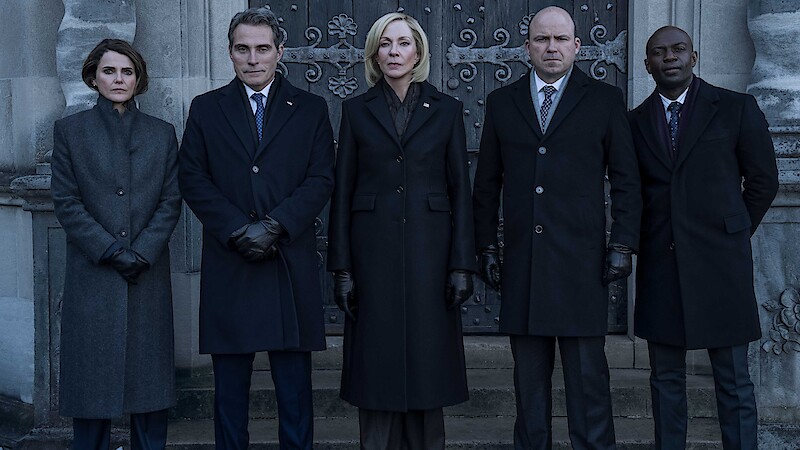
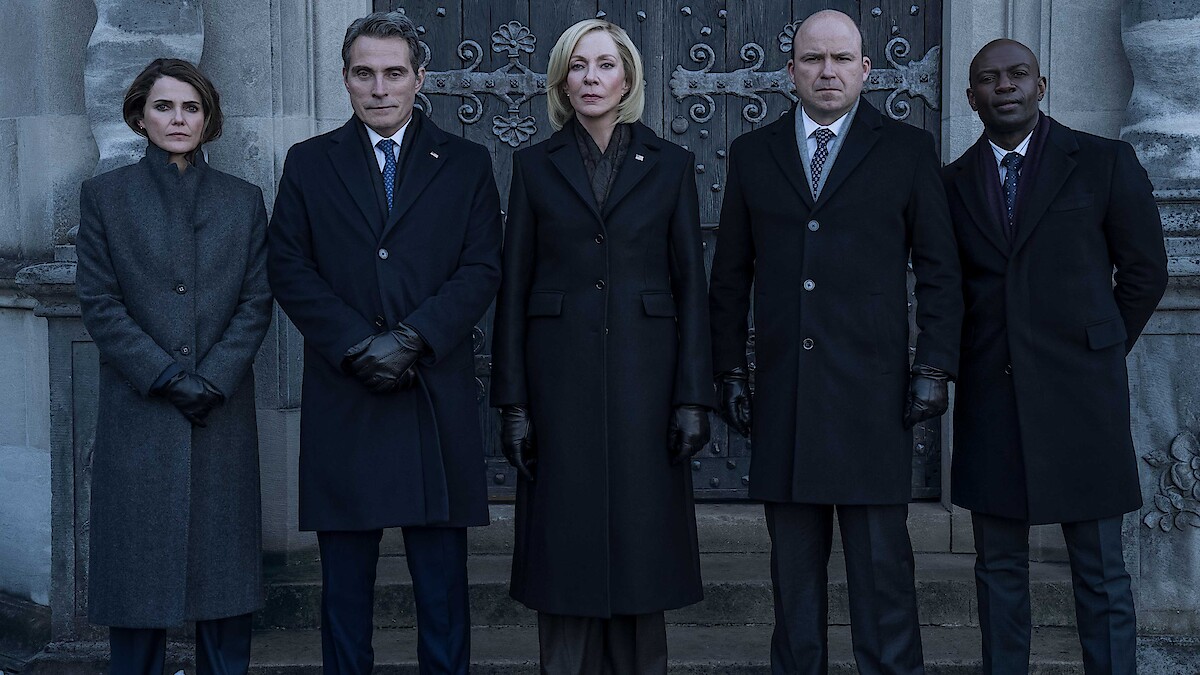
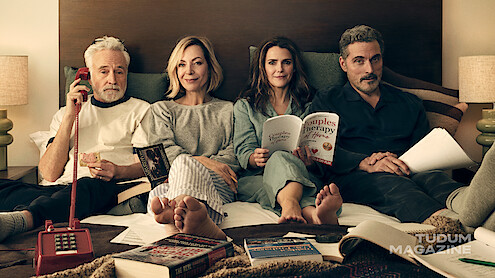
In the new political thriller series created by Debora Cahn, Dennison becomes an unexpected ally to US diplomat Kate Wyler (Keri Russell), who is suddenly thrown into a role she never wanted. Working under the British prime minister, Dennison leans on Kate as the two government officials navigate an international crisis in the United Kingdom. For Gyasi, becoming Dennison was more than just learning to speak political jargon — it also meant taking up space and a position of power as a Black man.
What was it about Dennison that drew you to playing him?
The script itself fascinated me. I loved the density of it, and I loved the complex relationships that existed. When I sat and spoke with Debora [Cahn], we spoke about the structure of Dennison, how he got from baby to where he is now. He’s definitely tethered to where he comes from and then finds himself in a position of real power that can affect change, and he knows the ramifications of that change on where he’s from. [He finds himself] in a party that he wants to change, but that party may not be trying to change in that way. What’s your choice then? To stay in that party? To call them out?
Yeah, that is a lot of pressure on the character. The show also really takes an in-depth look at the world of high stakes politics. What research did you do to immerse yourself in it?
Debora said to me, “We should go and have a look at your office at some point, because it will give you an idea of the responsibility that the foreign secretary has.” One thing that I didn’t know before was that the foreign secretary’s office is so much more vast than the actual prime minister’s office. The reason being: these offices were established during Britain’s colonial reign. [Britain] had these different countries that were under its control, and the foreign secretary was answering to all of that.
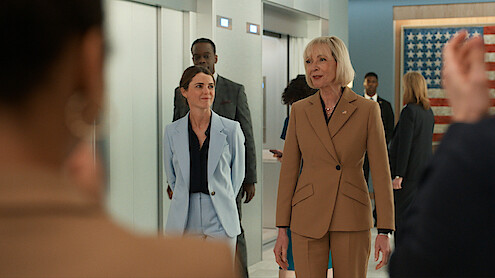
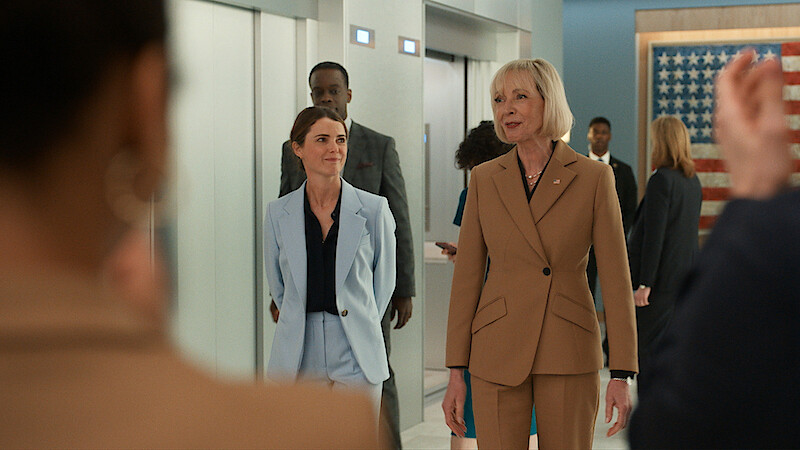
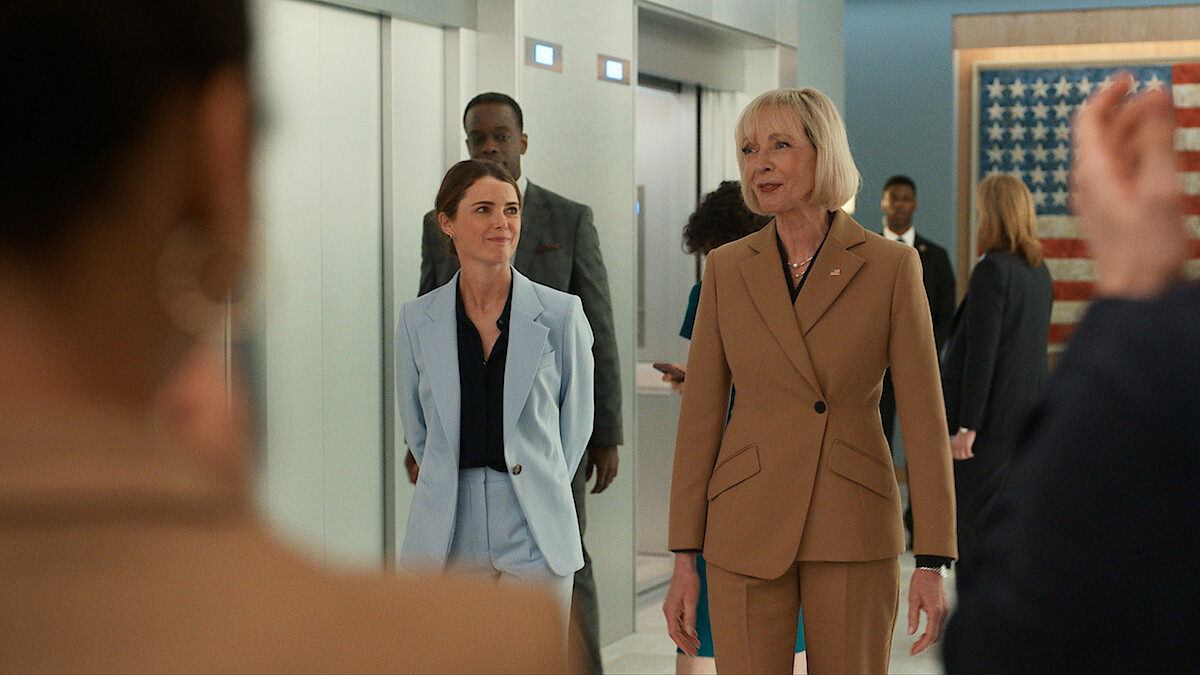
The bit where you meet Dennison is fascinating to me — it’s right in front of this mural that’s massive and actually in the foreign office. [It] depicts America as this strong woman holding the scales of justice, Britain as this strong woman holding the keys to life, Australia as a man with a bush hat on and then the whole continent of Africa as this small boy with a bowl of fruit on his head. These guys have to walk past paintings, memorabilia, murals and things like that all the time. Does it just become background? How does that affect what you do in your day-to-day? So yeah, there was a little bit of thought that went into playing him.
In addition to the research and people you studied, what parts of yourself did you bring into Dennison?
I have this watch that I was given when I was 30 by my older brother and my parents. On the side is inscribed Deuteronomy 28:13, which is a verse in the Bible that talks about being the head and not the tail. We were always brought up to believe that. I haven’t got anything against tails at all. I think tails are very useful. I have a cat and a dog, and I’m very pleased to say they both have their tails and they’re useful. [laughs]
Why I think [the inscription] is so important is: when you grow up in a world that doesn’t necessarily assume you as the head when you walk into a room, it’s good to have that instilled in you. You’re no more, but you’re definitely no less than anyone else in this place. I thought that would be a useful thing to have that every time [Dennison] might forget that, just to check [his watch] and have that there.
Totally. What was it like working with Debora Cahn?
I was an avid fan of Homeland. I thought that was great. I would say there’s certain bits of work that you dare not change a punctuation mark —and she’s in that realm for me. It’s just so useful to have someone that has done the level of research and put the level of thought that she has into the work.
As an actor, having someone with that encyclopedic knowledge to go to must be really great.
My gosh. I used to love getting the scripts. I’d be so excited to read them, but not even necessarily to figure out what was happening with my storyline. I was so interested in all the characters and their storylines and what was happening for them.
I can’t remember us having many rewrites at all because by the time it gets to us, it’s so well thought out. There’s a respect for what they are presenting us, and then there’s a respect from the actors and my colleagues.
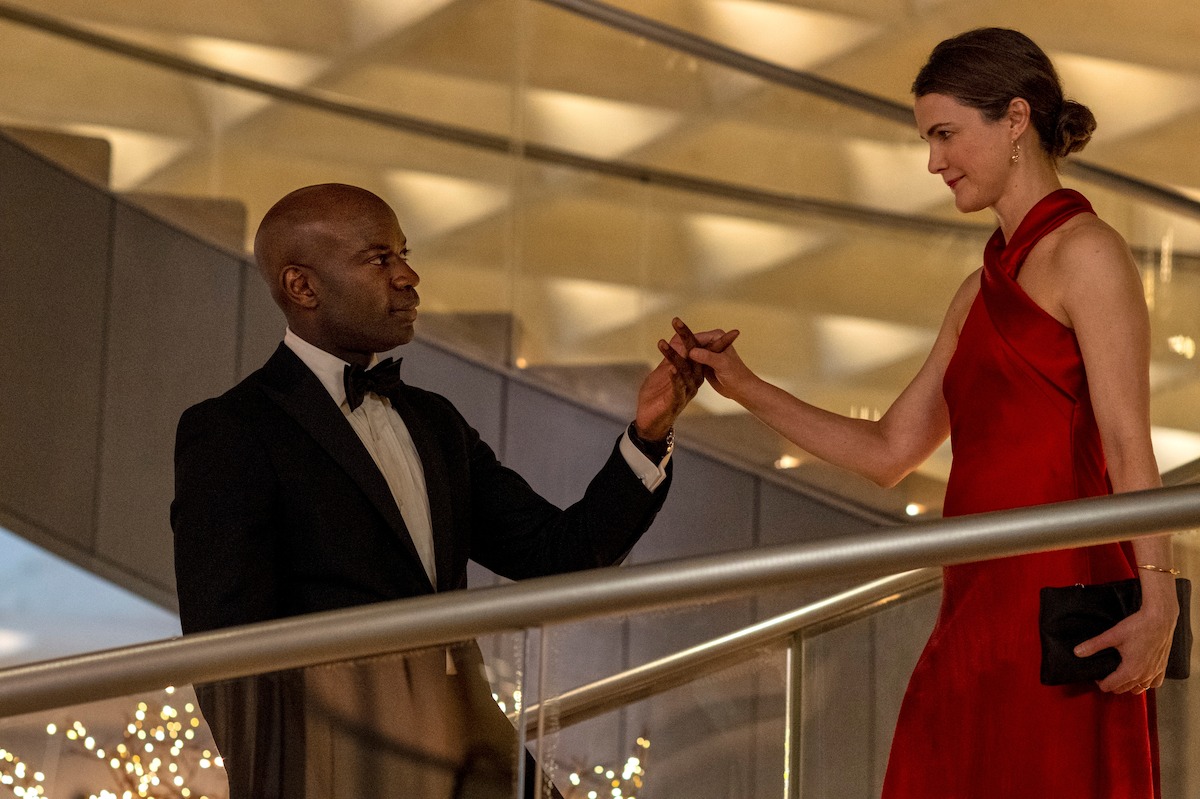
From the beginning, did you know that Dennison was going to have this attraction towards Kate? What was it like working alongside Keri Russell?
Well, so obviously awful to work with Keri — an absolute nightmare. [Laughs] Honestly, a delight to not only work with her, but actually to watch her lead a cast on and off set. There’s just a level of humility there that is so inspirational. She’s very funny, very sharp, very quick-witted. She’s got all of those kind of gifts.
[Dennison and Kate] are so opposite to one another, and yet, when you scratch the surface, [you see] what drives them [and they’re] probably more connected to one another than a lot of other characters. I think they’re both people that understand that they’ve been gifted these positions of authority and power.
A friend of mine said to me when I was a lot younger, “I love America, but the thing I think about America is they’ve got the Statue of Liberty on the east coast, and they really should have had the statue of responsibility on the west coast.” And I think they’re two characters that hold those statues with reverence. That then makes it interesting when they talk with each other, and that’s probably the spark that you see.
This interview has been edited for length and clarity.
The Diplomat is now streaming on Netflix.