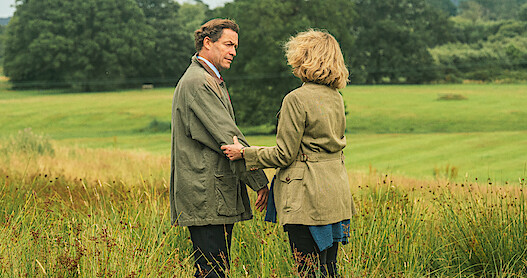
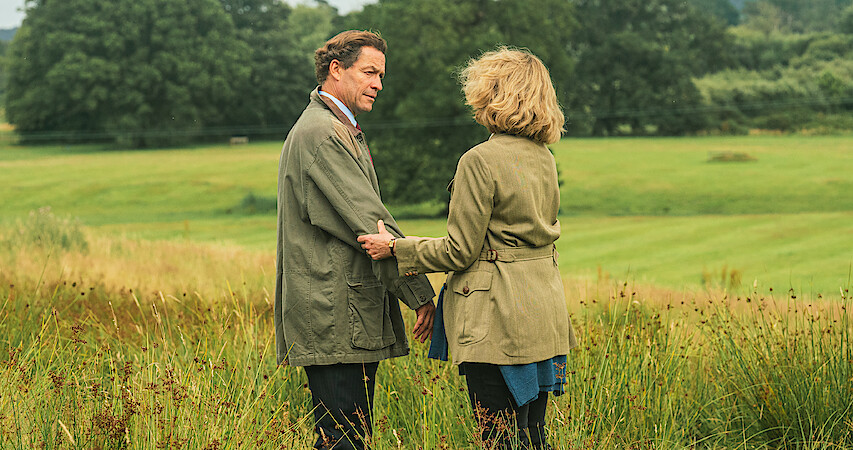
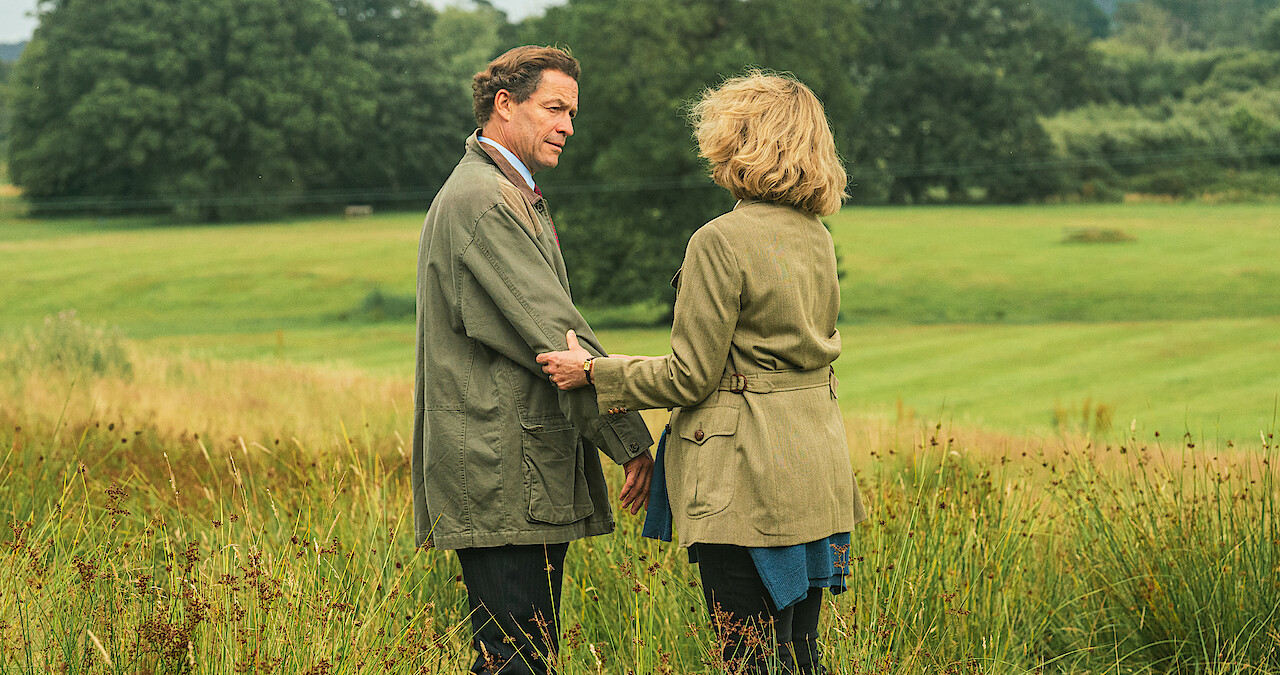
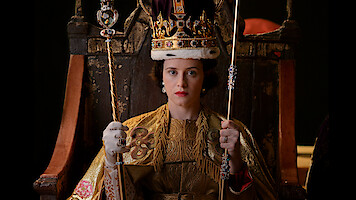
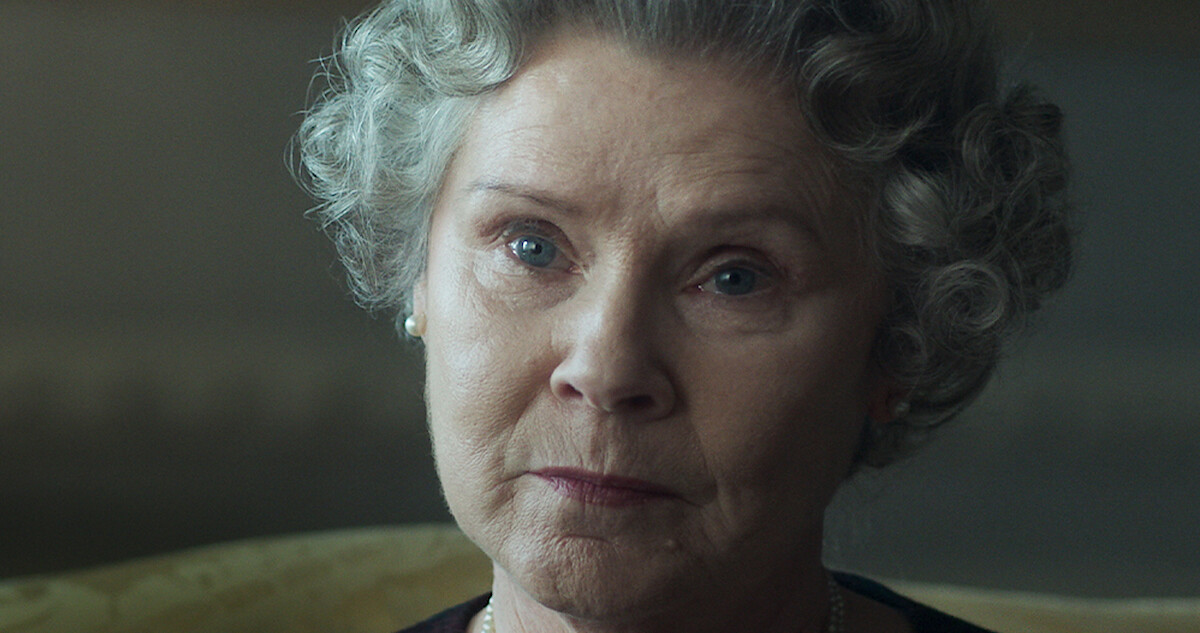
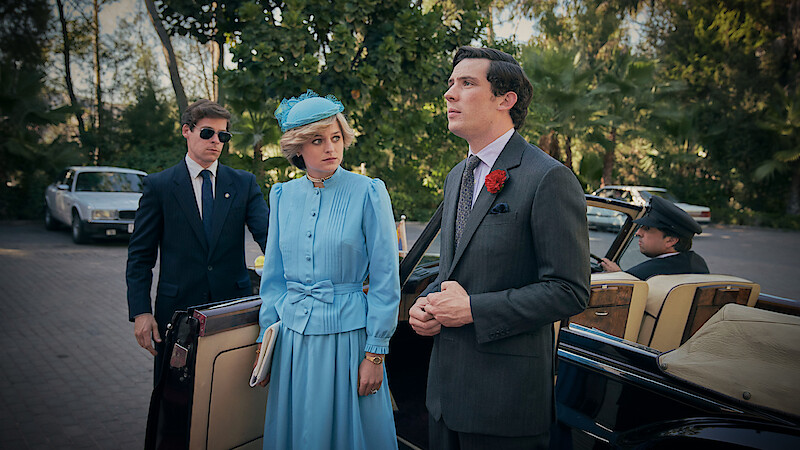
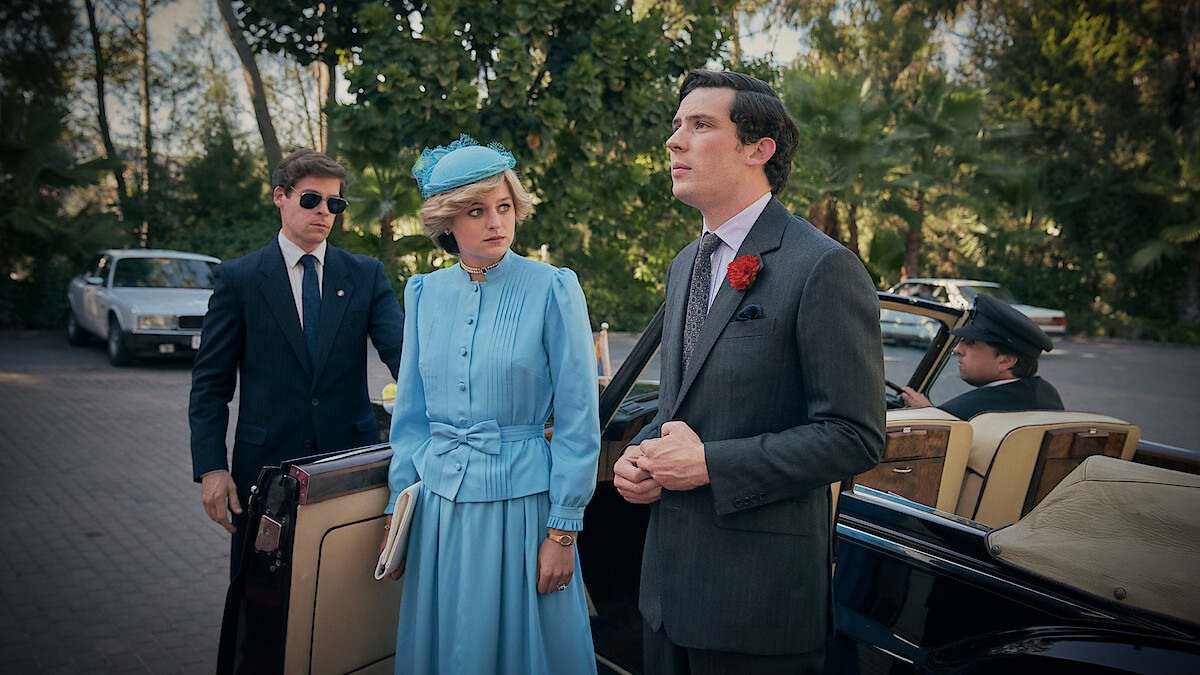
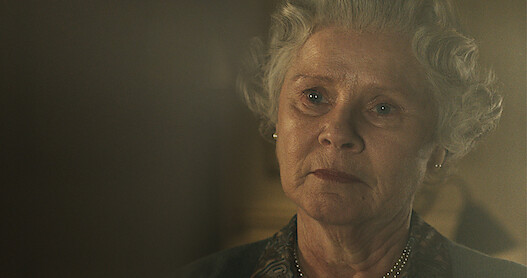
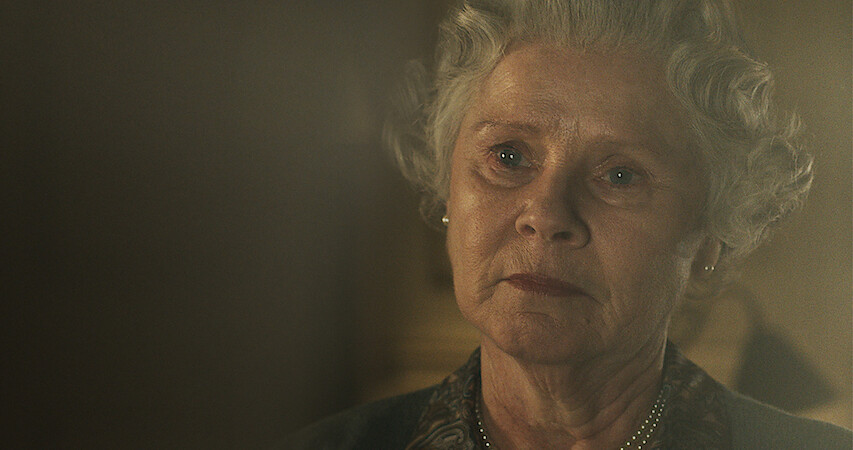
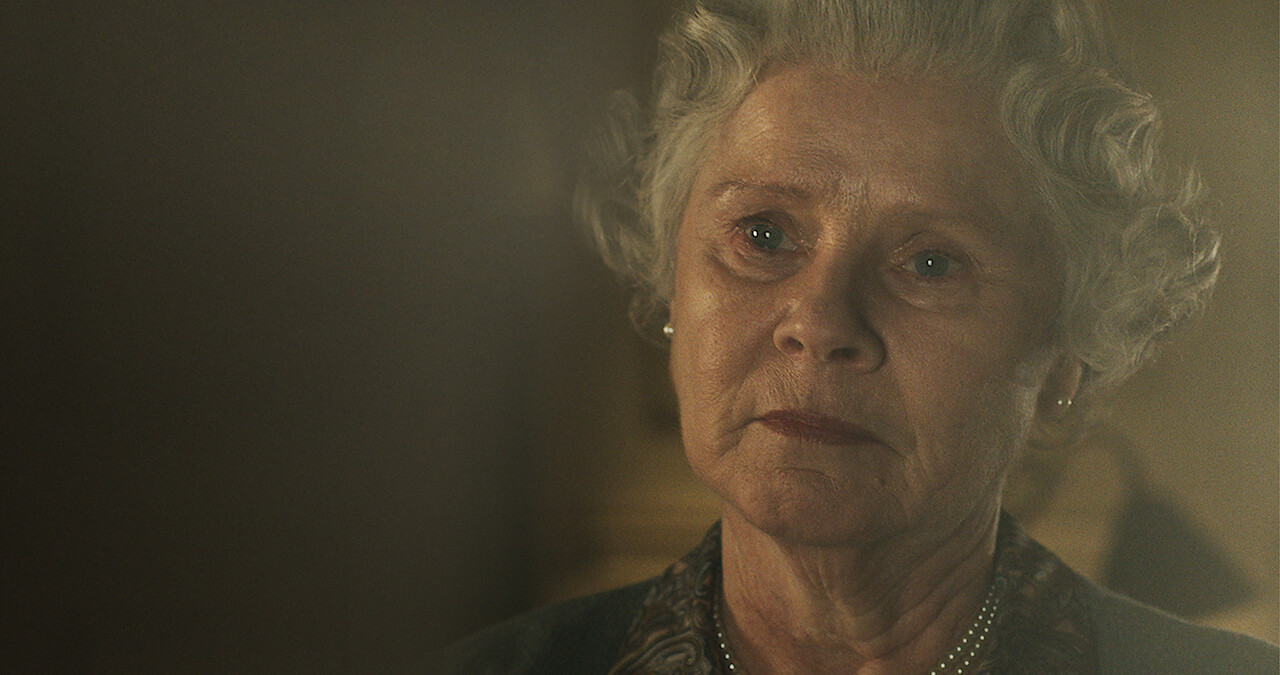
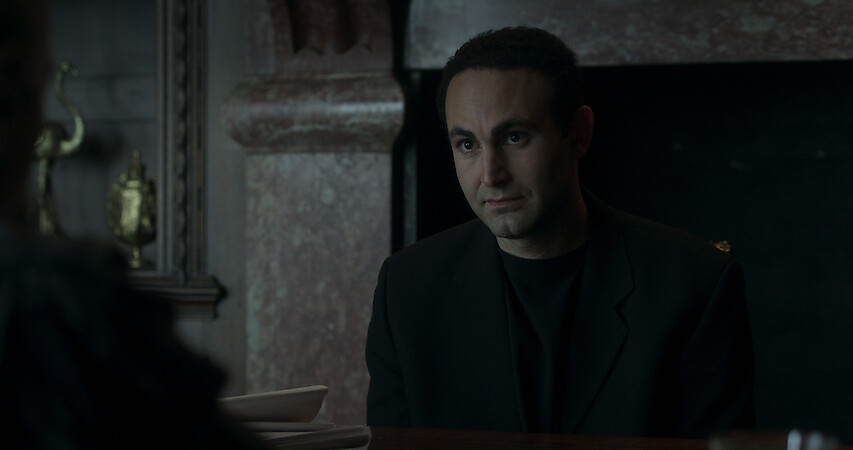
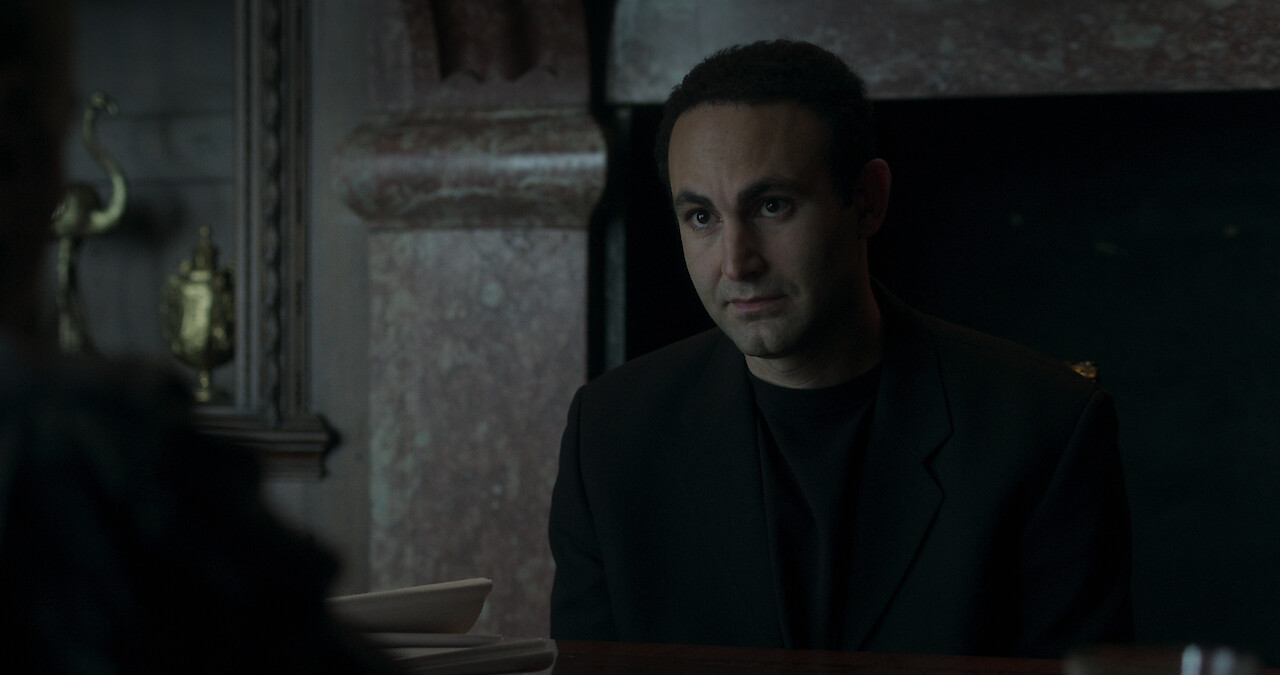
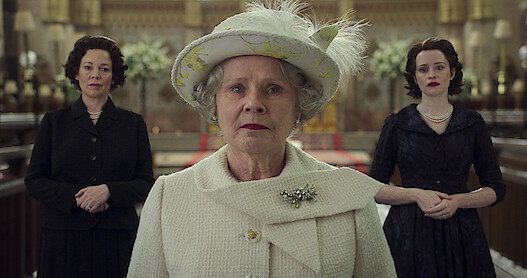
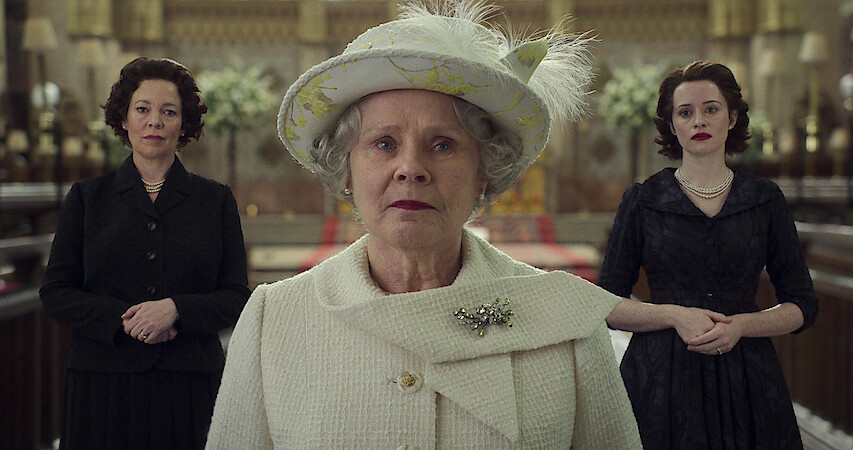
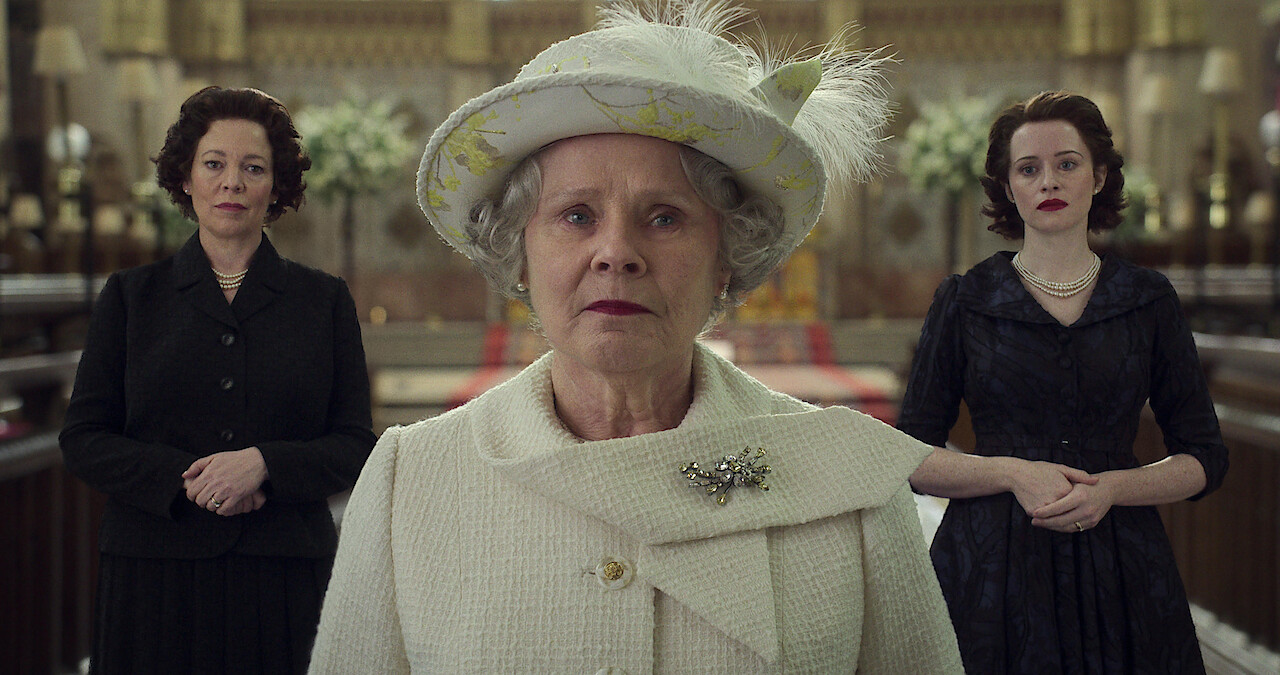
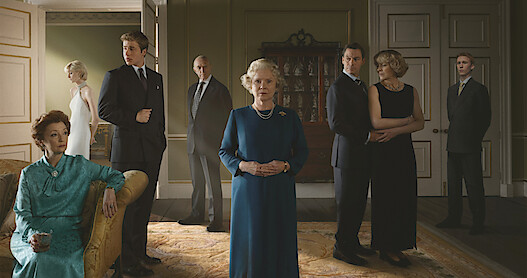
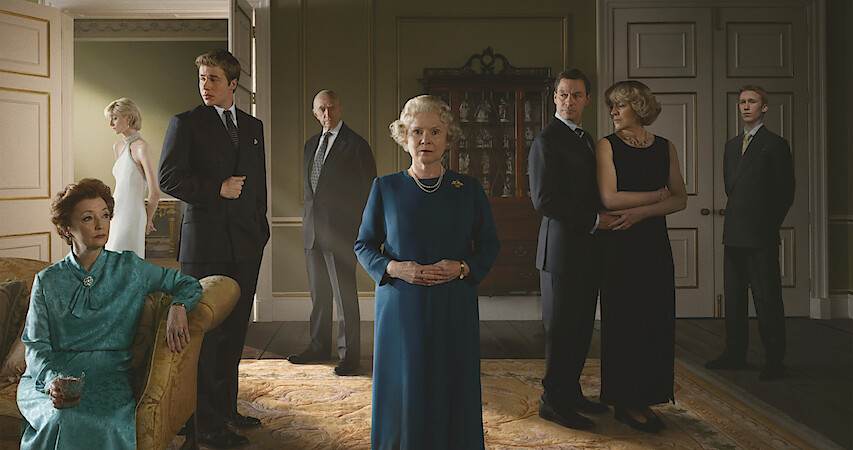
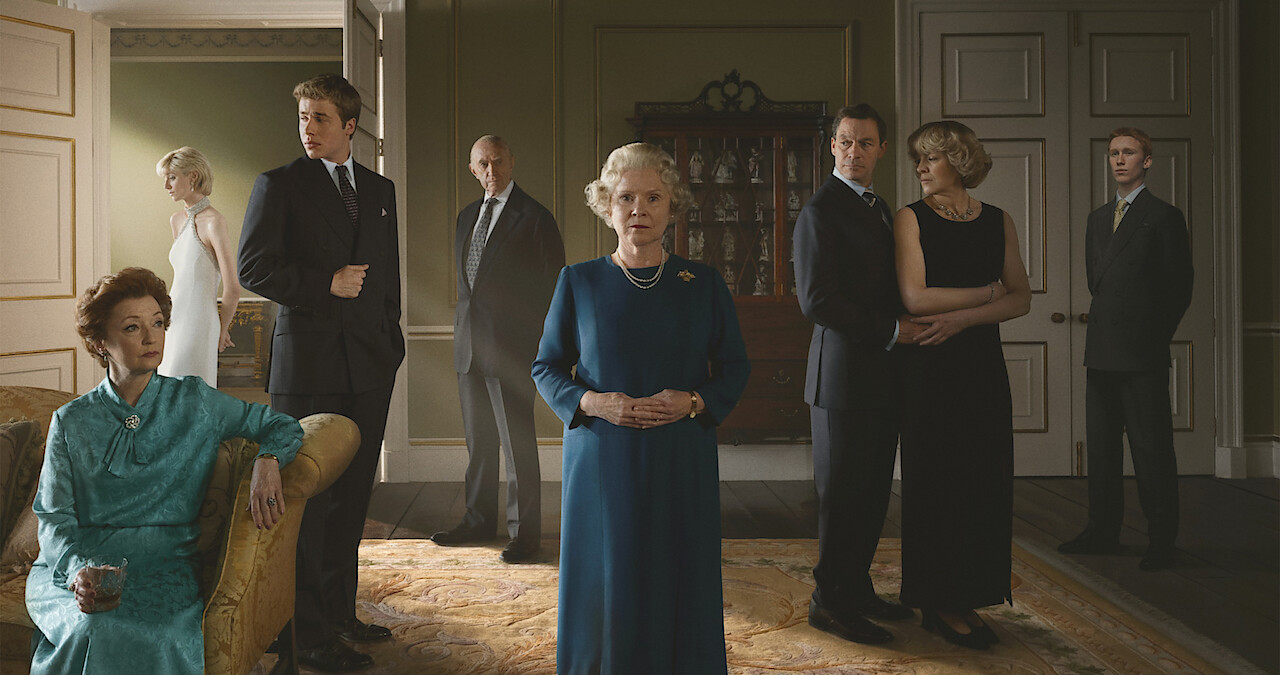
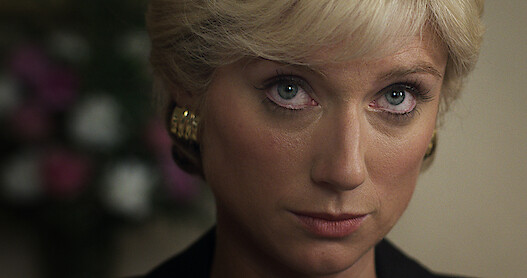
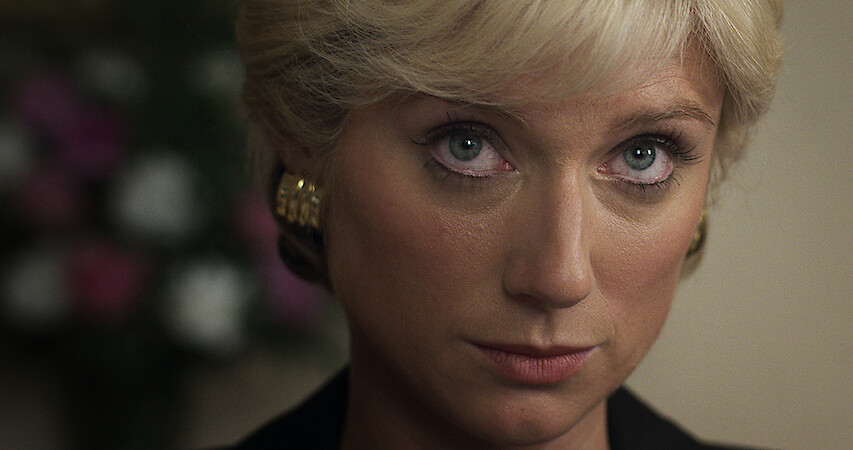
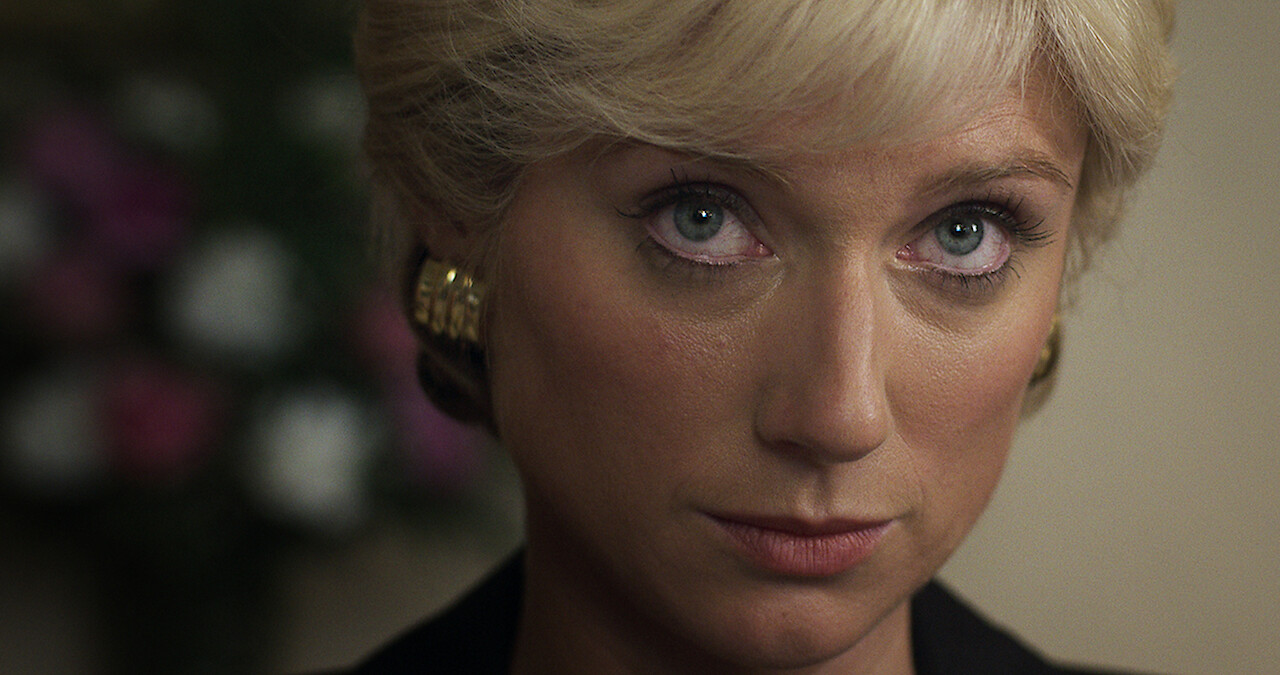
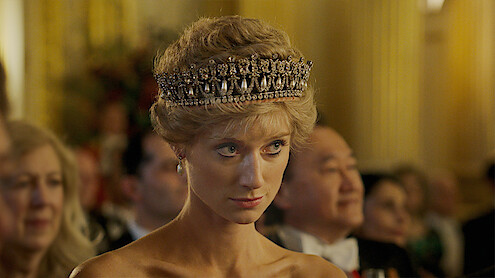
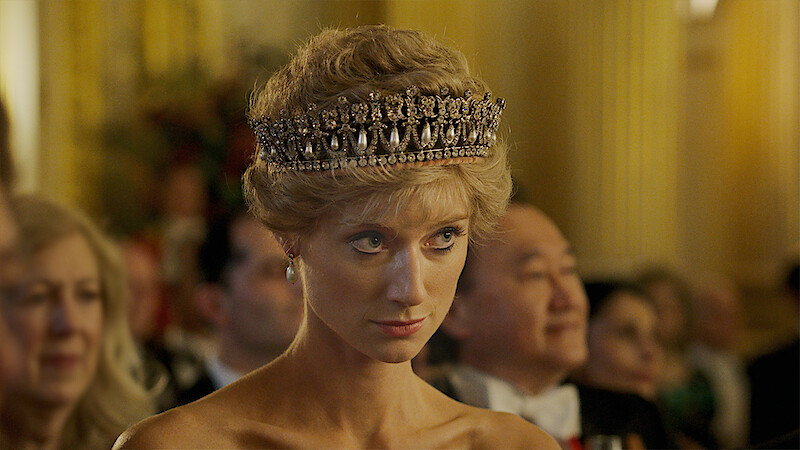
Episode 5 of The Crown Season 5 is titled “The Way Ahead,” a reference to the royal task force put together in a moment of crisis. With Prince Charles (Dominic West) and Princess Diana (Elizabeth Debicki) officially separated, the former is ready to prove himself as a worthy successor to the queen (Imelda Staunton). But when a very intimate phone call between Charles and Camilla Parker Bowles (Olivia Williams) is illicitly recorded and leaked to the press, Charles finds himself facing a mountain of scandal once more. To counter the public’s ire, he decides to follow Diana’s lead and release his own interview — this time with the BBC’s Jonathan Dimbleby.
In this fifth installment of The Crown: The Official Podcast, host Edith Bowman talks to Episode 5 director May el-Toukhy about re-creating the now infamous phone call known as Tampongate. You can read an excerpt of their conversation below. For more on “The Way Ahead,” check out the full episode and hear Bowman interview West, writer Peter Morgan and head researcher Annie Sulzberger.
Edith Bowman: Let’s hear from the director of this episode, May el-Toukhy, on reframing this controversial royal moment with care on-screen. How did you want to portray this? We’ve talked about [this] love affair at a certain age, and [that] this was something that was important to you in terms of how you wanted to portray this story and this moment with Charles and Camilla. So talk about the viewpoint of this episode.
May el-Toukhy: Yeah. So part of Episode 5 contains the conversation between Charles and Camilla that apparently was in 1989 and got published in 1993. For me, reading that transcript and reading the research material on that conversation, I became incredibly indigna[nt] actually. I found that it’s so unjust in a way — it’s not OK to publish stuff like that. I know that we’re looking through a 2022 gaze of the now and a lot has changed since then. But my ambition with that storyline was to basically re-create the narrative of it. I think a lot of people, even though they haven’t heard the tape or they haven’t listened or they haven’t read the transcript, they think it’s something else than what it actually is.
For me, it’s a conversation between two people who are in love and know each other really well, and they’re very smart and witty, and they have their own language together. And I don’t find that it’s very far away from conversations I potentially could have myself or people I know could have.
Check Out More Great Stories
Of course, I stand on the shoulders of the fantastic text that Peter [Morgan] wrote. But there’s so many ways that you could shoot a sequence like that. And we opted to shoot it in a way where it’s sincere and intimate and truthful. That’s been my ambition all along, and it means a lot that I got to do that because it’s about time.
We’d strive generally on the show, when we have phone calls, to have the other person present either in a room next door or on the phone so that we get that sense of authenticity. There’s so much going on on a film set, and it’s so hard to mirror intimacy in a situation that’s everything but intimate. That’s something that I also spoke to the cinematographer about: how to create that intimacy. It’s also, by far, the closest close-ups of this season.
Bowman: There’s a real clear difference I think as well, visually, between Charles’ world and the world of Elizabeth and her courtiers. Because she’s been in this bubble for so long, whereas Charles just feels more human and real and warm.
El-Toukhy: They want the same thing. They want to preserve the crown, basically. But how to preserve the crown? I think Charles, in this episode, thinks it’s important to modernize, to create a sense that there’s room for everyone, multiple faiths, people regardless of class and so on and so forth. And Elizabeth wants to preserve the crown as well, but she believes that the way to go is to keep things as they are in order to bring stability and comfort in times of distress. That the crown is an object that is inanimate, never changeable, and that there’s a comfort in that for a nation. It’s those two views that are bumping up against each other in the episode. I find that it’s an interesting conflict because both are true. I believe that when both sides talk truthfully and have a point, that’s an interesting place to be as a storyteller. And that’s what we do in this episode among other things.
Bowman: It was interesting. Charles kind of feels like change is needed, and one of the decisions that he makes is to do the Dimbleby interview. I just wanted to talk a little bit about re-creating that and how you chose to do that as well.
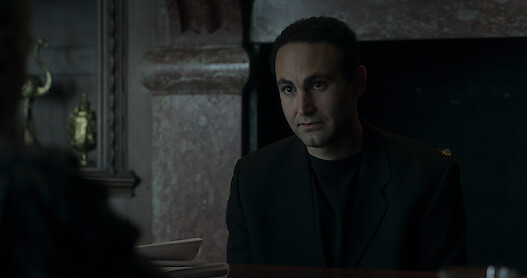
El-Toukhy: So the Dimbleby interview was actually shot over 18 months. They had 180 hours of footage. So it was a long program. In our version, it’s a segment of the full Dimbleby program. We introduced BETA SP, which is like the old format that you shot TV in in the ’90s. That gave a real flavor [to] so many of the scenes in Episode 4 and 5, where we are re-creating and reimagining actual events. We’d have a BETA camera there, and then our real camera. That was the same thing with the Dimbleby interview. It’s an incredibly long stretch of text. I think it was eight pages of dialogue, and that’s a long time. Dominic [West] and I discussed — when you’re doing scenes like that, I find it very useful to have a conversation with the actors about what gives them the best possibility of delivering whatever it is that we want them to.
So we decided to do many long stretches, so it’s like 10- or 12-minute takes. Eventually, we could chop up stuff if there was something that we wanted to investigate further. Obviously, we both watched the interview and tried to re-create some of the mannerisms and ways of Charles, but having said that, something that I spoke a lot [about] with Dominic [was] that there’s a fine line between making an impersonation and making an interpretation.
It’s hard to talk about sitting around a desk. It’s something you just have to investigate while you’re shooting and while you’re doing the scenes. When is it too much? And when is it too little? The fantastic thing is that, on this show, we have the most amazing specialists in every department, so we have voice coaches and movement coaches and etiquette coaches. So you never feel lonely.
This interview has been edited for clarity and length. For more, check out the full episode of The Crown: The Official Podcast.