Deep Dive
The Children’s Train: Everything You Need to Know
Based on the novel, the film tells the story of a boy taken from his mother to escape poverty.
By Ingrid Ostby
Dec. 12, 2024
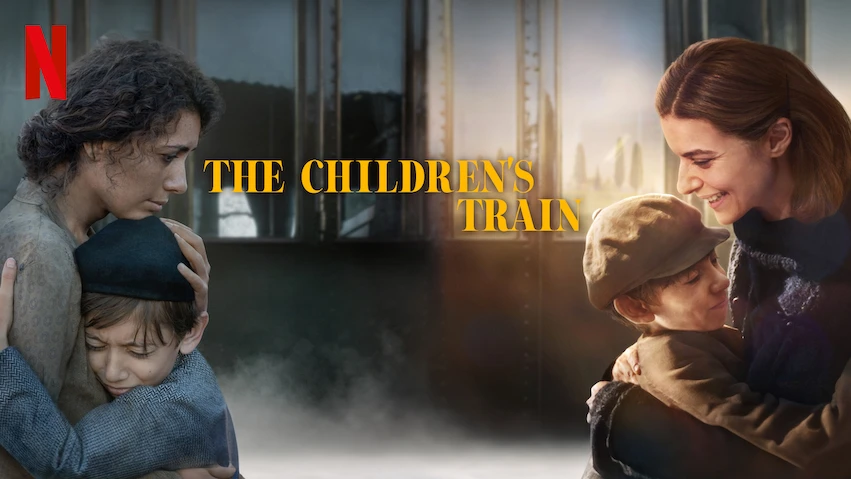
World War II left Italy in ruins, and many who survived faced a harsh reality: figuring out how to keep their families alive after they were left with nothing. So when the nation’s Communist Party offered a program called Treni della Felicità, or Happiness Trains, many parents hesitantly signed up their children for the journey — one that would send them north, to live with families in a more prosperous part of the country. Based on the historical novel of the same name, Cristina Comencini’s film The Children’s Train focuses on a mother who signs up her son for the Happiness Trains as a last resort, and follows how the separation affects their lives.
Check it out at the top of this page.
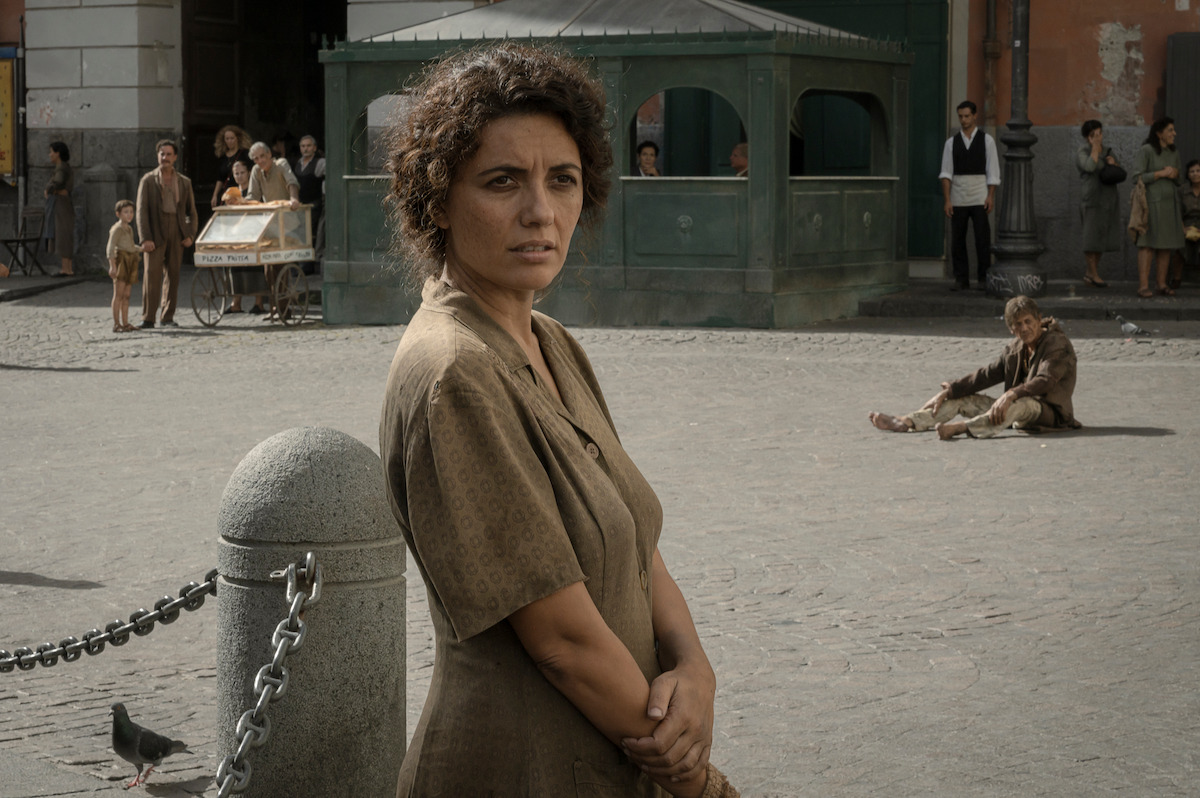
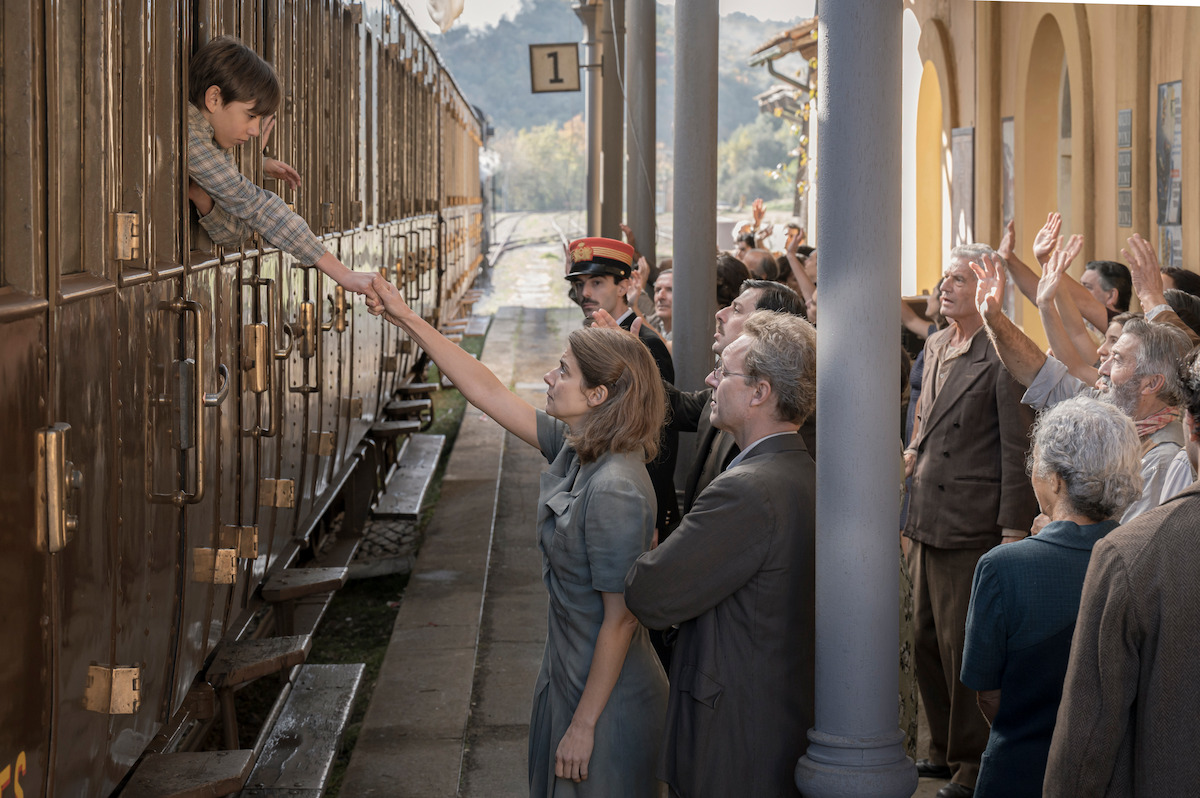
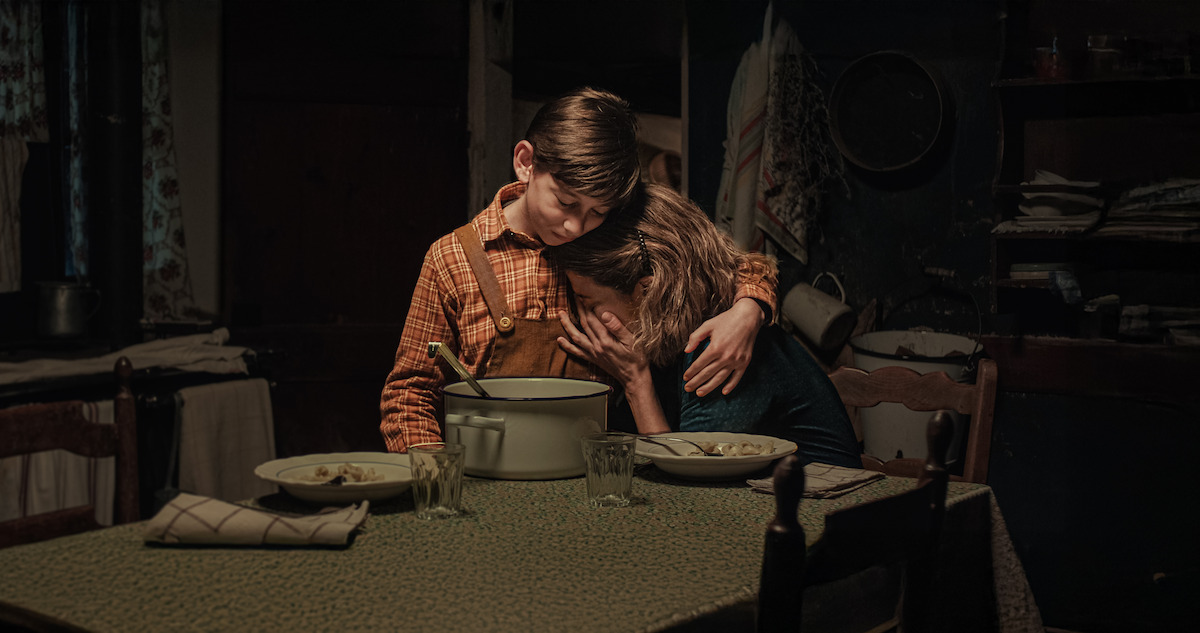
In 1994, Amerigo (Accorsi) is a renowned violinist who plays to sold-out crowds in Italy. Before a show one night, he gets a call from his mother, Antonietta (Rossi). Except, it’s not her. As he tries to go on with the show, Amerigo thinks back on his childhood — post–World War II in Naples, Italy, when he and his mother and their fellow townspeople were impoverished, without shoes, unable to afford to keep their clothes clean. Desperate to provide a better life for her 8-year-old son, Antoinetta makes the difficult decision to send him away with people from Italy’s Communist Party, who promise children better options in the north. So Amerigo is sent to live with Derna (Ronchi), a single woman reluctant to take on the responsibility of caretaker.
Yes, it’s based on the historical novel of the same name by Viola Ardone.
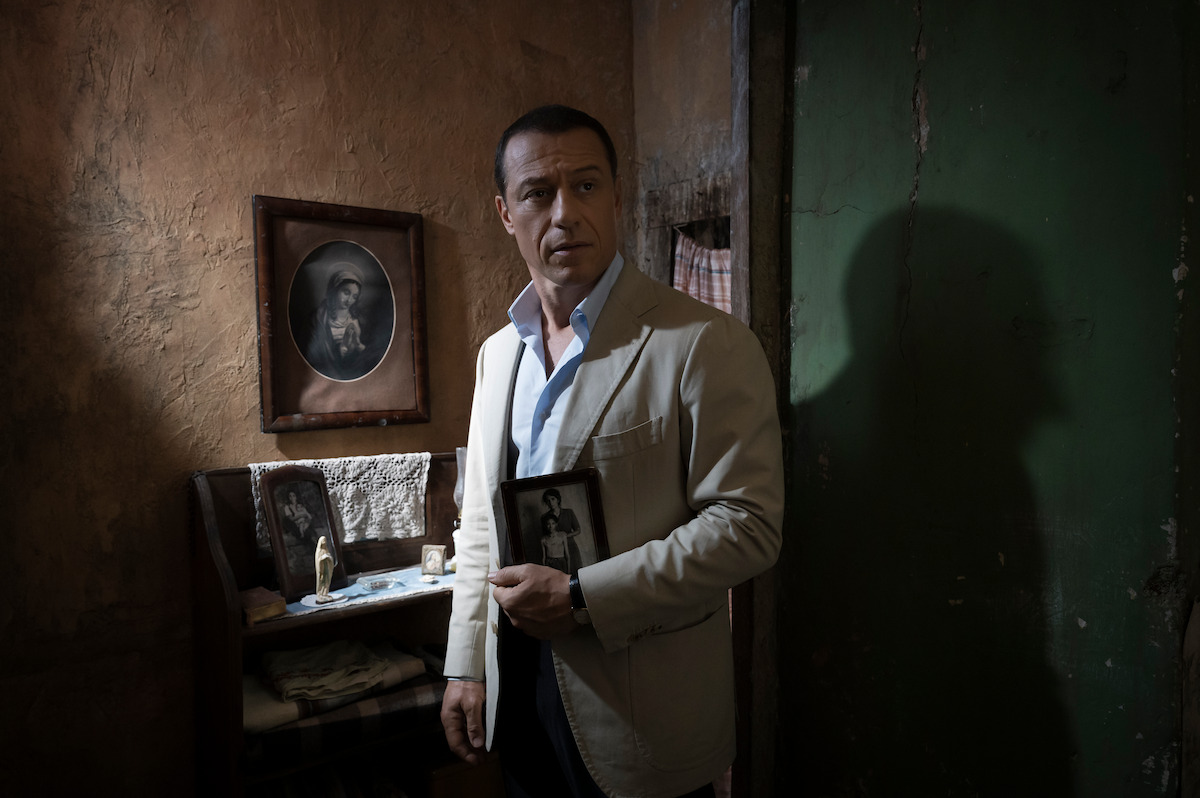
While the characters and story are fictional, it’s inspired by real events. Between 1945 and 1952 in post–World War II Italy, labor activist Teresa Noce created a program called Treni della Felicità, or Happiness Trains. The program, carried out by Italy’s Communist Party in conjunction with the Union of Italian Women, transported impoverished children in need from the south of Italy to host families in northern Italy who had more means to take care of them. The program relocated around 70,000 children in total.
The film takes place primarily in Naples, Italy, between 1944 and 1994.