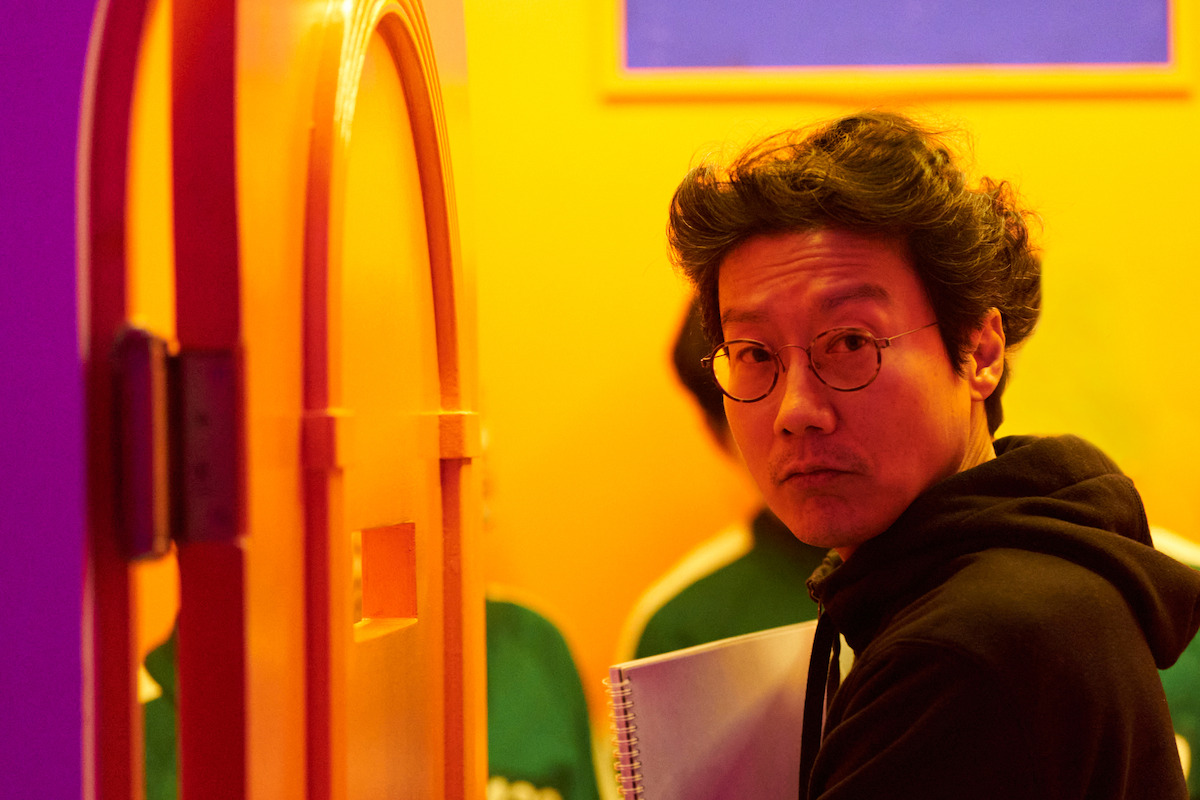
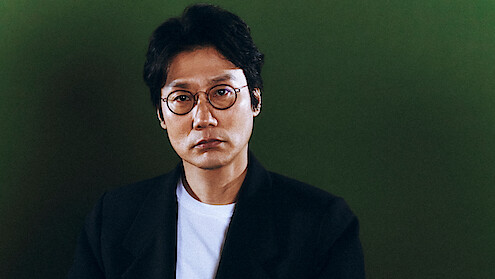
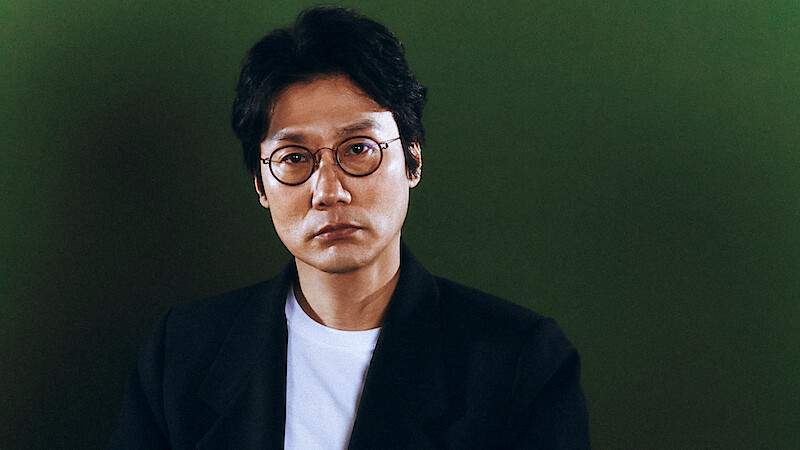
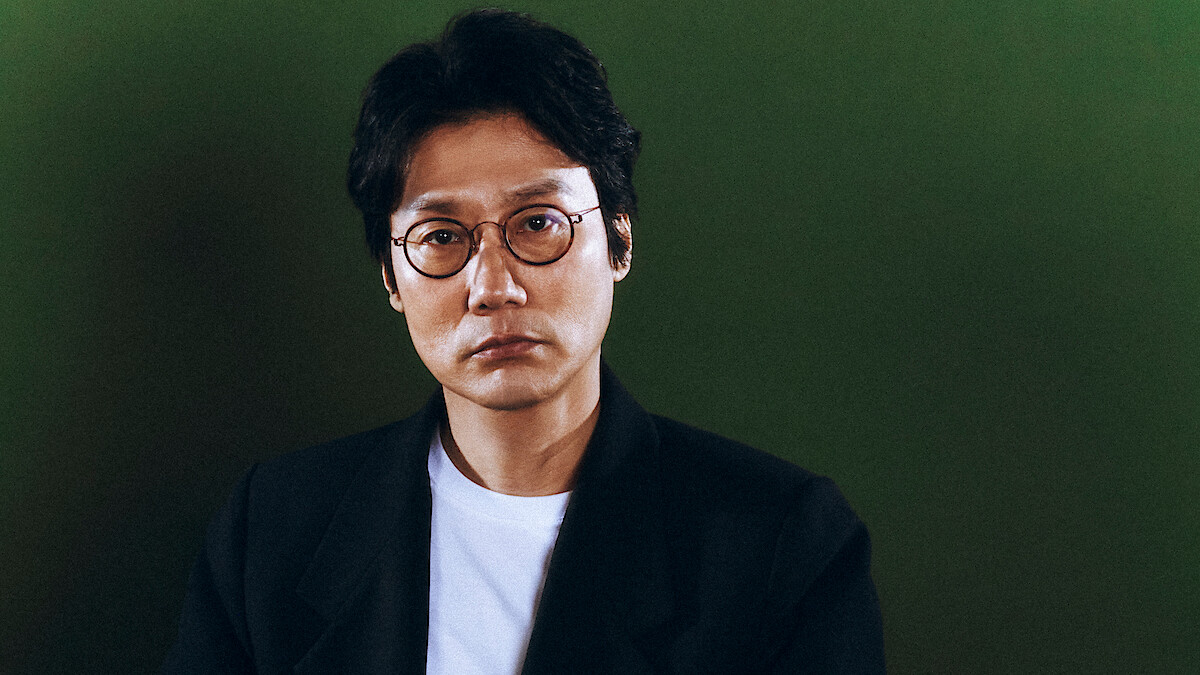
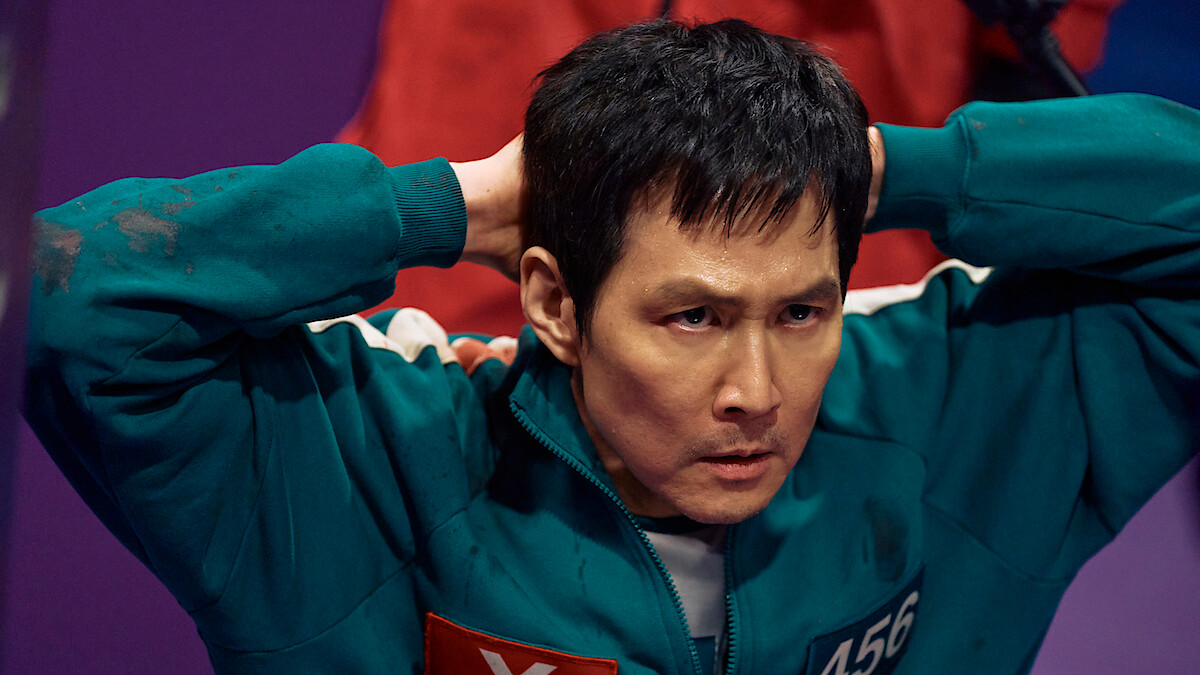
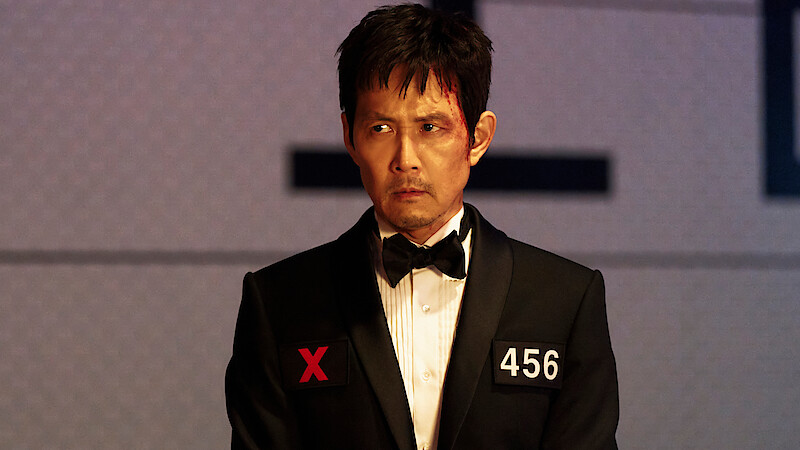
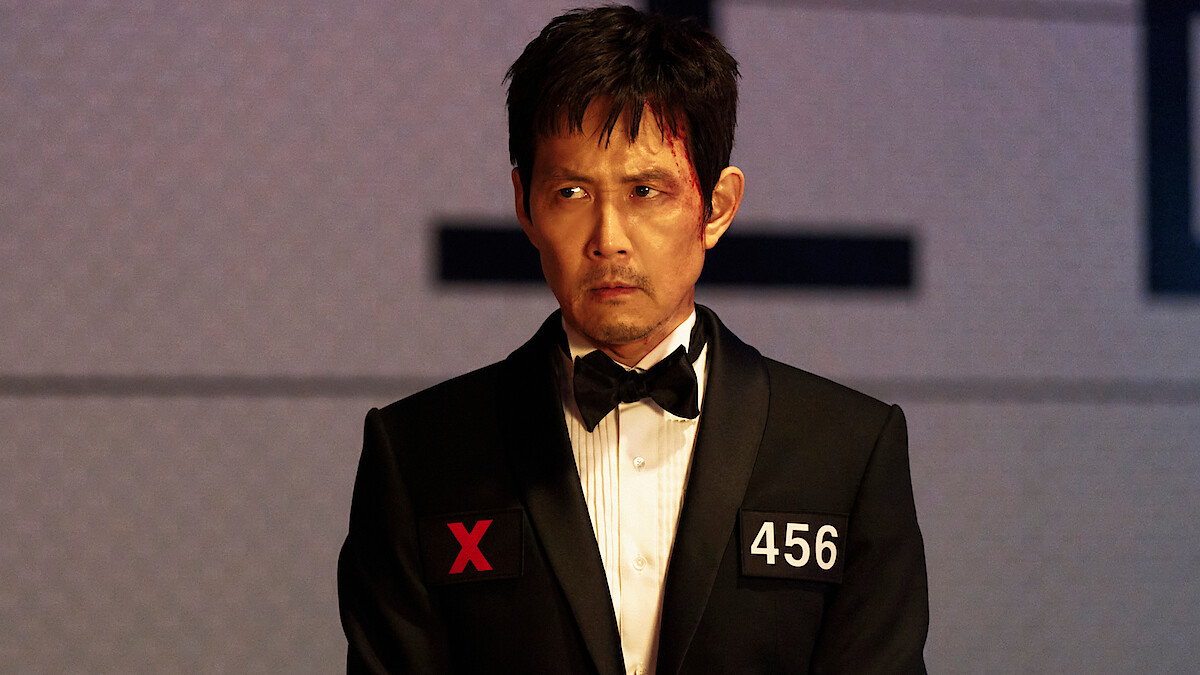
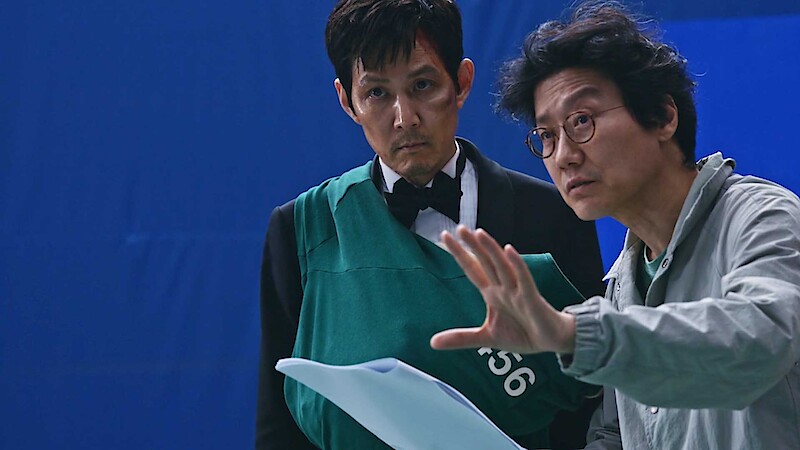
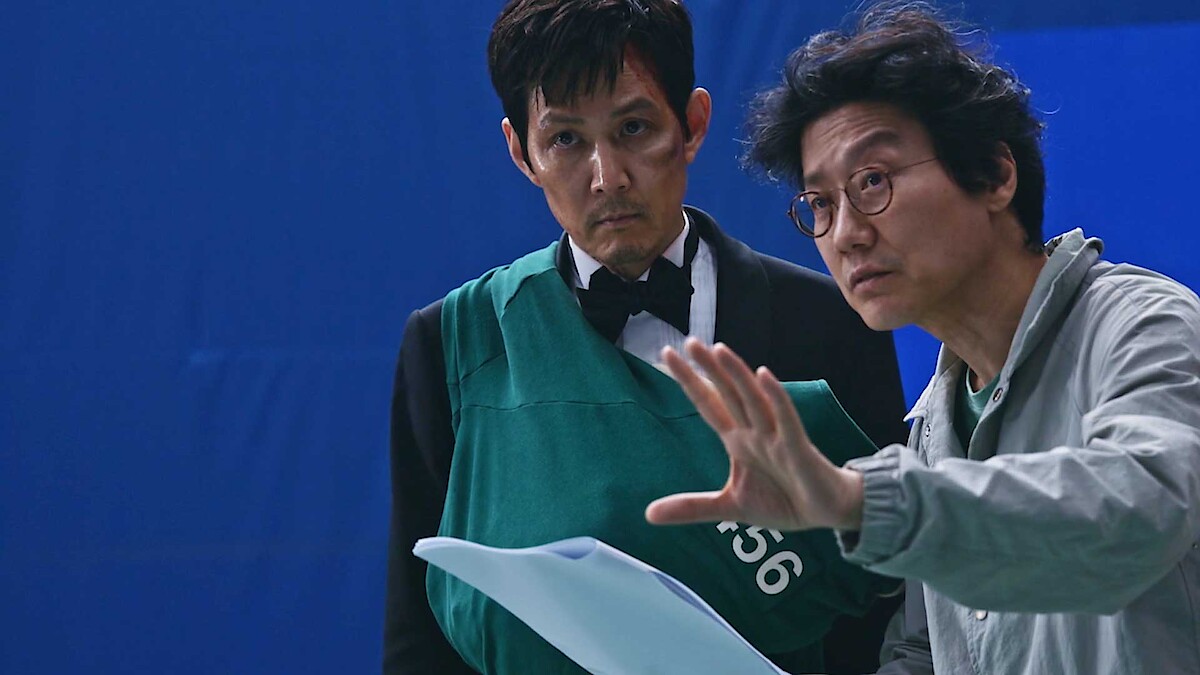
In the wait between Seasons 1 and 2 of the drama series Squid Game, the global phenomenon that sees desperate individuals competing in deadly children’s games for a chance to win a massive cash prize, director and creator Hwang Dong-hyuk knew that fans were taking to the internet, eagerly discussing where the show might go and what new games they hoped to see played. “The games had to be really simple,” says Hwang. “The penalty for the loser also had to be immediate and self-explanatory. So if only one of those many requirements were met, it wouldn’t be fun for Korean and non-Korean viewers alike. It takes a great deal of prudence in deciding on the games.”
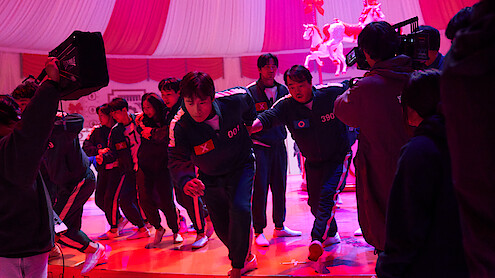
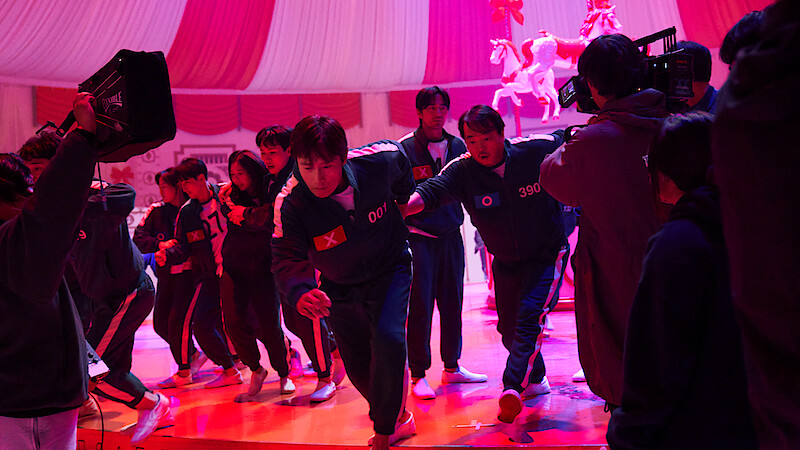
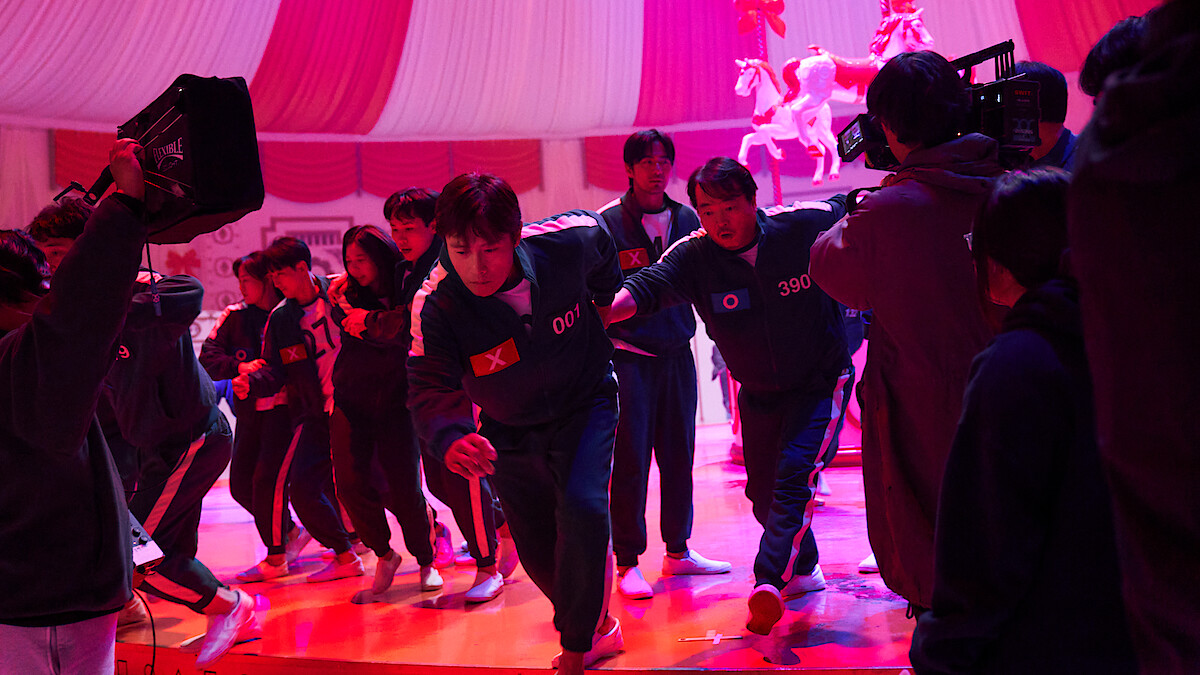
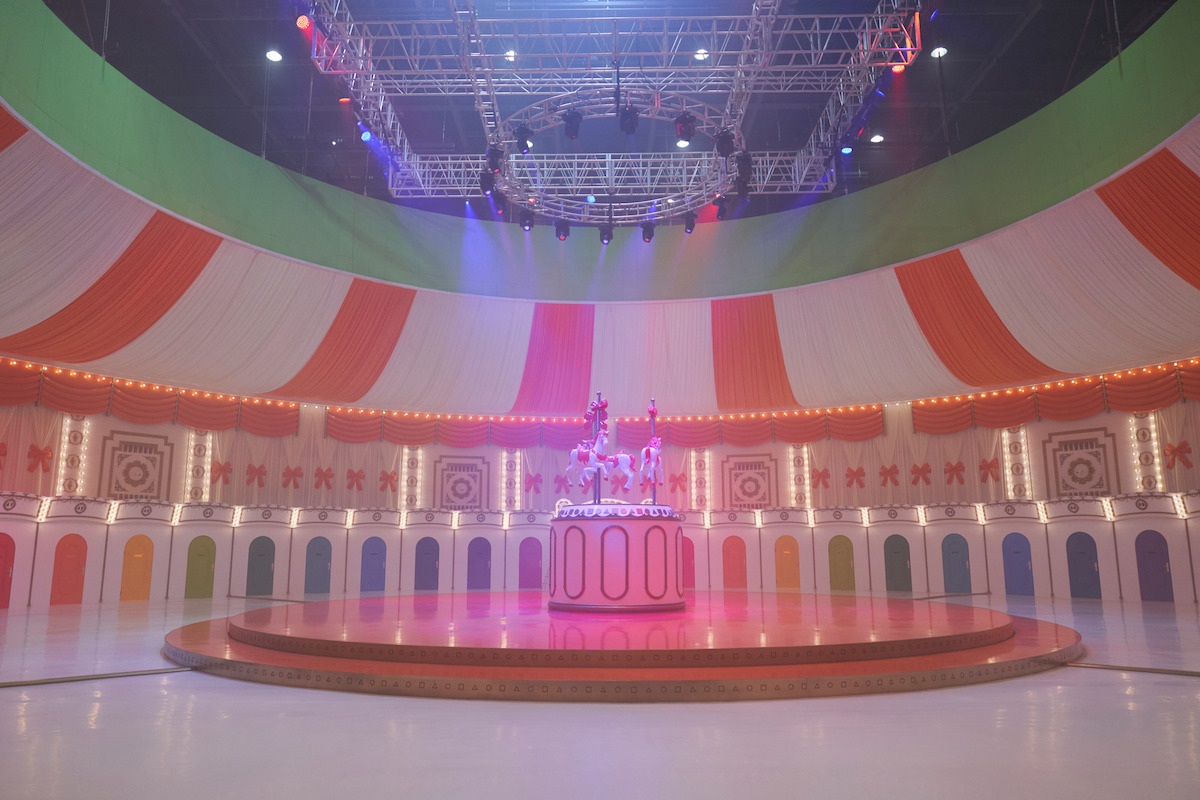
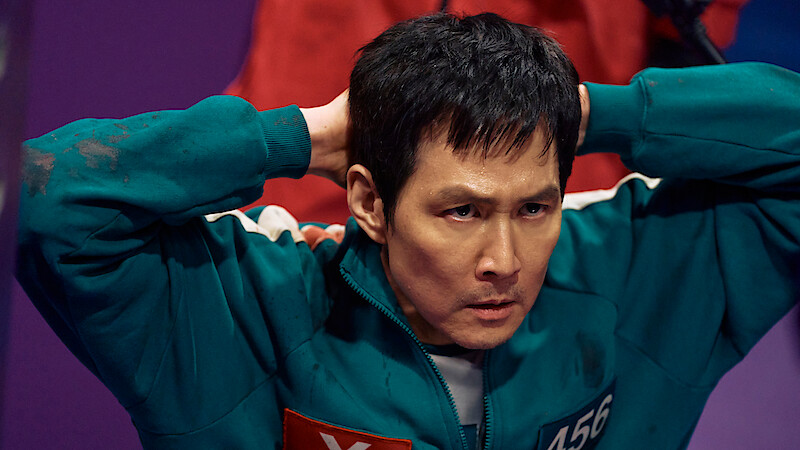
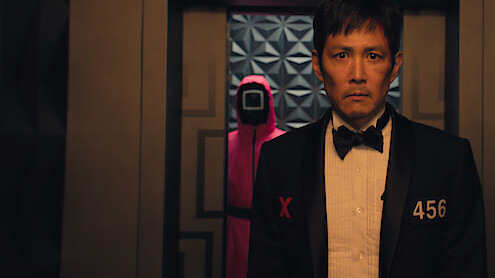
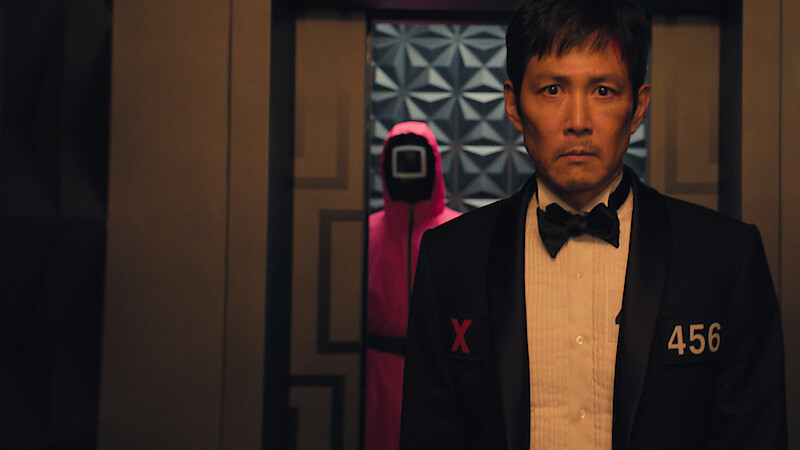
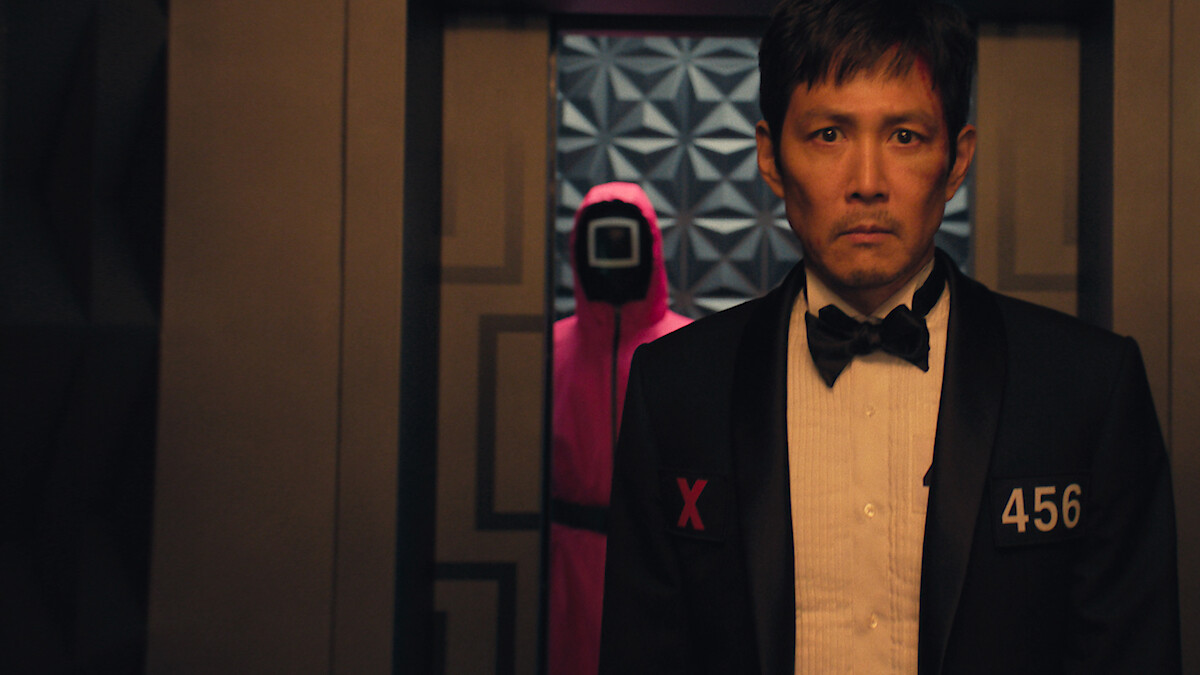
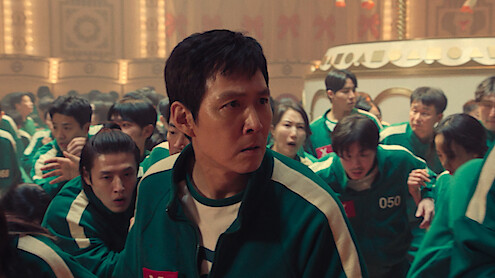
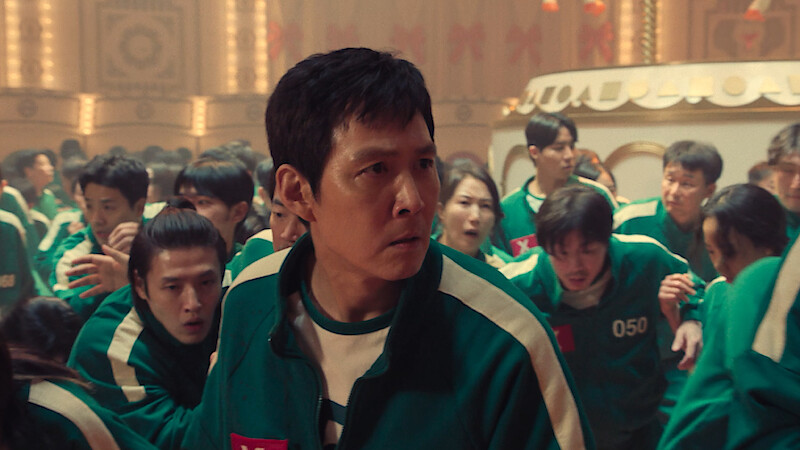
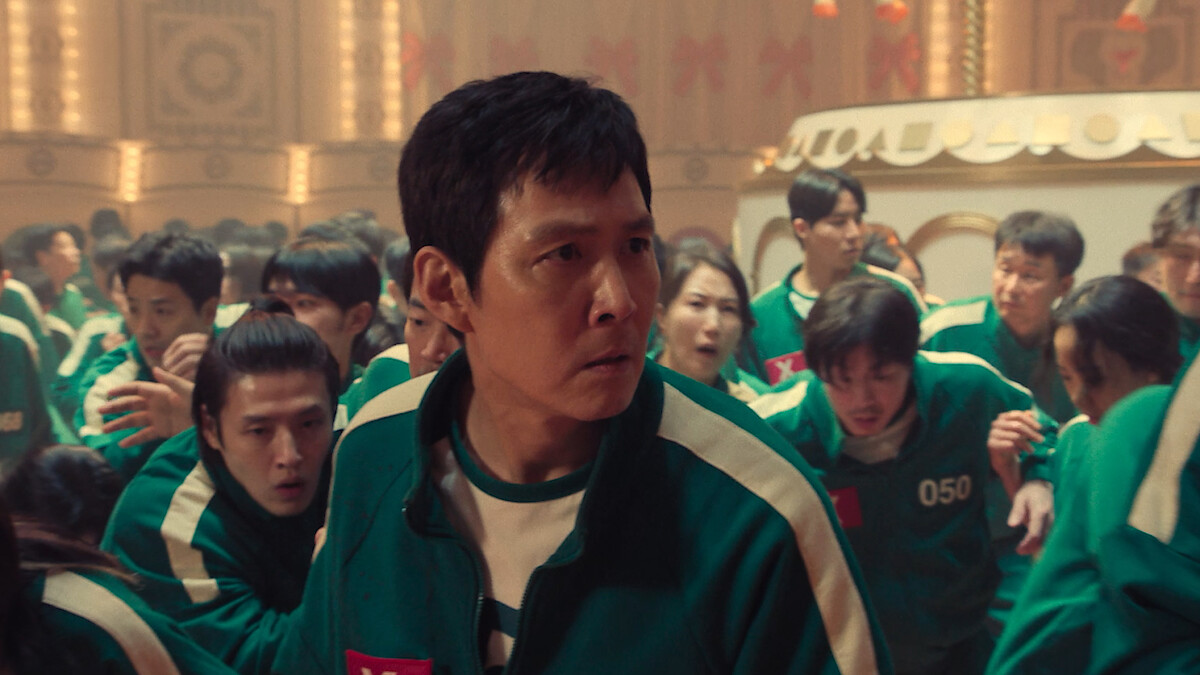
When protagonist Gi-hun (Emmy winner Lee Jung-jae) returns to the Squid Game in Season 2, this time in an effort to dismantle the exploitative operation, he faces games both familiar and new. The now-iconic Red Light, Green Light returns for the first round, with new entries including the Six-Legged Pentathlon and Mingle, in which players are placed atop a spinning carousel and must gather together in rooms in precisely the requested number of people (no more, no less) when the carousel stops. Players that are either left outside the rooms or in a room without the correct number of people are eliminated from the competition.
“I remember really wanting to add this game if there were going to be a Season 2,” says Hwang. “It's a game we used to play in kindergarten or elementary school. Depending on the number of people left, sometimes you tear someone away or abandon someone. So teaming up happens very randomly in a split second. I thought it would definitely be a fun game to add for the calls people have to make in a heartbeat and the drama those decisions lead to. On top of that, you have to sing — which makes it more fun.”
Pulling off a game at this scale required precision work from everyone on Hwang’s team of exceptional craftspeople. “There were so many things to check off the list as we were preparing,” recalls the director. “Is it a size we can pull off? Can 200+ people fit atop a wheel that actually has to turn? Can we even create such a set? If so, where do we hide the motor? How are we going to design it? What color would go well with the lighting? Should we have an open top or a closed one? Is it OK to show these structures on the ceiling? And then there’s the CGI, cinematography, lighting, and special motored props come into play — all these components had to go hand in hand in a very precise and accurate manner to make things work…. The preparation process took a long time and required so much engineering, compromise, and choices, but I think it came together beautifully.”
From the decision to use the color orange to evoke warmth and happy memories to the game’s song being recorded by an actual children’s choir, every detail was aimed at delivering an immersive experience for the viewer. Here, Hwang’s collaborators share the work that went into the making of Mingle.
Chae Kyoung-sun, production designer
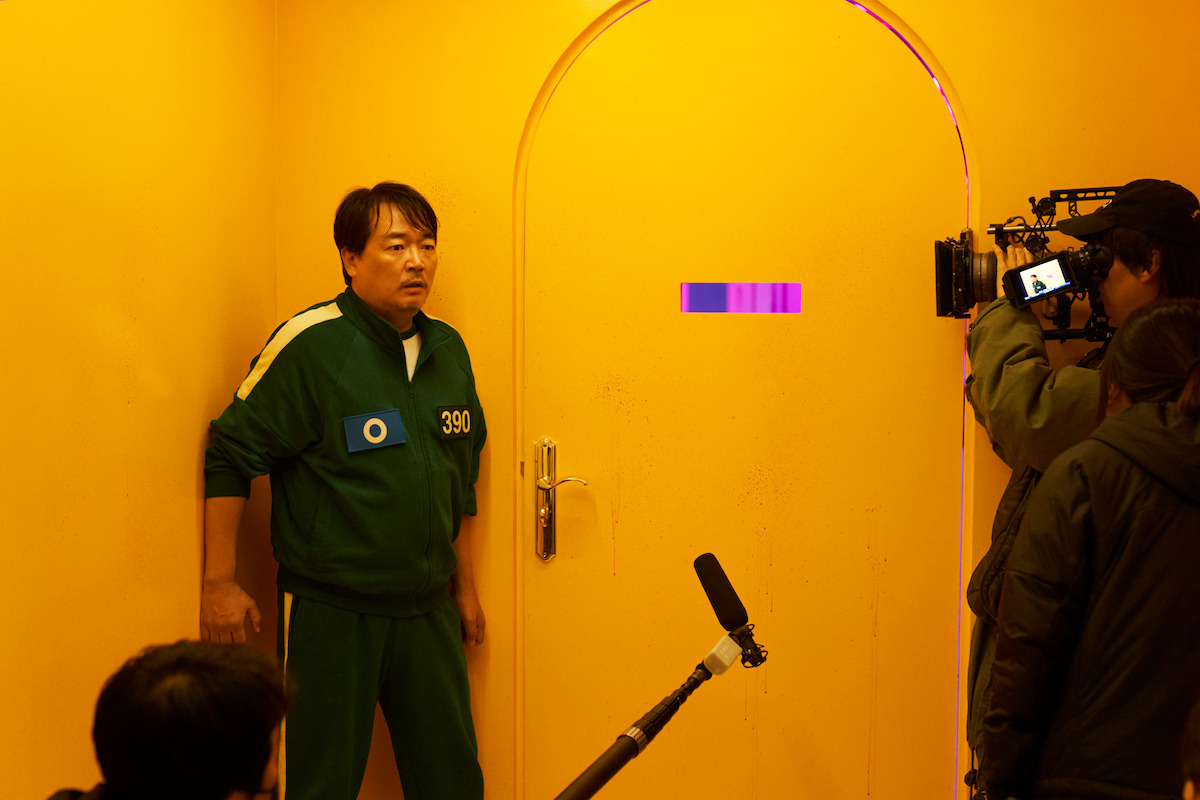
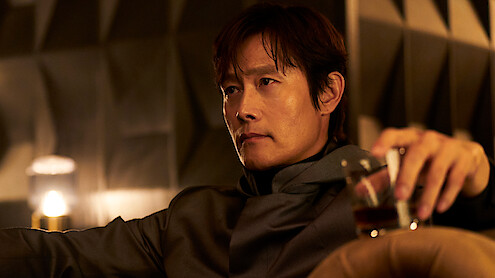
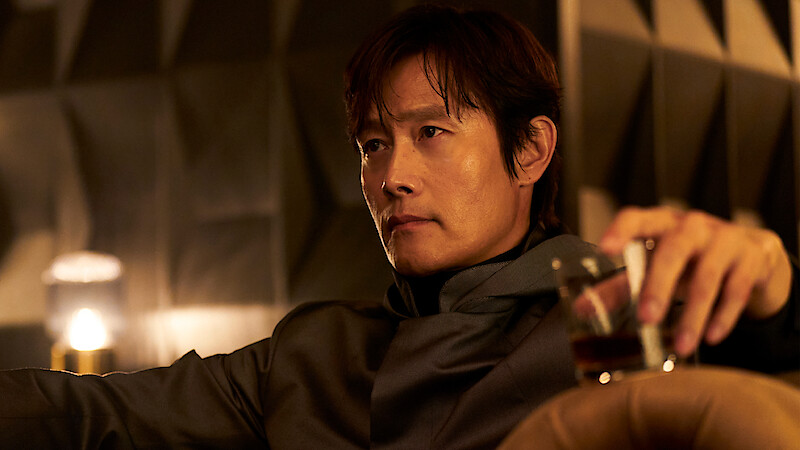
“I thought a lot about amusement parks when I read the script for Mingle. I realized, if In-ho [Front Man, played by Lee Byung-hun] was the one who designed this game, he would have wanted to enjoy an amusement park with his wife and child, and merry-go-rounds are iconic landmarks of amusement parks. So I thought I’d create a spinning stage inspired by the merry-go-round and have the players run amok on top of it like horses. With the bright lights and the mix of different colors, I wanted to give the sense of horses who have lost their sense of direction…. The players must have had dreams once, so I wanted to express the colors of their lives by using a color map of 50 high-saturation colors you’d find in a child’s Cray-Pas [oil pastels] set for the doors.”
Lee Jung-jae, who plays Gi-hun
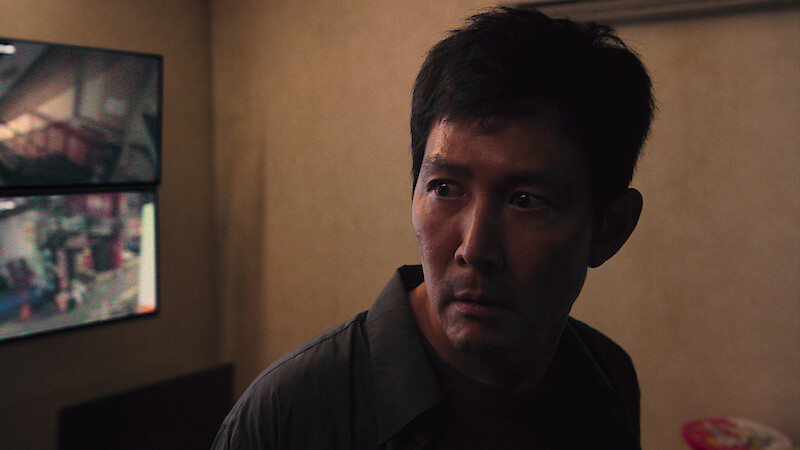
“When I’m traveling outside of Korea and come across a merry-go-round, I always take a lot of photos. They’re just beautiful…. And to see that kind of merry-go-round installed in the set, I was really impressed. The mechanics that made it spin while literally hundreds of people were on top and moving about, it’s very hard to do. But it worked really well and the shooting process was smooth sailing, which was also very impressive. And on top of that, the setups with each room, and having to risk your life and find partners to go inside the rooms with … all of it was very well-thought-out. The suspense was through the roof. It was also visually striking. There’s this one cut that I was really impressed by, which is an overhead shot of the merry-go-round. The lights move about in a complicated manner both from inside and outside the stage as the merry-go-round spins, with the players, of course, being on top of it. It looked almost like a sci-fi film or some type of video art.”
Kim Ji-yong, director of photography
“While filming the first three games and the series overall, I considered the distance between the camera and the actor to be crucial. When the camera is positioned near the actors, the viewers tend to feel as if they’re active participants in the game, working through it together. Then comes the perspective of the security cameras in the control room. Then there’s the bird’s-eye or overhead shot that’s neither the [point of view of the] participant nor the security camera footage, but the eye of the omniscient spectator, higher up than anyone else. From the viewer’s perspective, I felt that the distance gave a sense of familiarity, as if we were looking upon a representation of our own selves.”
Jung Jaeil, composer
“This simple and pure, naive melody all of a sudden turns into menacing, terrifying music. And that transition from round to round happens five to six times. I thought of the song as having about five different verses and added variations to each part, and kept swinging back and forth. When they call out a number, the lighting changes to those we’d see at a nightclub. So I used electronic sounds to capture that flashiness and people frantically scattering into all directions…. Altogether it adds up to twentysome minutes. The length can be overwhelming, but it was important that I keep that tension sustained until the end.”
Nam Na-young, editor
“We paid attention to the details of the acting in building tension and suspense so that everything would explode at just the right moment. And when one character died, another picked up where things left off. In Mingle, for example, only Jung-bae [Lee Seo-hwan], In-ho, and one other person remain inside the room at the end. To survive, In-ho kills the other man as Jung-bae watches. For scenes like these and so many others, the nuance of Lee Byung-hun’s expressions are ones that only he can pull off as an actor. So I tried hard as an editor to make the most of that in great detail.”