Courtesy of HBO
Previously On
What Happens in ‘Six Feet Under’ Season 1?
We’re getting into the family business at the Fisher & Sons Funeral Home.
By Jessica Shaw
Nov. 1, 2023
Two years after The Sopranos premiered and one year before the start of The Wire, HBO debuted what would become one of their award-winning Sunday night staples. Six Feet Under (which is streaming on Netflix now) began as the brainchild of then–HBO Entertainment President Carolyn Strauss, who pitched the idea of a funeral and family drama to creator Alan Ball, who was riding high (and about to win a screenwriting Oscar) after the success of 1999’s American Beauty. On June 3, 2001, the drama premiered to mostly glowing reviews and the occasional takedown, including one from The New York Times’ Wendy Lesser, who called it a show “populated entirely by cartoons.” (Many letters to the editor vehemently disagreed.) History did not agree with the naysayers, and the messy, philosophical, darkly hilarious, poignant, and enduring series would continue for five seasons, culminating in what’s widely considered to be one of the greatest TV finales of all time. But let’s rewind 62 episodes earlier, when viewers were introduced to the Fishers.
To put it bluntly, a whole lot of dying and a whole lot of living.
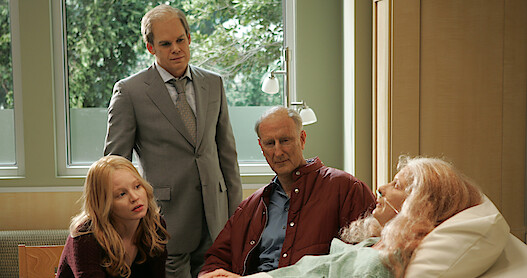
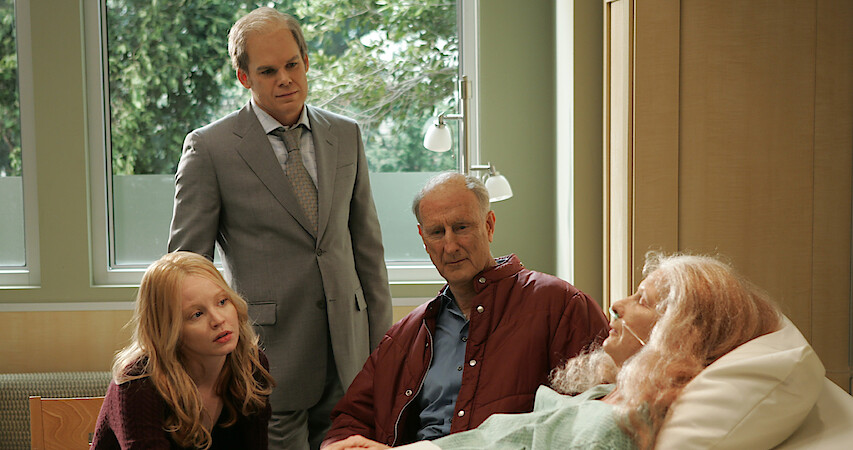
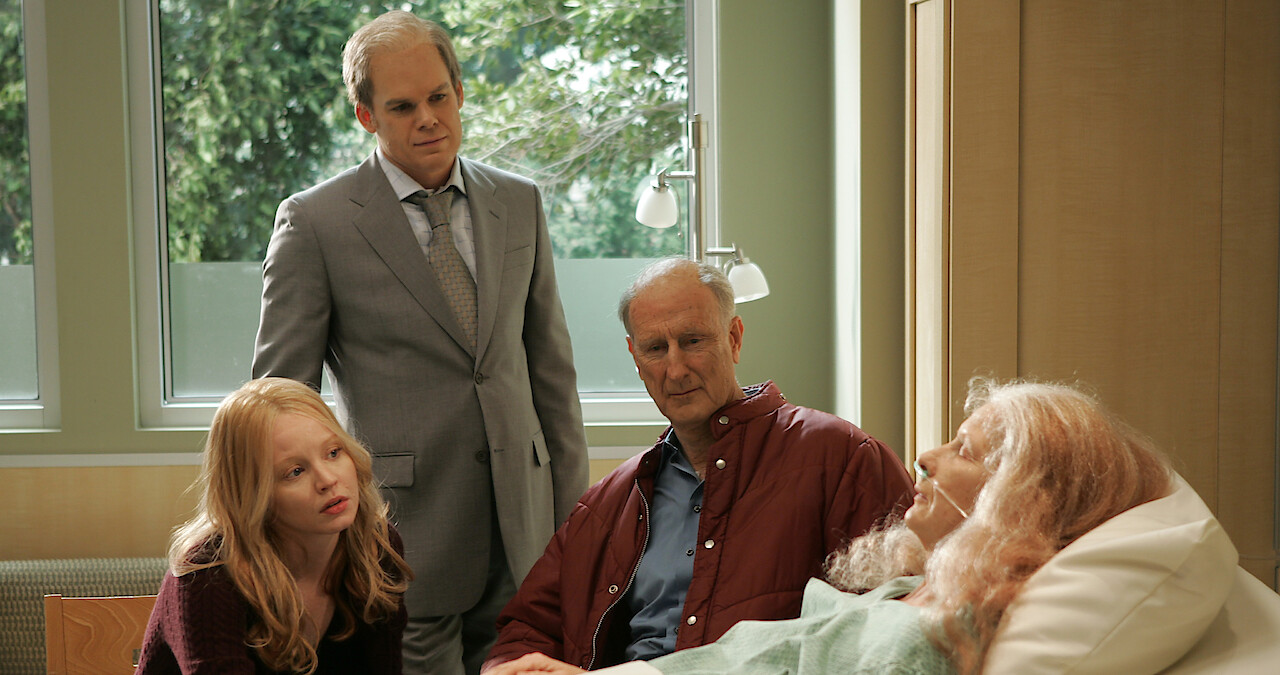
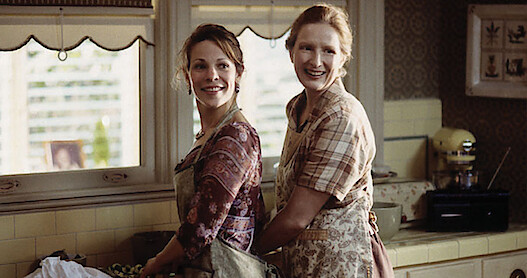
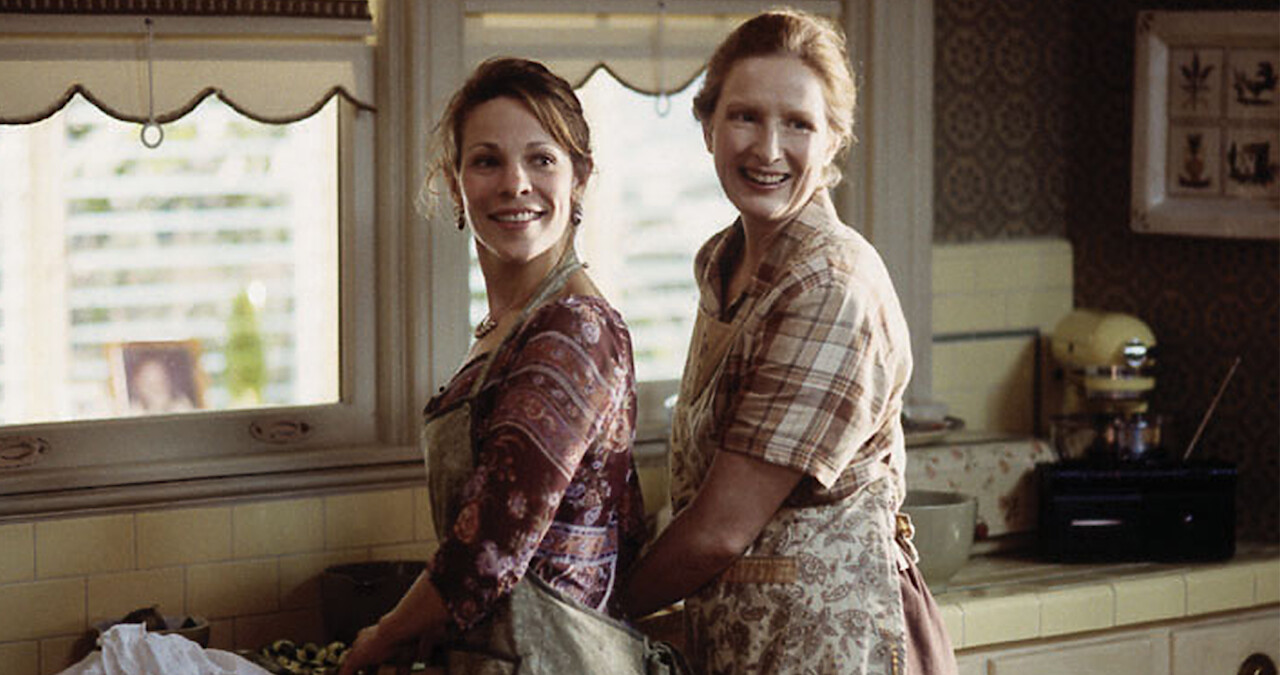
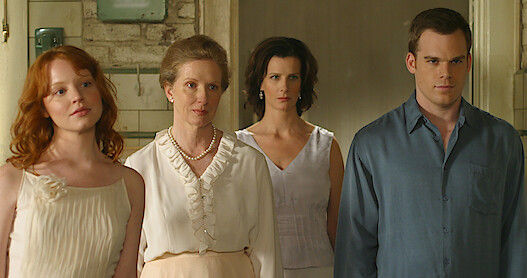
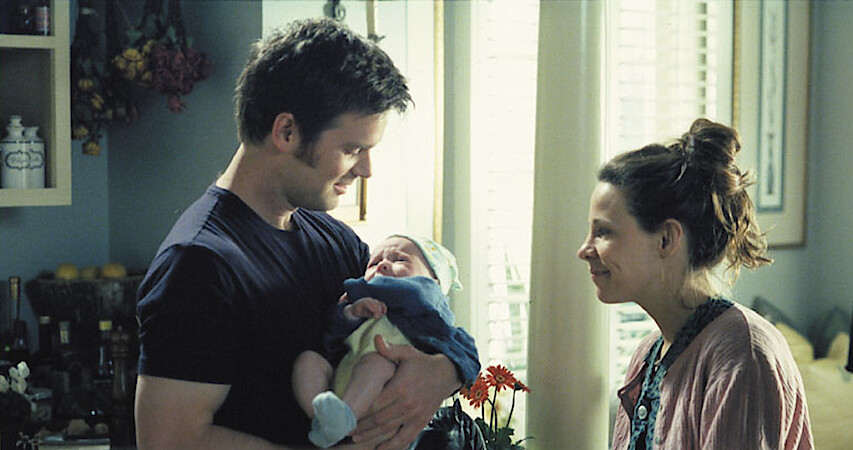
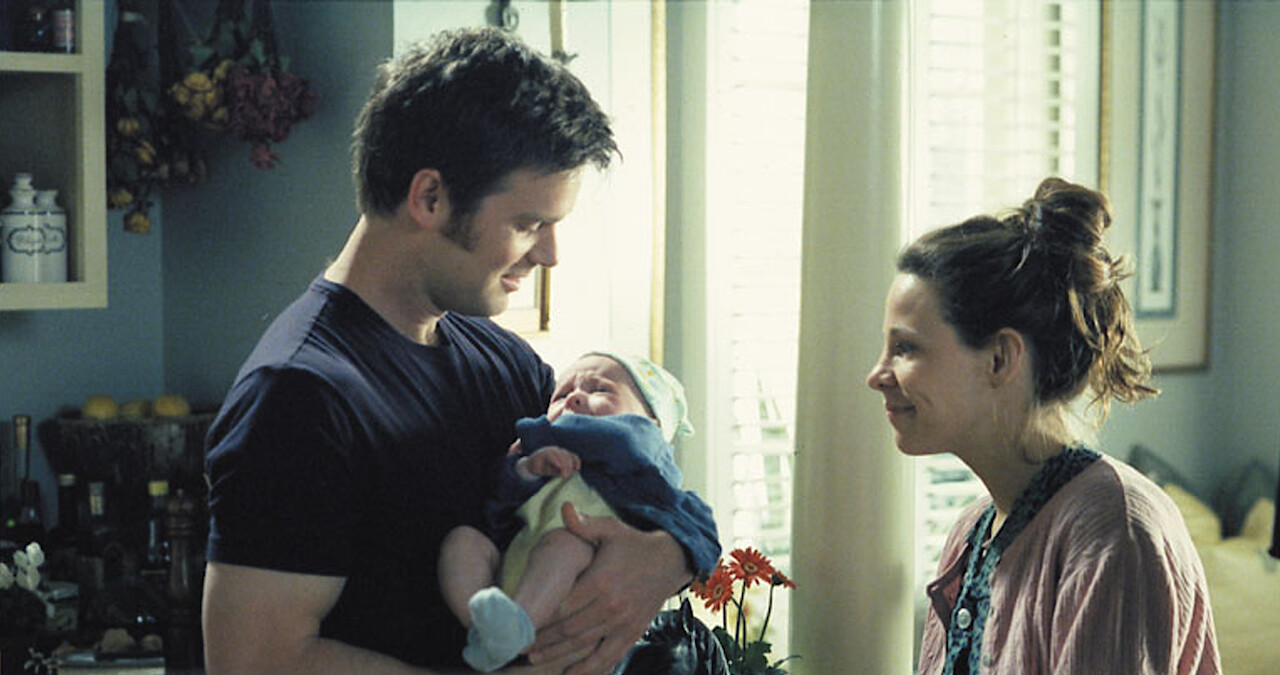
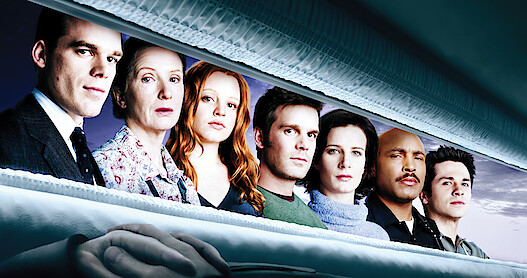
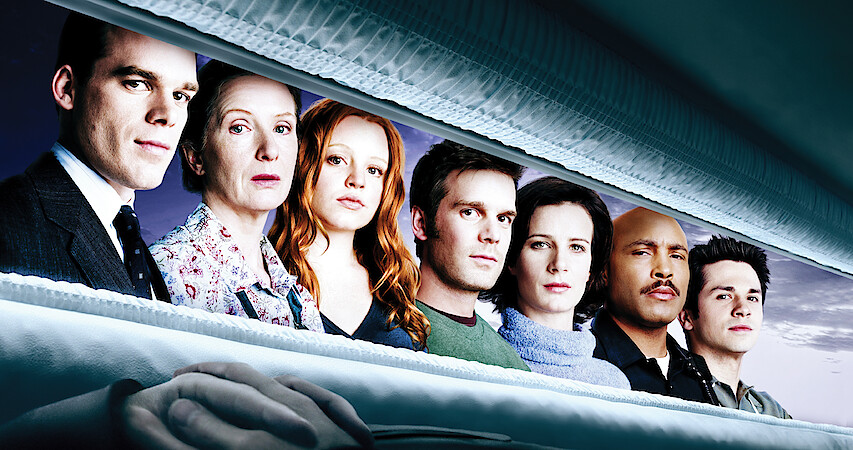
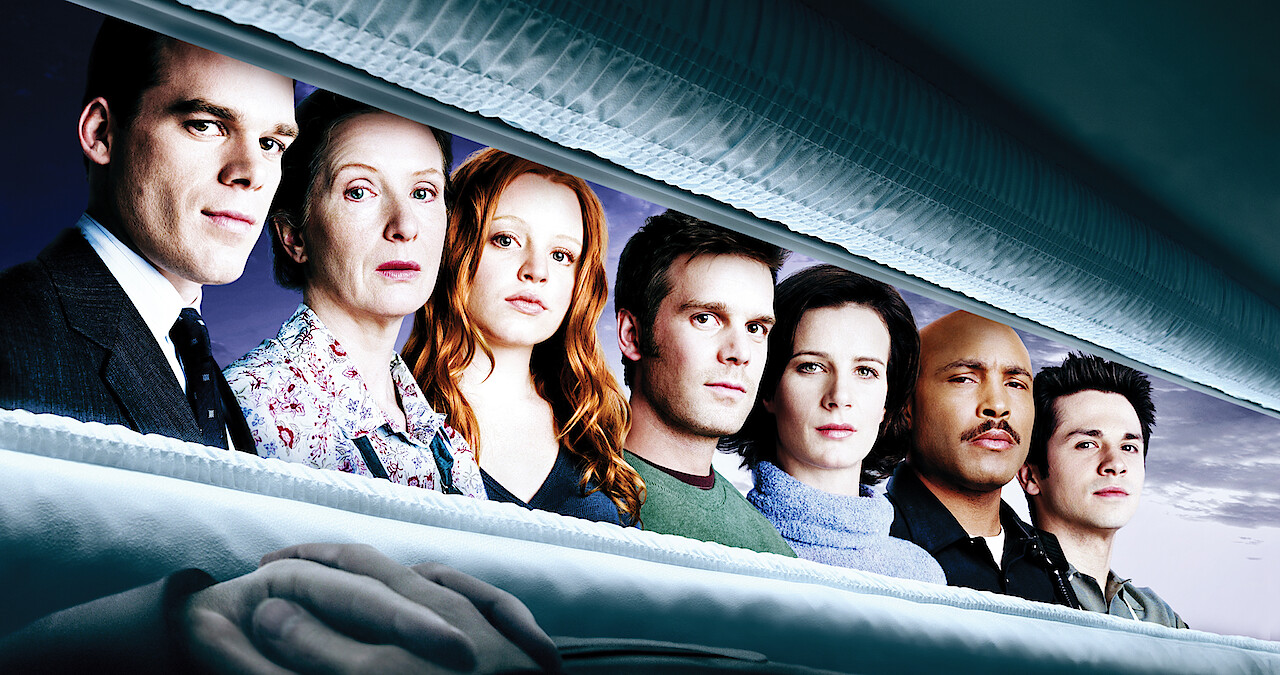
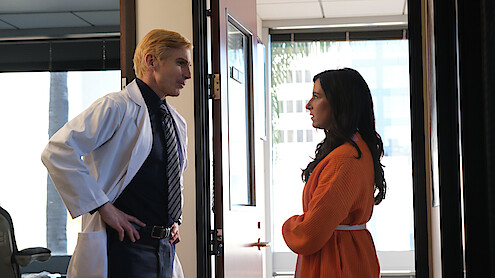
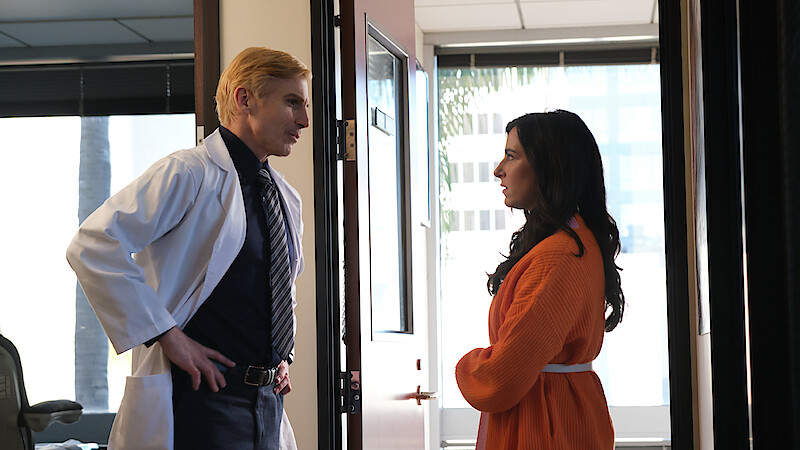
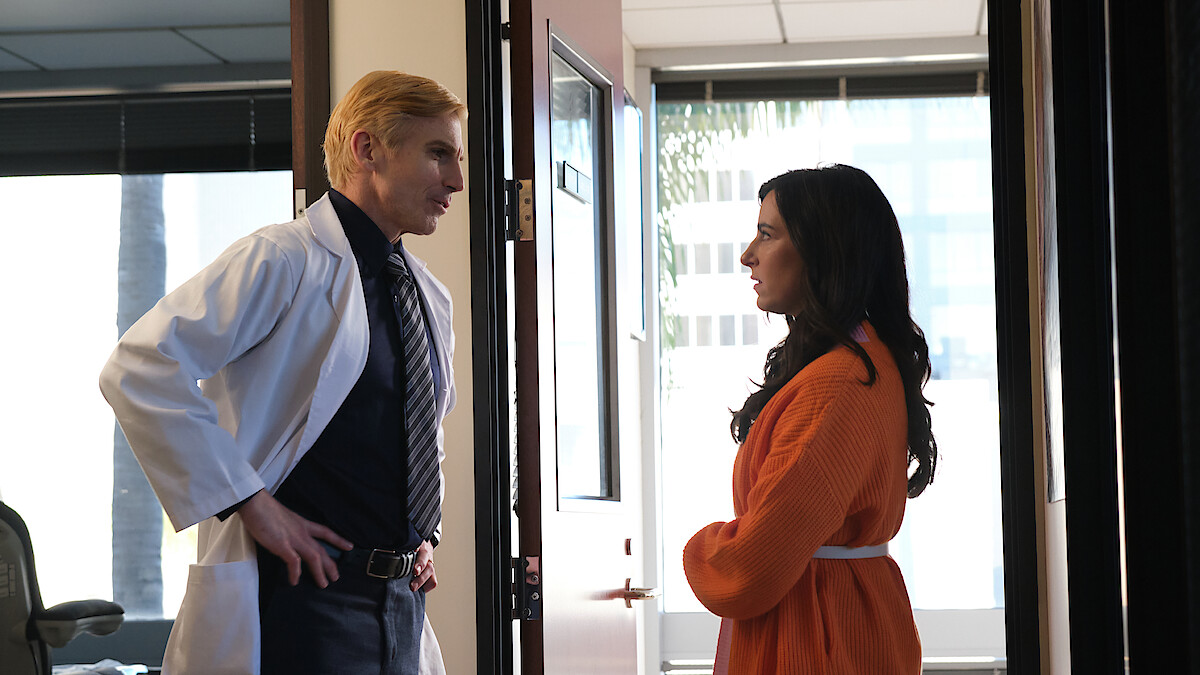
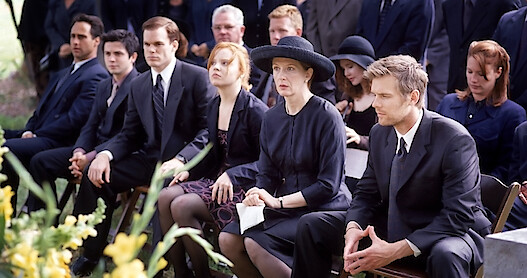
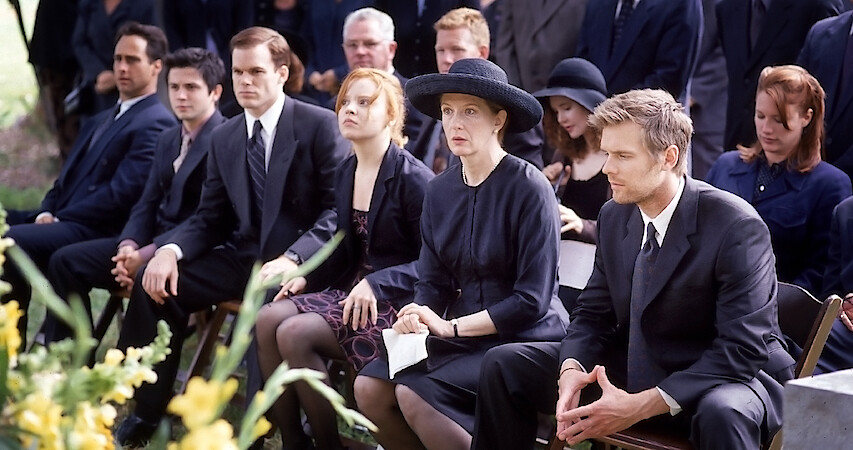
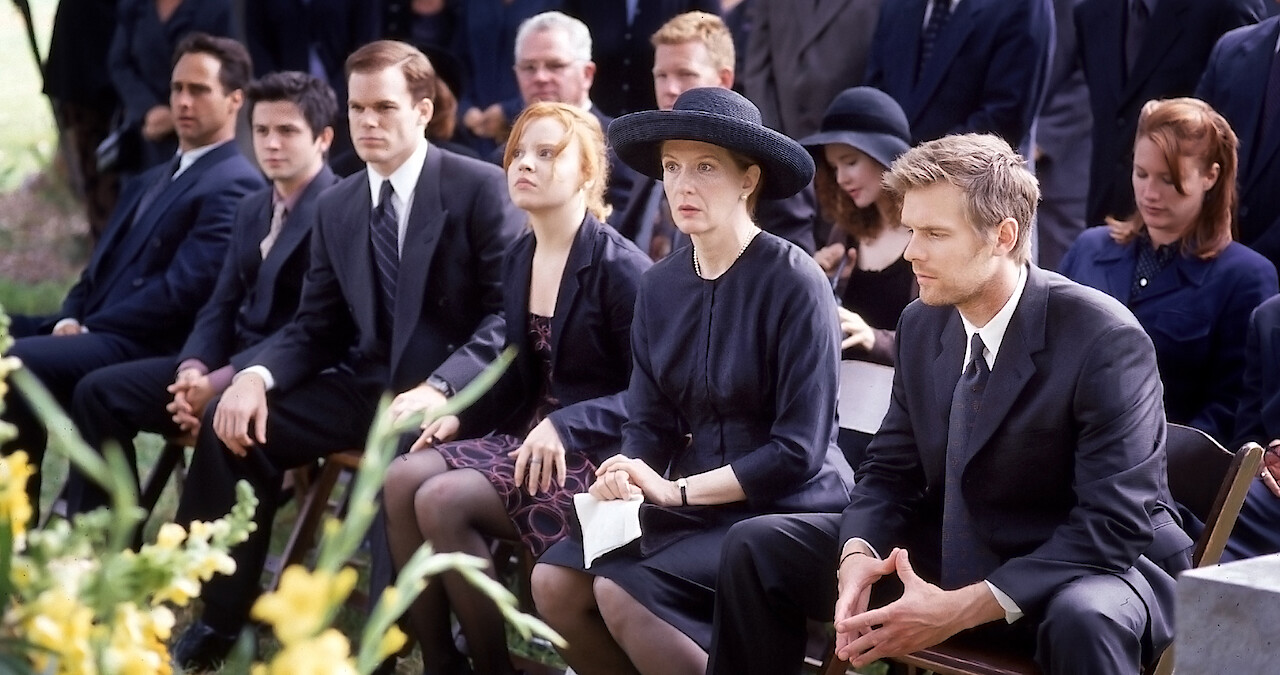
The show eases in with some airport sex (Peter Krause’s Nate Fisher and Rachel Griffiths’ Brenda Chenowith) and a high school crystal meth party (Claire Fisher, played by Lauren Ambrose), but quickly shifts when paterfamilias Nathaniel Fisher (Richard Jenkins), driving the Fisher & Sons Funeral Home’s newly purchased hearse, lights up a forbidden cigarette and is slammed into by a municipal bus. The Fisher family members approach the tragedy differently, with matriarch Ruth Fisher (Frances Conroy) sharing arguably too much — an affair with a fellow church parishioner — and Nate and Claire’s brother, David Fisher (Michael C. Hall), sharing arguably too little — not telling his family that the kind cop who came to pay respects is actually his boyfriend, Keith (Mathew St. Patrick). When Ruth asks Nate to stay in Los Angeles for “just a few days,” it’s abundantly clear he won’t be returning to managing organic produce at a Seattle food co-op. Indeed, Nathaniel Sr. leaves the business 50/50 to a reluctant Nate and an annoyed David, and the forced fraternal partnership’s ups and downs play out all season. (Claire gets money for college, a detail she’s none too excited about.)
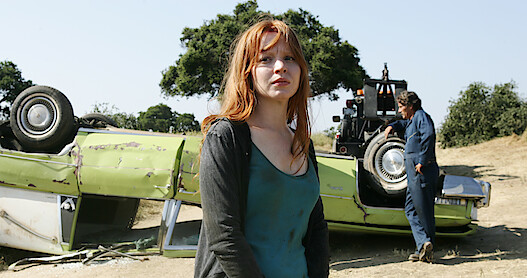
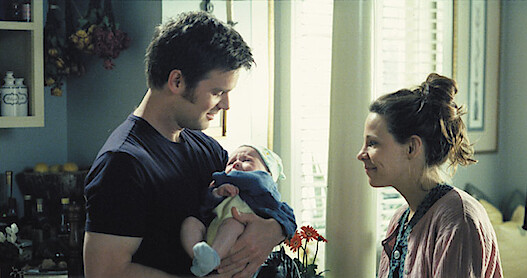
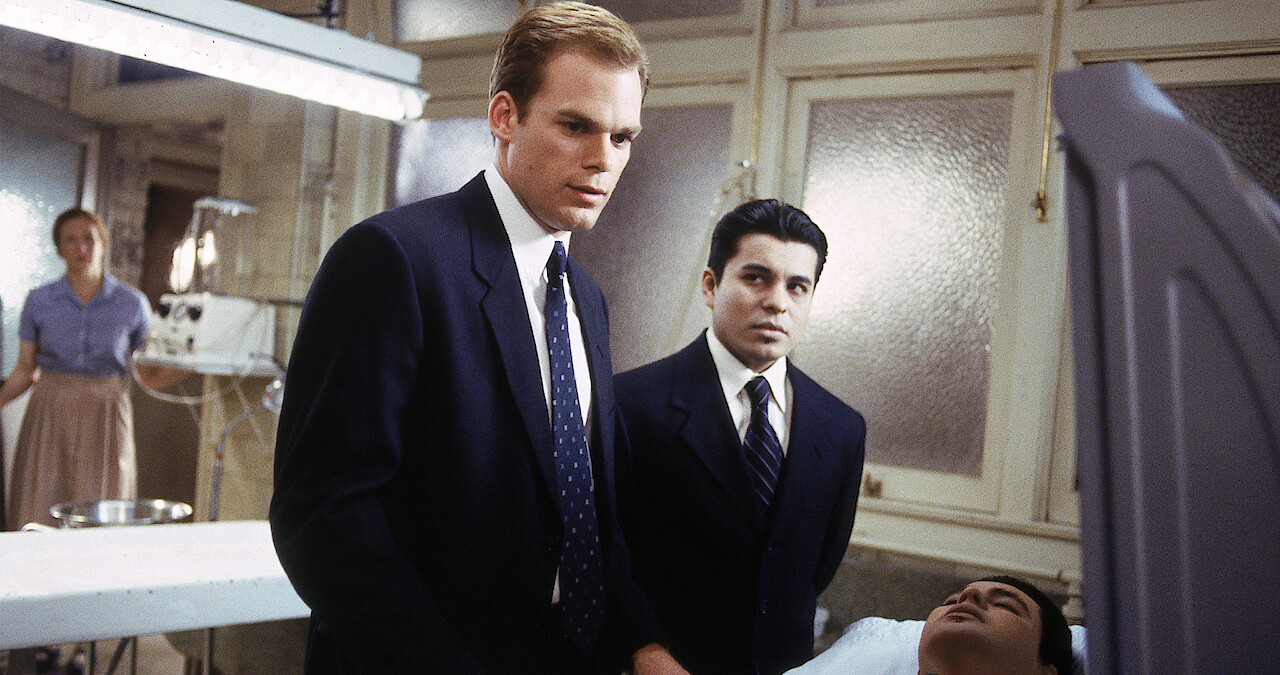
By the final episode, after the attempted takeover by funeral home conglomerate Kroehner Service International, the near-loss of mortician extraordinaire Federico “Rico” Diaz (Freddy Rodríguez), the inappropriateness of mortician Angela (guest star Illeana Douglas), and plenty of sibling spats, Nate and David end the season aligned — professionally and personally. But for all the hopefulness, there’s also dread, just as there is literal life — Rico and Vanessa’s (Justina Machado) newborn son’s christening — in the Fisher & Sons’ house of death. Claire’s boyfriend will surely face repercussions after pulling a gun on a store owner; Nate’s health is up in the air after a car accident leads to a surprise, possibly lethal diagnosis; and David is disillusioned by his church. Perhaps that’s why the season ends on Nathaniel Sr., who pops up posthumously throughout the season as a reflection of another character’s conscience or subconscious. Or as a ghost, depending on how deeply you want to read into the series. Before he walks up the proverbial stairway (albeit a stairway in the Fisher family home), he flashes a look that’s equal parts melancholy and contentment.
Brenda is introduced as a meaningless hookup, but she becomes anything but, with Nate proclaiming he wants a future with her. Her complexities go beyond the fact that she’s the subject of a based-in-truth novel, Charlotte Light and Dark, which tells the story of a young genius who is sent away by her parents to be studied by psychologists. Perhaps more complex is her very close (as in matching tattoos close) relationship with her younger brother, Billy (Jeremy Sisto), who has bipolar disorder and a boundary-free obsession with Brenda. After an off-his-meds Billy attempts to manually cut Brenda’s tattoo from her lower back, she has him committed to a psychiatric hospital. As for their parents, psychiatrists Bernard and Margaret Chenowith (Robert Foxworth and Joanna Cassidy), well, the one positive thing you can say about them is they have a really nice pool.
The first death of the series is that of Nathaniel Fisher, but each episode begins with another death, around which the subsequent action revolves. From a flour-mixing worker who gets caught in his equipment, to a gang member shot at a pay phone, to a baby dying of SIDS, the deaths bring in weekly guest stars and often propel the Fishers to evaluate aspects of their own lives. Marc Foster (Brian Poth), a gay man brutally beaten to death, appears in the season’s final two episodes as part of David’s inner dialogue, reflecting his closeted self-loathing at times and his identity consciousness at others. Much of the season explores David grappling to incorporate being gay into his life, whether as a church deacon or a son and brother. He comes out to his mother and the leadership of his church, with mixed results. In a moment of exasperation and self-acceptance, he says, “I am so fucking tired of being ashamed.”
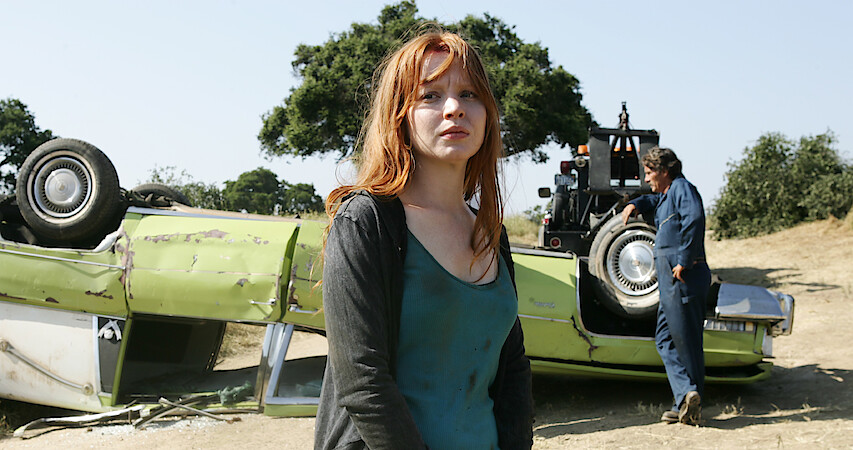
There’s no shortage of tar-black humor in the season, but perhaps no moment as glorious as Claire getting caught for nabbing a corpse’s detached foot from the morgue to put in the locker of a guy who spread postcoital stories about her. It’s worth a rewatch just to hear Ruth say, “You wake up one day and your baby’s stolen a foot.” Honorable mention goes to David’s imaginary performance of “What a Little Moonlight Can Do” while holding a vacuum cleaner. Anyone who’s caught Michael C. Hall on Broadway in Chicago, Cabaret, or Hedwig and the Angry Inch knows the guy can belt out a number.