Up Close
The ‘Next in Fashion’ Winner Is Sketching Out the Future
“I just want to make them feel something.”
March 6, 2023
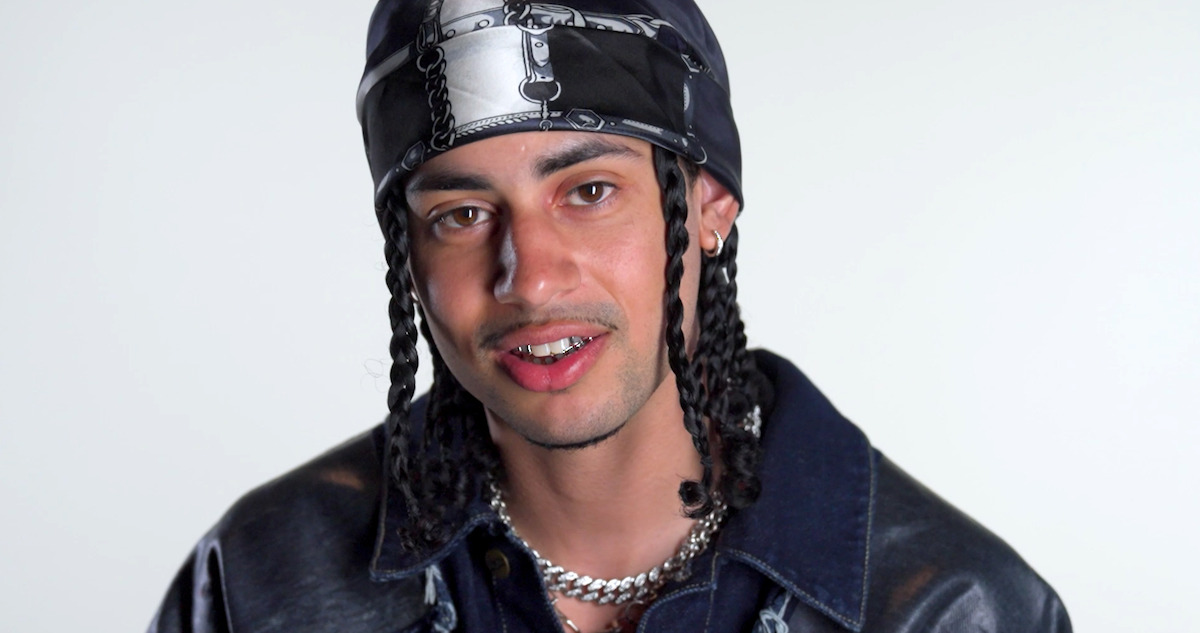
Next in Fashion wasn’t the first competition show to come calling for Nigel Xavier.
Before the talented cast was even assembled, the 28-year-old Atlanta-based designer had already been approached to join another fashion reality series. With a client list that includes 2 Chainz and the rap group Migos, industry insiders were starting to take notice. But just like his signature creations — one-of-a-kind, often upcycled garments blending streetwear and sustainability — Xavier was laser-focused on finding the right fit.
“I don’t make these clothes to be accepted. I’m just making them for myself, at the end of the day,” he tells Tudum. “I want to make clothes for the world, but I got into this for myself to just feel different. Now, the world accepts it.”
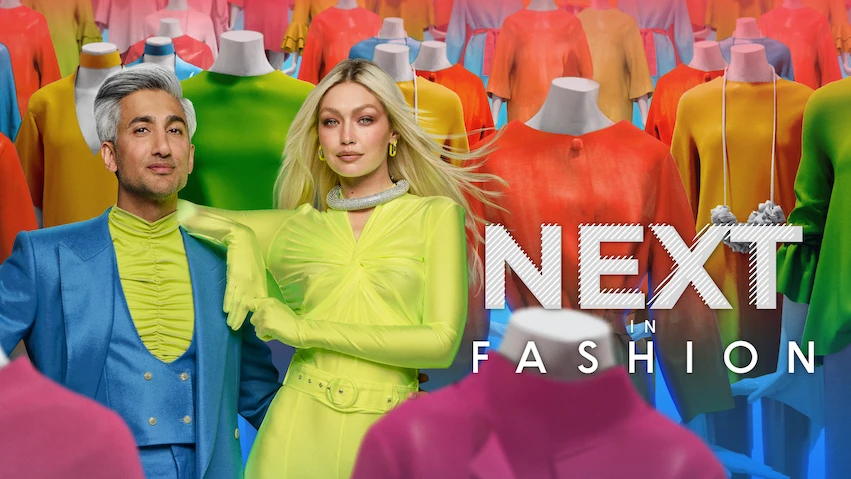
Of course, co-hosts Gigi Hadid and Tan France did more than just accept Xavier — they saw greatness within him. With every bucket hat or pair of expertly patchworked denim pants that came down the runway, the designer pushed beyond his own creative limits, all the way to the finale. Ultimately, he triumphed as the winner of Next in Fashion, clinching the $200,000 prize and the opportunity to launch his own line with the subscription clothing service Rent the Runway.
As France put it after seeing Xavier’s final runway show: “What’s the thing that’s going to be copied in the next few years? Nigel.”
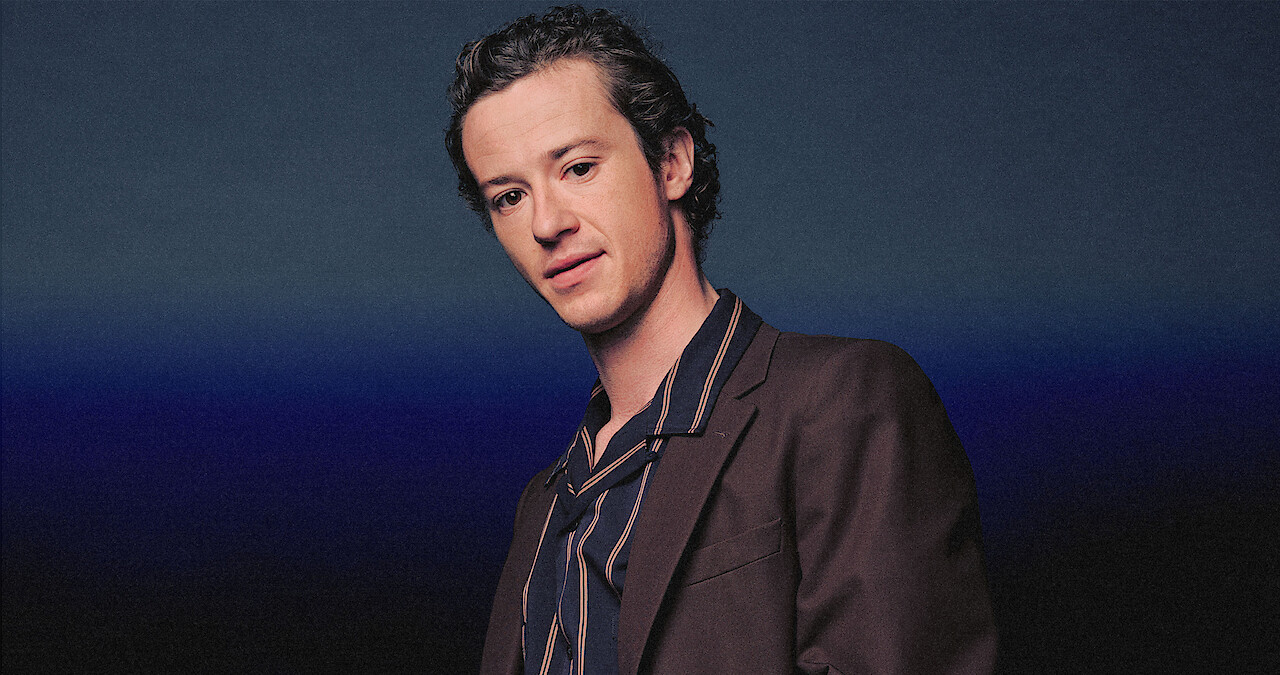
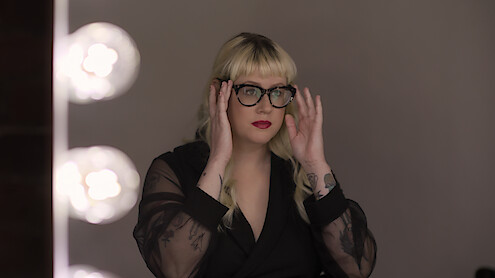
Before even more calls for Xavier come rolling in, Tudum caught up with the designer on the set of the photo shoot for his upcoming collection.
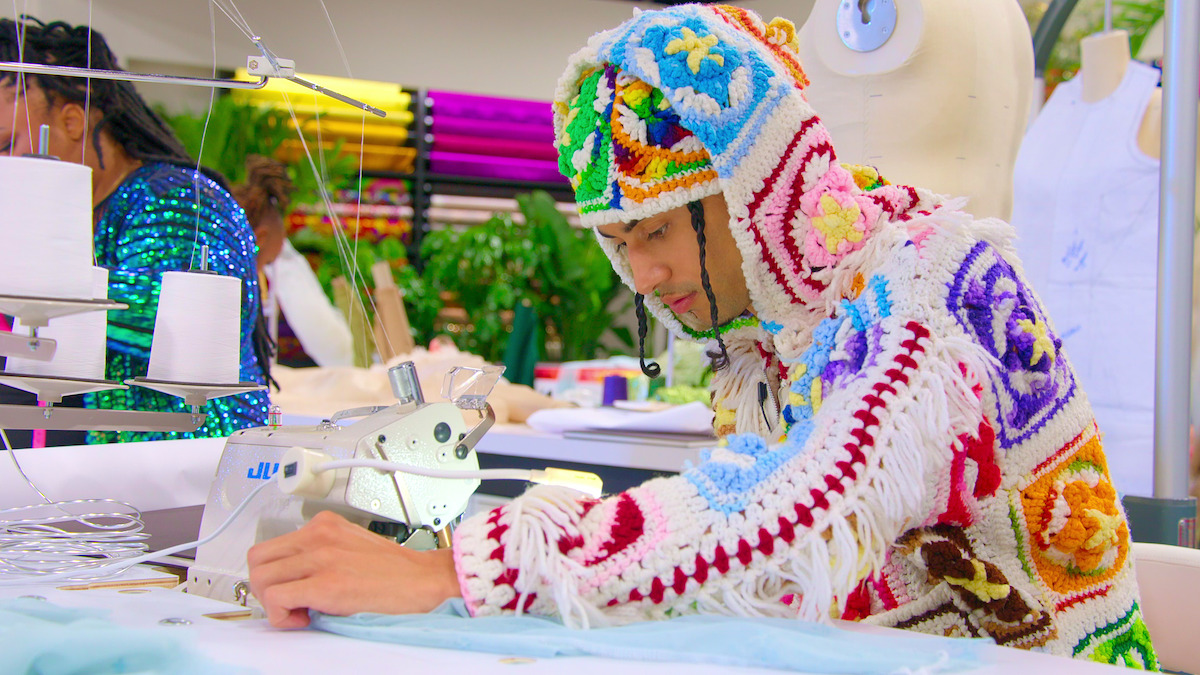
How do you feel about being named the winner of Next in Fashion?
I was so inspired in those moments. I just want to be inspired by the show again. It just made me see design, the world and myself differently. I realized things that I couldn’t have found out about myself in regular life. I feel like this is going to be a key point in my life [that influences] who I’m going to be in the future for sure.
Tell us about the moment when you decided to join the show.
I didn’t know if I wanted to be on TV or if this was my route. But then I was like, “You know what? Just take the opportunity. You don’t know what’s going to come from it.” And then when I heard who was involved, I was like, “Yeah, this might be it!” [laughs] But it was very uncomfortable at first.
I didn’t really see myself as a fit as far as streetwear and my style of clothing. I didn’t know if I really belonged. I was kind of just going out on a limb and I didn’t even think I would last to the end. I’m very confident in my work, but I was like, “Is that what they’re looking for? Will they appreciate my style?” So, that’s what was in my head. I will always love my clothing, but I’m biased about my clothes.
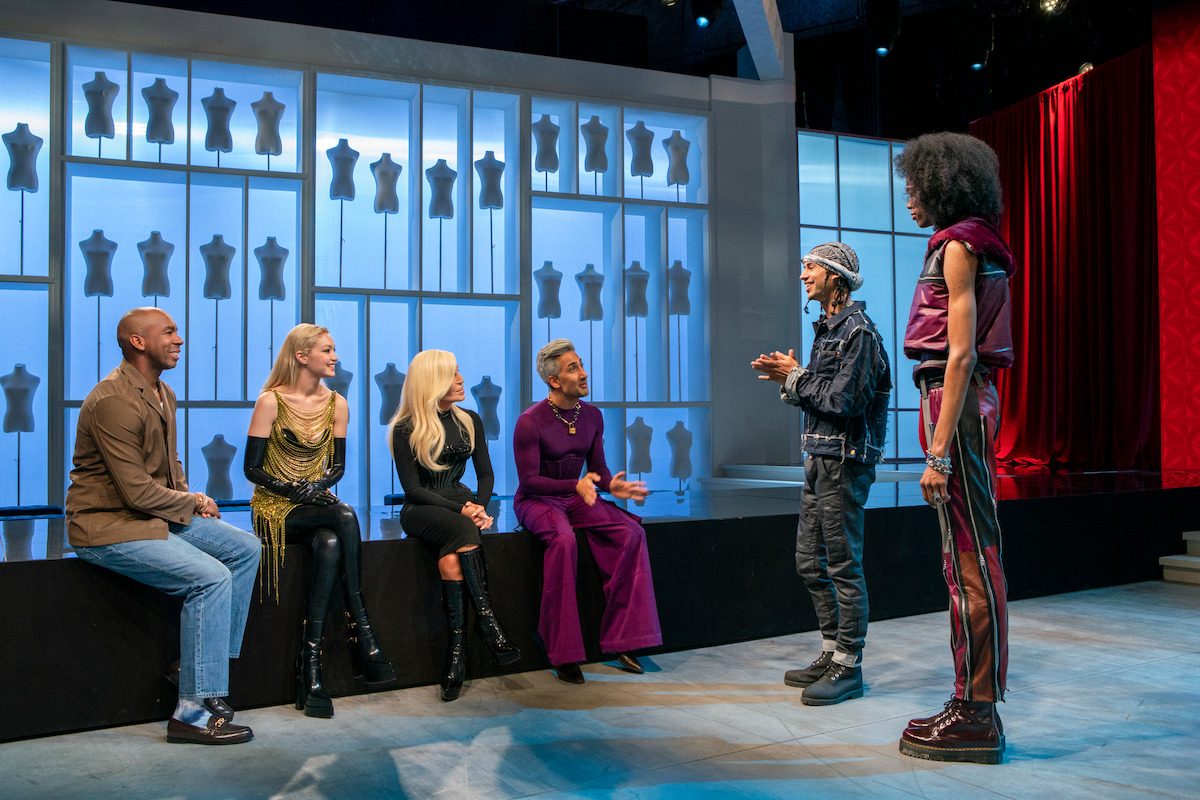
It must have been overwhelming then to get Donatella Versace’s stamp of approval in the first challenge.
That moment was very big. Just to hear somebody on that level and [of] that caliber be inspired by my work was like, “Oh wow, what I’m doing is what the world needs to see.”
Gigi also really seemed to take a liking to you early on. Was there a piece of advice that she gave you that has stuck with you?
Her being so accepting of my style was very empowering and motivated me to show more of what I had and give her a little versatility. I was so stressed out in [the beginning] I couldn’t even listen to what she was saying half the time. I was just still like, “This is Gigi in front of me.” But there were these key little things she told me like, “You should do this” or “Don't worry about that.” I would go home, re-evaluate and go back the next day and just really just tackle it. Take the advice and don’t be closed-minded to it.
Which challenge was the most difficult for you? Is there one that’s kept you up a night since the competition wrapped?
The first challenge and the Met Gala challenge were probably my most stressful moments, but I still appreciate them. I wish in the first challenge that I wouldn’t have messed up in the beginning because I would’ve been able to make a better top garment. For the Met Gala challenge, I had never made a bodysuit before, so I wish I had more time to really tap into that. I wouldn’t take anything back because if I did, I might not have won.
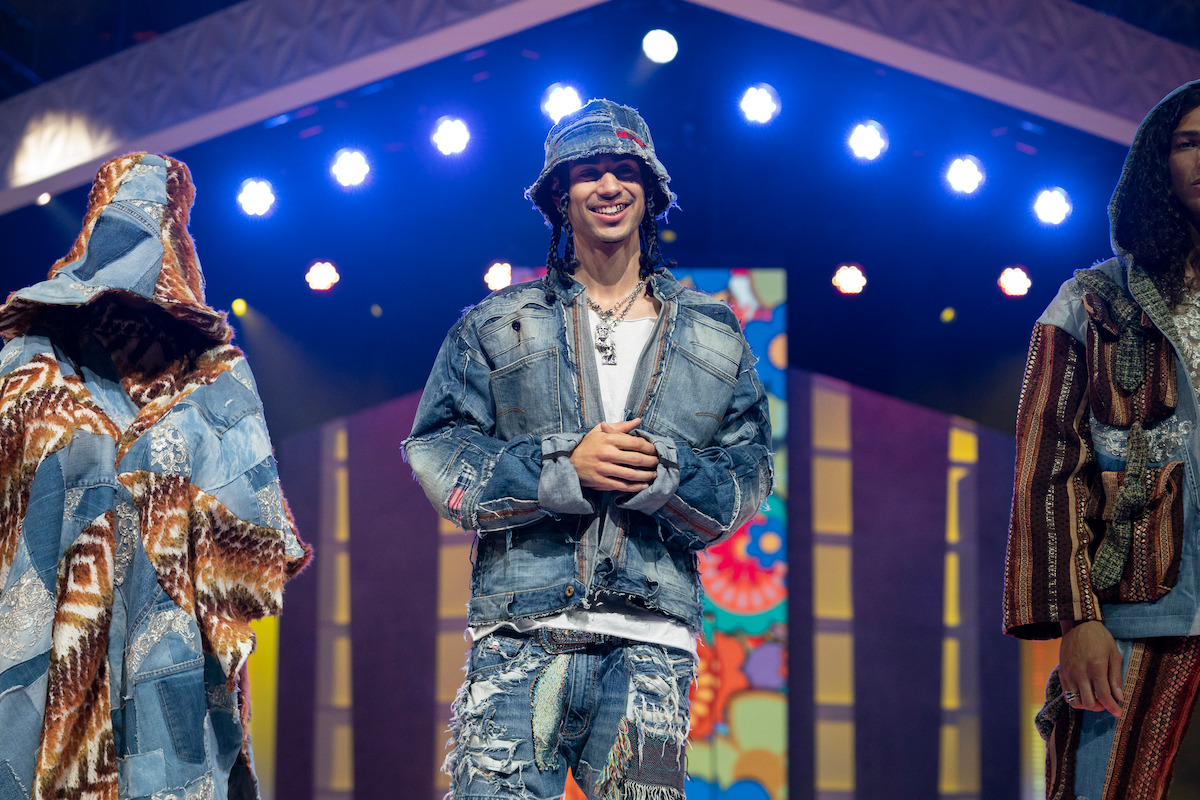
Do you have a proudest moment?
The ending was just the best feeling. I was really stressed out. I would talk to [finalists Bao Tranchi and Deontré Hancock] and tell them, “I don't know how I'm going to do this.” I was having trouble with my team, because I’m so used to doing everything myself. My detailing is really intricate and there’s a certain way you’ve got to be free-flowing when you work with me and not worry about mistakes. I felt like that was slowing down the process, but in the end when I saw the whole collection all together, it was amazing. I was just so proud of myself.
How did fashion find you? Do you remember the first garment that you ever made?
I remember I had a pair of these blue jeans that I bleached: just the bottom, and then the knees and then the pockets. I distressed it and wore those until they fell apart. I was probably 15 or 16, but even before then I was still trying to dress differently. That was when skinny jeans were starting to get in. I was one of the first people to wear skinny jeans in my high school [laughs].
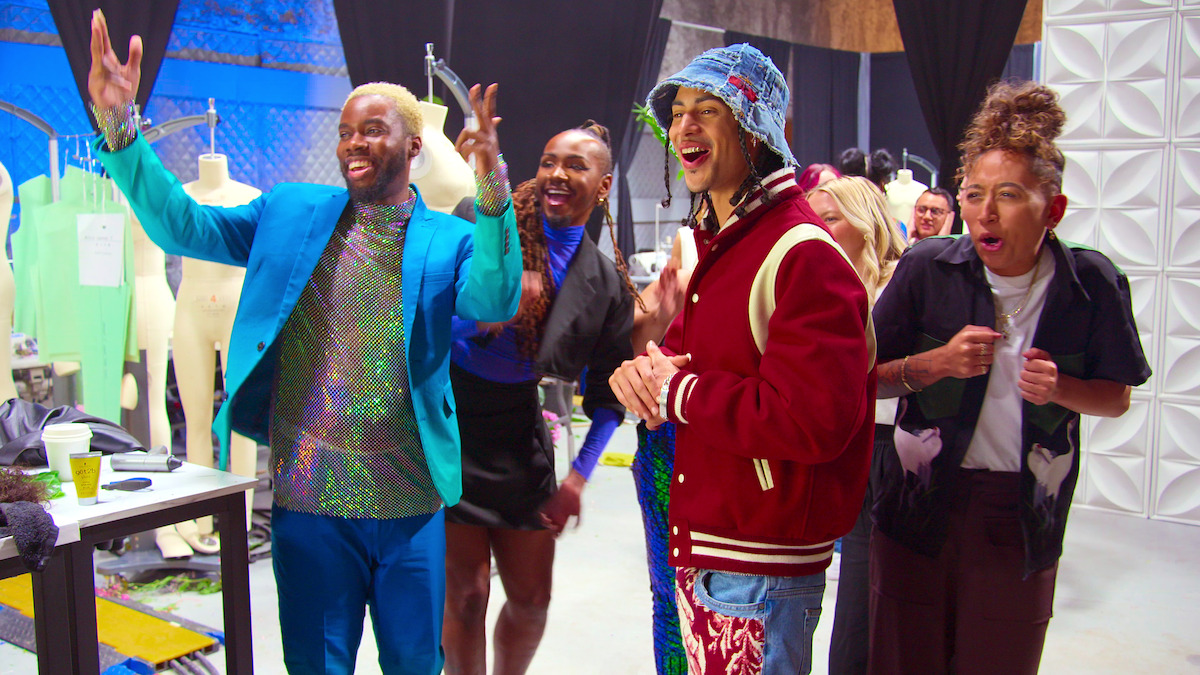
You were playing football in high school and had a full college scholarship lined up, but chose to attend fashion school instead. How did you arrive at that decision?
When I was playing football, I was still dressing differently, but I hated working out and would get injured. I just didn’t see my life like that. I had that little taste of dressing up and switching up my style. It just felt natural. It was just me following my mind rather than what people were telling me to do.
Was there any pushback? Those two worlds often don’t commingle.
It was toward the end of high school when I was really diving deep [into fashion] and people had already seen me as that. My dad told me, “If that's what you want to do, I guess…” He was a little like, “You have this big opportunity to have a full-ride scholarship for college and you're not going to take it?” I told him, “No, that's not my life. I do not want to do that.” I already knew in my head before the football season even ended that this ain’t it for me.
Your designs play with ’90s and early 2000s nostalgia, while still feeling very current. What are your biggest inspirations?
When I first got into clothes, it was Wiz Khalifa and Kid Cudi. Those styles were very dope to me. As I grew older, I really started being interested in Dipset and a lot of New York artists, as well as the women who inspired me like TLC and Aaliyah. I really wasn’t a big Lenny Kravitz person, but after doing a lot of research for that first challenge I was like, “Wow!” Of course, Jimi Hendrix. Anything from the ’70s was super dope to me. I just feel like they were really free [back then]. But my designs really just come straight from my head. Like, “Oh, I want some baggy pants. Oh, some slim-fitted pants with…” It’s really just what I’m feeling at the moment.
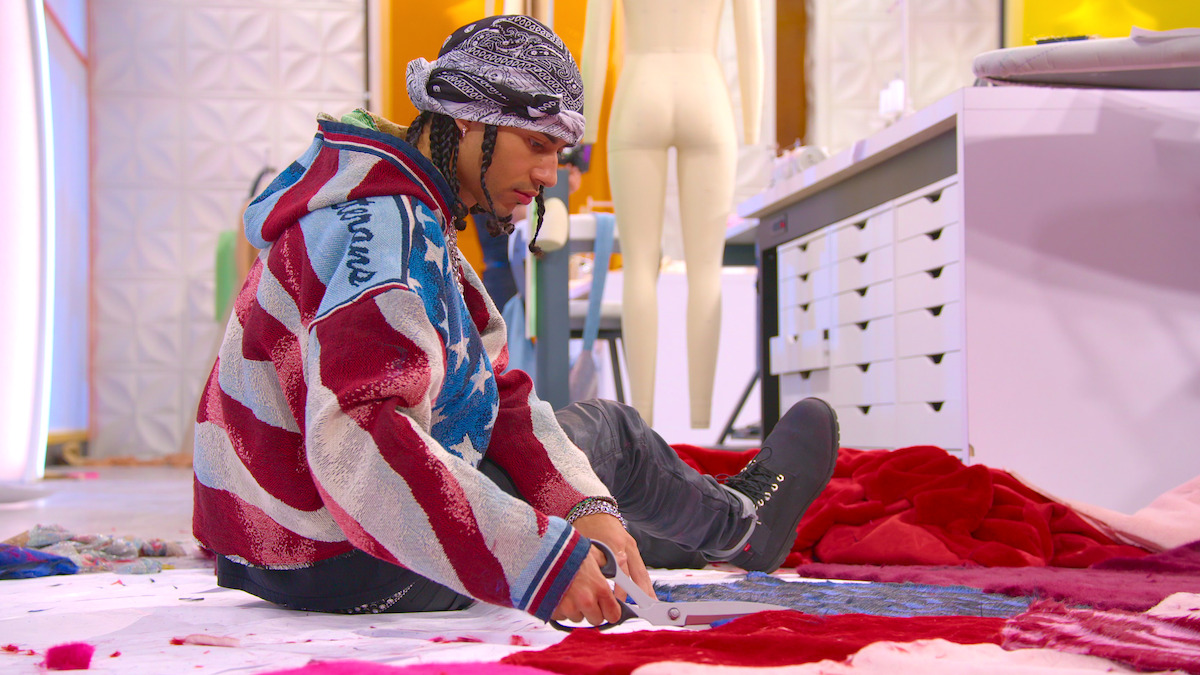
You practically are a walking billboard for your clothes. Every episode is a new fit.
I knew I only wanted to wear my pieces on the show. I wanted to just be in there and I knew that would make you look different off rip. Even if I’m not able to make stuff in the amount of time, you’re going to see my clothes and be like, “OK, yeah, he knows what he’s doing.” I got to make sure that my pieces are even better or just as good as what I’m making.
Your clothes are so individual to you, but they’re also very ready-to-wear. What do you want people to feel like when they’re wearing your Rent the Runway collection?
With this Rent the Runway collection I want them to feel free — just like how I did with my final runway show. They’re kind of loud pieces, so I want them to be for when you’re stepping out and feeling confident. I just want to make them feel something. These aren’t just regular pieces. You just don’t throw them on and it’s a plain white tee. I want them to be like, “OK, yeah, this made me feel some type of way.”
With this chapter coming to a close, what are your plans for the future?
Moving forward, it’s going to be trying to take my clothing to that mass market level, which is going to be hard for me. I get bored of things very easily, so I’m trying to get out of that and grow my mind more on a business level. I see myself more as an artist than a fashion designer. I just want to create art, but I know I need to tap more into that role of being a fashion designer and having a fashion house. I want to leave a legacy here, and this show helped me jump-start it. I need to just follow up with some pressure.
This interview has been edited and condensed for clarity and length.