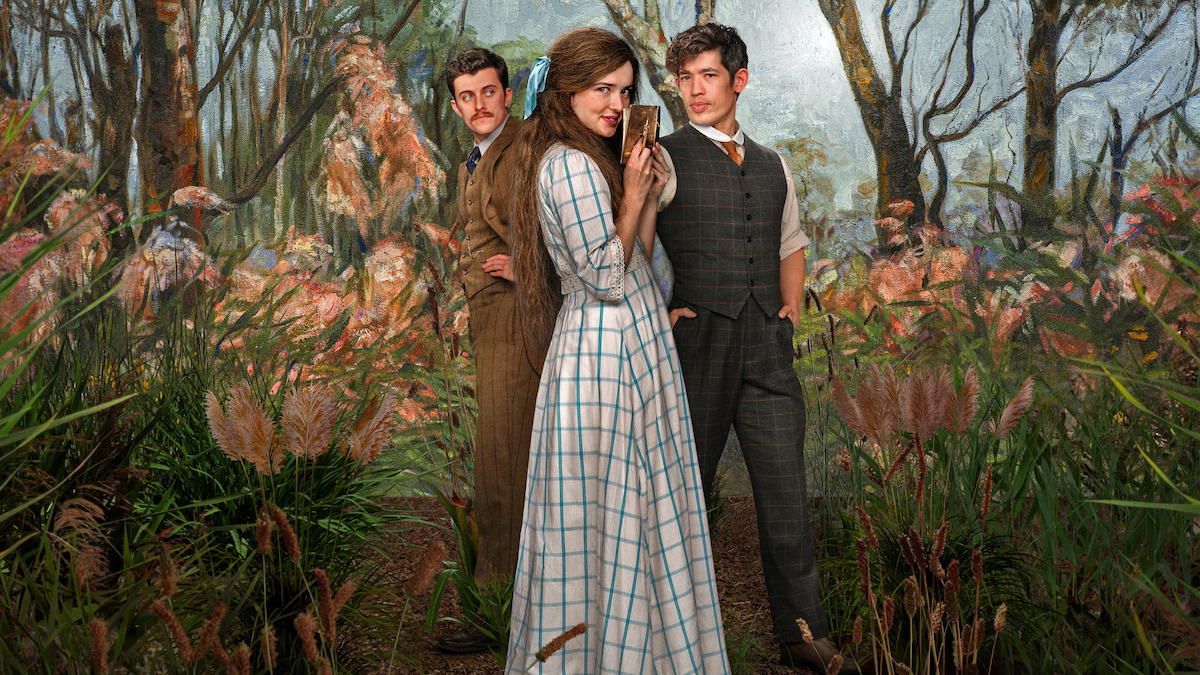
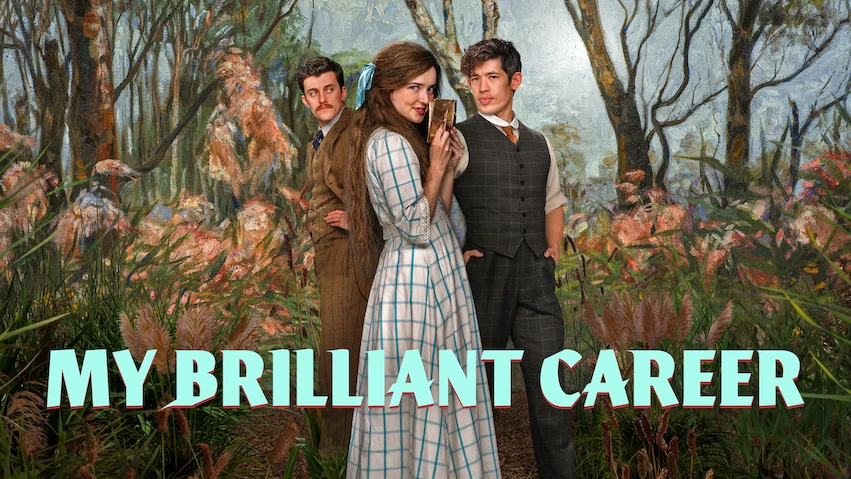
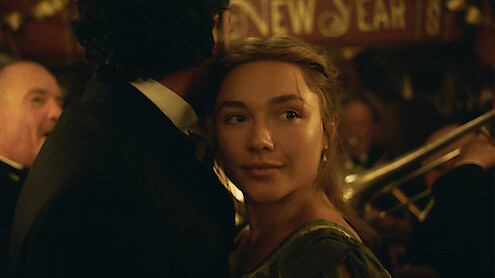
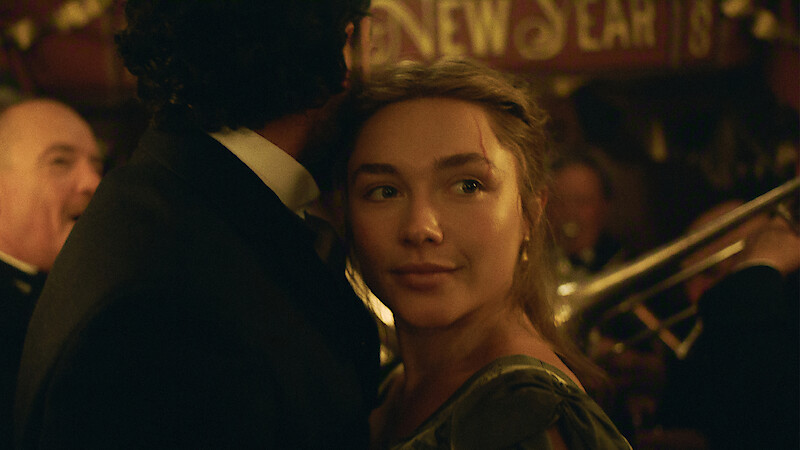
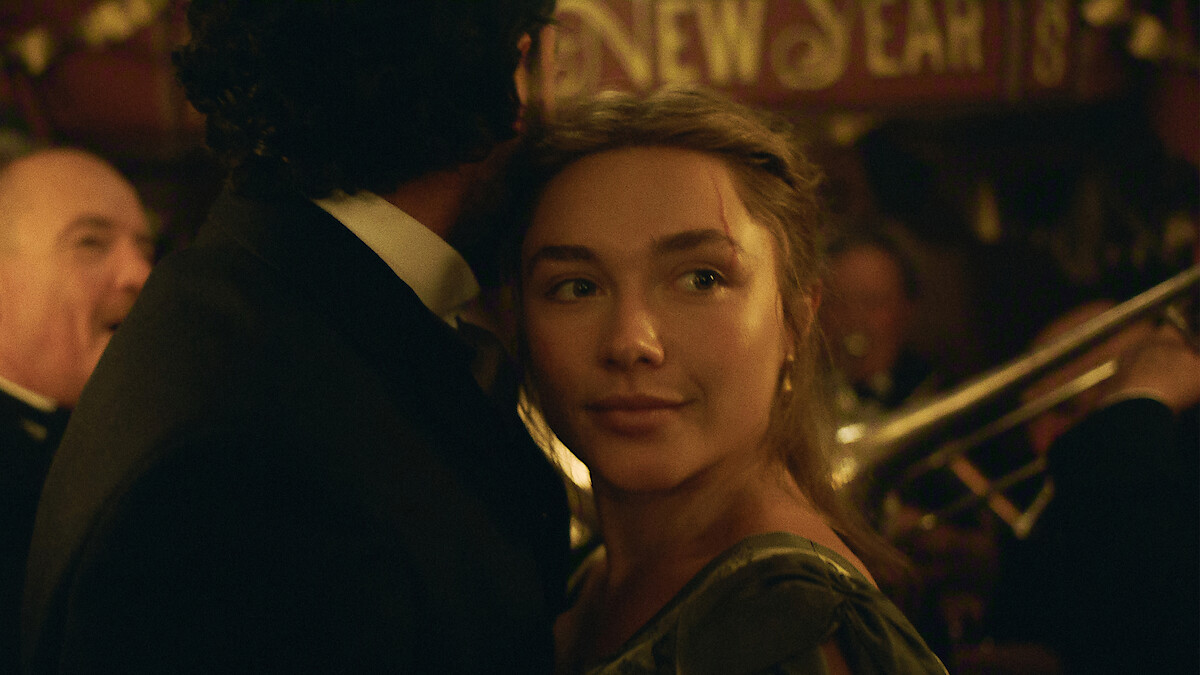
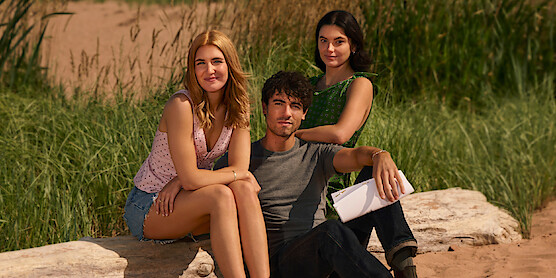
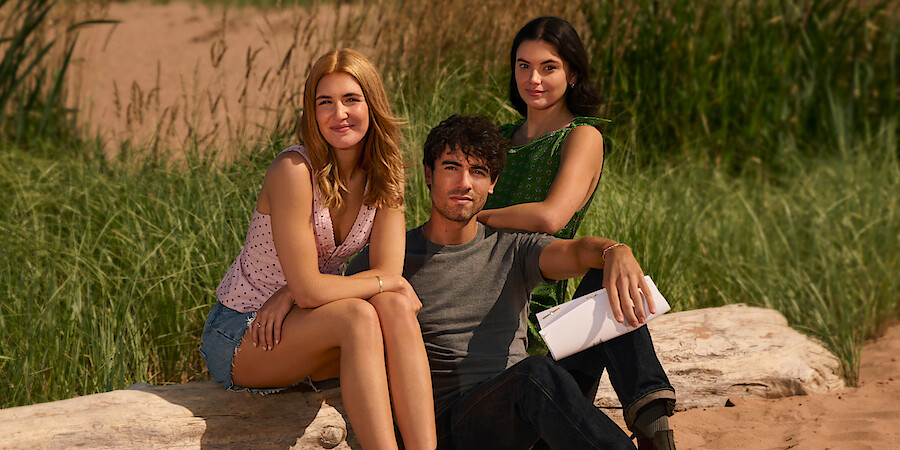
In 1901, a young Australian woman from a poor family moves in with her wealthy grandmother in order to make her debut into society. While her family expects her to find a suitable man to marry, she knows there’s only one dream worth chasing: her own literary ambitions. She’ll break every rule to become her own person, but what happens if she accidentally falls in love?
Adapted from the Miles Franklin novel by showrunner Liz Doran (Barons, Please Like Me) and executive produced by Chloe Rickard (Good Cop/Bad Cop), the coming-of-age period drama My Brilliant Career stars Philippa Northeast, Christopher Chung, Kate Mulvany, and Anna Chancellor. Read on to find out more about the adapted Australian classic and get the inside scoop on the series from Doran.
When will My Brilliant Career be released?
Stream it Aug. 13 on Netflix.
Where can I find the trailer for My Brilliant Career?
Check it out at the top of this page.
Who’s in the cast of My Brilliant Career?
- Philippa Northeast (Territory) as Sybylla Melvyn
- Christopher Chung (Slow Horses) as Harry Beecham
- Jake Dunn (What It Feels Like for a Girl) as Frank Hawden
- Kate Mulvany (Hunters) as Augusta Beecham
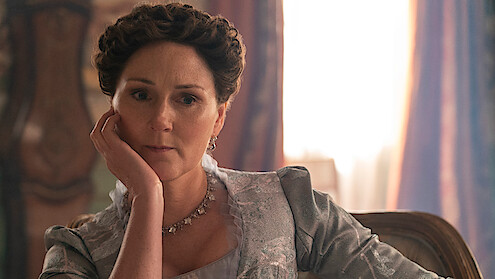
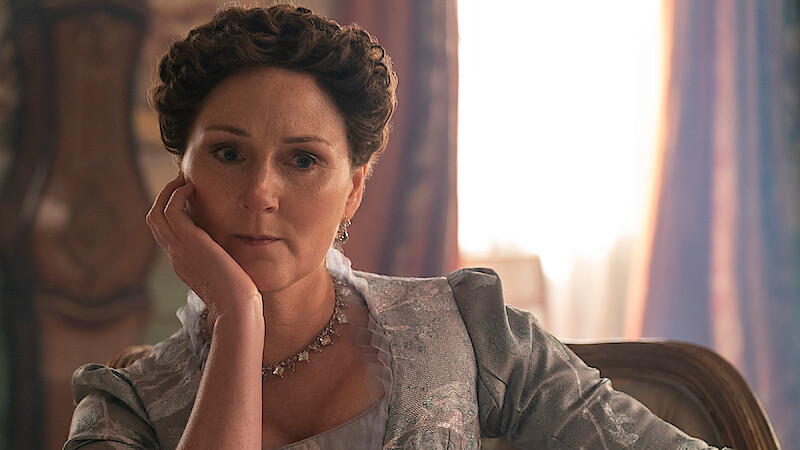
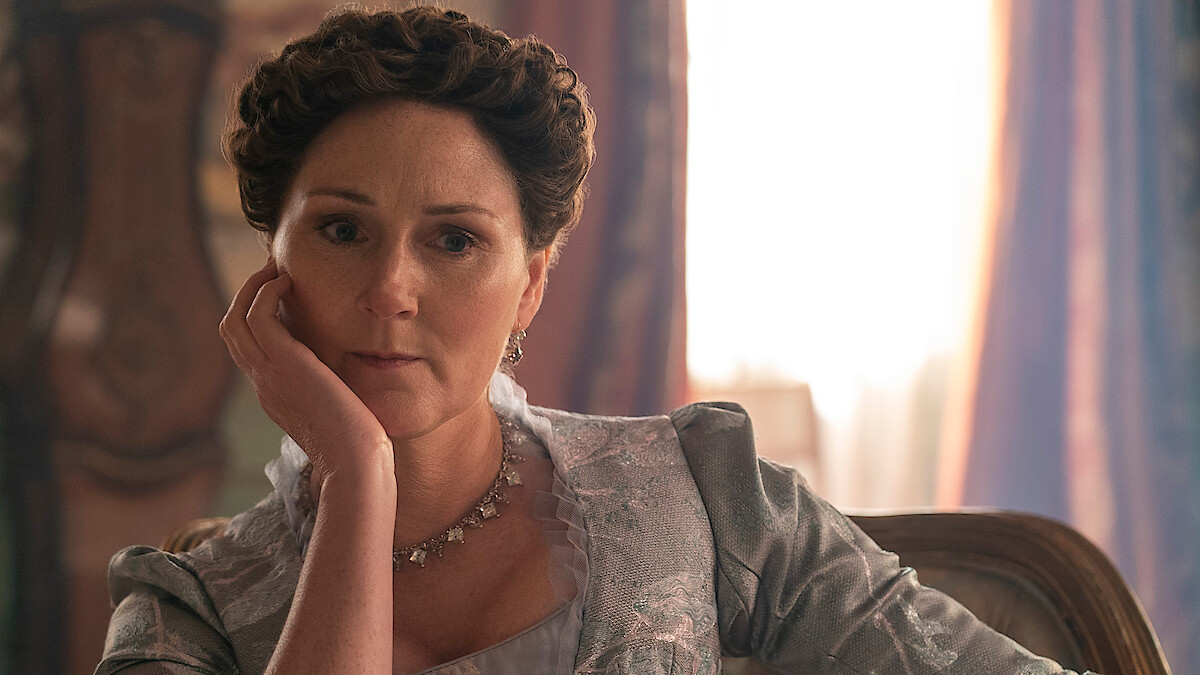
- Anna Chancellor (Four Weddings and a Funeral) as Winifred Bossier
- Genevieve O’Reilly (Andor) as Helen Bossier
- Alexander England (Black Snow) as Julius Bossier
- Sherry-Lee Watson (Heartbreak High) as Nell Kirby
- Miah Madden (Dive Club) as Betty Kirby
- Ella Oliphant as Gertie Melvyn
“Right from the moment we saw Philippa’s audition tape, we knew we’d found our Sybylla,” Doran tells Tudum. “She has such an intelligent, brave, open, and collaborative way of approaching the role. There is absolutely no one else I can imagine filling Sybylla’s shoes.”
What happens in My Brilliant Career?
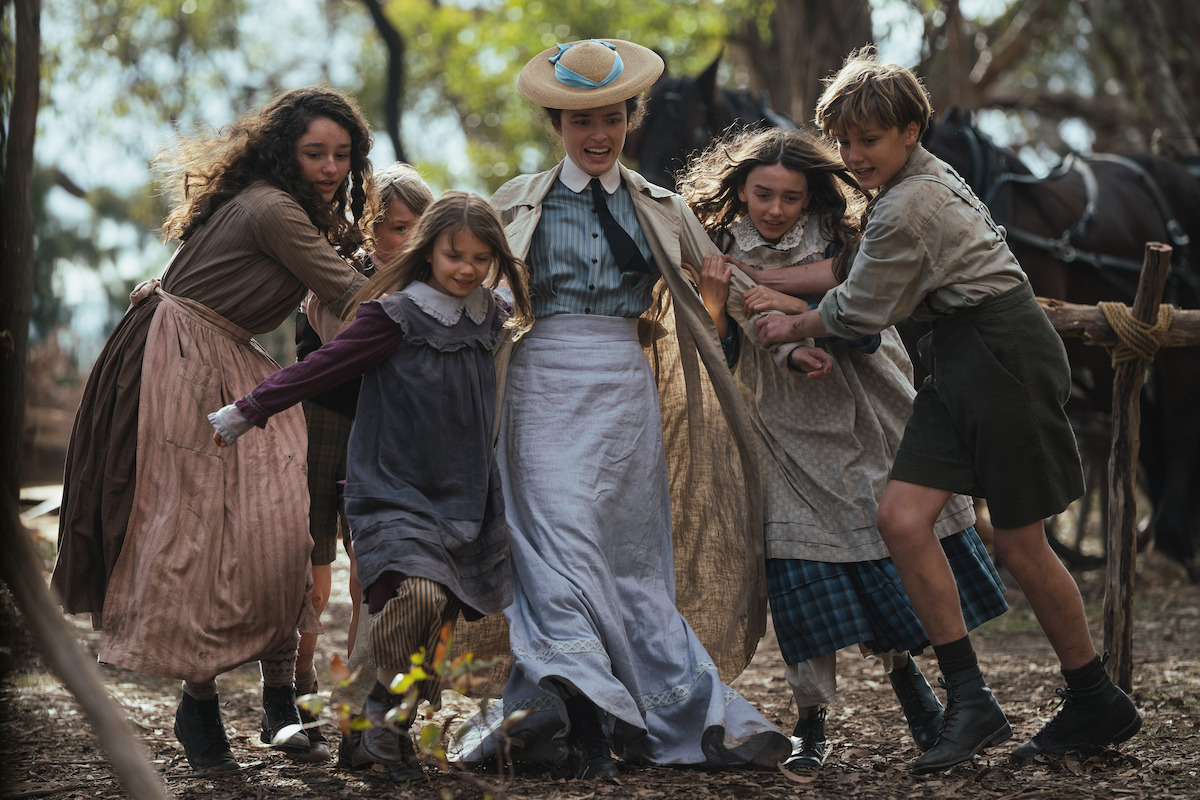
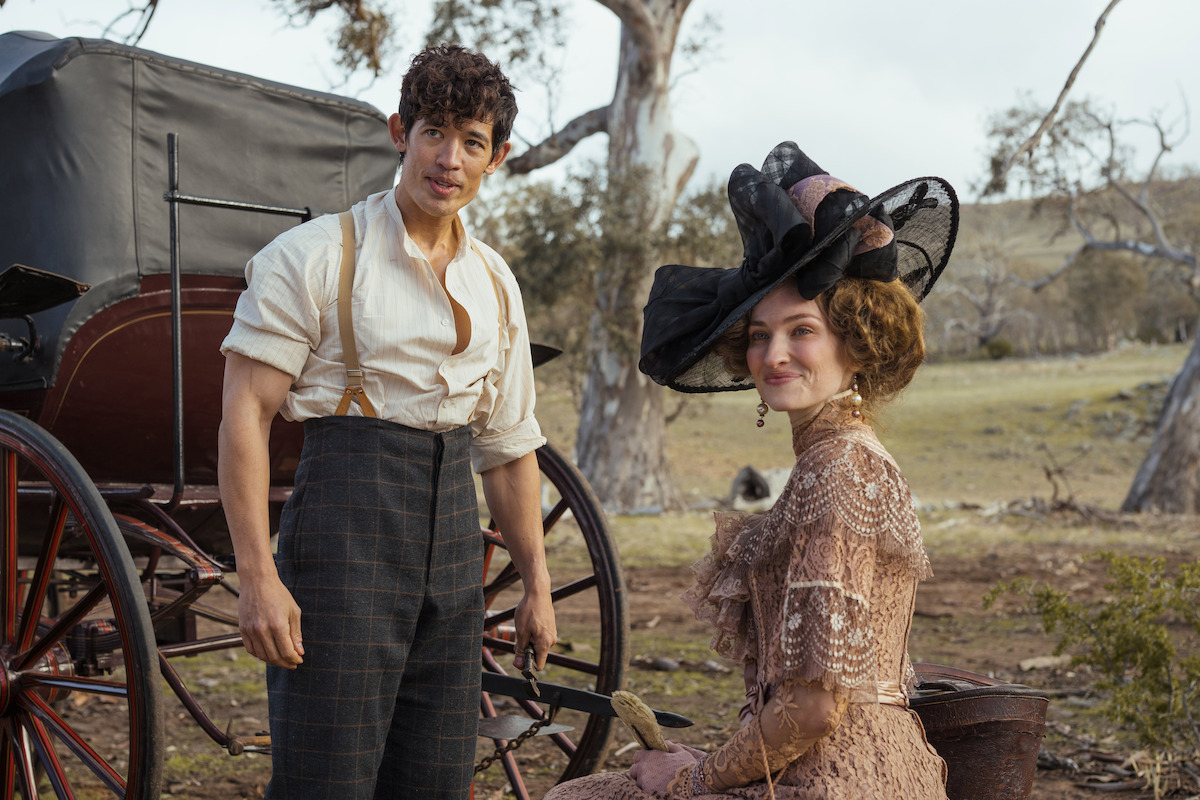
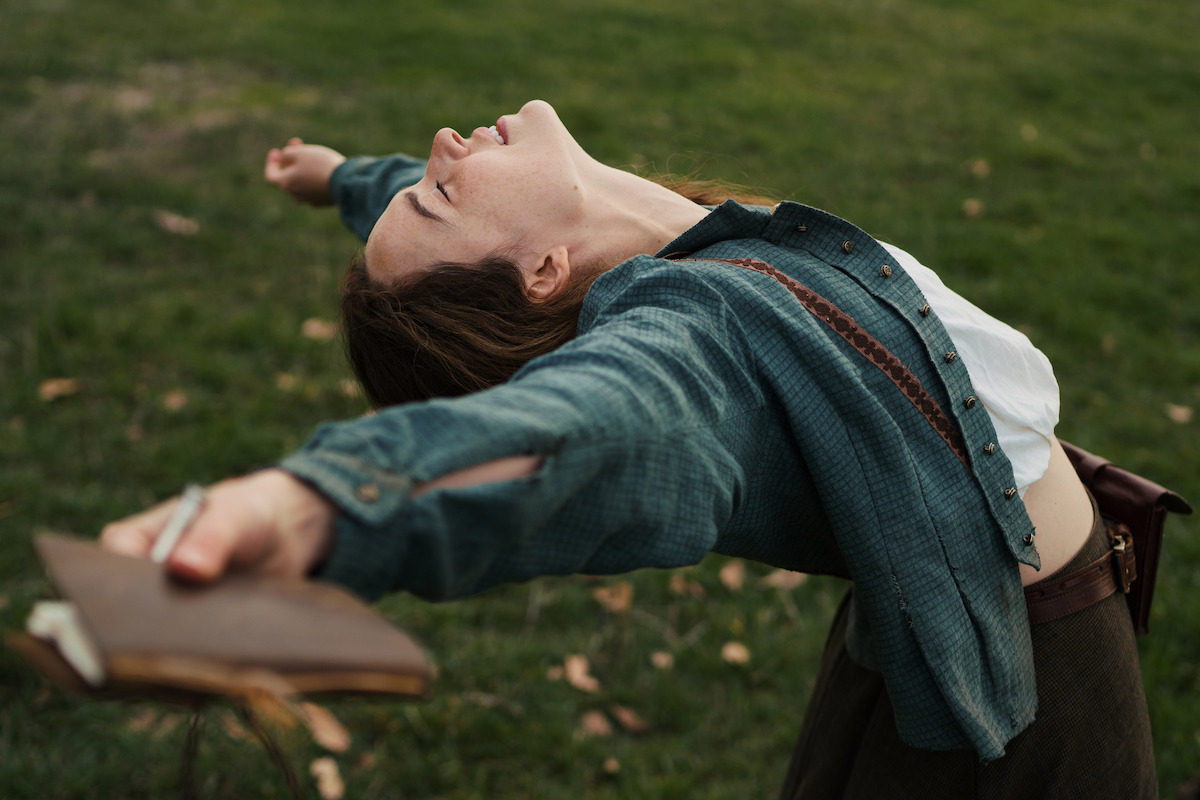
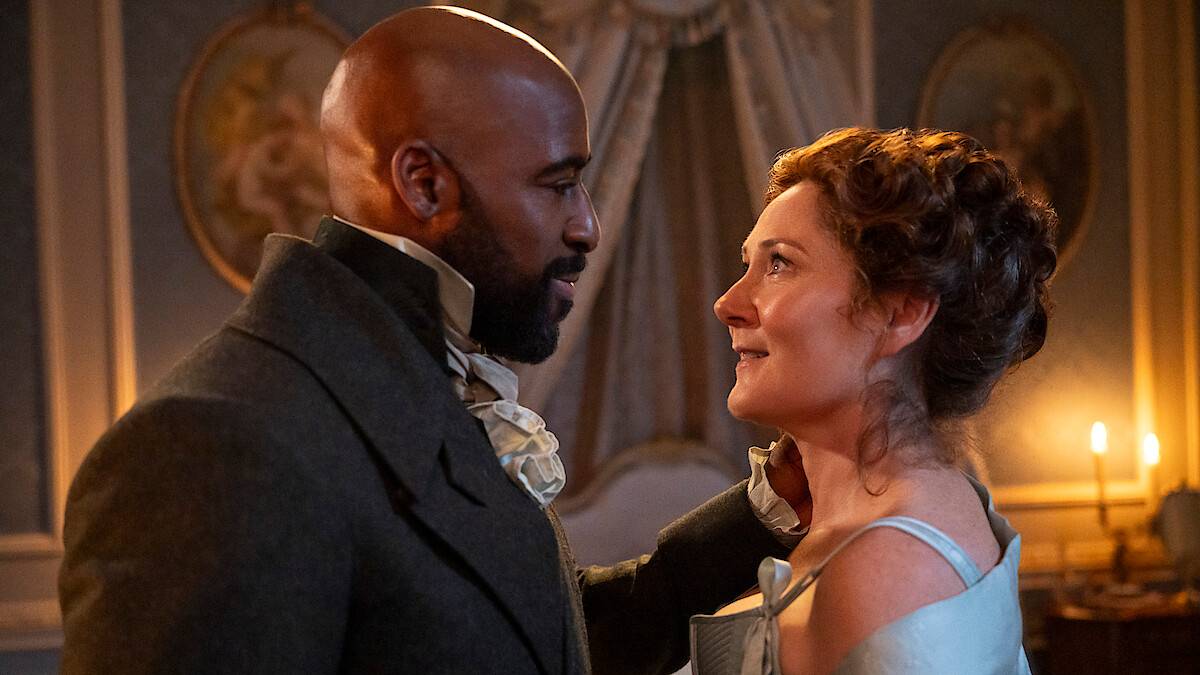
Aspiring writer and strong-willed rebel Sybylla Melvyn (Northeast) lives an idyllic farming life in the Australian bush with her parents and younger siblings. The Melvyns receive a letter from Sybylla’s wealthy maternal grandmother, Winifred Bossier (Chancellor), requesting Sybylla move in to her sprawling estate. The family immediately tries to coax their daughter to take the opportunity so that she can make her debut into Australian society and find a wealthy, cultured husband. Despite Sybylla’s reservations — after all, how can a young woman become a writer if her only focus is marrying well? — she figures it’s at least a way to gain life experiences for her first novel. When she arrives, Sybylla finds herself distracted from her aspirations by the handsome foreman of her grandmother’s estate, Frank Hawden (Dunn), and local society celebrity Harry Beecham (Chung). Beecham’s upper-crust aunt, Augusta (Mulvany), is a vocal suffragette looking to stir up change.
“During the adaptation, we never lost sight of Sybylla’s more pressing goal — to choose her own path against the wishes of society,” Doran says. “Love versus career is the umbrella under which all our stories are told. Contemporary women don’t face the same marriage hurdles that Sybylla did, but that doesn’t mean that there aren’t still massive obstacles for young women trying to find their way in the world.”
Is My Brilliant Career is based on a book?
Yes, the Netflix series is based on a 1901 semi-autobiographical novel of the same name by Australian author Miles Franklin, who penned the story when she was a teenager. The novel is considered a classic of Australian literature, and Franklin is renowned as a pioneering feminist writer.
“I read the book for the first time in 2019 and was immediately struck by how Sybylla’s struggle still resonates for all of us today,” Doran says. “Having the opportunity to give a new generation this story that encourages them to pursue their dreams was one I definitely could not pass up.”
What’s different between the series and the novel?
“The most significant changes we made are in opening up the world to feature a broader array of characters,” Doran says. “The book has a very loose narrative structure that still feels fresh and alive, but it is inevitably old-fashioned, especially in the stories it doesn’t tell.” In adapting it for modern audiences, Doran wanted to explore the types of people living in Australia at the time. “Our inclusion of First Nations characters was fundamental to this process.”
The series also combines characters from the novel — merging two aunts into one — and adds a new character named Augusta. “Franklin’s book is original, expansive, and completely modern for its time, so I hope we are honoring the spirit of the original material to open up the story from our contemporary perspective,” Doran says.
Another big change is the love triangle, which doesn’t exist in Franklin’s story. “In the book, Harry Beecham is the main love interest and Frank Hawden is, frankly, a bit of a tosser,” she says. For the series, Doran wanted to ensure that Harry had actual competition, so she wrote both men as more nuanced and complex than their original counterparts. “Sybylla is such an incredible character,” Doran says. “The men in the story needed to lift their game to be worthy of her.”
What changed between the series and the 1979 film?
Eleanor Witcombe’s movie adaptation from the late ’70s is a classic, Doran says, but the scope of the adaptation was limited by its feature-film length. “[Witcombe] mostly focused on one aspect of the book, framing Sybylla’s quest around a central love story,” Doran says. “By contrast, a TV series’ length gave us the opportunity to expand the world and explore other character storylines.”
Who’s behind the series’ aesthetic?
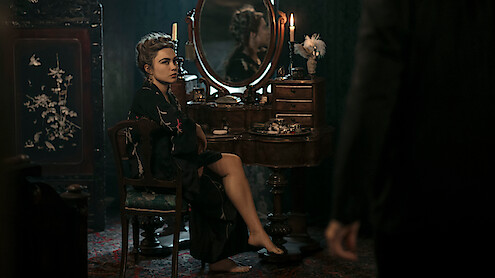
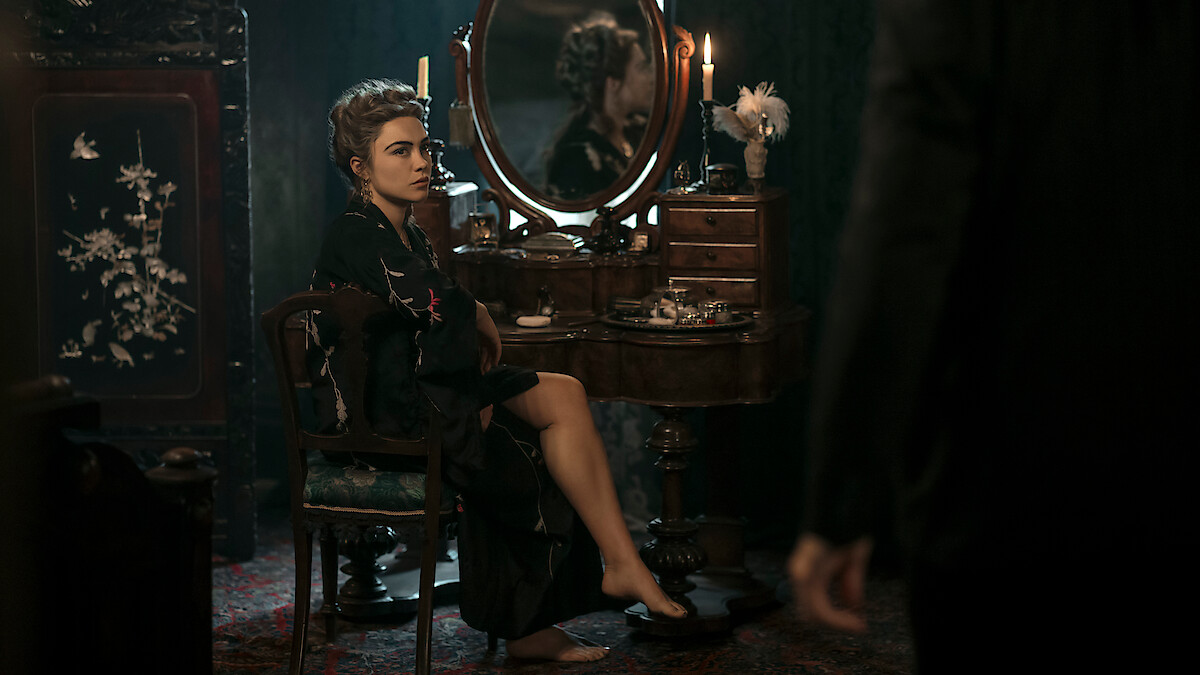
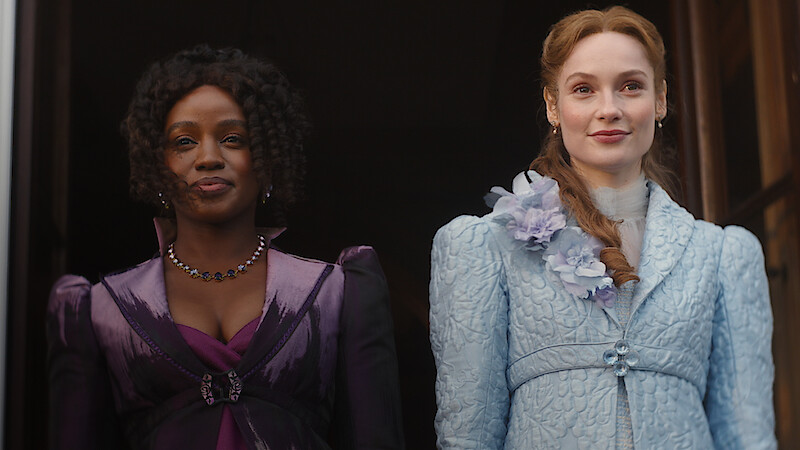
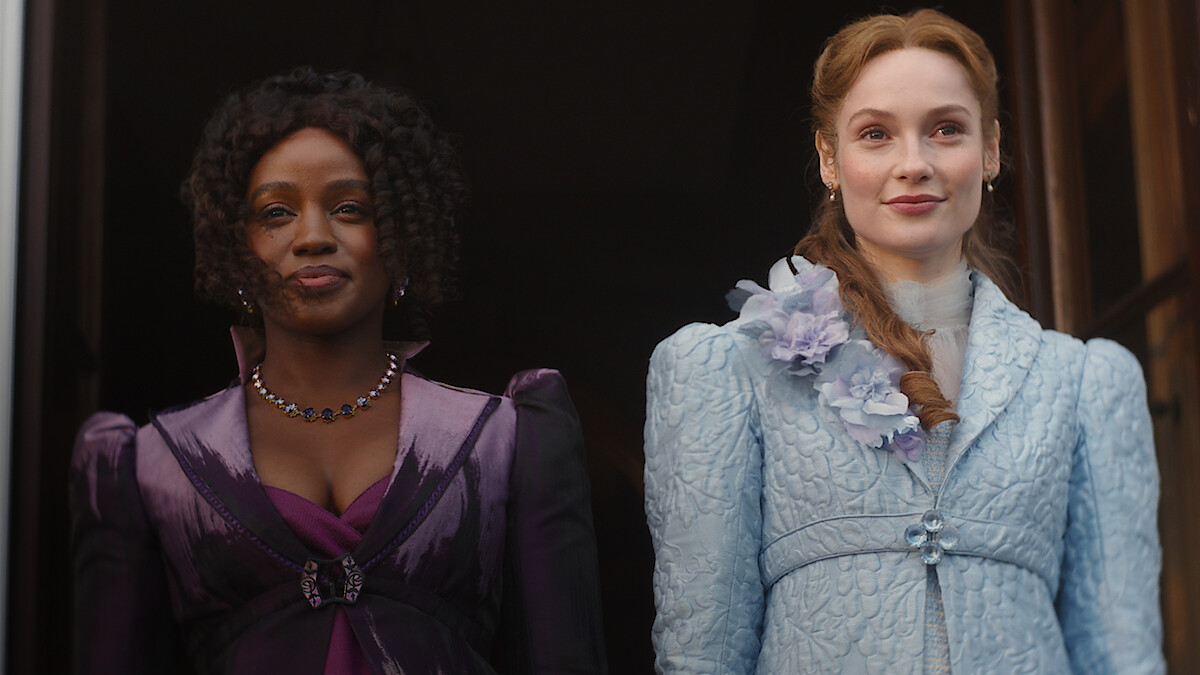
“From very early development, my fellow [executive producer] Chloe Rickard and I always knew that we wanted this world to have a strong, feminine, Australian flavor. ‘Unbuttoned and dirty-hemmed’ were our guiding principles,” Doran says. “Another principle was ‘period possible.’ We talked a lot about how people might actually have lived and what those rooms and clothes would look like, but also which areas we could push a little — perhaps the color of a costume, or the way Augusta might decorate her home.”
During production, the team explored visual references like works from the late-19th-century impressionist painting movement, the Heidelberg School — landscapes depicting the ochre-toned Australian outback highlighted with soft blue and mossy greens. Doran and Rickard’s aesthetic principles are on display in every frame: the characters’ costumes, fashioned by the show’s costume designer, Mariot Kerr; the feel of Sybylla’s new home, Caddagat, styled by production designer Felicity Abbott; and the shots of Sybylla exploring her aunt’s town of Gool Gool.”
“[Set-up director and executive producer Alyssa McClelland] and [set-up director of photography Kieran Fowler] designed a visual style that included those amazing widescreen landscapes with looser, often handheld, immersive close-ups to create a strong but poetic female gaze,” Doran says. “The work that this team did all led to the incredibly rich world that ended up onscreen.”