Explainer
Could the Sea Creature in Below Really Exist?
The show’s marine biologist consultant separates fact from fiction.
By Thea Glassman
Oct. 8, 2026
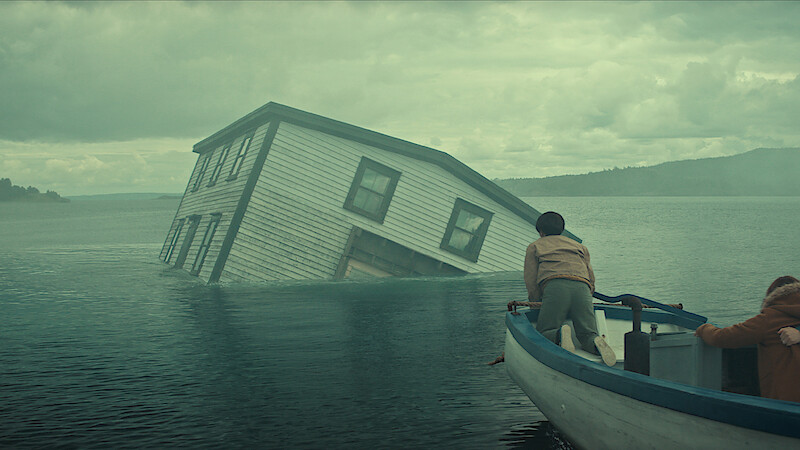
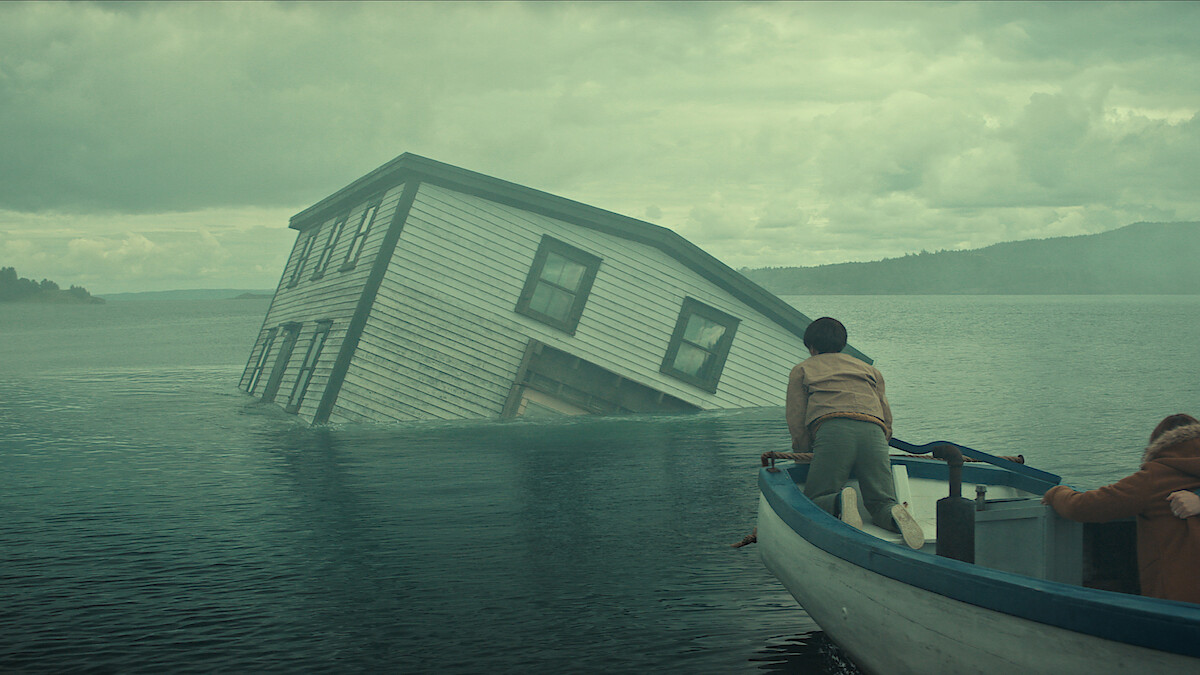
When Below’s creator Jesse McKeown set about telling the tragic tale of a giant squid, he turned to Dr. Annie Mercier, a marine biologist at Newfoundland’s Memorial University Ocean Sciences Centre, as his fact-checker.
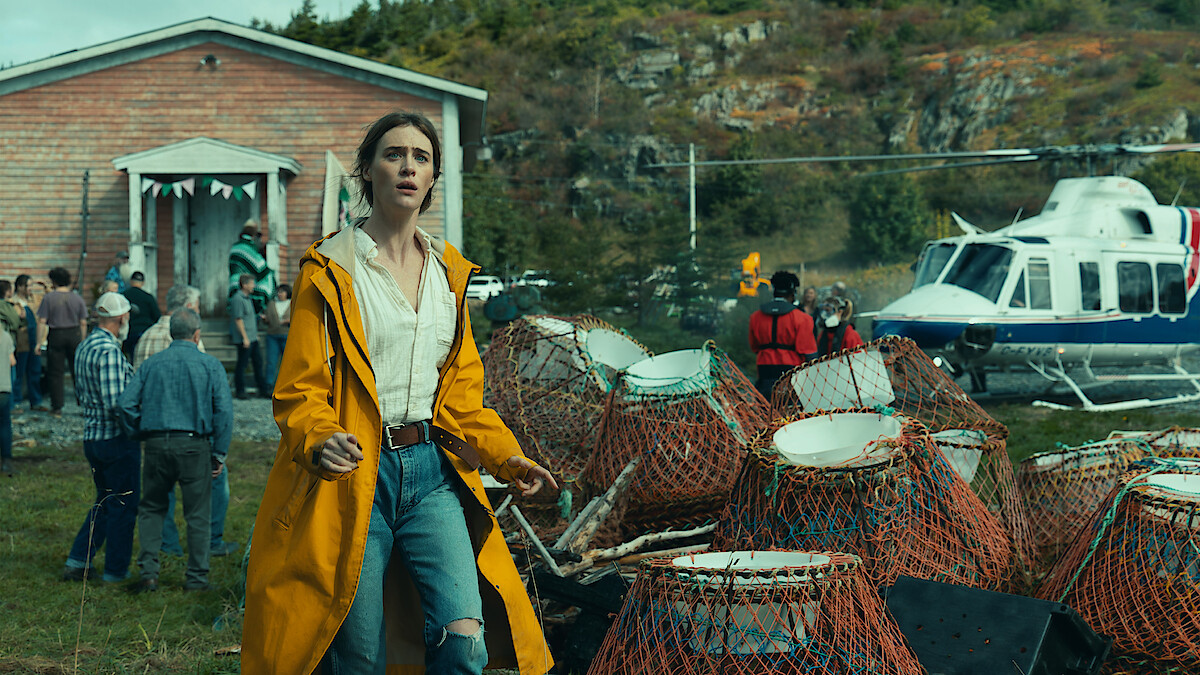
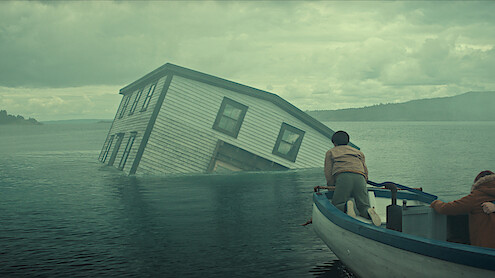
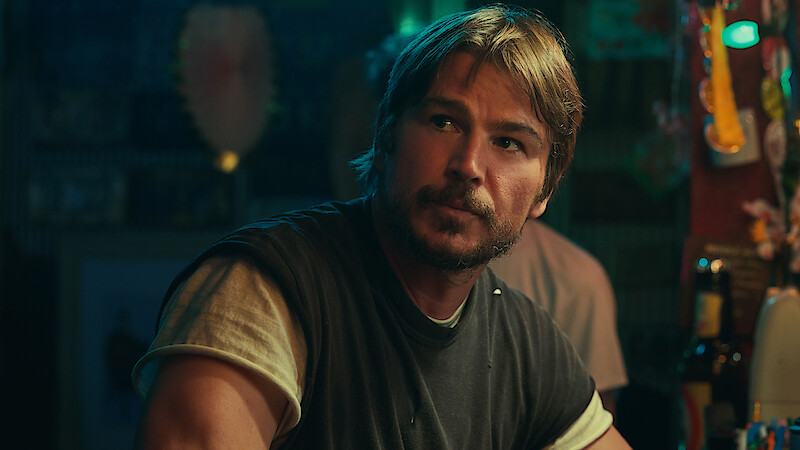
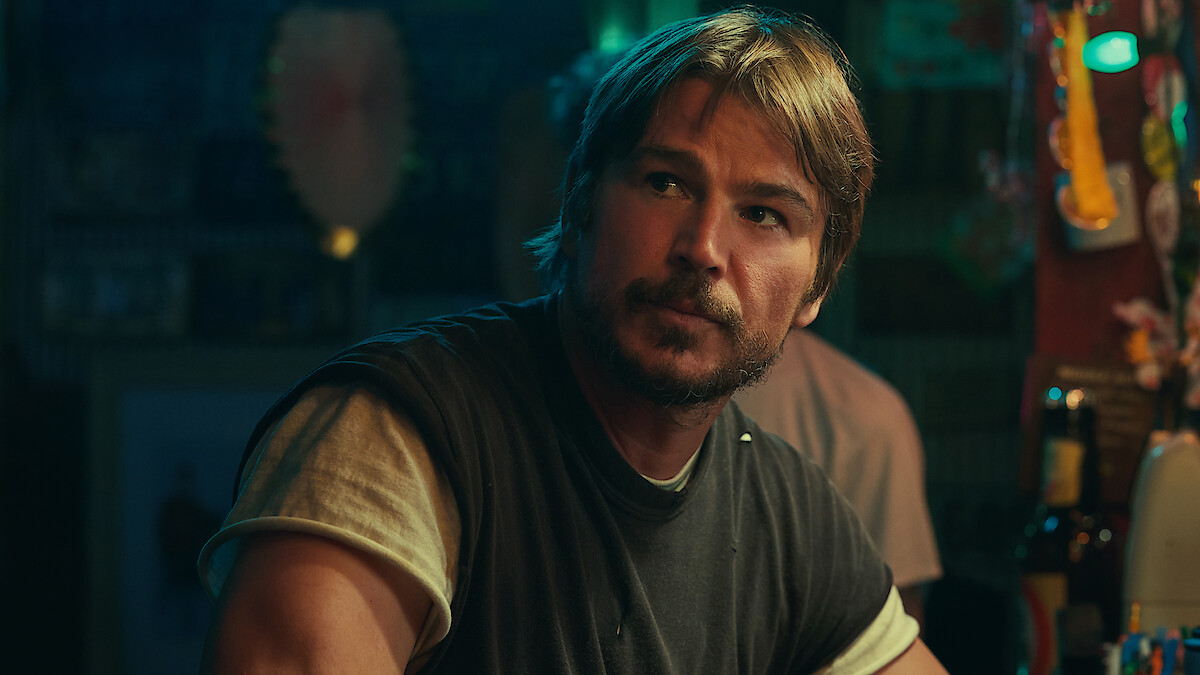
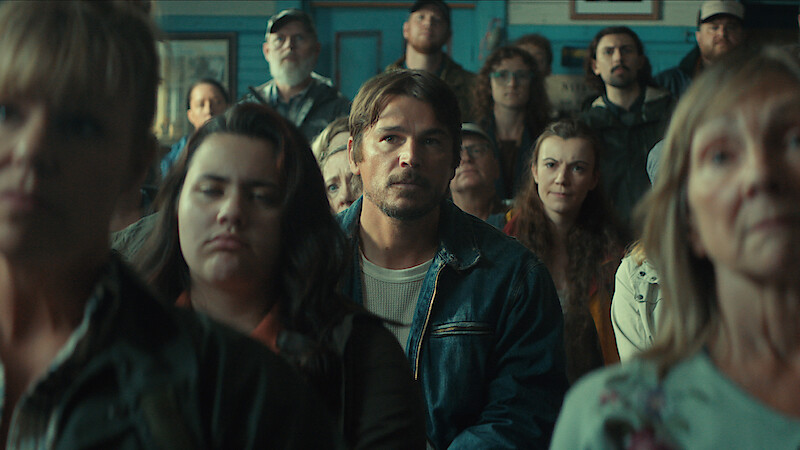
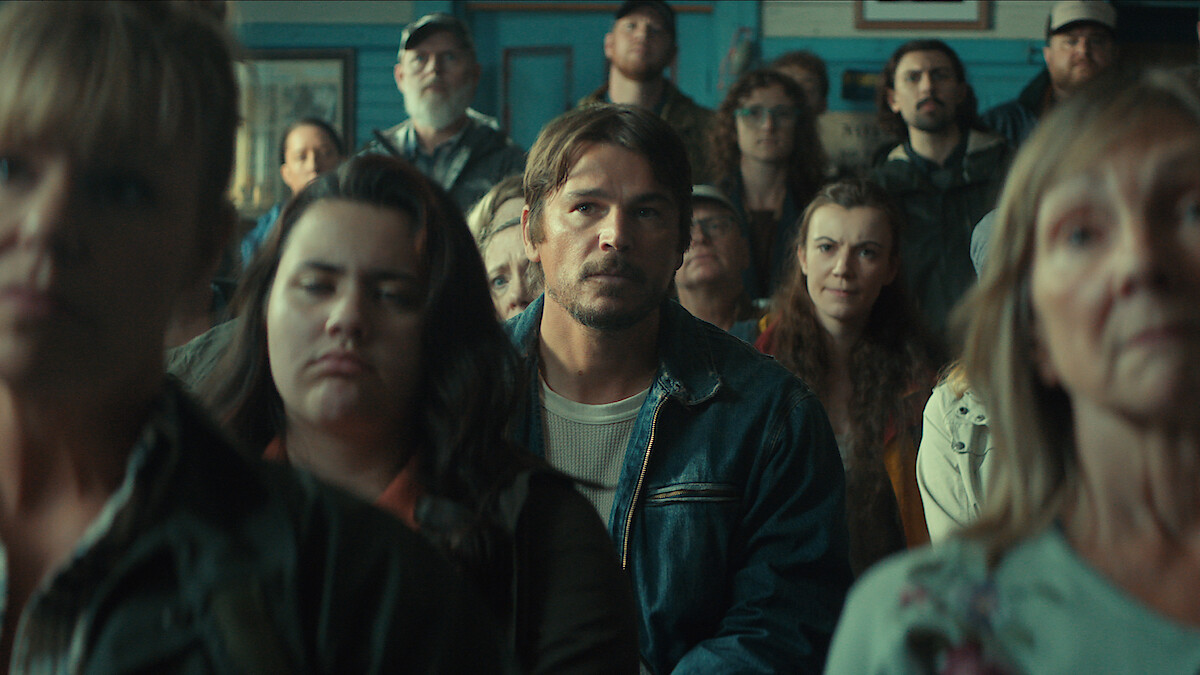
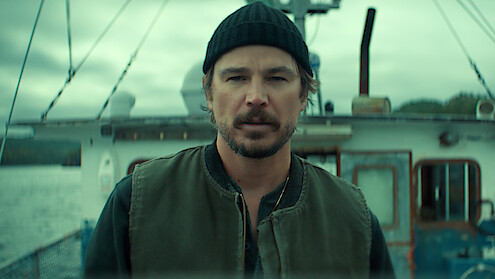
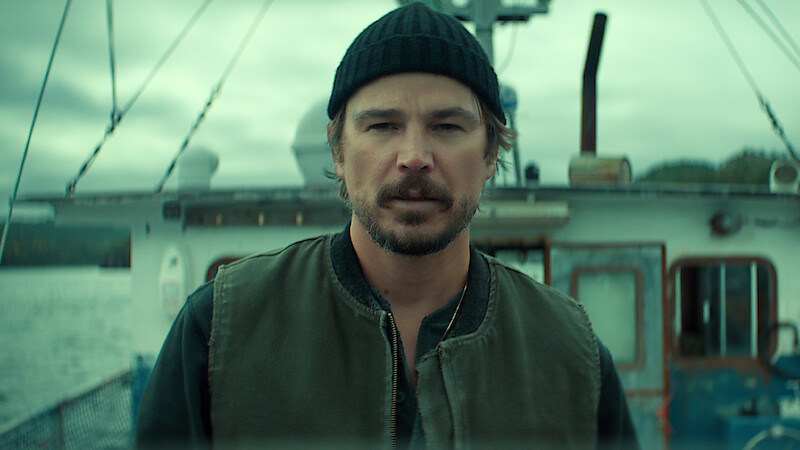
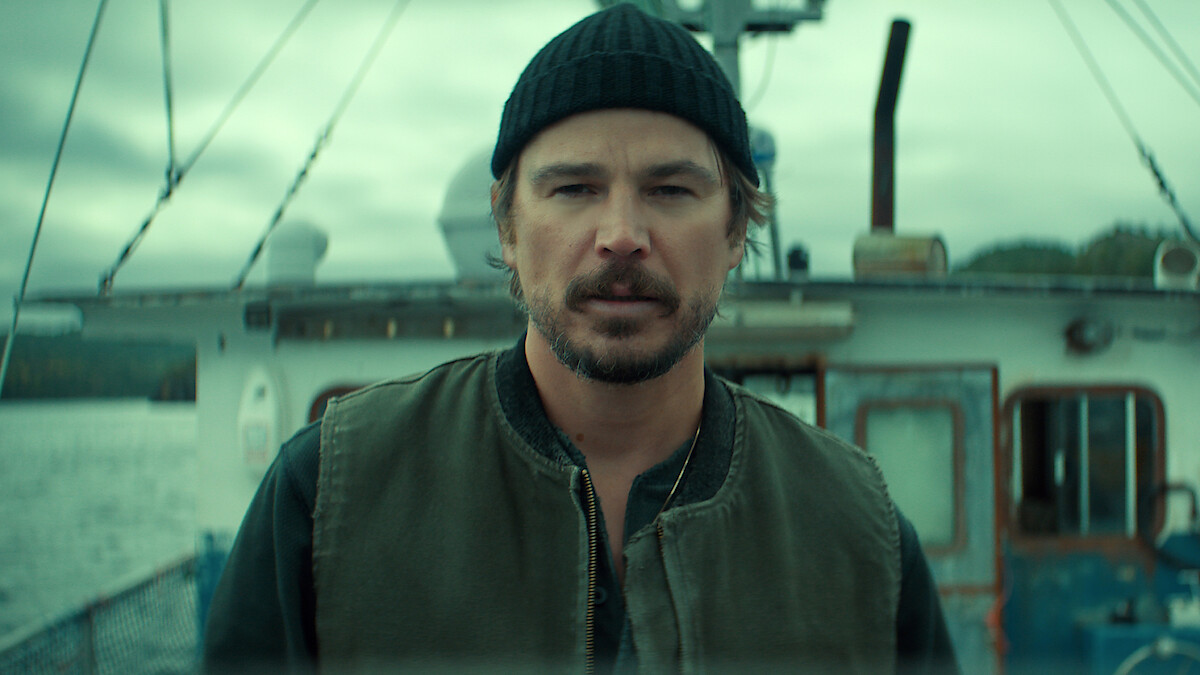
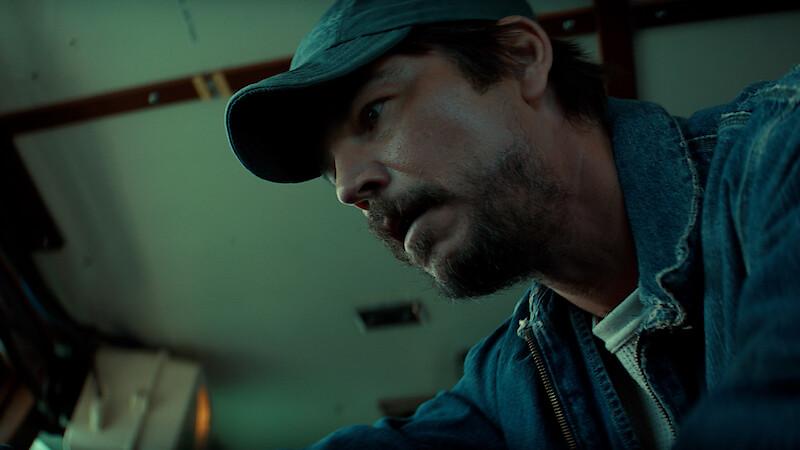
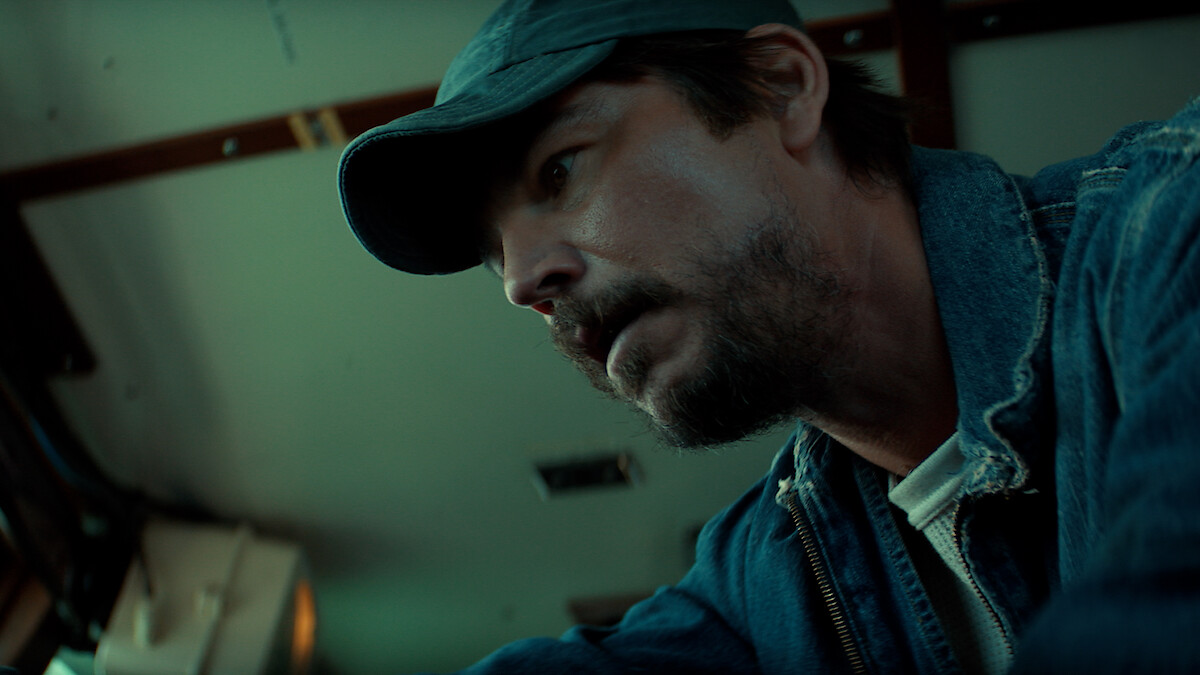
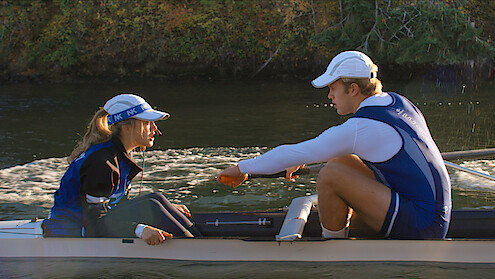
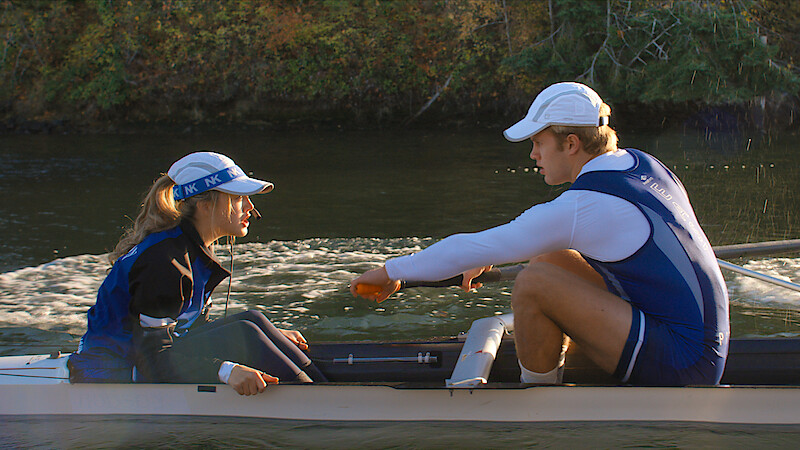
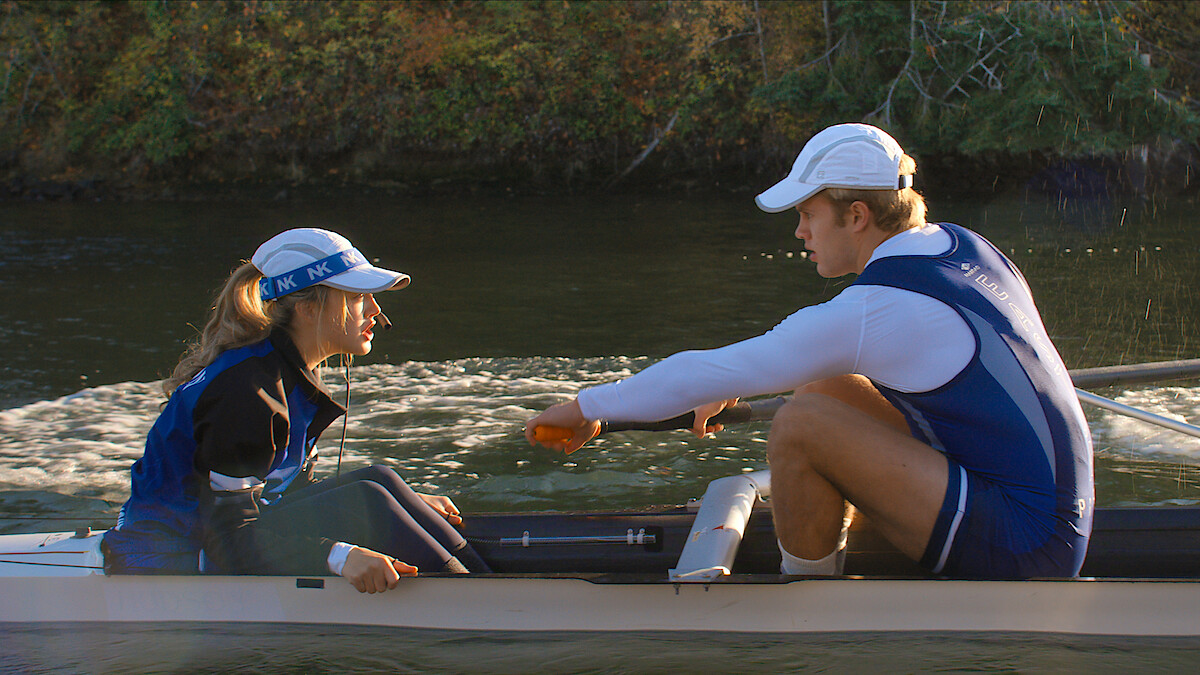
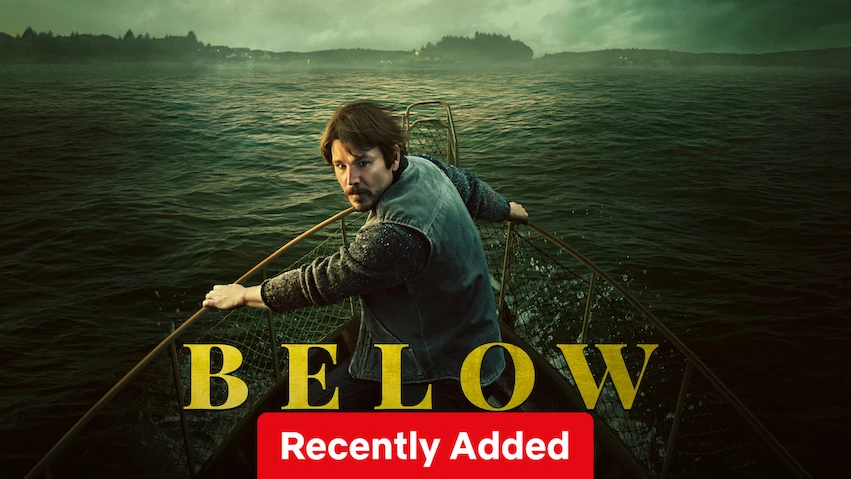
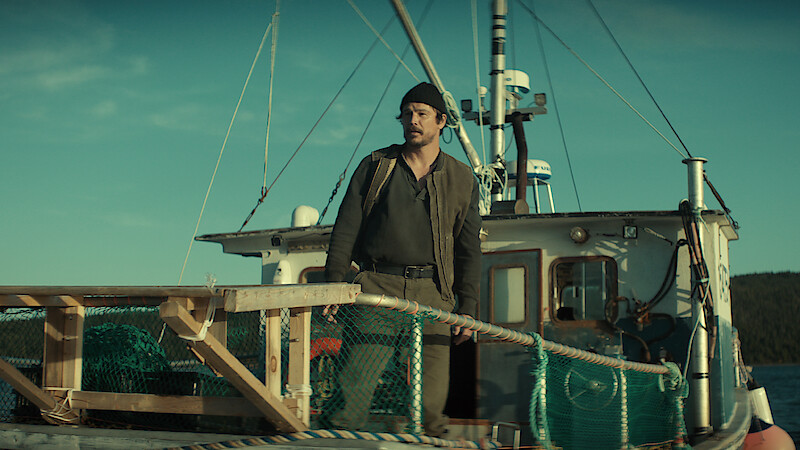
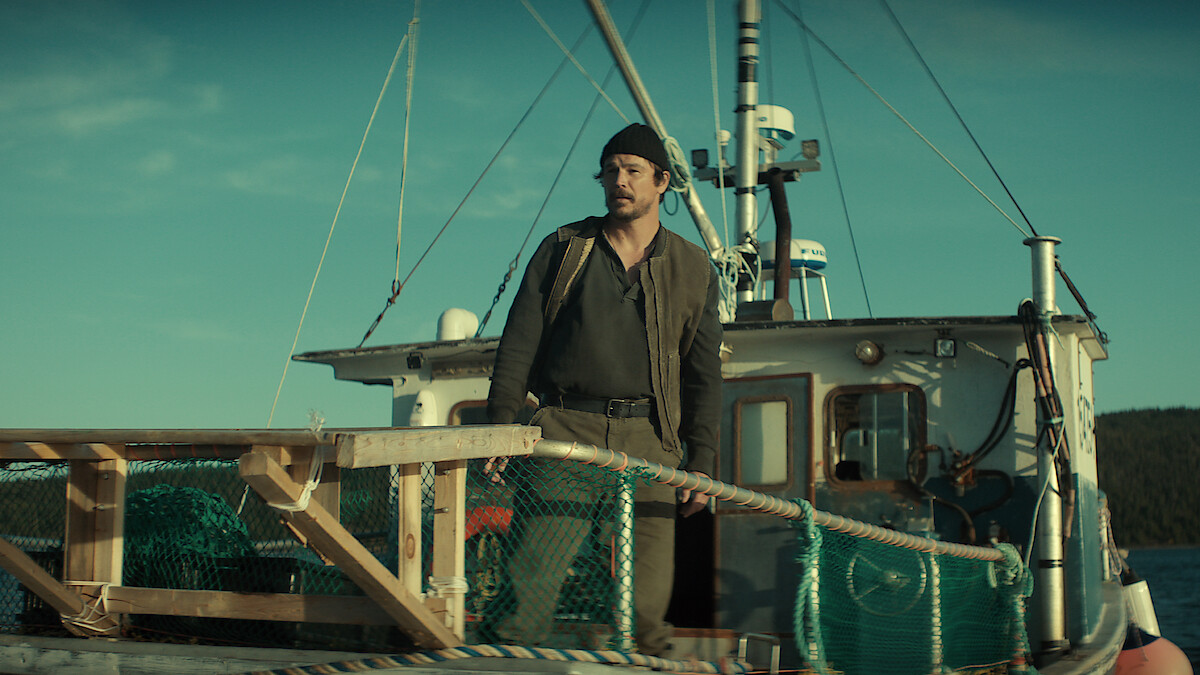
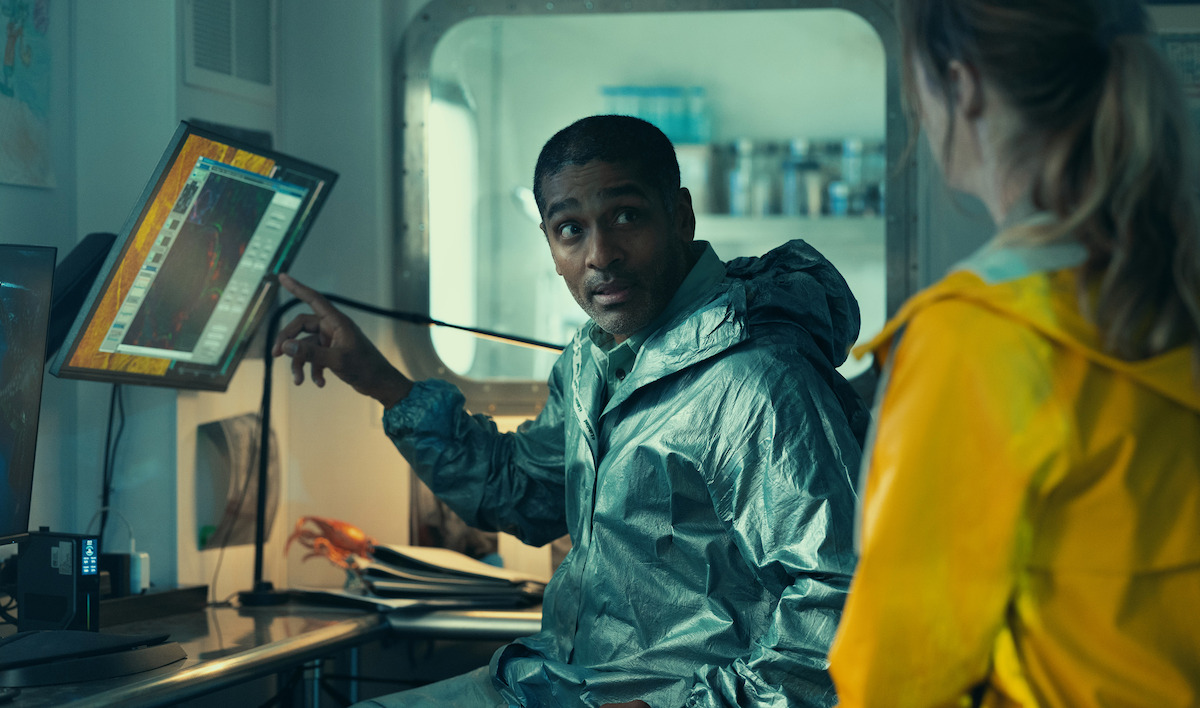
Mercier was sent scripts for the limited series — now streaming on Netflix — which follows a fisherman named Calvin Penney (Josh Hartnett), whose small town is under attack by an aggressive cephalopod. As Calvin and local marine biologist Fonda Howander (Mackenzie Davis) race against the clock to figure out how to stop the mayhem, they uncover surprising secrets about the misunderstood creature, known affectionately as Mudder.
Giant squids do, in fact, exist, Mercier — who served as the inspiration for Fonda — tells Tudum. They average about 33 feet in length, and their eyes are among the biggest in nature. “Sometimes, when we get the remains of cephalopods, they’re already decayed a little bit, so they might be even larger when they were alive,” Mercier says.
The creatures are notoriously elusive and live deep below the surface, making them very difficult to study. In recent years, scientists have attached cameras to sperm whales, predators of the cephalopod, to get a glimpse of the animal. Plenty of urban legends have sprung up around the giant squid, including an attack on the survivors of a sunken troopship during World War II. “There lies a little bit of mystery, so you can be creative about it,” Mercier says.
Unlike in Below, it’s “very improbable” that these deep-sea creatures would ever come out of their element to hurt humans. “They don’t have the strength in their skeleton to do any harm to something that’s above water,” the marine biologist explains, noting that what happens underneath the sea could be a different story.
“Most of the time, they are peaceful, most of the time they will be afraid and very rapidly move away,” Mercier says. “But under some circumstances — and being a parent is one of them — they will have the instinct of protecting their offspring, so then it might be more dangerous.”
That protective nature is right in line with what Calvin learns about Mudder, who, it turns out, is lashing out because her egg sac is struggling to survive in rapidly warming ocean water.
“Cephalopods have parental strategies that are very endearing to us,” Mercier says. “They will guard their egg masses, and the parent actually wastes away because it doesn’t feed itself. It will remain there, it will aerate, and clean the eggs. This can go on for months and months, and the parent will eventually die.”
As in Below’s portrayal of Mudder, cephalopods are highly intelligent creatures who exhibit several basic behaviors that humans can relate to, the marine biologist shares. “They will manipulate, they will hide… they can learn to use tools, and some of them mimic more dangerous animals just to evade predation.”
As McKeown researched cephalopods, he found himself “amazed” by these underwater creatures. “I was kind of blown away by their intelligence and just what strange and alien creatures they are,” he says. “They have a tragic, poetic quality.”
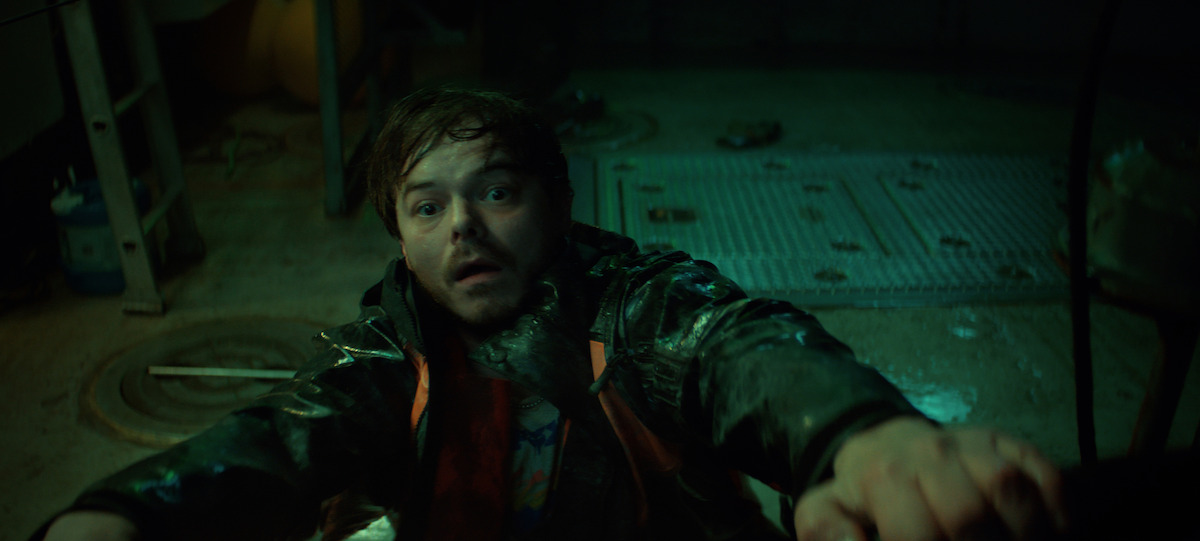
In the series, Wade (Charlie Heaton) is attacked by a cephalopod and is left with a mysterious welt on his back. That’s consistent with the kind of scars that squids can leave on sperm whales when targeted. “The squid has a beak, and that’s the only hard part that they have,” says Mercier. “When they actually fight, sometimes they will scratch. There are sperm whales that have scars, and it’s because they interact with giant squids.”
In one of the show’s final scenes, Fonda reveals that Mudder’s babies weren’t able to survive in the warm water — which, she adds, is only getting warmer.
Spiking temperatures are indeed one piece of the puzzle harming sea creatures. “We’re always thinking about temperature, but even the water chemistry itself is changing due to climate change,” Mercier explains. “The presence of oxygen is more difficult in warmer waters than in colder water, so you have a few different elements that come into play affecting the distribution and livelihoods of marine creatures.”
On top of that, new species are becoming extinct before marine biologists even have the chance to study them.
“Marine scientists often say we know more about the universe and the moon and Mars than we know about our own oceans,” Mercier says. “The ocean is not only full of life and potential for our food supply — it’s our climate. We call it Planet Earth, but it’s more Planet Ocean.”
Watch all six episodes of Below now.